
Inspiration
The journey of Ecan began with a simple observation: the path to environmental consciousness is often clouded by complexity and inconvenience. Driven by the belief that technology could demystify this path, we envisioned an app that would make sustainable living both accessible and engaging. Ecan was born from the desire to turn good intentions into tangible actions, utilizing AI and AR to guide individuals toward a significant environmental impact.
What it does
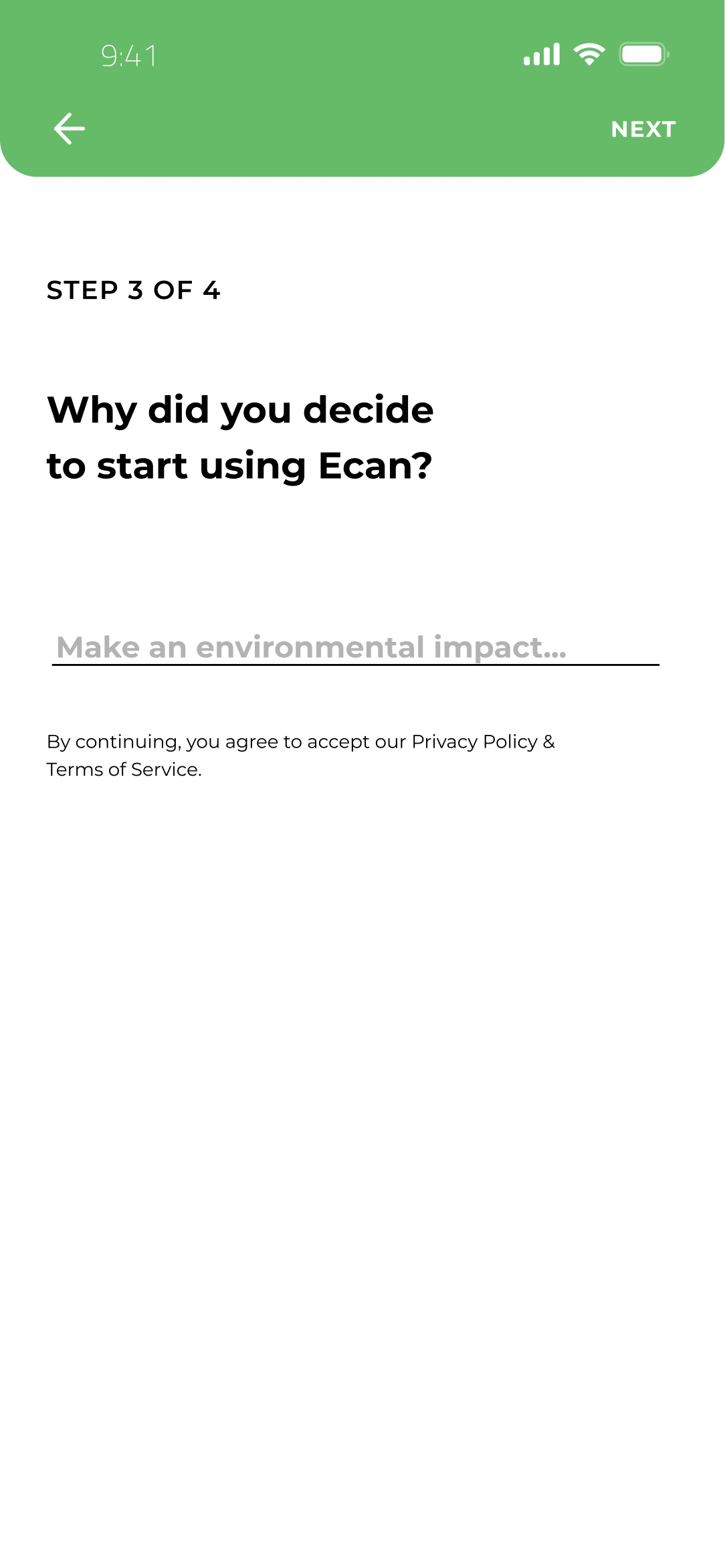
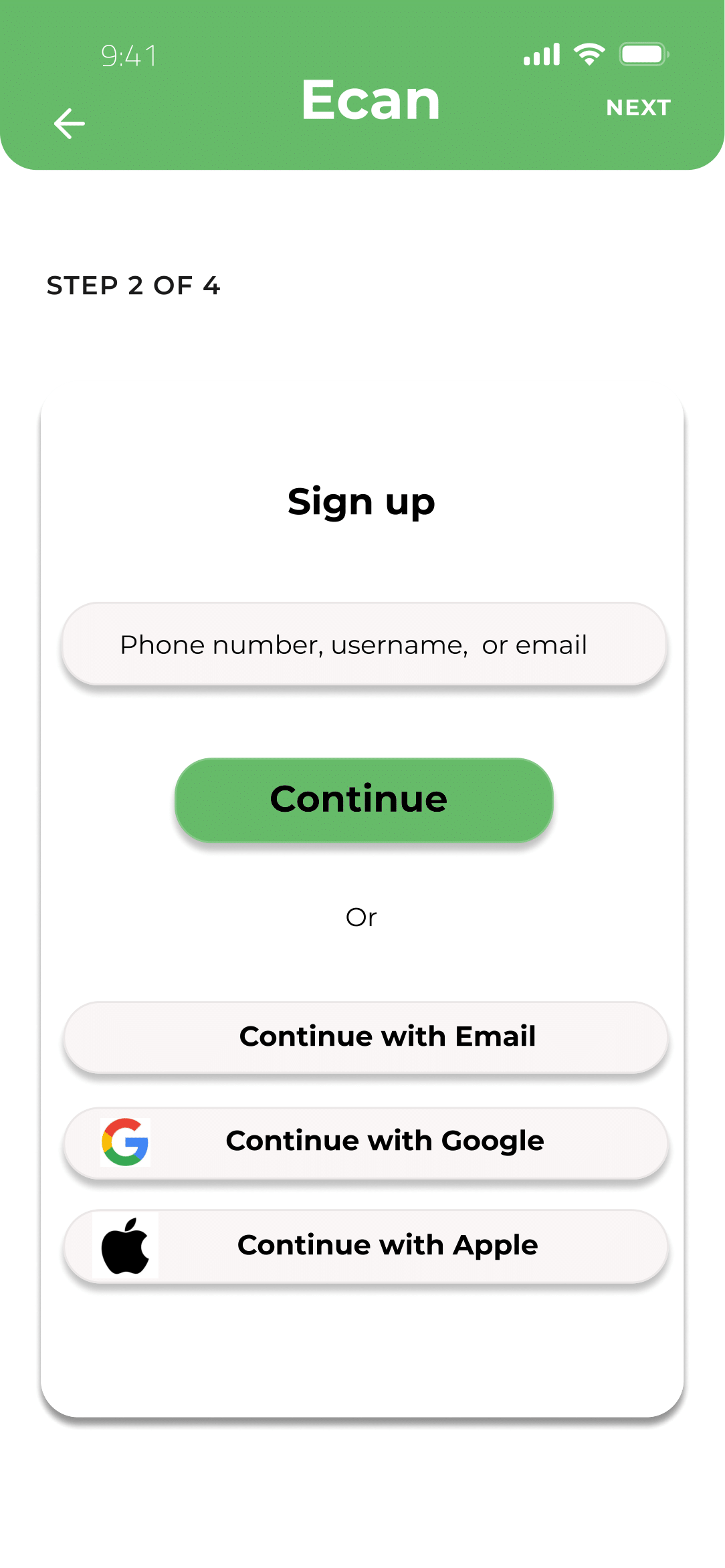
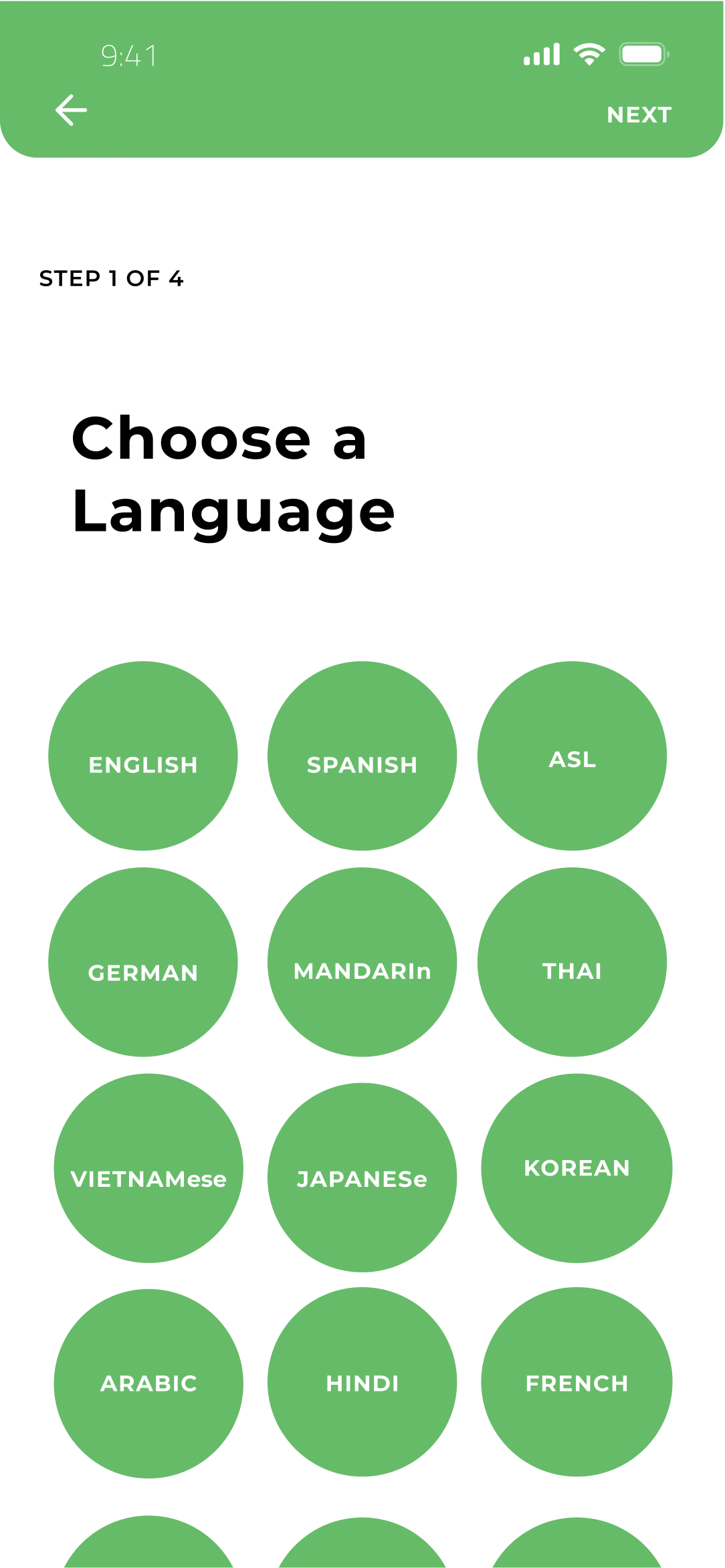
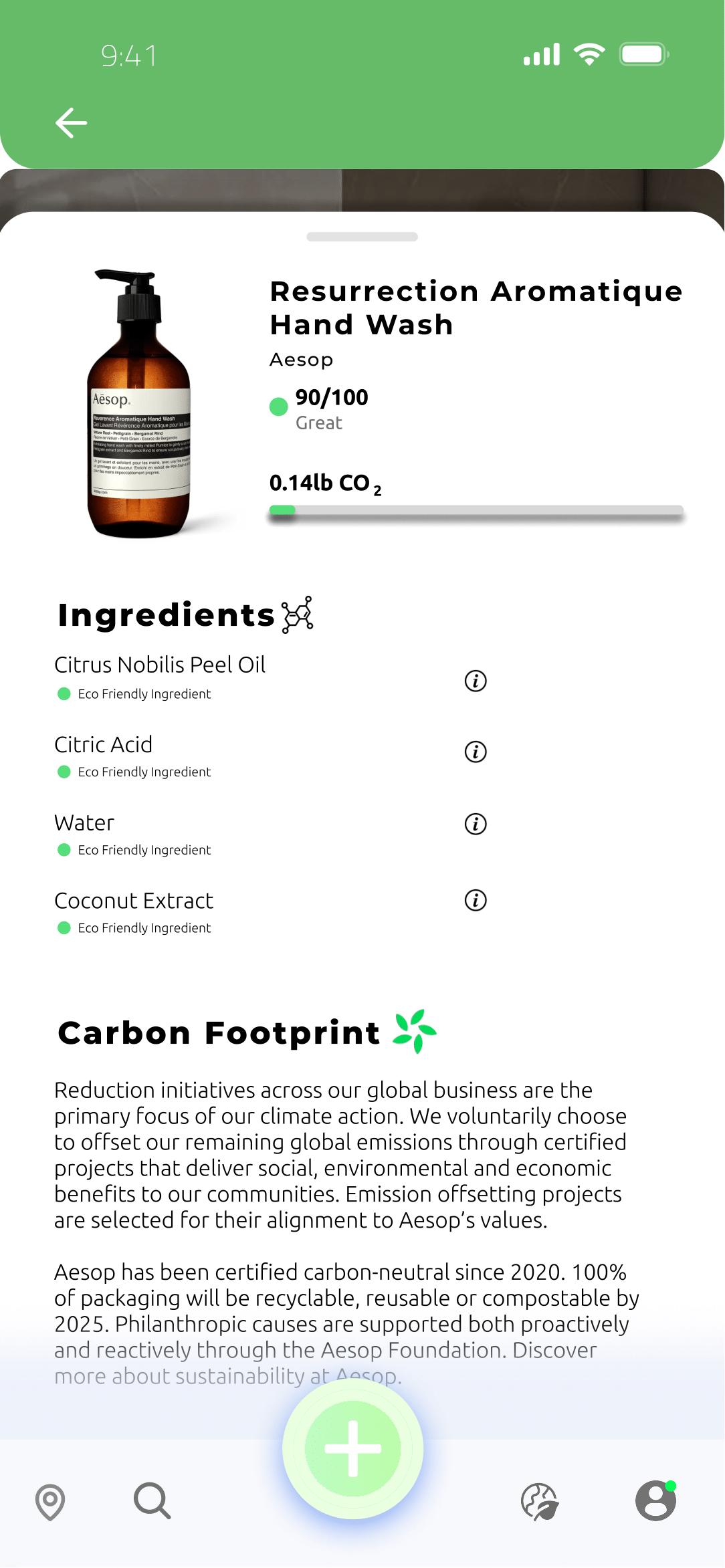
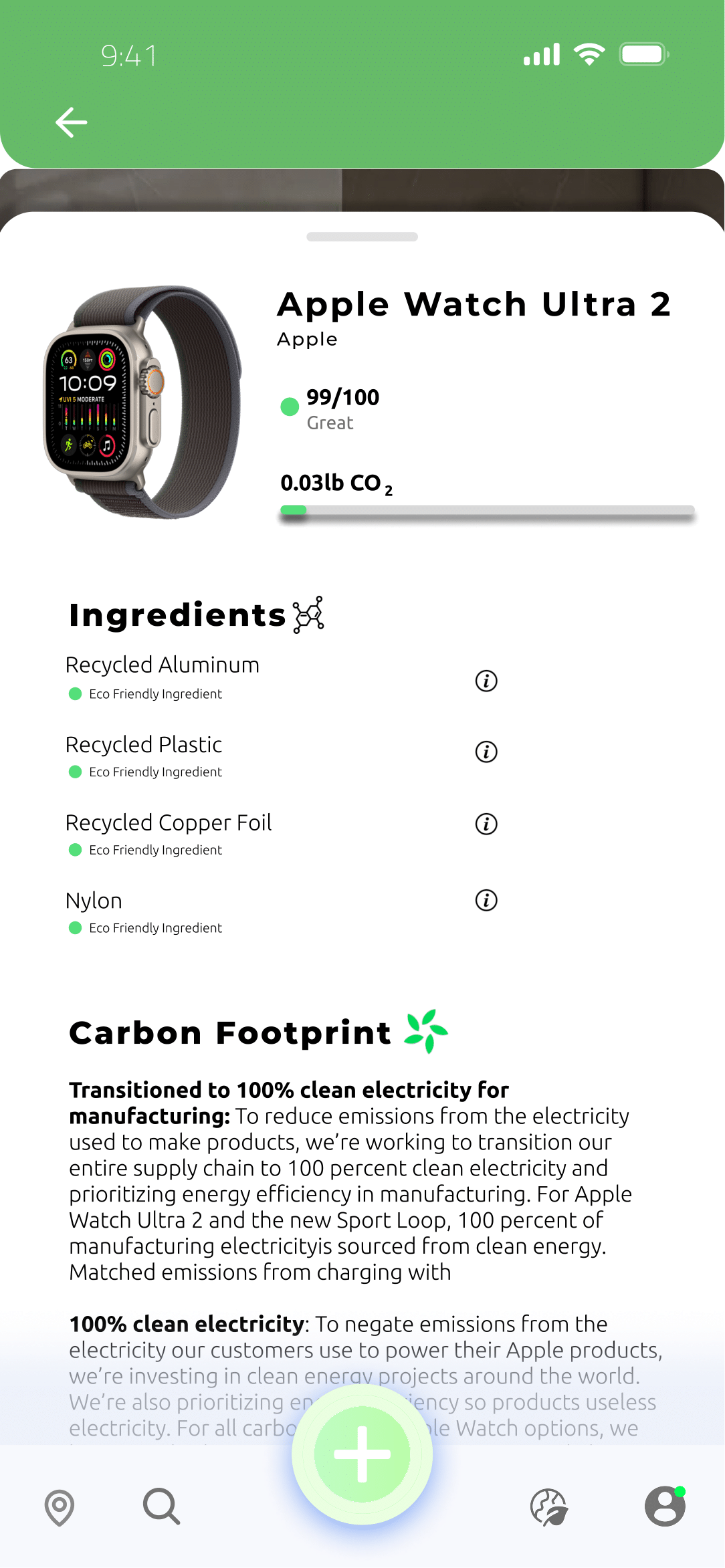
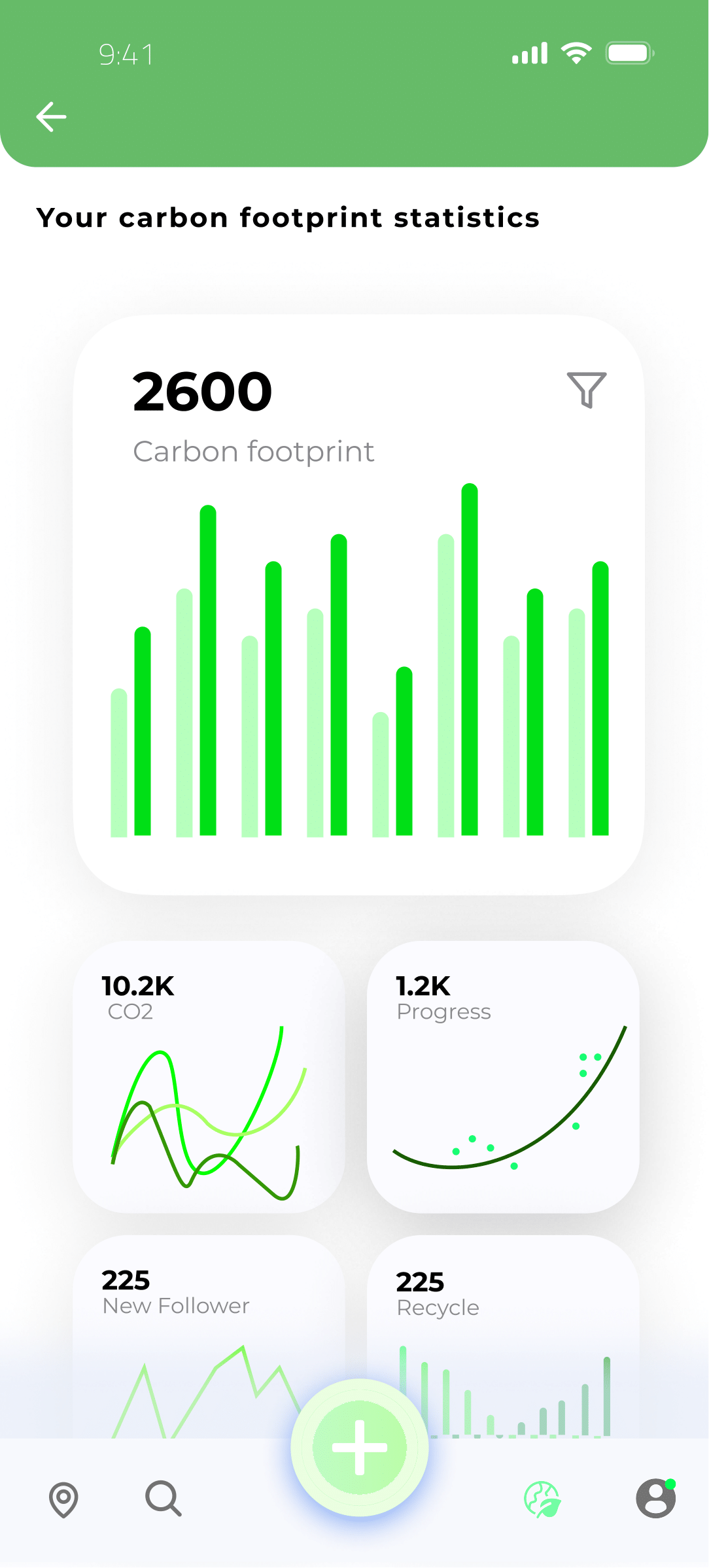
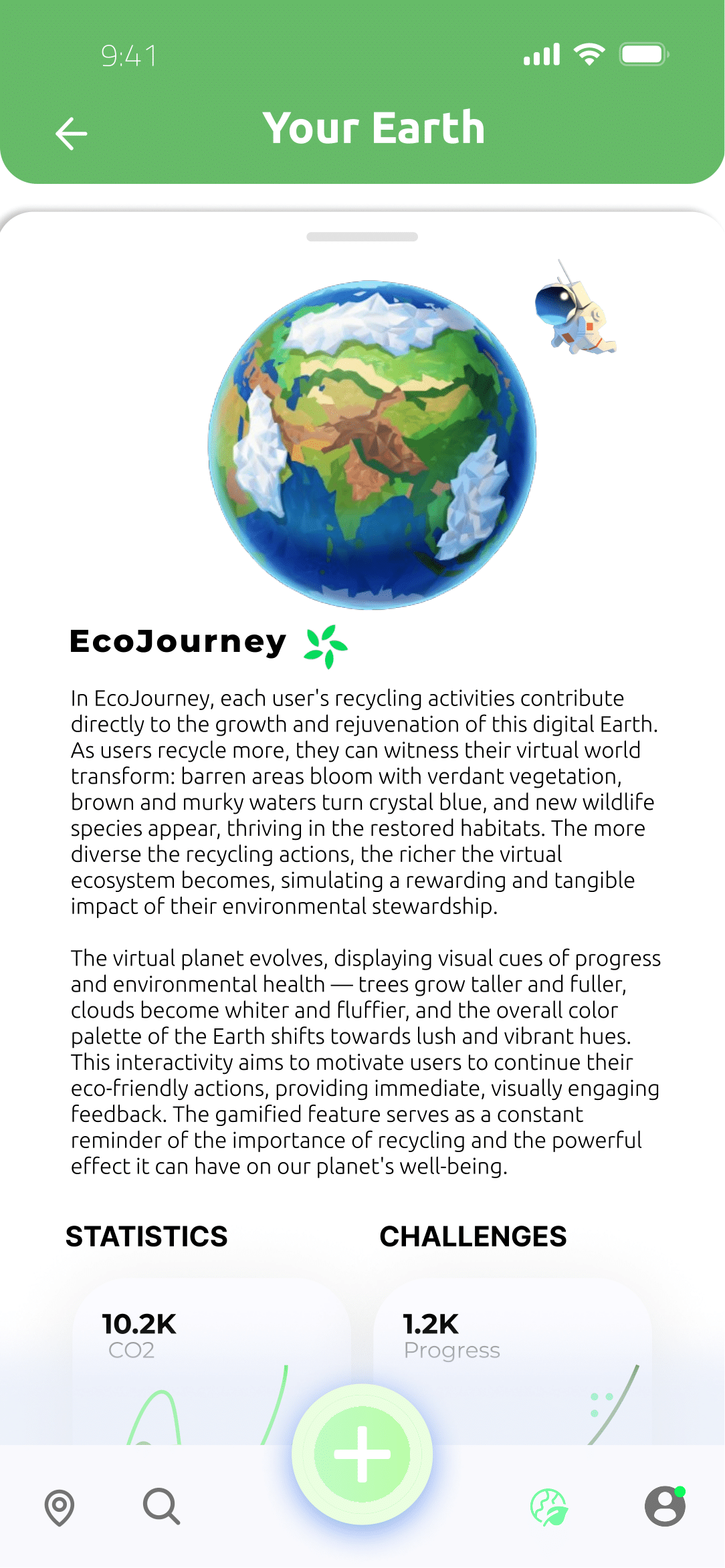
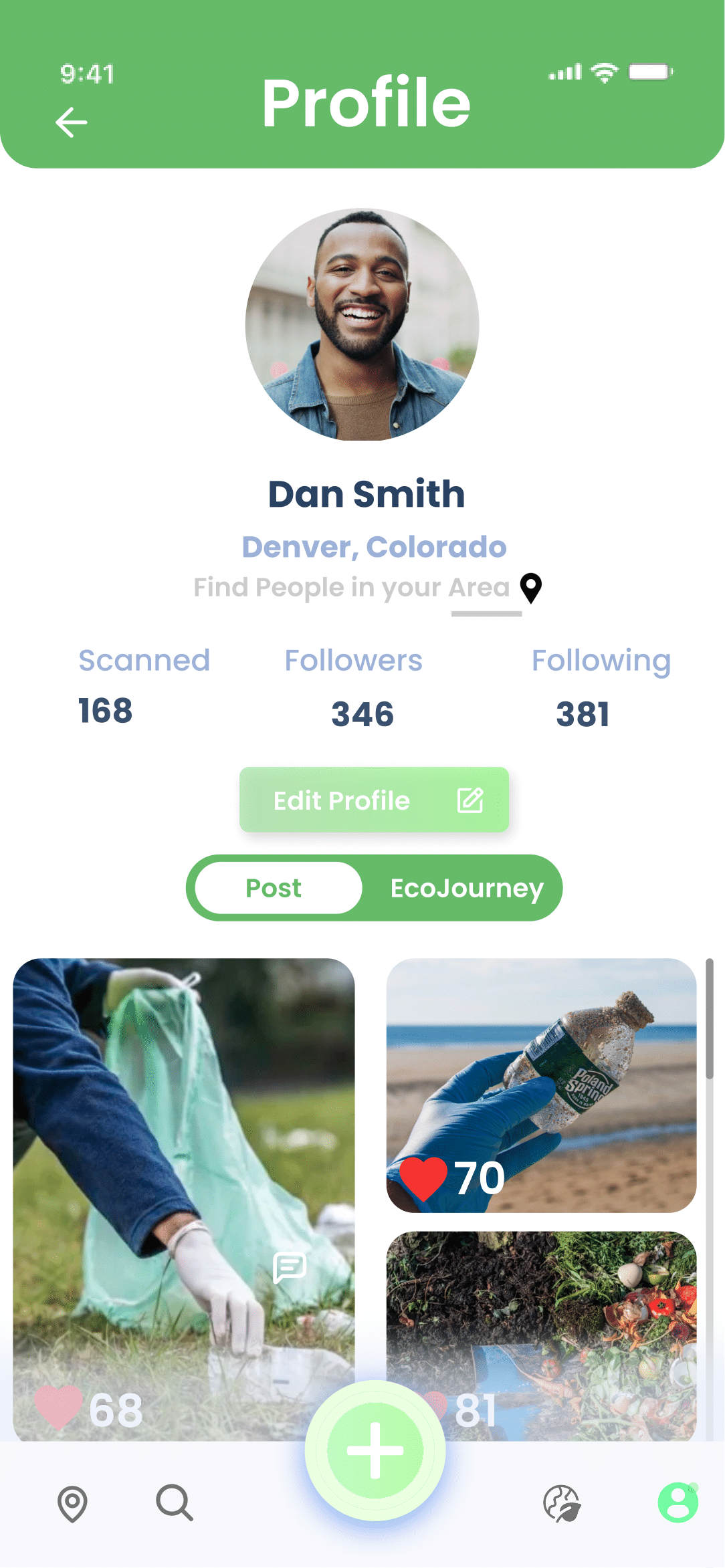
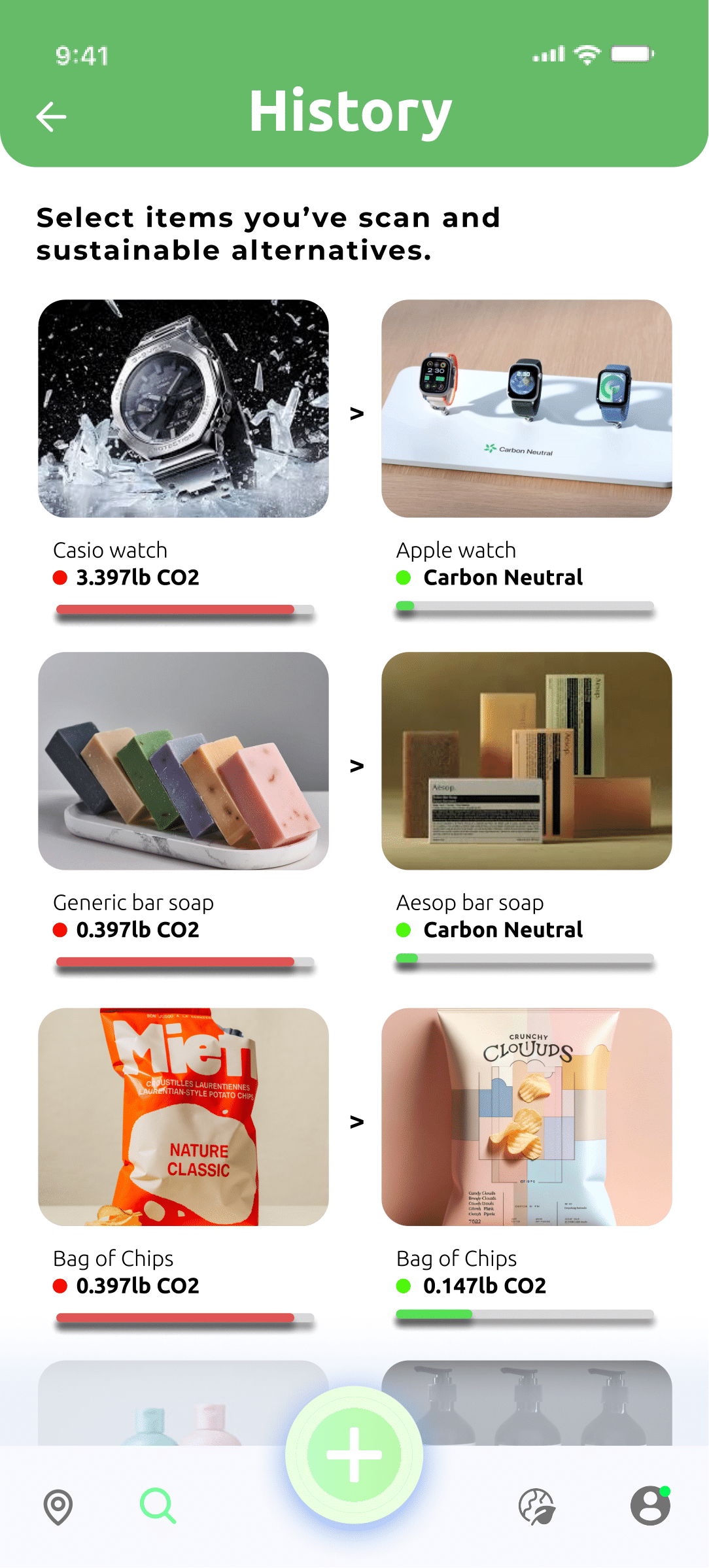
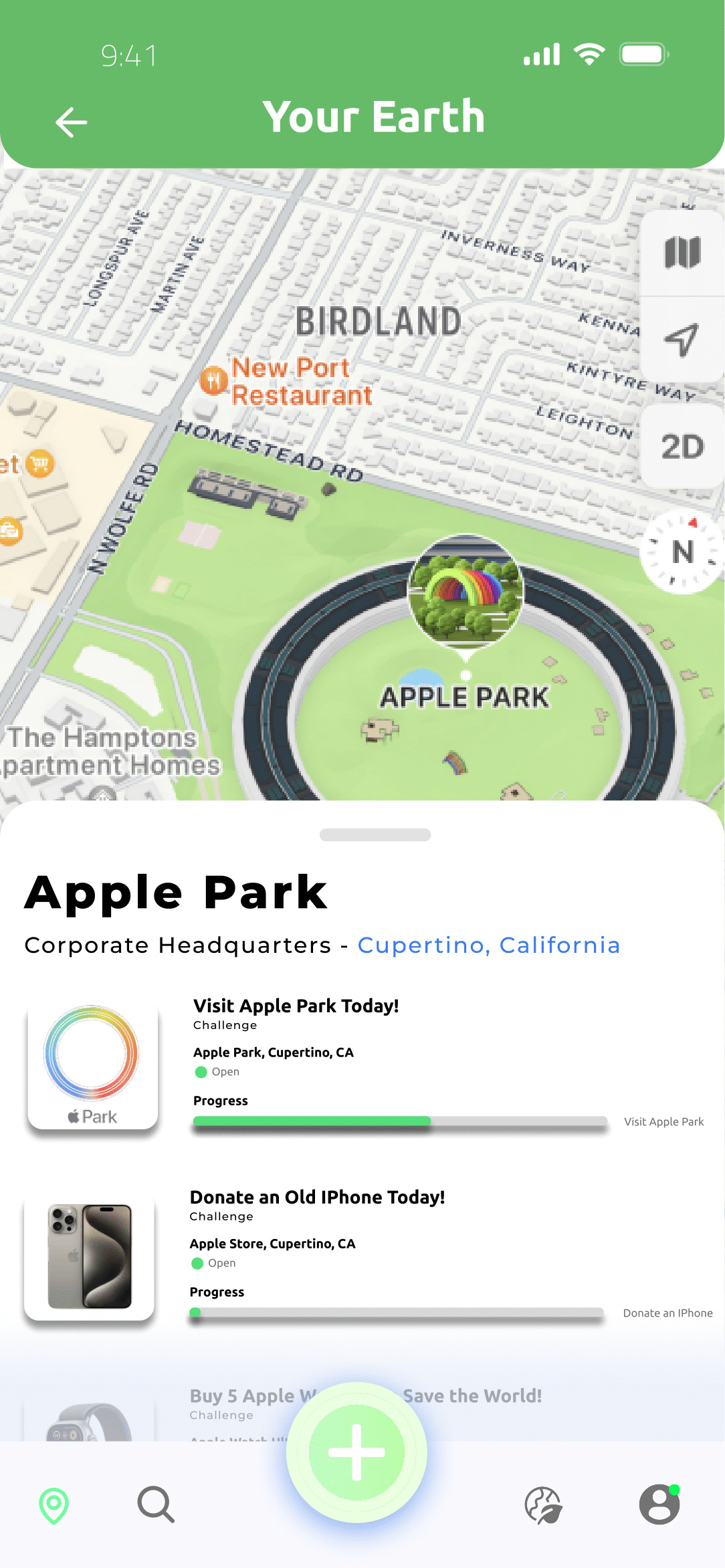
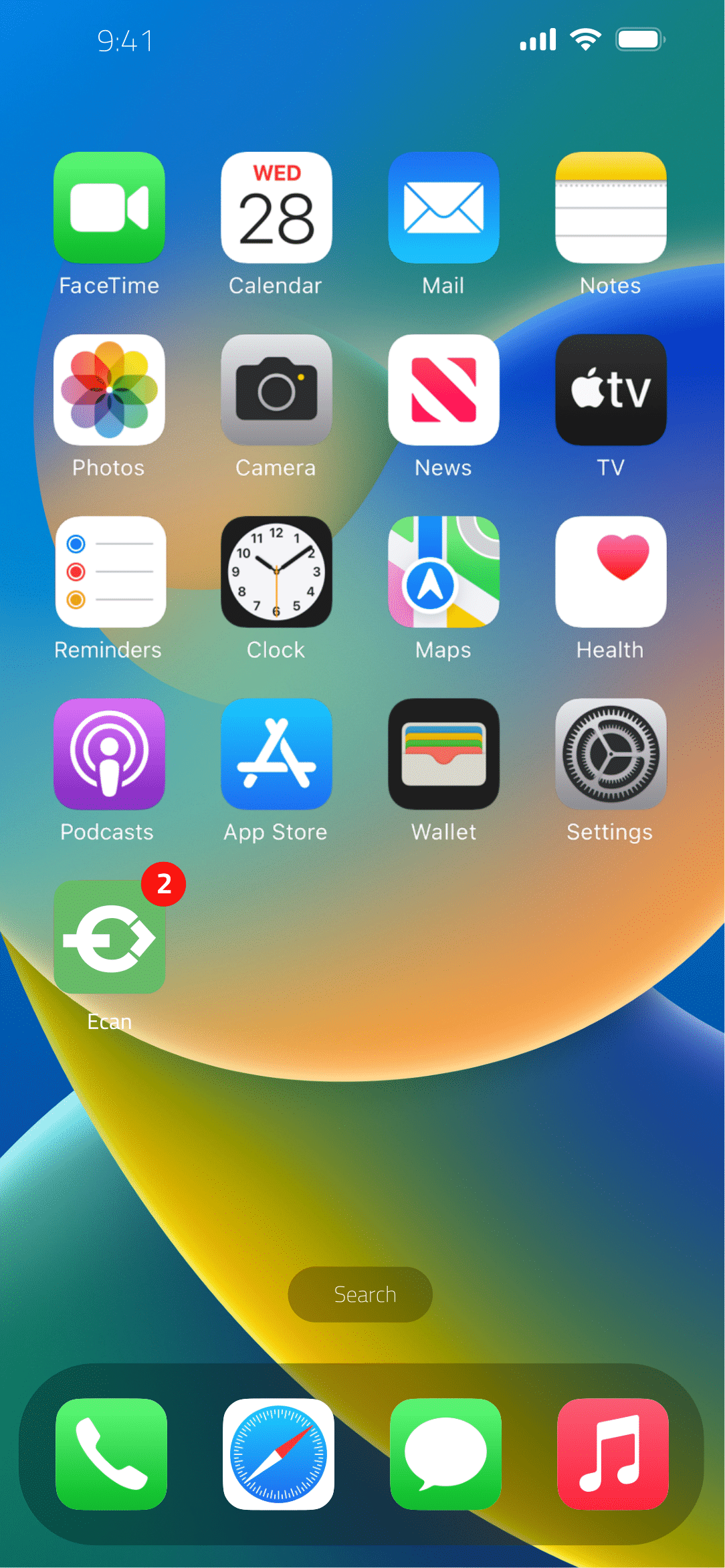
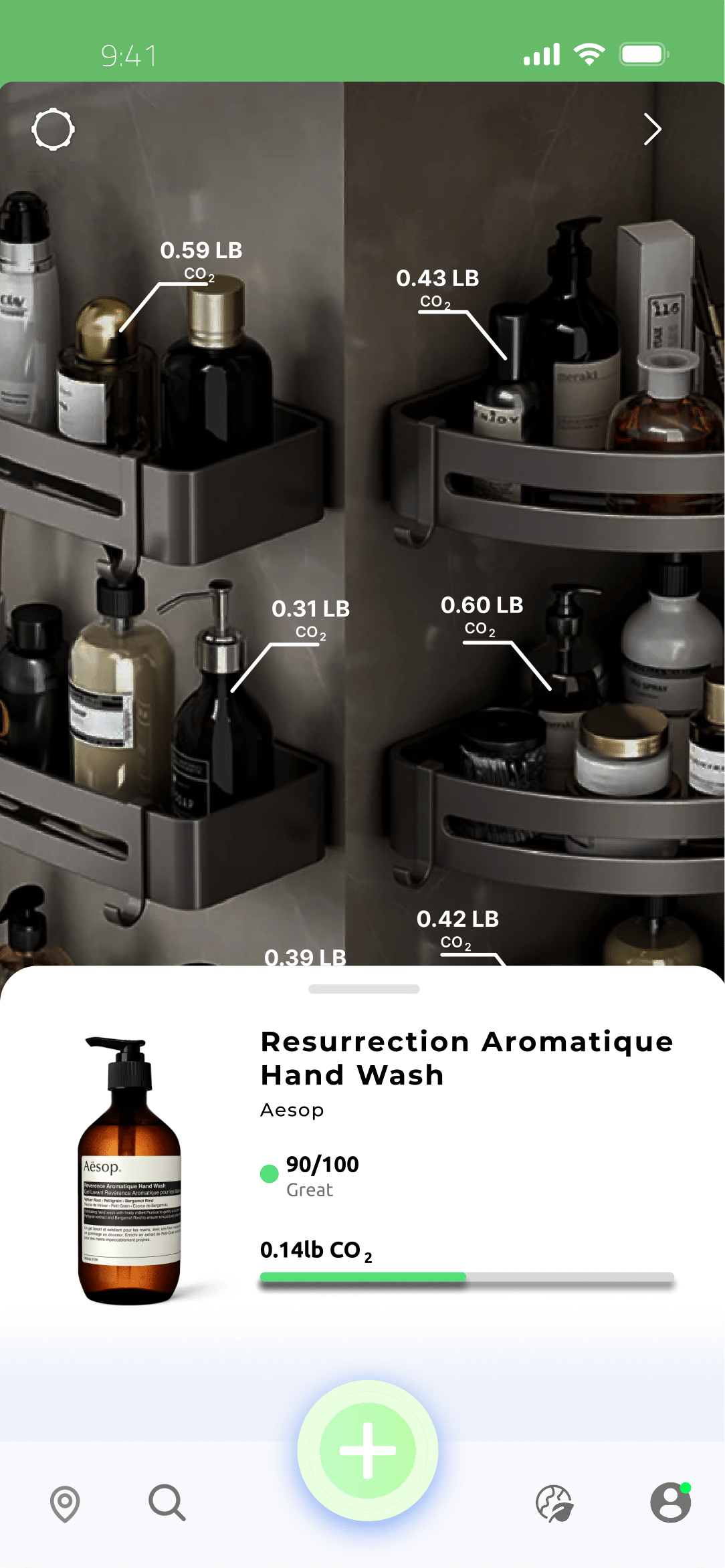
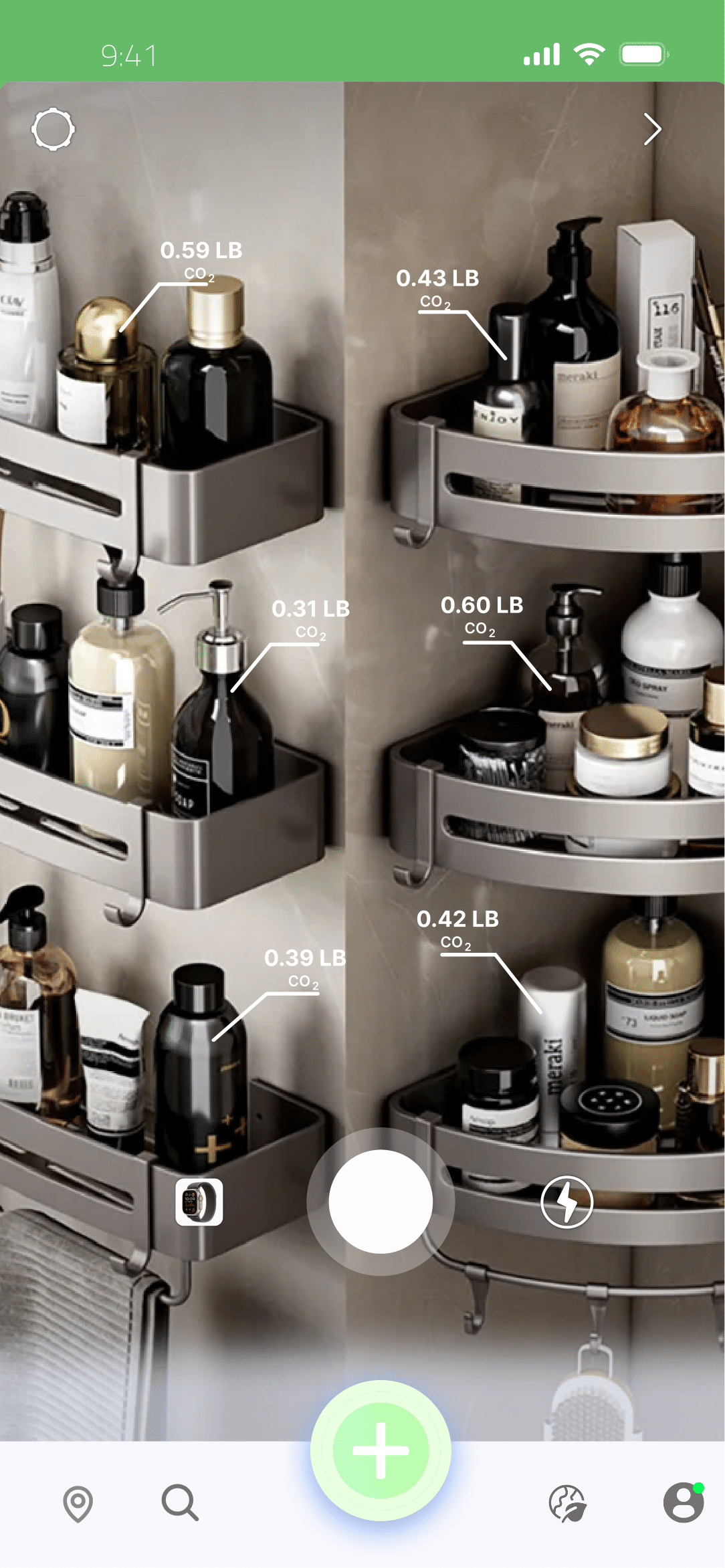
Ecan is a concept for a mobile application designed to revolutionize recycling and carbon footprint tracking. By scanning items with a smartphone, users can identify recyclable materials, learn proper disposal methods, and locate nearby recycling centers. The app aims to provide a comprehensive view of the user's environmental impact, offering insights and motivating sustainable practices through gamification and community engagement.
How we built it
Currently, Ecan exists as a detailed design concept. Our team has laid out the framework for integrating AI image recognition and AR technology within a user-centric mobile interface. Collaborating with environmental specialists, we've outlined how to accurately categorize materials and present reliable recycling information. The design process included mapping out cloud computing solutions for data management and planning iterative user testing to refine functionality and user experience.
Challenges we ran into
A significant conceptual challenge was designing an AI capable of recognizing diverse recyclable materials accurately. Balancing data privacy with the functionality of user-generated content and location services also posed theoretical hurdles. Moreover, conceptualizing partnerships with recycling centers and local businesses for a rewards program highlighted the need for strategic outreach.
Accomplishments that we're proud of
We are proud of the comprehensive design blueprint we've developed for Ecan. It represents a promising solution for reducing waste and enhancing recycling efforts on a personal level. The conceptual accuracy of our AI model and the positive reception from initial feedback sessions stand as notable achievements. Additionally, drafting potential partnerships has underscored the app's capacity for broad environmental impact.
What we learned
This design phase has underscored the transformative potential of technology in environmental advocacy. We've gained insights into the complexities of recycling standards and the critical role of user engagement in fostering sustainable habits. The importance of cross-sector collaboration to amplify environmental benefits has also become clear.
What's next for Ecan
Moving forward, we aim to transition from design to development, bringing the Ecan app from concept to reality. Our goals include expanding the app’s material recognition capabilities, incorporating more localized recycling information, and enhancing AR features for an engaging user experience. Strengthening partnerships and refining the rewards system will also be key. Feedback will continue to shape Ecan, ensuring it becomes an essential tool for anyone committed to reducing their environmental footprint.
Figma Links:
-1st Link: Prototype -2nd Link: Design Process
Built With
- figma
- keynote
- loom


Log in or sign up for Devpost to join the conversation.