-
-
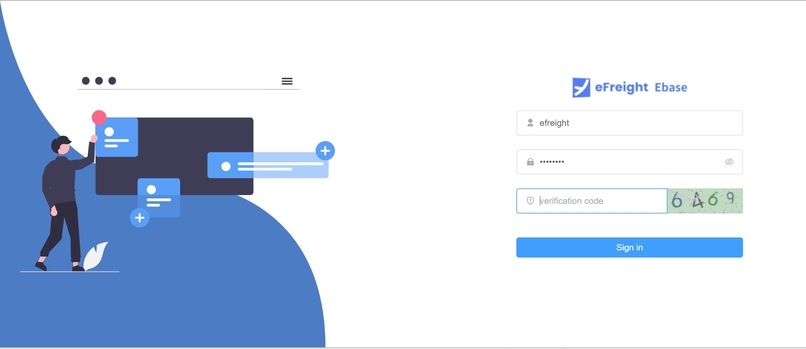
login page
-
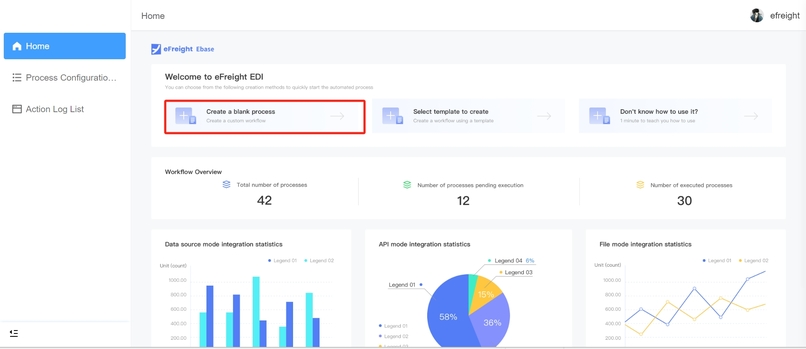
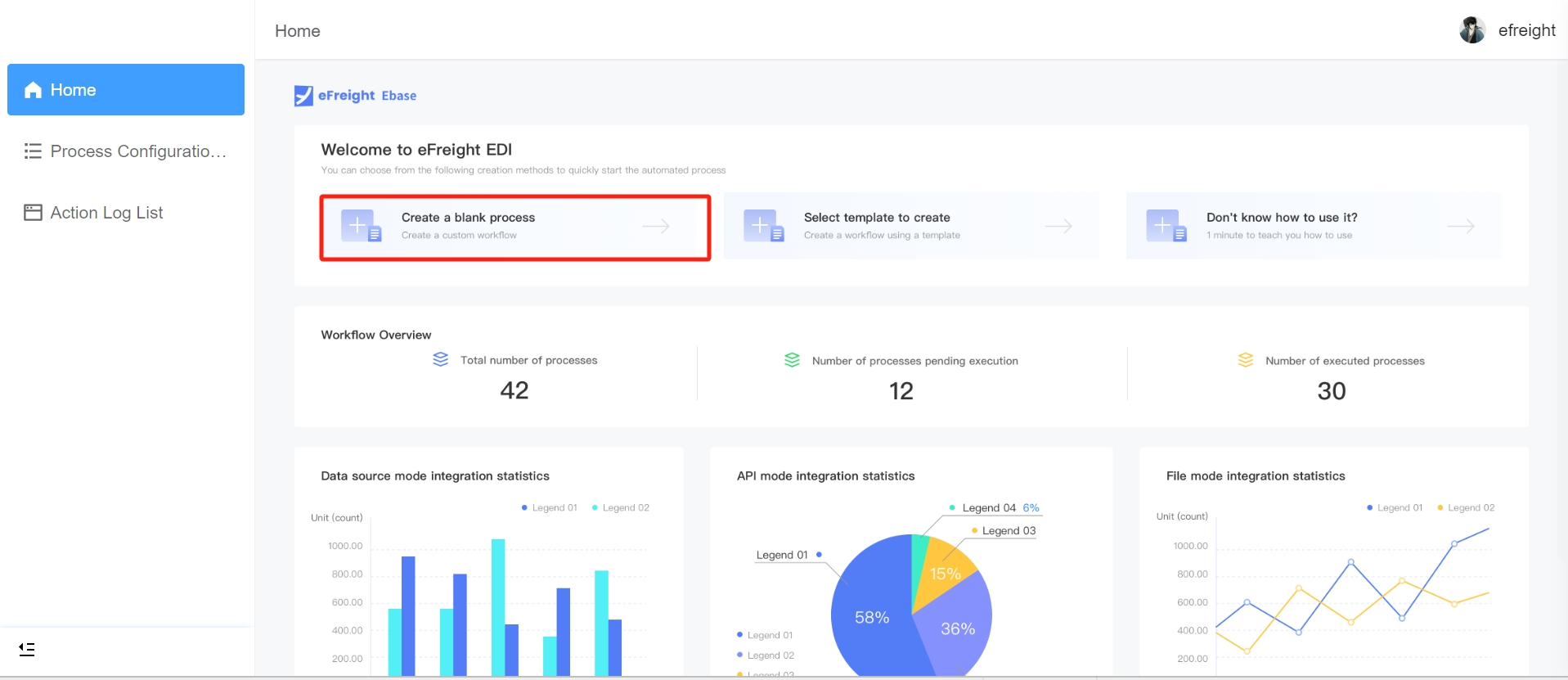
Homepage
-
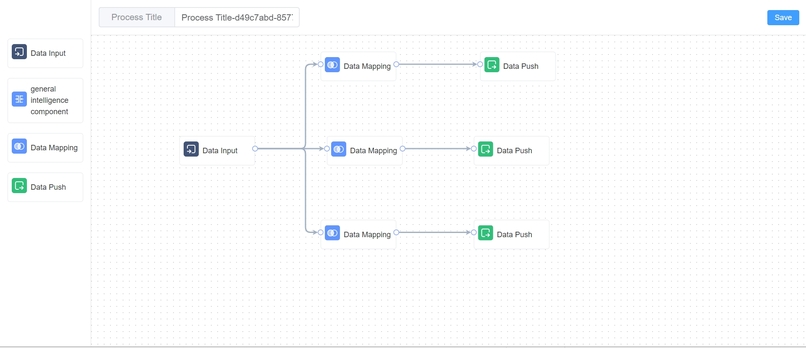
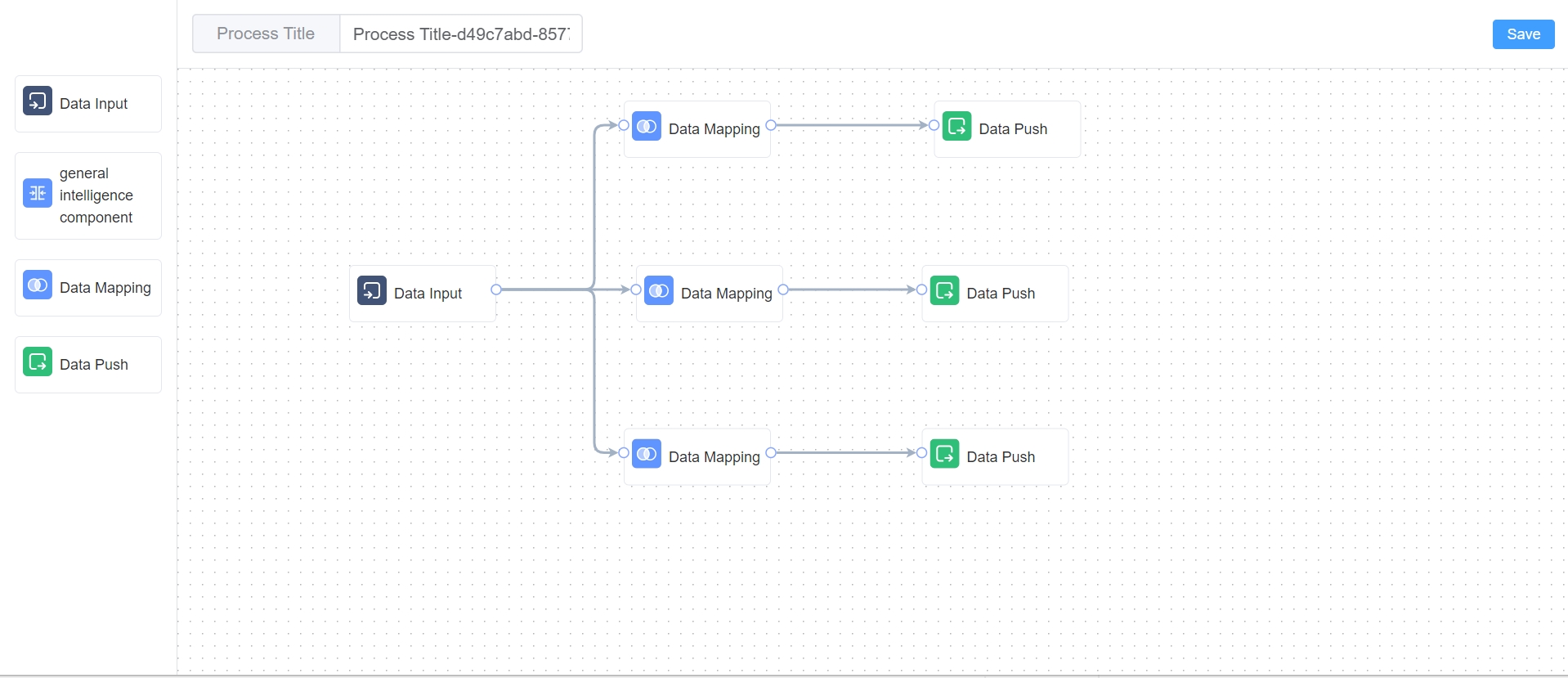
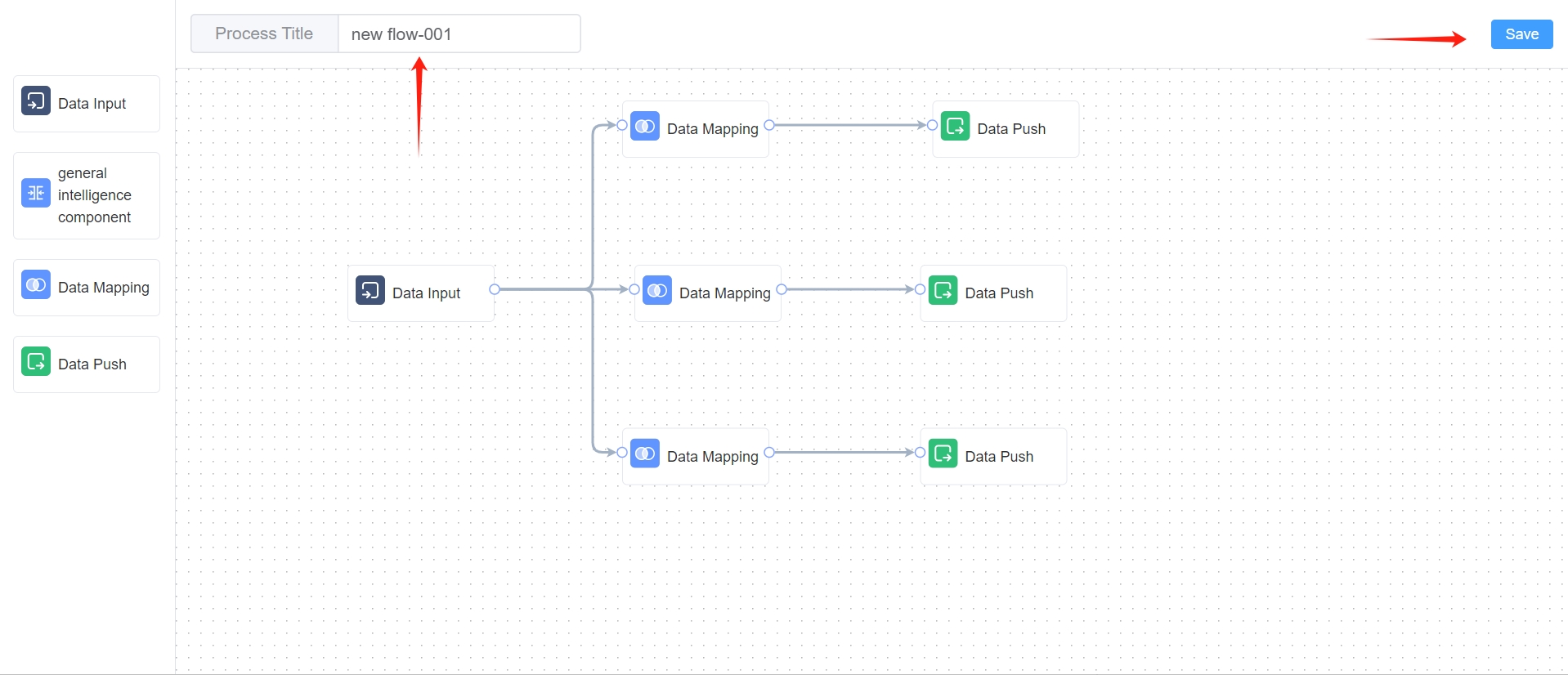
Create workflow
-
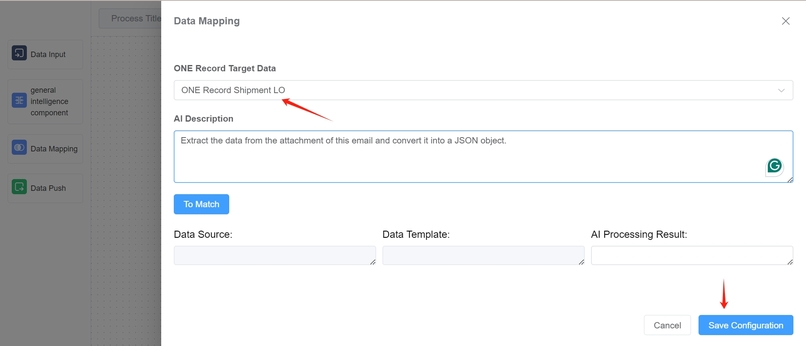
Extracting file data and converting it into ONE Record lo
-
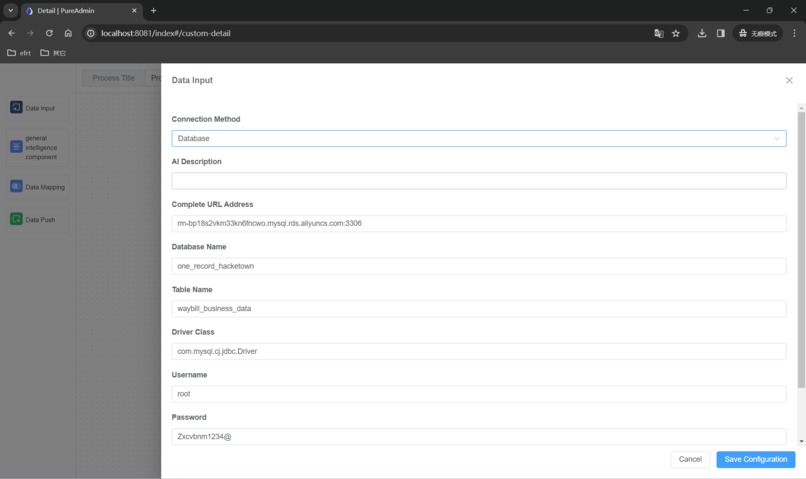
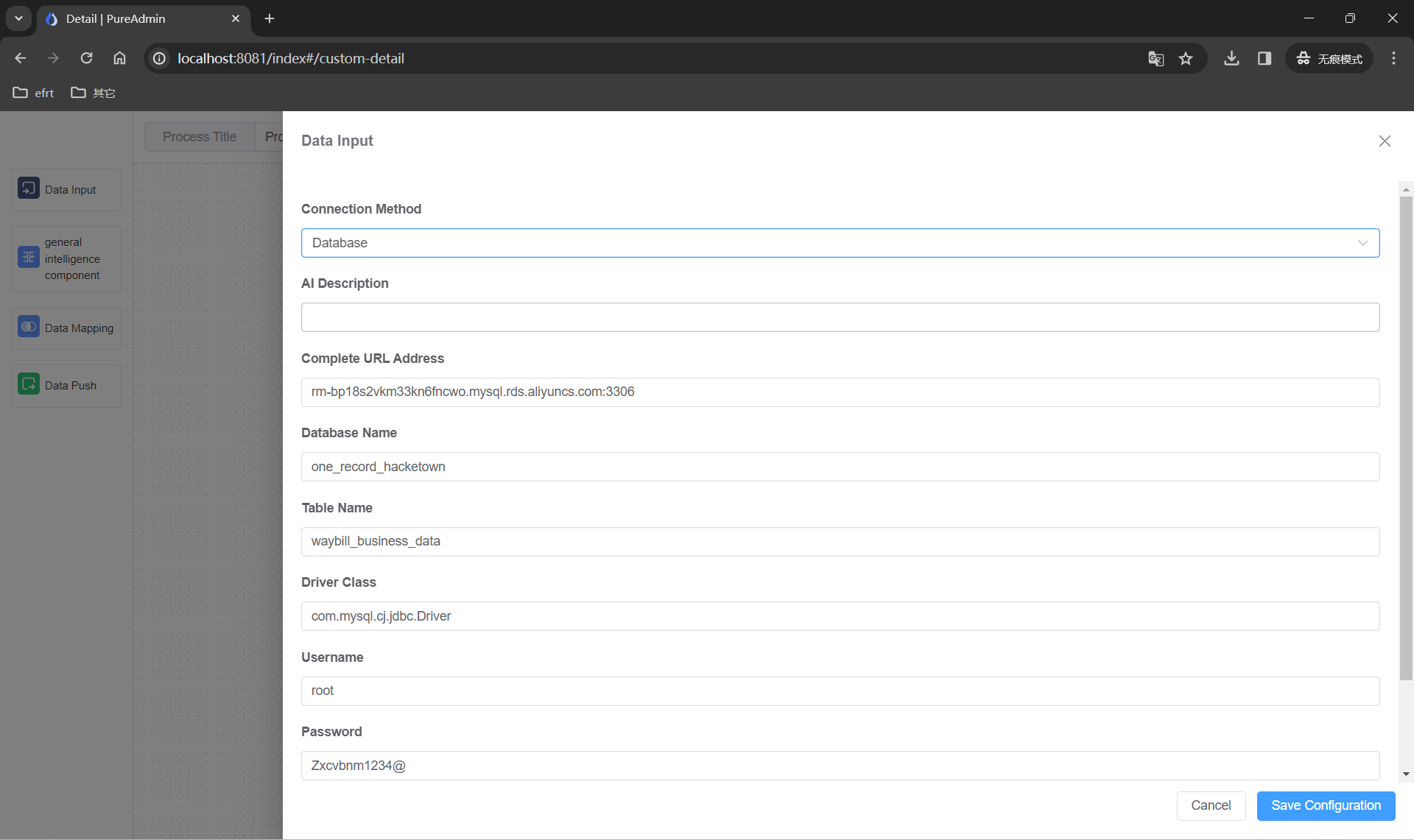
Connect to the database
-
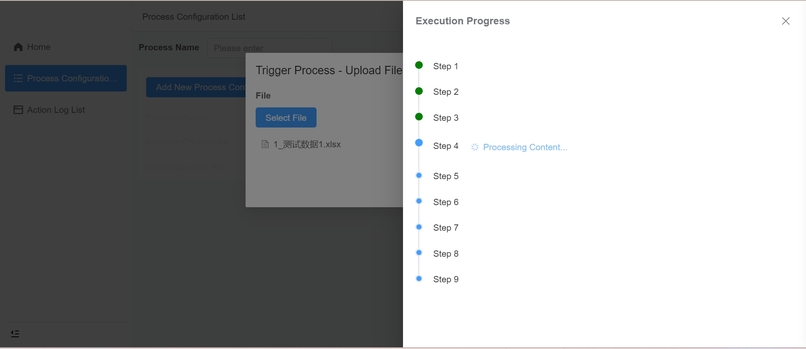
Process engine executes tasks
-
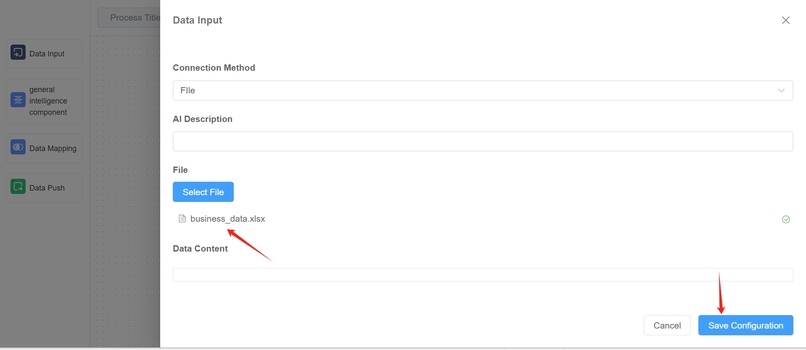
Upload data mapping file template
-
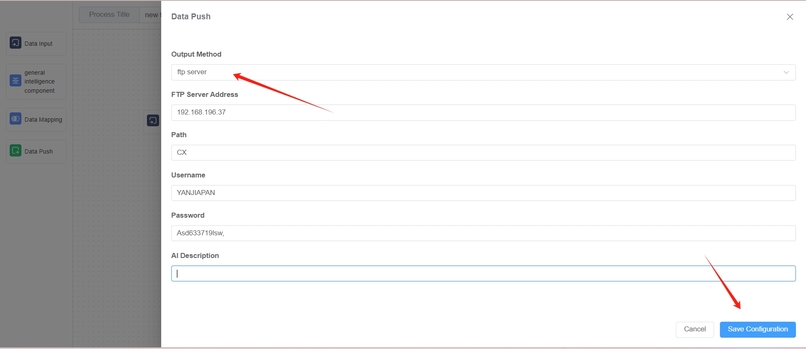
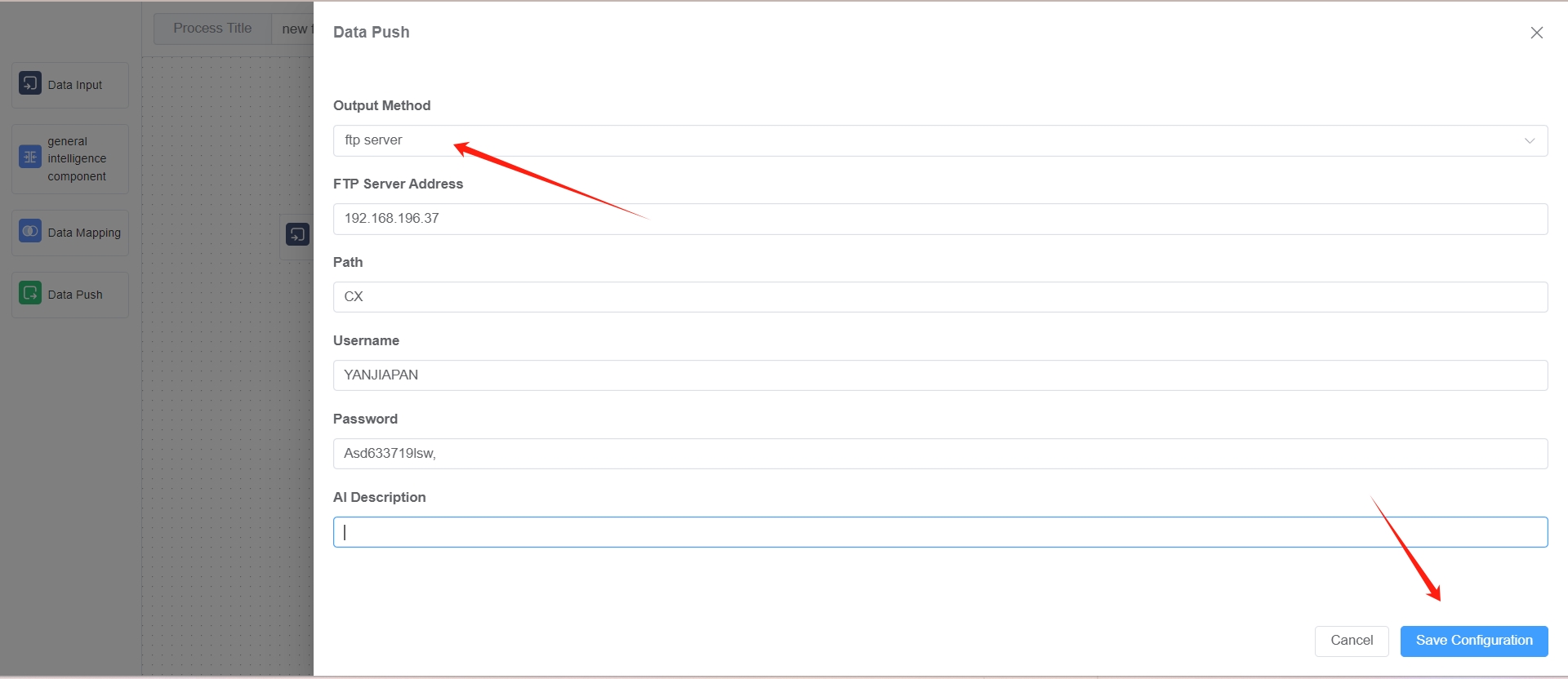
Output the result data using the FTP protocol
-
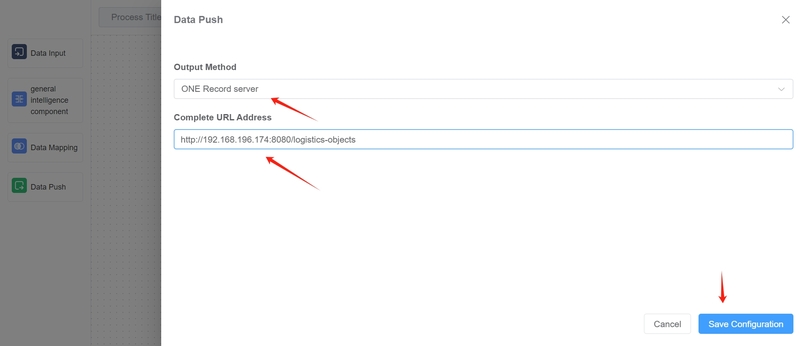
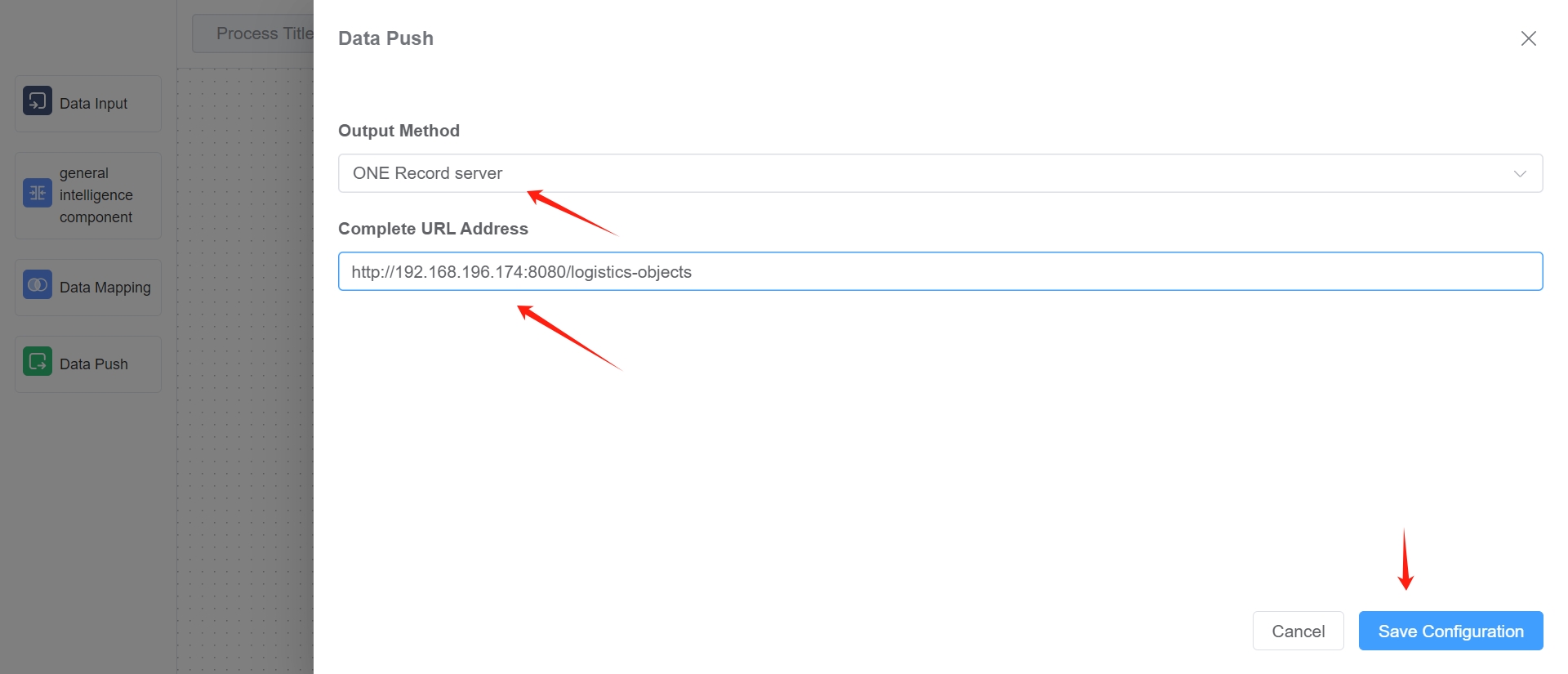
Output the result data using the ONE Record
-
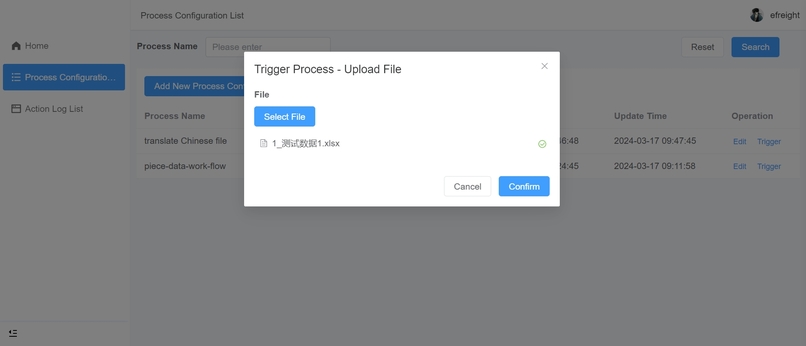
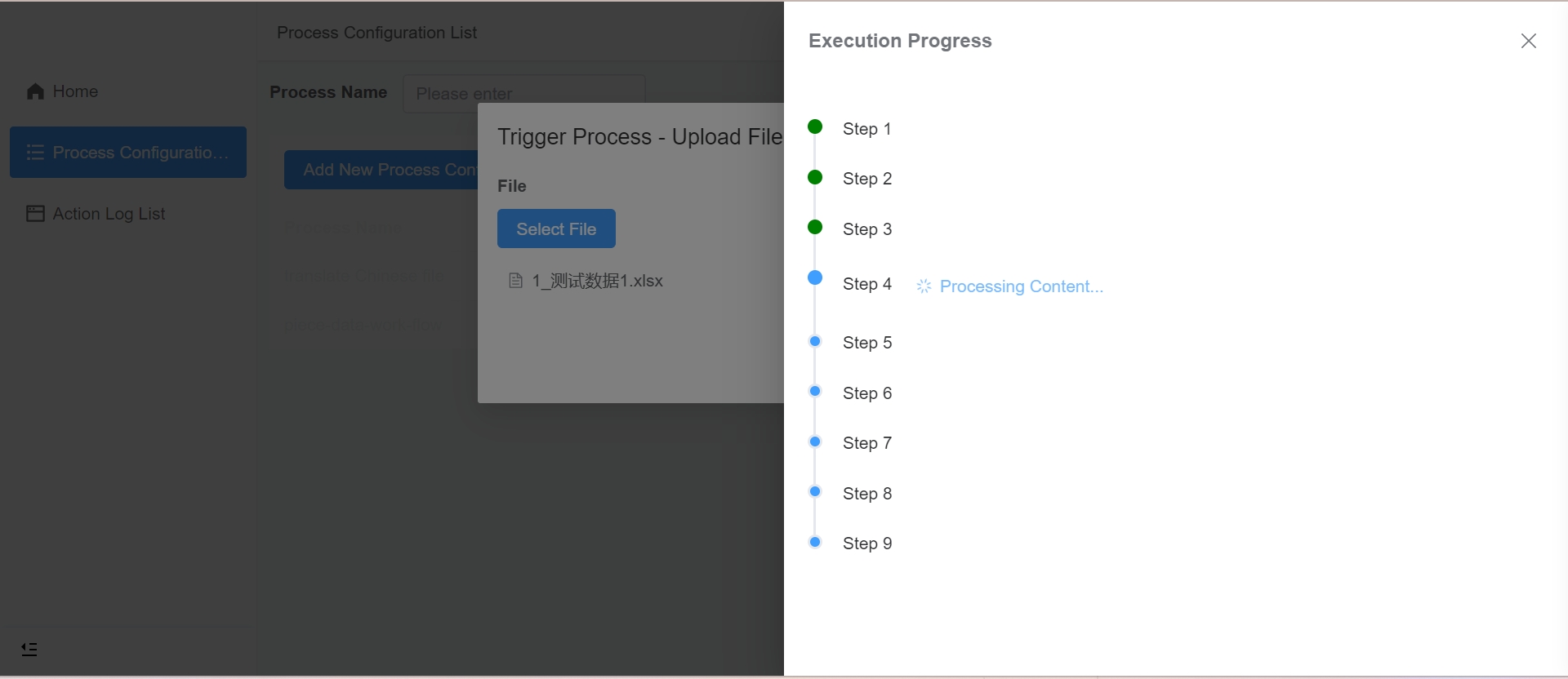
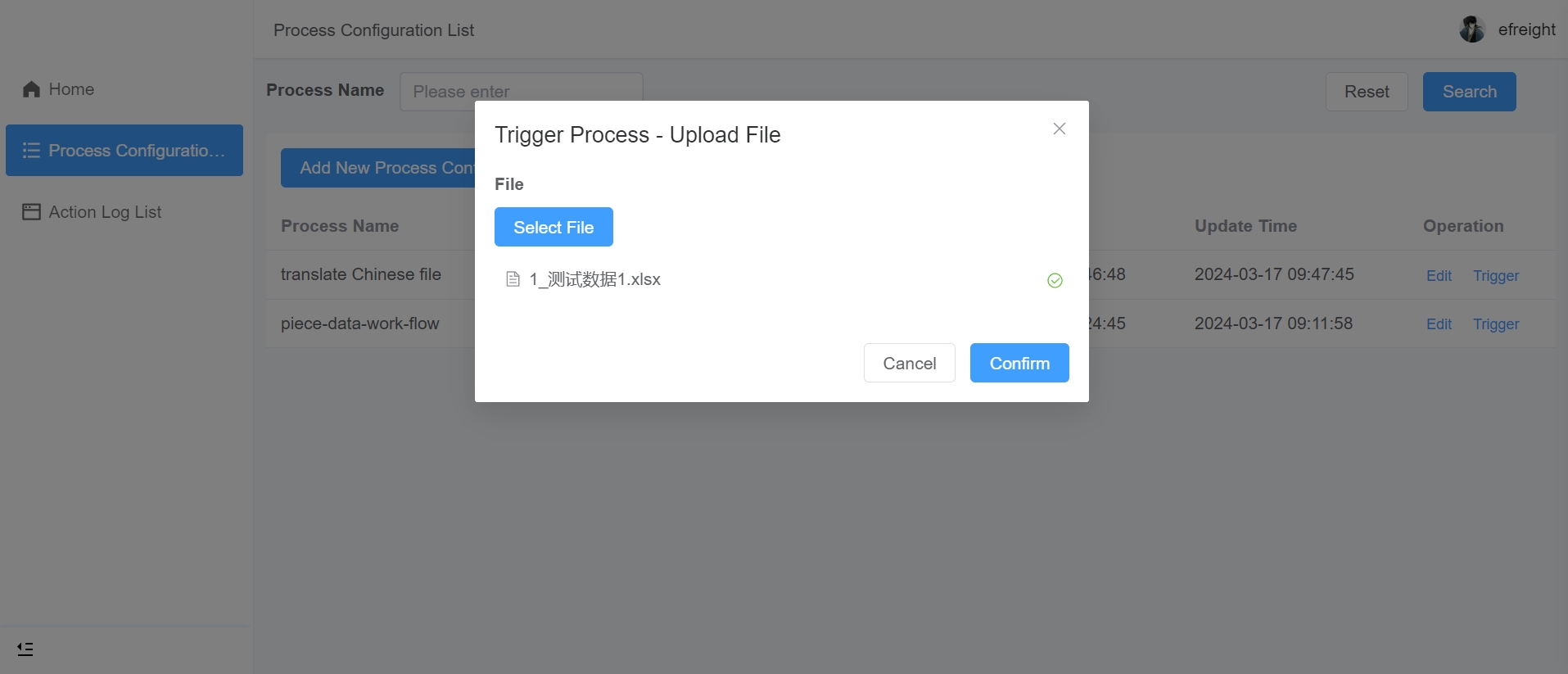
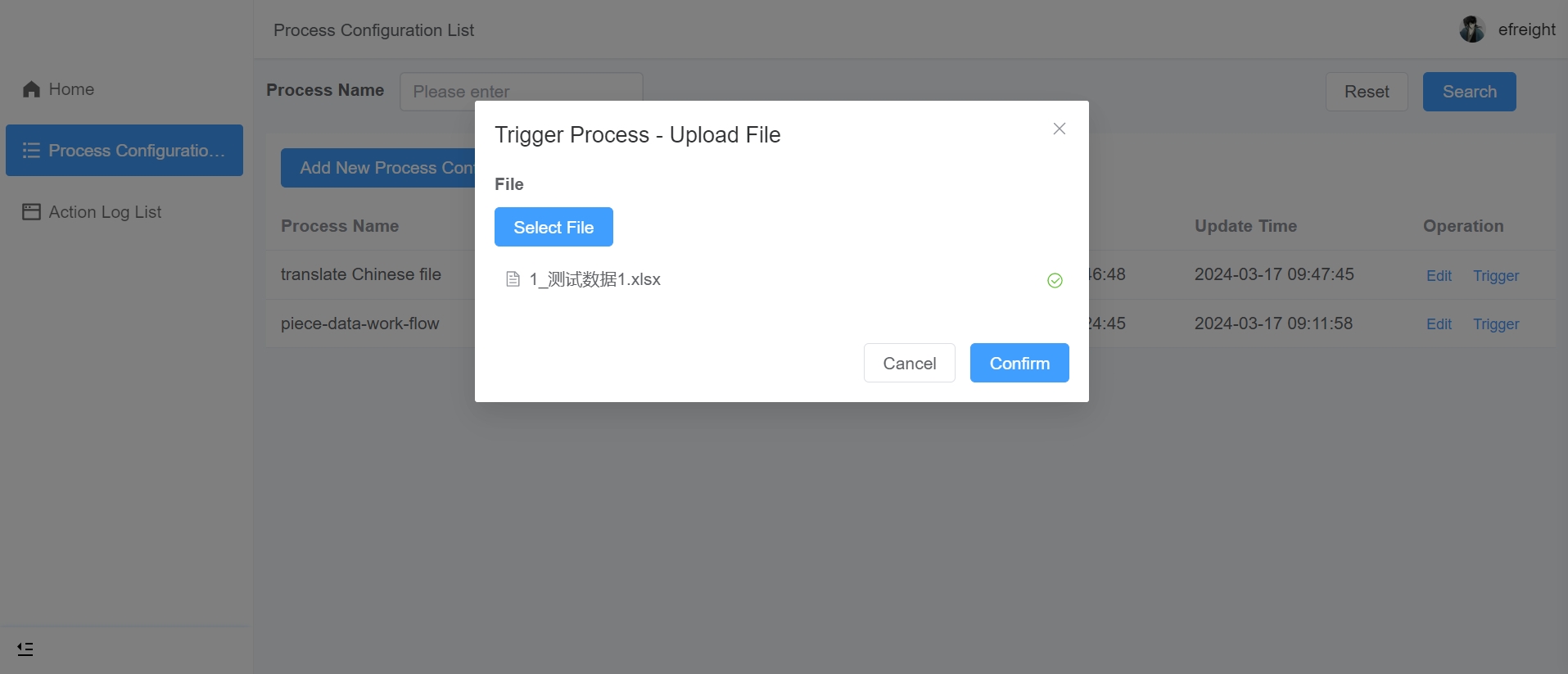
Select process and upload file
-
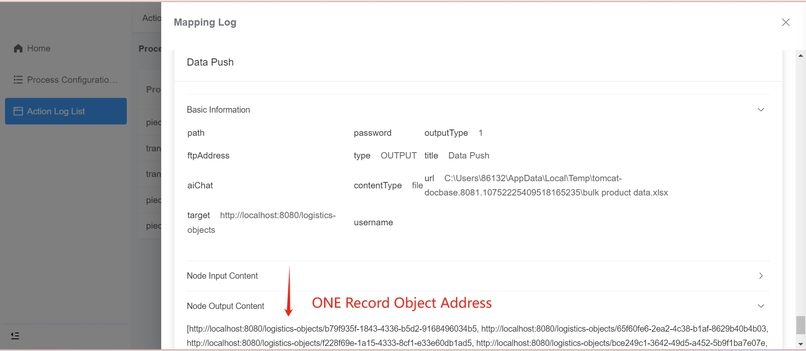
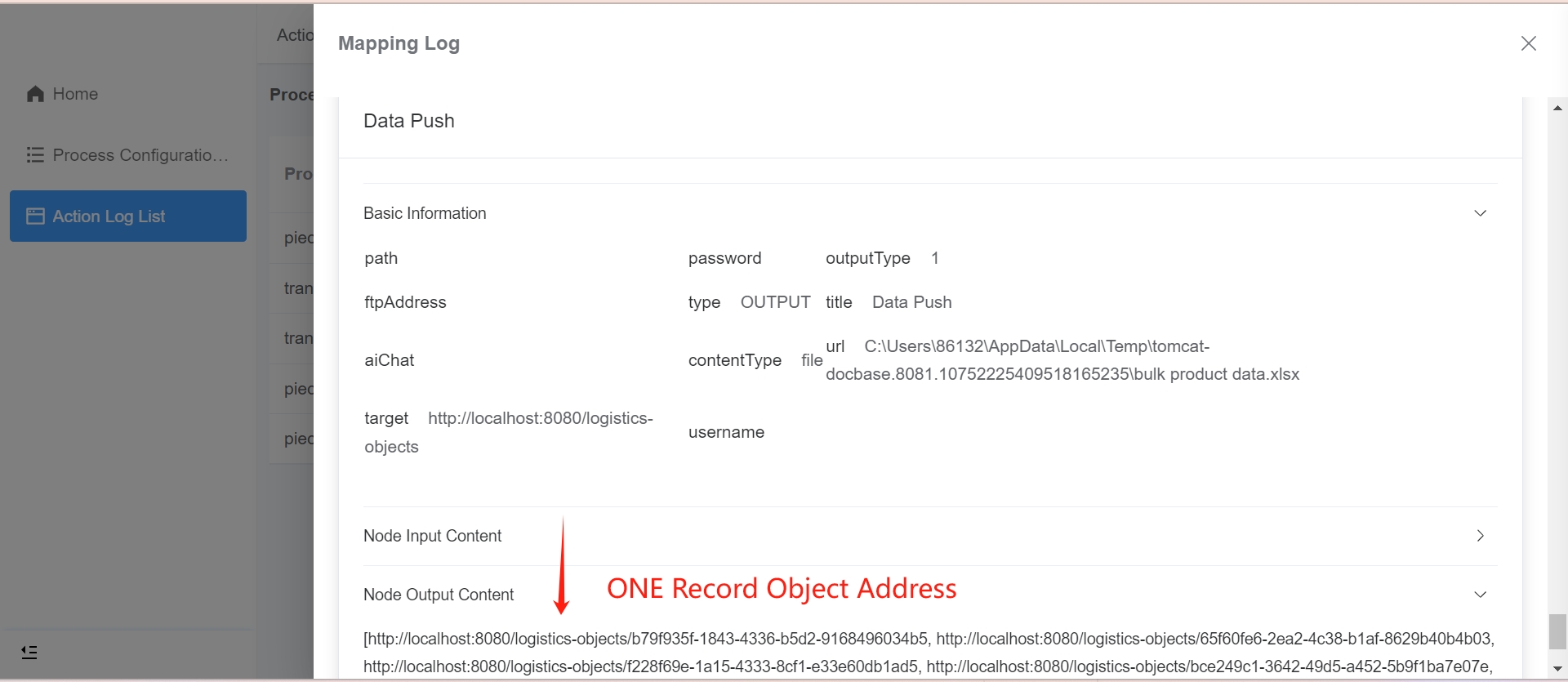
Execution Record List - Execution Details - Data Output - ONE Record
-
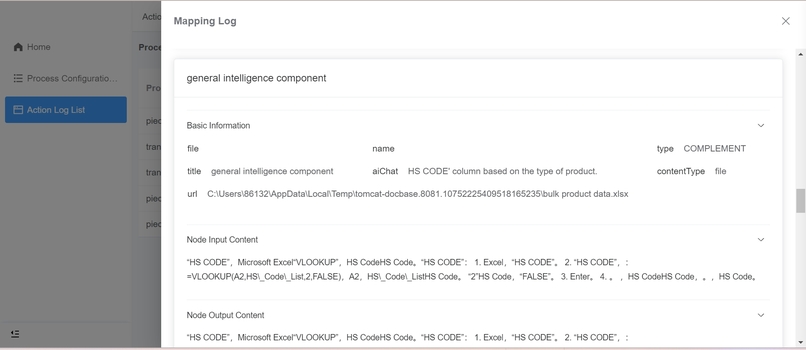
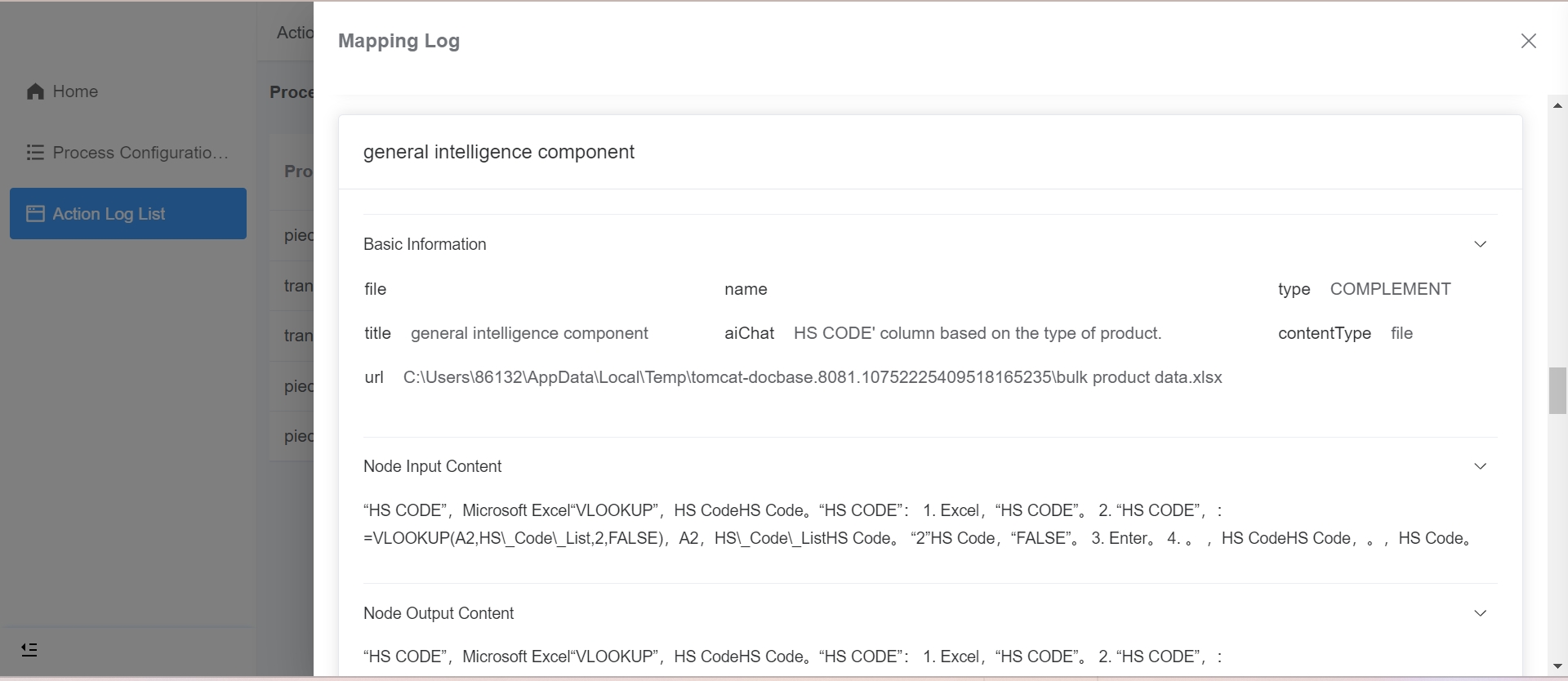
Intelligent autocomplete data for the HS code column
-
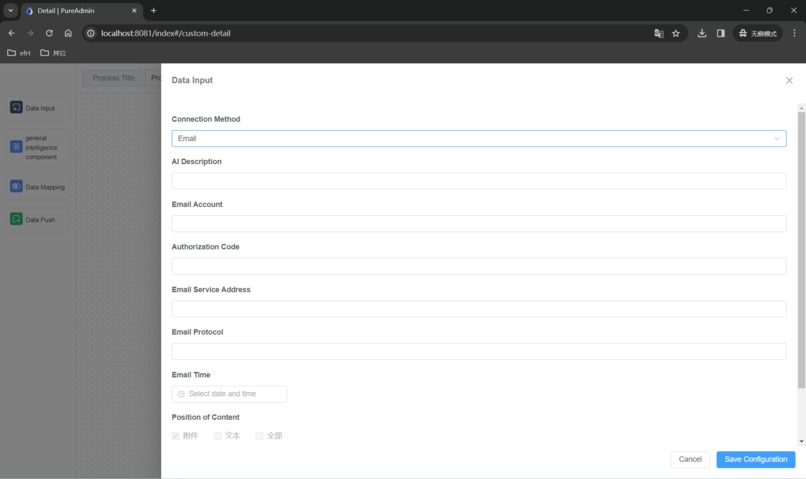
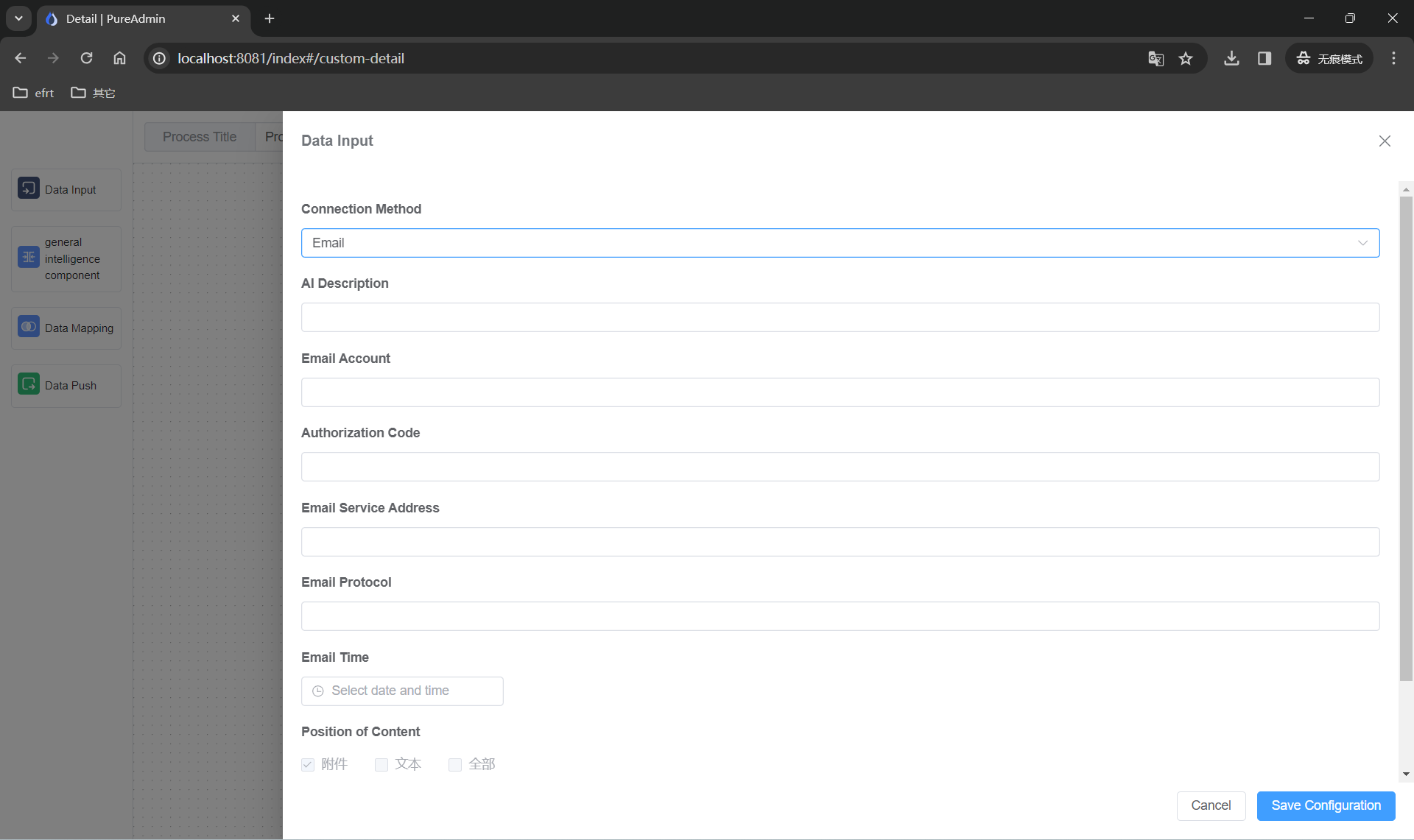
Read email attachment data
-
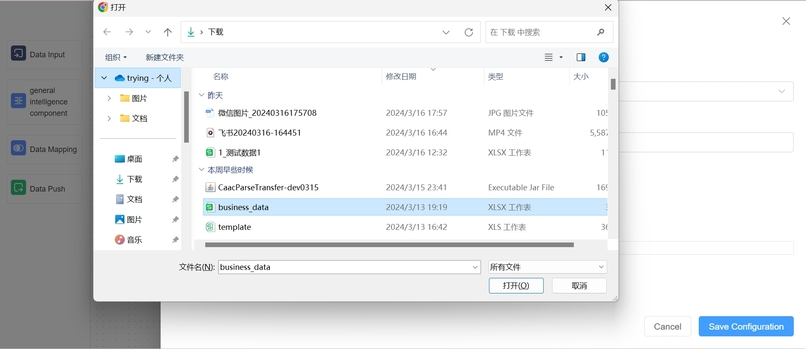
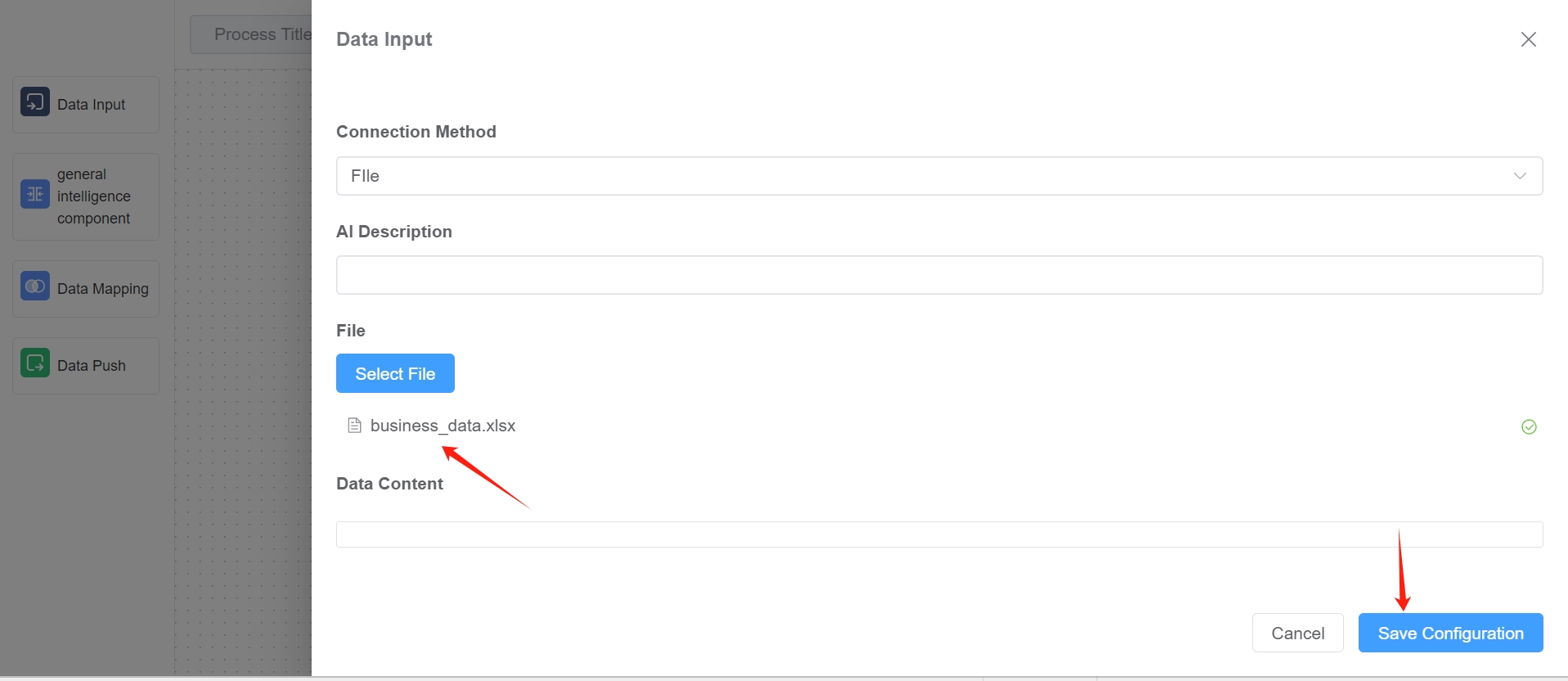
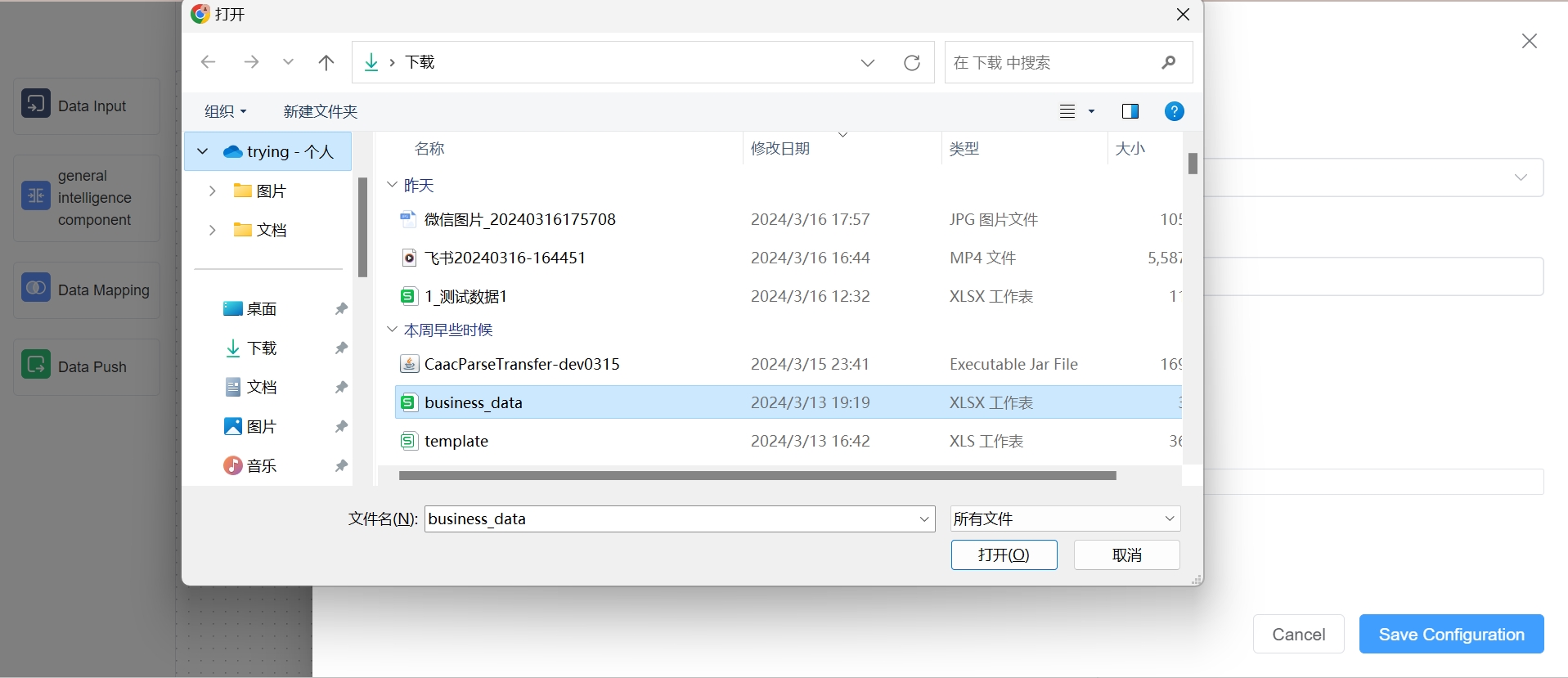
File input stream, select file
-
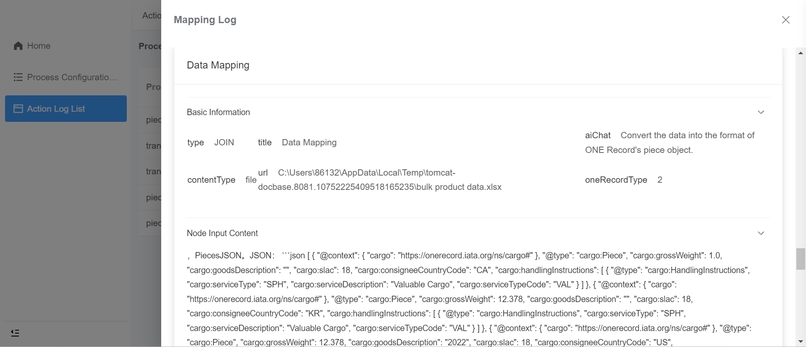
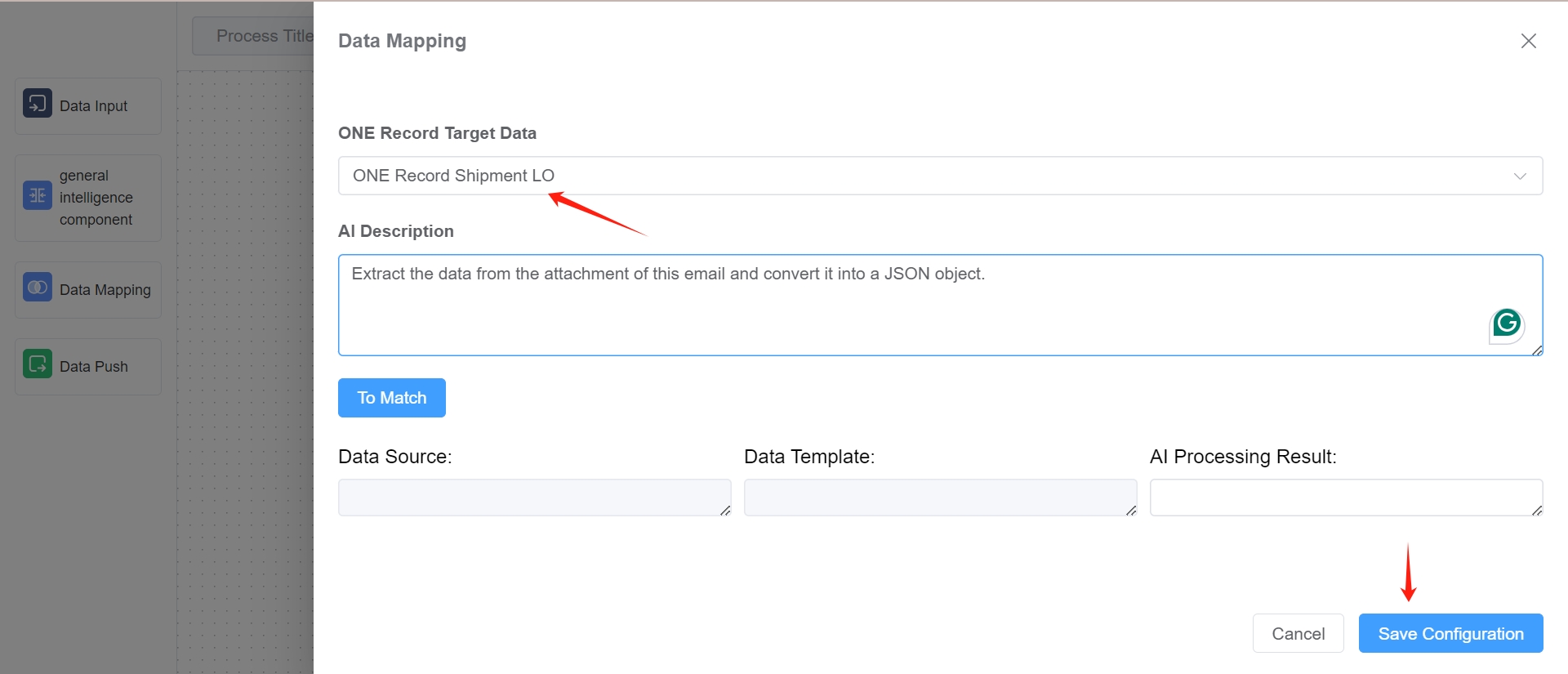
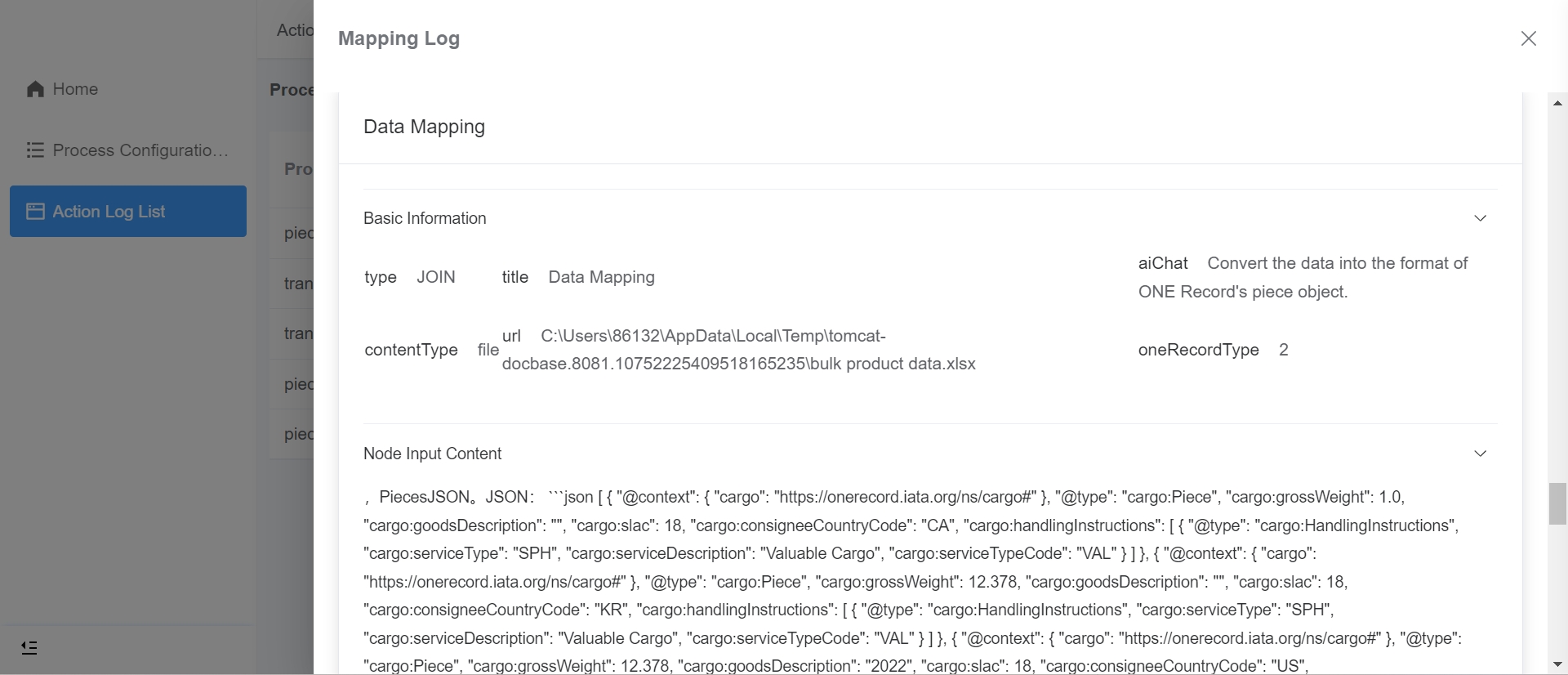
Data transformation and mapping processing page
-
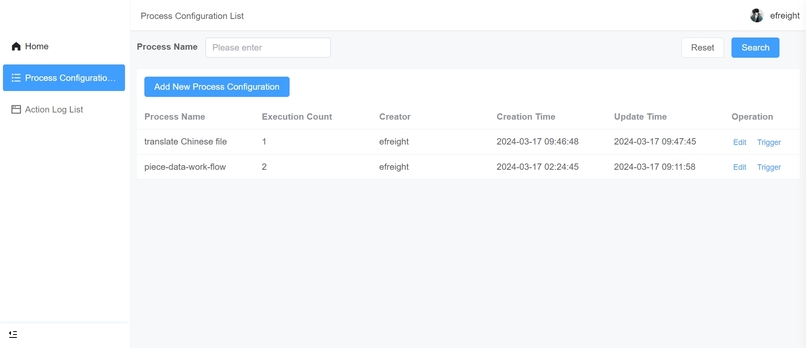
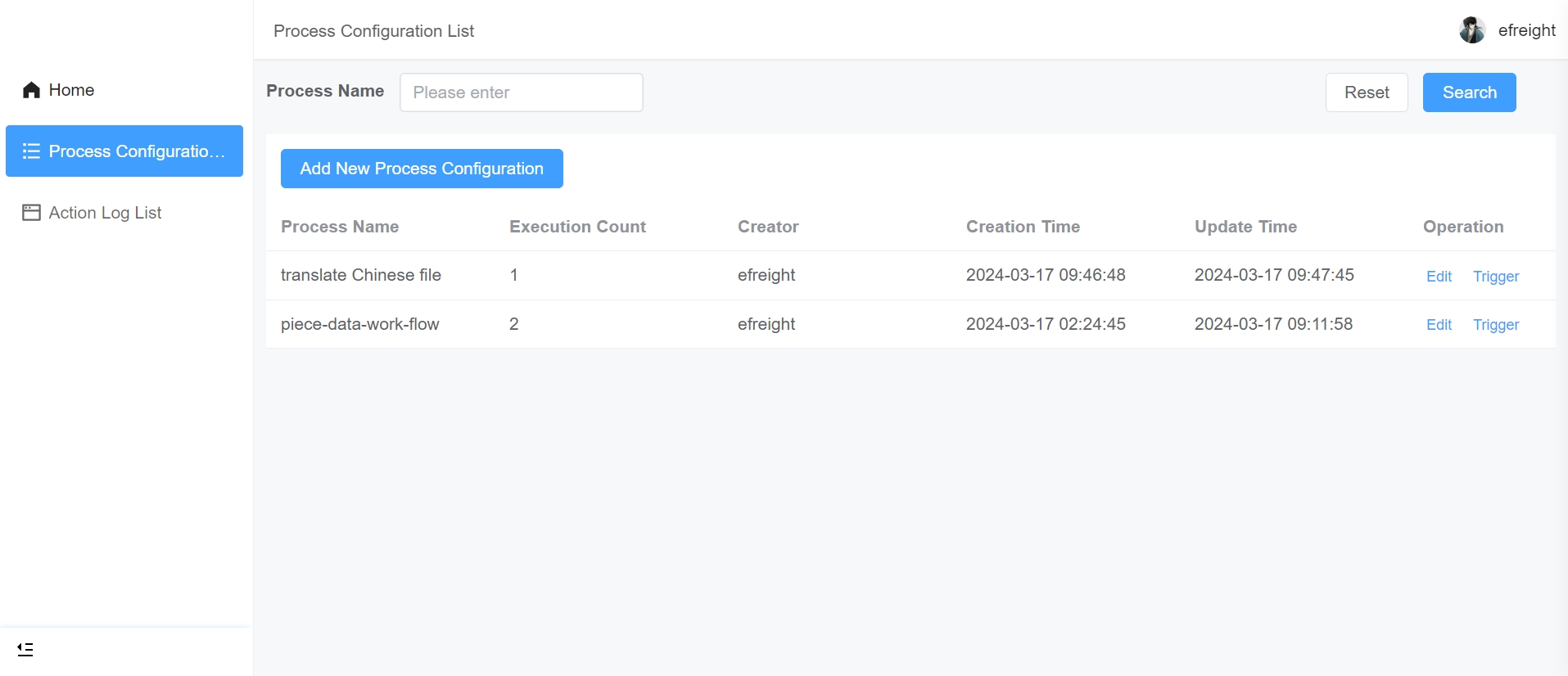
workflowlist
-
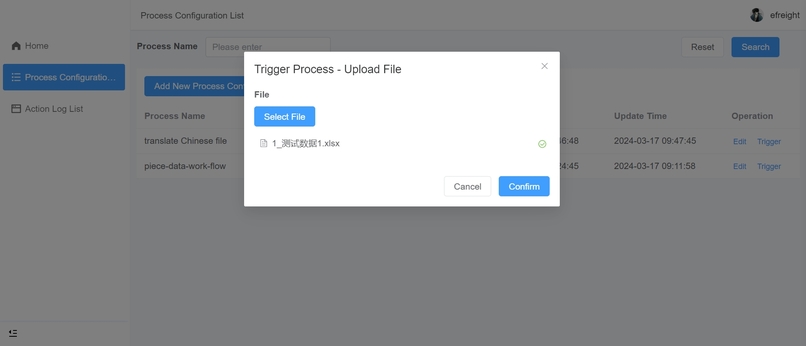
upload file workflow config
-
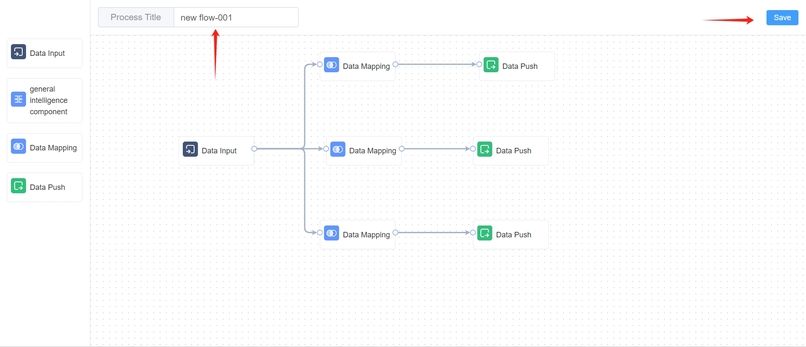
update workflow config

ONE Record Studio: A Visual Development Tool Based on ONE Record
I. Background
With the rapid development of the cross-border e-commerce industry, the traditional air cargo industry is undergoing a significant transformation, mainly reflected in the following aspects:
Rapid growth in transportation demand: As cross-border e-commerce flourishes, the demand for air cargo has surged dramatically, especially during peak periods such as "Singles' Day" and "Black Friday" shopping festivals.
Pressure on timeliness and service quality: Cross-border e-commerce often involves high-value, high-timeliness goods, and consumers have high expectations for logistics speed and service quality.
Improvement of information and tracking systems: The logistics and information flows of cross-border e-commerce require high transparency, and consumers and merchants need to track the transportation status of goods in real-time. The air cargo industry needs to strengthen information construction and provide full-trip tracking services to meet this demand.
Challenges in safety and regulation: Cross-border e-commerce involves various types of goods, including electronic products with batteries, which may pose safety risks in air transportation. The air cargo industry needs to enhance safety management and adapt to the ever-changing regulatory policies to ensure compliant operations.
Pressure on cost control: In a highly competitive market environment, air cargo companies need to maintain competitiveness while improving service quality and controlling costs.
Coordination with ground logistics: The last-mile delivery of cross-border e-commerce is a key link in the entire logistics chain. The air cargo industry needs to work closely with ground logistics service providers to ensure smooth transfer of goods from airports to consumers.
Therefore, air cargo companies need to continuously innovate and adjust strategies to adapt to the rapid development of this emerging market. In this context, ONE Record, introduced by the International Air Transport Association (IATA), aims to establish an end-to-end digital supply chain for air logistics, enabling easy and transparent data exchange among all relevant parties in the air cargo industry.
II. Challenges
In the past three years of promotion, through the experience of efreight itself, we have found that the promotion of ONE Record still faces a series of challenges and difficulties:
Technical compatibility and standardization: The air cargo industry involves many different systems and technologies. To achieve seamless interconnection and data sharing between these systems, technical compatibility issues need to be resolved. In addition, different countries and regions may have different data standards and format requirements, and unifying these standards is also a major challenge.
As a new technology, there is a shortage of ONE Record developers, leading to low development efficiency.
The traditional manual development model results in long project implementation cycles, high costs, and significant risks.
Is it possible to provide a fast and convenient ONE Record development tool that can be used by more developers, thereby reducing the complexity of development and accelerating the promotion of ONE Record?
III. Solution
To change this inefficient development method and to cope with the immense pressure from e-commerce business, efreight has proposed a brand-new solution:
efreight ONE Record Studio, a low-code visual development tool built on the foundation of ONE Record, integrating AI and workflow engines.
IV. Highlights of the Solution:
- Low-code visual development platform. System development can be done through drag-and-drop, and AI can automatically generate code.
- Integrated workflow engine allows for customizing system logic according to business processes.
- Integrated artificial intelligence backend capable of:
- Automatic recognition of unstructured documents (PDF/JPG/TXT/EXCEL).
- Visual connection to databases or message queues, with data automatically mapped to ONE Record objects or traditional data messages (cargoimp/cargoxml) generated directly from ONE Record objects.
- Multi-language recognition and conversion.
- Intelligent compliance, automatically generating HS codes and dangerous goods symbols.
V. Technical Implementation
- Languages: Java jdk17, vue 3.0
- Frameworks: springboot3.2
- Cloud Services: kimiAi
Database: mysql8.0
APIs & Components: AntV X6, vue-pure-admin, Element plus
Tools: Vite, pnpm
Middleware: RocketMQ, FTP
External Services: one-Record Server, Email Server
VI. Value of the Solution
- Significantly enhances the development efficiency of developers, reduces the implementation difficulty of ONE Record projects, and speeds up the launch time.
- AI can efficiently handle massive data processing from e-commerce platforms, such as package manifests, customs declarations, and ICSII declarations.
- AI enables compliance management, reducing transportation risks.
VII. Next Steps
- Open source. Continuously improve the functionality of the studio in subsequent ONE Record projects and make it open source for the entire industry to use.
- Build upon the Studio to launch a complete ONE Record Platform (EFT-Base), providing a comprehensive solution from development, deployment, operation, to post-launch maintenance. ## DEMO demo ## source code github
Built With
- antv
- java
- kimiai
- mysql8.0
- rocketmq
- springboot3
- vue
- vue-pure-admin


Log in or sign up for Devpost to join the conversation.