-
-
-
-
-
-
-
-
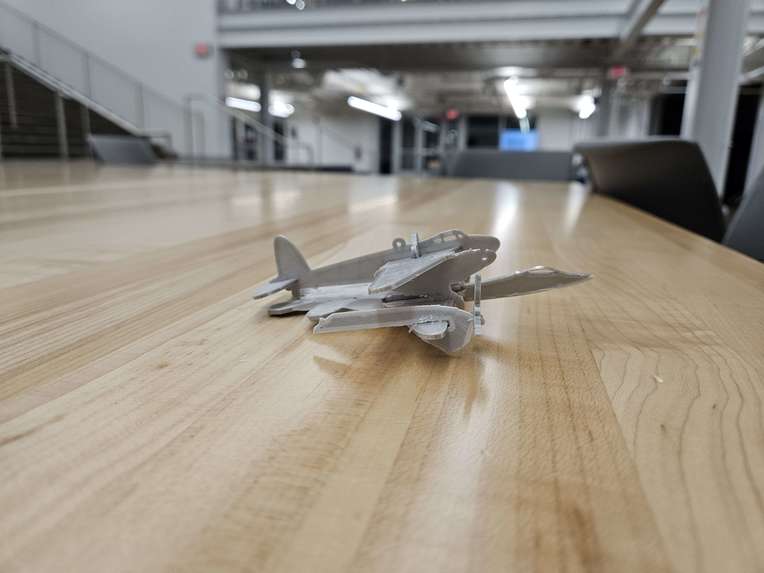
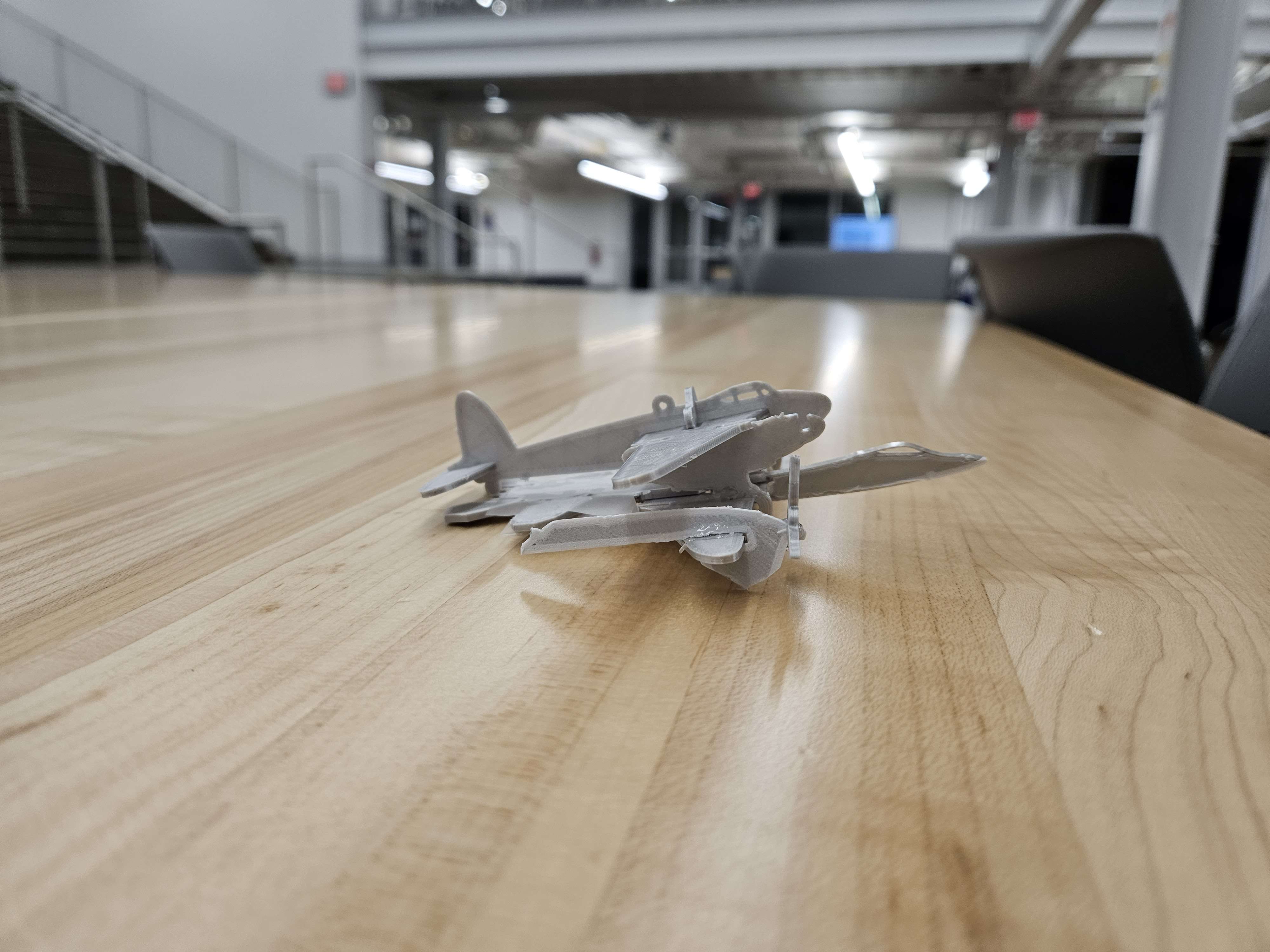
A kitbash model akin to our concept
The Problem
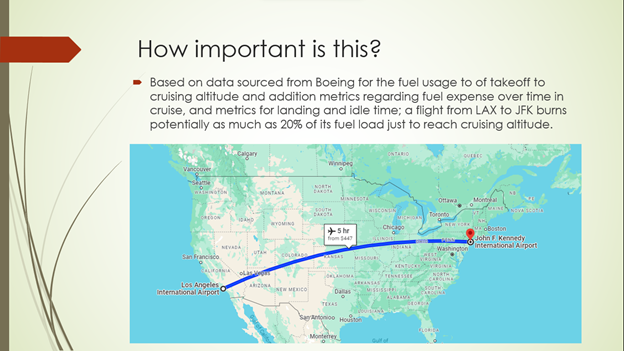
A passenger airliner can burn as much as 20% of its fuel just leaving the runway and getting to cruising altitude, considering the cost in fuel and carbon emissions we wanted to seek a better way.
Not Reinventing the wheel
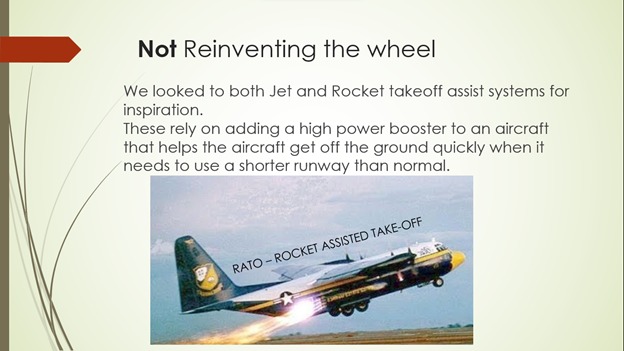
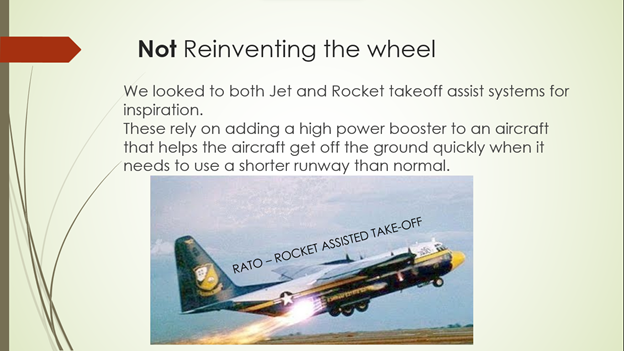
We looked to technologies such as JATO (Jet Assisted Take-off) and RATO (Rocket Assisted Take-off) which have been around since WWII as a way to get an aircraft in the air quickly and on a short runway.
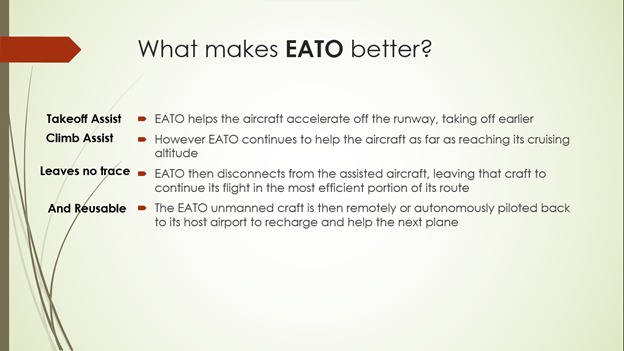
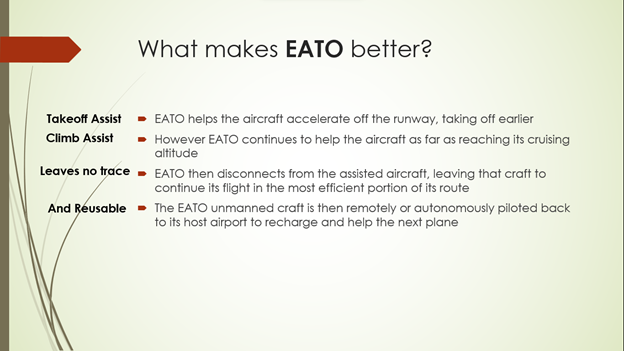
Using them as inspiration we have devised what we are calling EATO or Electrically Assisted Take-off.
EATO would take the form of an Unmanned Aircraft (remote controlled with capability to be autonomous in the future) that would be mounted on the bottom of an airliner's fuselage before taxying.
EATO would then aid in take-off by providing additional thrust via electrically powered Turbo-prop engines and additional lift thanks to its own wings.
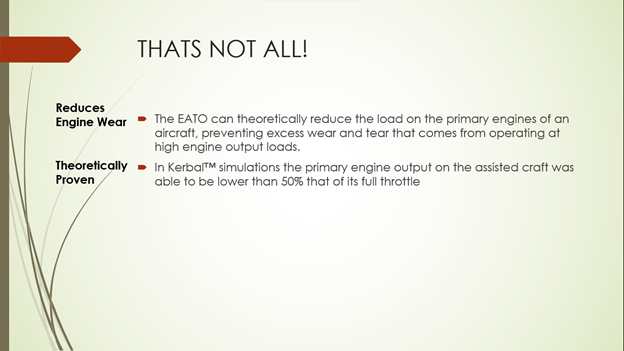
The assisted aircraft would be able to reach cruising altitude having used less fuel as well as saving critical wear on their engines, two factors Boeing cited as a critical consideration for them when planning take-off procedures.
Once the aircraft is at altitude or the EATO craft has discharged its energy banks to its 'Bingo' capacity it will undock from the airliner and fly back to its home airport where it can be recharged on the local grid -- preferably with green energy-- while the host craft can fly the rest of its trip unhindered.
Looking for Liftoff
We designed our proof of concept for the EATO using Kerbal Space Program, a videogame renowned by even NASA for its part to play in making aerospace, rocketry, and interstellar travel accessible in a fun and convenient simulation.
Taking a sizeable plane and attaching our EATO UAV to it we were able to successfully reduce the necessary output of the primary engines by more than 50% while still achieving ideal climbing rates of 25-30 degrees at more than 250knots.
While our simulation is not the most accurate to reality (there are mods that bring it very close to accurate, we just didn't have time to learn them), we believe it effectively shows the promise of the EATO system and makes a fun and effective way to showcase it.
Challenges we ran into
We had many ideas for how we might make air-travel more efficient, but in talking with our mentors we concluded that an electric Take-off assist vehicle or booster held strong merit as a measure to bring the world of commercial aviation towards a carbon neutral state with ought relying on highly delicate maneuvers or risky solutions.
With the EATO in particular the question was whether a powerful enough electric motor existed to be able to significantly aid a large aircraft such as an airliner into the sky. We did find evidence that a suitable engine might exist.
We were also concerned that a Turboprop engine might be too slow and could ultimately be detrimental to a climbing Jet-propelled aircraft, however our research stated that most Airliners climb at speeds of up to 250knots which is fully within the range that a Turboprop is effective in.
Finally we were concerned that materials or airframe structures could be insufficient for the forced that a loaded airliner would put on our drone but also if the forces of the drone pushing on an airliner might damage the airliner's frame or skin. This would have to come down however to the specific model of aircraft used and the final design of the EATO Drone and its attachment system itself.
How significant is the EATO anyways?
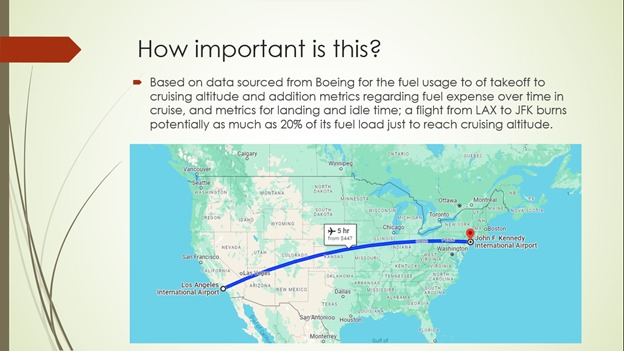
We designed EATO with carbon emissions in mind, but it happens to be ideal for the Airlines too. A Boeing 737 800 series according to Boeing's own report burns 5000lbs of Jet Fuel in the take off and climbing stages of its flight, in a 4-5 hour flight from LAX to JFK burns almost 20% of its fuel just to reach cruising altitude!
Using metrics from the International Air Transport Association (IATA) the 5000lbs of fuel burned comes to around 2000$. Thats 2000$ for every time a 737 takes off. With more than 6000 of these in service today that is upwards of 12 million dollars for each of those planes to take off one time. A single 737 might make as many as 10 trips in a single day, thats 20,000$ per day just to leave the ground. With some airports sending out hundreds of flights in a day there is hundreds of thousands of dollars being wasted on just leaving that airport.
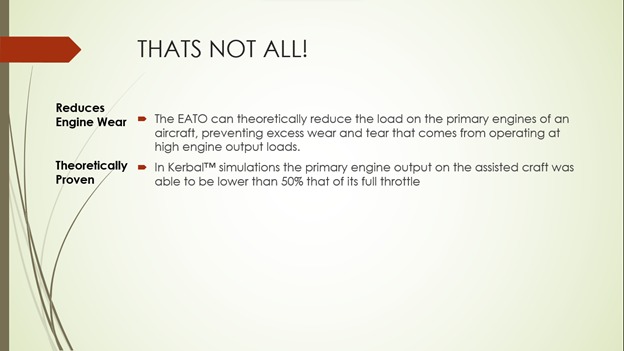
We can take this further however, Boeing states that for a traditional take-off going hard with full thrust for both the take-off and the climb would be the best option for them in terms of fuel-efficiency, but between regulations and concerns over engine wear they don't do this meaning they waste more fuel. With the EATO they don't need to push their engines as hard to achieve cruising altitude meaning slower wear on their planes and less frequent maintenance work or refits which could quickly save them millions of dollars.
But its not just the airlines that win here, the airports that host EATO drones can charge each liner that uses the system, between the savings on gas and maintenance even a significant price tag could be well worth the service fee paid directly to the airport itself.
What's next for EATO - Electrically Assisted Take-Off
The EATO system may well be the best mid-ground we can devise while we wait for battery technology to improve so full electric flights can become viable, and its effectiveness could hold well past that point servicing the fuel-based aircraft until they are phased out and maybe even helping future electric craft save a bit of battery for those extra-long-distance trips.
So what could be the next step? We look at what our current greatest limitation currently is: sheer engine power. Electric Turbo-Props as they currently exist have a few limitations, power output (or force if you prefer) is the most significant for our purposes, if we could instead use something such as a Turbofan Jet we could have a higher thrust output, but as a Turbofan requires a combustion reaction, we would seek to find a design that can use renewable fuels such as biofuels or hydrogen, perhaps the BATO (Biofuel Assisted Take-Off) waits in our futures. Until then however, we believe the EATO could serve well in making the Aerospace industry more sustainable for a better future.


Log in or sign up for Devpost to join the conversation.