Inspiration
As someone who struggles to stick to a low-sodium diet while dining out, I grew frustrated with guessing ingredients or nutrition values at restaurants. Watching friends with keto/vegan diets face the same stress sparked the idea: create a tool that makes informed dining effortless for anyone with dietary needs.
What it does
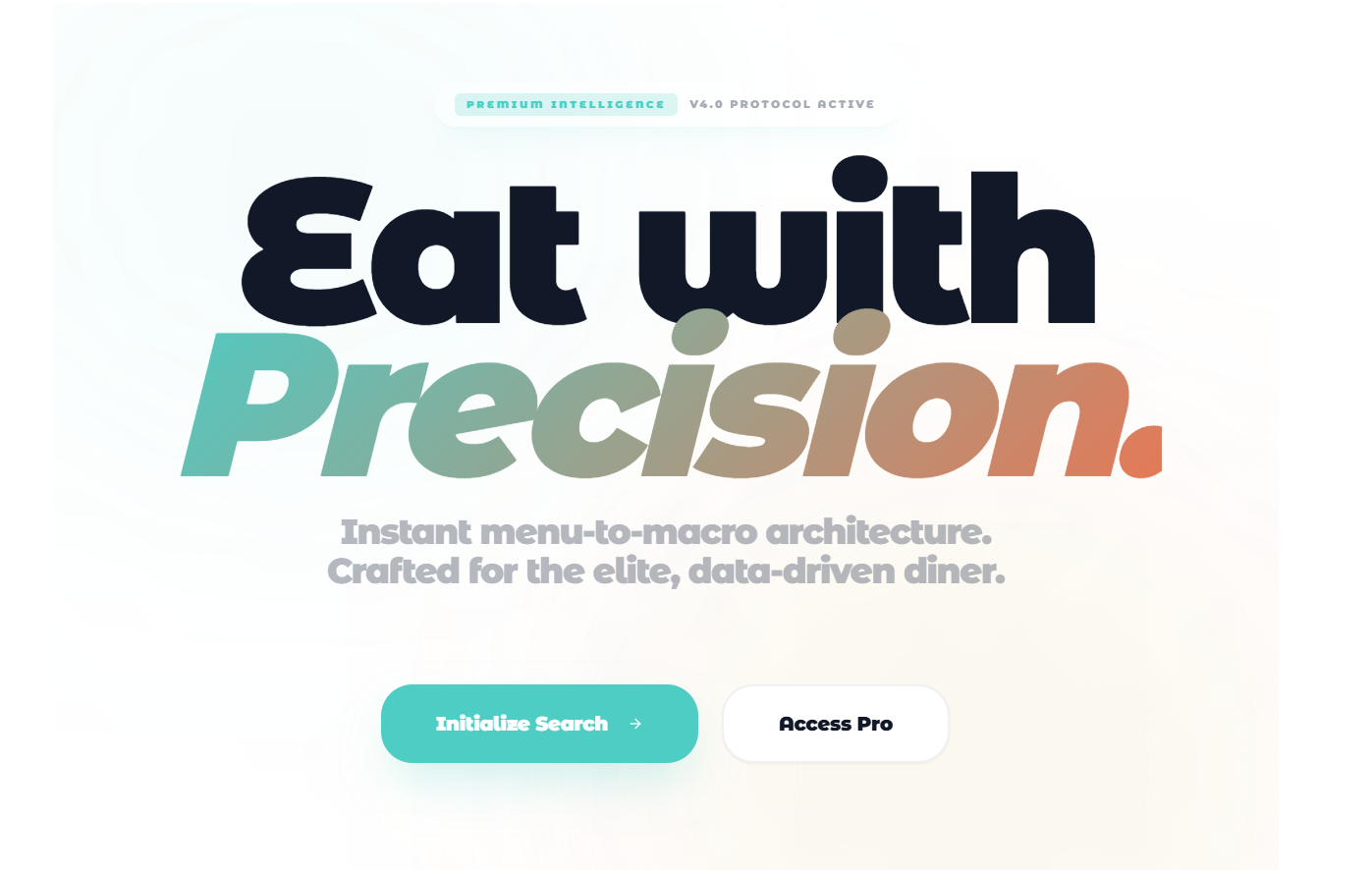
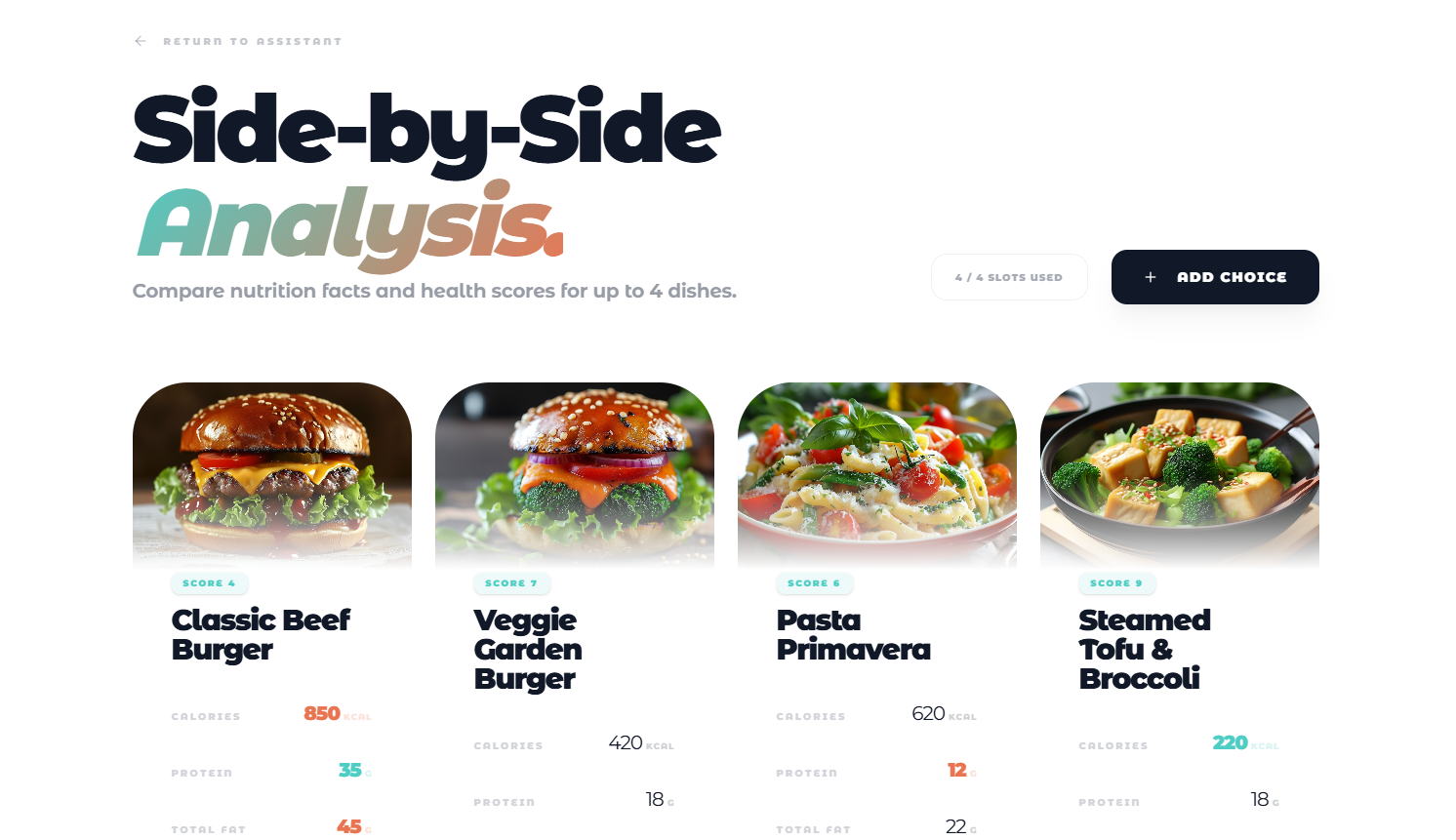
RestaurantDiet Filter lets users search/upload restaurant menus, apply dietary filters (keto, vegan, low-GI, etc.), view estimated nutrition facts, get practical modification tips (e.g., grilled instead of fried), and compare items to choose the healthiest option—all in one intuitive interface.
How we built it
We started by mapping core user needs (filtering, nutrition estimates, modifications) to a clean UI/UX. We integrated the USDA food database API for nutrition modeling, used TensorFlow for image-based menu recognition, built a PostgreSQL database for restaurant/menu data, and used React for the front-end with Chart.js for visualizing nutrition metrics. Stripe was added for subscription management, and AWS S3 for image storage.
Challenges we ran into
The biggest hurdle was accurate nutrition estimation—restaurant portion sizes and preparation methods vary wildly, so we had to build a flexible model with confidence scoring. We also struggled with balancing strict/flexible filter modes to avoid overwhelming users while keeping results useful. Image recognition for blurry menu photos required fine-tuning OpenCV to improve accuracy.
Accomplishments that we're proud of
We created a tool that’s both functional and user-friendly—testers with diverse dietary needs (gluten-free, paleo) reported it cut their menu decision time by 70%. The dynamic health score (calculated via $0.3\times\text{diet alignment} + 0.2\times\text{calorie density} + 0.2\times\text{macro balance} + 0.1\times\text{sodium} + 0.1\times\text{sugar} + 0.1\times\text{ingredient quality}$) became a standout feature, making healthiness tangible.
What we learned
We deepened our understanding of nutrition science and dietary guidelines, and learned to prioritize user empathy in design—e.g., adding color-coded conflict indicators for allergens instead of dense text. Technically, we mastered balancing multiple APIs and optimizing image processing for speed on mobile devices.
What's next for this project
We plan to expand the restaurant database to include more regional cuisines, add a mobile app for on-the-go use, and integrate user feedback to refine nutrition estimates. We also want to partner with local restaurants to add verified menu/nutrition data, and introduce a community feature for sharing modification hacks.
Built With
- amazon-web-services
- chart.js
- stripe
- tensorflow
- usda-api

Log in or sign up for Devpost to join the conversation.