-
-
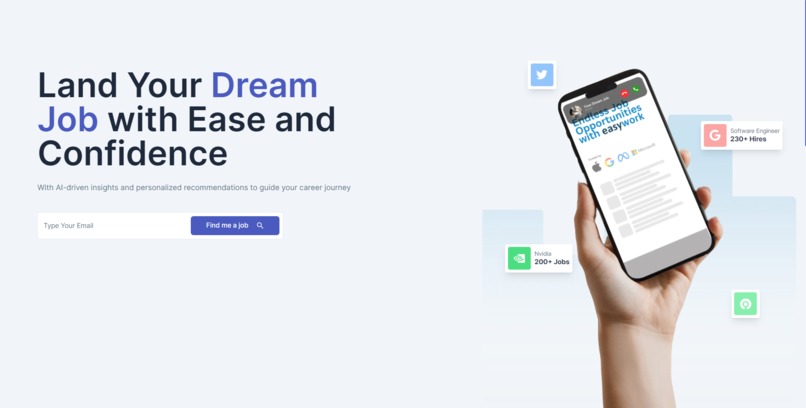
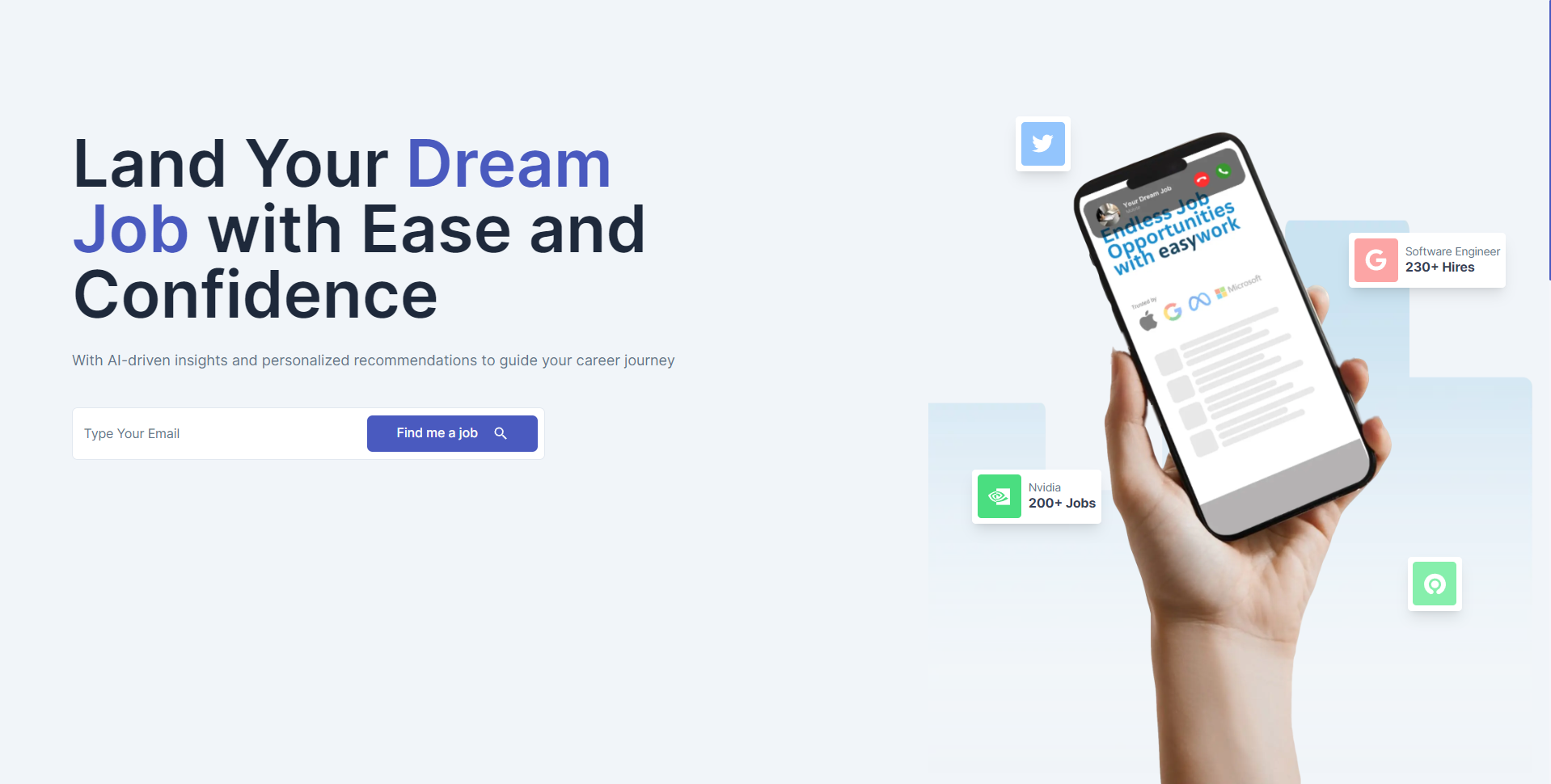
Landing page
-
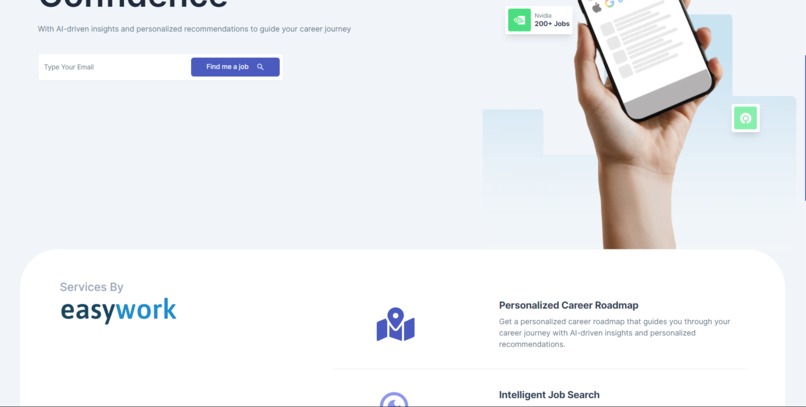
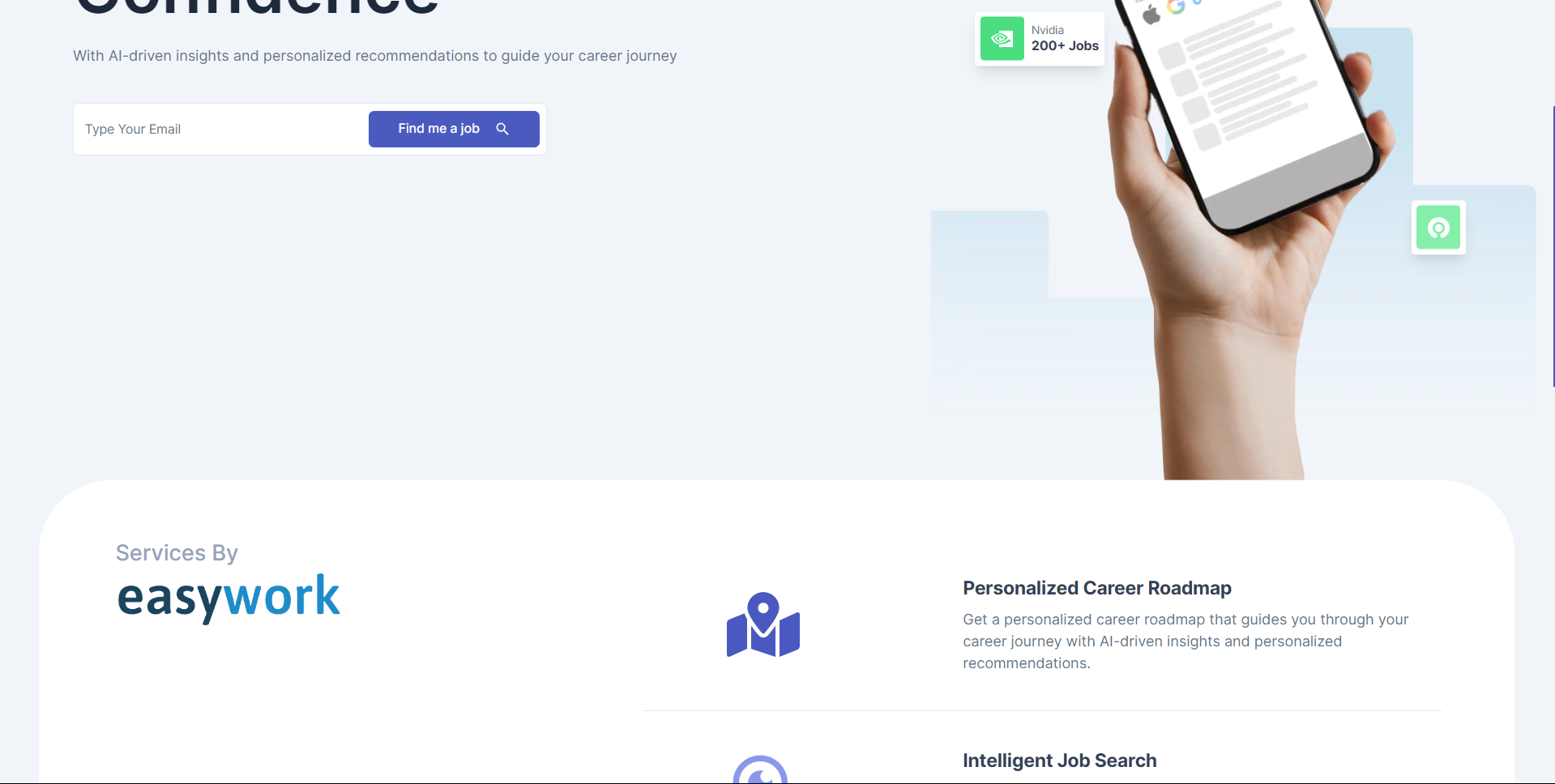
Landing Page 2
-

Footer
-
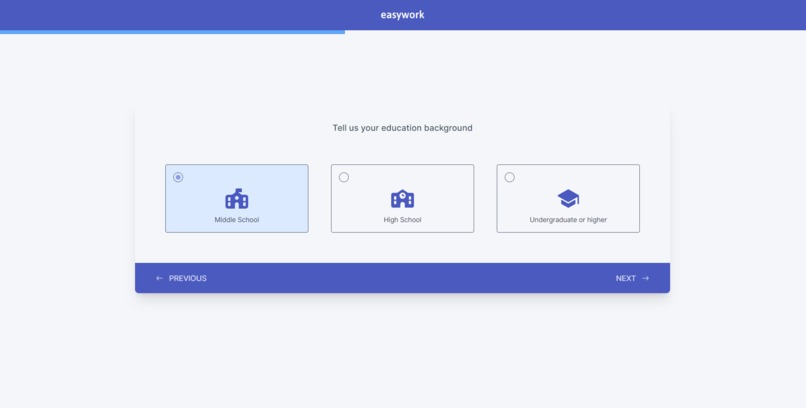
Form
-
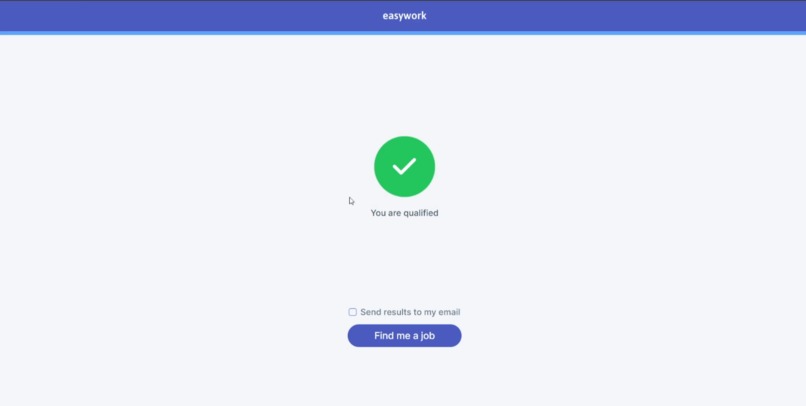
Form 2
-
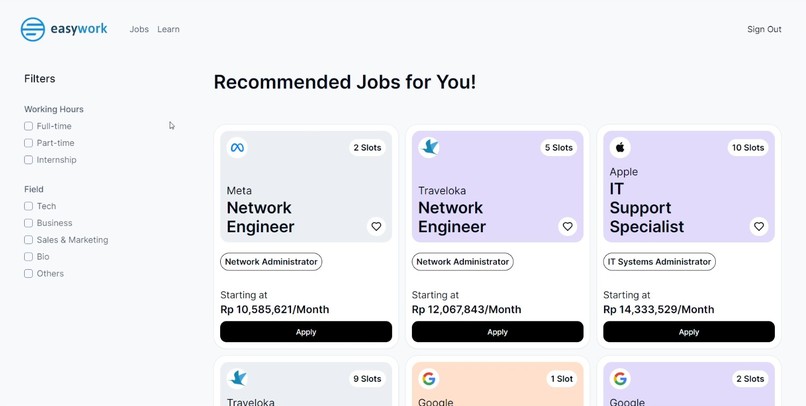
Jobs
-
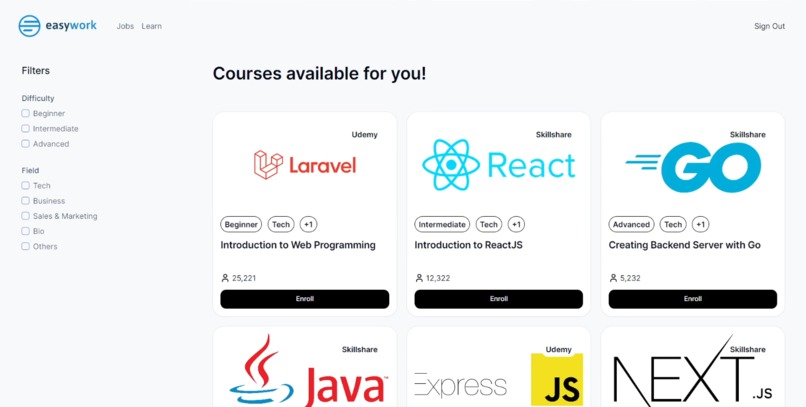
Courses

Inspiration
The creation of this project was motivated by our team’s awareness of the unemployment problem in Indonesia. Lack of financial literacy and formal education leads to a significant wage gap in society, as well as a massive difference in quality of life. Aside from the macroeconomics perspective, certain pain points also have arisen in the lives of our peers. People tend to have a hard time finding a job that fits their skill sets and their personality. Even with sufficient degrees and decent grades, most people still have to spend hours surfing the Internet to seek the perfect job. Another pain point that we’ve identified is the people's inability to recognize their deficiencies and weaknesses. Without knowing one’s weaknesses, one could not grow.
After further inspection of our two main pain points, we figured that we have two main avatars. The incompetent people that need to grow in order to work, and the competent people that need help to find a job that they like. To provide a solution to these avatars, we’ve come up with a solution that utilizes modern Artificial Intelligence to do all the tedious labor of searching for jobs. Our desire is to come up with an application that can harness the incompetent with sufficient skills and match the competent with matching jobs.
What it does
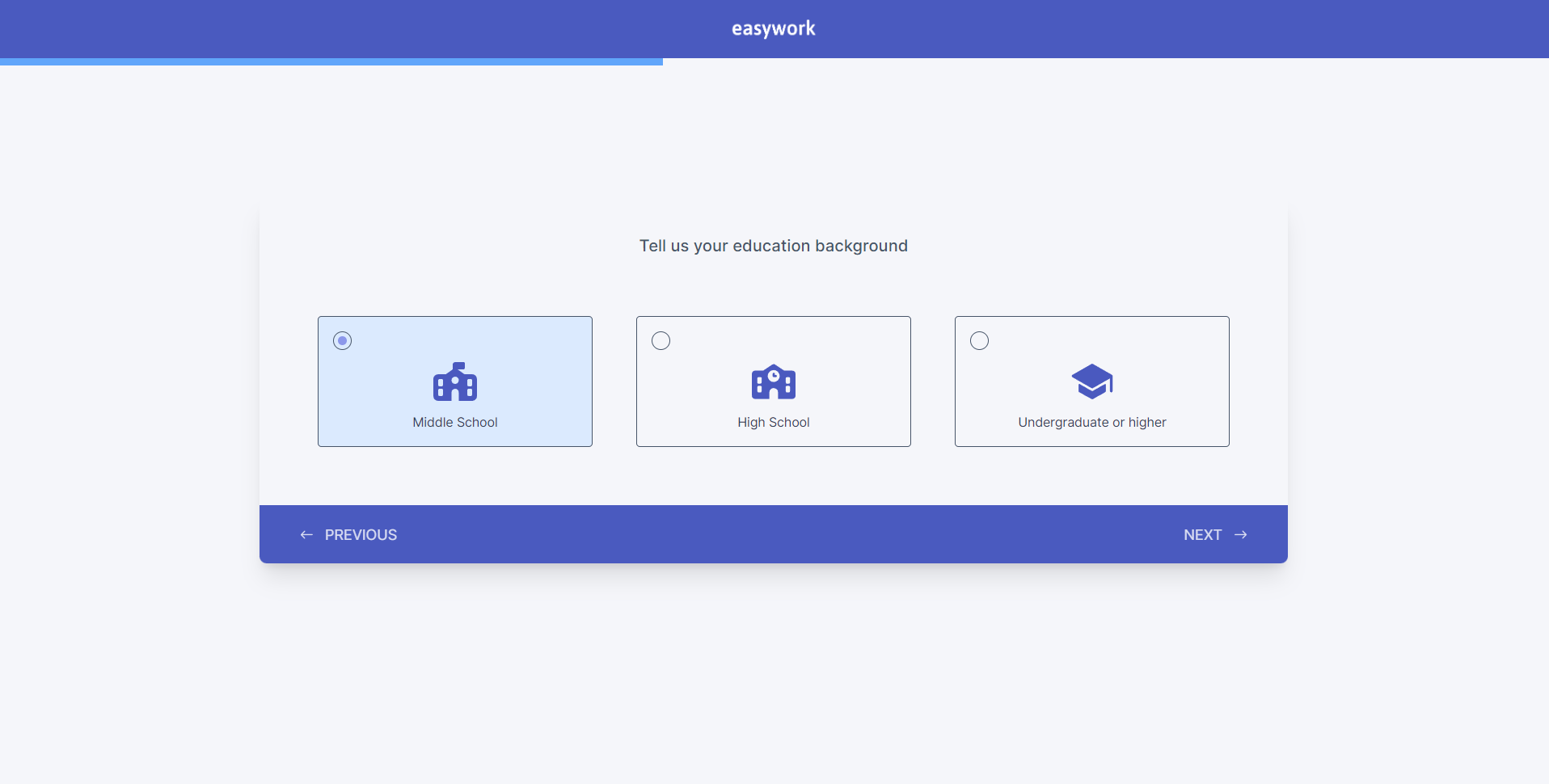
For this hackathon, we chose the topic Helping Hands as we want to solve both problems that are related to unemployment and skill finding. We will use a form-based integrated Artificial Intelligence, the Large Language Model (LLM) with Pinecone AI. Basically, the user will input the form with some questions like his email, last educational background score, his background story, his working experience, his aptitude test, and others. These answers will be passed into the model to see if :
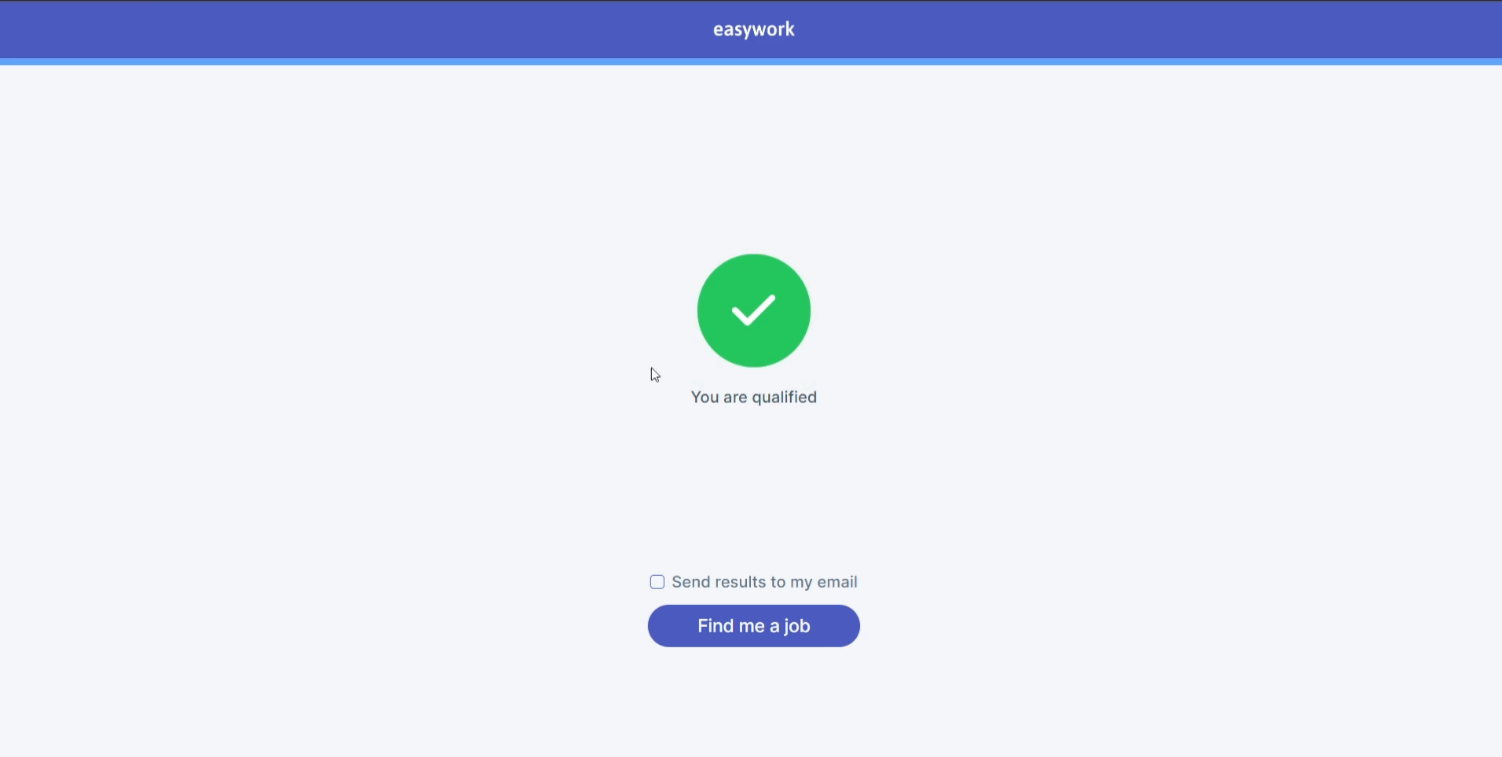
- the user qualified to have a job
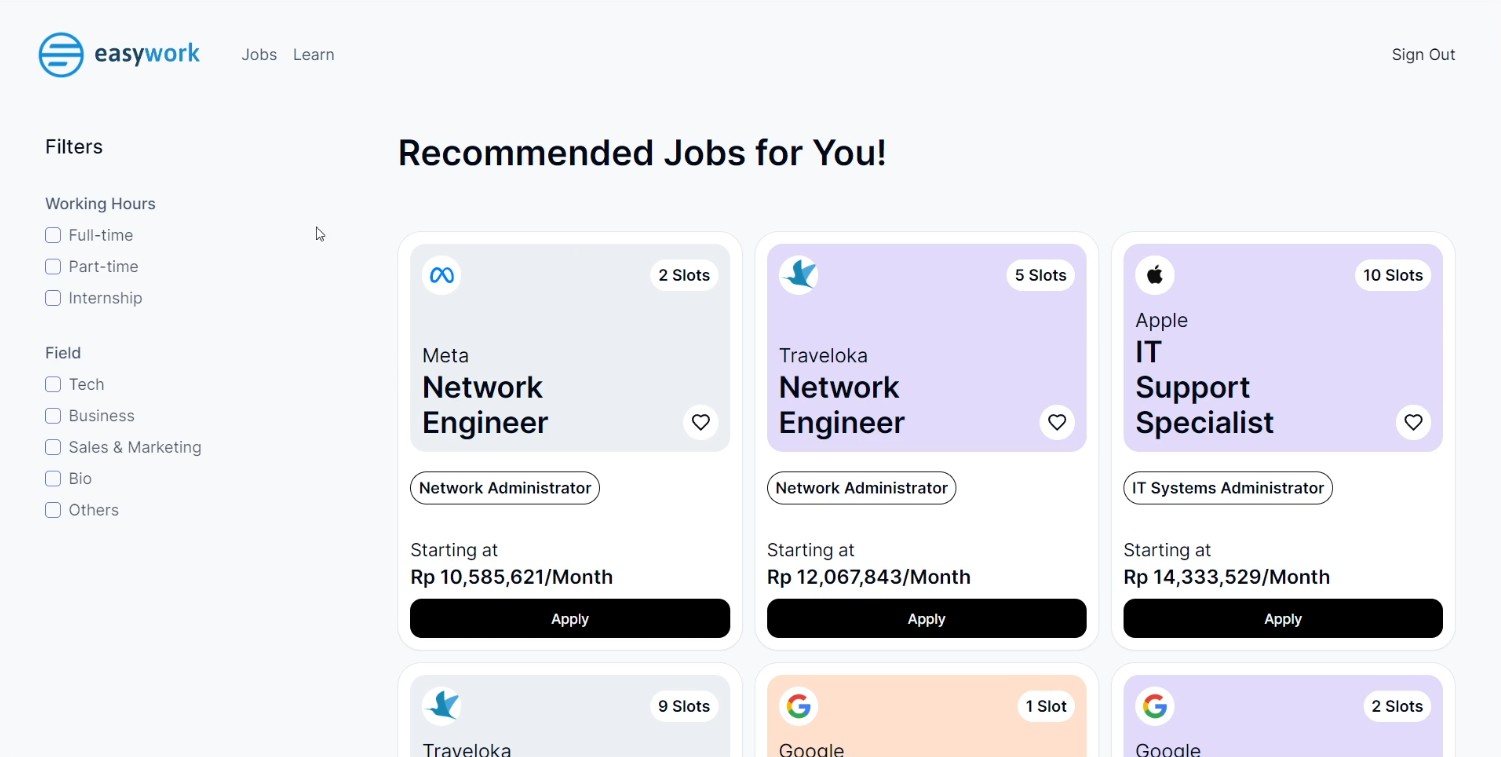
They will redirect the user to the job-vacancy page to see all the available jobs that are related to his input form (Note that the job data are not dummy data, but real company data that is queried from the vector database using Pinecone)
All result data can be sent to the person’s email that the user inputs at the beginning of the form
- the user is not qualified to have a job
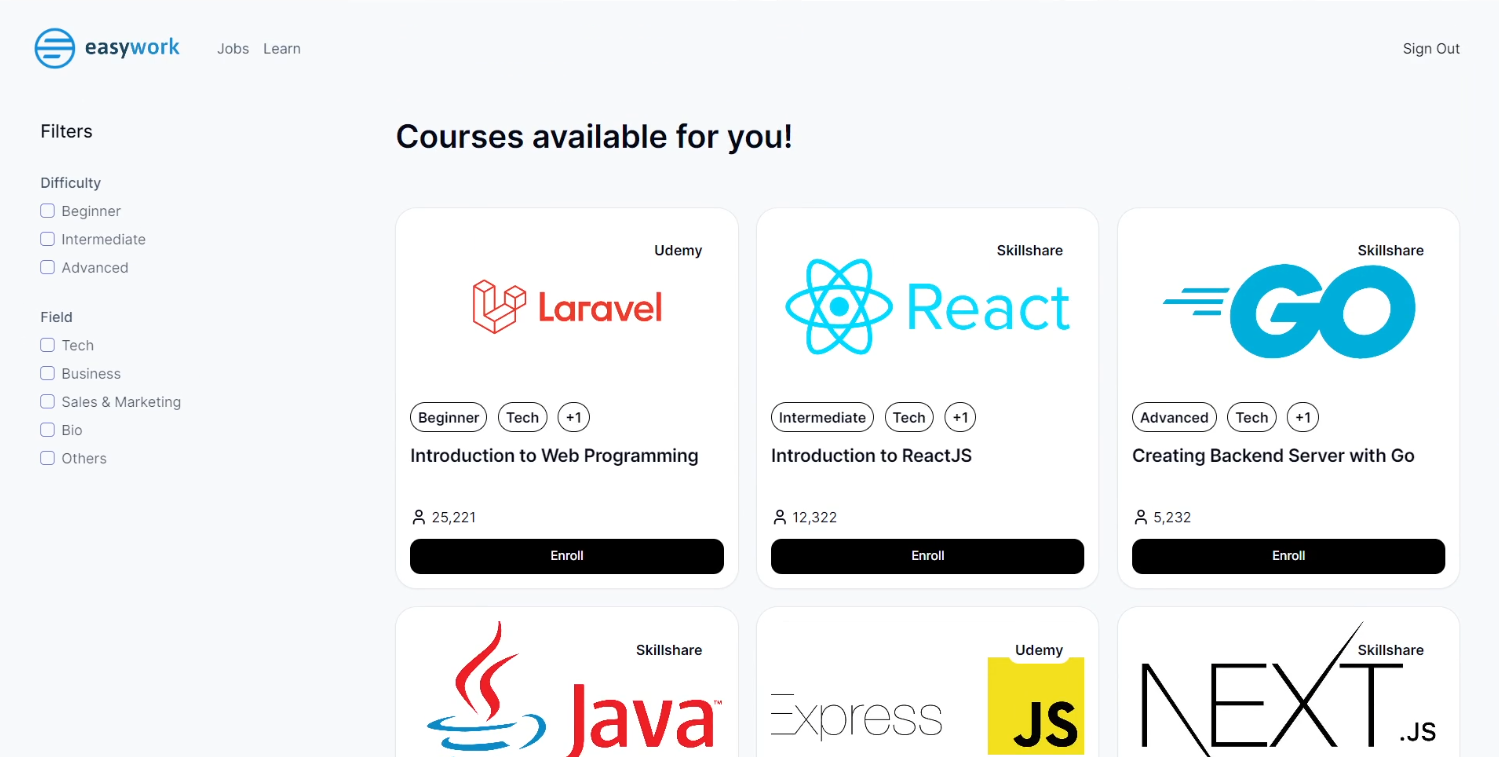
- Query all the skills from the jobs related to his dream job and send courses that are related to the user input. This way, we give input on how to leverage his skills even more so that he can get to the user’s dream job faster.
The user will also get a link to sign in and sign up, saving the user’s history so that they won’t have to input the form again.
How we built it
The process of building begins with research, due to our unfamiliarity with the concept of LLMs and vector databases. While one researches, the other sets up the development environment, which includes a version control repository (Github), front-end framework (NextJS), and also front-end libraries (Tailwind and ShadCN). Then, a rough user-journey wireframe is sketched on the whiteboard so we can have a grasp on the UX side of the application. After design ideas were collected by the team, our front-end developers started the development of the form pages, the landing page, and also the other two main pages. While they were doing their thing, the other two members of our team focused mainly on configuring PineconeAI and also setting up the Open AI API. They also implemented use cases and business logic so operations can be done seamlessly once the front-end development has finished.
Challenges we ran into
As for the challenges, since we were in a rush because of the 36-hour deadline, we ran into several minor problems. The most frequent one is merge conflicts in Git, due to the collaboration of all team members in one main branch. It is a small problem that could have been mitigated if we planned better before the hackathon started. We also ran into some knowledge problems since some of us were not familiar with the tech used, for instance, Pinecone AI and Next JS. Though discomfort and disturbance were felt, all of the problems were managed in the end, and the project ended up finished.
Accomplishments that we're proud of
As a team, we are very proud of making a fully functional AI-driven job-finding and skill-enhancing application. We find this project as an innovative project that can be fully applied in Indonesia and outside of Indonesia. In the process of making this project, we are very focused on creating an immersive and intuitive experience. As a byproduct, we’ve created a project that is effortless to use, allowing all range of ages to land their dream job with our application’s help.
We are also proud to be able to execute a fresh idea. The concept of vector databases and Large Language Models were not in our area of expertise. We were only used to developing regular full-stack software, along with deep-learning models, but never have we experienced a development environment that involved advanced LLMs. Therefore, this accomplishment is a milestone for us as a team.
What we learned
The most precious lesson that we’ve obtained from this project is teamwork. It does sound cliche and repetitive, but this hackathon really reminded us that people are equipped with different sets of skills. One may be an expert at front-end design, but the other can create a whole back-end system effortlessly. One can focus full-time on little details, but the other can generate genius ideas in a matter of seconds. Therefore, instead of competition, collaboration between peers is better for the global society. With teamwork, we can develop solutions that can really bring impact to the world.
What's next for EasyWork
We truly believe that this app has a high potential and a large room for growth. Firstly, we’re interested in integrating our app with the LinkedIn API, which will enable users to have a real-time job offering recommendation. Therefore, this implementation will give users a wider range of choices for the jobs that they can take. Second, we would like to expand our Pinecone AI vector database to improve user experience by giving more job options. Third, we were intrigued by implementing web scraping to search for open job offerings on the web. However, our inexperience in this specific set of skills prevents us from implementing it in this hackathon. With scraping, users’ job recommendations can be a lot wider, therefore users can delegate all jobs regarding job finding to the AI.
Built With
- nextjs
- pinecone
- typescript


Log in or sign up for Devpost to join the conversation.