Inspiration
Singapore is one of the fastest-aging societies in the world. By 2030, one in four Singaporeans will be aged 65 or older. As mobility declines with age, many seniors rely on manual wheelchairs. While common, these wheelchairs often make daily life difficult—moving around within their own homes, navigating narrow HDB corridors, or tackling slopes and uneven paths outdoors can be exhausting.
Powered wheelchairs do exist, but they are expensive and bulky, often costing between SGD $3,000–$5,000. Although there are motorized add-on products in the market, they are usually limited to specific wheelchair brands and are not compatible with standard models. This makes them costly, restrictive, and impractical for most users.
This leaves a critical gap: how can we provide seniors with affordable mobility, independence, and dignity, while ensuring solutions remain universal, practical, and sustainable?
These are the questions that inspired us to begin our journey.
What it does
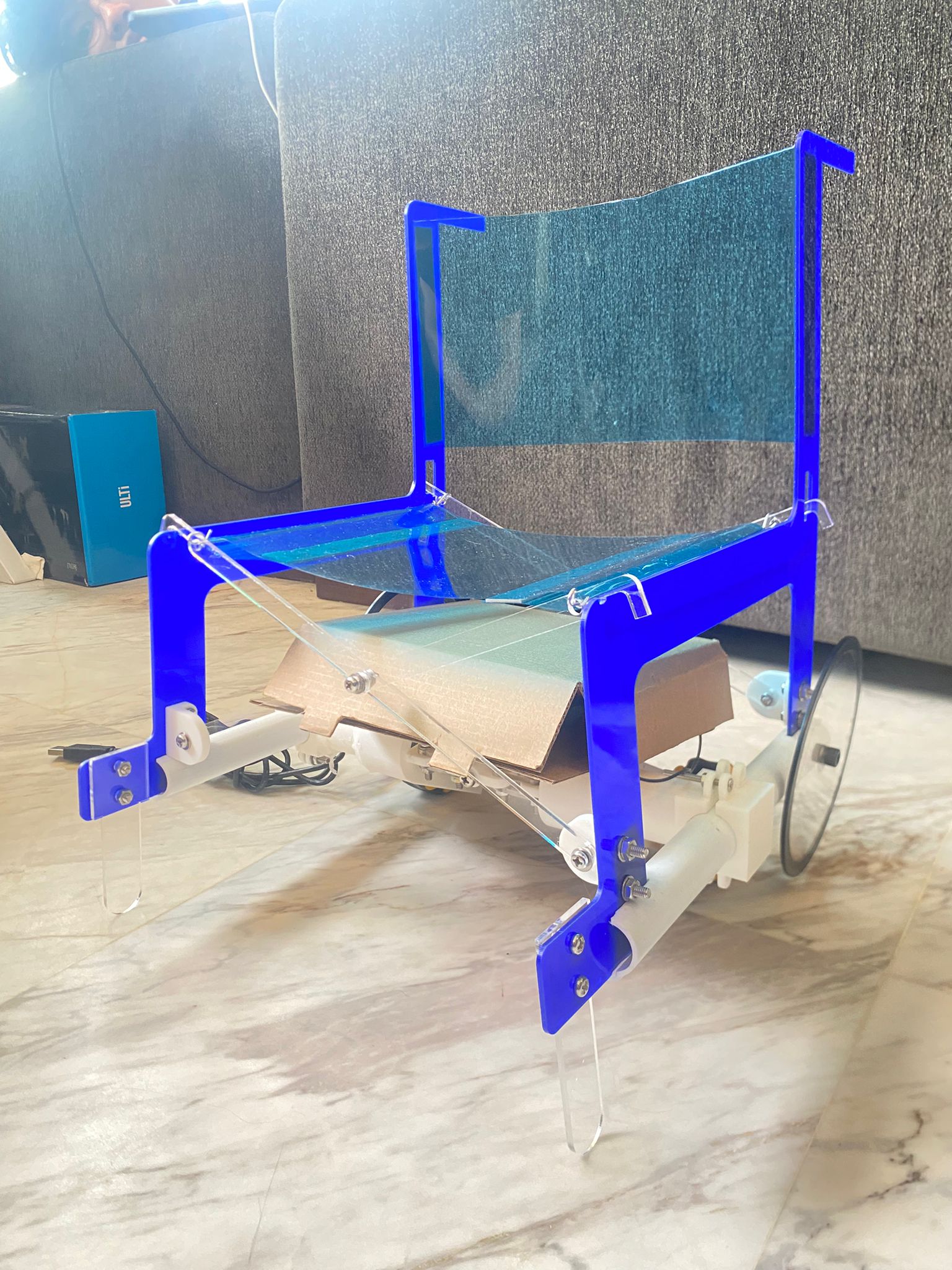
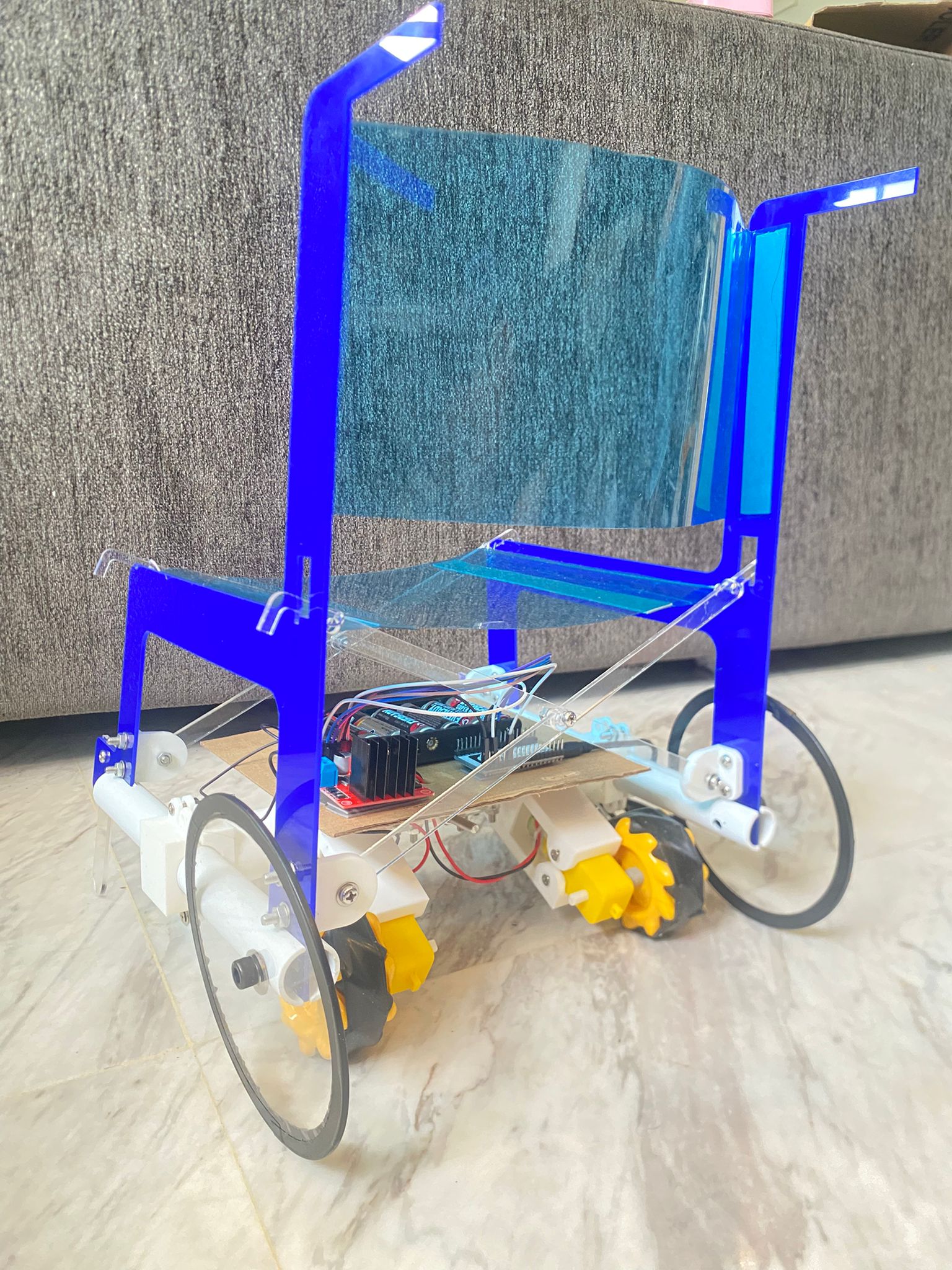
EasyWheel is a clip-on motorized attachment that transforms any standard wheelchair into a powered one. Its adjustable frame means it can fit a wide range of wheelchair models, making it flexible and practical for daily use.
The system is designed to give seniors greater independence—allowing them to move freely not only outdoors but also within their own homes. The controller can be mounted directly on the wheelchair, so elderly users can easily operate it on their own. At the same time, it can also be used as a wireless remote for caregivers when needed.
What makes EasyWheel stand out is its universal design. While other add-on motors exist in the market, most are locked to specific brands and cannot be adapted to standard wheelchairs. EasyWheel is built to be brand-agnostic, ensuring it works with any standard wheelchair without requiring costly upgrades or replacements.
In short, EasyWheel brings together affordability, inclusivity, and sustainability, offering powered mobility to seniors at a fraction of the cost of traditional powered wheelchairs.
How We Built It
Design Stage
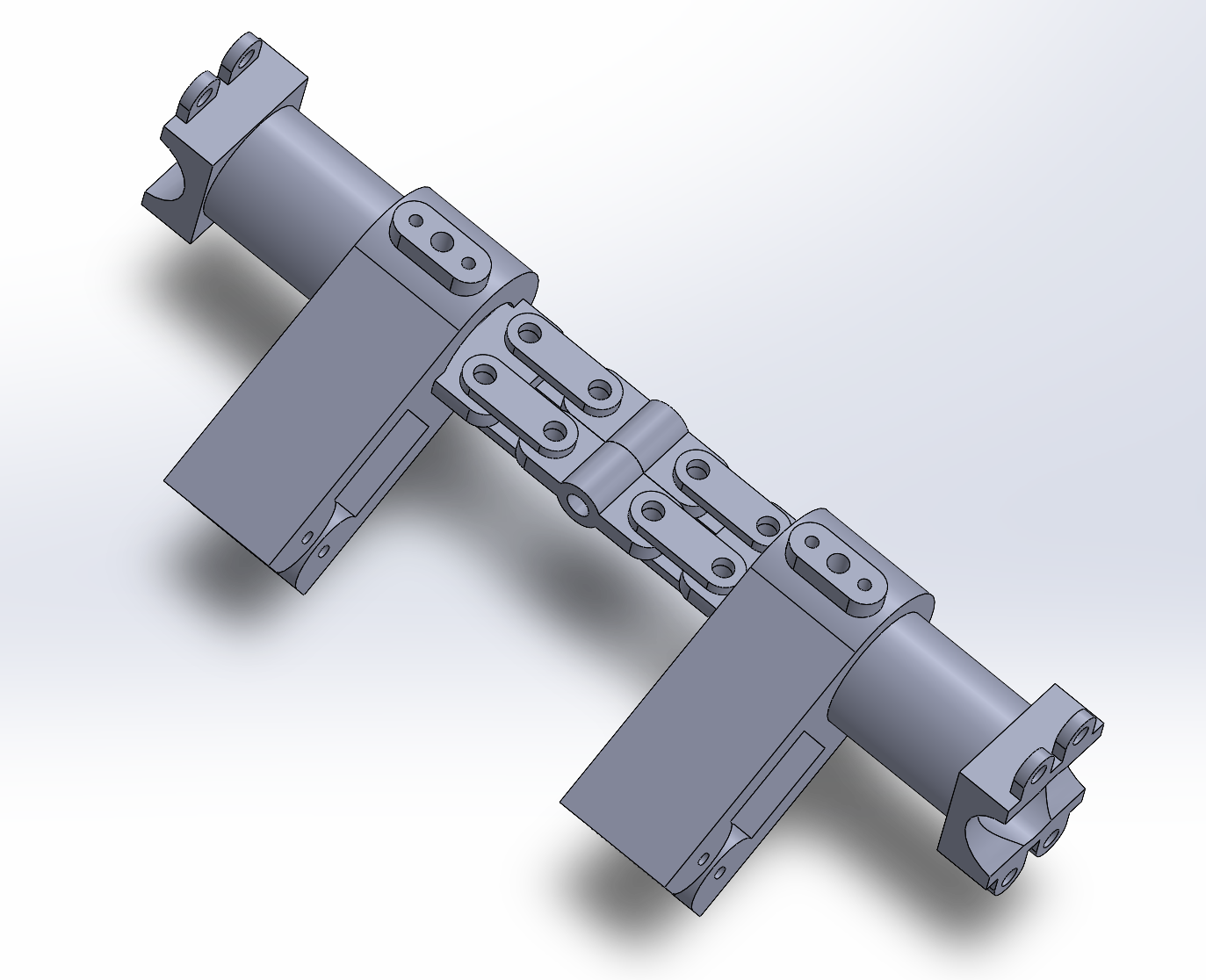
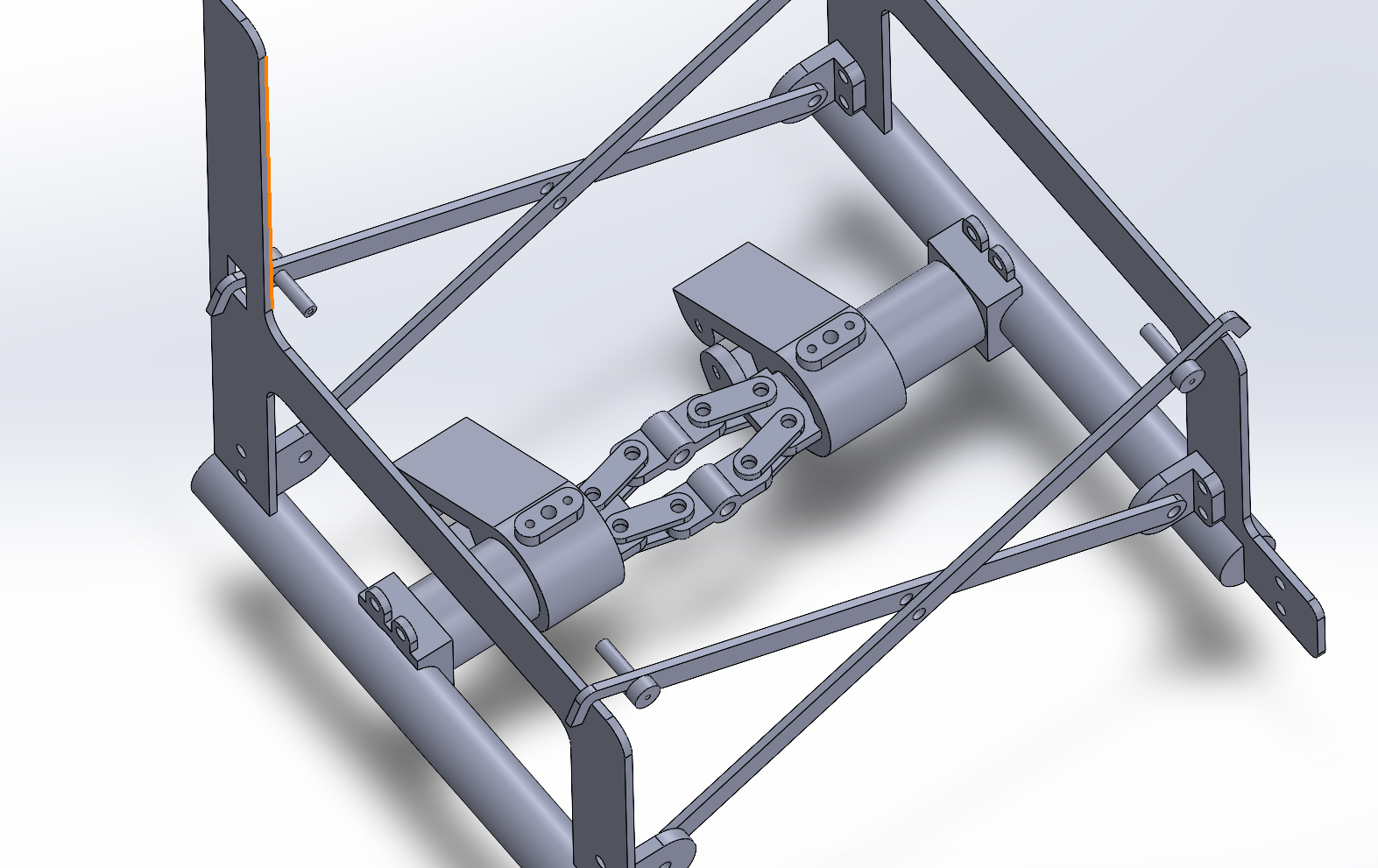
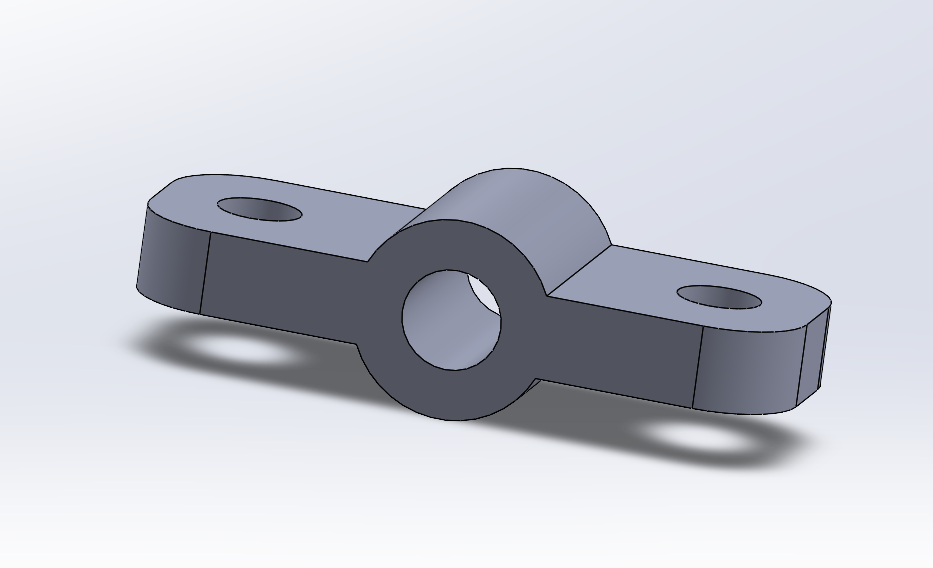
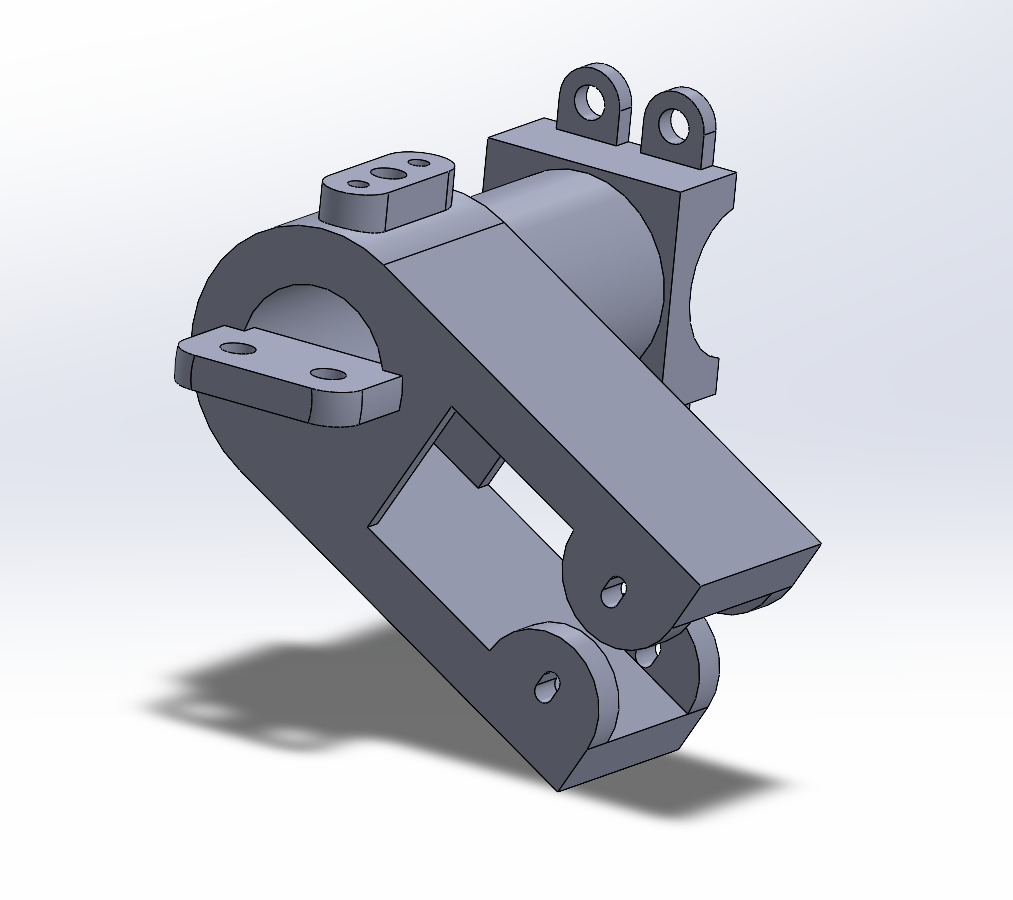
We began by designing the prototype in SolidWorks, focusing on both functionality and ease of fabrication. The core idea was to create an extendable axle system that could lock itself firmly between the two sides of a wheelchair frame using a scissor-linkage mechanism. This mechanical foundation allowed us to mount the motorized wheels securely while keeping the structure adaptable to different wheelchair sizes.
Materials Used
- Main Frame: Fabricated from acrylic sheets (Acreliek), chosen for being lightweight, easy to cut, and affordable.
- Axle: A 2.2 cm diameter pipe, which acted as both the rotating shaft and the gripping element that connects into the wheelchair pipes.
- 3D-Printed Parts: Custom components such as linkage arms, brackets, and motor housings were printed to achieve complex geometries and quick iterations.
- Fasteners: We mainly used M4 screws for assembly, ensuring strong joints while keeping the prototype modular.
- Electronics:
- Two ESP32 boards: one mounted on the motorized wheels to control motor drivers, and another configured as a wireless joystick controller.
- Joystick + Touch Sensor: the joystick controls direction while the touch sensor handles quick connectivity pairing.
- RGB LED Indicator: provides clear feedback on connection status (e.g., searching, connected, error).
- Two ESP32 boards: one mounted on the motorized wheels to control motor drivers, and another configured as a wireless joystick controller.
Programming & Connectivity
The ESP32 attached to the motors acts as a TCP server, while the ESP32 in the controller functions as a TCP client. Once connected, the controller continuously sends joystick data and touch sensor inputs to the motor module. This setup allows the wheelchair to be controlled in real-time, either through a joystick mounted on the wheelchair for seniors’ independent use, or through a remote controller for caregivers.
Assembly Process
Once fabricated, the components were put together step by step. The scissor-linkage system was mounted at the center of the axle, allowing the unit to extend outward until it pressed tightly against the wheelchair’s side pipes. The supporting acrylic frame and cross-bars ensured that the axle remained aligned during testing. The electronics were then integrated with the motorized wheels, creating a fully functional proof-of-concept that combined both hardware and wireless control.
Challenges We Ran Into
3D Printing Limitations
Some parts of the prototype were too large for a single print on our available 3D printer. To solve this, we redesigned the parts into two smaller sections that could be printed separately and later joined together. While effective, this increased the number of joints and the complexity of assembly.
Frame Stability
The acrylic main frame turned out to be thinner than expected, which caused slight wobbling during use, especially when the linkage was extended. This highlighted the importance of considering material thickness and rigidity during the design stage. Stronger or thicker materials such as aluminum would provide better stability.
Complex Assembly
Because almost every component was fastened with M4 screws, the assembly process required many connections. Aligning multiple printed parts and tightening each screw made the build time-consuming and somewhat difficult to handle. Although the modularity was useful, it showed us the trade-off between flexibility and simplicity.
Programming & Connectivity
On the software side, we faced challenges implementing real-time TCP communication between the two ESP32 boards. Since the controller continuously sends joystick data and touch sensor inputs, the motor unit had to process these commands while also handling other background events. At first, this caused delays and unstable responses in motor control.
We overcame this by:
- Optimizing how data packets were structured and transmitted.
- Adding status handling with RGB LEDs to monitor connection states.
- Using non-blocking code to ensure smooth motor control even when multiple events were triggered.
Through this, we learned how to design a more robust communication system that can handle continuous data streams reliably.
Key Takeaway
Despite these challenges, the process taught us valuable lessons in design for manufacturability, material selection, iterative prototyping, and networked programming. Each obstacle—both mechanical and software-related—gave us insights into how to refine our design for future improvements.
Accomplishments that we're proud of
- Built a proof-of-concept prototype of EasyWheel that demonstrates the idea of a universal clip-on motorized system.
- Validated that our adjustable frame design can fit onto different wheelchair models, proving the concept of brand-agnostic compatibility.
- Implemented a working communication system using two ESP32 boards with joystick + touch sensor input, and real-time TCP data transfer to control the motors.
- Integrated an RGB LED feedback system to indicate connectivity status, improving usability for elderly users.
- Demonstrated that even at an early stage, powered mobility can be achieved in a way that is affordable, inclusive, and sustainable.
What we learned
- Designing for seniors requires empathy and simplicity—technology must adapt to people, not the other way around.
- Universal add-ons are challenging to build, but they create far more sustainable and scalable solutions than brand-specific products.
- Balancing affordability, usability, and safety is critical in assistive technology.
- On the programming side, we learned to handle continuous TCP data streams reliably, which was essential for stable motor control.
- Small design details—like controller placement, LED indicators, and ease of attachment—can have a big impact on daily usability.
What's next for EasyWheel
- Refine the prototype using lightweight, durable materials such as aluminum or composites instead of acrylic.
- Integrate a rechargeable battery pack to support full-day operation.
- Improve ergonomics and safety through pilot testing with seniors in Singapore eldercare centers.
- Add smart features such as caregiver mobile app integration, health monitoring, or obstacle detection sensors.
- Partnerships for scale: collaborate with NGOs, healthcare providers, and government agencies to make EasyWheel affordable and accessible to seniors who need it most.
Even as a proof-of-concept, EasyWheel shows that powered mobility can be made universal, affordable, and sustainable, helping seniors move with independence and dignity.

Log in or sign up for Devpost to join the conversation.