Inspiration
Imagine you’re with friends having a fun night out. After debating and facing the struggle of figuring out who pays what part of the bill, you all decide that one person will pay for the night and everyone else will pay them back tomorrow. This can be a hard task considering you’re all busy having fun and no one wants to keep track of the bills and how much they owe. And let's be honest, after one person pays they’re probably not getting all the money they used back from certain people.
What it does
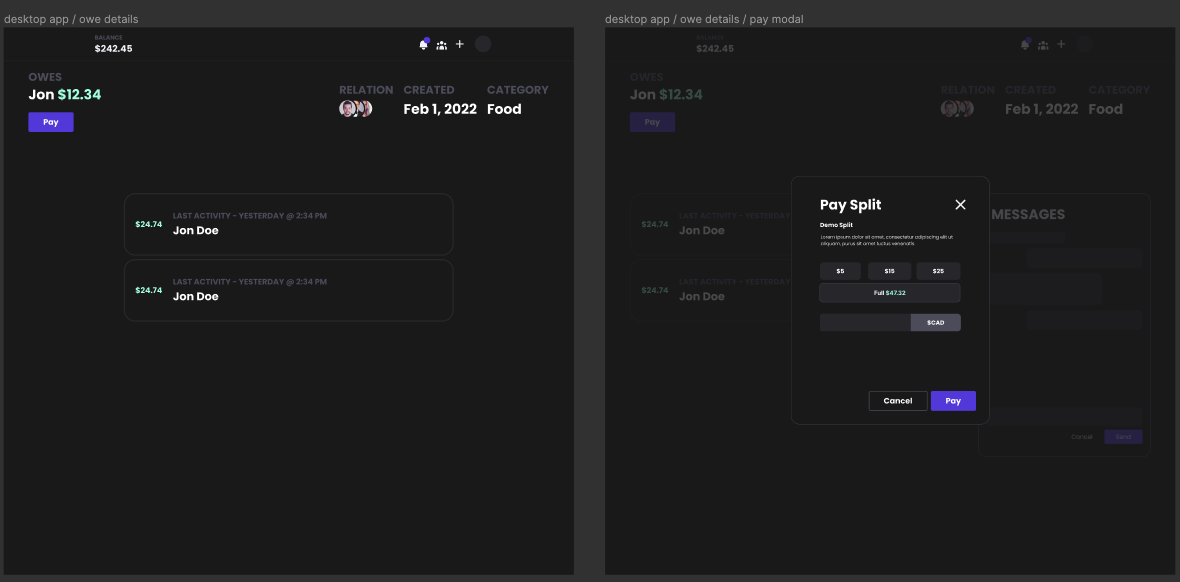
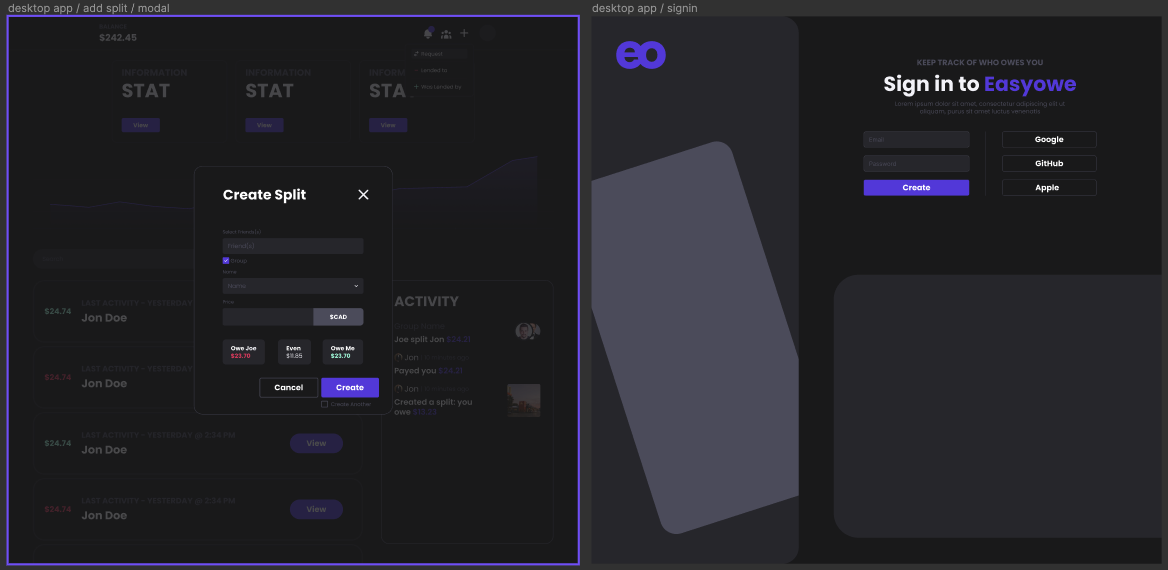
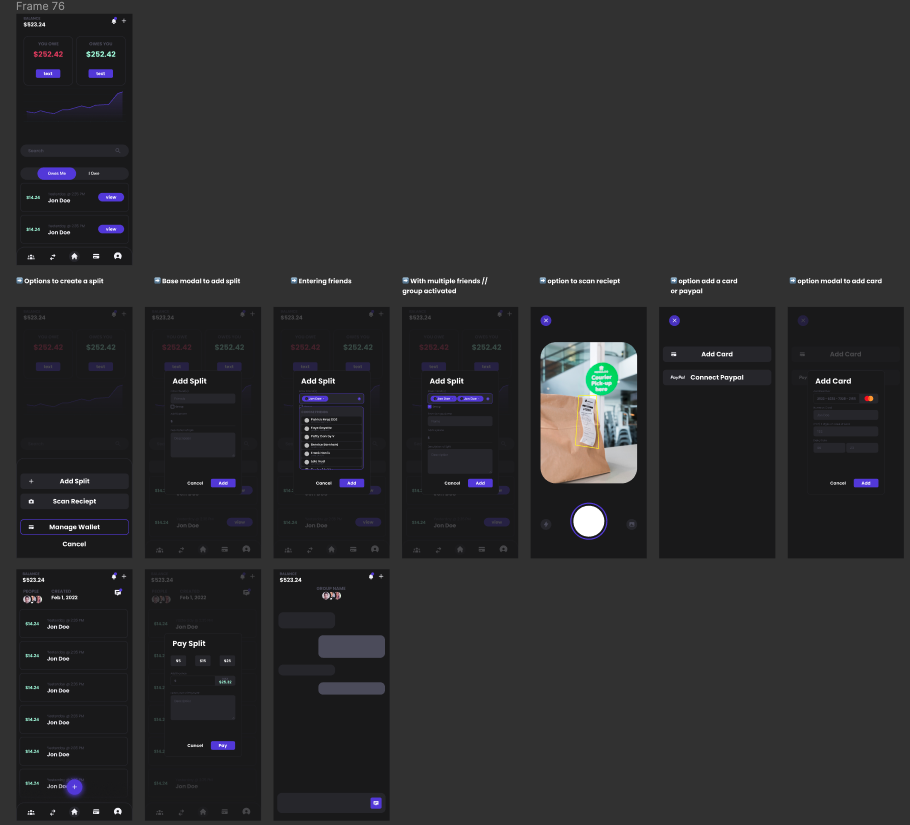
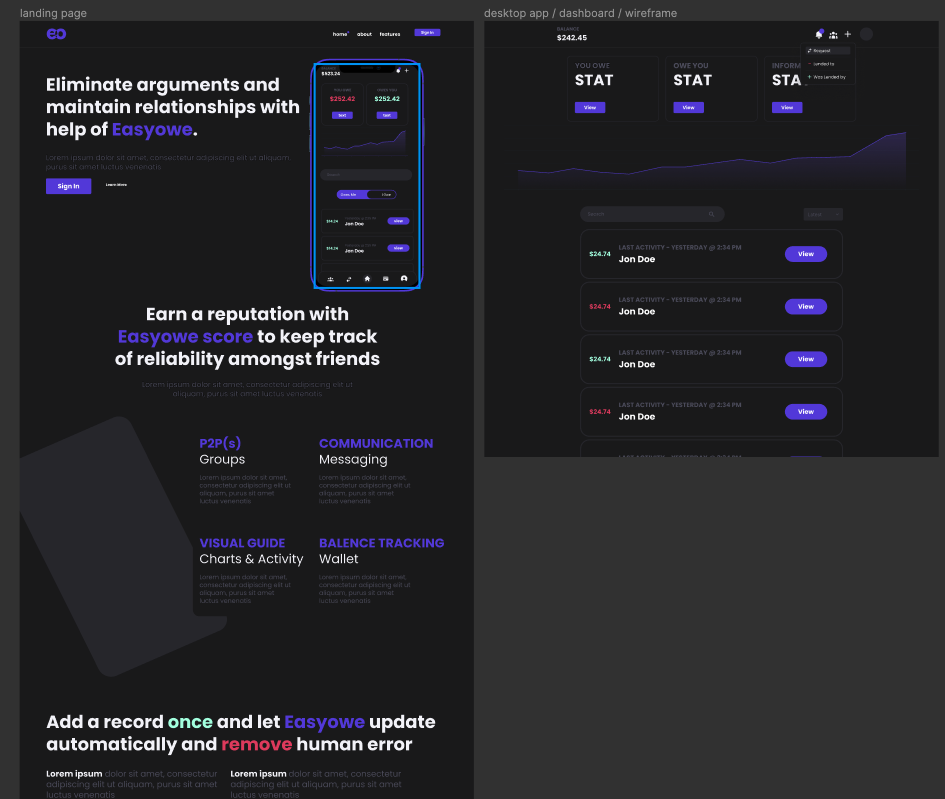
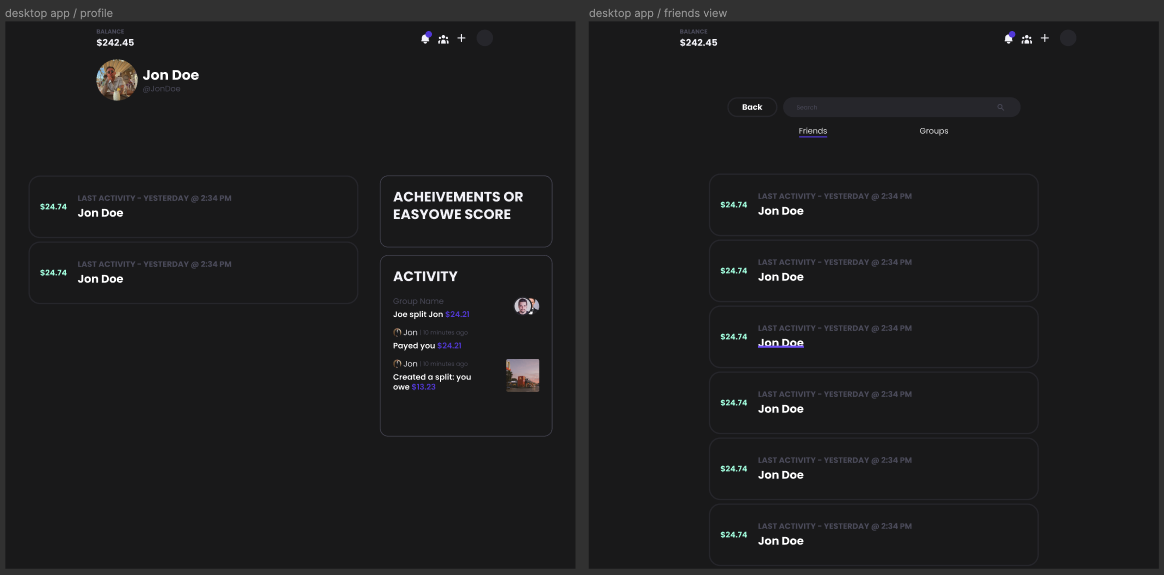
With Easyowe you don’t have to worry about that struggle, this app is an easy way to manage and keep track of what you owe the friend that paid for you, or which friends owe you and how much. From ___ to ___ Easyowe is making it easier for you to manage your money without any added stress.
How we built it
Using Next.js to handle the frontend and Node.js backend, we were able to connect and create a simple CRUD MVP.
Challenges we ran into
Time seemed to be the biggest factor, often underestimating the features we plan to set off. Through a lot of grinding and effort we have came close to the initial feature set goal.
Accomplishments that we're proud of
Going from simply an idea to an app in only a weekend is crazy to all of us. From learning each others workflow to finding what is best for all of us really helped us achieve that.
What we learned
Definitely next time doing a shorter hackathon, we wouldn't underestimate the time to build a close to a full-fledged app.
What's next for Easyowe
Easyowe is constantly working to improve its user experience. As of now plenty of new features are in the talks, things such as in-app peer-to-peer payments, private in-app messaging, and more.
Built With
- autho
- next.js
- node.js
- typescript


Log in or sign up for Devpost to join the conversation.