-
-
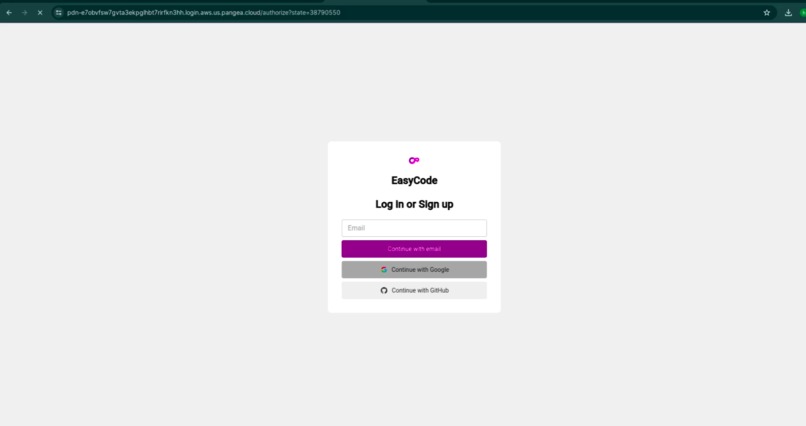
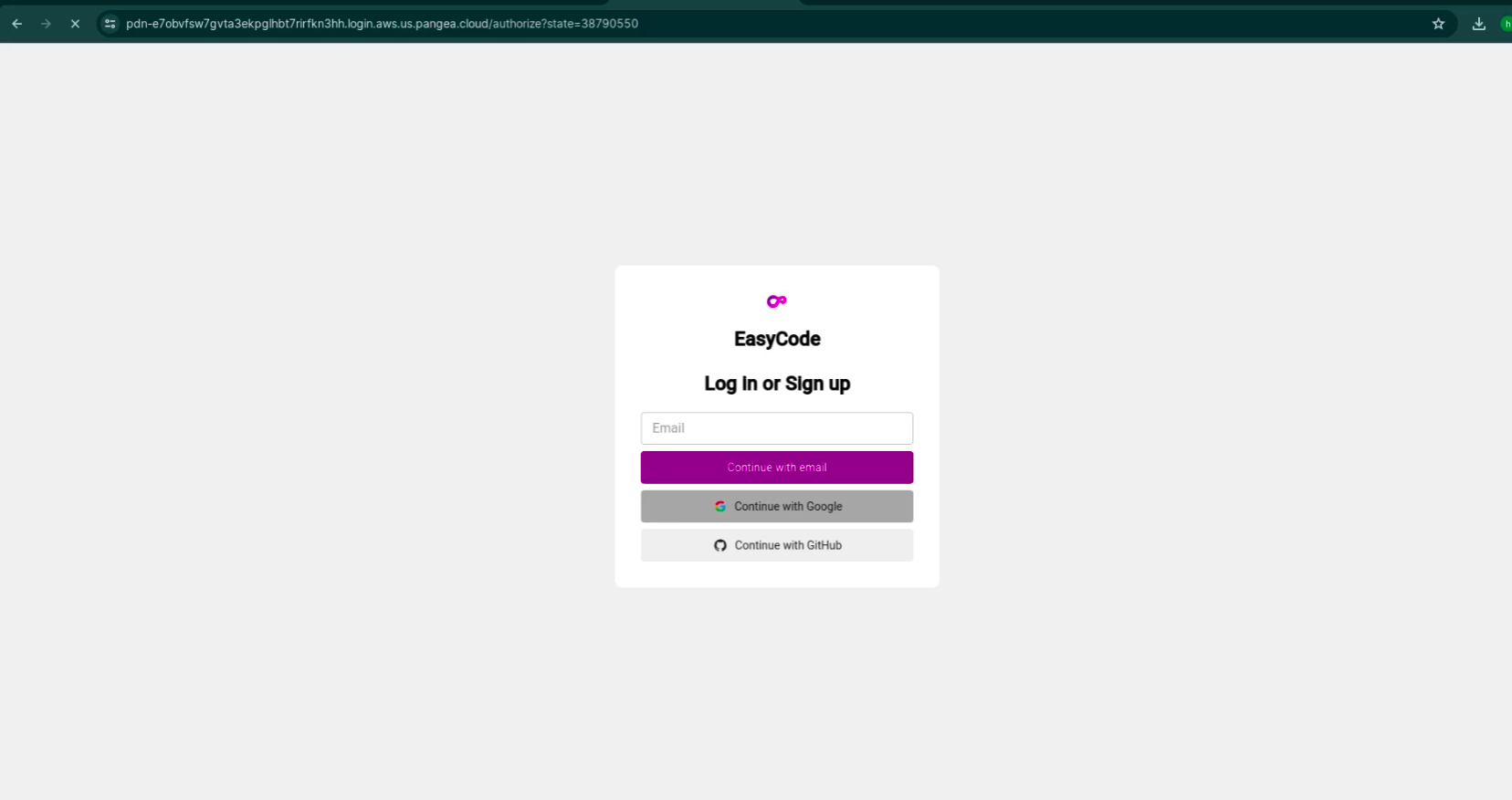
Authentication using AuthN Flow
-
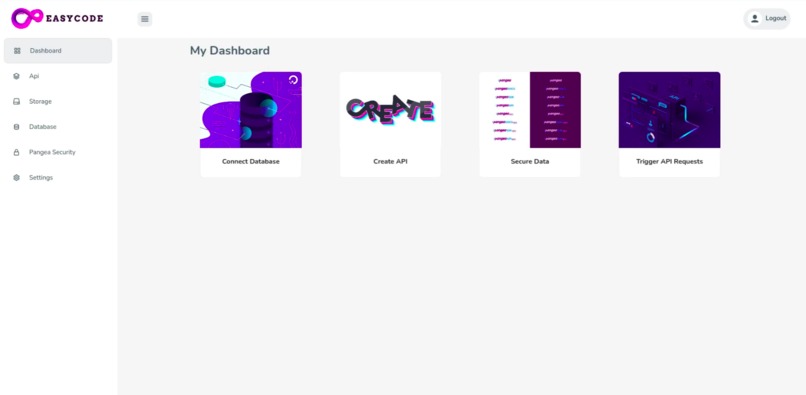
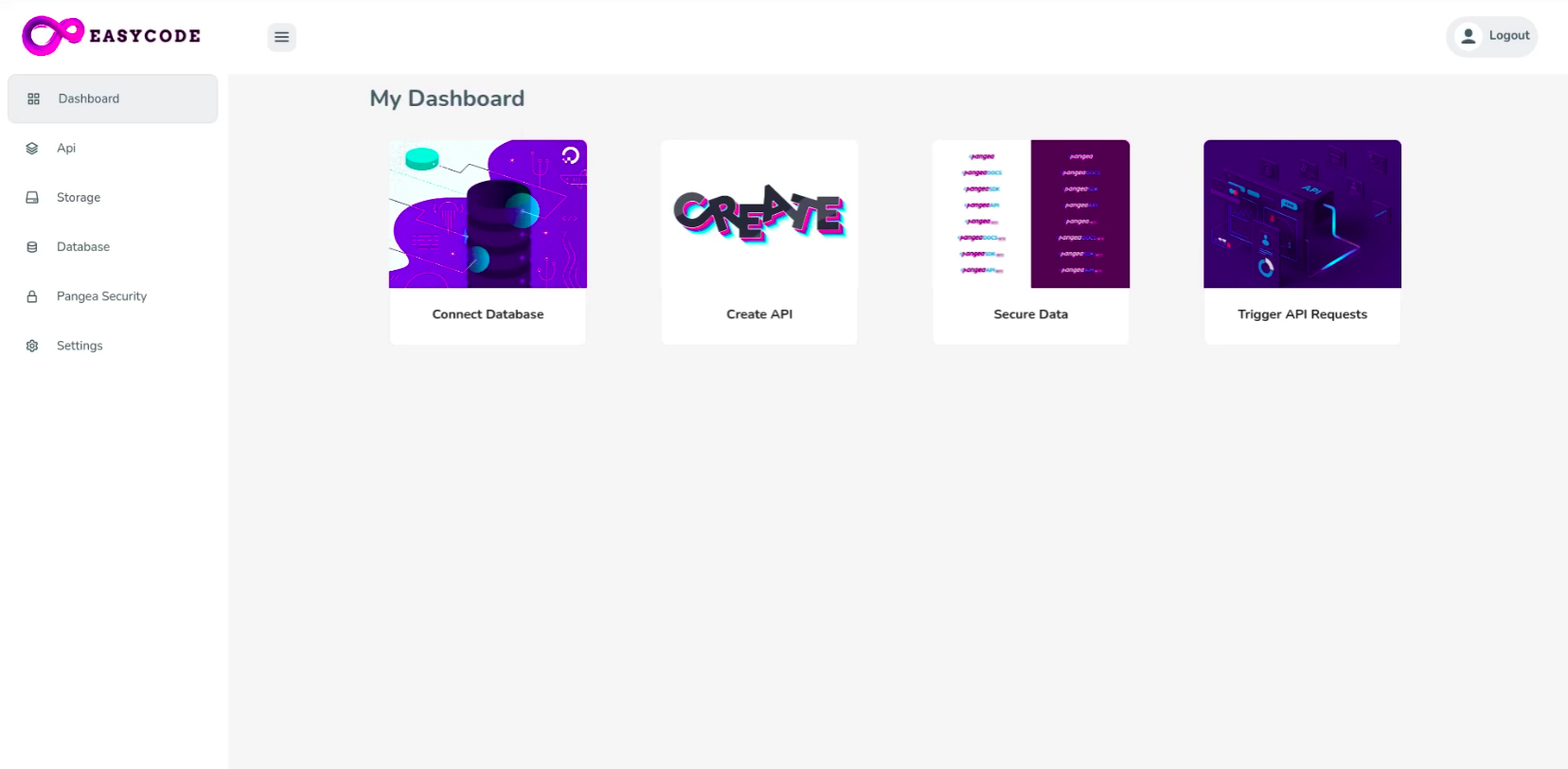
Dashboard
-
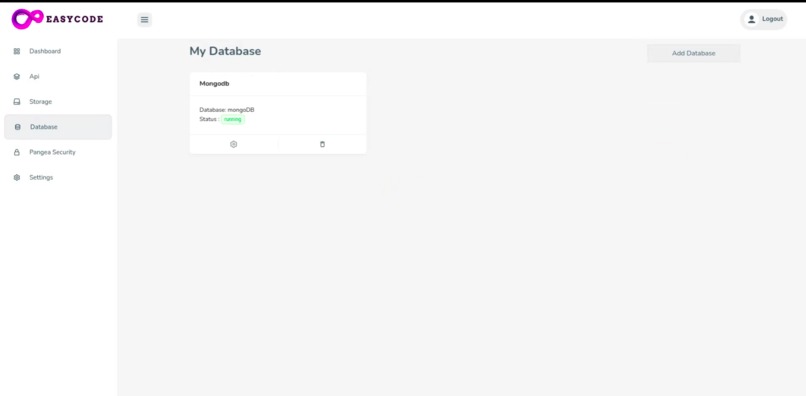
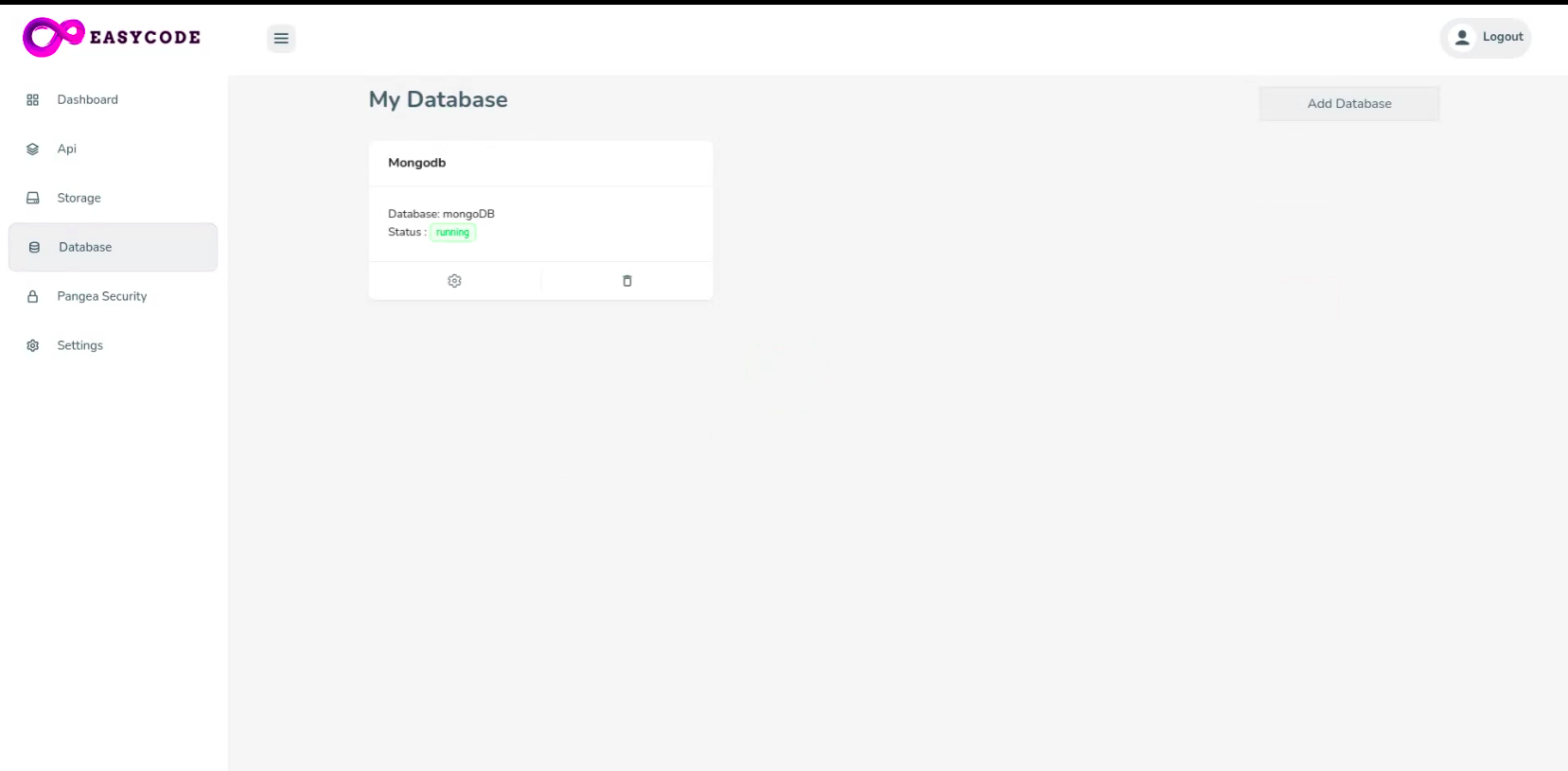
Connect existing database
-
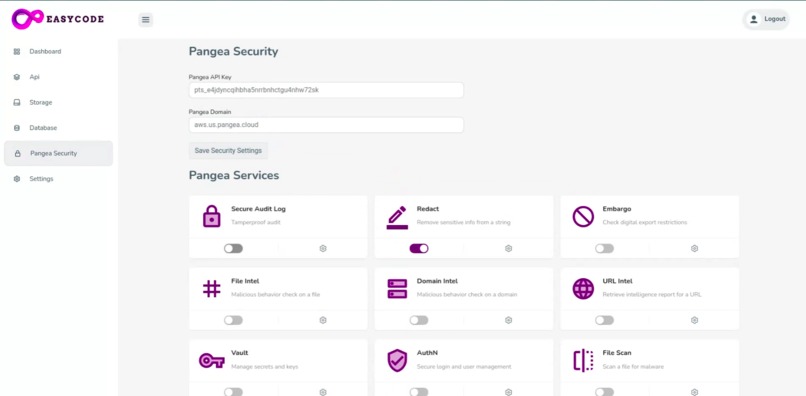
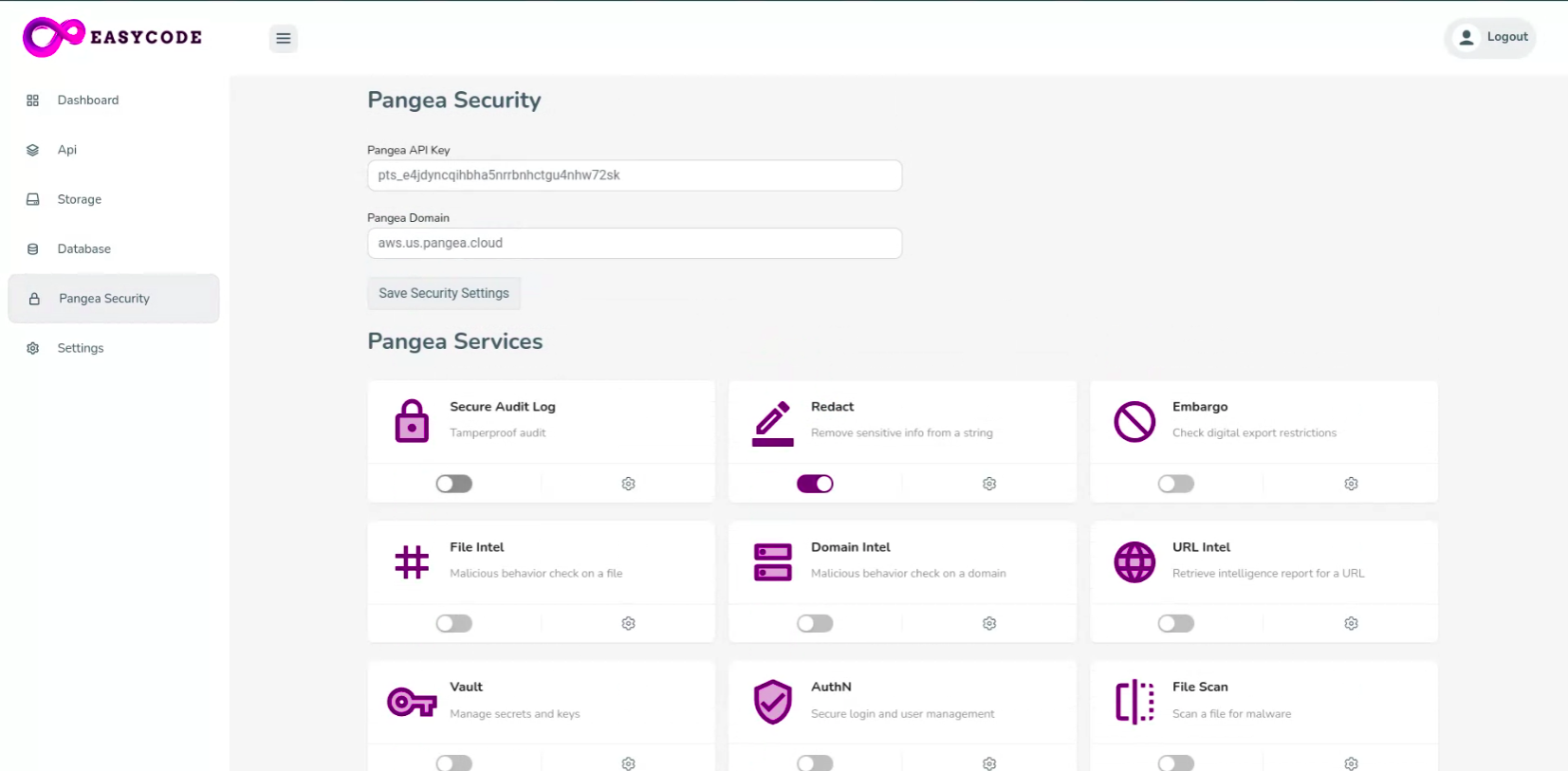
Pangea Settings
-
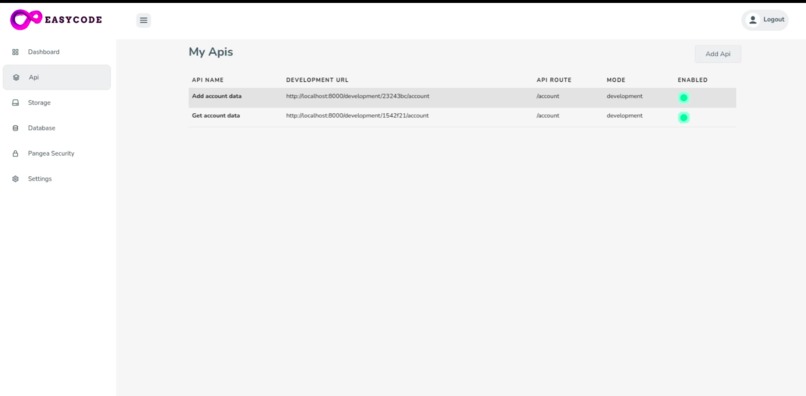
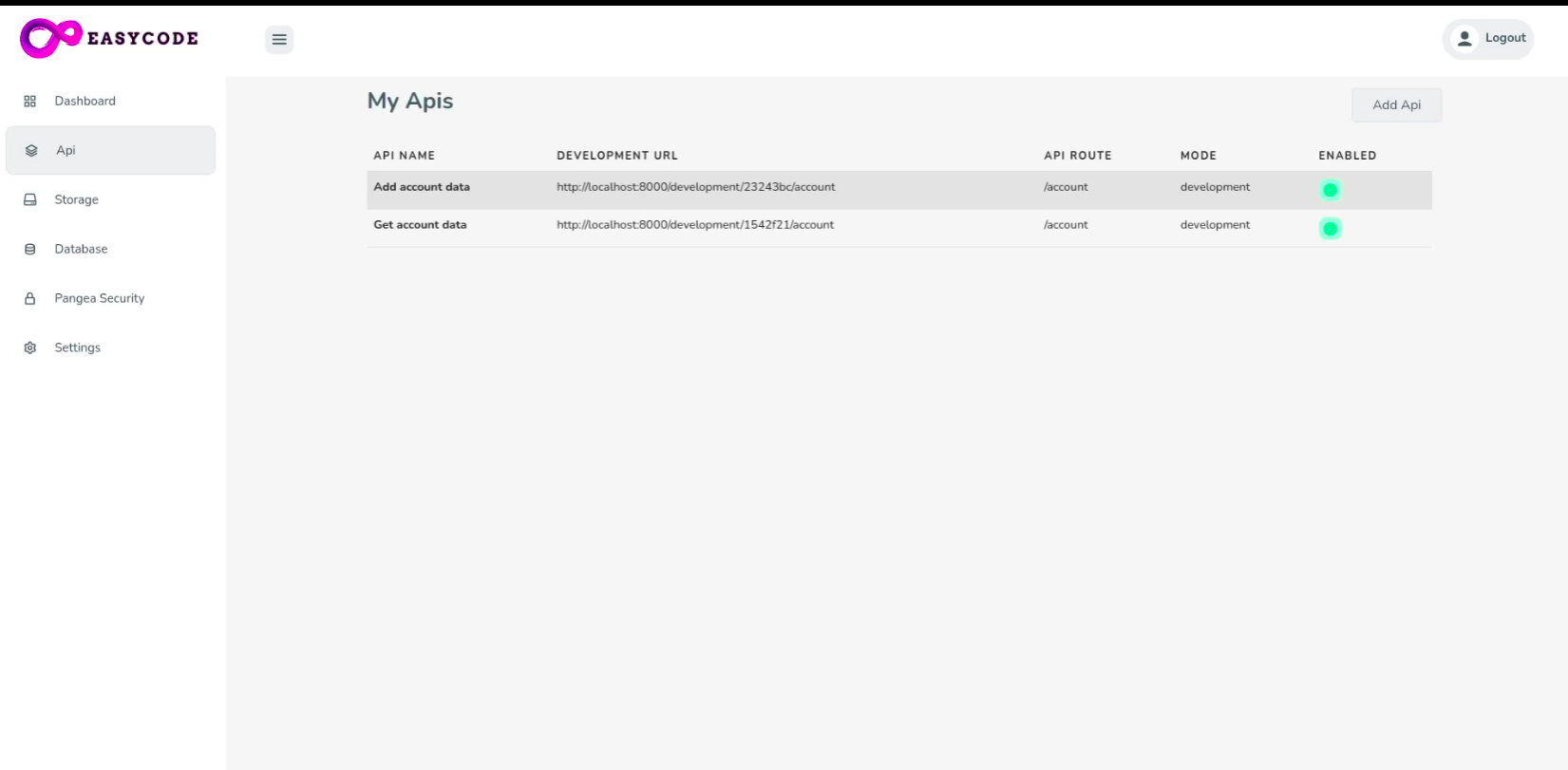
My Apis
-
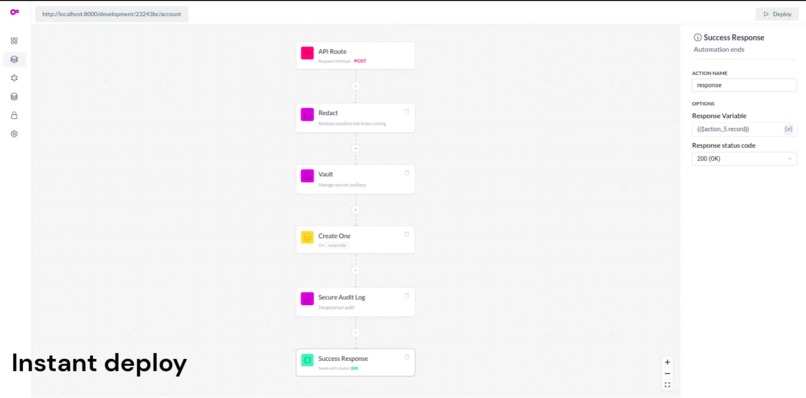
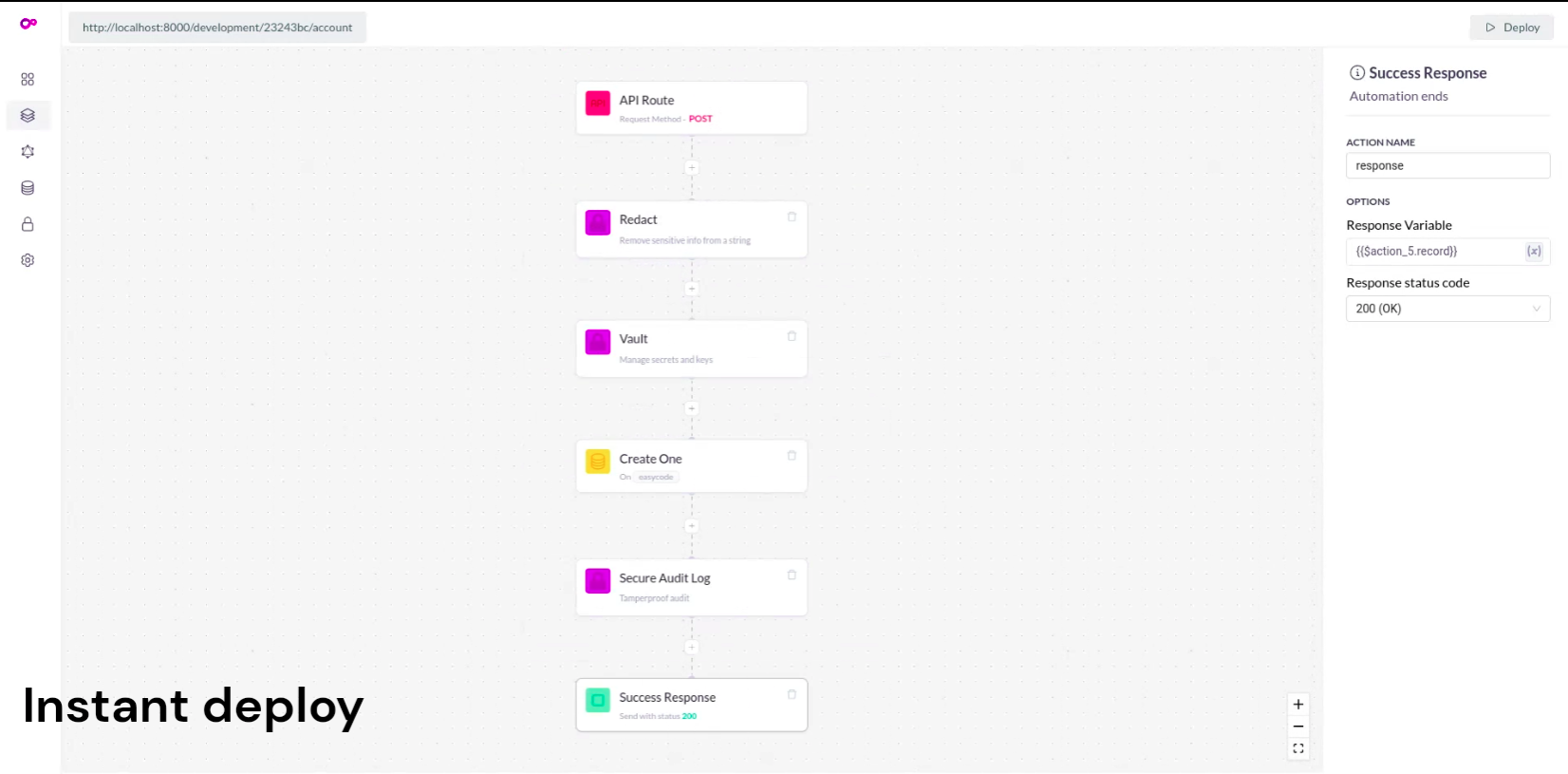
Creating POST Logic using Flow Builder
-
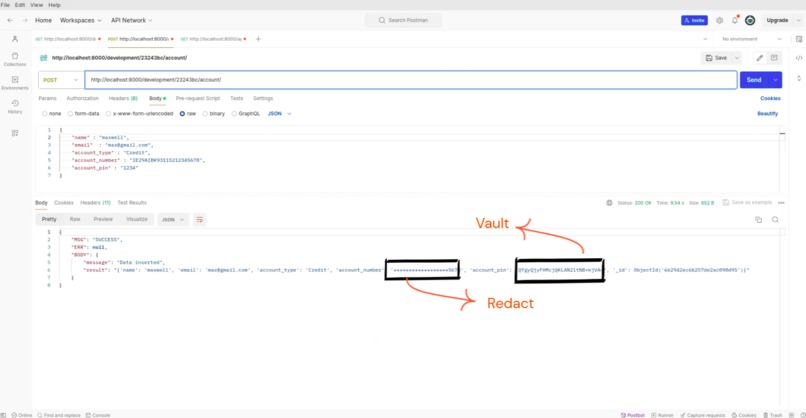
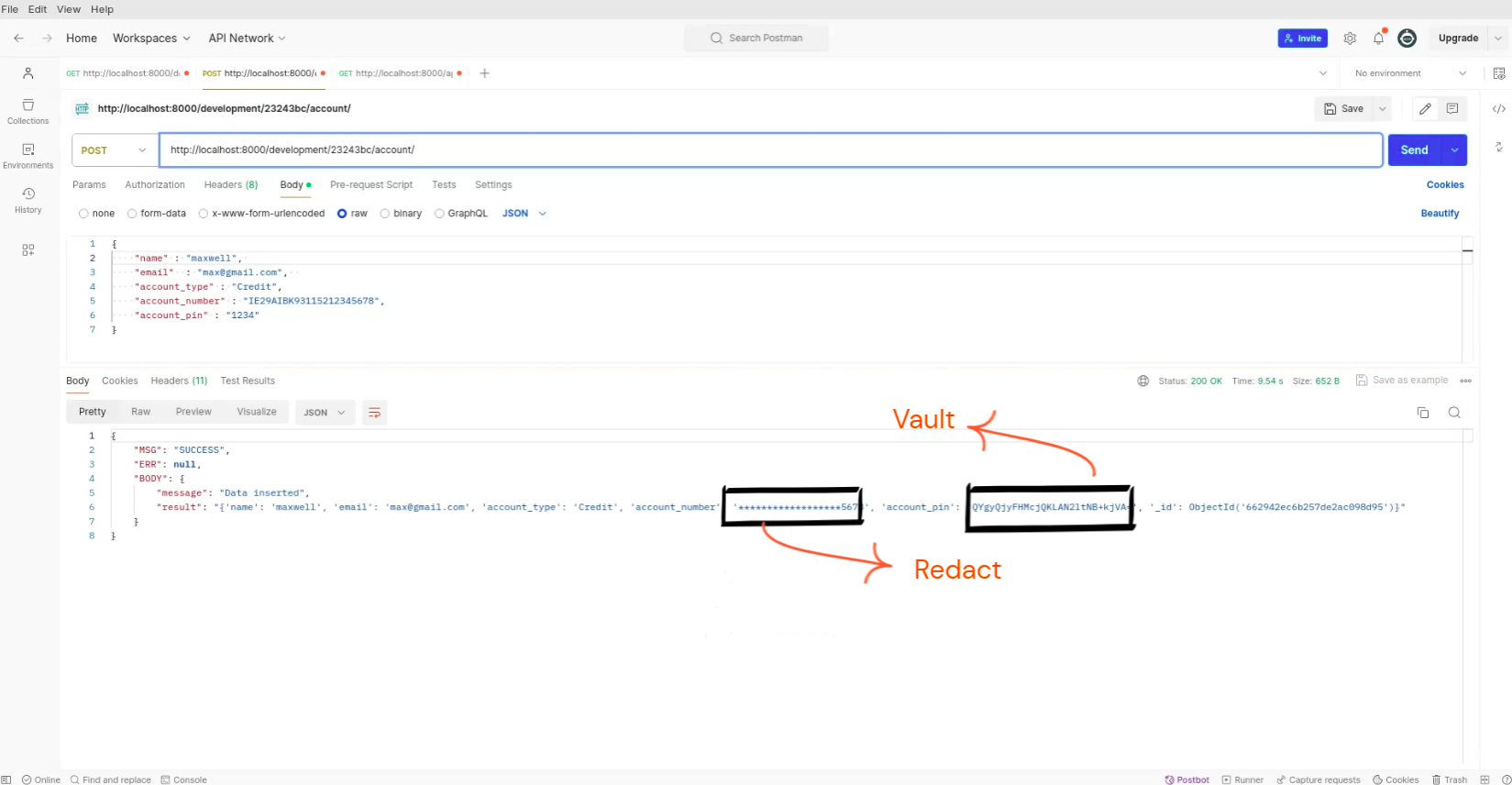
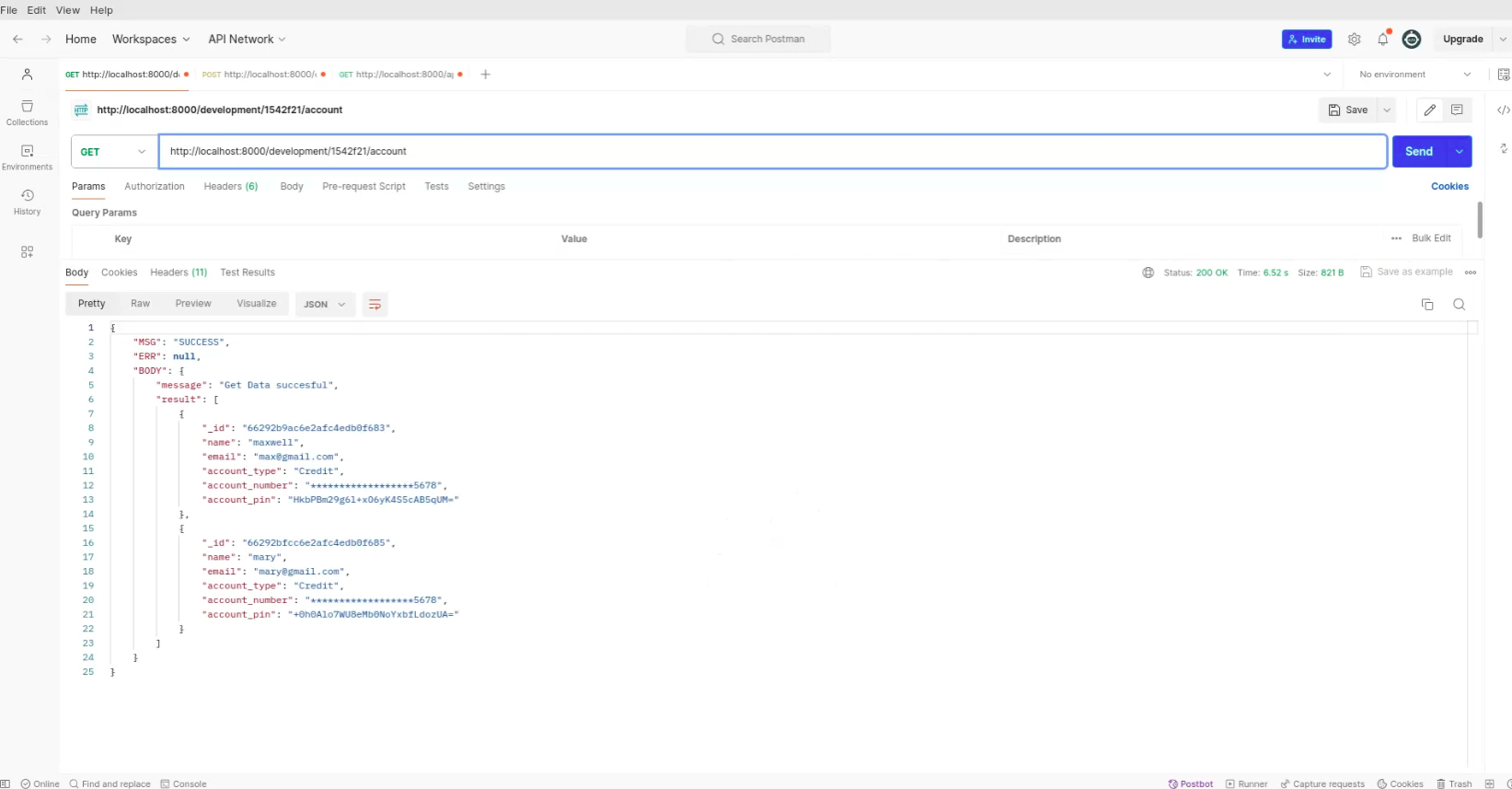
Testing POST method using Postman
-
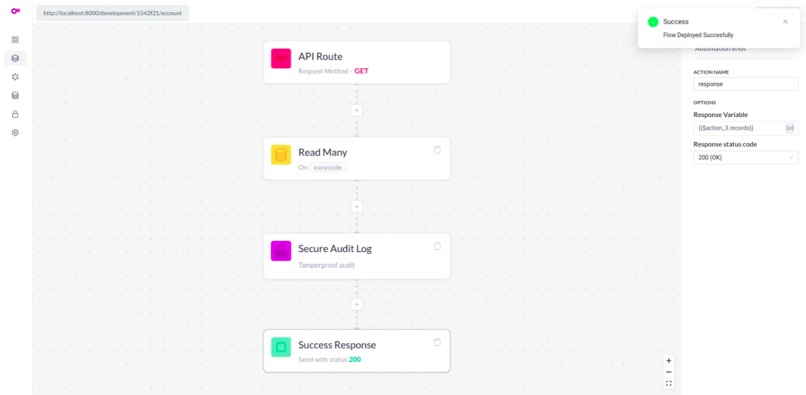
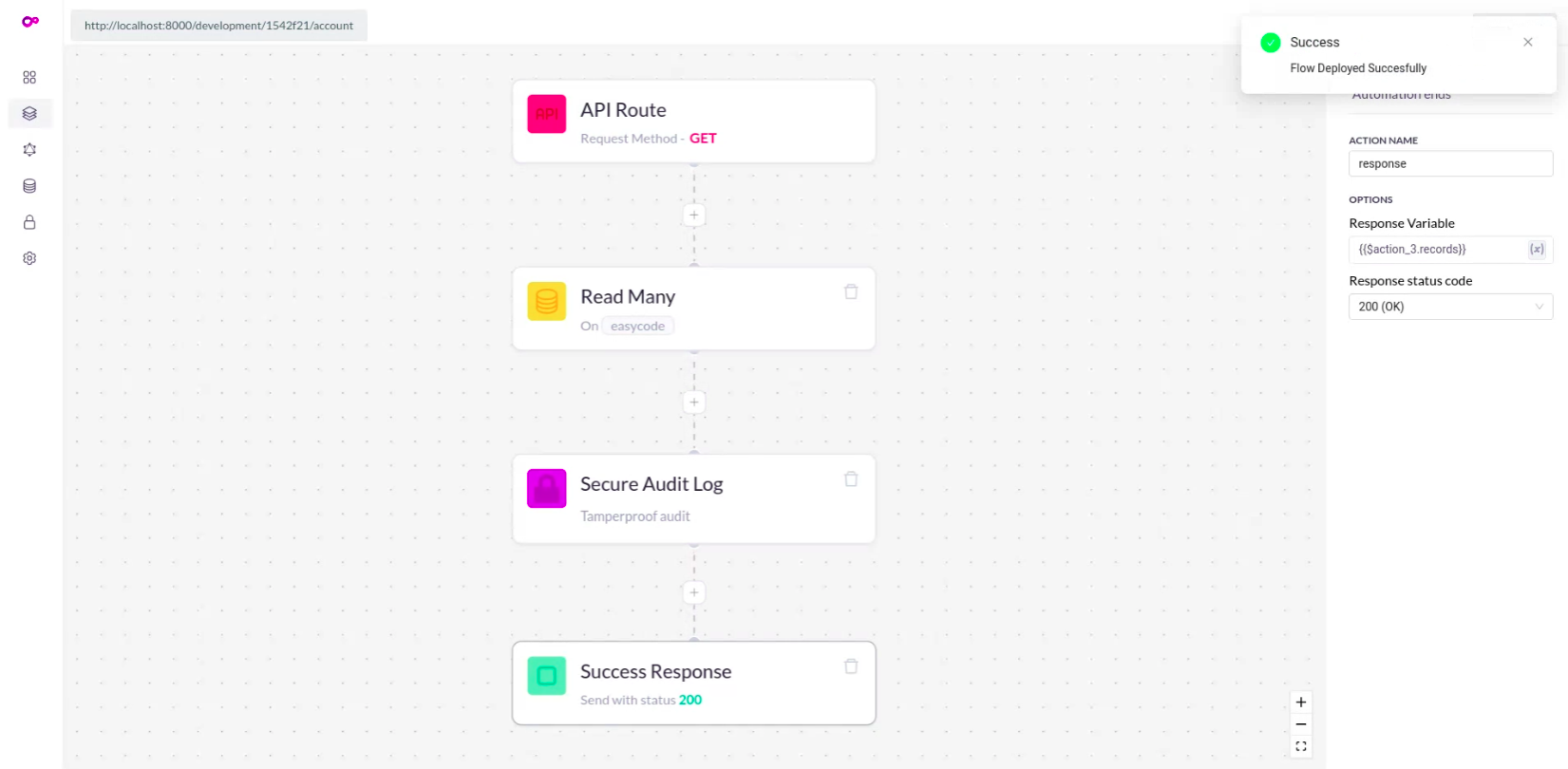
Creating GET Logic using Flow Builder
-
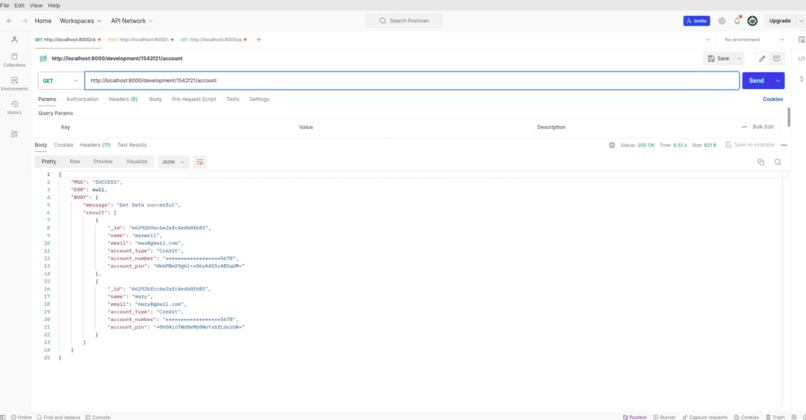
Testing GET method using Postman
-
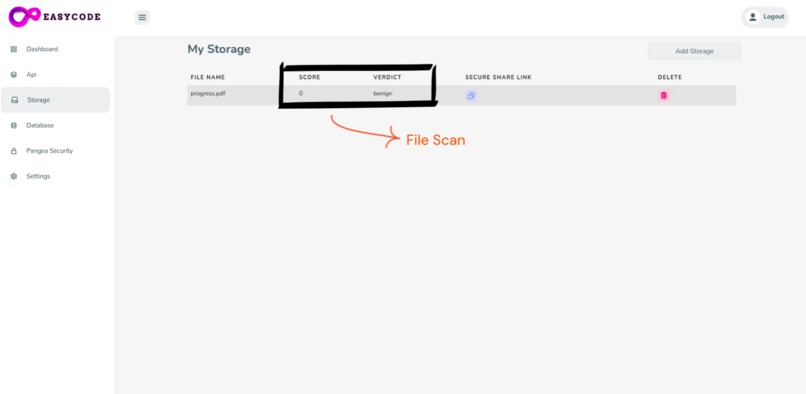
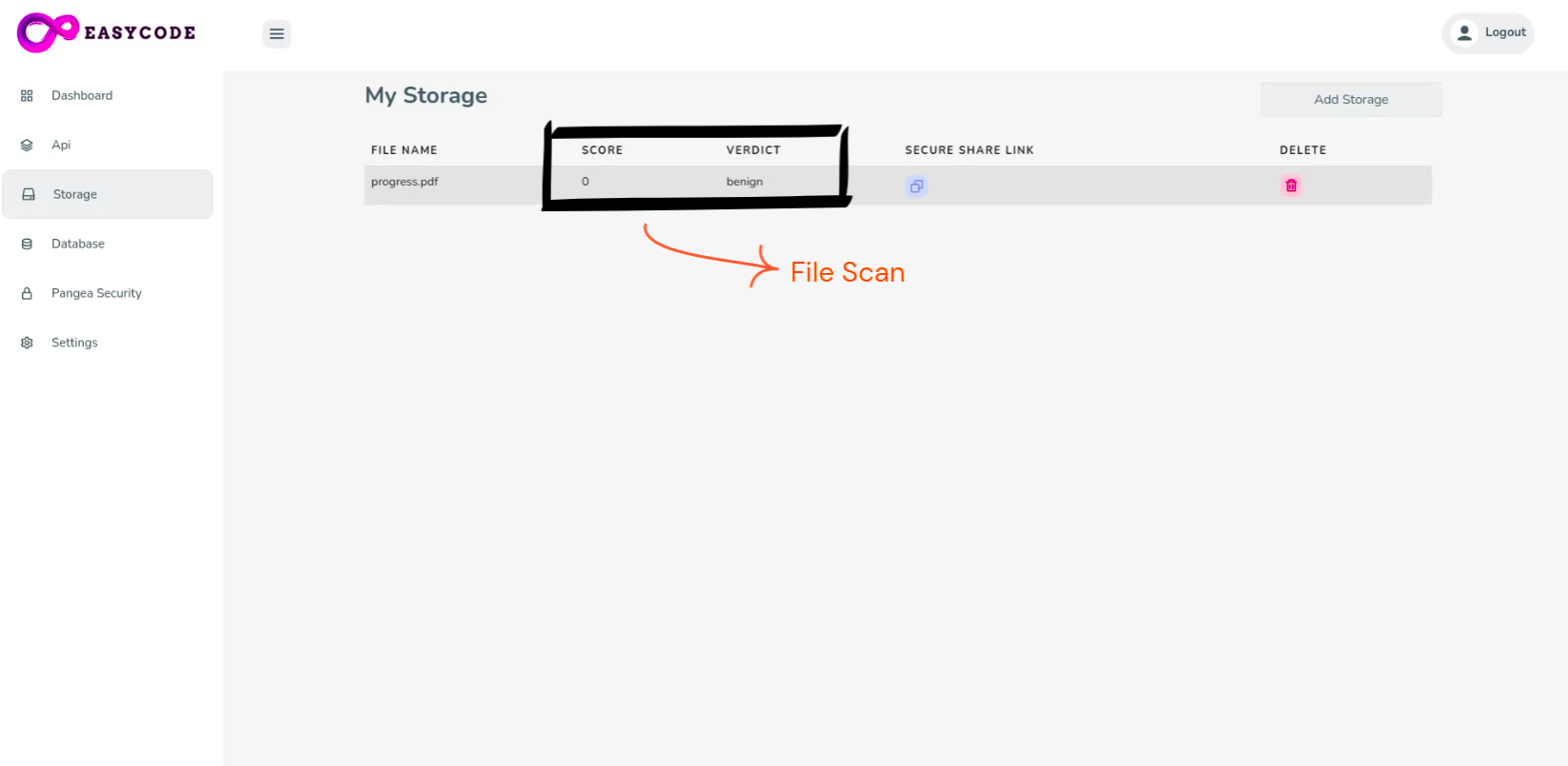
Secure Cloud Storage
-
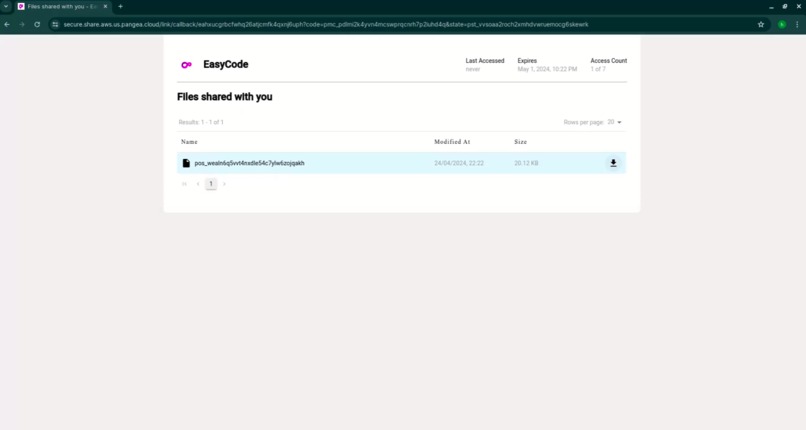
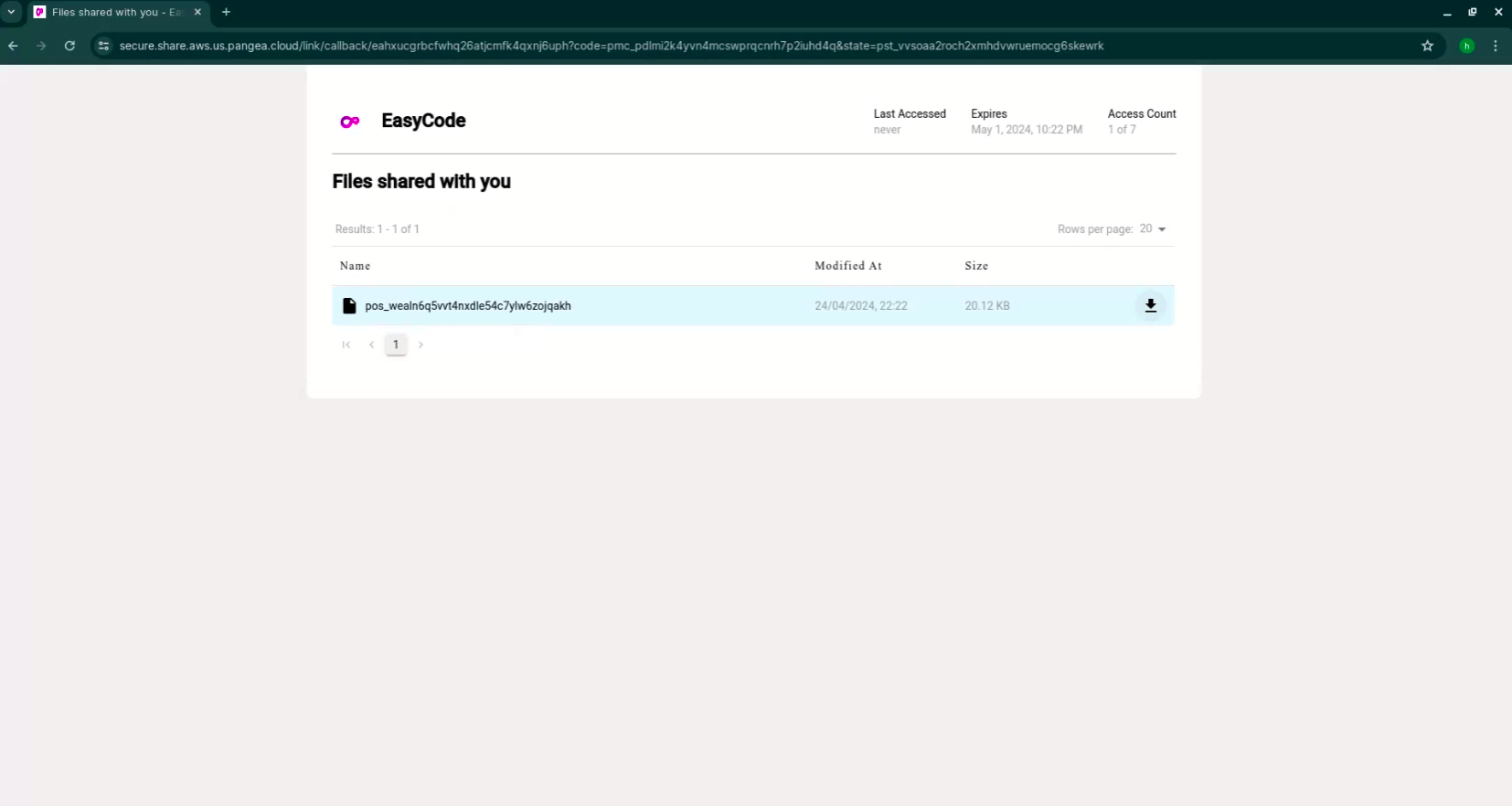
File shareable Link
-
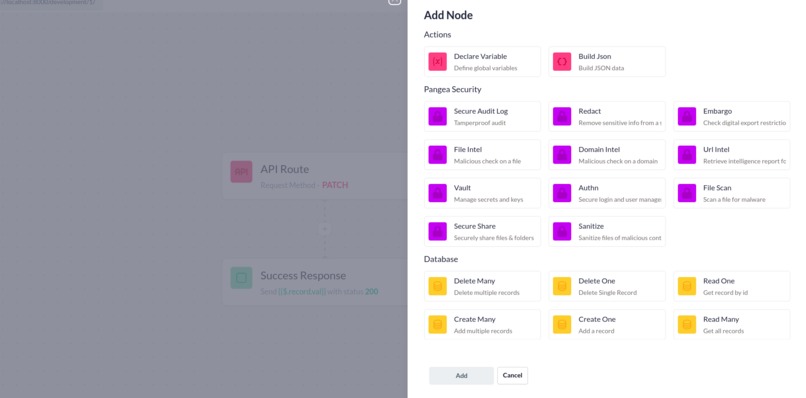
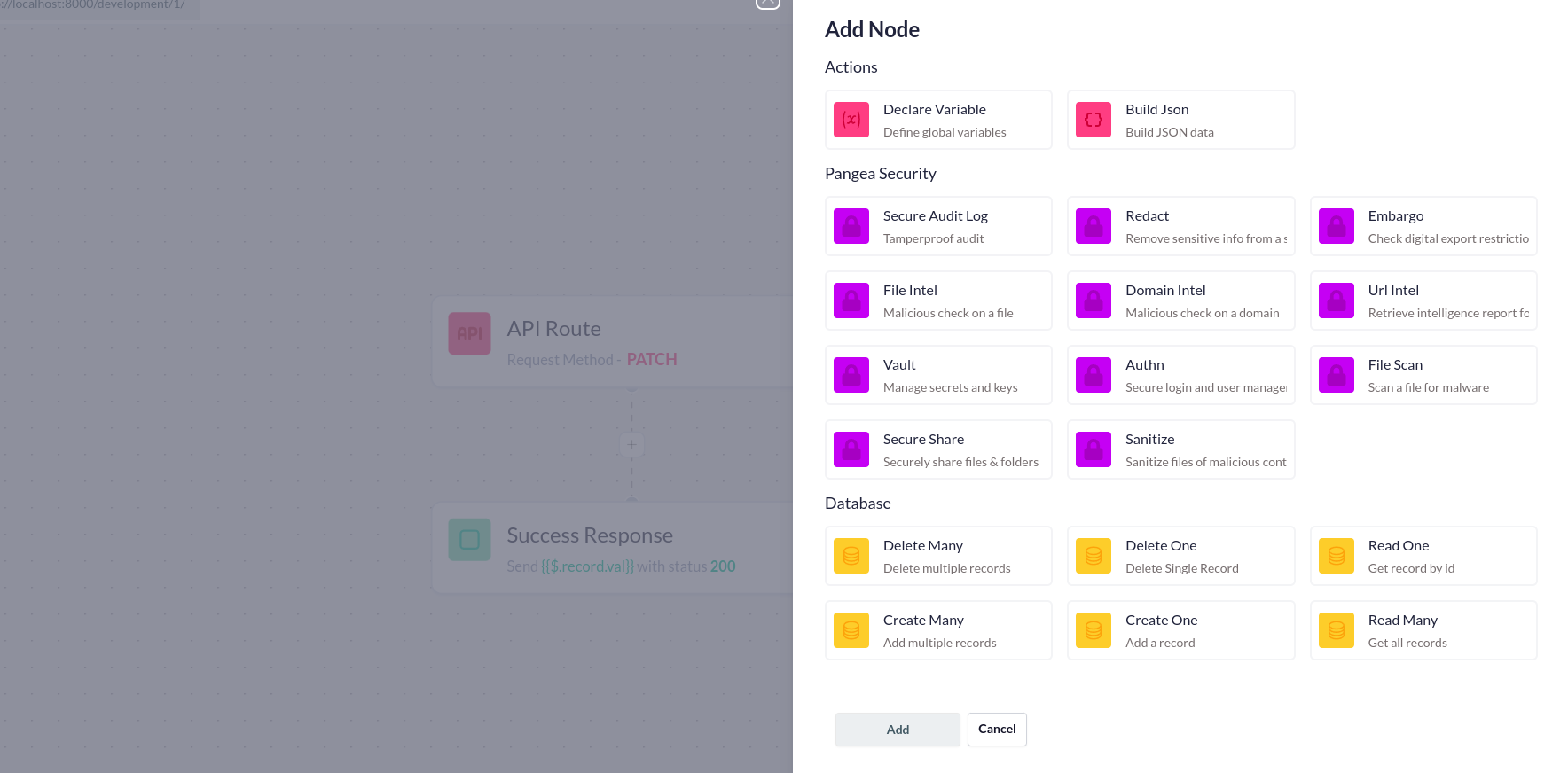
Available Pangea Block
Inspiration
💲 In 2023, the global no-code market was valued at $13.8 billion, and it is expected to reach $27.2 billion by 2028.
🚀 This growth is being driven by a number of factors, including the increasing demand for software solutions, the rising cost of hiring developers, and the growing availability of no-code tools.
⚠️ According to Gartner, through 2025, 99% of cloud security failures will be the customer's fault, due to misconfiguration, mismanagement, or inadequate controls, rather than the cloud service provider's fault.
📊 A report by Verizon states that 82% of data breaches involve a human element. Weak access controls, user management, and data validation in no-code platforms can be exploited for unauthorized access and data breaches
🧾 In 2020, the healthcare industry experienced the highest average data breach costs globally, at $7.13 million per breach, according to the IBM Security and Ponemon Institute report.
Problem
The current backend development landscape is limited by complexity, inadequate security measures and lots of coding, preventing rapid innovation and accessibility, highlighting the critical need for a simpler no-code solution.
Solution
Our solution is a no-code platform that enables users to swiftly design, build, and deploy APIs for their applications, reducing development time by up to 80% and built-in security audit tools to help users identify potential vulnerabilities in their no-code applications.
What it does
User Authentication : Safely log in to the application using the robust Pangea AuthN Flow for enhanced authentication and user security. 🔒
Configure Pangea Settings : Effortlessly set up Pangea key and domain to seamlessly integrate services into your API design with just one click. ⚙️
Connect your Database : Connect your existing database to the app and ship your data easily. App stores all your credentials encrypted using Pangea Vault. ⛁
Build API : Don't code instead design your Rest API logics easily using drag and drop canvas. Incorporate essential security measures using Pangea service blocks for added protection. 🛠️
Instant Deploy : Effortlessly deploy your HTTP endpoint to production with a single click, skipping the devops process.🚀
Secure Cloud Storage : Scan your files using Pangea File Scan for added security before uploading them to your cloud storage. ☁️
Shareable Link : Share files securely with restricted access using Pangea Secure Sharable, ensuring confidentiality and data integrity.🔗
How we built it
Frontend: React with TypeScript ensures smooth performance and maintainability while Reactflow's visual builder empowers users to design APIs without extensive coding knowledge.
Backend: Django Restframework was used for building RESTful APIs in Python. It offers efficient data handling and simplifies server-side logic.
API-Flow parser: The custom parser written in GoLang takes the user-created visual workflow and translates it into executable API logic.
Pangea Security: Offers a robust set of features to protect user data and application integrity
Challenges we ran into
- Translating user-designed workflows (Reactflow) into secure backend code (GoLang parser) required robust algorithms to ensure functionality and security.
- Optimizing Django Rest Framework's API handling was crucial for smooth performance with complex workflows designed using Reactflow.
- Implementing robust security measures, including authentication, encryption, and access control, presents challenges in safeguarding user data and application.
Accomplishments that we're proud of
- 🚀 Successfully developing a feature-rich application with a robust architecture reflects our expertise in creating scalable and high-performance solutions.
- 🎨 Creating a user-friendly interface highlights our commitment to understanding user needs and delivering intuitive solutions that enhance user experience.
- 🌐 Understanding the user's needs and defining the scope of the project in a way that was achievable.
- 👥 Overcoming teamwork challenges by communicating effectively with my team and stakeholders, and resolving conflict in a constructive way.
What we learned
- We learned the importance of using TypeScript with React for better code maintainability and performance.
- Understanding how to efficiently handle data and simplify server-side logic using Django Rest Framework was a key takeaway.
- Implementing a custom parser in GoLang to translate visual workflows into executable API logic taught us the power of language versatility and flexibility.
- Exploring Pangea Security features emphasized the significance of robust security measures to protect user data and ensure application integrity.
What's next for Easycode
Expanded User Base: Anticipating a surge in adoption, no-code tools will draw users from diverse industries and backgrounds, fostering a global user community. 🌍
Advanced Functionality: Expect continuous advancements in no-code platforms, introducing sophisticated functionalities like AI-driven automation, intricate integrations, data analytics, and tailored user experiences 🤖
Collaborative Development: Enhance collaboration capabilities within no-code platforms, enabling seamless teamwork among developers. Features such as real-time editing, version control, and collaborative tools will streamline workflows and boost productivity. ✨
Built With
- django-rest-framework
- golang
- pangea
- postman
- react
- typescript

Log in or sign up for Devpost to join the conversation.