-
-
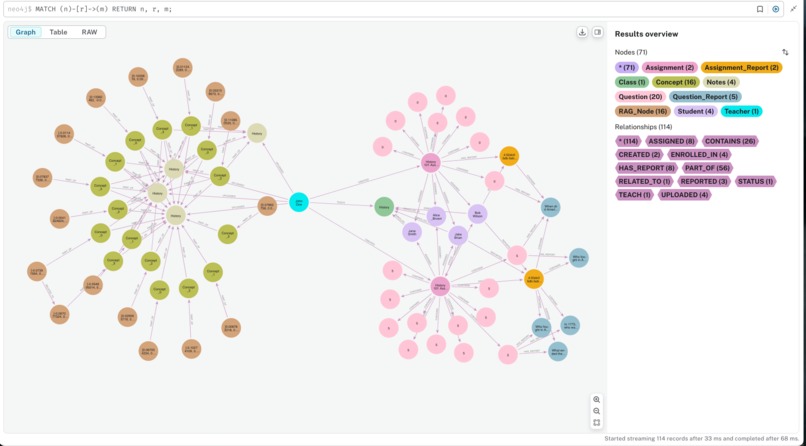
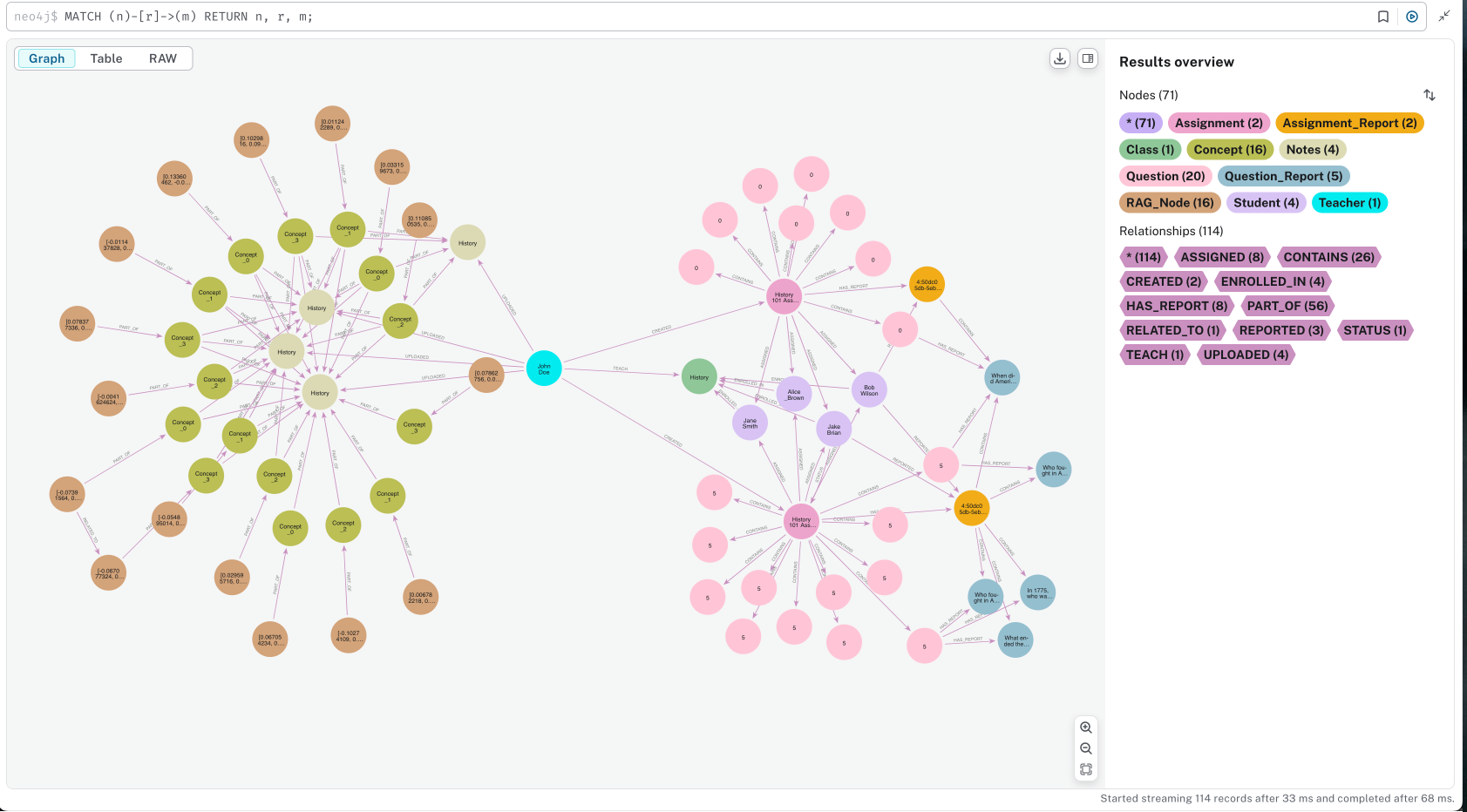
Graph Data Representation in Neo4j
-
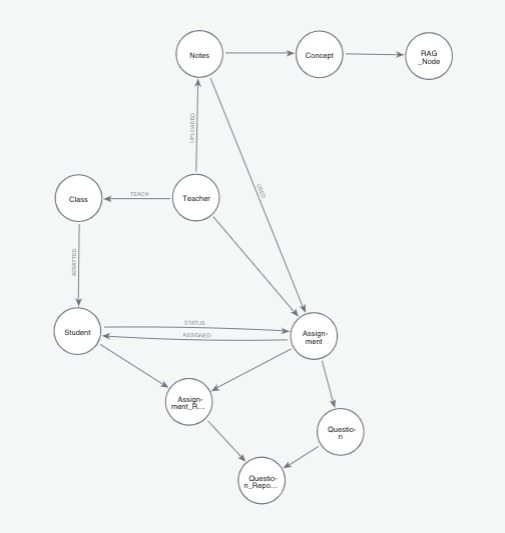
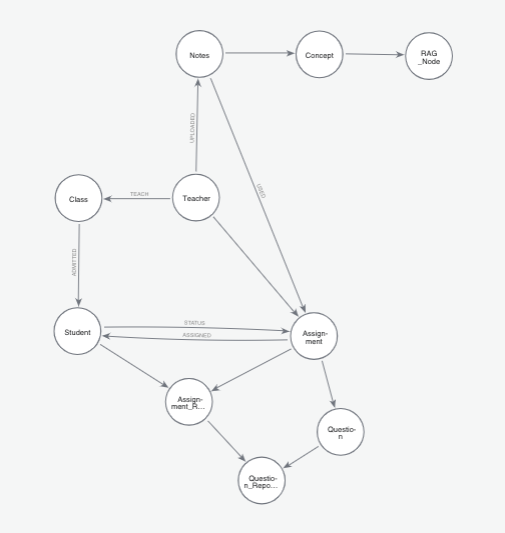
Graph Model
-
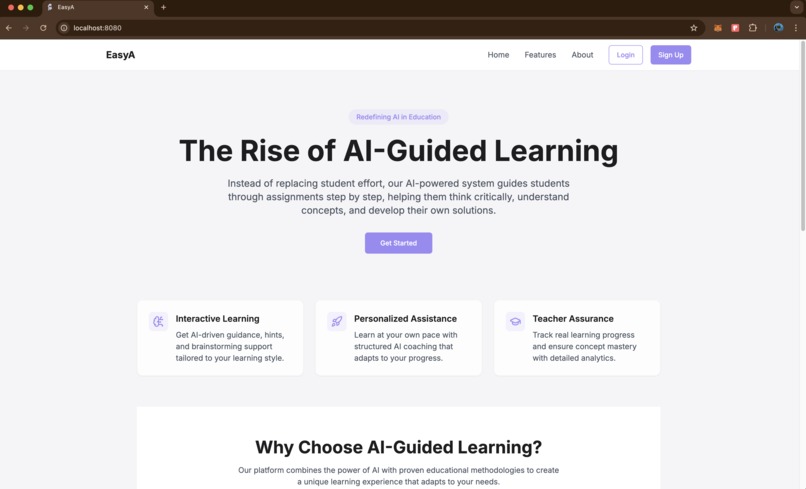
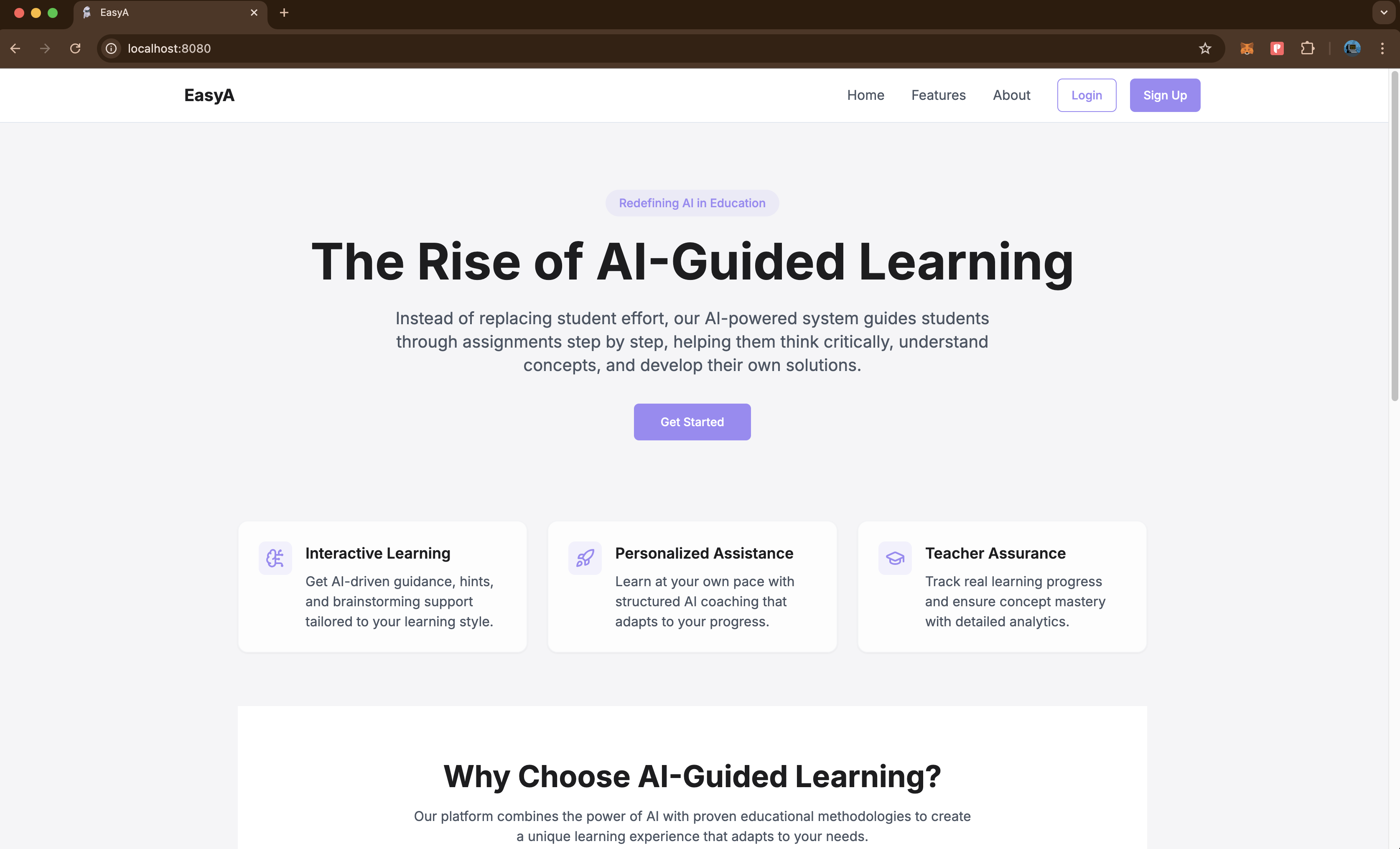
Landing Page
-
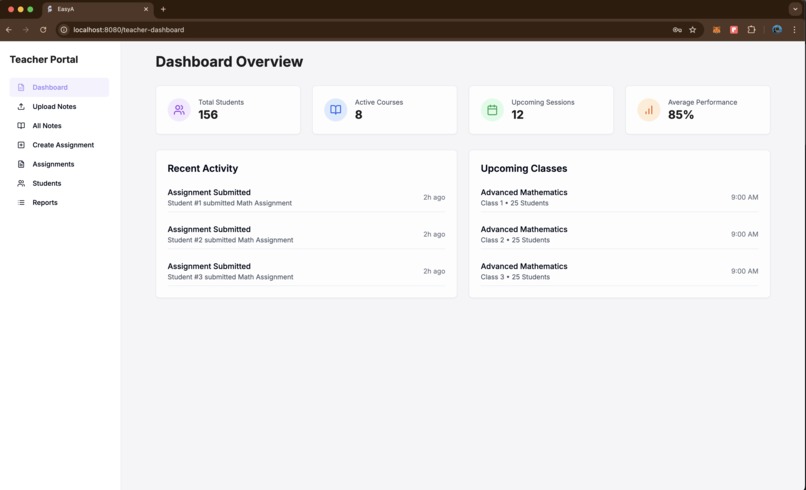
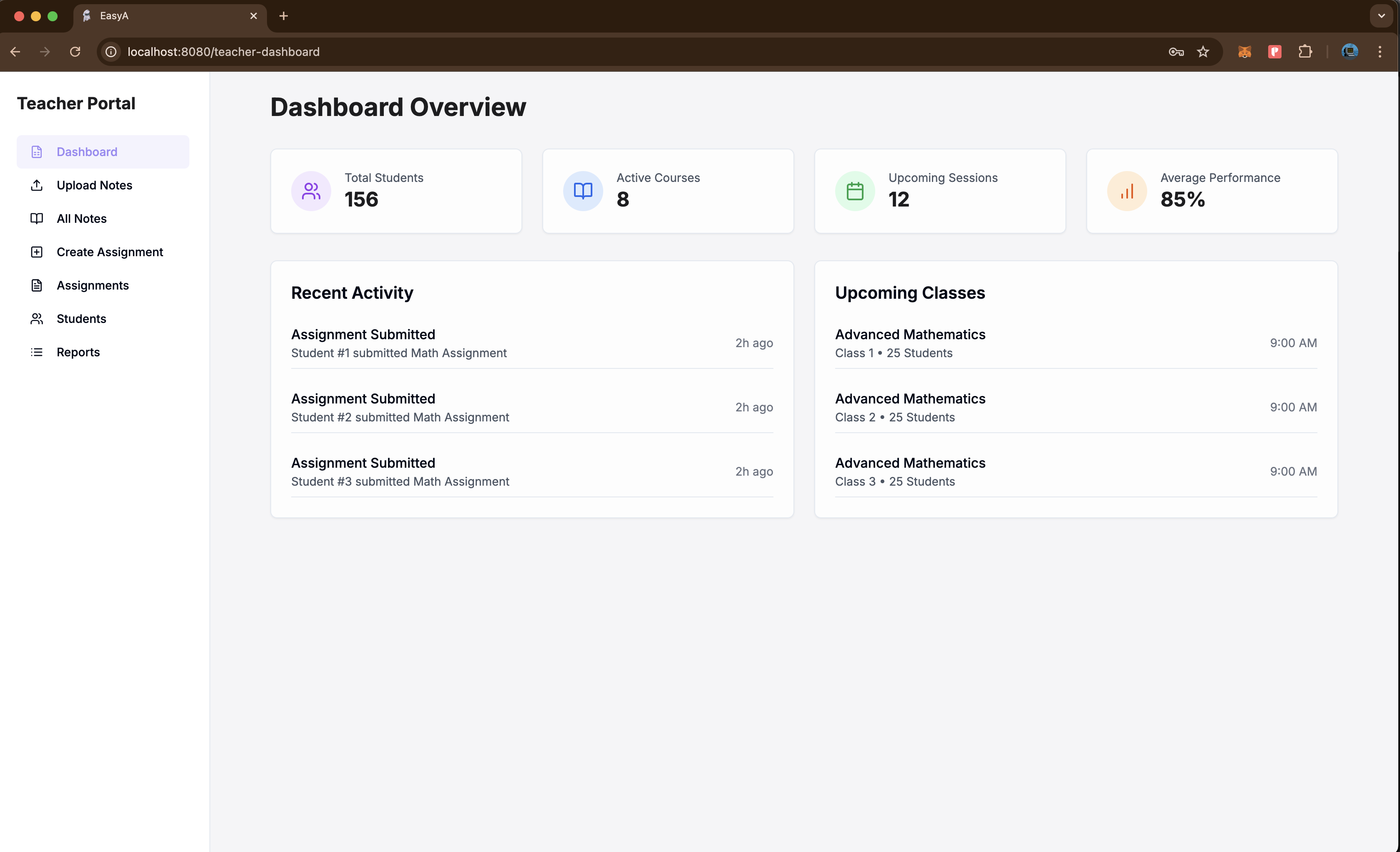
Teacher's Portal: Teacher's Dashboard for quick access
-
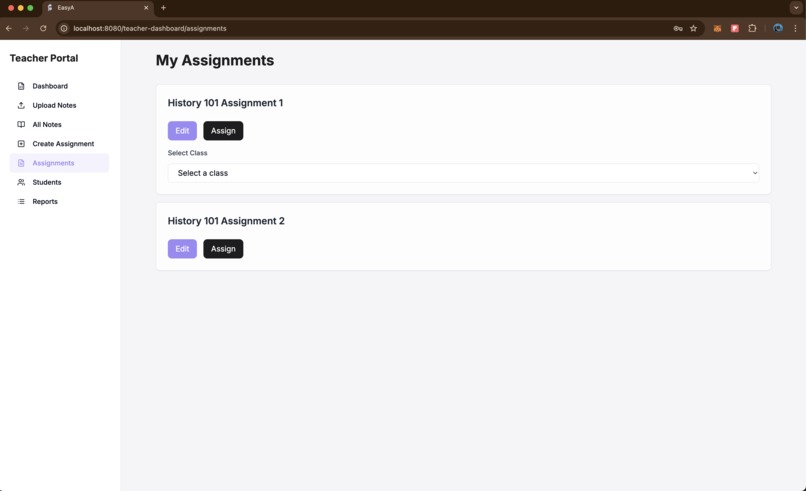
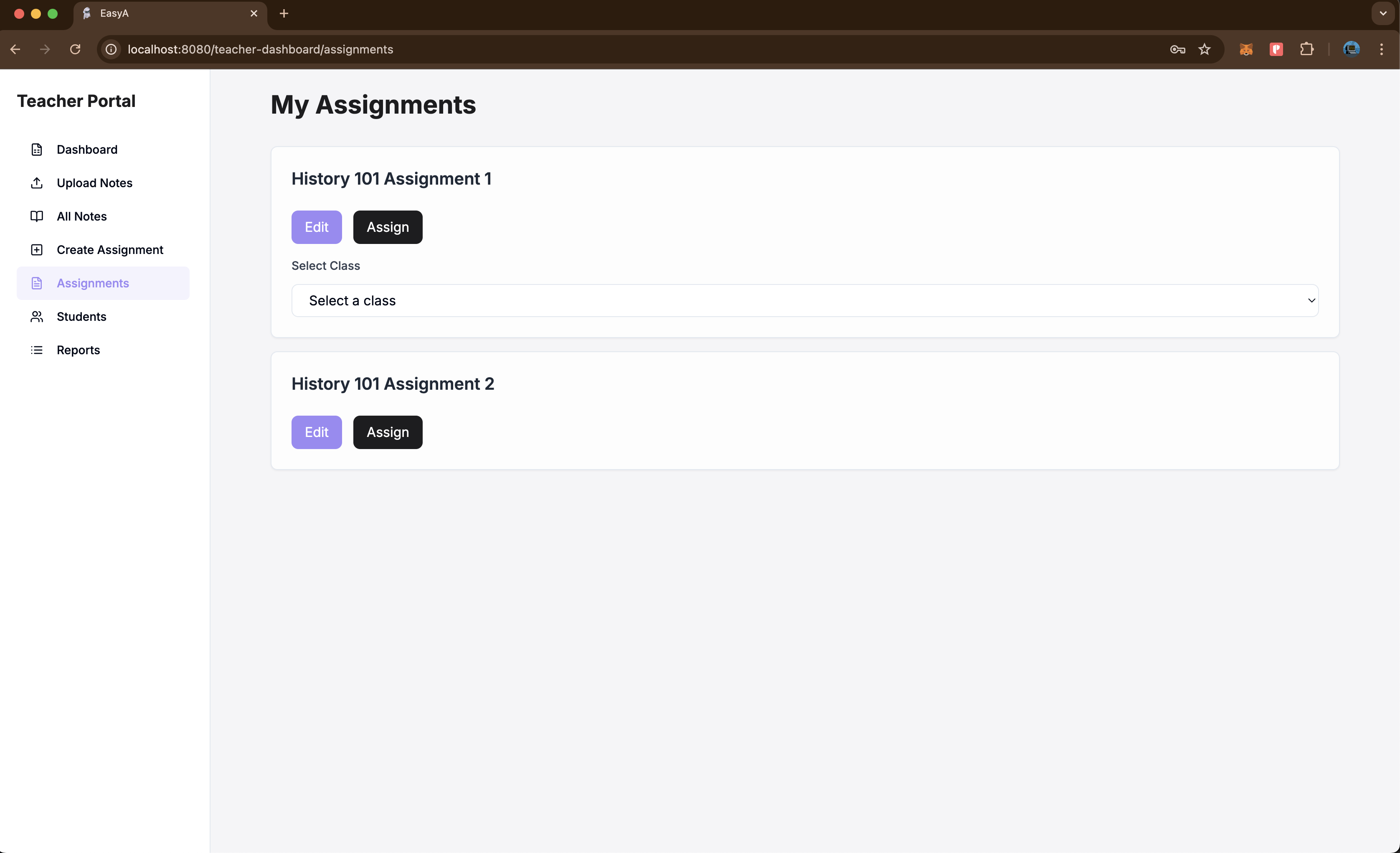
Teacher's Portal: Edit or Assign the assignment to a class
-
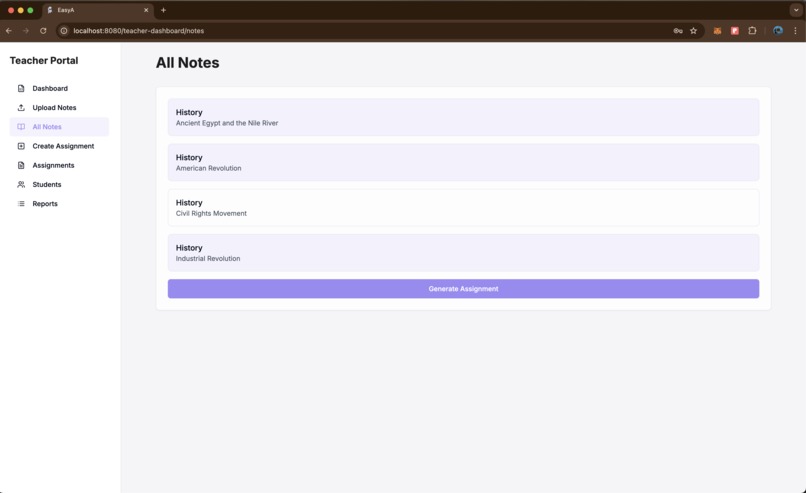
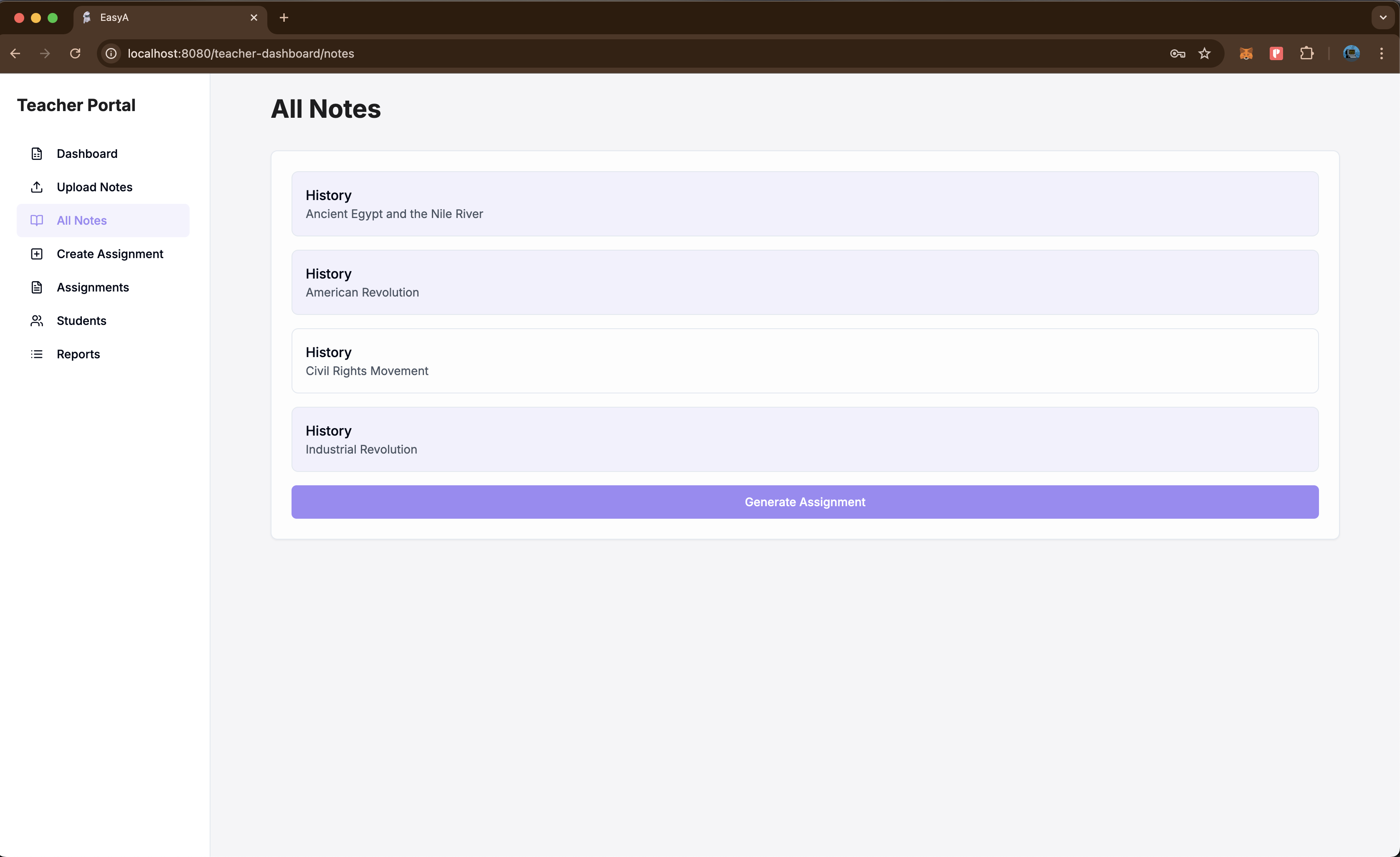
Teacher's Portal: Generate assignments using LLM for teachers
-
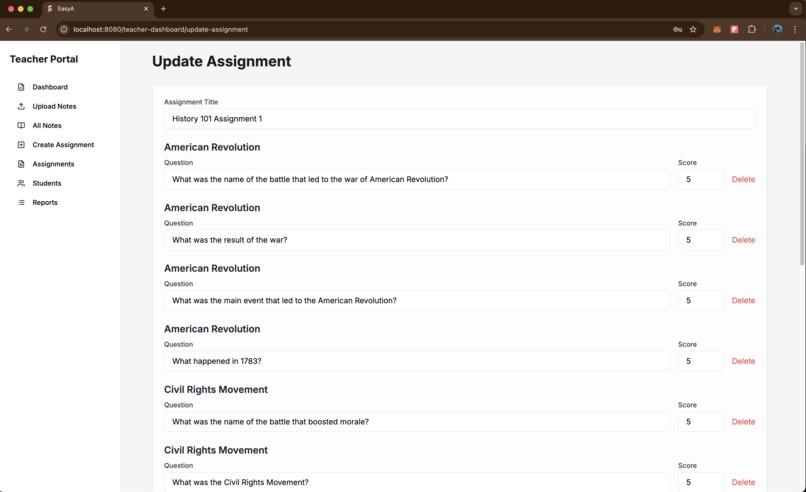
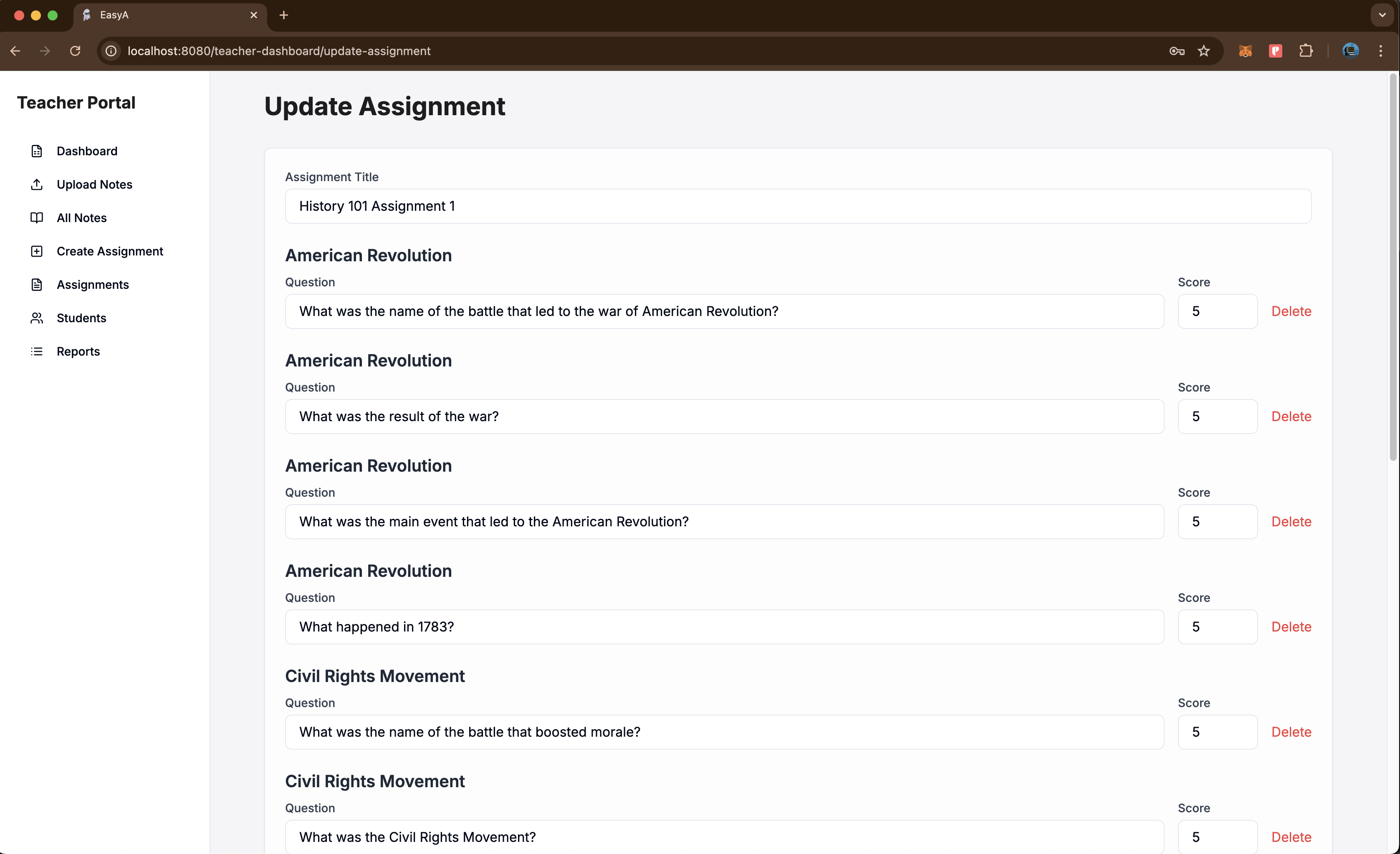
Teacher's Portal: Create/Update Assignment
-
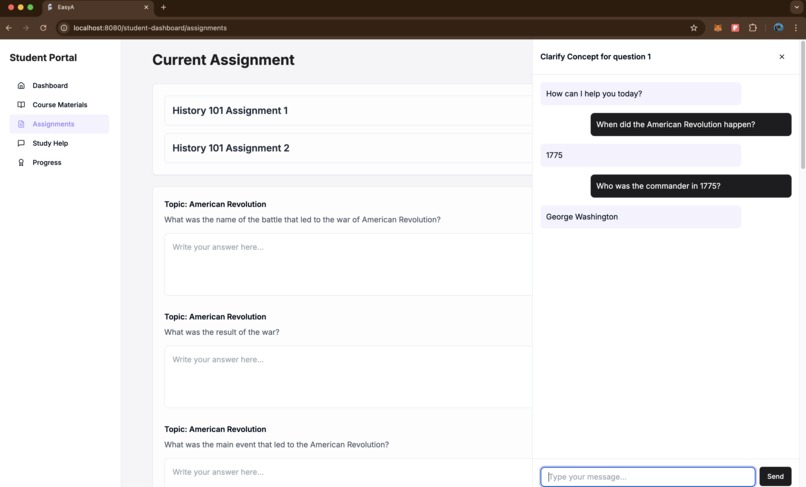
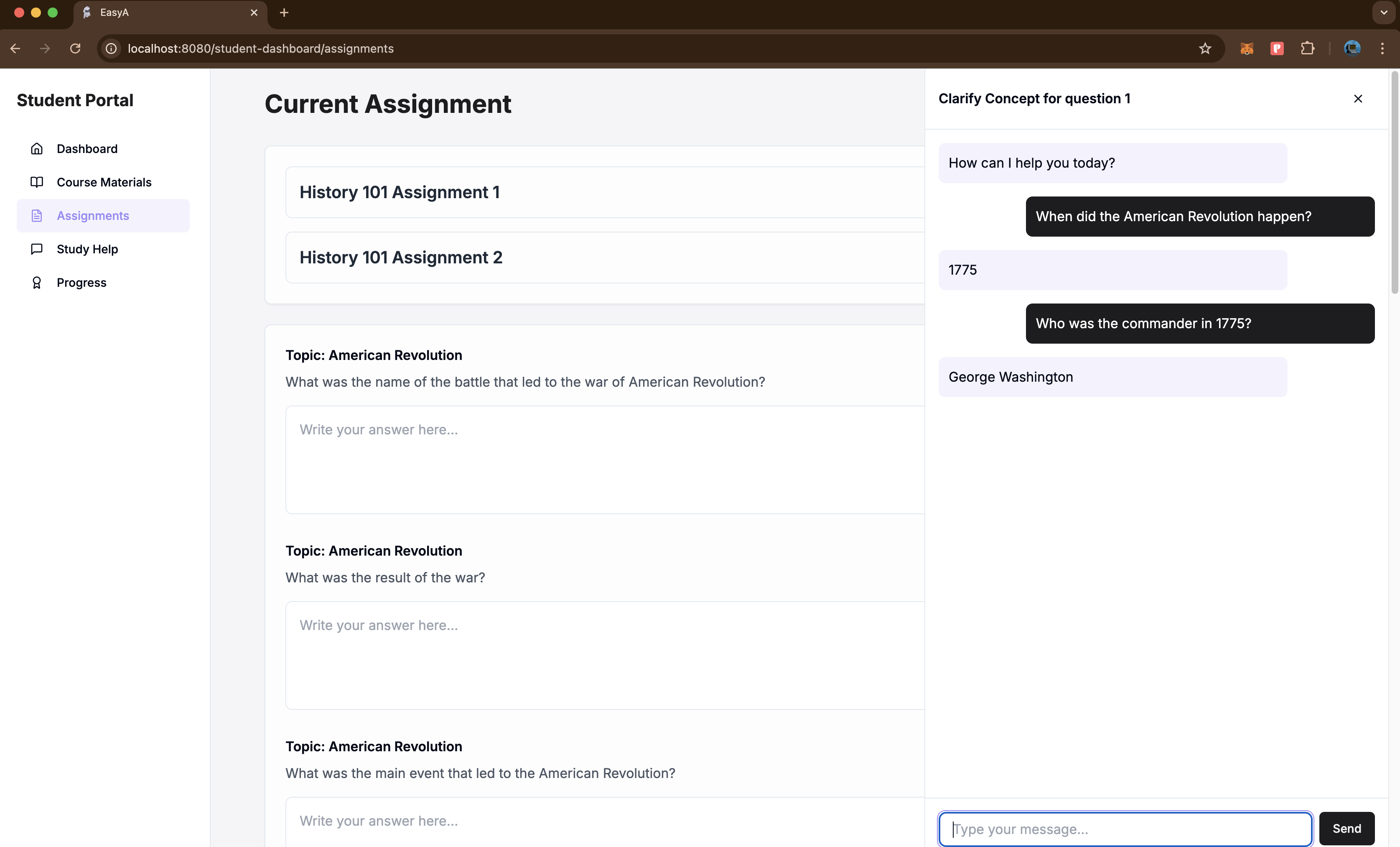
Student's Portal: AI agent for students
Inspiration
With the emergence of large language models (LLMs), the education industry has faced challenges in maintaining student engagement, as many assignments are now completed using these AI tools. While efforts have been made to counter this trend, we believe it is the ideal time for the industry to embrace LLMs as a means to enhance learning efficiency, encourage students to explore new opportunities, and foster a forward-thinking mindset.
Explore this paper
Published on 27 Nov 2024, the paper by three US university authors highlights LLM adoption in secondary education, finding 71% of students use LLMs, with 60% using ChatGPT. The survey also shows higher usage among private school students (76.7%) compared to public school students (71.3%).
Personally coming from the students ourselves, with the rise of large language models (LLMs), it's never been easier to generate AI-written responses and submit them as our own work. But does that actually help us learn? The truth is, blindly copying solutions doesn’t teach us anything. Real understanding comes from struggle, from piecing concepts together, from making mistakes and learning from them.
We wanted to flip the script. Instead of AI doing the work for students, we envisioned an AI that guides students—helping them think critically, problem-solve, and truly grasp concepts. A system that reassures educators that students are learning while giving them insights into student progress.
Technologies Used
- React – Builds the interactive, responsive frontend for teachers and students.
- Python – Backend language for API logic, data processing, and AI interactions.
- FastAPI – High-performance framework for backend APIs, linking frontend and AI services.
- JINA API – Generates text embeddings and RAG Nodes from teacher notes for AI-powered retrieval.
- Hugging Face Model – Enables AI-driven text generation and understanding for questions and clarifications.
- Google/FLAN-T5-Base – LLM for question generation and concept clarification.
- Neo4j – Graph database structuring relationships for efficient knowledge retrieval.
Why did we use the technologies?
*Neo4j: * We used Neo4j for optimized Knowledge Graph based Retrieval Augmented Generation which lets us have better context for the application to answer questions from a large corpus. It was also easier to model the relationships as nodes as it is more intuitive and extensible.
*Flan t5 base model: * We used Flan t5 base model from HuggingFace due to it being one of the best finetuned models for Question Answering and Information Retrieval, and being widely adopted in the industry as well
*JINA API: * We also used Jina APi embeddigns as they provided similar or better performance to OpenAI and Cohere Embeddings on benchmarks such as MTEB as well as for potentially scaling language translation support in the future
🤖 What does EasyA do?
We developed an AI application designed to enhance both teaching and learning experiences. The system provides a Teacher's Portal for managing course materials and assignments while offering a Student's Portal for guided learning and AI-assisted clarifications.
Teacher's Portal
Uploading & Processing Notes:
- Teachers can upload .txt, .doc, or .pdf files.
- The system tokenizes the notes into chunks.
- JINA API generates embeddings for each chunk, creating RAG Nodes linked to concepts.
- Similar concept chunks are grouped, and relationships are stored in a Neo4j database, where:
- Teacher nodes link to their uploaded notes.
- Notes connect to concept nodes.
- Concept nodes associate with RAG Nodes containing text chunks and embeddings.

AI-Generated Assignments:
- Teachers can select one or more uploaded notes to generate assignments.
- The system retrieves text chunks from RAG Nodes and uses Google/FLAN-T5-Large to generate questions.
- Teachers can edit, add, or remove questions, assign scores, and publish assignments.
- Published assignments can be assigned to any class.

Student's Portal
- Students can view assigned assignments and answer questions.
- If they need clarification on concepts, they can use AI Help:
- The student asks a question (not from the assignment).
- The system fetches relevant teacher-uploaded notes.
- The LLM processes the notes and provides an answer.

This AI-powered approach helps teachers streamline assignments and students receive instant learning support, making education more interactive and efficient.
⛔ Challenges we ran into
Like any ambitious project, we faced several hurdles along the way:
- Fine-Tuning: We faced time constraints that prevented us from fine-tuning the model, limiting its potential to become more intelligent and accurate.
- Subject Adaptability: Different subjects require unique approaches—mathematics often involves graphs and equations, chemistry relies on formulas, and biology requires diagrams. Currently, our system only supports text-based notes, and we are working on expanding its capabilities to accommodate these diverse needs.
Our Learnings and Accomplishments that we're proud of
- Developed embeddings to retrieve the most relevant answer notes for the LLM to generate accurate responses.
- Built a strong Neo4j graph model to seamlessly integrate diverse Node data.
What's next for our AI-Powered Learning Assistant?
Student Engagement & Effort Tracking:
- We have integrated Assignment and Question Reports into Neo4j.
- Future enhancements will analyze these reports to provide personalized feedback for both students and teachers, helping educators understand student effort and engagement.
 AI-Powered Question Clarification:
 - Many students struggle with understanding the wording of questions.
- AI Help will assist in clarifying assignment questions, ensuring students grasp what is being asked before attempting to answer. Question Similarity Detection:
- AI Help is designed to clarify concepts, not provide direct answers.
- We will implement question similarity checks to prevent students from asking AI Help for assignment answers. Expanding Subject & Grade-Level Support:
- Our goal is to broaden the AI’s capabilities to cover more subjects and adapt to different grade levels.
Personalized Learning Adaptability:
- We aim to refine AI assistance to cater to varied learning styles, making education more inclusive and effective.
💡 At the end of the day, learning isn’t about getting the answer—it’s about understanding the process. Our AI doesn’t just provide answers; it teaches students how to think.
🚀 Let’s build a future where AI enhances education instead of replacing it.


Log in or sign up for Devpost to join the conversation.