-
-
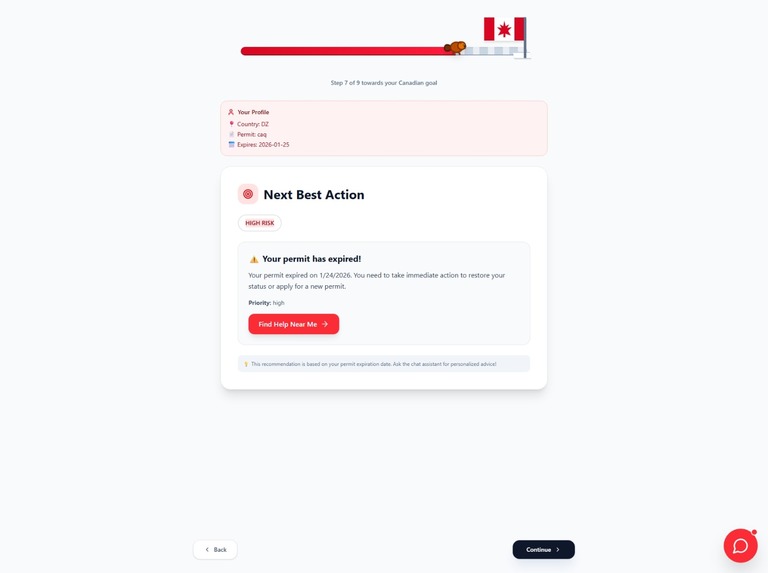
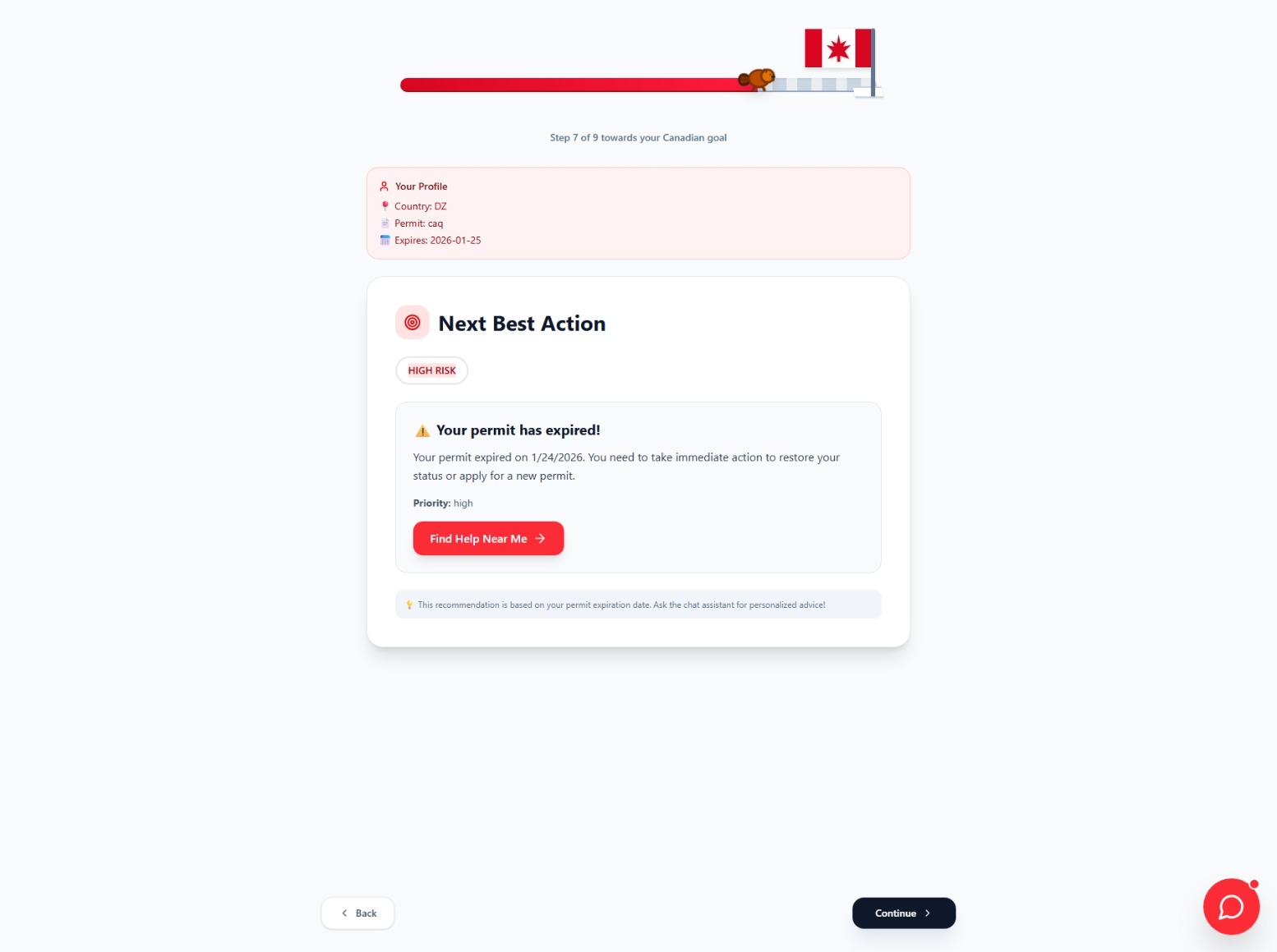
next-better-step
-
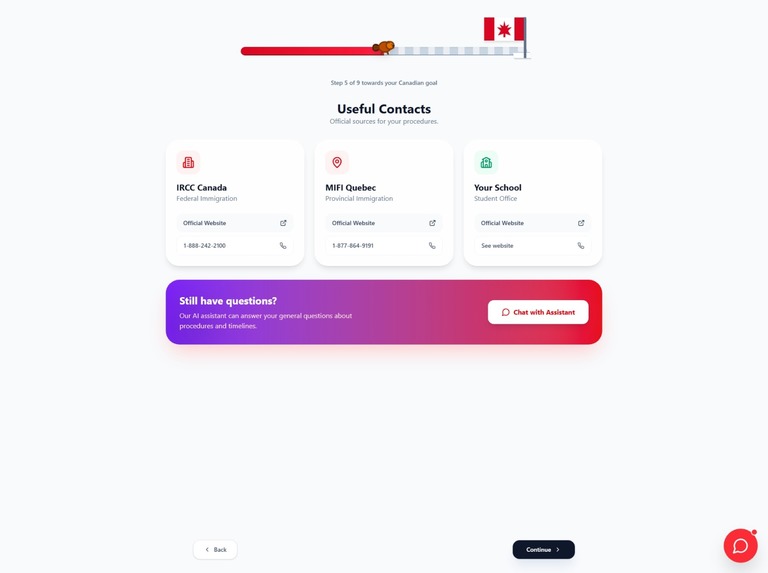
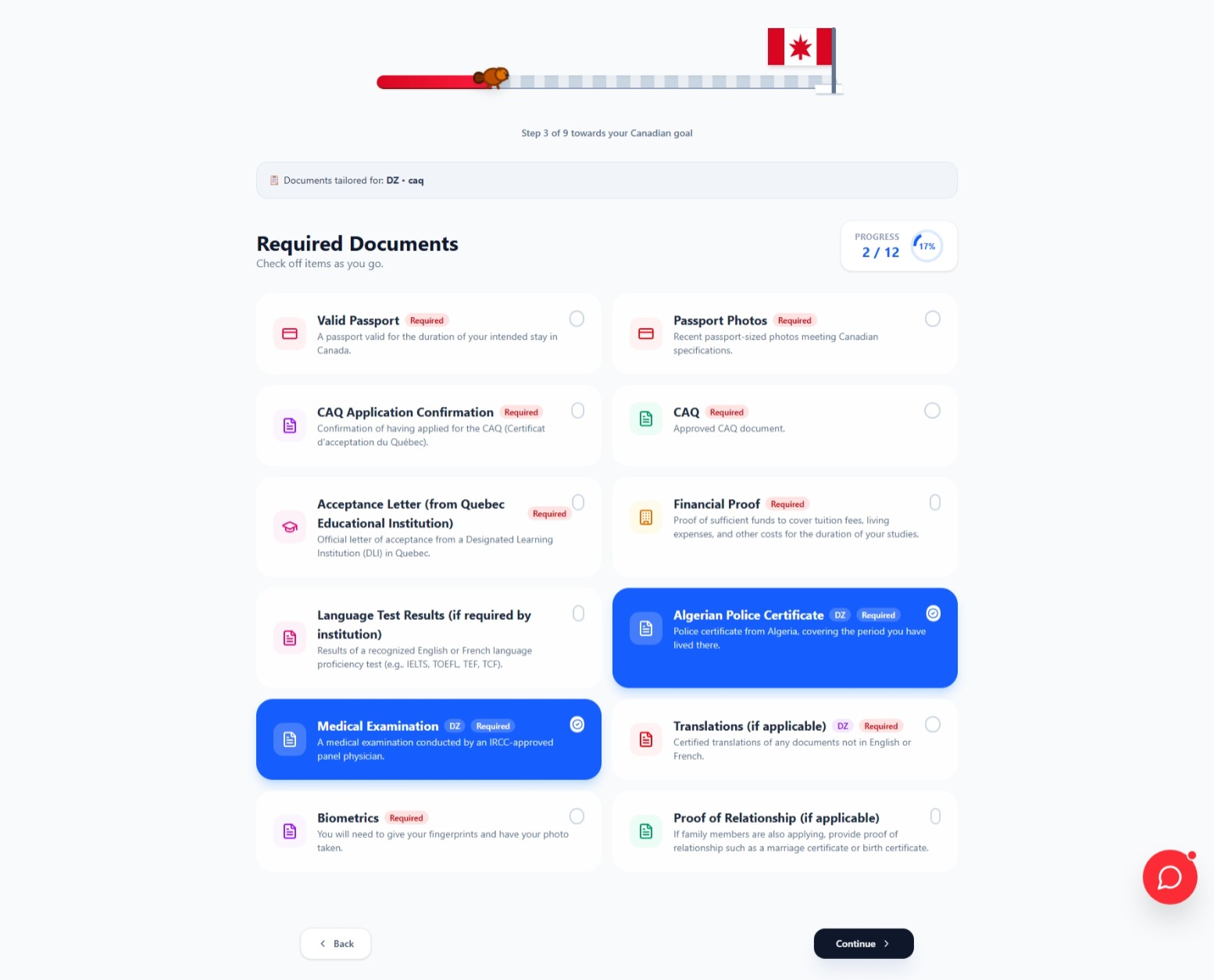
quick-informations
-
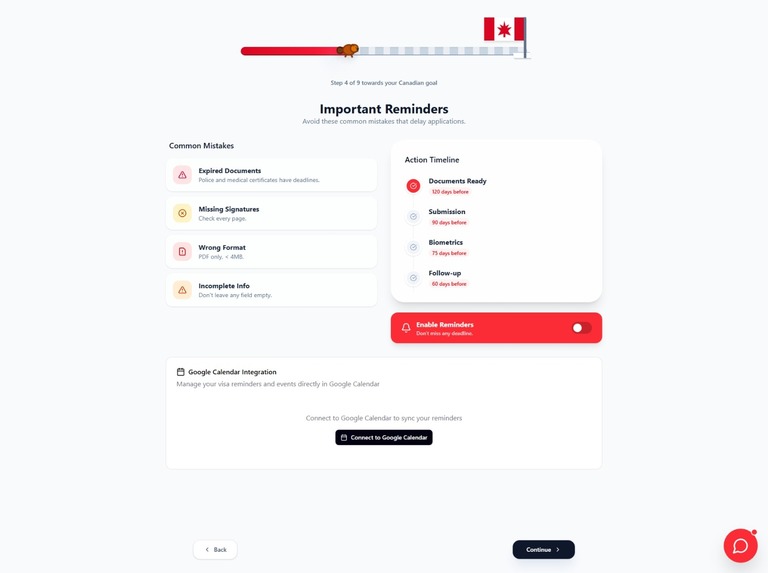
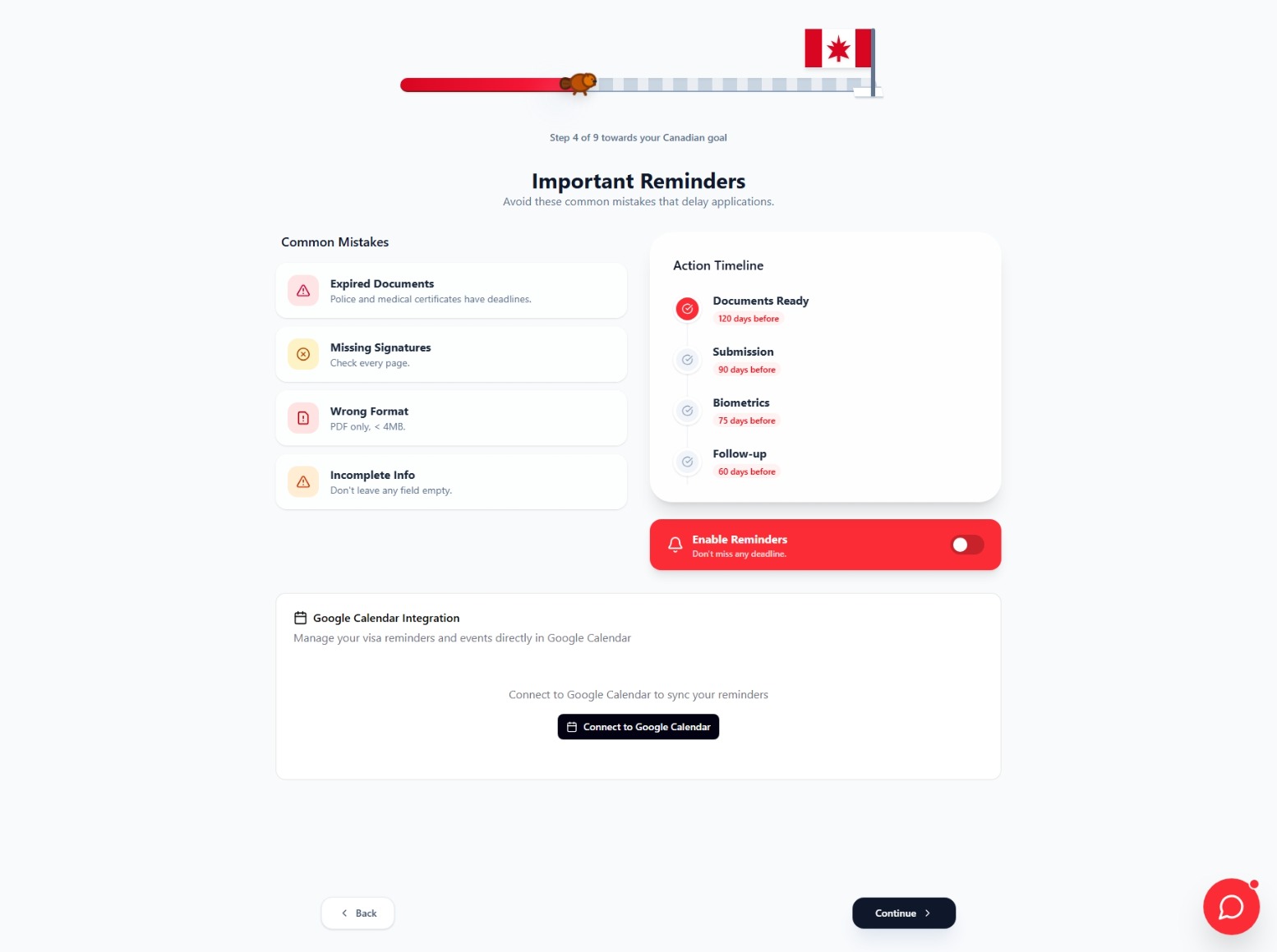
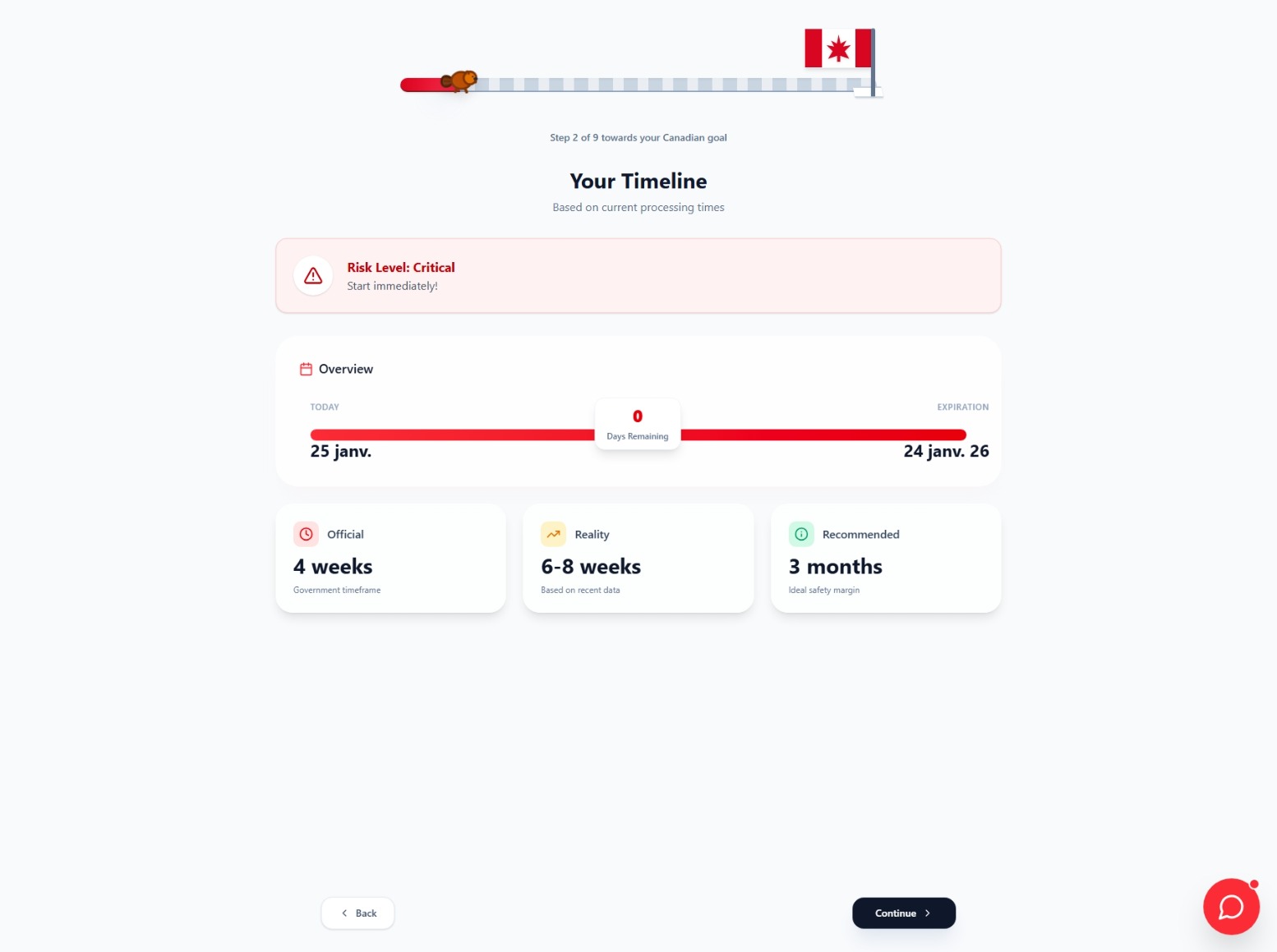
time-line-visual
-
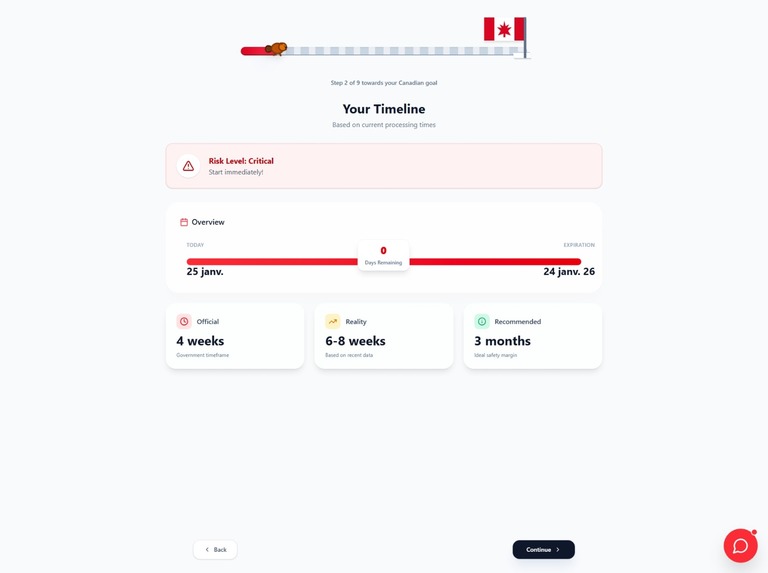
approximation-real-time
-
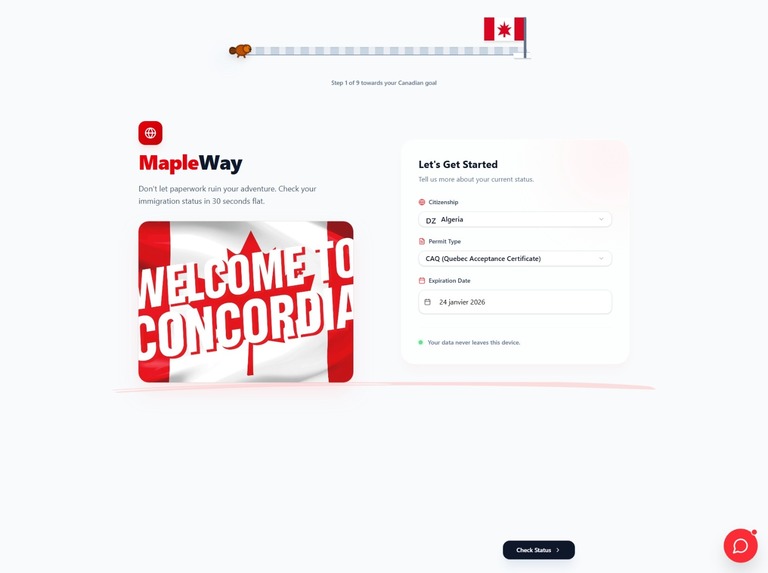
information-page
-
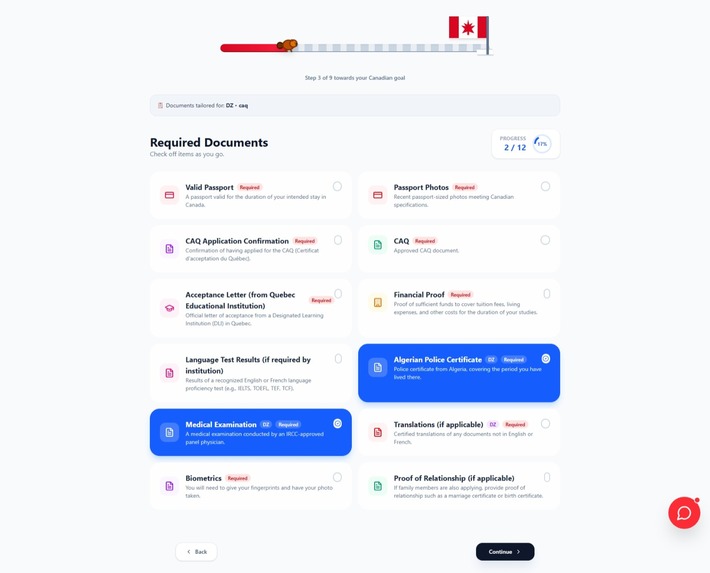
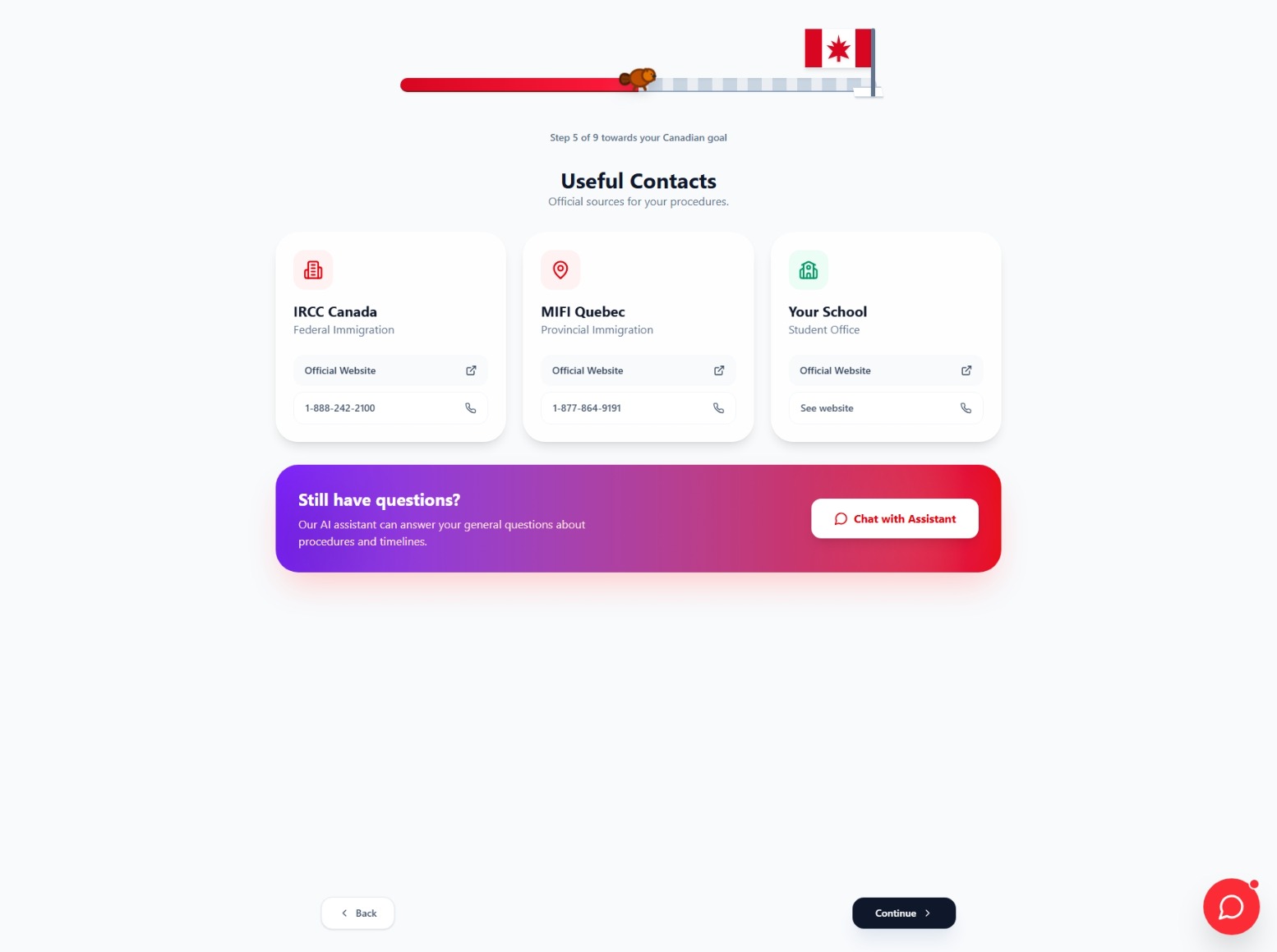
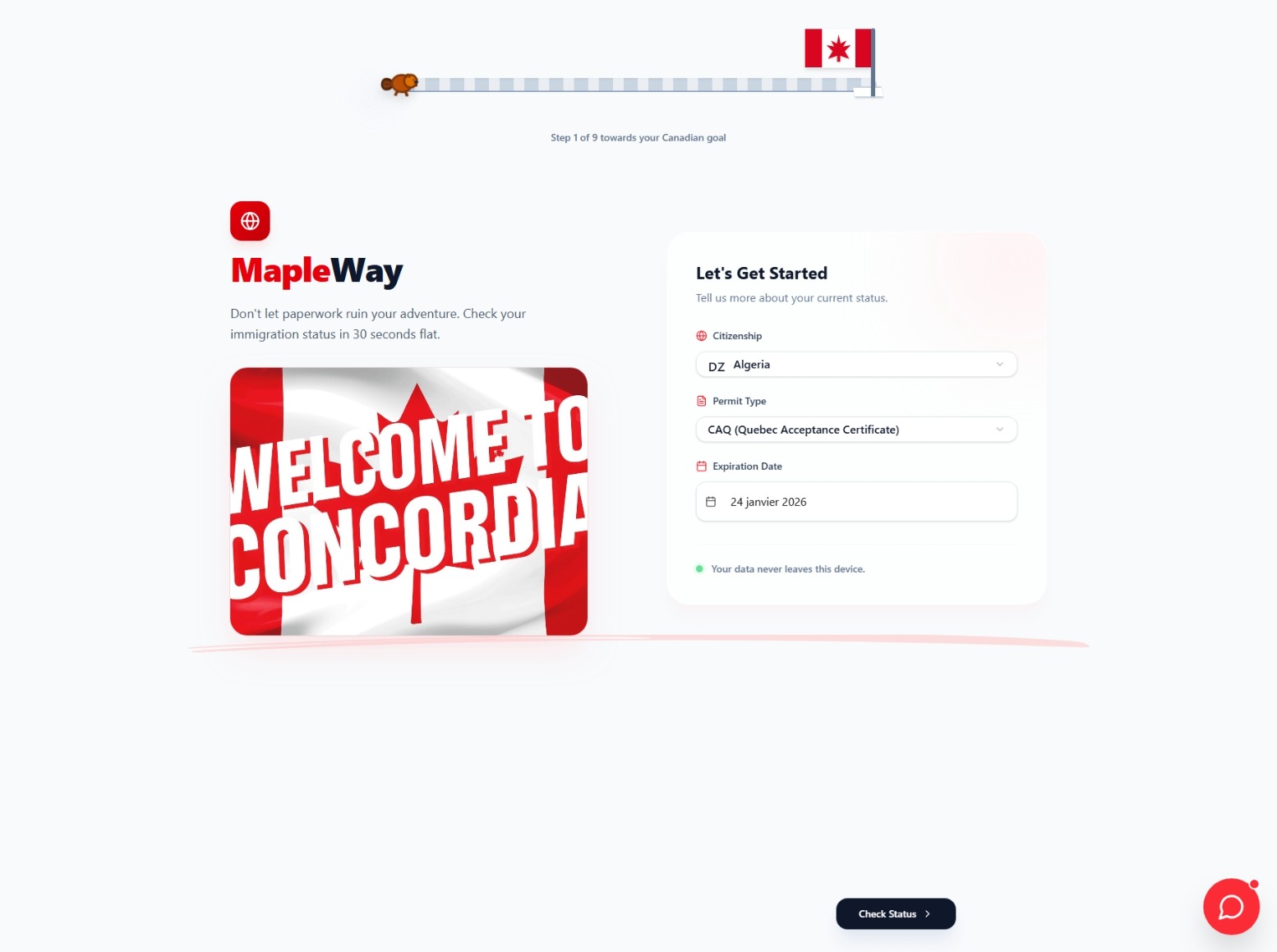
exact-needed-informations-country
-
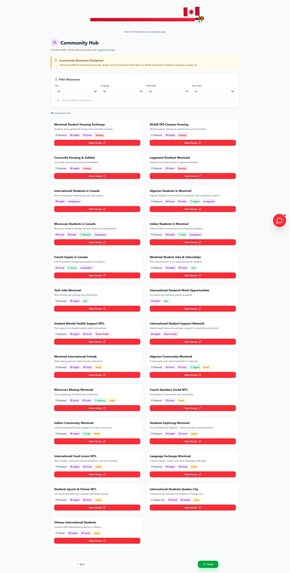
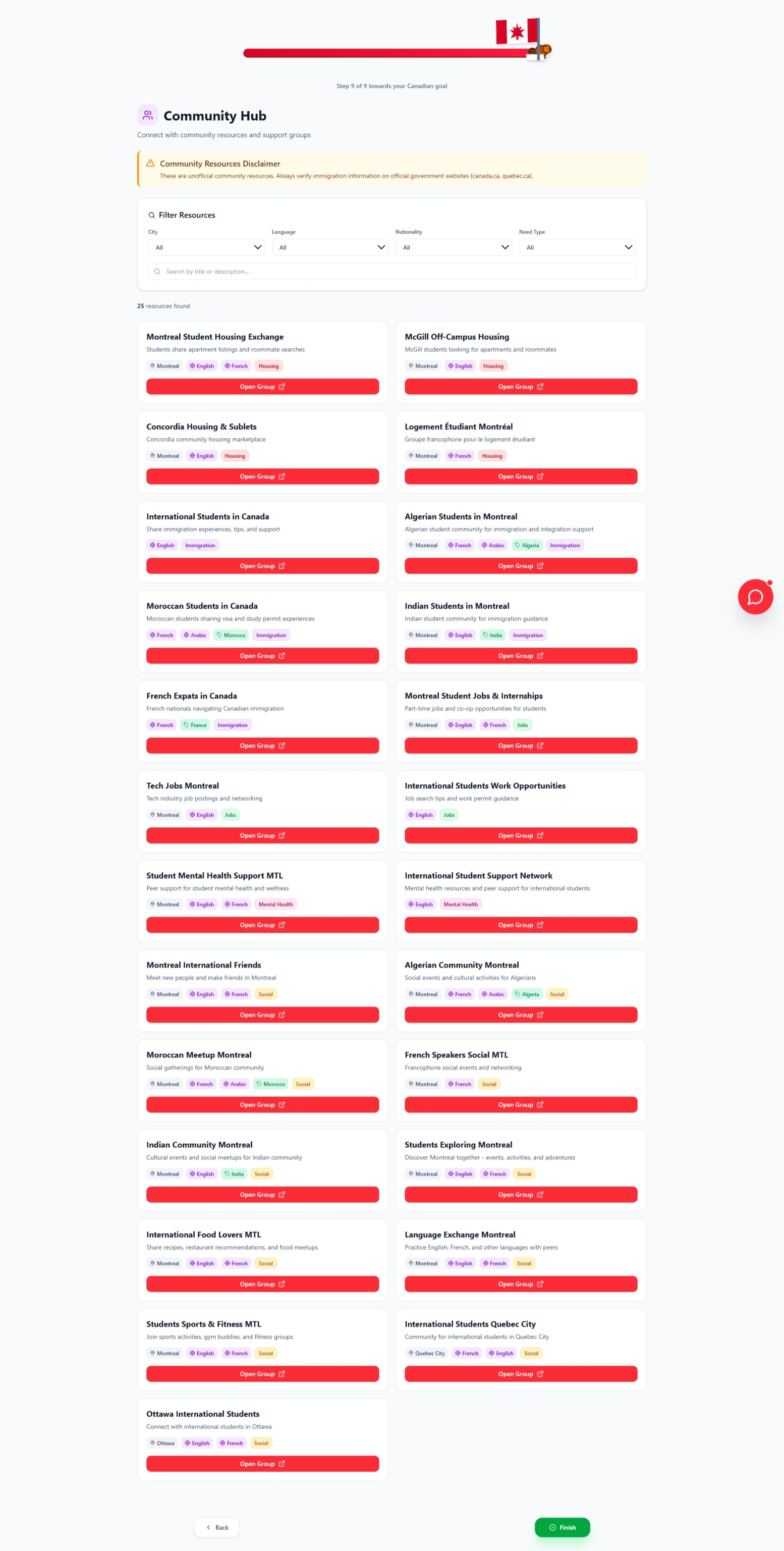
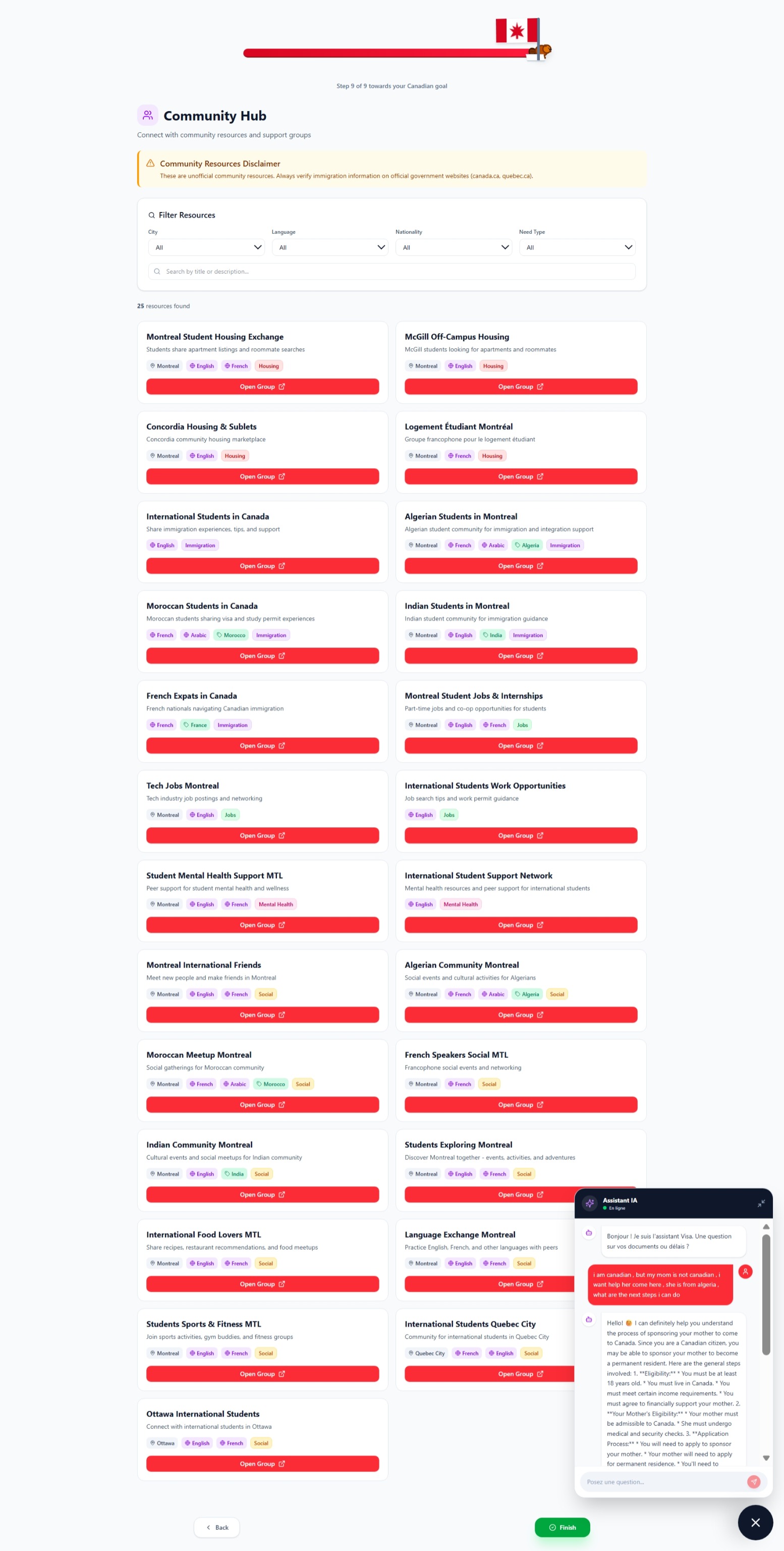
community-hup-from Facebook groups
-
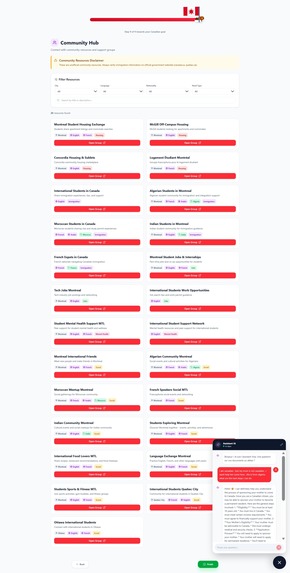
chat-personnalized-integrated
-
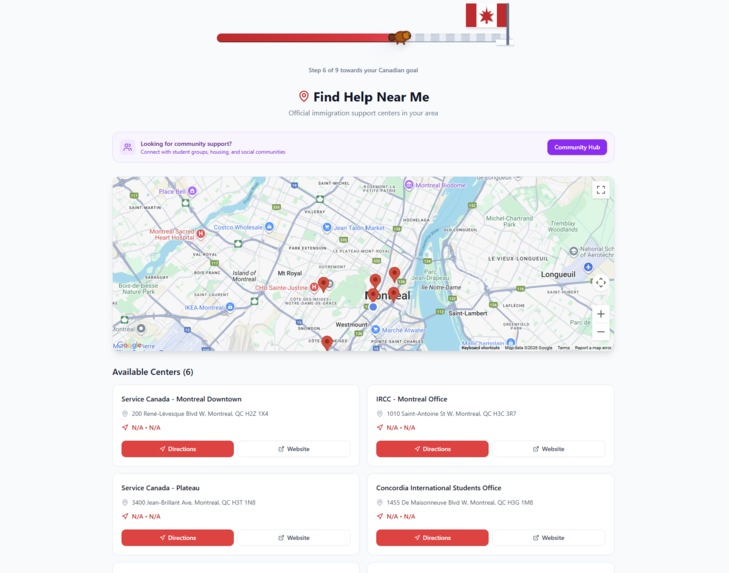
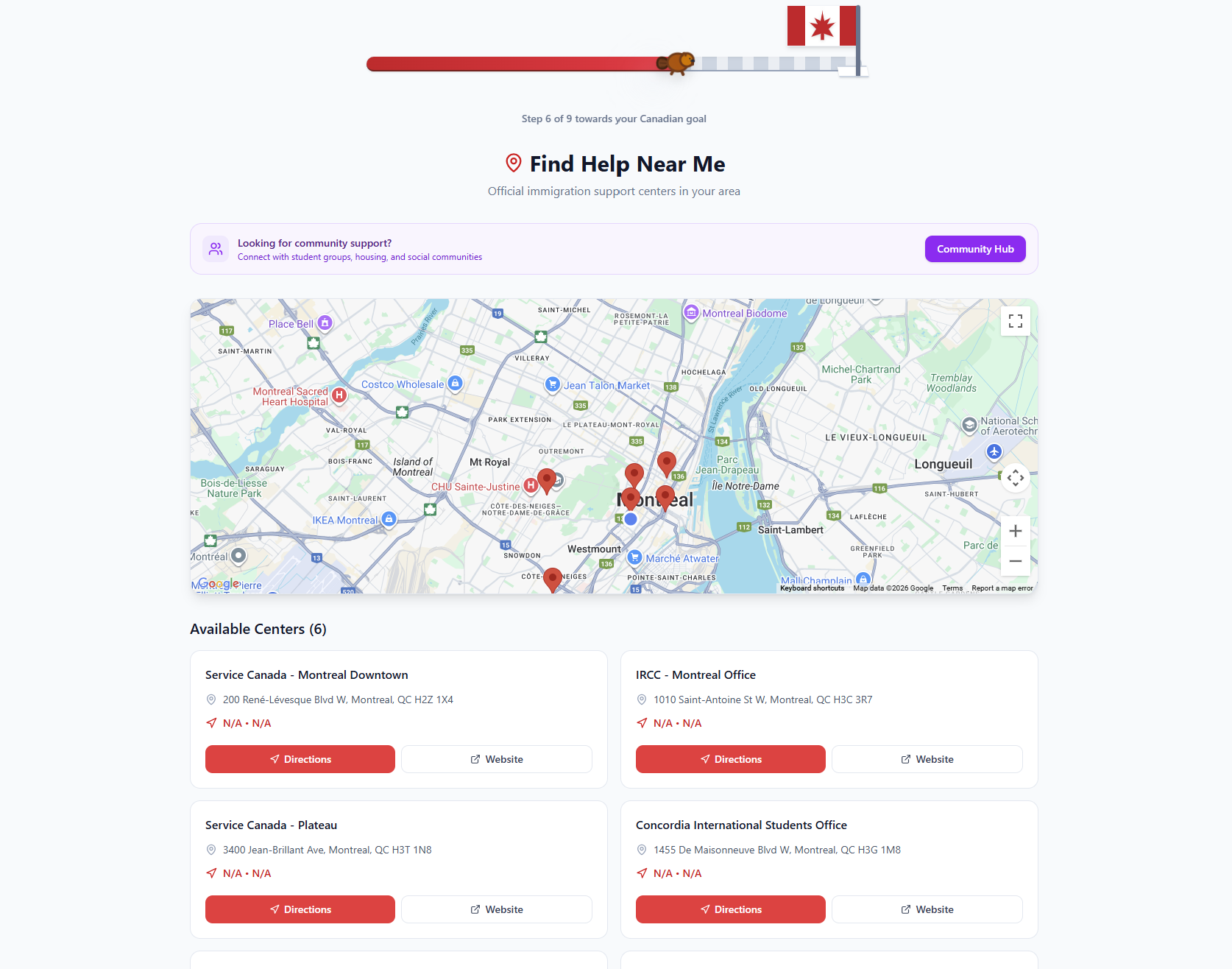
google-map and distance-matrix-implementations
Inspiration
Bureaucracy shouldn't be the reason someone's dream gets put on hold. While we can't change the laws, we realized we could change how students navigate them. MapleWay was born from a simple goal: to replace anxiety with clarity.
What it does
MapleWay is your personalized immigration roadmap. Simply input your nationality and the document you need (e.g., study permit renewal), and the app generates a dynamic timeline based on real-time official processing times. It visualizes exactly when you need to start your application to ensure you're never out of status.
How we built it
We built a robust frontend using React and TypeScript for type safety. For the intelligence layer, we integrated Gemini, which analyzes user queries to provide context-aware advice on specific requirements. Finally, we used the Google Maps API to guide users to the nearest service centers or biometrics collection points.
Challenges we ran into
Balancing AI innovation with strict accuracy. The biggest hurdle was "grounding" the AI. When dealing with immigration, a hallucination isn't just a bug: it could cost someone their visa. We spent hours refining our prompt engineering to ensure Gemini acts strictly as a retrieval agent, answering only based on official government data and refusing to speculate when information is missing.
Accomplishments that we're proud of
Building a "Safe" AI & Empathetic UX. We successfully implemented a fail-safe mechanism in our chatbot: if the confidence level is low or the official source is ambiguous, it automatically redirects users to the exact official webpage rather than guessing. On the design side, we’re proud of the "Maple Progress Bar." Adding the animated beaver wasn't just for fun, it’s a deliberate UX choice to introduce a moment of delight and reduce anxiety in an otherwise stressful process.
What we learned
TypeScript is a strict teacher. We learned a lot about complex API integration and came to respect TypeScript's "stubbornness." While the strict type-checking felt like a hurdle at first, it saved us from countless runtime errors, proving that the struggle was worth the stability.
Data isn't always user-friendly. We also learned that navigating government data is harder than navigating the actual country. Structuring inconsistent public data was a masterclass in data engineering, teaching us that "official" doesn't always mean "organized."
What's next for MapleWay ?
From MapleWay to WorldWay. Our vision extends far beyond Canada. Borders are just lines on a map, and we believe education shouldn't be confined by them. We aim to scale our timeline engine to support visa processes for every country, making global mobility accessible to everyone, everywhere. To achieve this, we envision country-specific generative AI agents, each trained to understand the unique rules, timelines, and administrative logic of a given country. Rather than one generic assistant, each agent would specialize in: local visa processes and requirements ,country-specific timelines and risks ,culturally appropriate guidance and terminology This approach would allow the system to make more accurate decisions, provide clearer guidance, and adapt intelligently as regulations differ from one country to another. we aim to build a global platform that supports students wherever their academic journey takes them.
Fighting Homesickness, Together. Paperwork is only the first battle; isolation is the second. We plan to evolve MapleWay into a full settlement ecosystem that includes housing assistance and a "Buddy System." By connecting users with students from the same country or language group, we want to help them face culture shock and prove that while they may be far from home, they are never alone.
Built With
- express.js
- gemini-api
- javascript
- node.js
- react
- typescript
- vite

Log in or sign up for Devpost to join the conversation.