TradeWise
Inspiration
Stock trading can feel intimidating, especially for beginners who want data-driven insights without the complexity of running their own market prediction algorithms. We wanted to build something approachable, a website that helps users explore stock prediction software without requiring deep technical knowledge. The idea was to lower the barrier to entry for algorithmic trading and make analysis tools more accessible.
What It Does
The TradeWise allows users to:
- Enter any stock ticker
- Retrieve relevant stock data from yfinance
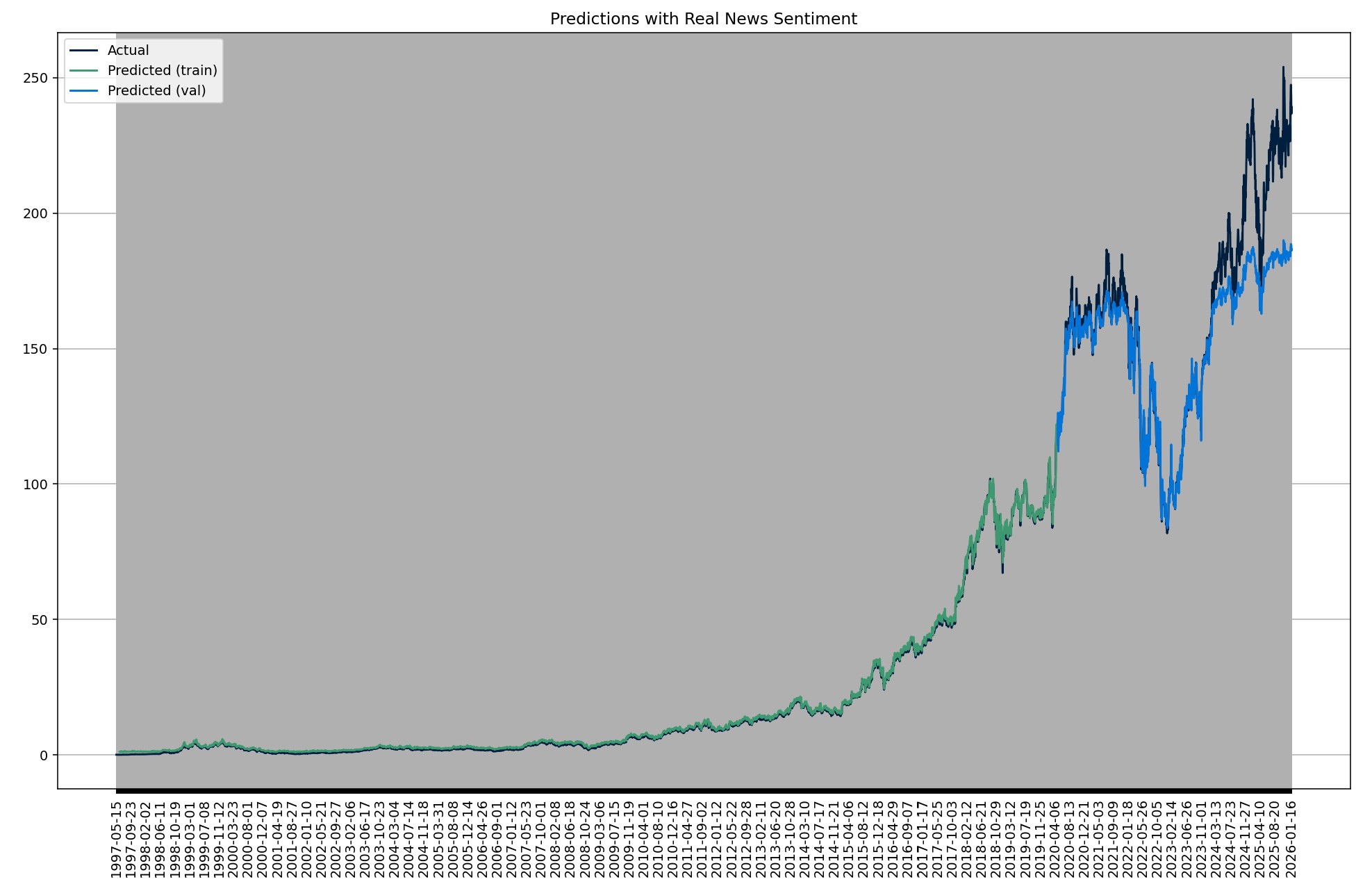
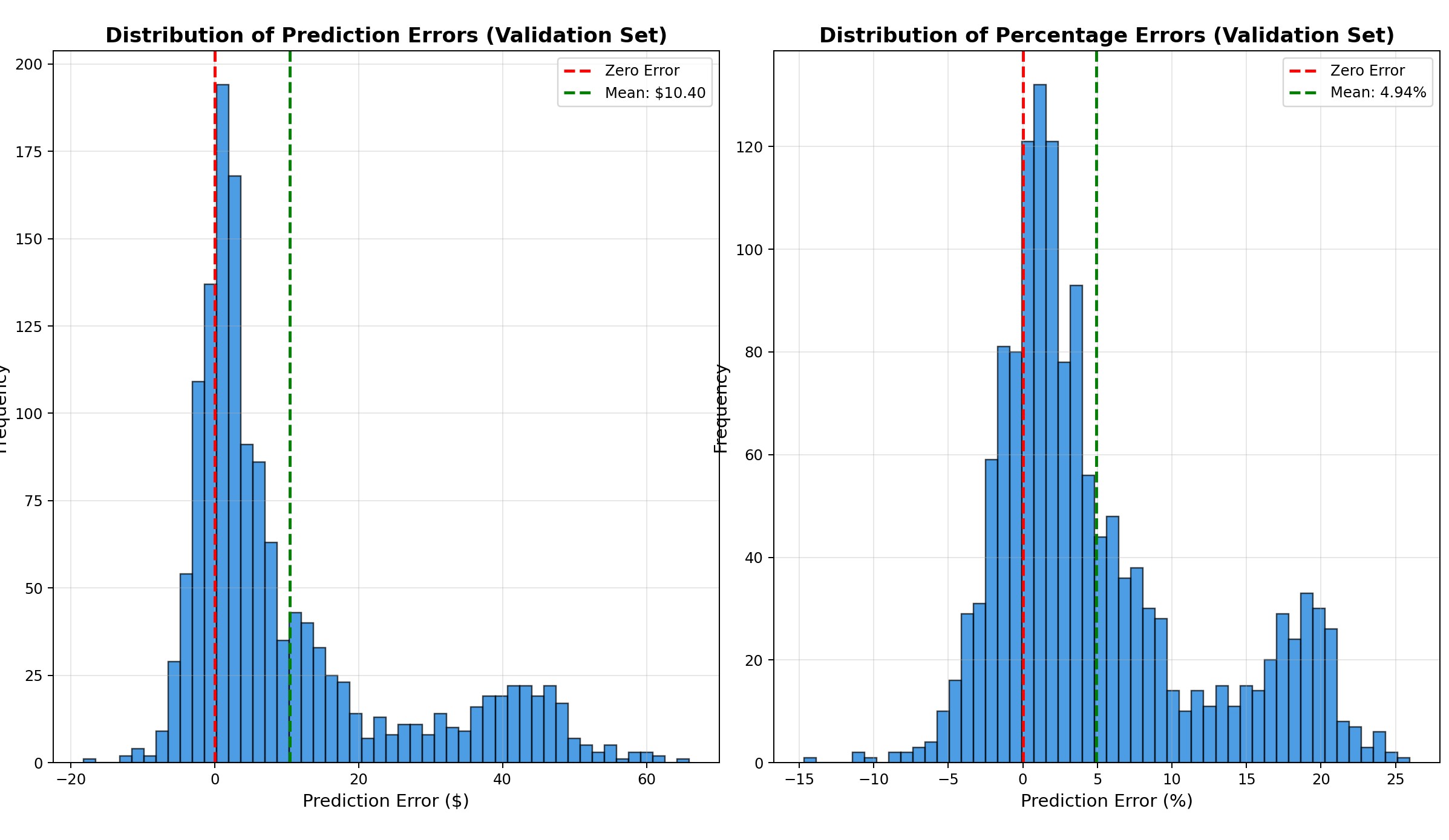
- Run it through an LSTM-based prediction algorithm, predicts whether stock will go up or down with around 80% accuracy
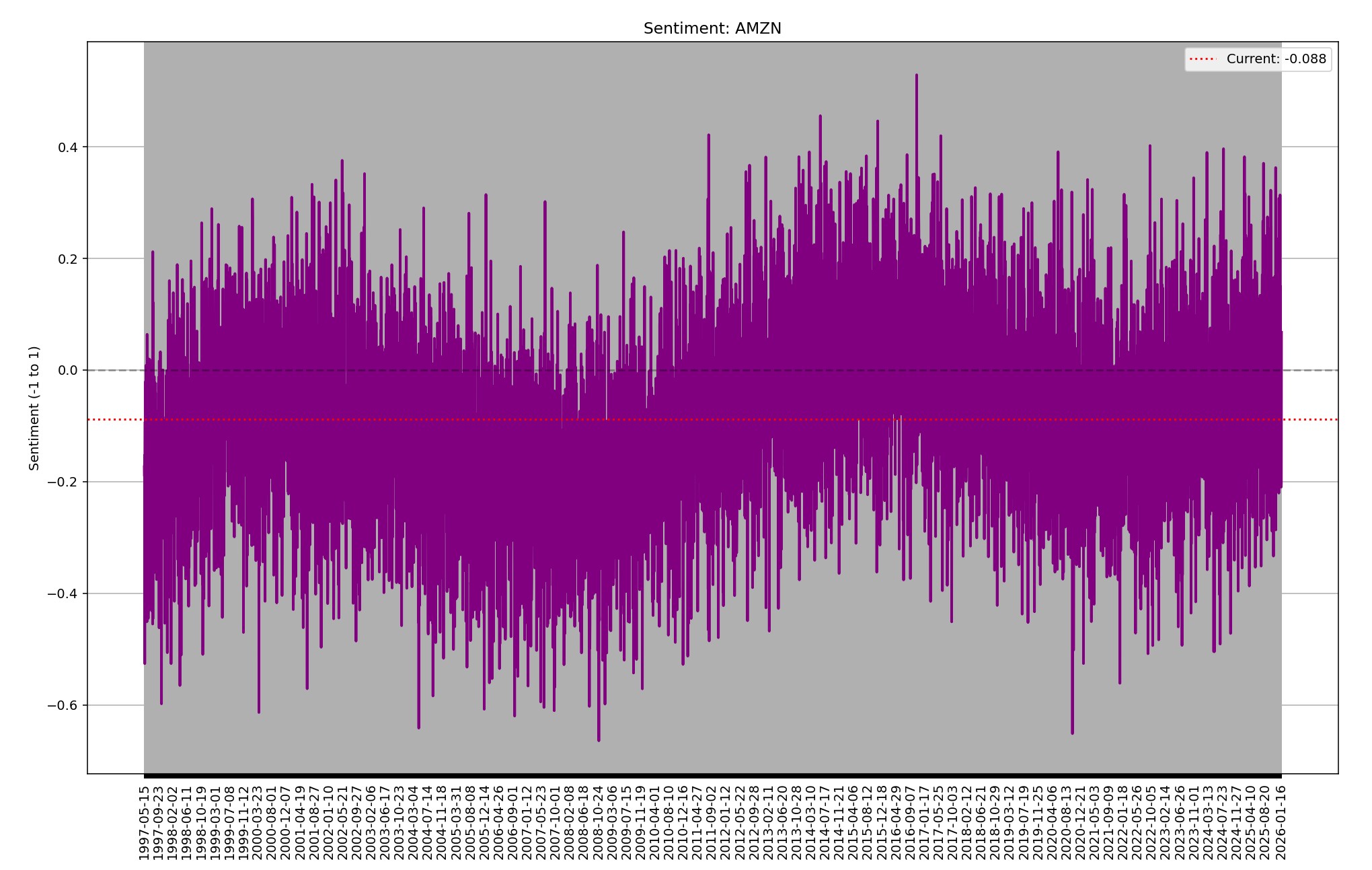
- Pulls recent news articles where the company was mentioned, and performs sentiment analysis on them to gauge market opinion on the company.
- Allows user to view all tabulated predictions and insights through a clean, user-friendly interface
How We Built It
The project is divided into two main components:
Trading Algorithm Backend
- Built with Pytorch, our LSTM is a specialized architecture that can "memorize" patterns from historical sequences of data and extrapolate such patterns for future events. -Since the financial market is naturally comprised of historical sequences of equity prices, LTSMs are great for modelling and predicting market price movements.
- Sentiment analysis is performed using FINBert, an open course NLP framework for the analysis of financial news
- Our site handles everything end-to-end: data retrieval, processing, prediction, and graphing
Frontend
- A lightweight Flask interface
- Designed for clarity and ease of use
- Communicates with our Python backend to display the Pytorch model's predictions
We collaborated through GitHub, dividing responsibilities across algorithm development, UI design, and integration.
Challenges We Ran Into
- Ensuring free, clean, and consistent stock and news data to feed the model
- Balancing the speed of training with predictive accuracy in our algorithm
- Maintaining smooth communication between frontend and backend
- Coordinating contributions within time constraints
What We Learned
- How to structure a project with both frontend and backend components
- The importance of reliable data pipelines in financial prediction
- How to collaborate efficiently using GitHub
- How to simplify complex concepts for everyday users
What’s Next for Easy Use Stock Prediction Program
- Adding more advanced prediction models
- Improving UI/UX for smoother interaction
- Expanding data sources
- Deploying the app online
- Adding visualizations such as trend graphs and confidence intervals

Log in or sign up for Devpost to join the conversation.