-
-
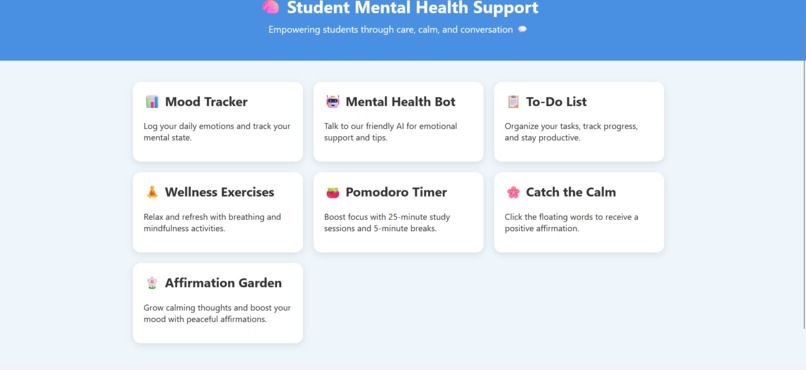
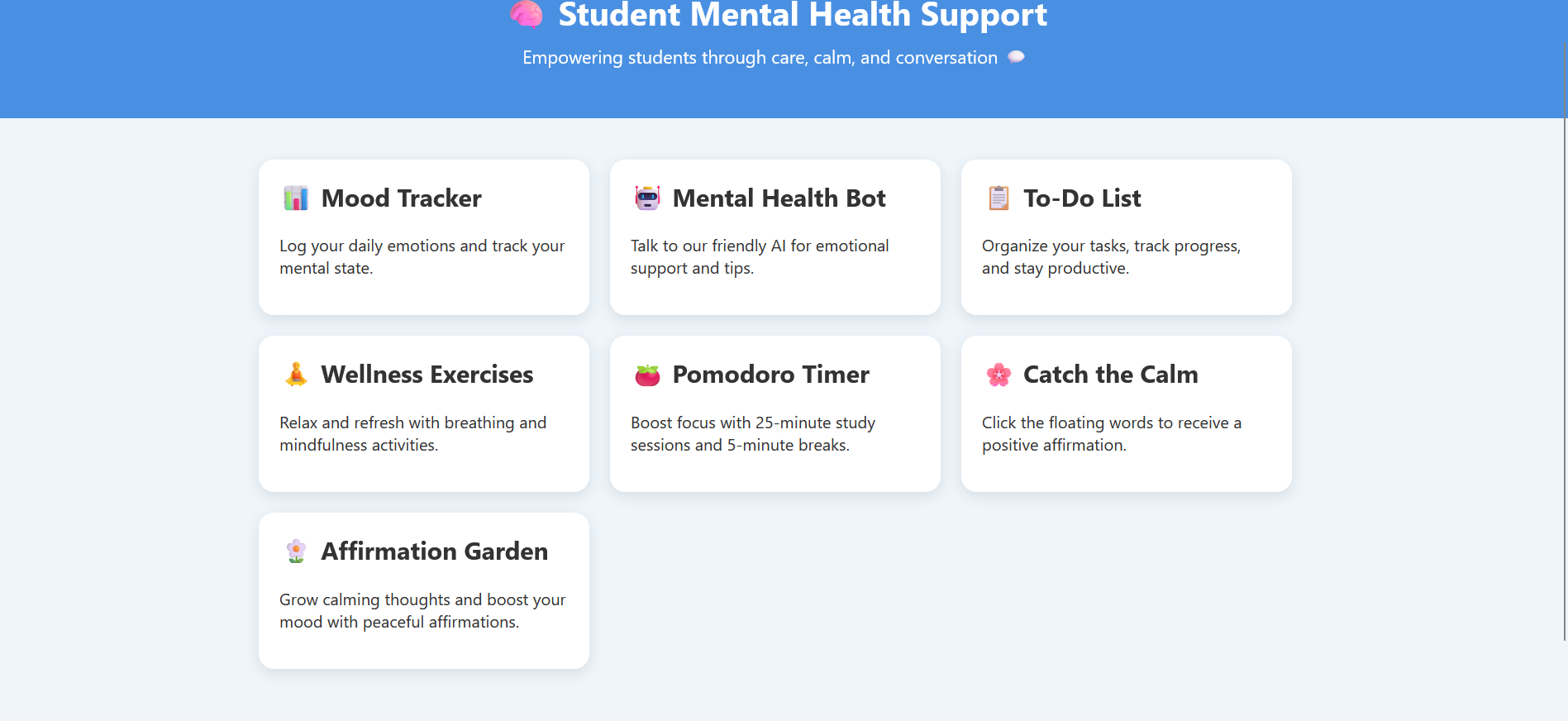
Home Page
-
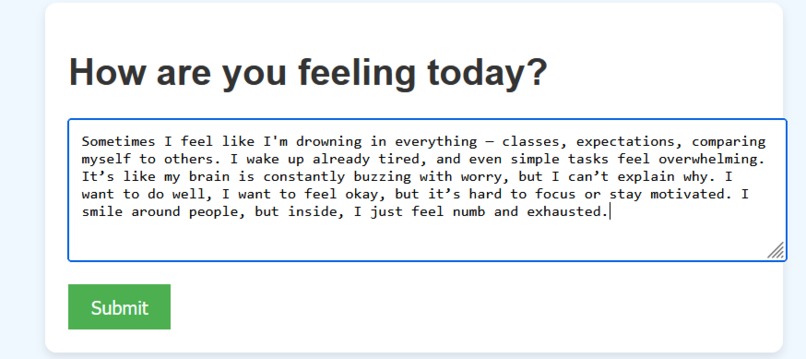
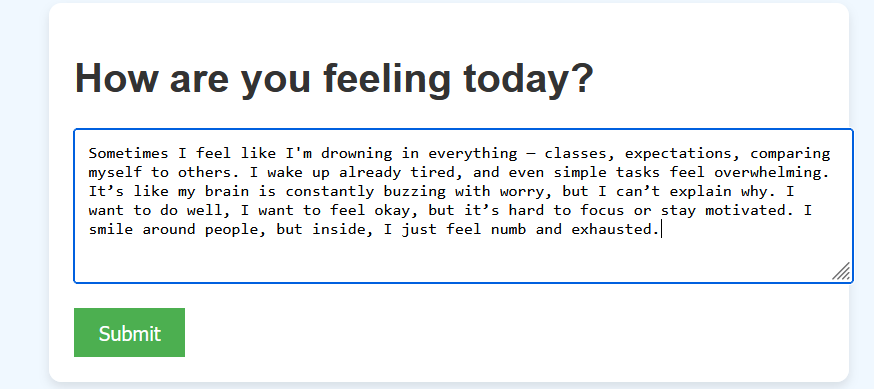
Mental health support bot
-
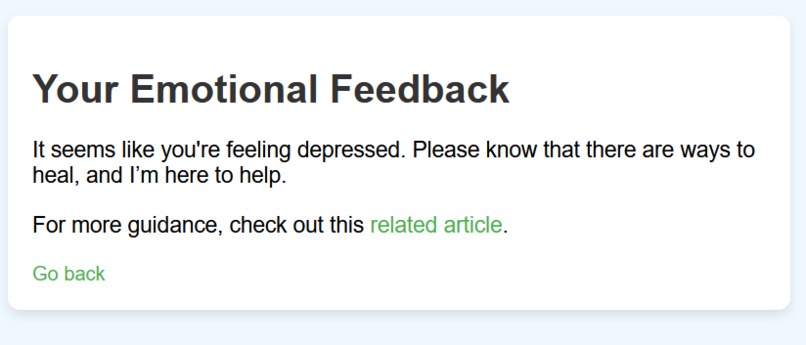
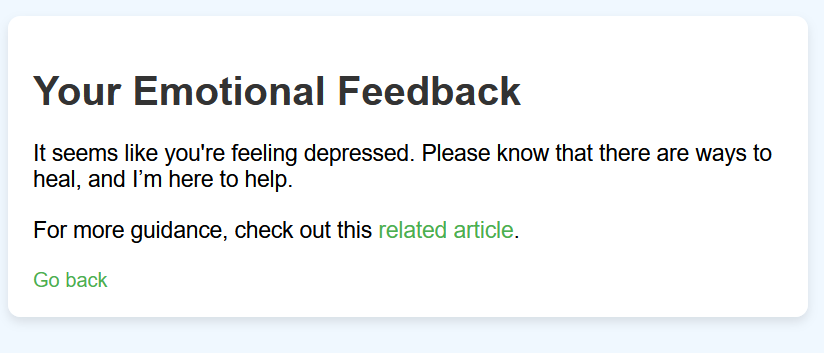
Mental health support bot example
-
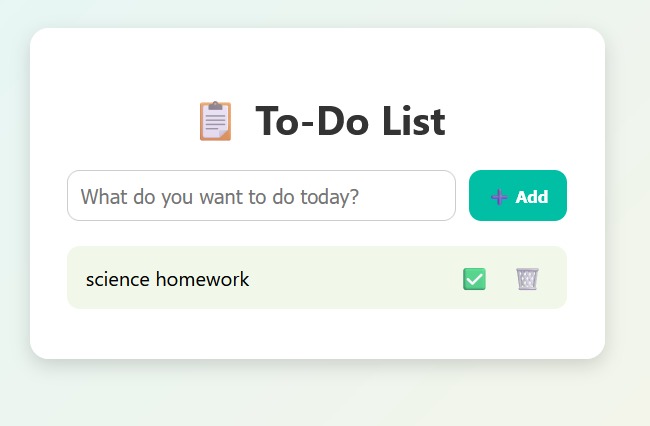
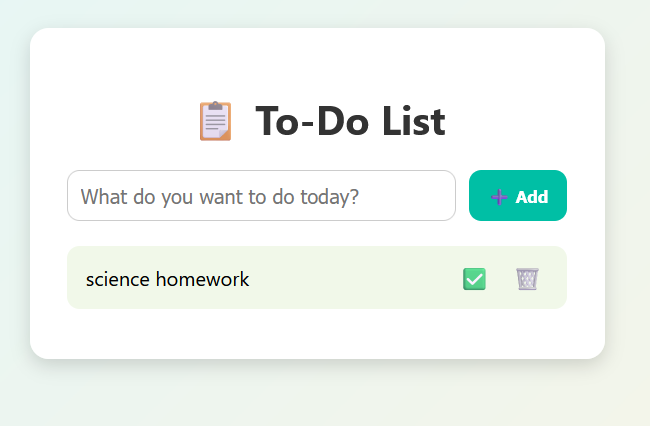
To-Do list
-
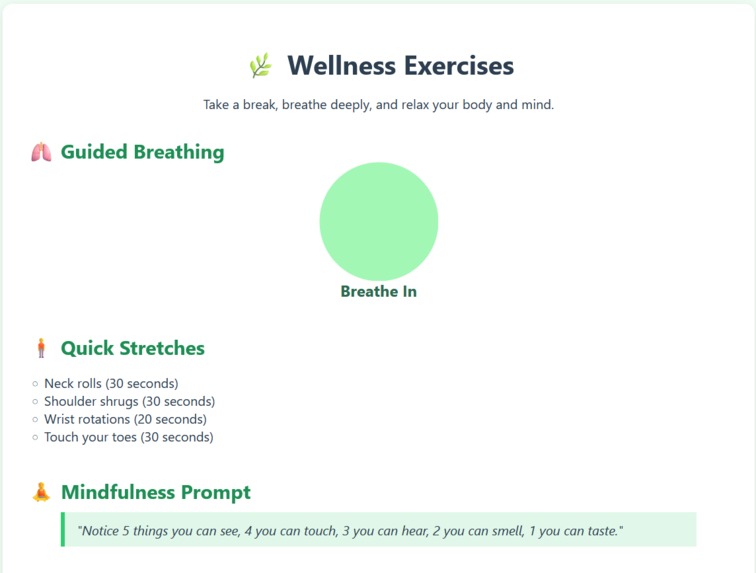
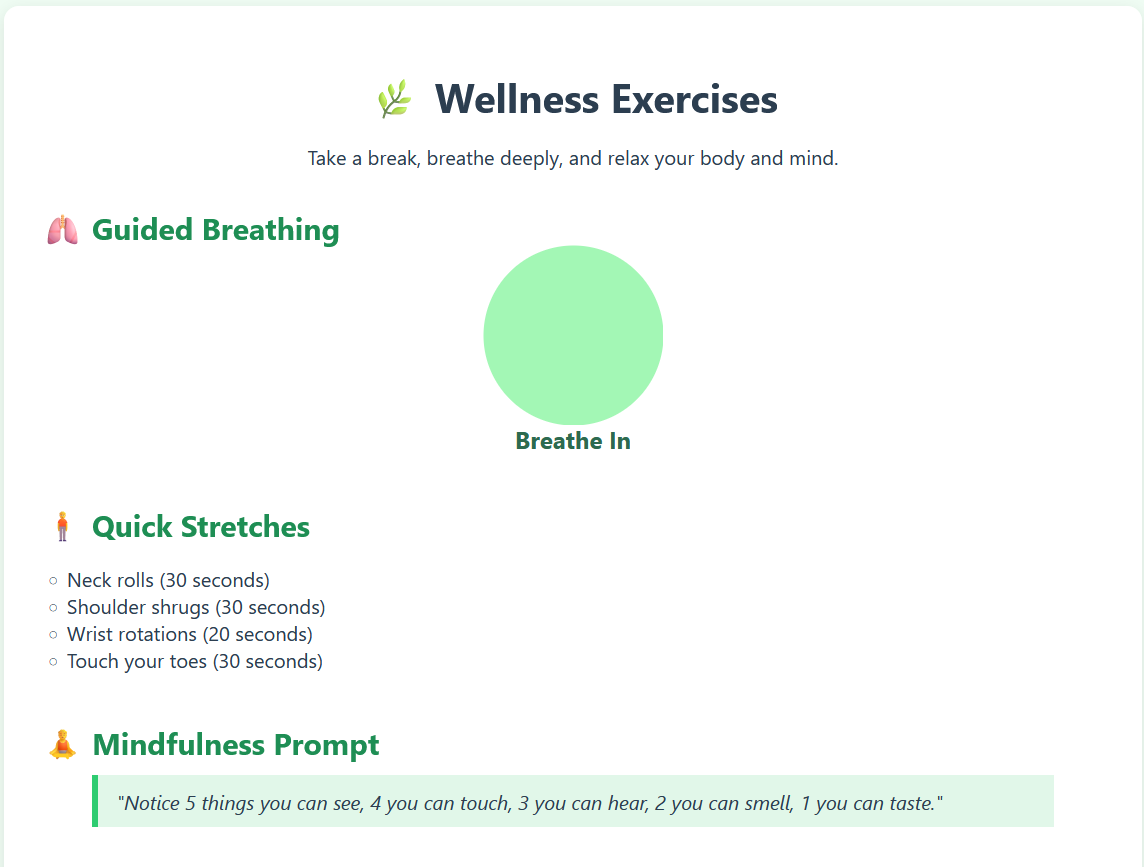
Wellness exercises
-
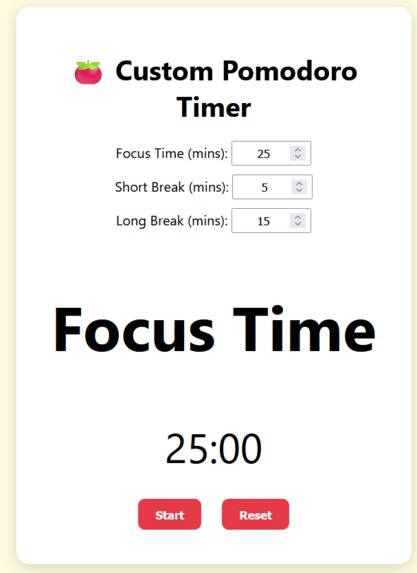
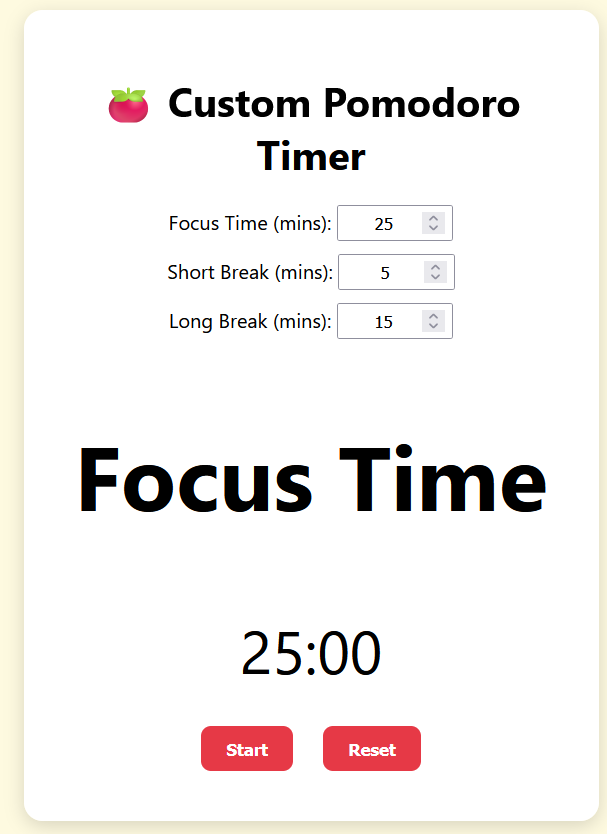
Pomodoro timer
-
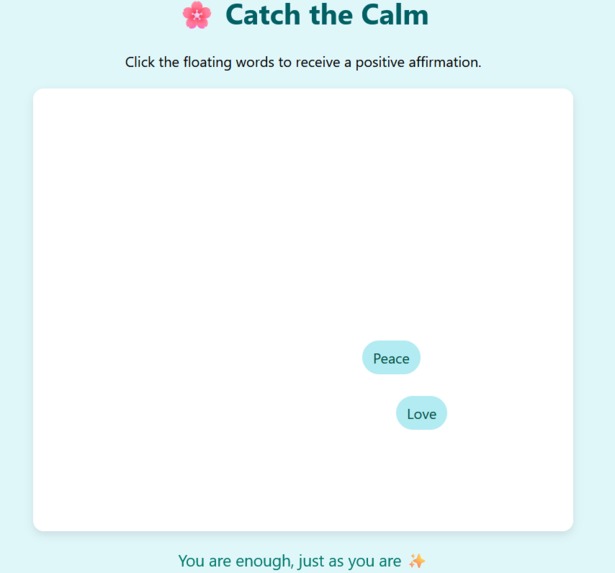
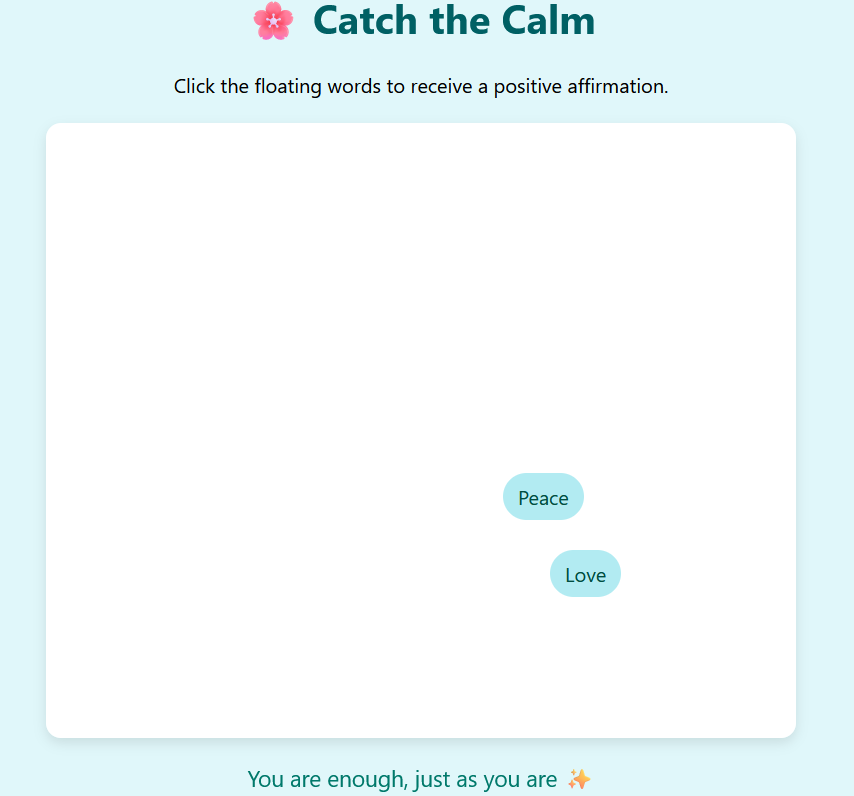
Catch the Calm - therapy game
-
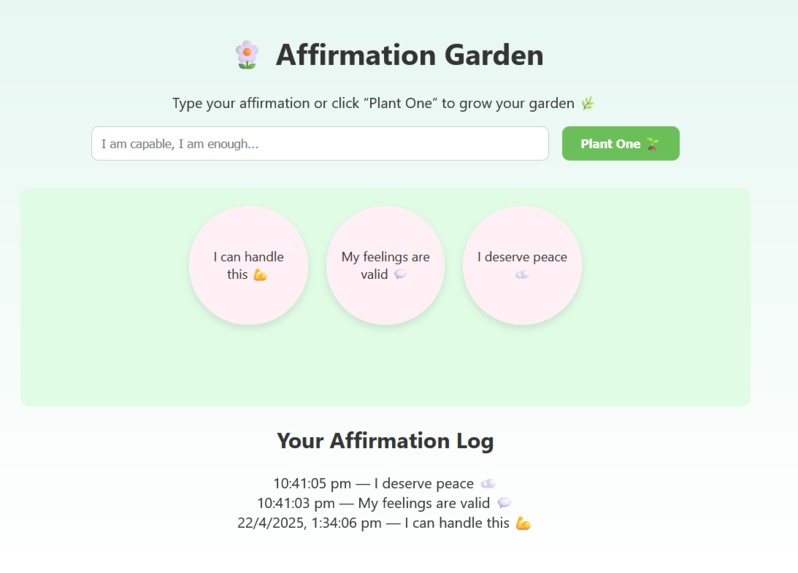
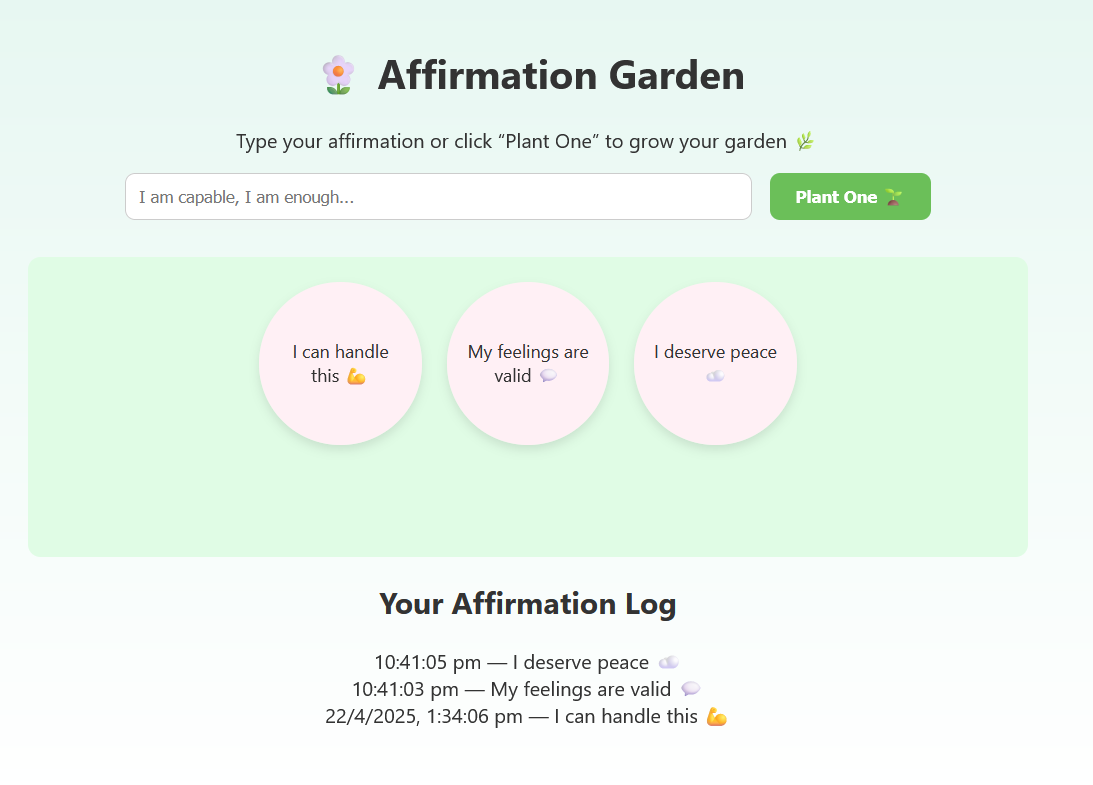
Affirmation Garden = therapy game
Inspiration
As students, we often hear "just push through" — but rarely "how are you really feeling?" The pressure to perform academically while managing personal stress can feel isolating. This project was inspired by real student experiences — including our own — where mental health challenges are common, but support systems are often missing or hard to access. We wanted to create a space that listens, supports, and uplifts students with empathy and simplicity.
What it does
EaseUp is a full-featured mental health support web application designed especially for students. It offers:
- Mental Health Chatbot – provides emotional support and coping suggestions
- Mood Tracker – lets users log feelings with notes and view mood history
- To-Do List– keeps tasks organized with a calming, minimal UI
- Pomodoro Timer – helps improve focus and reduce burnout
- Wellness Exercises – guided breathing and mindfulness prompts
- Catch the Calm – an interactive game to reduce stress with affirmations
- Affirmation Garden– plant and grow your positive thoughts over time
How we built it
We used:
- HTML, CSS, JavaScript for all frontend components
- Flask (Python) to serve backend APIs and chatbot logic
- TextBlob, NLTK, and Transformers to power emotion-based NLP
- LocalStorage for user-side data persistence (mood, todos, etc.)
Each feature is modular and can run independently or be integrated into a shared student dashboard.
Challenges we ran into
- Getting the chatbot to respond with emotional sensitivity required fine-tuning
- Integrating multiple tools while keeping the UI simple and non-overwhelming
- Managing local state for mood history and affirmations without a backend database
- Designing with empathy: making sure the app felt helpful, not clinical or generic
Accomplishments that we're proud of
- Built a complete mental health toolkit that actually feels supportive and user-friendly
- Created a smooth conversation flow for the chatbot using basic NLP
- Designed and implemented calming games that subtly support emotional wellness
- Developed a UI that’s minimal, responsive, and non-intrusive — like a wellness companion, not a task manager
What we learned
- How to use NLP tools for emotion detection and response generation 2.The importance of mental health UX — not just usability, but emotional safety
- How to tie together tools like timers, trackers, games, and AI under one consistent theme
- Technical skills in Flask, localStorage, and responsive UI design
What's next for EaseUp - Student Mental Health Support Application
- Host it online for real-time usage and outreach
- Add user dashboards with weekly mood trends and suggestions
- Improve the chatbot with GPT fine-tuning and real therapy conversation data
- Include ambient music/soundscapes for deeper relaxation
- Convert into a progressive web app (PWA) for offline and mobile access
- Partner with schools or colleges for real-world deployment

Log in or sign up for Devpost to join the conversation.