Inspiration
I was inspired by the frequent earthquakes in Kazakhstan and nearby regions. Living in an area with real seismic risk made me want to create a tool that could help assess and understand these events better using machine learning.
What it does
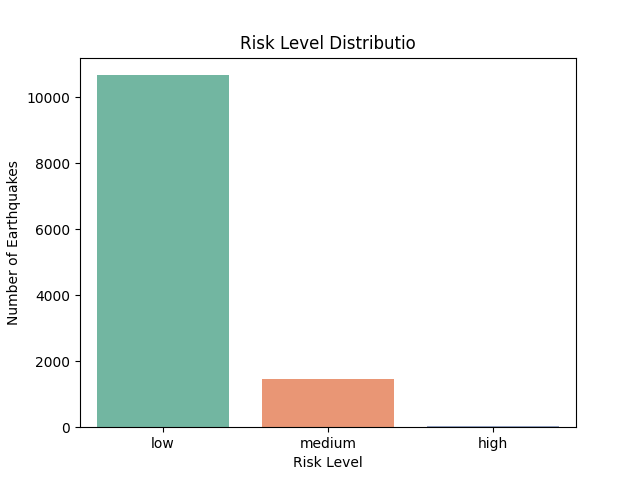
The Earthquake Risk Assistant analyzes real earthquake data and uses a machine learning model to predict the risk level — low, medium, or high — based on features like magnitude, depth, and location.
How we built it
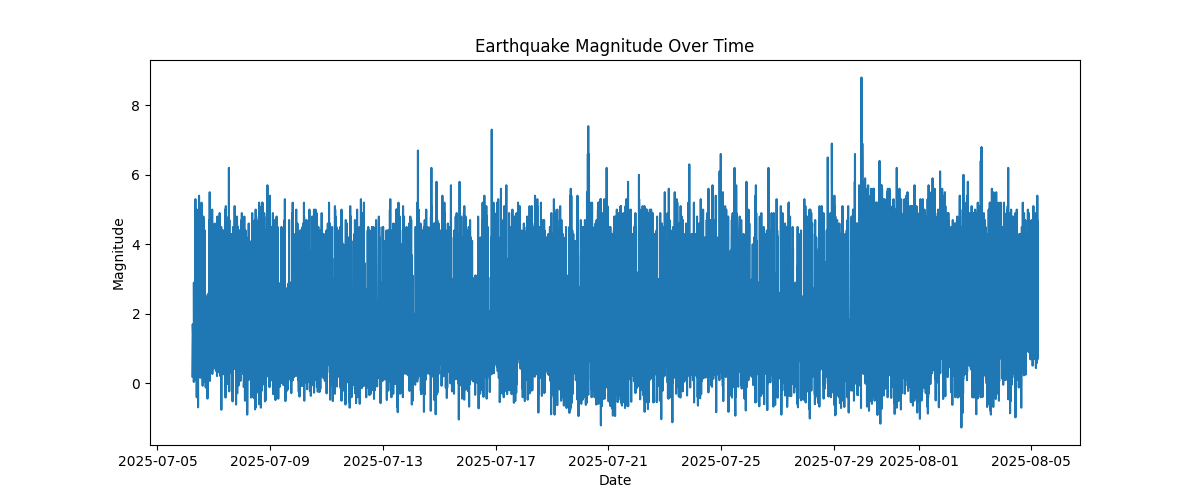
I collected real earthquake data from the USGS website, processed it using Python and a library. I gave each event a classification based on risk level. I trained a model using the Random Forest algorithm to predict risks. At the end, I visualized everything by creating graphs and an interactive map.
Challenges we ran into
The challenges were with defining the risk level and visualization.
Accomplishments that we're proud of
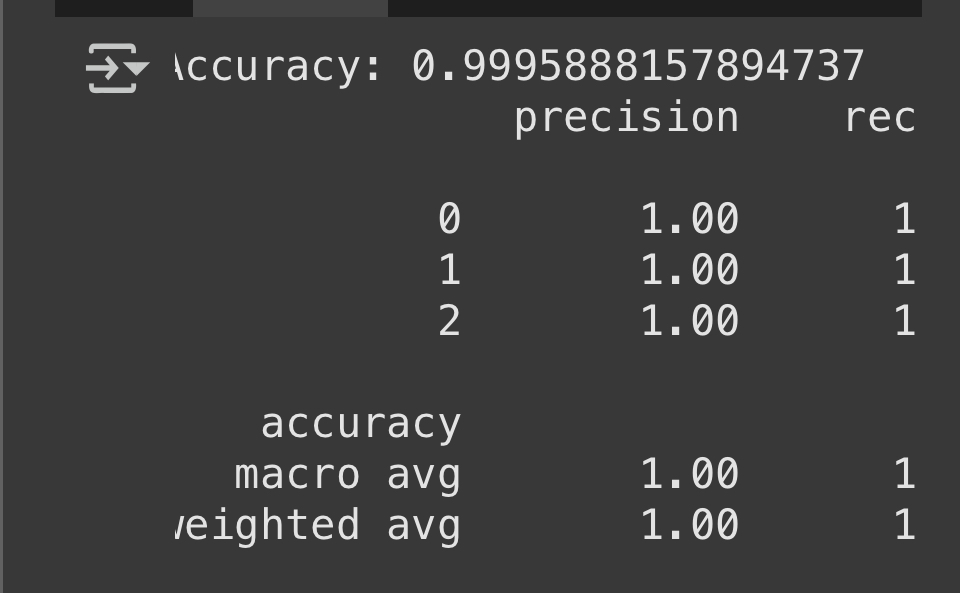
I’m proud that I built a working machine learning model using real earthquake data and achieved over 99.9% accuracy. I also visualized the results clearly and made the project easy to understand and expand in the future.
What we learned
I learned how to work with real-world datasets, build and evaluate a machine learning model, and create clear visualizations to explain the results. I also improved my Python and data analysis skills throughout the project.
What's next for Earthquake risk assistance
I plan to expand my model by creating a Telegram bot that will alert users about earthquake risks. Later, I’m thinking of developing a full application.
Built With
- folium
- google-colab
- matplotlib
- pandas
- python
- scikit-learn
- seaborn
- usgs-earthquake

Log in or sign up for Devpost to join the conversation.