
Inspiration
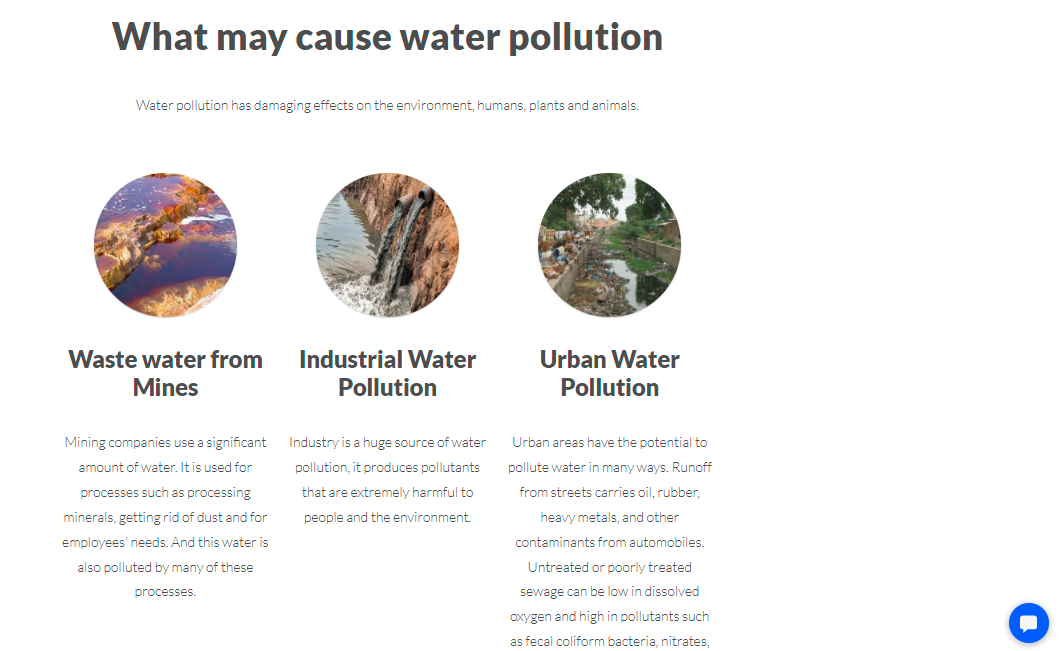
Dirty water is the world’s biggest health risk. Water that flows into rivers picks up toxic chemicals, dirt, trash and disease carrying organisms along the way. Our water sources lack basic protections from such, this vulnerability renders them susceptible to pollution and contamination. Also, strengthening water security is essential for preventing and combatting covid-19 as the world is facing this pandemic. Measures to suppress the Covid-19 pandemic, including handwashing, self-isolating and lockdowns assume that societies, communities and households have sustainable access to acceptable amounts of adequate quality water. However, across rural areas in Botswana, water insecurity is increasing, with the poorest and most vulnerable particularly at risk. As the Covid-19 pandemic is still unfolding, it is not clear what the impact on developing countries or their water security will be. Consequently, there is a need to monitor how the pandemic unfolds and assimilate lessons learned. Therefore by sharing and educating people about waster water management will ensure that quality water reaches appropriate stakeholders for use to tackle covid-19 also for healthy living as water is used on different needs of our daily lives.
How we identified the problem
Through design thinking process , we were able to brainstorm and come up with different ideas to tackle climate change in Waste water management. Information sharing may help in creating a better world for the future generations to come. We decided to work on a solution to build a platform where information about our waste water will be shared. Much of the emphasis in water resource management has revolved around ensuring that users should have not only enough water but desirable water quality too. The issue of water quality can play a dominant role when the available water gets scarce and scarce. Water availability is only as good as the quality of that water. Therefore, both quantity and quality need to be considered in detail and they can no longer be managed in isolation of each other.
What it does
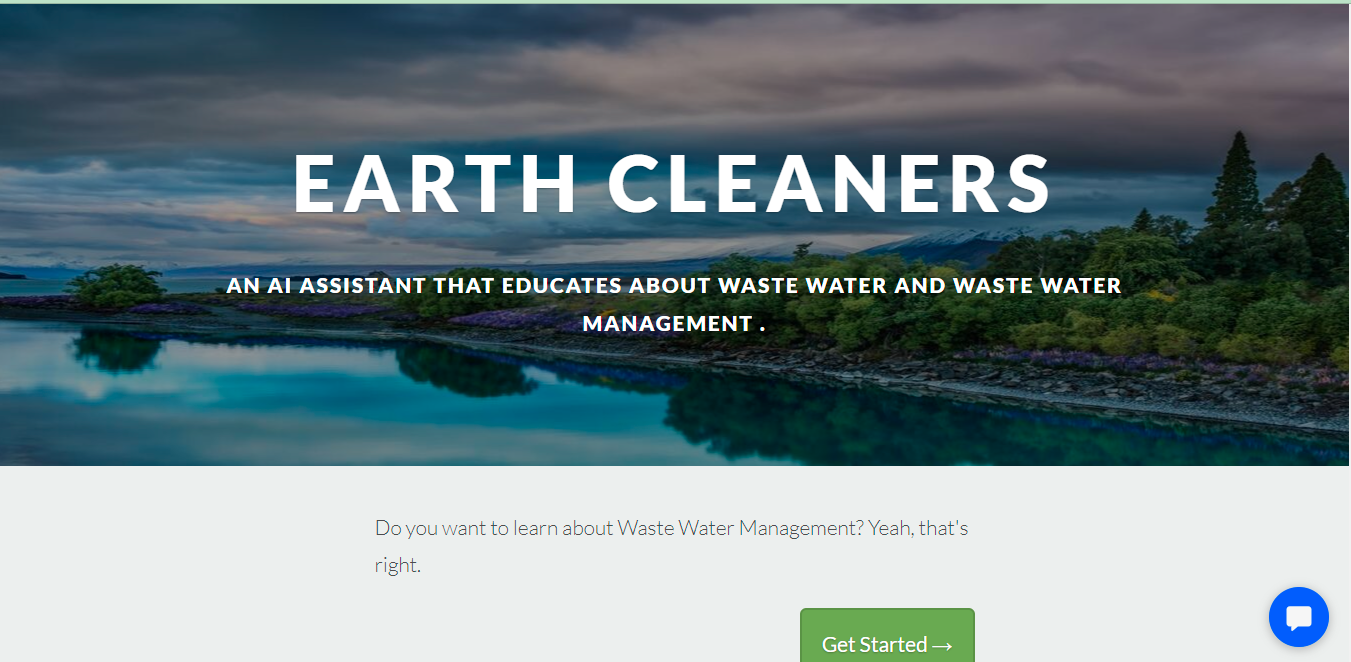
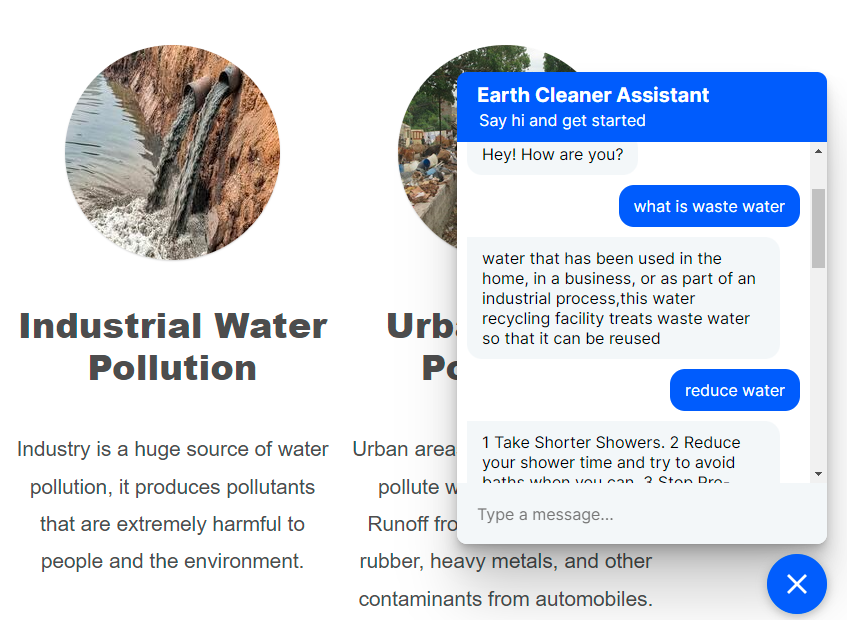
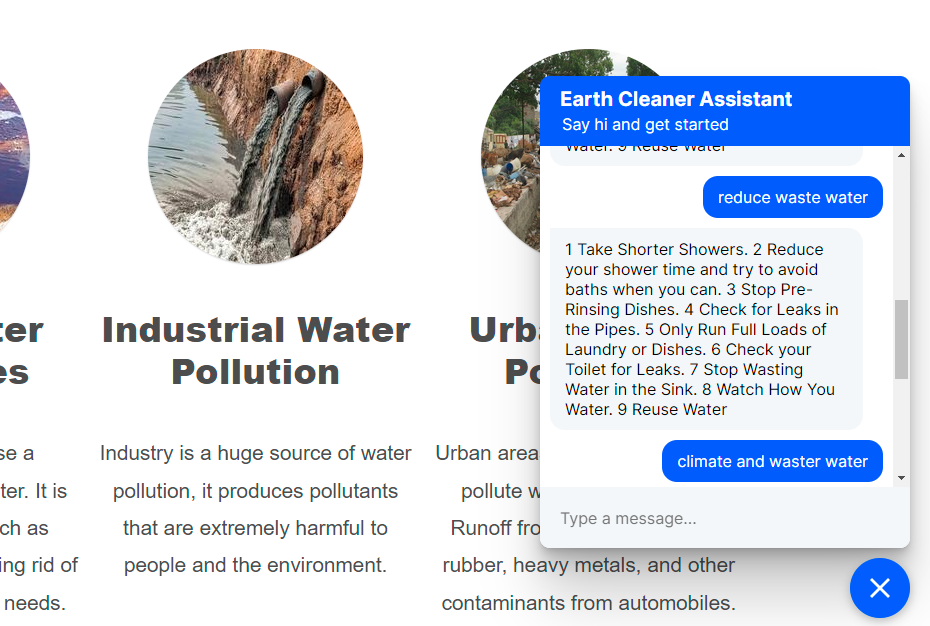
An Assistant that will teach about waste water and waste water management
How we built it
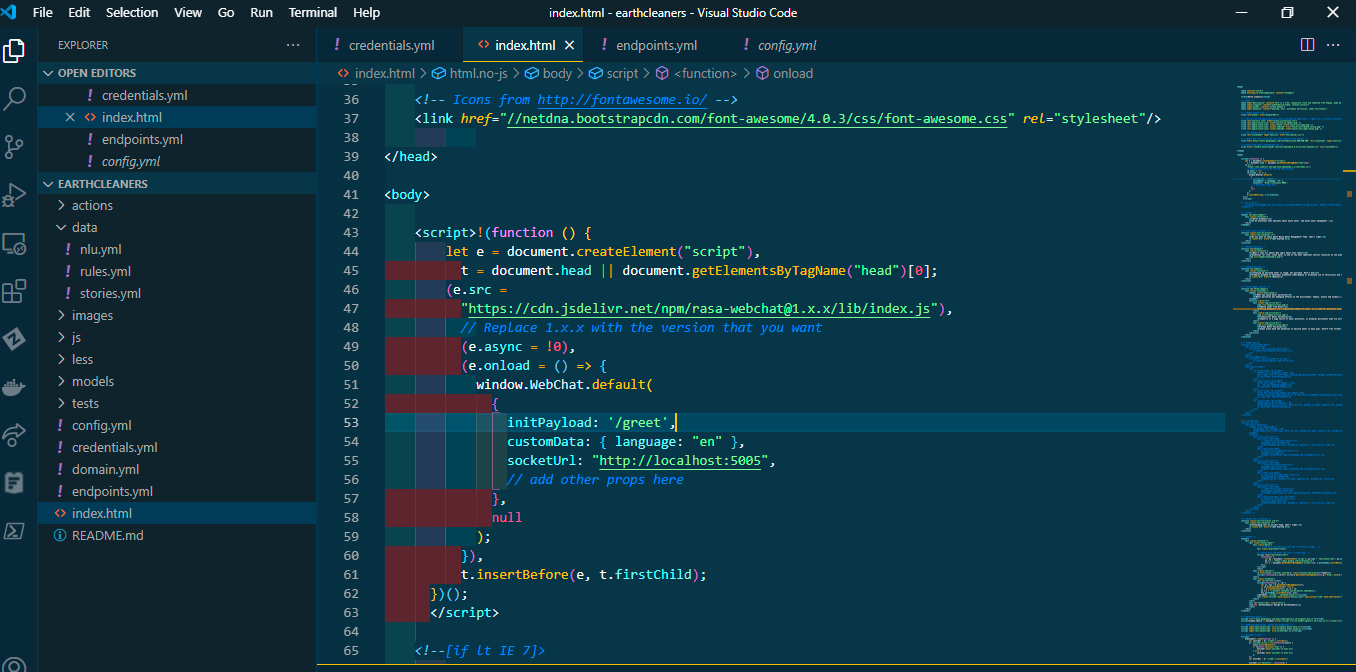
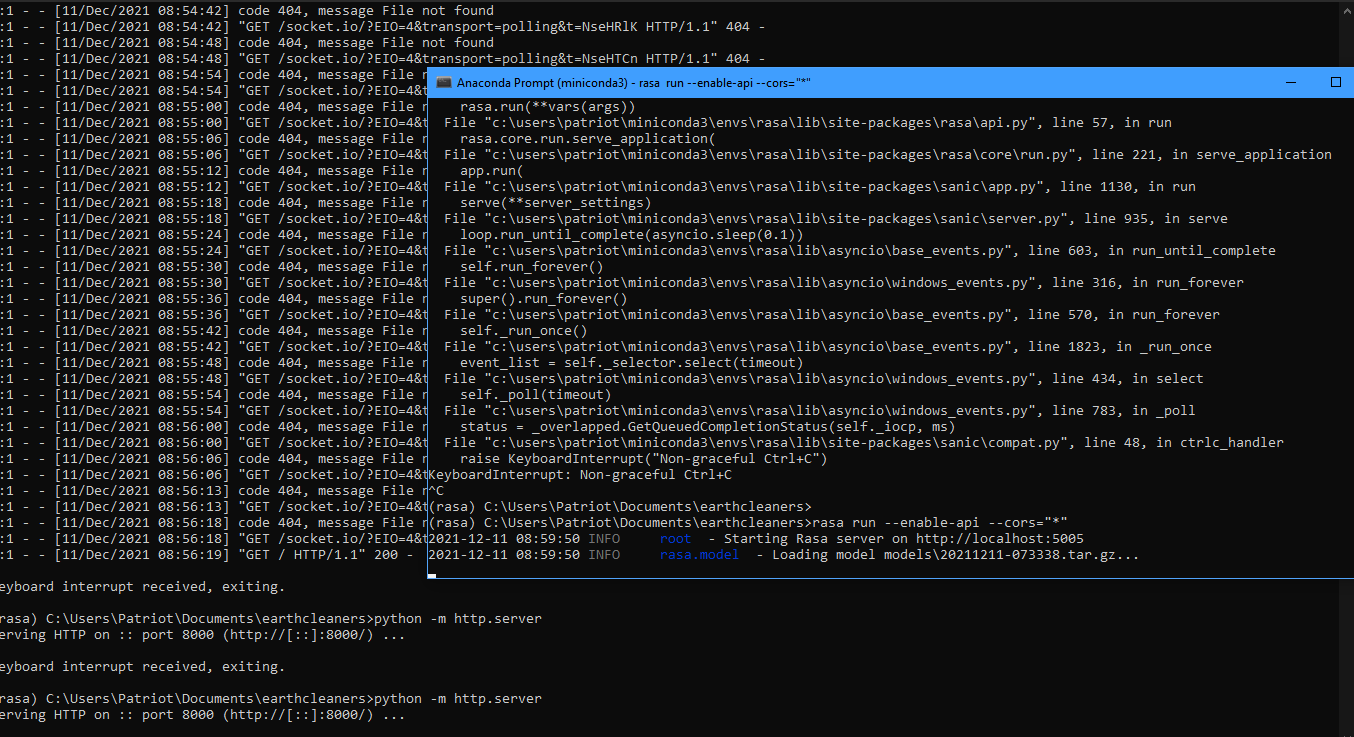
Use of Rasa platform to build an AI Assistant that will answer questions about waste water management and how it is related to climate change.
Challenges we ran into
Working with a new API or the Rasa platform that we had any prior experience working. This setback our progress as we had to adapt and learn the new API. The program has not yet been fully tested as it requires testing, also data collecting to support how we want our program to work gave us a tough time.
Accomplishments that we're proud of
We were able to research, ideate and develop a substantial idea/concept that can be impactful to human lives, as it would help preserve human lives by educating about waster water treatment and waste water management. Utilizing new technology and new sources of API
What we learned
Rasa platform

Log in or sign up for Devpost to join the conversation.