-
-
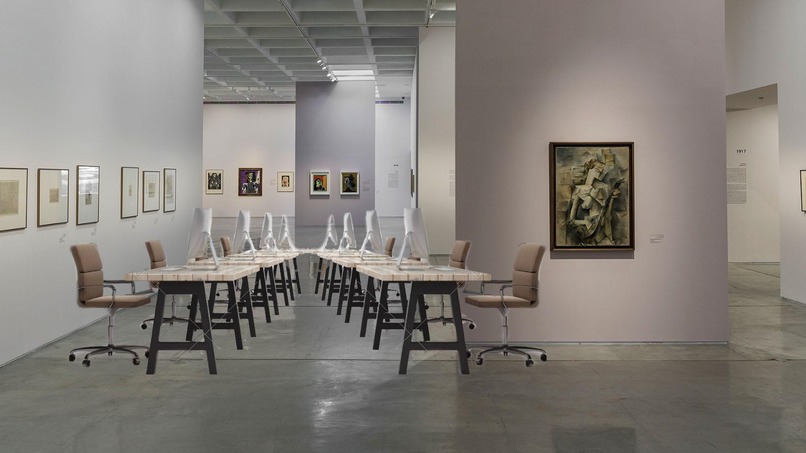
Hybrid modular solution
-
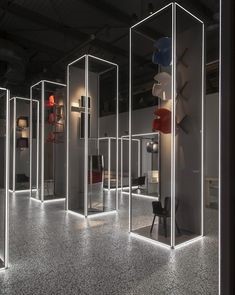
generic natural demos - embedded elements in museums for different uses1
-
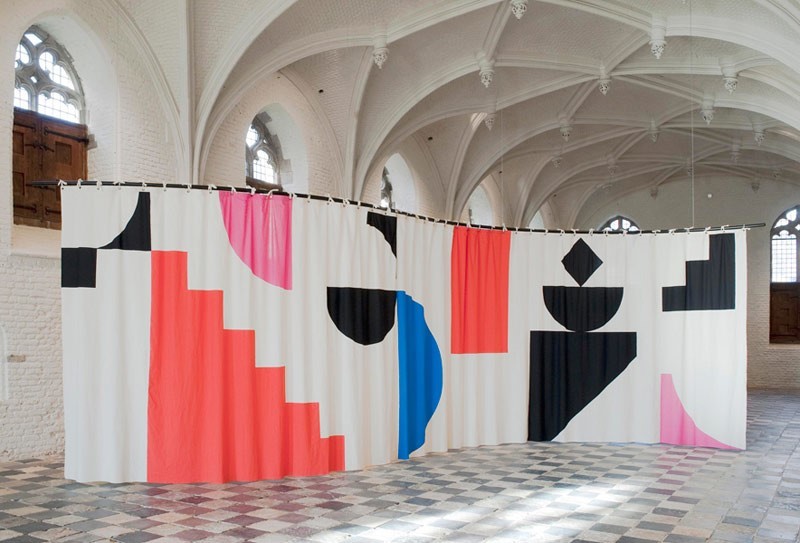
generic natural demos - embedded elements in museums for different uses2
-
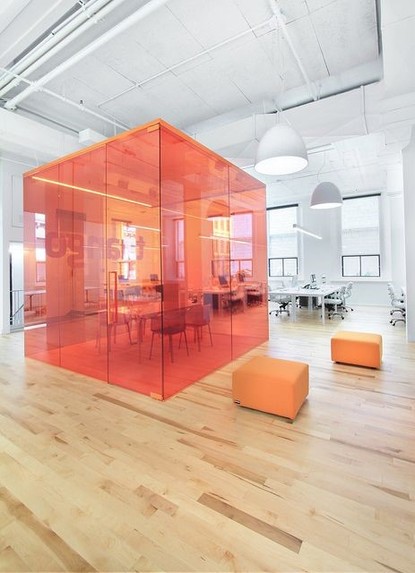
generic natural demos - embedded elements in museums for different uses3
-
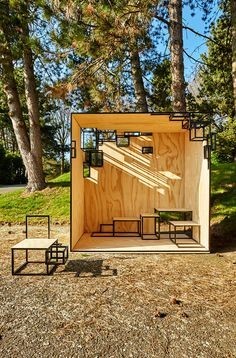
generic natural demos - embedded elements in museums for different uses4
-
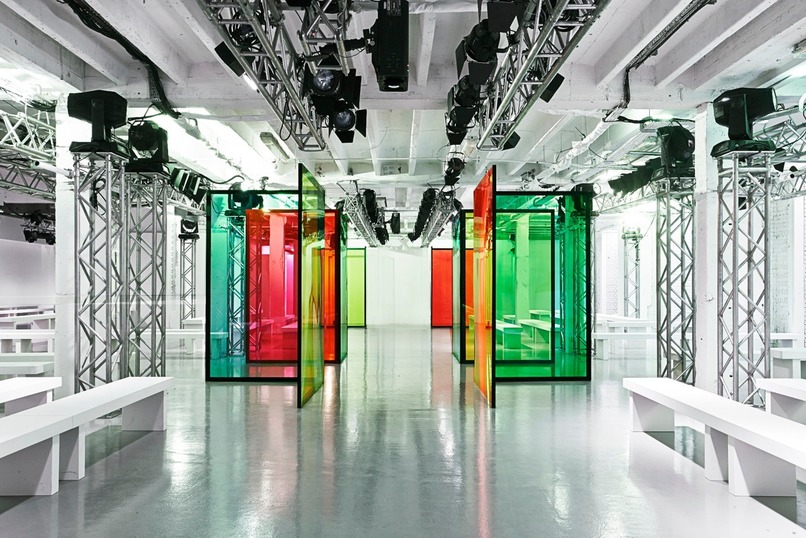
generic natural demos - embedded elements in museums for different uses5
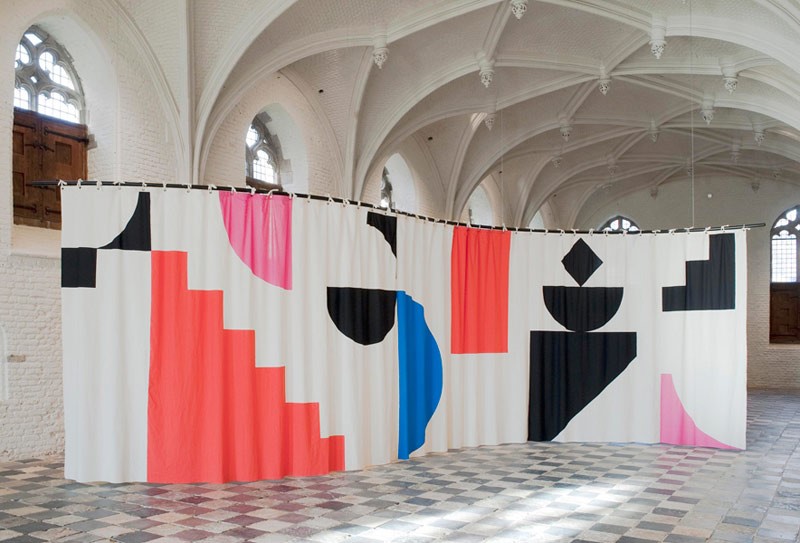
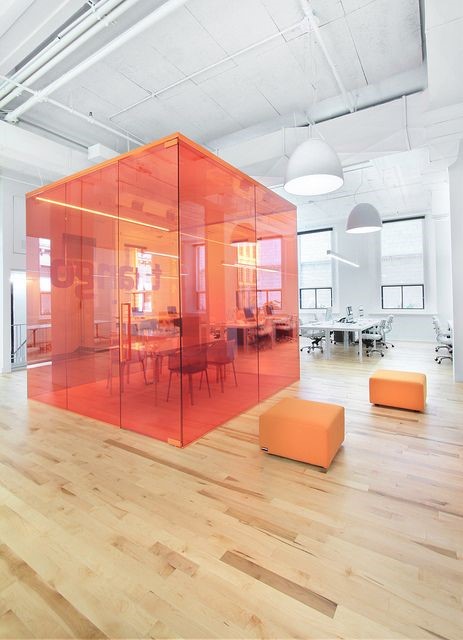
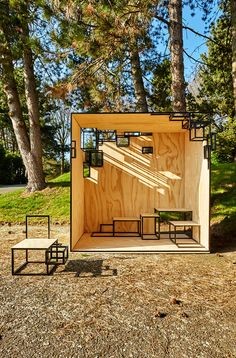
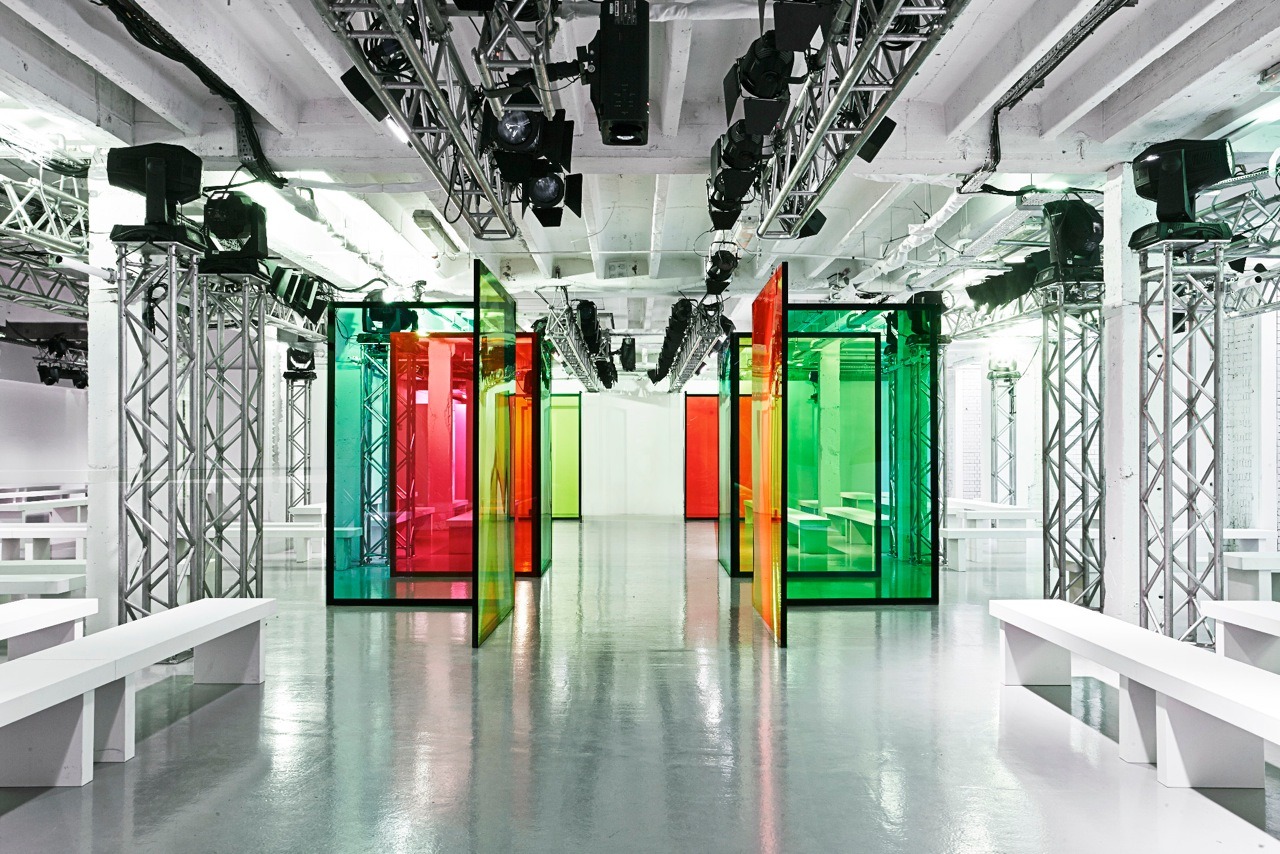
Inspiration
Our initial inspiration came from the “Paradores de Turismo de España”, a chain of Spanish luxury hotels that are classified as 'Esentia' - monumental and historic hotels, which are often located in adapted castles, palaces, fortresses, convents, monasteries and other historic buildings that add to the attractions of heritage tourism and provide uses for large historic buildings. Without the Paradores, many of these historic buildings would have been neglected and abandoned. Though there is a debate whether such a commercial use of historic monuments is appropriate, there is no doubt that the sustainability of these monuments was promised and secured by this initiative.
What it does
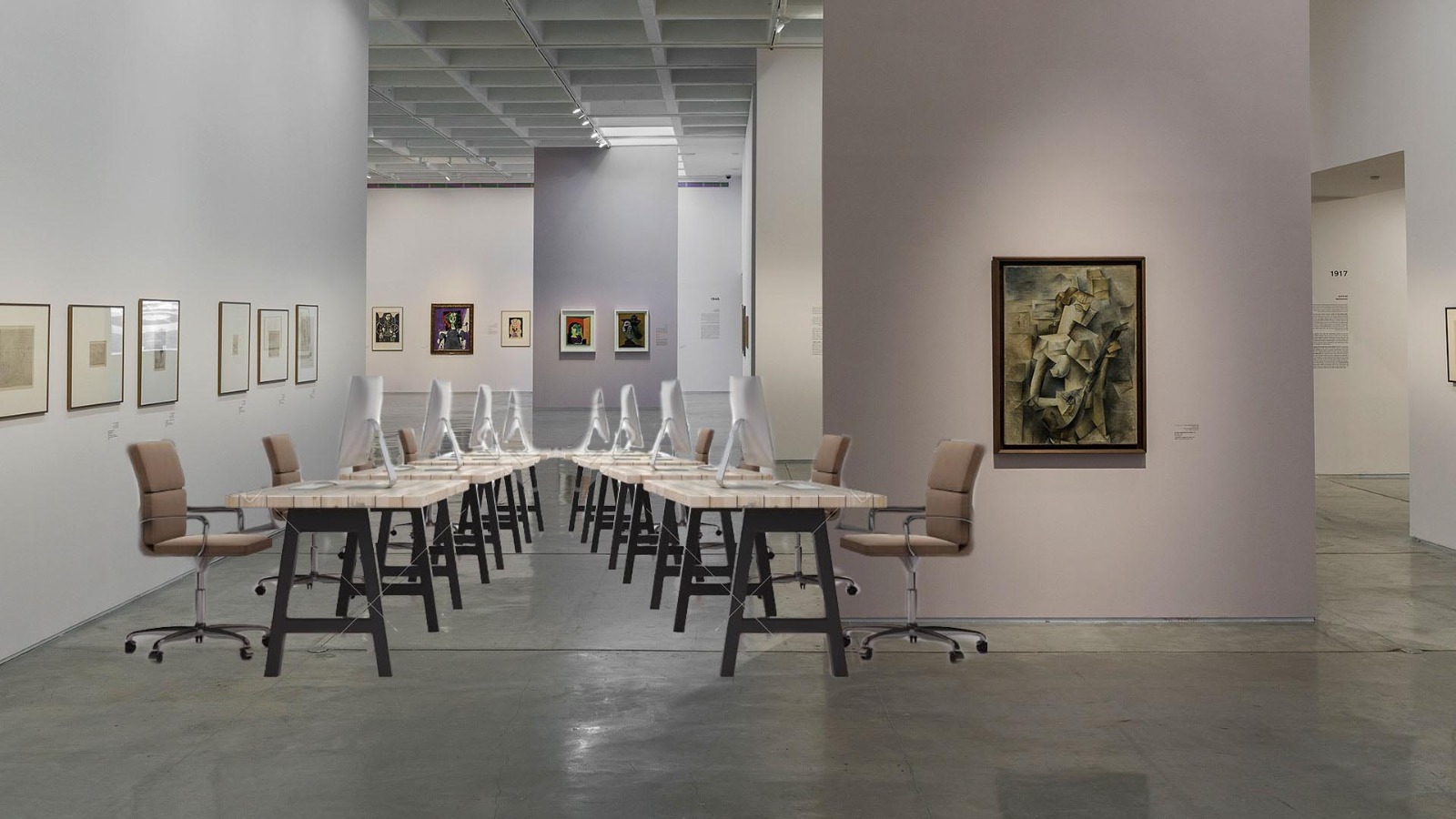
Hybridizing Museums into sharing economy co-working spaces will help them in surviving the financial crisis created by the COVID-19 and its ongoing consequences. The museums’ coworking space will be rented to corporates, thus creating an alternative cash-flow source to the traditional sources that are collapsing now due to the CORVID-19 crisis. It is based also on the need of corporates to hire extra co-working spaces in order to sustain their work, and the common problem both museums and corporates will share in the post-quarantine period regarding the restrictions on the numbers of visitors and employees allowed to enter exhibit halls and offices, respectively.
How I built it
Most of the time by investing time and effort in… thinking and debating. And of course, some time also in developing the solution itself. After identifying the crucial problem that we would like to tackle we spent half of the hackathon time to analyze it, to find data about budgets and financial resources of museums, and inquire about the possible business model our solution can offer. The second half of the hackathon was devoted to developing the business model and the rational for the solution. We realized the sensitivity of some important stake holders regarding the involvement of commercial elements in the museum. Still, in all of our interviews and data collection we heard sincere worry about the fate of the museums after the current crisis, and a willing to compromise in order to secure their survival. Then we validated our assumptions and created a business model, timeline for the project, objectives, etc., that will direct us through the launching of our project. We also interviewed many professionals related to our project and recruited the first circle of potential employees and contractors, that will be able to promote our task within a few weeks. We drilled down into models of designing and creating a museum, as well as of coworking spaces. We analyzed the design of buildings and structures that appeared in the internet, and consulted with architects, designers, and real estate entrepreneurs how to plan our moves forward. We feel ready to launch the project, starting with 3 museums in Israel, connecting them with constructors and designers on the one hand, and with large companies that seek for new coworking spaces for their employees on the other hand.
Challenges I ran into
The first and most important challenge we had was giving up our initial solution and move on to this current one. This pivot was painful and took time, but it was worth it in order to move us on. We agreed that the current solution is much more social oriented and therefore is more appropriate for the current hackathon. So only late on Friday evening we did the actual pivot and started to work on the current solution. The second challenge was to estimate the expenses needed, for example in running an average museum, in understanding how deep is the budget crisis of the industry, and how much demand in the market for coworking space we can predict, when the project launches, considering that not only museums are in trouble and have available space for renting.
Accomplishments that I'm proud of
We worked around the clock on a mission that seemed impossible to accomplish in the time limit of the hackathon, and hear we are, still a few hours before the deadline, but almost ready to submit.
What I learned
We learned that a spontaneous process, like the one we went through, could be sometimes more productive and successful than a well planned and designed project. We invested a lot of time during the past week on our initial idea that was left aside on Friday night. Nevertheless, we achieved results, and we are not sure whether we would have ended with better results even if were started a week ago.
What's next for eArtCoop
First, we must recruit a much larger team in order to actualize our project, and we hope to succeed to do so within a month. However, when we have enough time, we would probably get back to our initial idea and actualize it as well.
The link to the pitch: https://youtu.be/gqWSLTwZfhk


Log in or sign up for Devpost to join the conversation.