Inspiration EarlyCare was inspired by the reality that poverty and hunger remain major barriers to healthcare access and healthy lives worldwide. Millions face late or missed diagnoses due to lack of money, information, or local medical expertise. EarlyCare’s mission is to break this cycle by bringing affordable, reachable health diagnostics to those most in need—empowering communities to detect disease sooner, avoid preventable complications, and manage their health regardless of location or income.
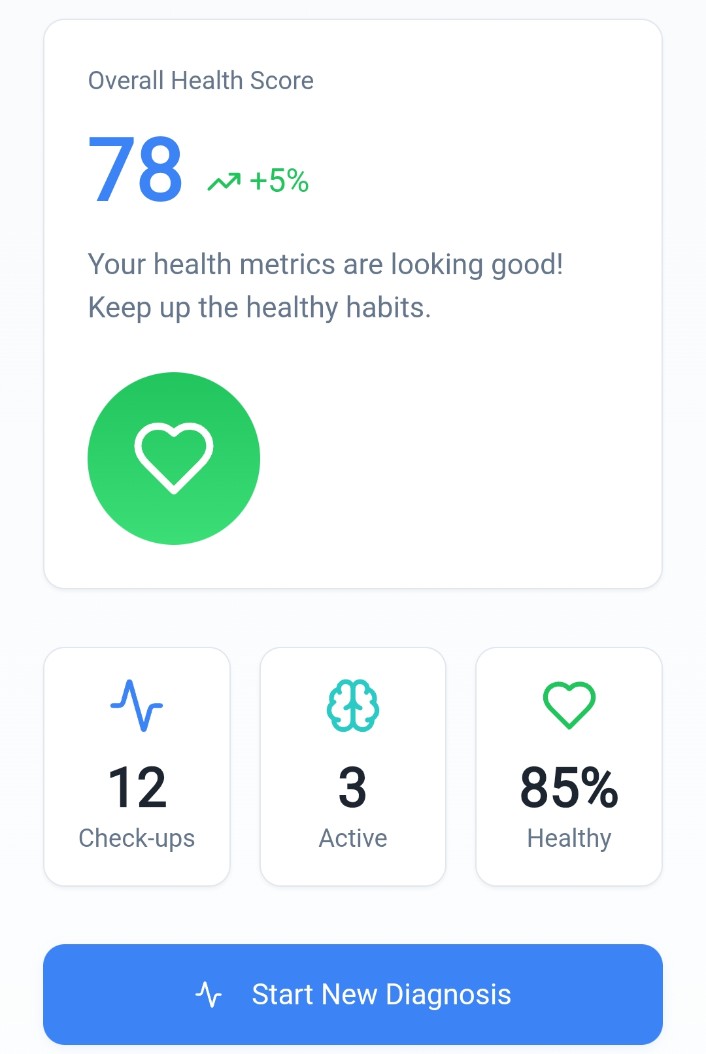
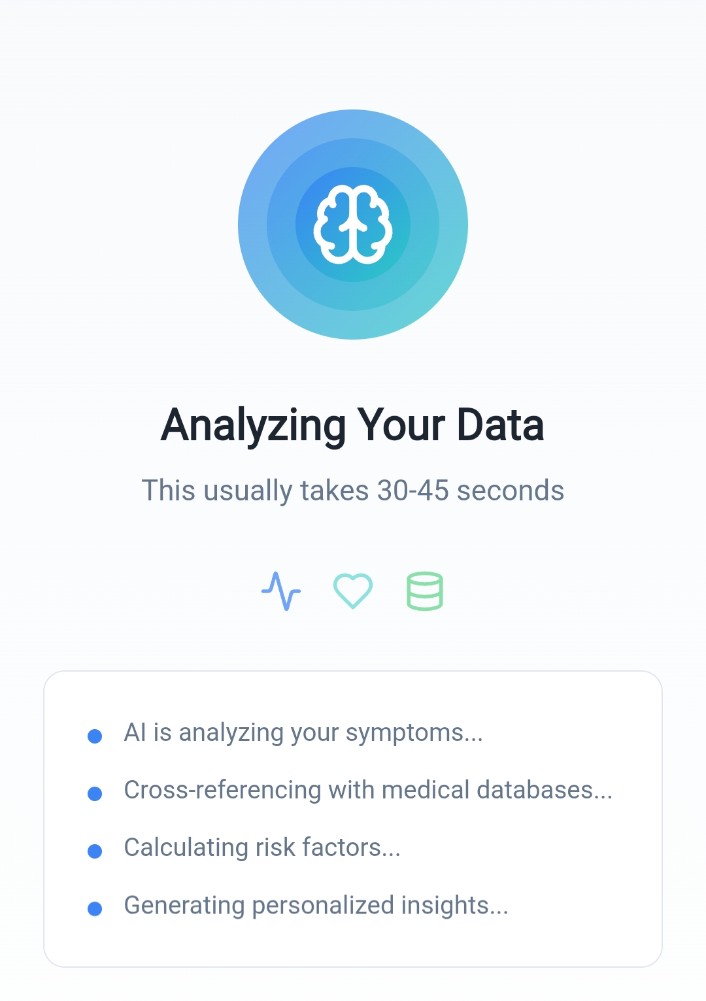
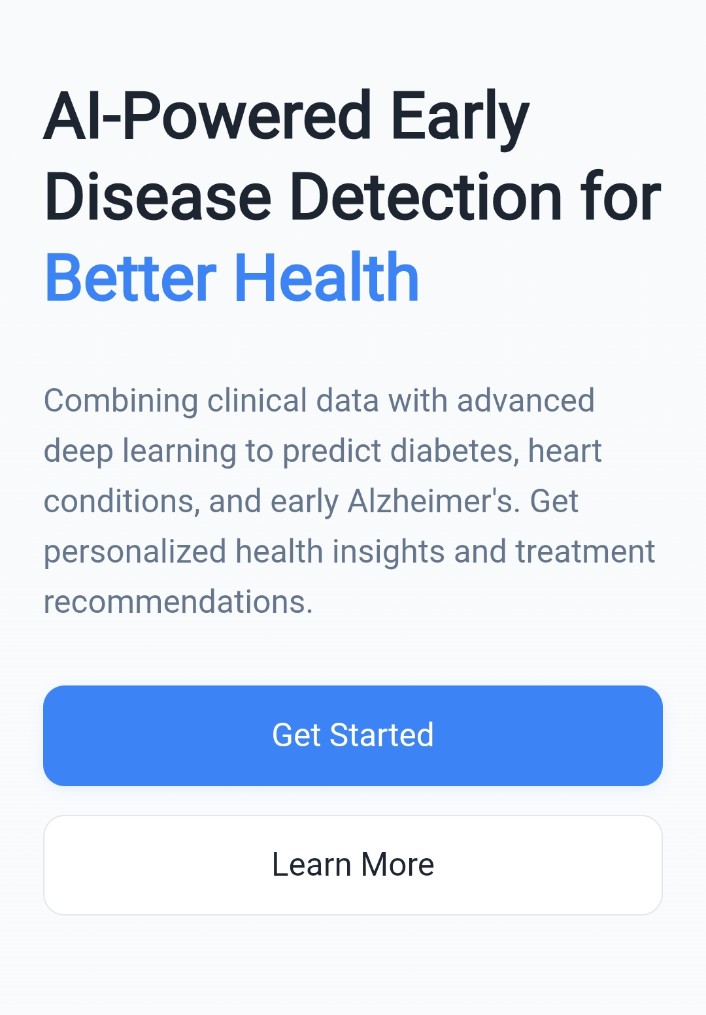
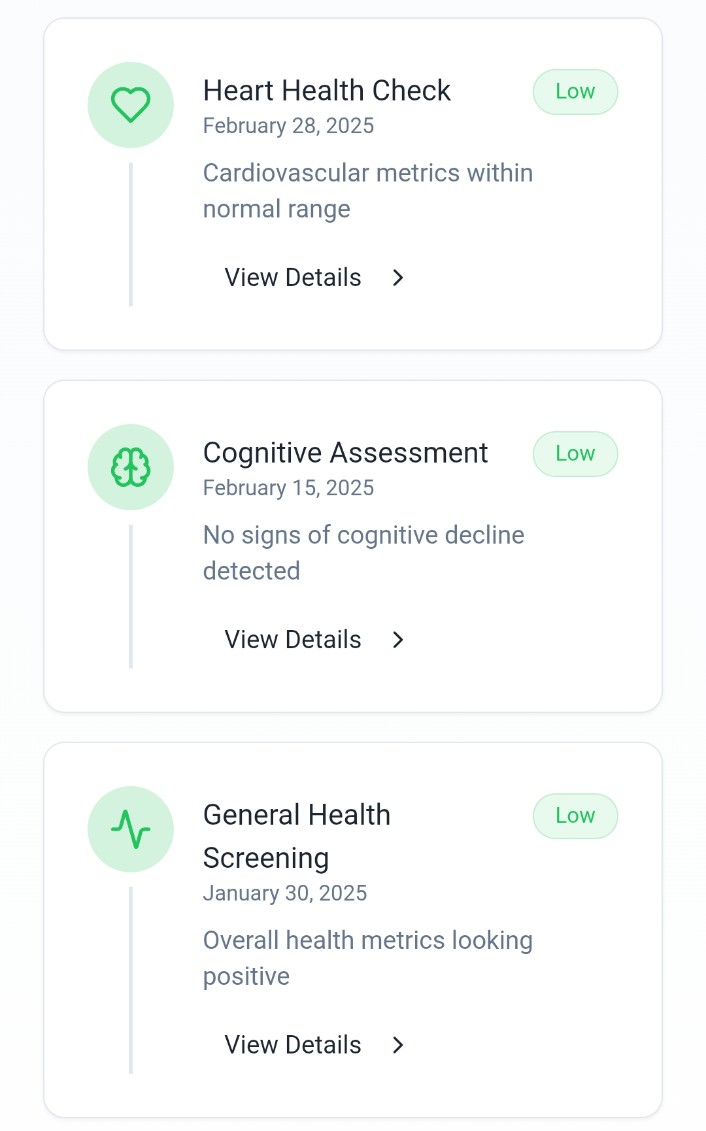
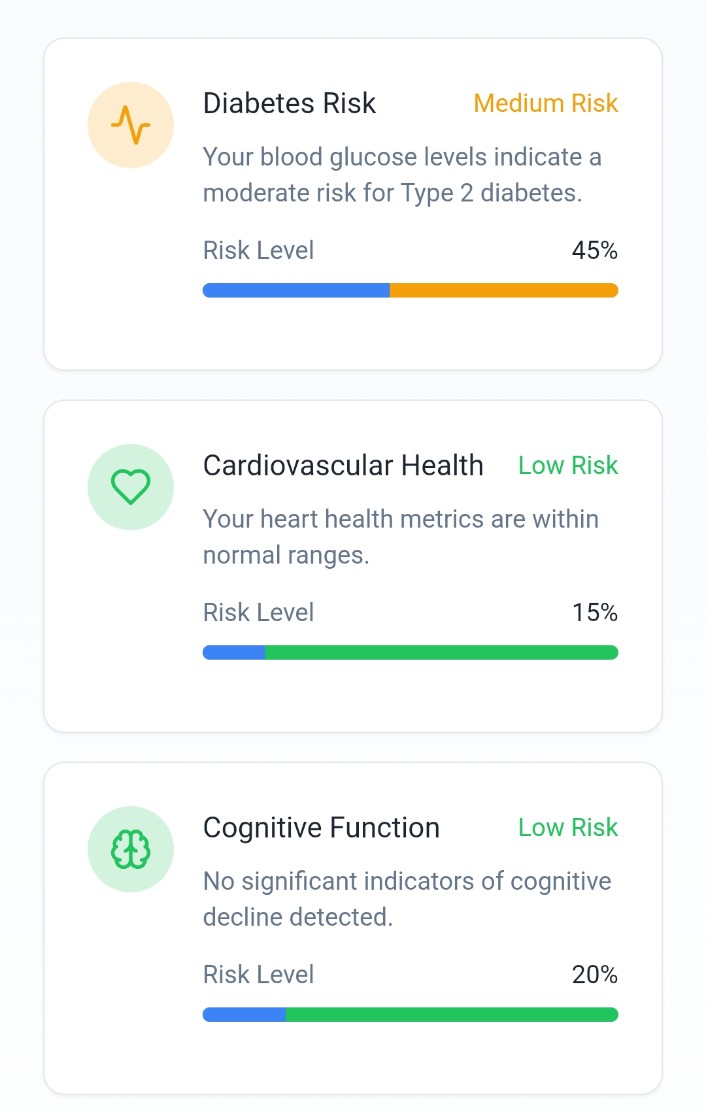
What it does EarlyCare securely collects a wide range of health data (symptoms, basic nutrition info, medical records, sensor readings, even photos) and analyzes it with AI models. It flags early warning signs of key diseases aggravated by poverty and hunger—like diabetes, heart conditions, and malnutrition. The app then generates simple reports and custom recommendations in local languages, guiding users toward healthy choices and preventive care. For service providers and NGOs, EarlyCare offers population analytics to plan health and nutrition interventions where they are needed most.
How we built it EarlyCare is built with Python and TensorFlow for core AI features, securing patient information and maintaining privacy throughout all data flows. React Native powers a mobile-first front-end for easy use in low-resource settings. The underlying models are trained on diverse, anonymized data—including social and nutritional factors—making them suitable for communities facing economic hardship or food insecurity. RESTful APIs and microservices enable seamless integration with local clinics, outreach workers, and nutritionists. Every element was designed for reliability, security, and adaptability to different global standards.
Challenges we ran into 1)Finding large sets of health and nutrition data annotated for underserved populations was hugely challenging due to privacy concerns and the diversity of local contexts. 2)Addressing bias: Models had to be rigorously adapted to ensure fair predictions among low-income and vulnerable groups, where health profiles differ substantially from wealthier populations. 3)Ensuring the app worked on basic phones and intermittent internet connections required creative engineering. 4)Building trust—users and stakeholders needed transparency about how the AI made its recommendations, especially given the risks of misdiagnosis among the poorest.
Accomplishments that we're proud of 1)EarlyCare’s pilot projects enabled rapid disease screening for hard-to-reach rural villages and urban slums, resulting in earlier treatment and reduced healthcare spending for families at risk of poverty. 2)Developed malnutrition detection algorithms that alert caregivers and NGOs before emergencies arose. 3)Created a truly accessible multilingual interface for low-literacy populations. 4)Formed partnerships with community health workers and local organizations to deliver targeted nutrition and disease interventions.
What we learned 1)Interdisciplinary design is vital: combining technology, public health, and social work leads to more effective solutions for poverty and hunger. 2)Data diversity and ongoing feedback from real users are essential for making diagnostics genuinely inclusive and actionable. 3)Trust and simplicity win adoption—users value when health tools are easy to use and clearly communicate risks and solutions.
What's next for EarlyCare 1)Widen disease coverage—especially nutrition-related conditions in children and mothers to further address SDG 2. 2)Expand partnerships with NGOs focused on poverty alleviation for larger-scale screening and follow-up interventions. 3)Integrate offline capability and SMS-based reporting for even broader reach. 4)Deploy explainable AI modules so health workers and families can understand and trust app decisions. 5)Launch ongoing research and monitoring programs, keeping EarlyCare updated for complex, fast-changing SDG challenges.
Built With
- api
- express.js
- nextjs
- postgresql
- python
- react
- streamlit
- supabase
- typescript
- vercel
- vite

Log in or sign up for Devpost to join the conversation.