-
-
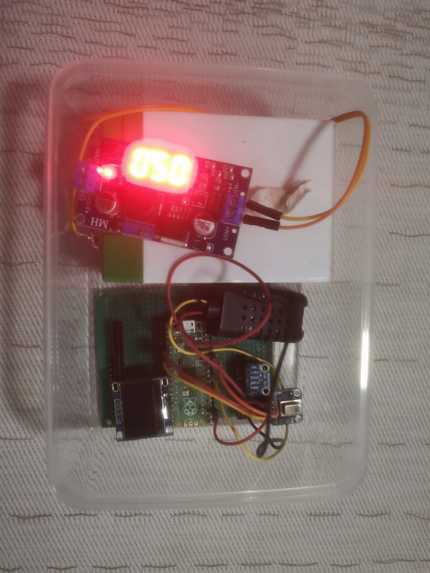
hardware
Inspiration:
Tomato farming, especially in resource-limited settings like rural regions of Sub-Saharan Africa (SSA), is highly vulnerable to the damaging effects of bacterial and viral diseases. Pathogens such as Ralstonia solanacearum (which causes Bacterial Wilt), Xanthomonas spp. (responsible for Bacterial Spot), Tomato Mosaic Virus (ToMV), and Tomato Yellow Leaf Curl Virus (TYLCV) are among the leading causes of crop loss worldwide [7]. These diseases often go unnoticed during their incubation periods, with visual symptoms such as chlorosis, necrosis, wilting, or leaf curling appearing only after significant internal damage has already occurred [8].
What it does:
Map real-time crop leaf temperatures and stress to predict different crop diseases before visual signs appear.
How we built it:
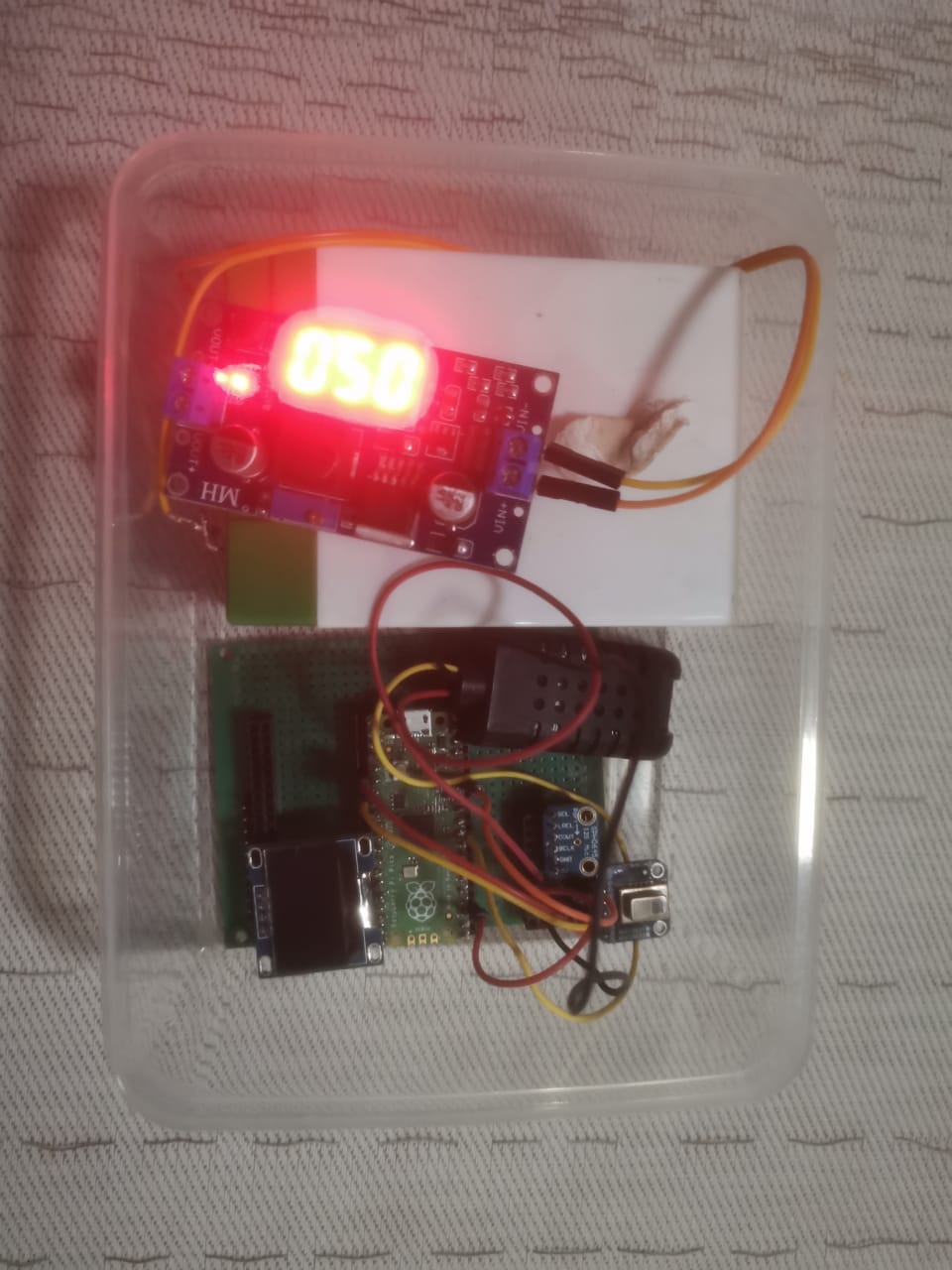
We built EdgeAI-enabled prototype designed to detect early signs of physiological stress in tomato plants. The system combines thermal imaging, environmental sensing, and a lightweight neural network model deployed on a Raspberry Pi Zero. It integrates data from an AMG8833 thermal camera, a 7-in-1 soil sensor, and a DHT11 ambient sensor. The model, optimized through quantization and pruning, runs locally as a .tflite file without requiring internet connectivity.
Challenges we ran into
Design challenge due to the following constraints:
Power Consumption Smallholder farms often lack stable access to electricity. Therefore, the system must operate on low power, preferably using energy-efficient components such as the Raspberry Pi with power-saving features, and optionally integrate with solar or battery-based sources.
Data Availability and Quality The effectiveness of any machine learning model depends on the availability of high-quality, labelled data. However, there is limited open-access thermal and soil sensor data linked to early tomato disease symptoms. This constraint was addressed through a combination of simulated stress testing and manual labeling during model training.
On-Device Computation Relying on cloud-based processing is impractical in most rural settings due to limited or unreliable internet access. Therefore, the prototype is designed to perform on-device inference, which necessitates the use of lightweight neural network models. To meet this constraint, the model is optimized through pruning and quantization, allowing it to be deployed in a TinyML-compatible .tflite format that runs efficiently on the Raspberry Pi Zero.
Connectivity Many farming communities operate in regions with poor or intermittent internet access. As such, the system was designed to function entirely offline, with optional modules for syncing to the cloud (e.g., via Wi-Fi or LoRa) only when needed or available.
Environmental Robustness Sensors deployed in the field must withstand dust, moisture, temperature fluctuations, and mechanical disturbances. Hardware components were selected based on durability and compatibility with protective casing or housing, ensuring reliable performance in outdoor environments. User Accessibility To accommodate farmers with limited technical skills, the system provides clear, local alerts via an OLED display showing messages like “Healthy” or “Disease Risk.” For remote notification, it integrates with the Twilio API to send SMS alerts, ensuring timely updates even without internet access. Where connectivity is available, sensor data and AI predictions are synced to a Grafana dashboard, accessible via the web for real-time visualization by farmers, researchers, or extension officers. This multi-channel approach ensures the system remains simple, informative, and adaptable to different user needs.
Accomplishments that we're proud of
Low computation memory, with only 3K
What we learned
predicted crop diseases before they become visible, which can reduce chemical utilization and increase disease resistance, for practical application programs and environmental protection.
What's next for Early Warnings: Low-cost Edge AI-Driven for crop Disease
test under different agrocological conditions.

Log in or sign up for Devpost to join the conversation.