-
-
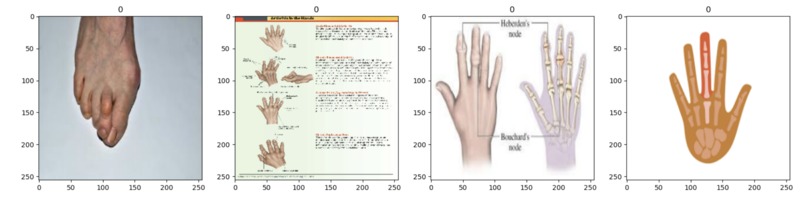
sample imaging
-
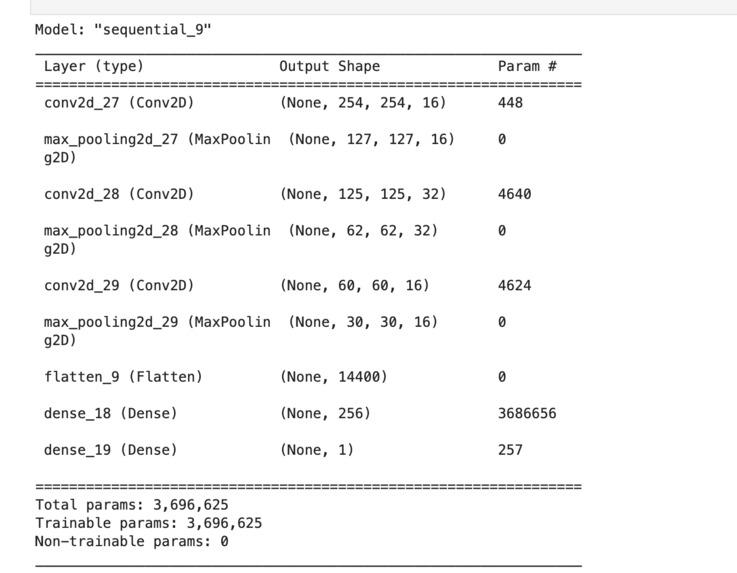
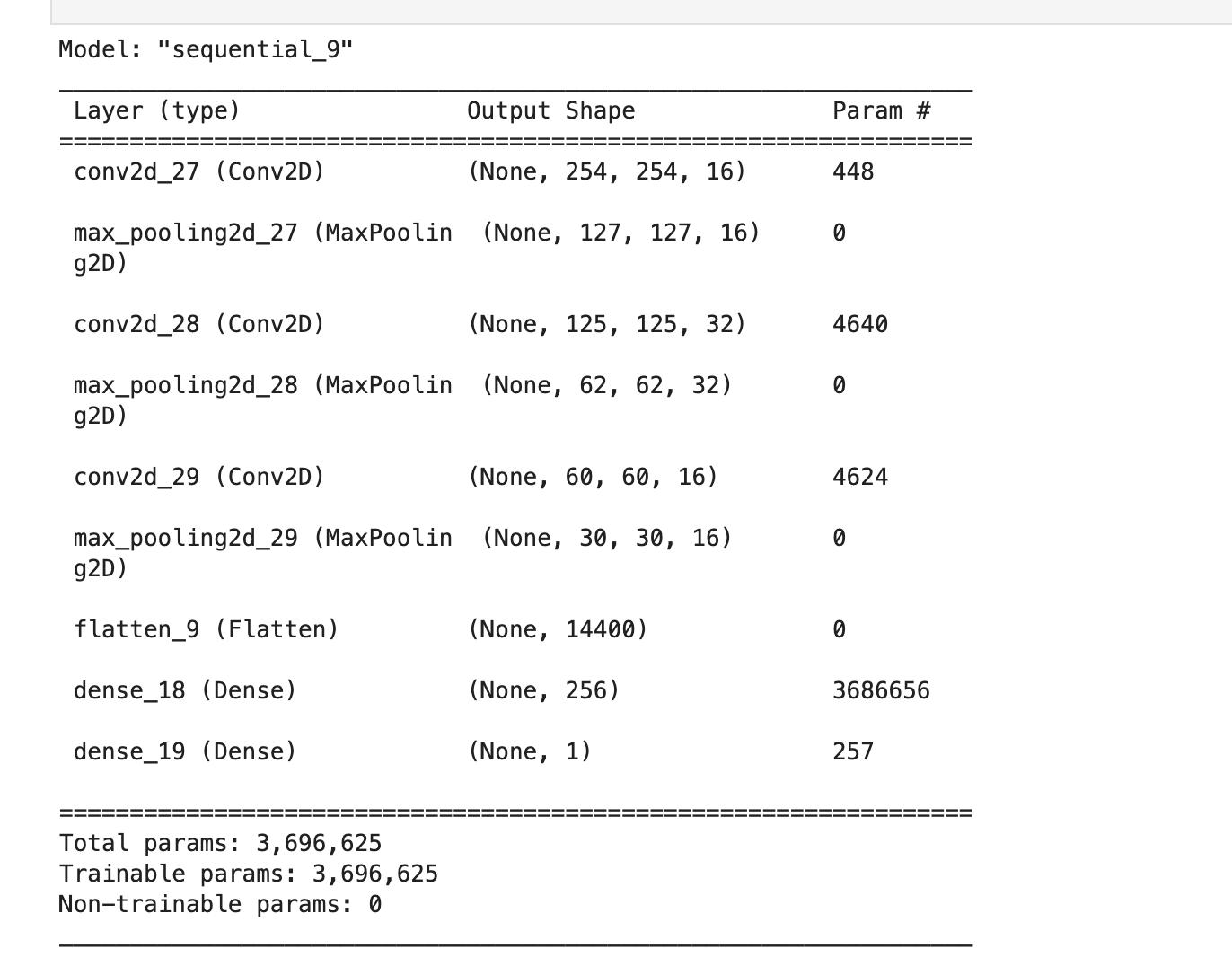
parameter
-
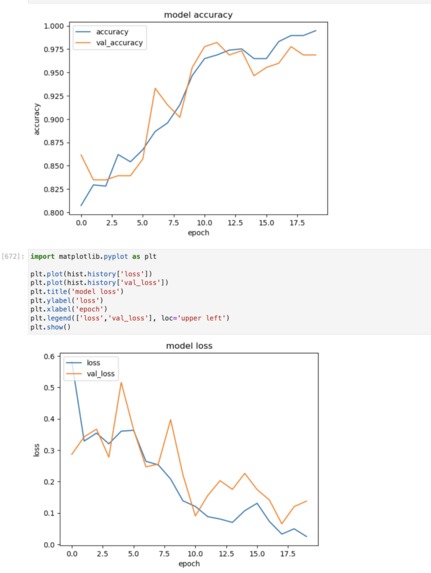
accuracy + loss
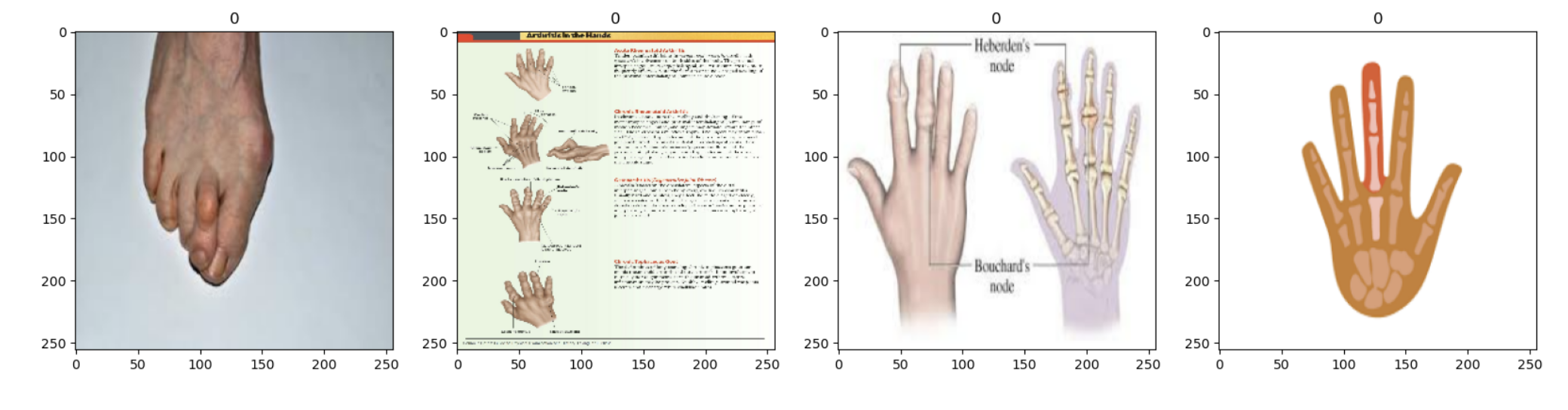

Inspiration
The inspiration for this project came from my personal experience with rheumatoid arthritis (RA). My mother was diagnosed with RA when she was 43 years old, but her symptoms started when she was in her mid-thirties. The delay in her diagnosis made me realize the importance of early detection and diagnosis of this chronic autoimmune disease.
What it does
The project focuses on exploring the potential of deep learning in the early detection and diagnosis of RA. Specifically, it aims to use deep learning algorithms to analyze medical images, such as joint images, and identify patterns and features that are indicative of RA. The project also explores the use of other data sources, such as electronic health records and patient-reported outcomes, to improve the early detection and personalized treatment of RA.
How I built it
To build this project, I started by researching and understanding the basics of deep learning, including neural networks and convolutional neural networks (CNNs). I also researched and studied the medical aspects of RA, including its symptoms and diagnosis, and collected a dataset of joint images, both healthy and those affected by RA.
I then used Python and various deep learning libraries, such as TensorFlow and Keras, to build the model and analyze the images. I trained the deep learning model on the joint image dataset to learn patterns and features that are indicative of RA. I also explored the use of other data sources, such as electronic health records and patient-reported outcomes, to identify patterns and predictors of RA.
Challenges I ran into
One of the major challenges I faced during the project was scaling and greyscaling the images to ensure that they were suitable for analysis by the model. Additionally, I had to ensure that the model achieved the correct accuracy in identifying RA nodules, which required a lot of fine-tuning and adjusting the model's hyperparameters.
Accomplishments that I'm proud of
Despite the challenges, I was able to develop a deep learning model that achieved promising results in identifying RA nodules in joint images. This accomplishment gave me hope that my project could contribute to the development of innovative tools and technologies for the early detection and management of RA.
What I learned
The project taught me the importance of using technology to improve healthcare outcomes, and highlighted the potential of deep learning in medical image analysis and diagnosis, especially for complex diseases such as RA. I also learned about the challenges of working with medical images and the need for high-quality datasets in training deep learning models.
What's next for Early Detection of Rheumatoid arthritis using Deep Learning
Moving forward, I plan to continue exploring the possibilities of using deep learning in the early detection and diagnosis of RA. Specifically, I want to expand my dataset and further refine my model to improve its accuracy and reliability. I also want to explore the use of other data sources, such as electronic health records and patient-reported outcomes, to improve the early detection and personalized treatment of RA. Ultimately, I hope that my project can contribute to the development of innovative tools and technologies for the early detection and management of RA.

Log in or sign up for Devpost to join the conversation.