Inspiration
Out of 1 million cases of Parkinson's disease in America, roughly 500,000 cases go undetected. This is because there is no chemical correlation within the body with this disease, and it, therefore, is commonly mistaken with other critical conditions. The importance of detecting Parkinson's disease is to allow treatments that freeze the progression of Parkinson's disease, as there is no cure. Moreover, as the severity of Parkinson's disease develops in a person's body, the person becomes paralyzed both mentally and physically, which makes it more difficult for victims of Parkinson's disease.
What it does
My app allows early detection of and the detection of hereditary Parkinson's disease. Moreover, it can distinguish among the five different types of Parkinson's disease. With the help of alwaysAI, we were also able to create customized Parkinson's disease treatments for prevention and treatment plans.
How I built it
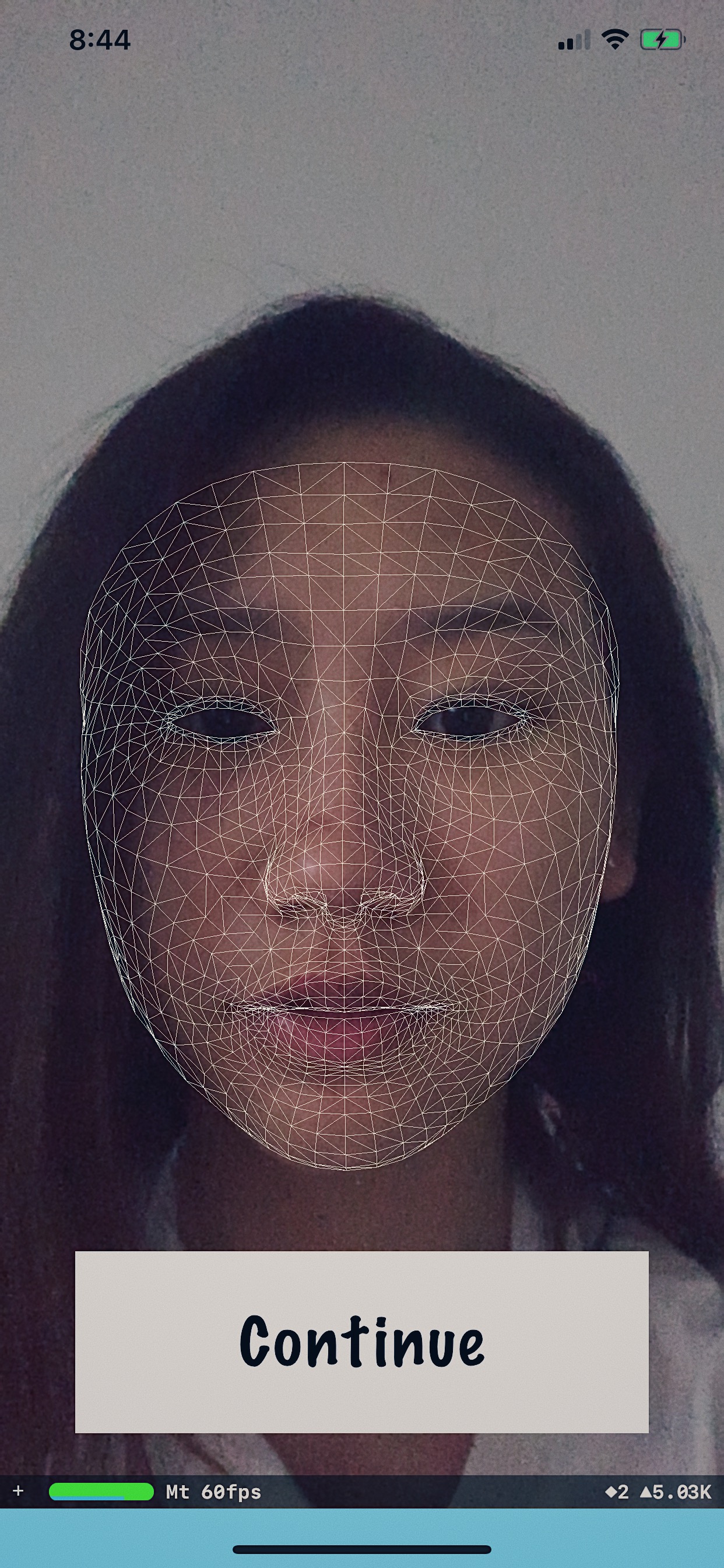
With ARkit's computer vision tool, I can track the precision, latency, velocity, and the gain of eye movement. With the analysis of datasets online ARkit's computer vision tool, the app tracks the user's horizontal and vertical eye movement and compares it to datasets from scientific journals. The treatment plan embedded in my app emphasized balance and rigor, which disallows cells from dying.
Accomplishments that I'm proud of
This is my first time exploring computer vision and thought it was going to be impossible. However, through the 36 hours of coding, I was able to experiment with the abilities of computer vision and the data it provides. Then, I used the data to measure the micro-movements of the eye. I also implemented my own algorithms to apply my knowledge on the parameters of eye movements.
Challenges I faced
The biggest challenge was accurately tracking the point in 3D space the user was looking at, and running calculations in 3D vectors in order to analyze the user's eye movements. In the end, I accomplished it with the use of several functions from iOS and ARKit libraries.
Ethical Considerations
As my app takes a video of the user's face to use with AR, privacy is an important concern. On top of that, my app can potentially contain sensitive medical information, which could add additional stress to victims of Parkinson's Disease. To solve these problems, I removed or modified all components of my app which required Internet access. For example, the information on the different forms of Parkinson's disease is stored on the phone itself, instead of mirroring a webpage. Furthermore, the video of the person's face is analyzed in real-time to ensure that no video needs to be stored on the phone even temporarily, eliminating a possible avenue of attack from malware.
What I learned
On the technical side, I learned to apply computer vision and can easily incorporate different APIs. More importantly, as computer science is a field that requires continuous learning, I was able to develop the mindset of continually facing both big and small challenges when I run through problems.
What's next for EarlyDeTech
Having grandparents who have suffered from being severely paralyzed and were unable to express both physical and mental pain, I cannot imagine the pain someone of a patient with Parkinson's disease. With early detection and treatment, I aim to perfect the detection of eye movement through the lens of our everyday devices. I want this application to be accessible to everyone in the world so that this disease does not go unnoticed through medical scans until it is too late to be cured.

Log in or sign up for Devpost to join the conversation.