E-Waste Marketplace
A trusted discovery layer for recyclable electronic waste
Inspiration
The idea for E-Waste Marketplace came from noticing a contradiction in sustainability: recyclers often have the capacity to process more material, yet massive amounts of e-waste still end up landfilled, exported, or forgotten in storage. The issue wasn’t recycling technology — it was discovery.
E-waste supply is scattered across schools, offices, warehouses, and small organizations. Recyclers usually rely on cold calls, brokers, or informal networks to find material. This process is slow, inefficient, and unreliable. We realized that if recyclers can’t see available material — or can’t trust what they see — recovery simply doesn’t happen.
What It Does
E-Waste Marketplace is a platform that helps people and organizations sell e-waste online — but with a critical difference: trust is built into discovery.
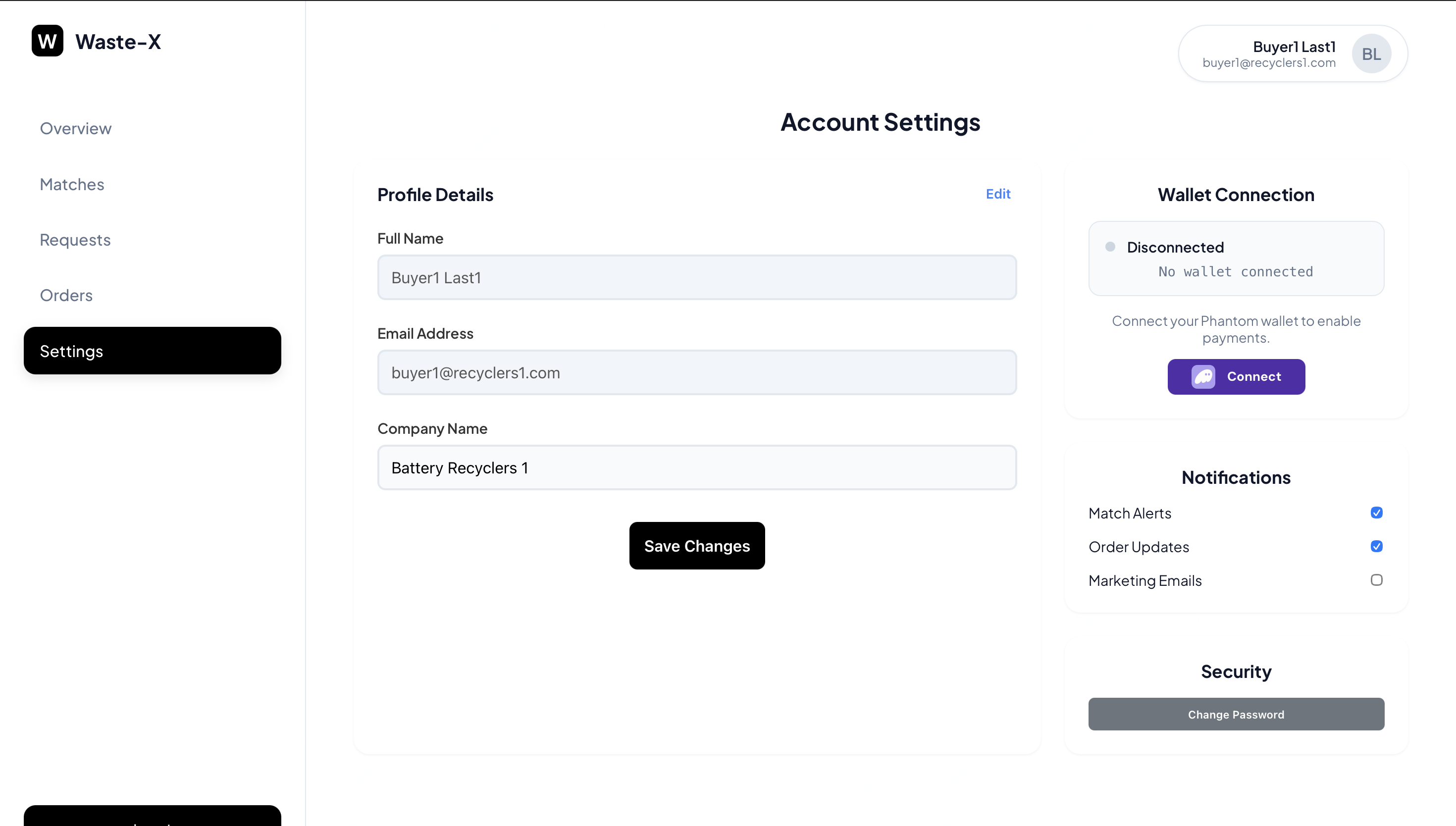
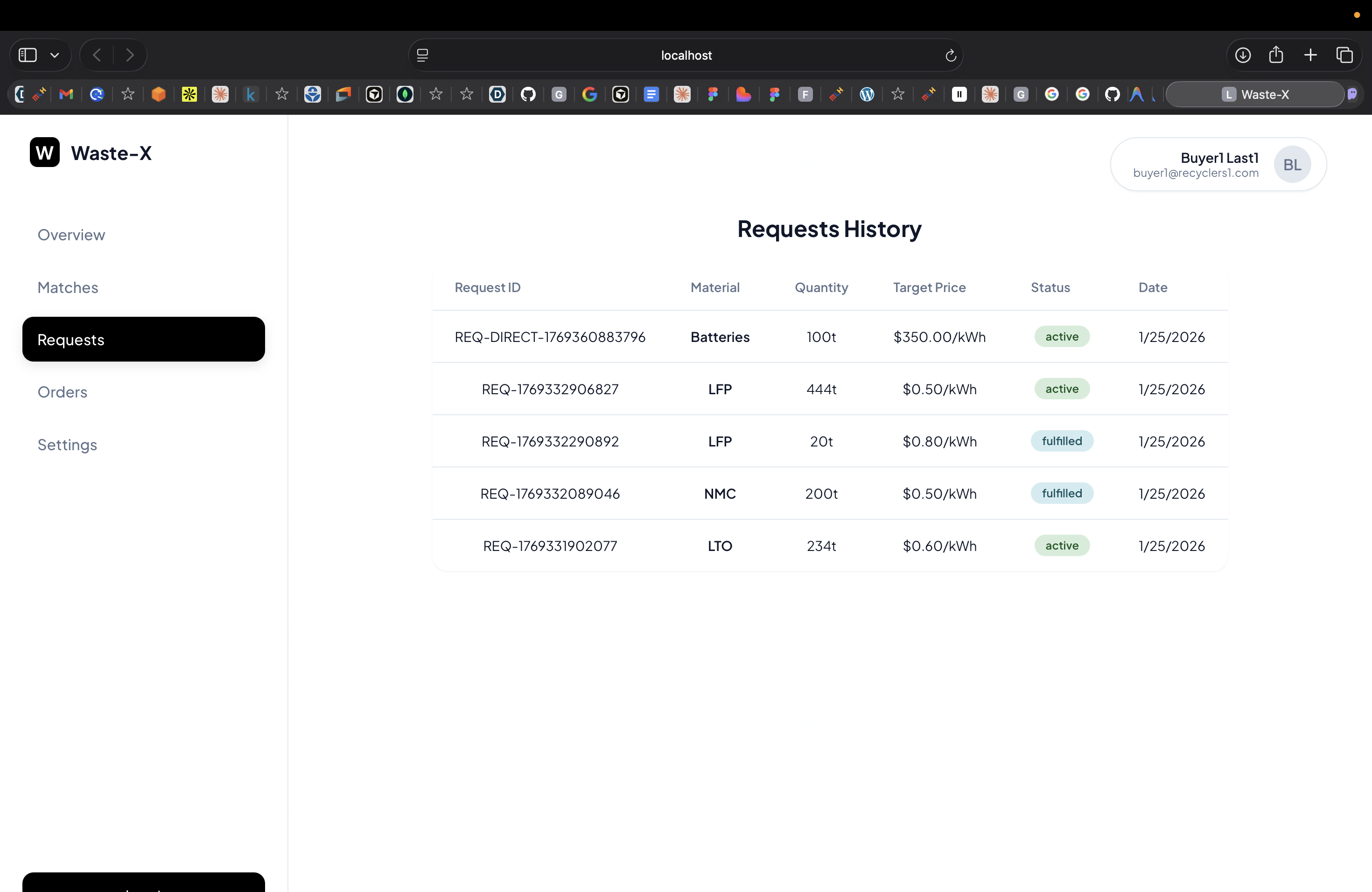
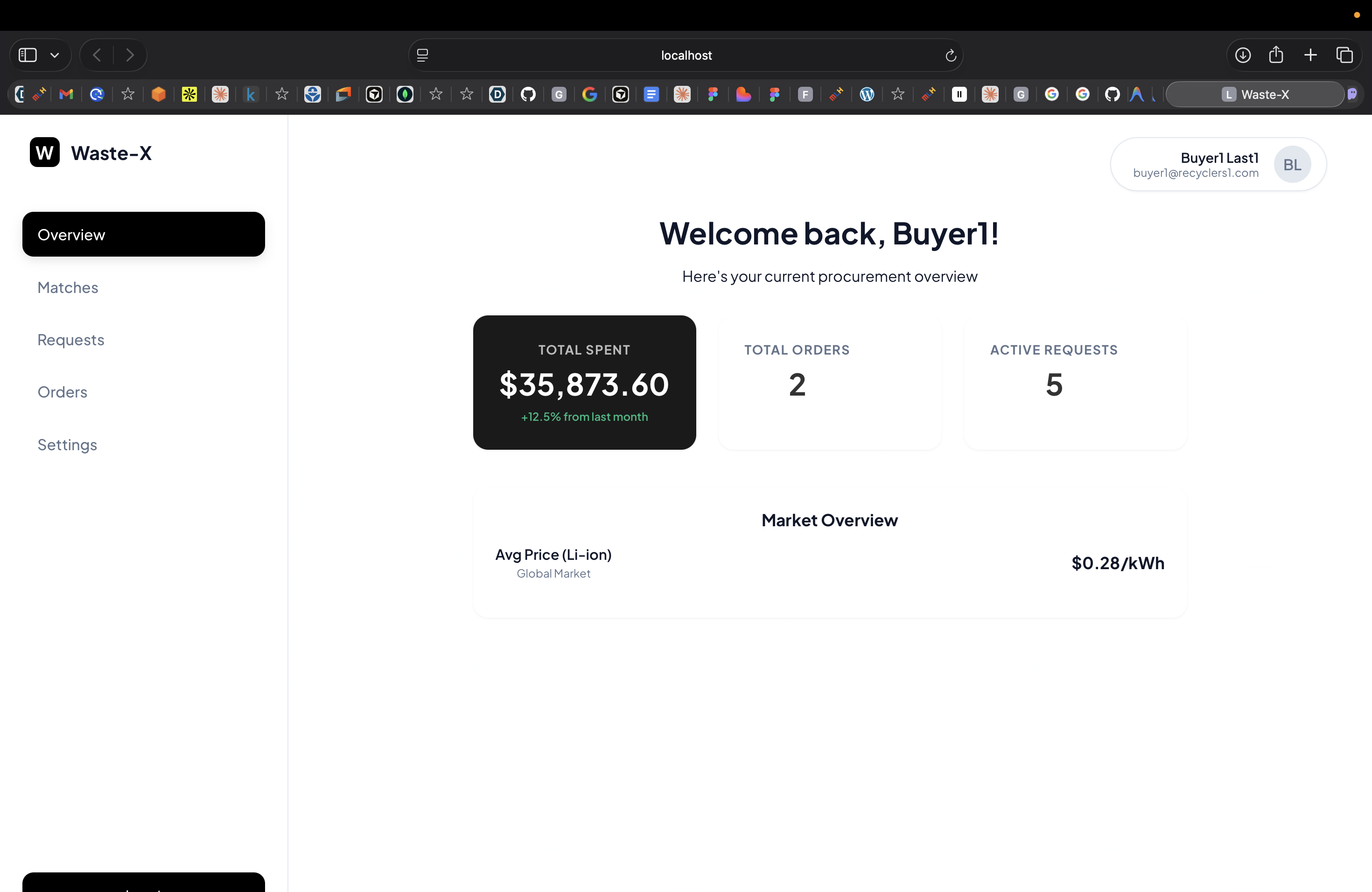
- Buyers (recyclers) discover available e-waste lots in one place
- Only verified sellers appear in search results
- Sellers list real, controllable material, not speculative leads
- Integrated on-chain payments using Solana for fast, low-cost settlement
By reducing noise, uncertainty, and payment friction, the platform increases the amount of e-waste that actually gets recycled.
The Problem We’re Solving
- Recyclers don’t know who actually has material
- E-waste supply is fragmented and largely invisible
- Discovery relies on brokers, cold outreach, and outdated lists
- Payments and settlement add friction to already slow transactions
- Viable material is missed or delayed
Result: recyclers sit idle while recoverable e-waste goes unrecovered.
Why This Is a Sustainability Problem
- The U.S. generates roughly 2.7 million tons of e-waste annually
- Less than 40% reaches certified recyclers
- Valuable metals (copper, lithium, rare earths) are landfilled or exported
- New mining fills the gap — leading to higher emissions and environmental damage
You can’t recycle what you can’t discover.
Our Insight
You can’t recycle what you can’t discover —
and you can’t discover what you don’t trust.
Sustainability requires trusted visibility into existing material. Marketplaces without verification become noisy and unreliable, especially in B2B waste streams. Trust must extend not just to listings, but also to transactions and payments.
How We Built It
We designed E-Waste Marketplace as a discovery-first system, not a generic resale platform.
- Built verification flows to ensure sellers actually control listed material
- Structured listings around real e-waste lots rather than individual items
- Designed search and discovery specifically for recycler workflows
- Integrated Solana-based payments to enable fast, transparent, and low-fee transactions
- Prioritized signal over scale to avoid low-quality listings
Using Solana allowed us to reduce settlement friction and increase transaction reliability between buyers and sellers.
Challenges We Ran Into
- Defining what “verification” means in an offline, fragmented supply chain
- Avoiding the common marketplace problem of speculative or fake listings
- Balancing simplicity for sellers with rigor for buyers
- Designing payment flows that are both user-friendly and secure
- Building for irregular, high-value transactions rather than frequent sales
Accomplishments We’re Proud Of
- Identified discovery, not processing, as the core recycling bottleneck
- Successfully integrated on-chain payments with Solana
- Linked marketplace design directly to environmental outcomes
- Built a focused solution for an under-addressed sustainability problem
- Reframed trust as climate infrastructure
What We Learned
- Many sustainability challenges are coordination problems
- Trust dramatically changes market behavior
- Payments are part of infrastructure, not an afterthought
- Recycling efficiency starts before material reaches a facility
- Visibility and settlement speed both affect recovery rates
What’s Next for E-Waste Marketplace
- Expand seller verification methods
- Add escrow and milestone-based on-chain payments
- Integrate logistics and pickup coordination
- Introduce material quality signals and pricing transparency
- Partner with certified recyclers and municipalities
Our long-term goal is to make verified discovery and trusted settlement a default layer of the circular economy.
Verified discovery is climate infrastructure.
Built With
- elevenlabs
- mongodb
- python
- typescript
- vultr

Log in or sign up for Devpost to join the conversation.