-
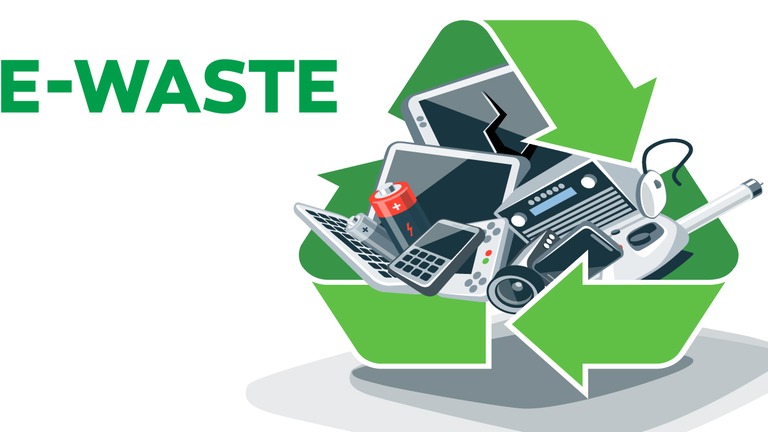
MANGEMENT OF E - WASTE

The inspiration for the E-Waste Management project stemmed from a deep concern for the environmental impact of electronic waste. Witnessing the rapid proliferation of electronic devices and the subsequent rise in discarded gadgets, I felt compelled to contribute to a sustainable solution. The increasing environmental hazards and health risks associated with improper e-waste disposal ignited a passion for creating a meaningful and impactful project.
Embarking on this journey, I delved into extensive research on e-waste, exploring its composition, global trends, and the existing management practices. Learning about the hazardous materials present in electronic devices and their potential consequences on ecosystems and human health was a sobering experience. It became evident that effective e-waste management is not only a responsibility but a necessity for a sustainable future.
The initial phase involved comprehensive research to understand the nuances of e-waste management, from collection to recycling. This stage included studying successful initiatives worldwide and identifying key challenges in different regions.
Building a robust network was crucial. Collaborating with environmental organizations, waste management experts, and government agencies provided valuable insights and support. Establishing partnerships helped in garnering resources and expertise critical for project success.
To streamline the collection process, we developed a user-friendly mobile application that allowed users to locate nearby e-waste collection points and schedule pickups. Integration with geolocation services ensured accessibility, encouraging more people to participate.
Addressing the lack of awareness, we launched an extensive educational campaign through social media, workshops, and community events. The goal was to inform the public about the environmental impact of e-waste and educate them on responsible disposal practices.
Limited Resources: Securing funding and resources proved challenging, especially in the initial stages. Innovative strategies, such as crowdfunding and partnerships, were employed to overcome financial constraints.
Changing Consumer Behavior: Convincing individuals to adopt responsible e-waste disposal habits required a shift in mindset. Continuous educational efforts and community engagement were vital in gradually changing consumer behavior.
Regulatory Hurdles: Navigating through complex regulatory frameworks posed a significant challenge. Working closely with government agencies helped in understanding and overcoming legal hurdles, ensuring compliance with environmental regulations.
Scaling Operations: As the project gained traction, scaling operations to meet the increasing demand for e-waste collection and recycling services presented logistical challenges. Continuous optimization and expansion of the collection network were essential to keep pace.
The E-Waste Management project has been a transformative journey, emphasizing the collective responsibility we bear for the environment. Overcoming challenges through innovation, collaboration, and persistent efforts has reinforced the belief that positive change is achievable. As the project continues to evolve, the goal remains clear: to create a sustainable model for e-waste management that can be replicated globally, fostering a cleaner, healthier planet for generations to come.
Together, let's power a sustainable future through responsible e-waste management. Inspiration
Built With
- chatgpt

Log in or sign up for Devpost to join the conversation.