Inspiration
Both of us have worked with IoT for a very long time, making use of small, seemingly useless equipment and utilizing it to create an entire product. During our time working with electronics, we learned about the very high E-Waste output in the world. When we tried to go online and find components, we realized that people were throwing away completely intact gadgets because of small defects in them. This gave us the realization that this has to be very common. So, we built an algorithm that helps detect intact electronic gadgets within piles of e-waste to potentially allow e-waste sorting facilities to work in collaboration with e-waste recycling companies to maximize the life cycle of all electronic devices.
What it does
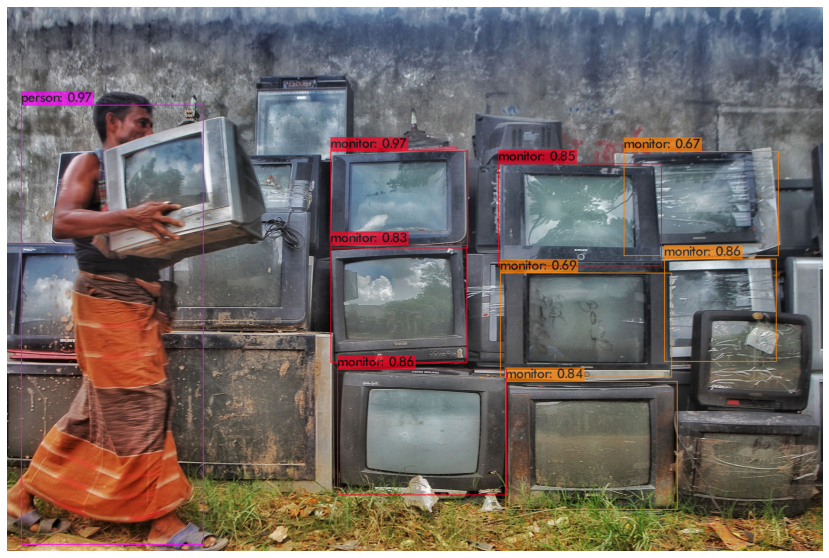
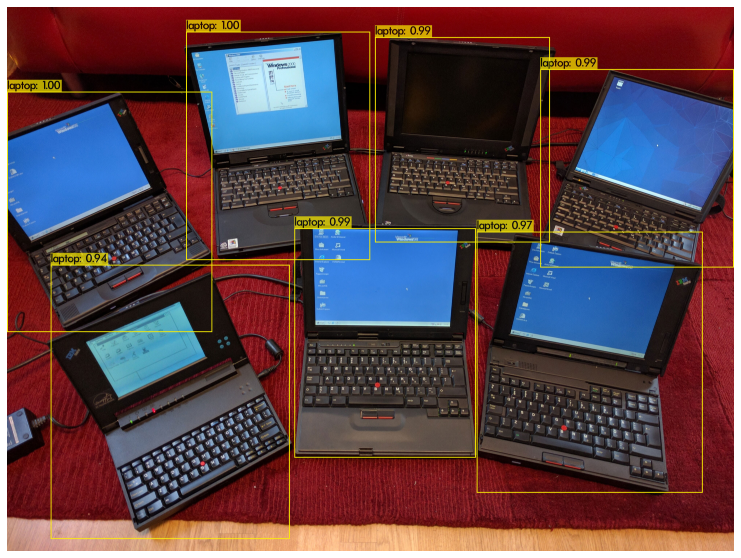
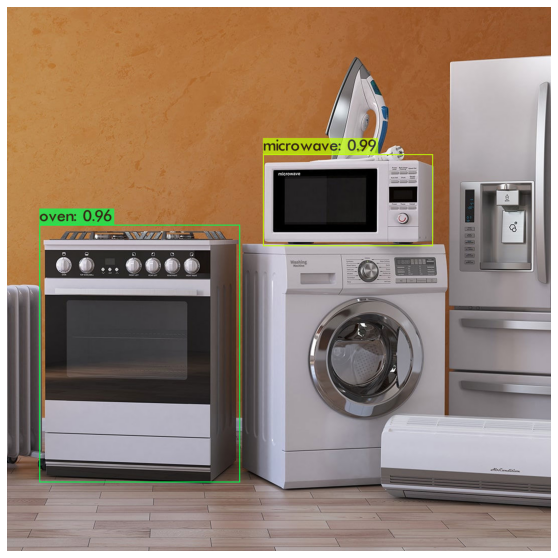
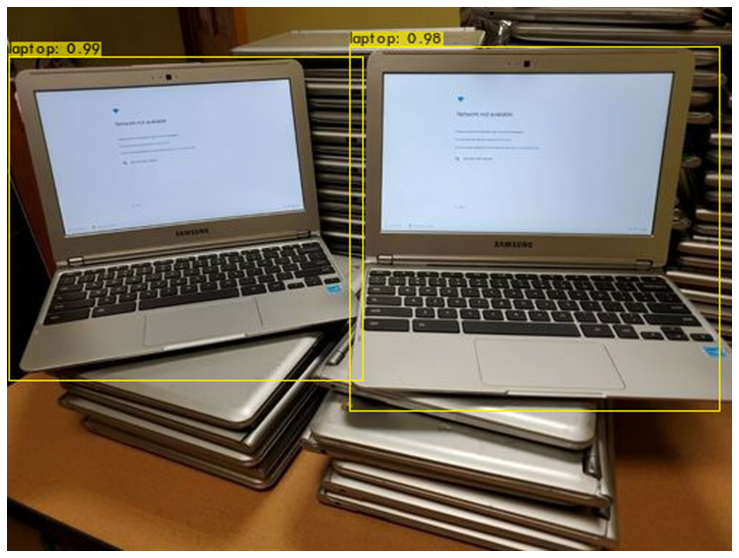
Currently, our algorithm looks at an image or video with piles of electronic junk and highlights any gadgets it's able to find within the frame in less than 0.2 seconds. Our algorithm aims to be a solution for e-waste recycling units to be able to identify how to maximize efficiency and profits by recommending new recycling machinery while sharing the cost to benefit ratio for the company. Our solution also aims to reduce the amount of human participation required in the sorting and supervision of e-waste recycling. This is possible through our sophisticated algorithm, YOLOv4 being able to run live detection at 60 frames per second on a server.
How we built it
We used YOLOv4 on Python 3.8 to build this algorithm.
Challenges we ran into
Implementing YOLOv4 on Windows or most computers is quite a task. It takes a fair amount of time and patience, given the number of hiccups one can easily find. We also ran into similar challenges, and also built a separate algorithm through Keras as a backup, in case we were unable to implement it. The data available for e-waste is extremely limited and it was challenging to find a dataset that went beyond images of intact appliances and gadgets. Ideally, this solution would be implemented in collaboration with an e-waste processing facility where real data could be used for building the computer vision models.
Accomplishments that we're proud of
We managed to get this implementation of YOLO ready and working through Jupyter Notebooks and successfully train and test our algorithm on a variety of images and videos.
What we learned
We learned how to set up and manage large custom datasets from a variety of websites through a downloader script and how to set up, train, test, and implement YOLOv4 on a server. Maximizing the recycling companies' profits is also in the best interest of the environment, by refurbishing and selling a device, a lot of resources are saved and further extends the life cycle of the device. Additionally, recycling units investing in machinery to be able to process and recycle materials from the e-waste to greater extents creates less waste that goes into landfills.
What's next for E-Waste Division
We would like to improve its accuracy by using a much larger custom dataset to train it on. And then, potentially speak to sorting facilities and see if this could help them reduce the amount of E-Waste they have to get rid of. Having a diverse dataset with different make and models of electronic products like phones and laptops will help extend the scope for refurbishing companies and e-commerce companies that facilitate an exchange program on their devices. It will also help give a more accurate figure for the lost monetary gain by recycling the device rather than selling it to a refurbishing company. A comprehensive and friendly dashboard will be made to help e-waste recycling companies' management get insights on their data presented by our solution from the convenience of their offices and homes. The dashboard will include lost opportunity cost and other key parameters to maximize their profits and make the most beneficial impact on the environment.
Log in or sign up for Devpost to join the conversation.