-
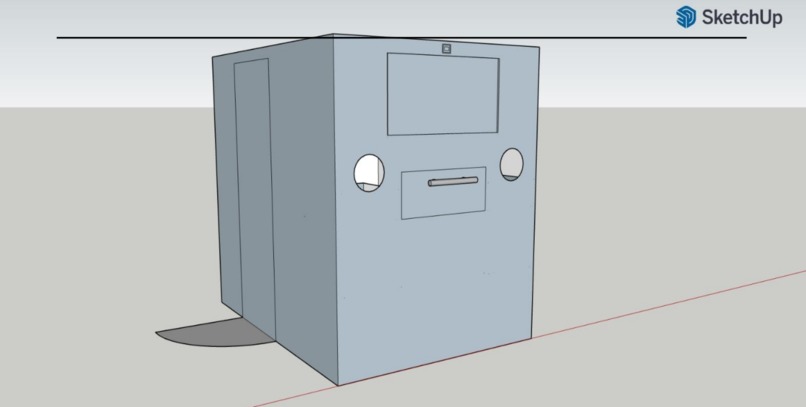
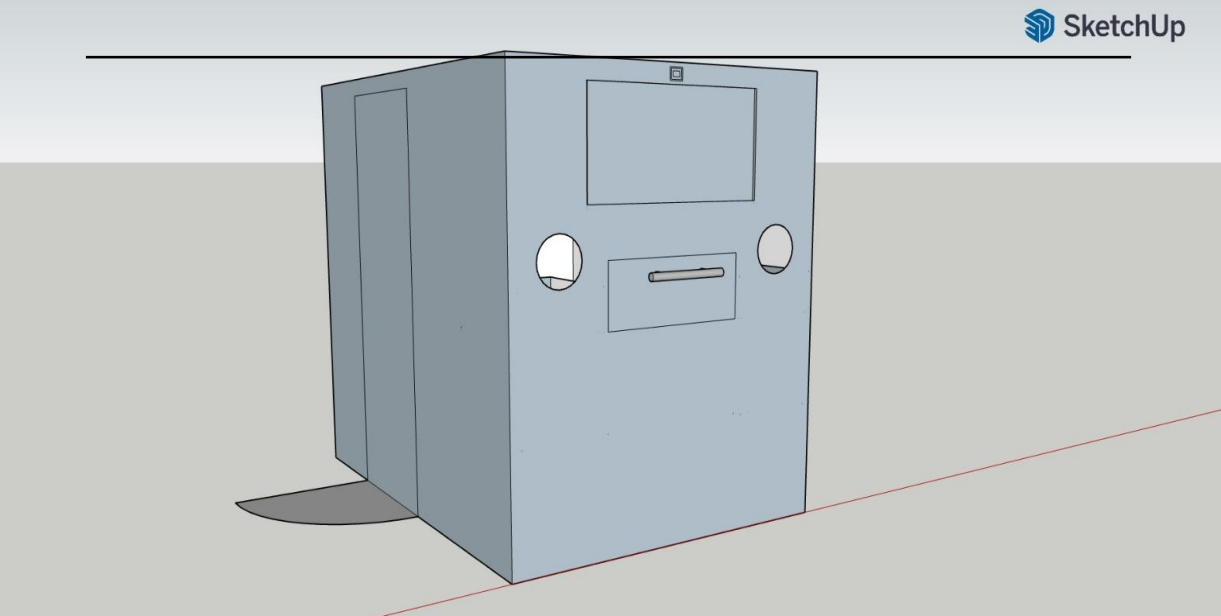
Mock up of the E-bin
-
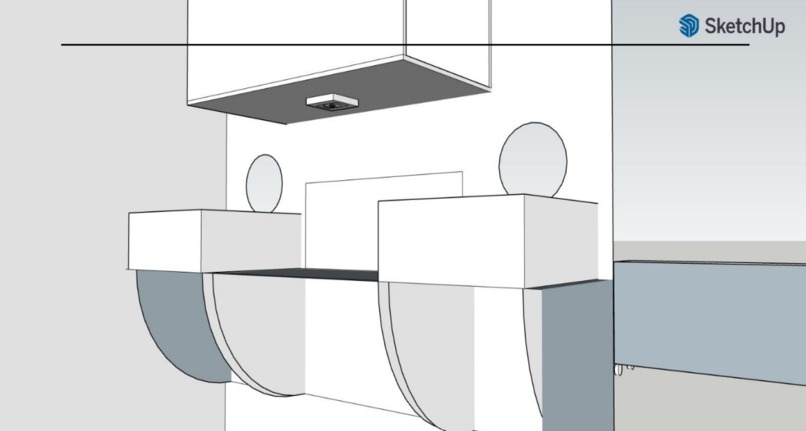
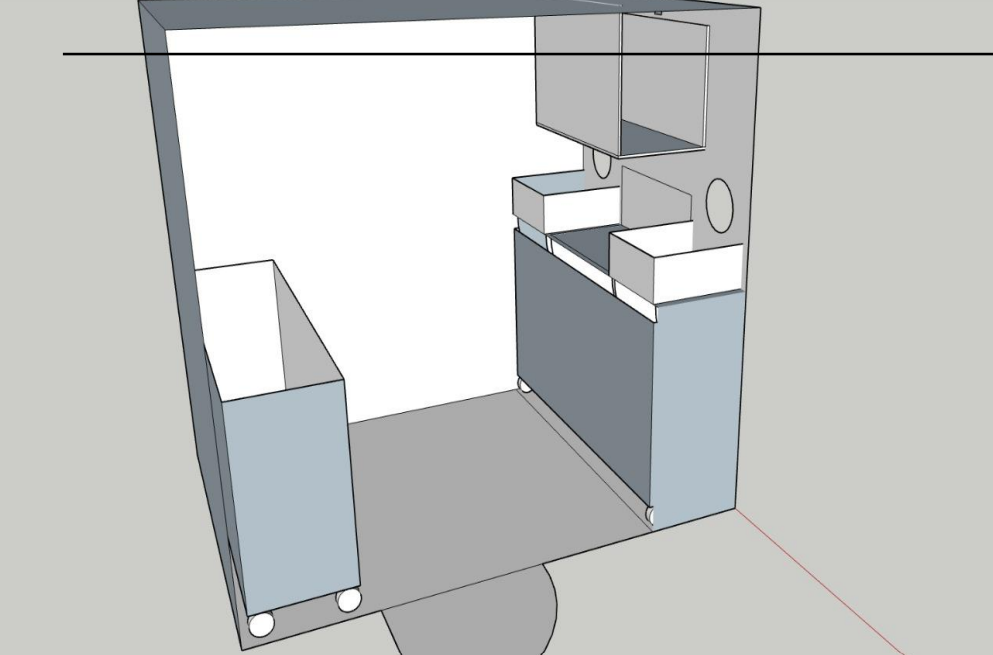
Inside of the E-bin
-
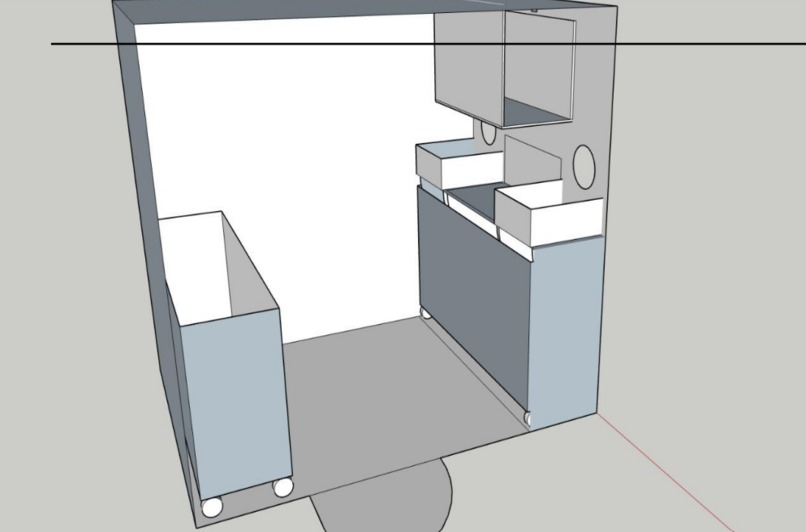
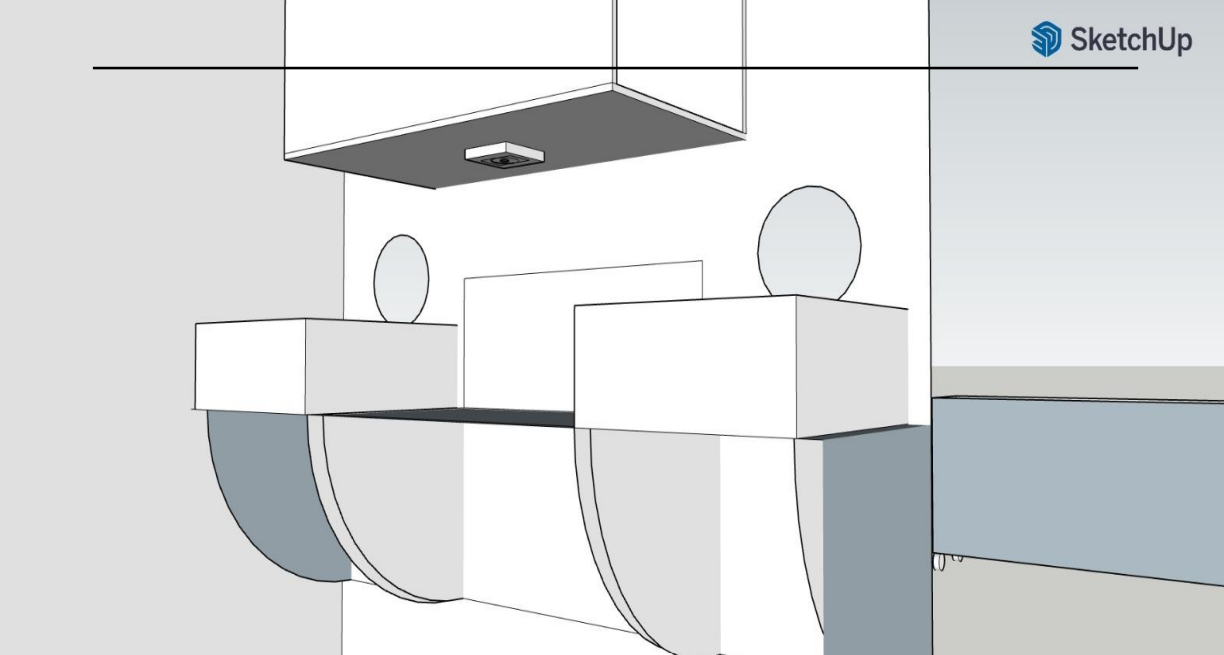
Side view of the E-bin
-
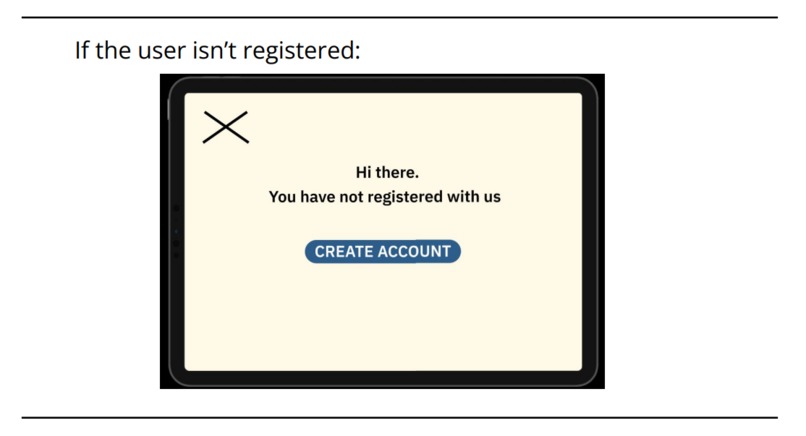
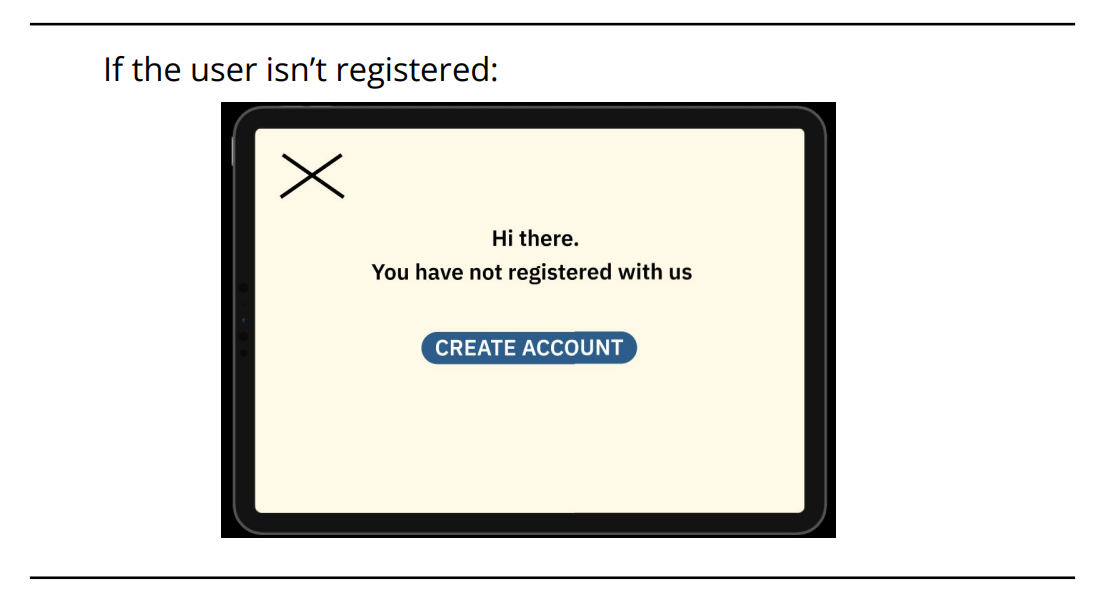
Non member
-
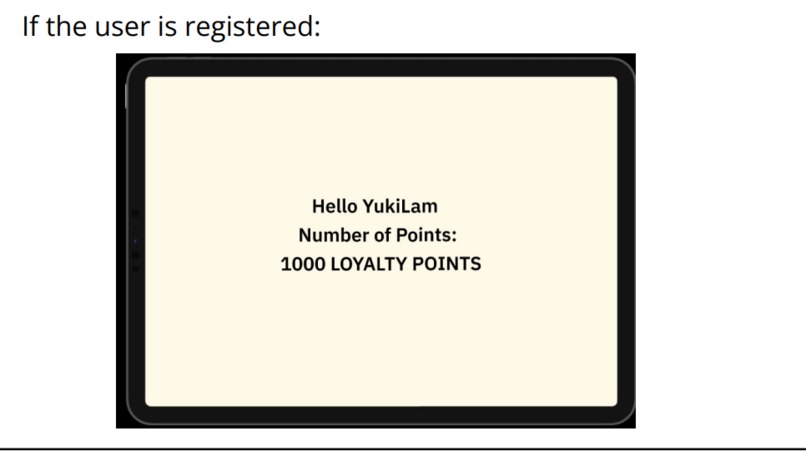
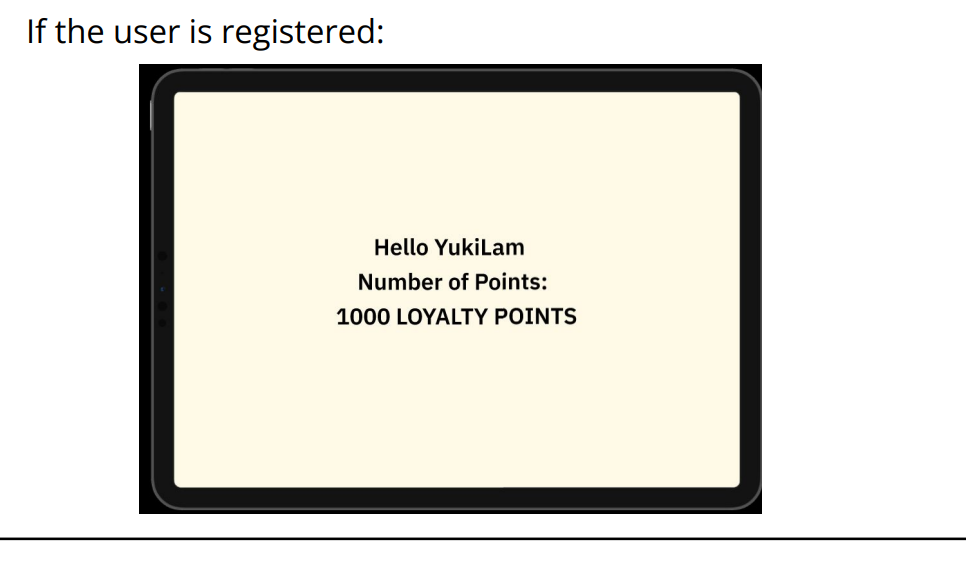
Member
-
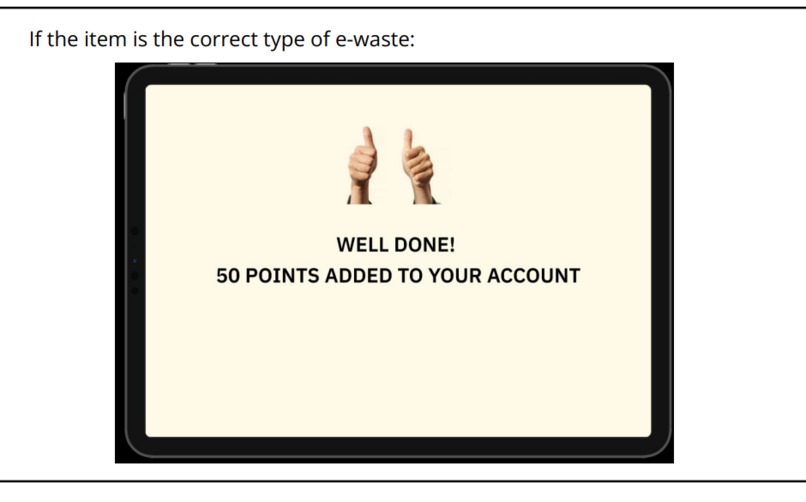
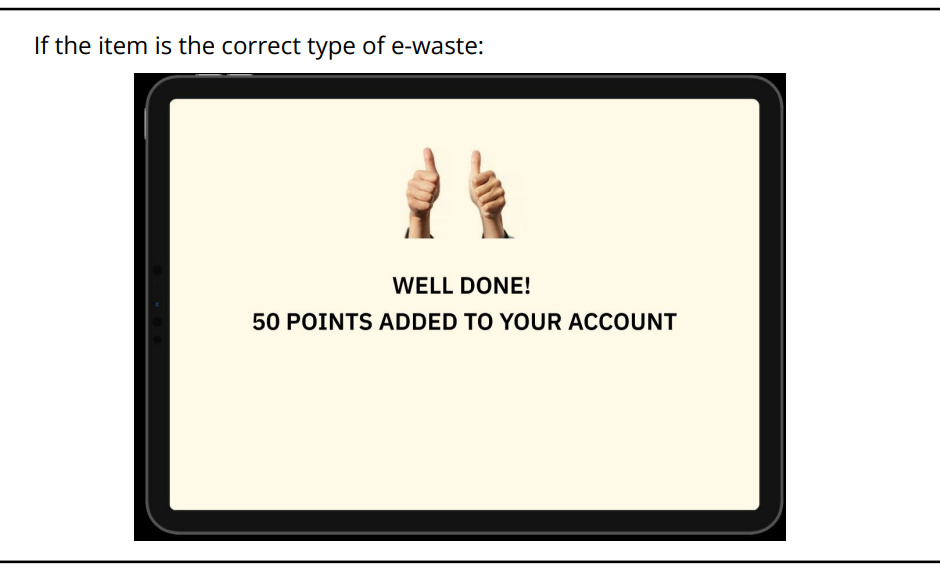
Successful disposal
-
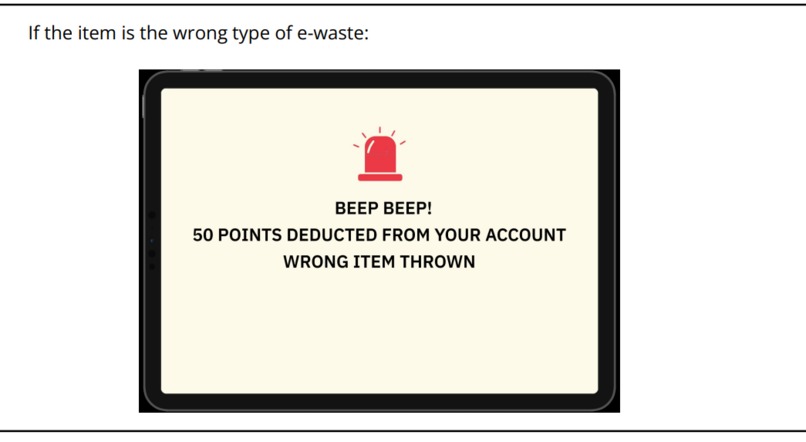
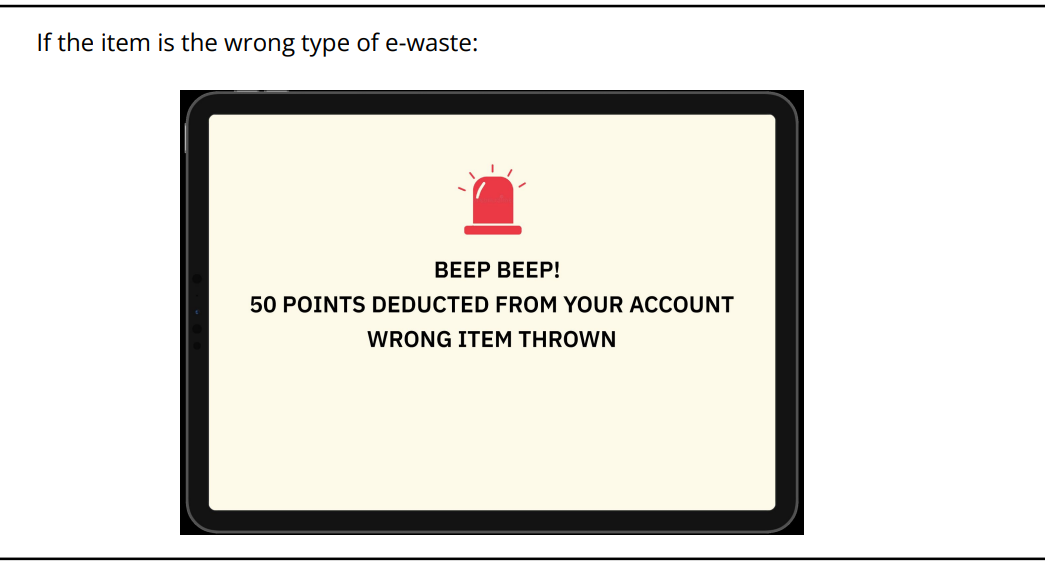
Unsuccessful disposal
-
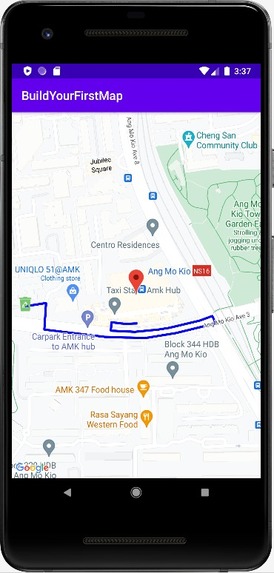
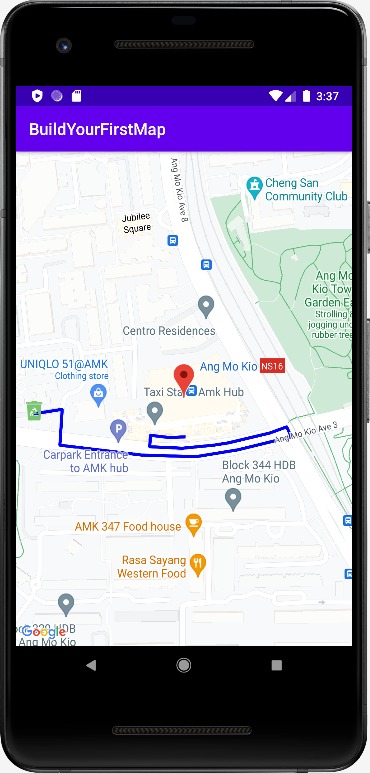
Kotlin Map feature
Inspiration
What inspired us to take up this challenge was when we had the opportunity to talk to Alba E-Waste Recycling Pte. and realized that most of their problems could be solved using Artificial Intelligence, and so we decided to make a survey to see what the public opinion was on their E-waste bins. From our survey we found out that many Singaporeans were aware of the e-bin, but many did not use these bins, so why did they not use them? Many have answered saying they were not educated about the e-bins and were afraid to throw in the wrong thing that may cause the rest to be damaged and unrecyclable, others have pointed out that they were not sure where the bins were located and some that they knew of were too far from home. From news articles we have found that our survey was inline with what they have found, they reported that many do want to recycle but due to their own laziness they tend to not, so how do we encourage them to recycle more frequently. Alba E-waste has informed us that they tried to encourage the public by introducing rewards, their reward system was to have users download their app and then use it to take a picture of what they were recycling to identify that it was the correct type of item that could be recycled, and then they will get the reward. But to us this seems like a very tedious task therefore undermining the purpose of encouraging recycling. Thus our solution is to introduce a facial recognition model that would identify users and an object recognition model to identify whether it was the right item being disposed, and for the easy access to the bins, we have introduced a 'tracking' api to allow our users to find e-bins near them.
How it works
So the users would have to download the app, register using their personal details that includes their address, name, age and a clear image of themselves etc. Once registered, the image of the user would then be sent into a database and our facial recognition system will then recognize the user, which will then automate the process of them earning points. ( How do they earn points ) After the user has registered, the user can then use our app to locate the nearest bin to their address or their current location, they will then go to the selected bin and put the item into the bin, the bin's monitor will then give feedback on whether the disposal was successful, if the disposal was successful the monitor will then show a success message and the user will receive a notification that they have earned a point. If not the bin would alert the user to take their e-waste away and inform them why.
How we built it
For the prototype we wanted to use android studio to showcase how the app should run, for the map it would simulate the locations of bins and there would be a reward tab to show what the rewards page would look like, but unfortunately we were only able to complete the map part and not the rewards tab but we do have a Figma prototype that shows roughly how it should be ( To test run the Figma ) Test Case one - Your current location is Blk 514 Woodlands Drive 14 and want to find a bin near street Woodlands Dr 14, you want to save the address of this bin to near home afterwards you want to see the directions of the bin. Test case 2 - You have successfully disposed your e-waste and want to check your rewards. Test case 3- You want to check your account information. For the AI models, we had gathered images of ourselves and trained the model to identify us and see how accurate it was in identifying us even when we are wearing our mask, while the AI model is not fully accurate it is very much functionable, for the object detection model we only had a few hours to train so we've gather only printers and phone images and annotated them accordingly, our object detection models are also quite accurate. We have not attached the AI apis to the app thus the app is only to show how it should function while the AI shows how the AI system should work.
Challenges we ran into
The few challenges we had while doing this was making the prototype app, as we had the facial recognition model finished before due to another project we had more time to do the object recognition model and started working on the app prototype, we had knowledge on kotlin and decided to use that, but had never used the google maps api before thus we struggled with making it work and modifying it according to our scenario, especially due to time constraints, so just as a precaution we did a Figma prototype to at least have something to showcase how the app is suppose to work.
Accomplishments that we're proud of
I think we are most proud of having such little time we still came up with AI models that can be tested and using kotlin to get some parts of the app done and was able to at least produce a prototype to showcase the flow of the app.
What's next for E-waste Bin upgrade
I think what's next for E-waste bins is how can we make this more educational and not a carrot and stick kind of transaction, meaning we do not rely on rewards to motivate users to recycle only, but to also inspire them to recycle because they have learnt how electronic waste can affect the environment and our lives. We have brained stormed a few ideas that we think can potentially get a hold of our user's attention
Built With
- figma
- kotlin
- python

Log in or sign up for Devpost to join the conversation.