-
-
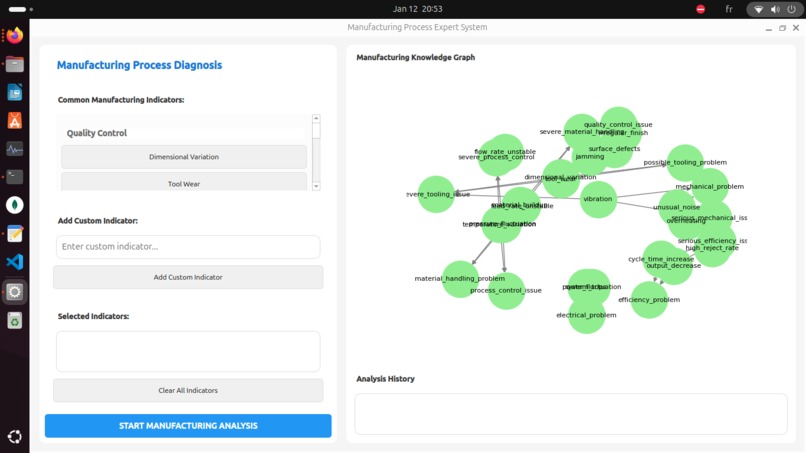
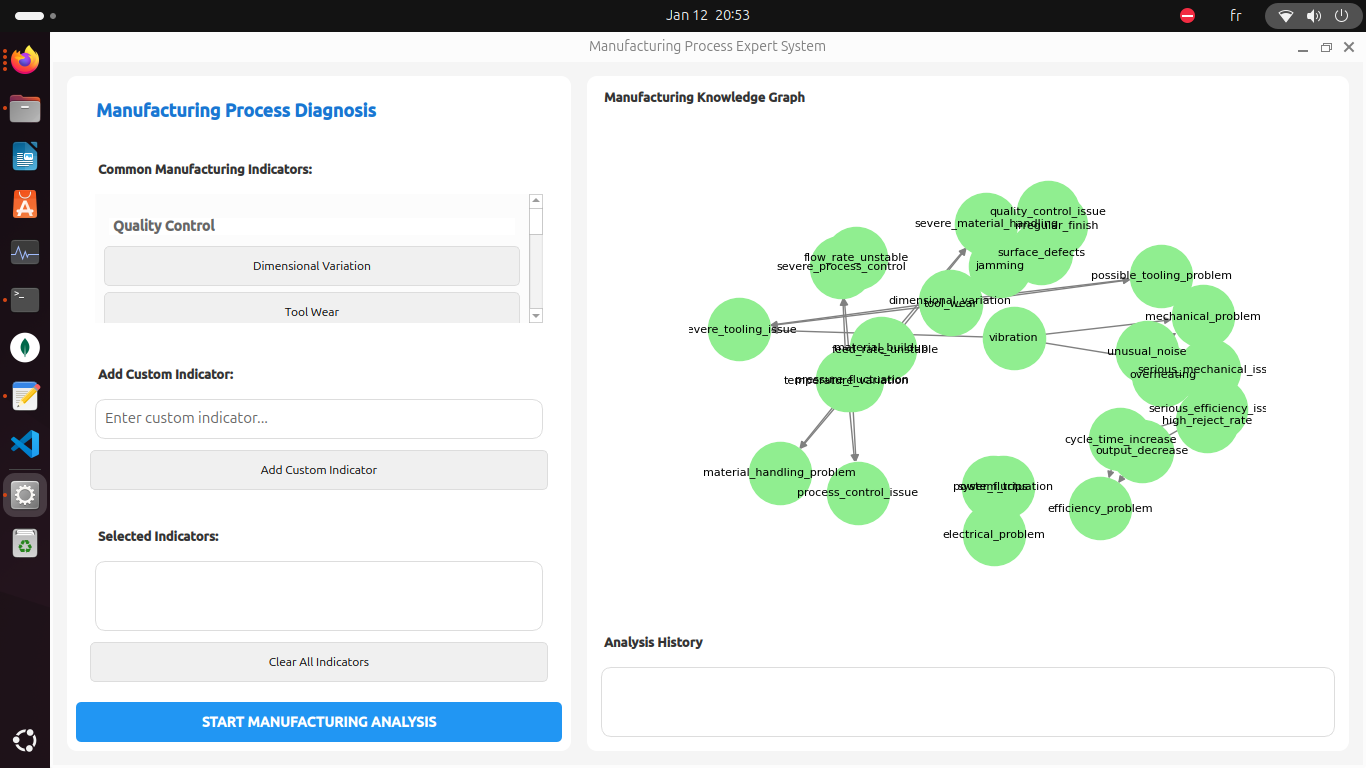
first screen , user select cases/issues.
-
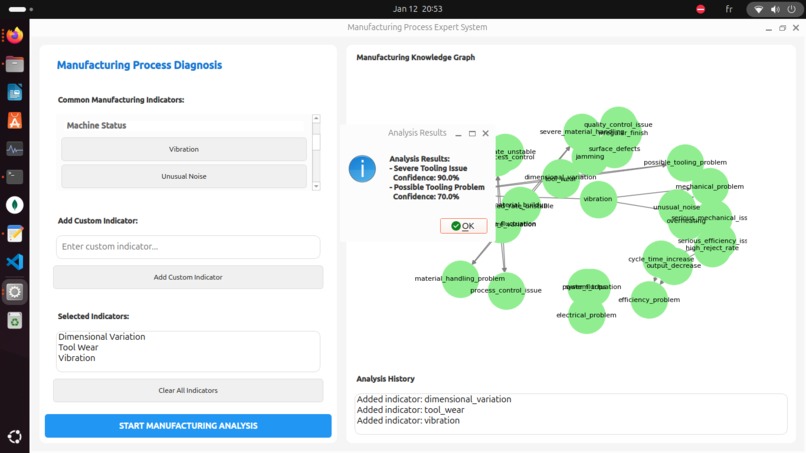
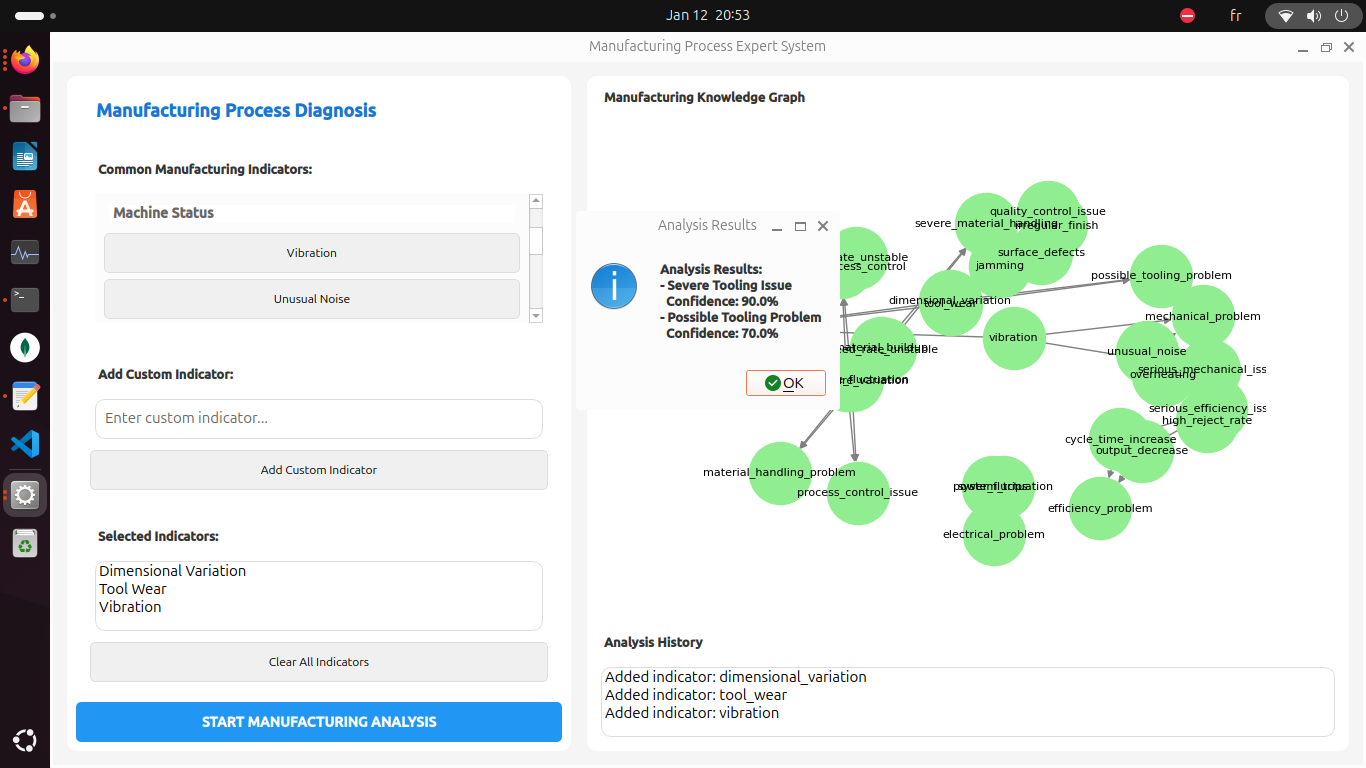
result screen , output where could the issue be.
Inspiration
The manufacturing industry is the backbone of modern economies, yet downtime caused by undetected machinery issues leads to significant losses. Inspired by the idea of minimizing these inefficiencies, we envisioned a system that combines the precision of expert systems with the scalability of AI. Our goal was to empower engineers and technicians to diagnose issues faster and more accurately, saving time, resources, and costs.
What it does
E.N.G (Expert Next-Gen) is an intelligent diagnostic system for manufacturing. Users input symptoms such as vibration anomalies, unusual sounds, or performance drops. Leveraging a robust knowledge base and inference engine, E.N.G analyzes the data to identify the likely source of the issue—be it the rotor, engine, or another critical component. It also suggests actionable steps for repair and maintenance.
How we built it
We started by constructing a comprehensive knowledge base from industry best practices, machinery manuals, and expert interviews. Using a rule-based inference engine, we mapped common symptoms to potential faults and resolutions. To enhance usability, we built a user-friendly interface where technicians can input observations. The system was developed using Python for the inference engine, a SQLite database for the knowledge base, and a web-based dashboard for interaction.
Challenges we ran into
Building an extensive and accurate knowledge base was one of our biggest challenges. Extracting relevant rules from domain experts and verifying their accuracy required significant effort. Additionally, designing an intuitive interface that caters to users with varying technical skills took several iterations. We also faced difficulties in optimizing the system’s performance to handle real-time inputs without lag.
Accomplishments that we're proud of
We’re proud of creating a system that bridges the gap between traditional maintenance approaches and modern AI-driven solutions. E.N.G has been tested with real-world manufacturing data, and its predictions have shown over 90% accuracy in diagnosing issues. Our intuitive dashboard has also received positive feedback from early testers, proving its accessibility and ease of use.
What we learned
This journey taught us the value of collaboration between technical and domain experts. We learned how to structure and optimize a knowledge base for an expert system, and how to integrate user feedback to improve our design. Furthermore, we discovered the importance of balancing functionality with user experience to create a truly impactful solution.
What's next for E.N.G
Our next step is to integrate real-time sensor data directly into E.N.G, allowing it to monitor machinery continuously and alert users before issues occur. We’re also planning to expand the knowledge base by incorporating more machinery types and industries. Finally, we aim to implement machine learning to enhance the system’s predictive capabilities, making E.N.G a more versatile and proactive diagnostic tool for manufacturing.
Built With
- expert-system
- joblib
- knowledge-system
- pickle
- pyqt6
- python

Log in or sign up for Devpost to join the conversation.