-
-
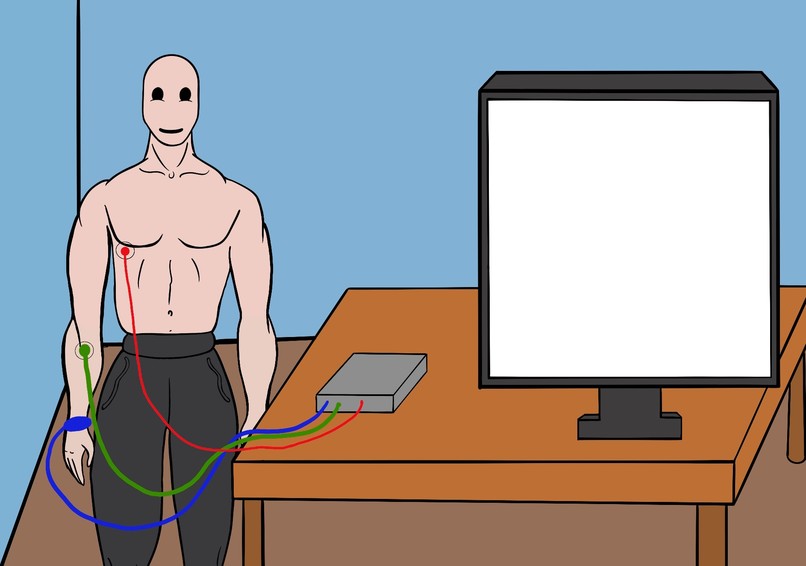
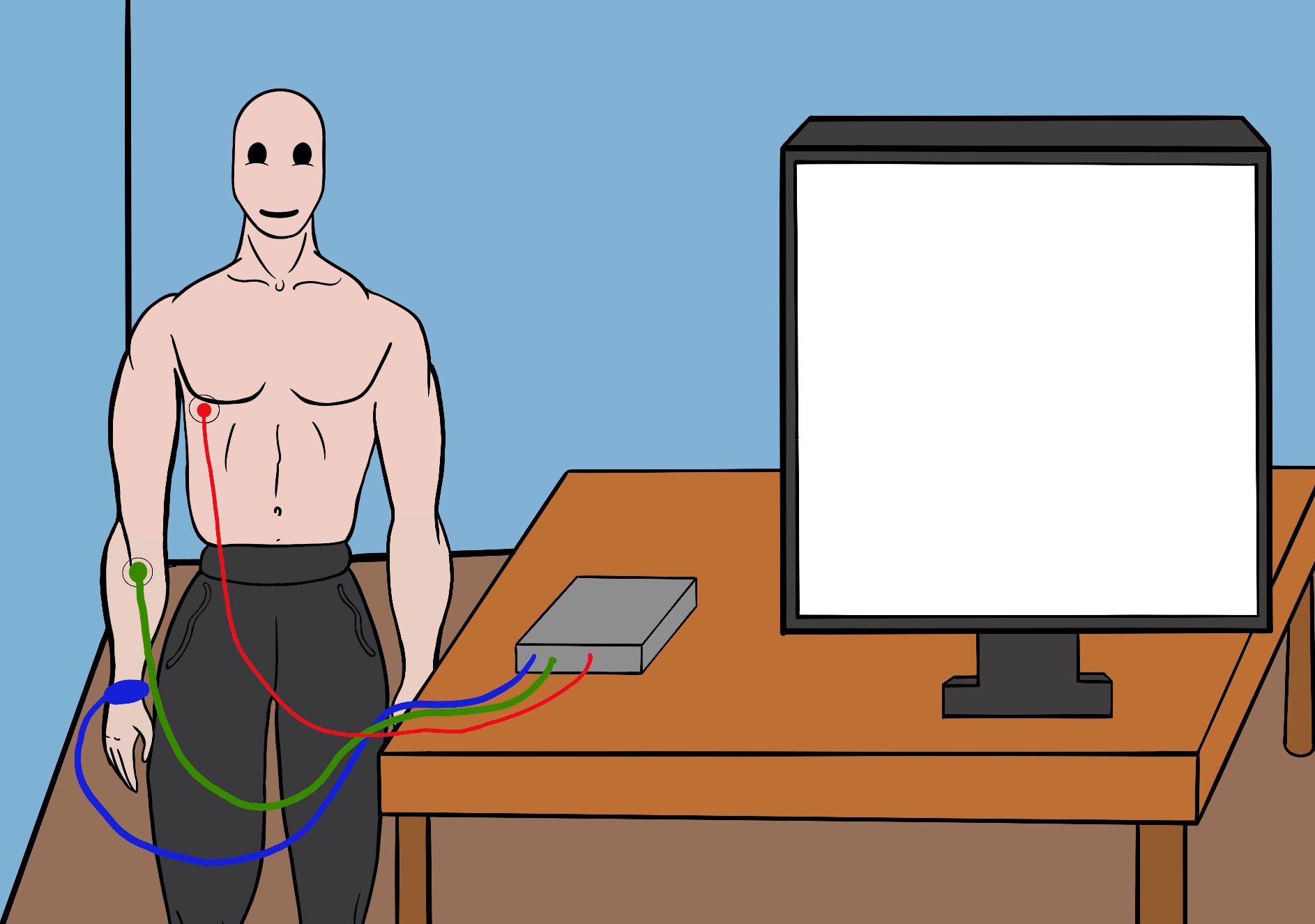
How to use the device
-
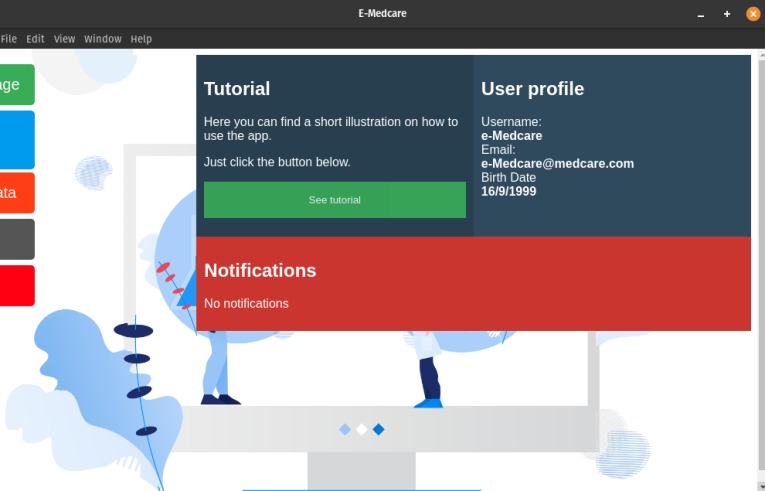
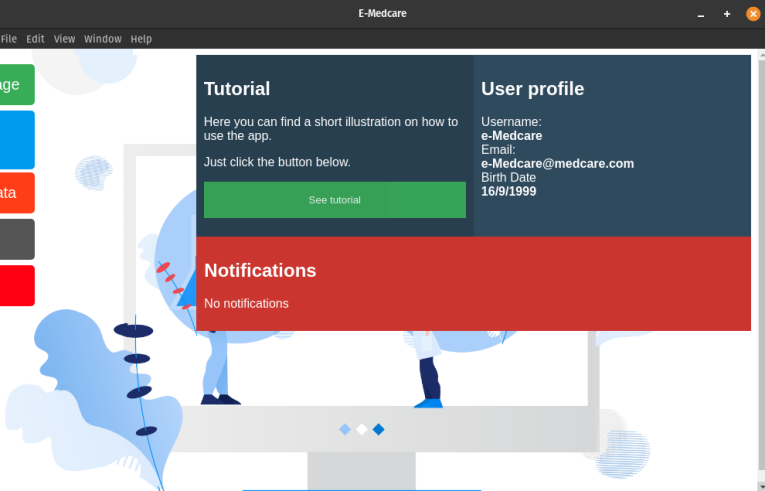
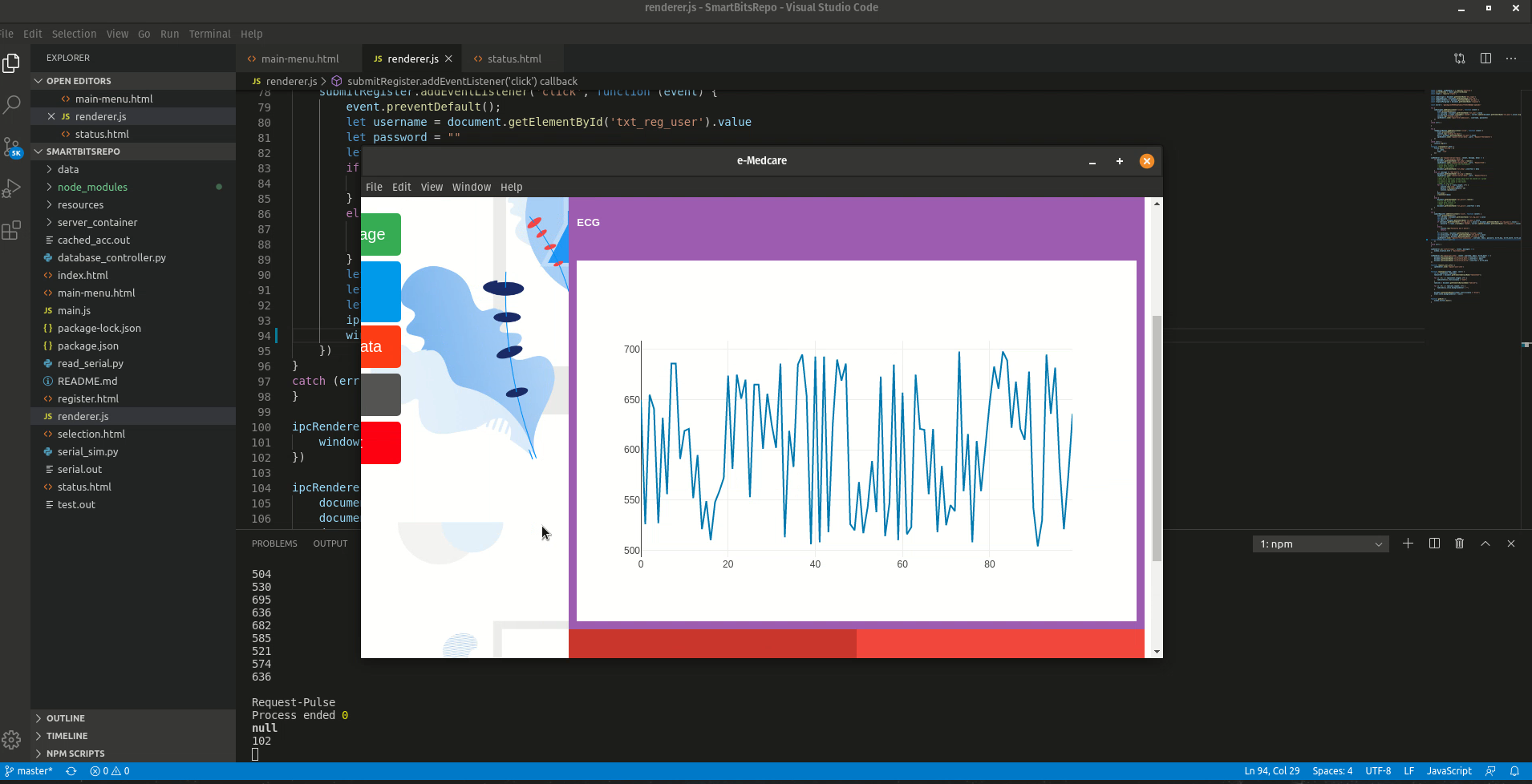
The interface of the app
-
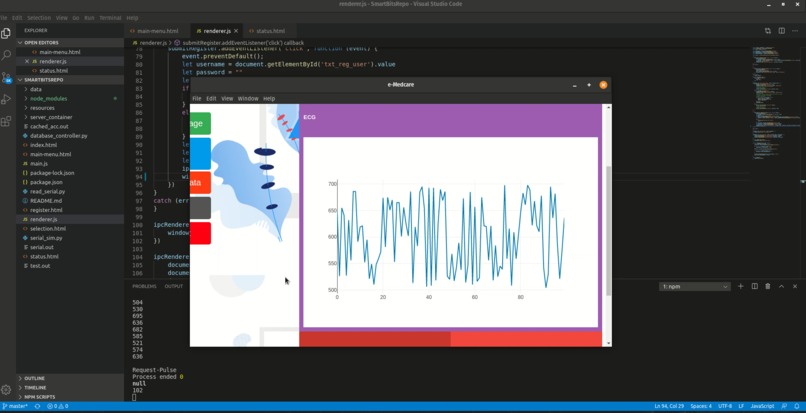
EKG Monitor in the app
-
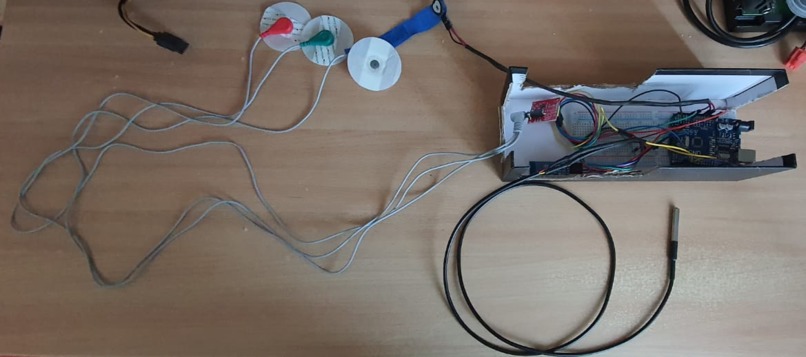
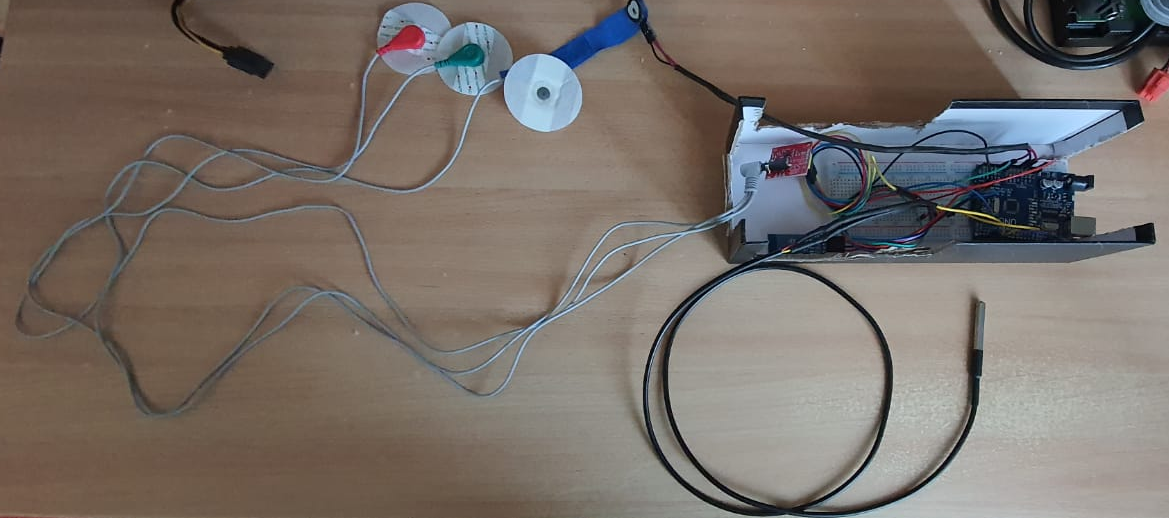
First version of the system
-
The Logo of the system
-
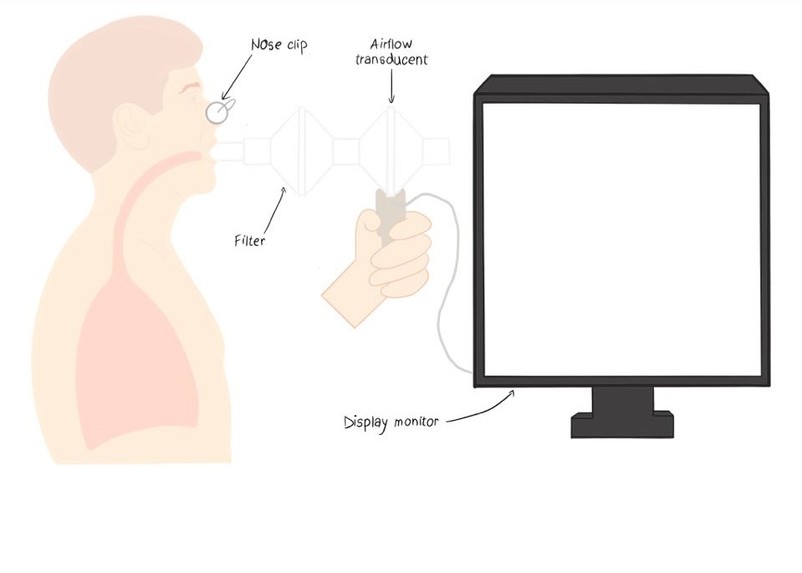
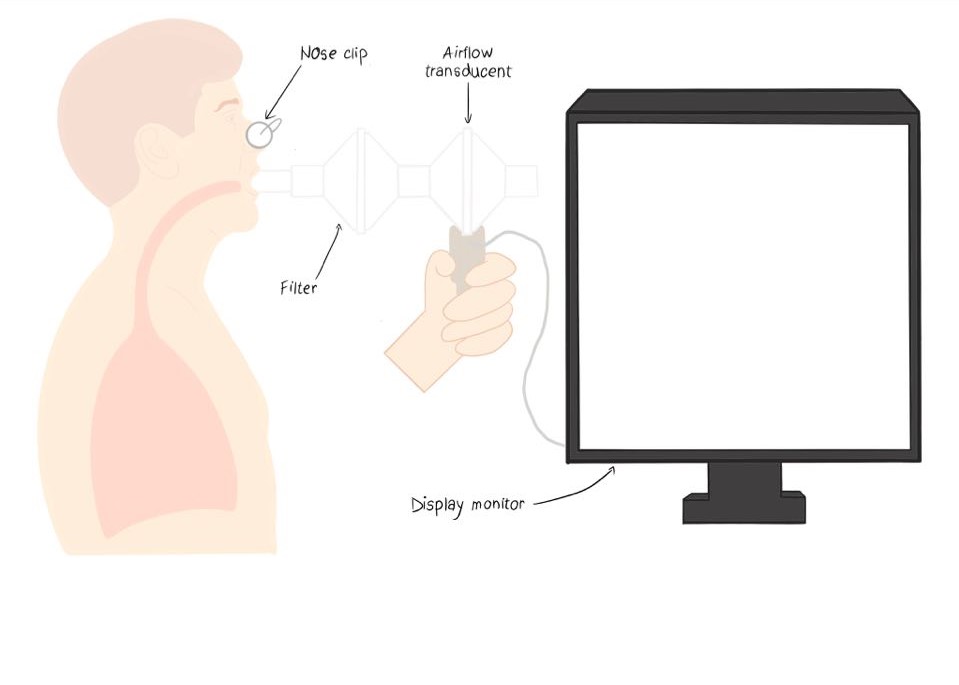
Airflow meter- to be added
Inspiration
As the global pandemic generated by SARS-CoV-2 continues to spread, currently infecting more than 190 countries, existing medical conditions do not take a break. On the contrary, they sometimes need to be set aside to make room for emergencies related to COVID-19 infections. Any trip to the doctor, in the current conditions, can mean a potential infection. On the other hand, any additional interaction of a doctor who is already treating infected people can lead to the spread of infections. We created a tele-medicine system that helps people get basic medical advice and medical professionals to reach safely to more patients. Our device can help people stay safely at home, but also monitor their physical condition and report to the doctors data related to their condition.
What it does
Our system called e-MedCare represents a smart and safe connection between patient and medic. In this way we found a solution to prevent the direct physical contact between them. The patient uses the hardware device to get all the vital information (while doing so, the user is connected to the app and it is receiving all the data through the serial port). After using the devices to check his vitals, the user will receive the data represented on a dashboard with graphs and charts for easy readability. This data can be sent directly through the app or be sent over the internet to a medic of his choice. The medic will have a database with all the patients and for each patient there will be an ID that is anonymous. After sending the results, the medic can interpret the data and check for anomalies. When the medic is done, he can contact the user (again, either through the app or through a channel of his choice, for this, we have an idea on how to secure the connection, more specifically, a Diffie-Hellman encryption with signed key exchange).
How I built it
This system is composed from hardware sensors and software applications. For the hardware part we used an Arduino Uno as the main board of the system where we connected an EKG sensor, temperature sensor, pulse sensor and a camera that it will be used as an ocular verifier for COVID-19. For the software part we made a cross-platform desktop app using Node.js and Electron framework. The app is made to let the user communicate with a medical doctor through the platform.
Challenges I ran into
The challenges we ran into were the lack of a 3D printer to make the design more user friendly and the lack of users to test the e-MedCare system.
Accomplishments that I'm proud of
The accomplishment that we are proud of is that in less than 3 days we managed to create our first version of this prototype, that will be available to be tested by users in a few weeks.
What I learned
We learned to adapt to the situation and to the crisis we are into right now, so we managed to mobilize ourselves to develop this project as fast as we can so this device maybe will help in a way the society.
What's next for e-MedCare
We would like to add a smart flow meter to e-MedCare so that you can see the lung capacity of the patient. We’ve already come with a design for the flow meter. We scheduled a 4 stages development plan, with partnerships with the academic sector for ideation, MVP validation and in 12-18 months to a final product ready for market. We plan to have 3 business complementary models, for patients under ocazional observation, long time observation and all time monitoring.
Final statement
e-MedCare will revolutionize patient healthcare, protecting and offering smart, safe and connected alternatives for health monitoring, in Europe's single market and further across the world.


Log in or sign up for Devpost to join the conversation.