-
-

E-CycleGo
-
-
-
-
-
-

-
-
App Demo 1
-
App Demo 2
-
App Demo 3


Inspiration
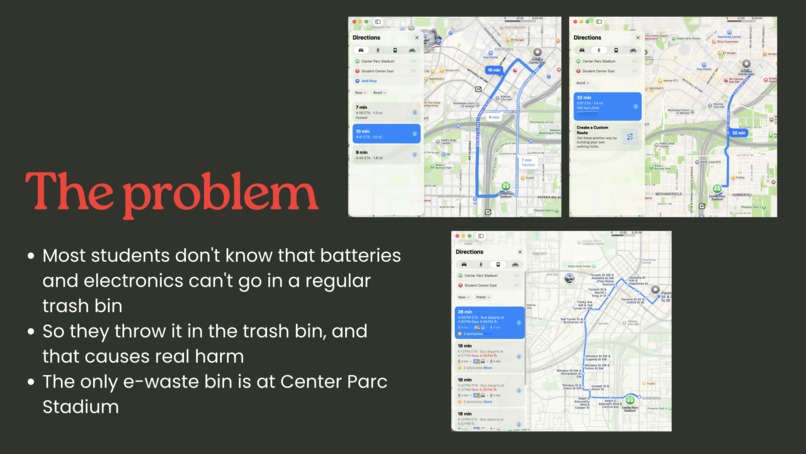
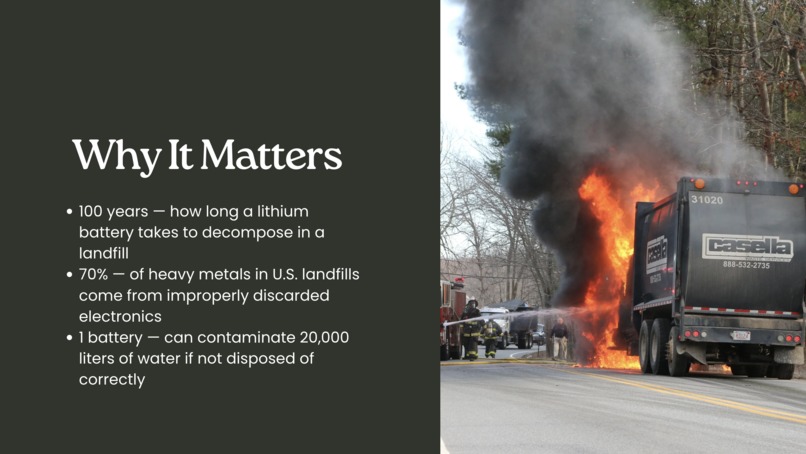
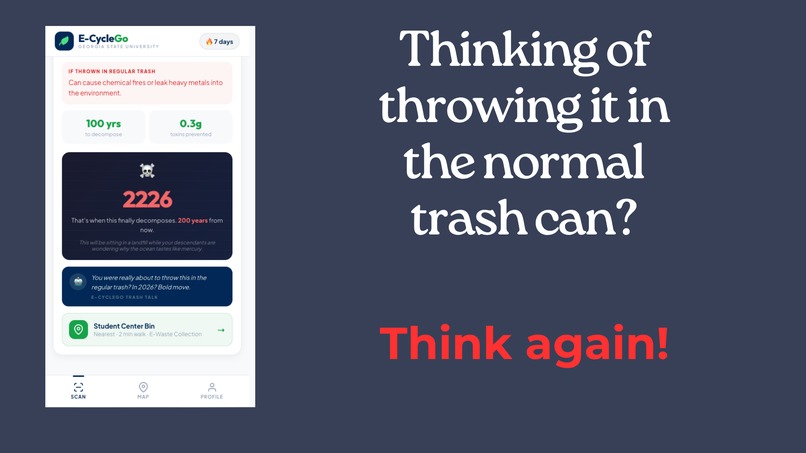
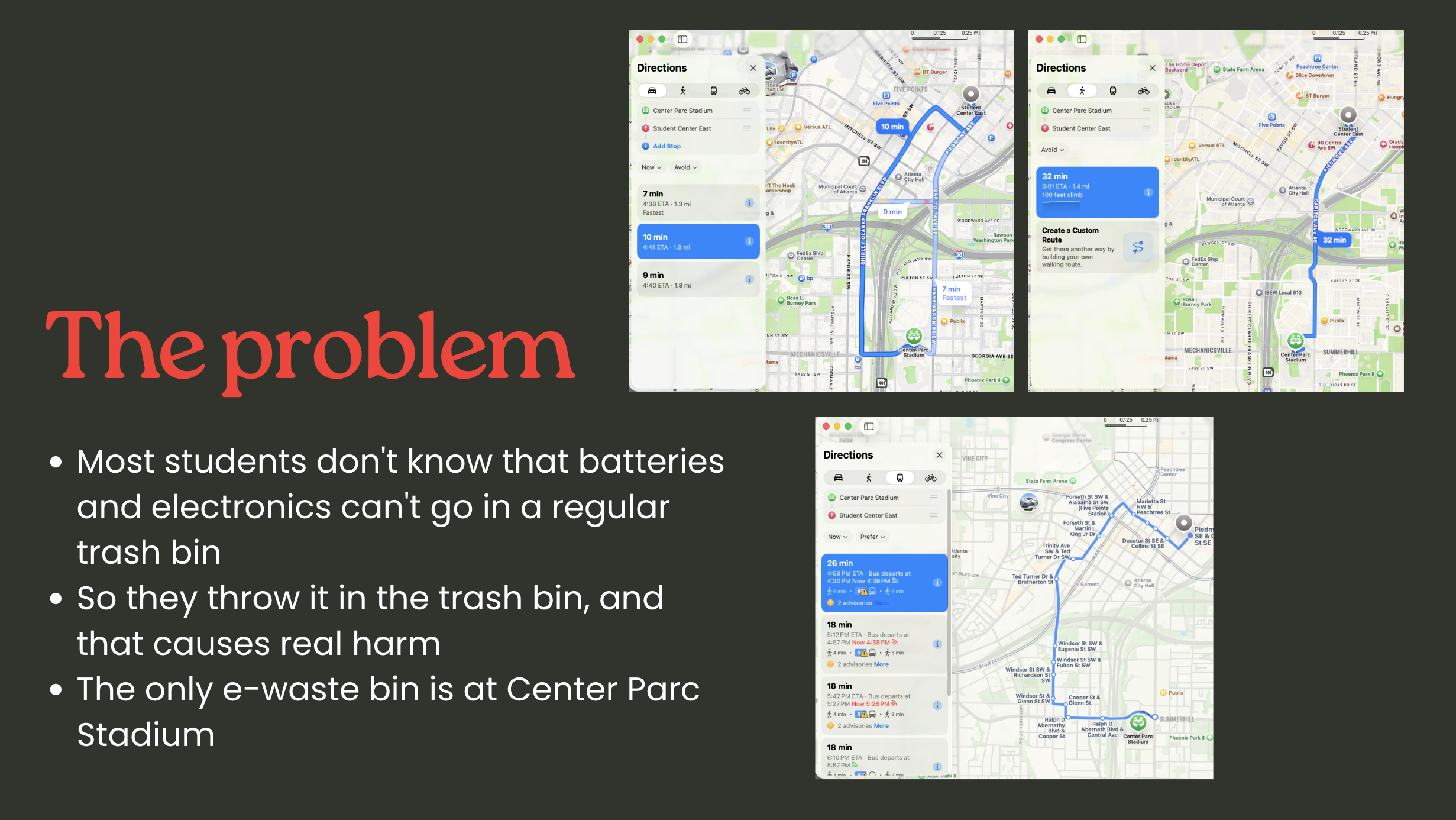
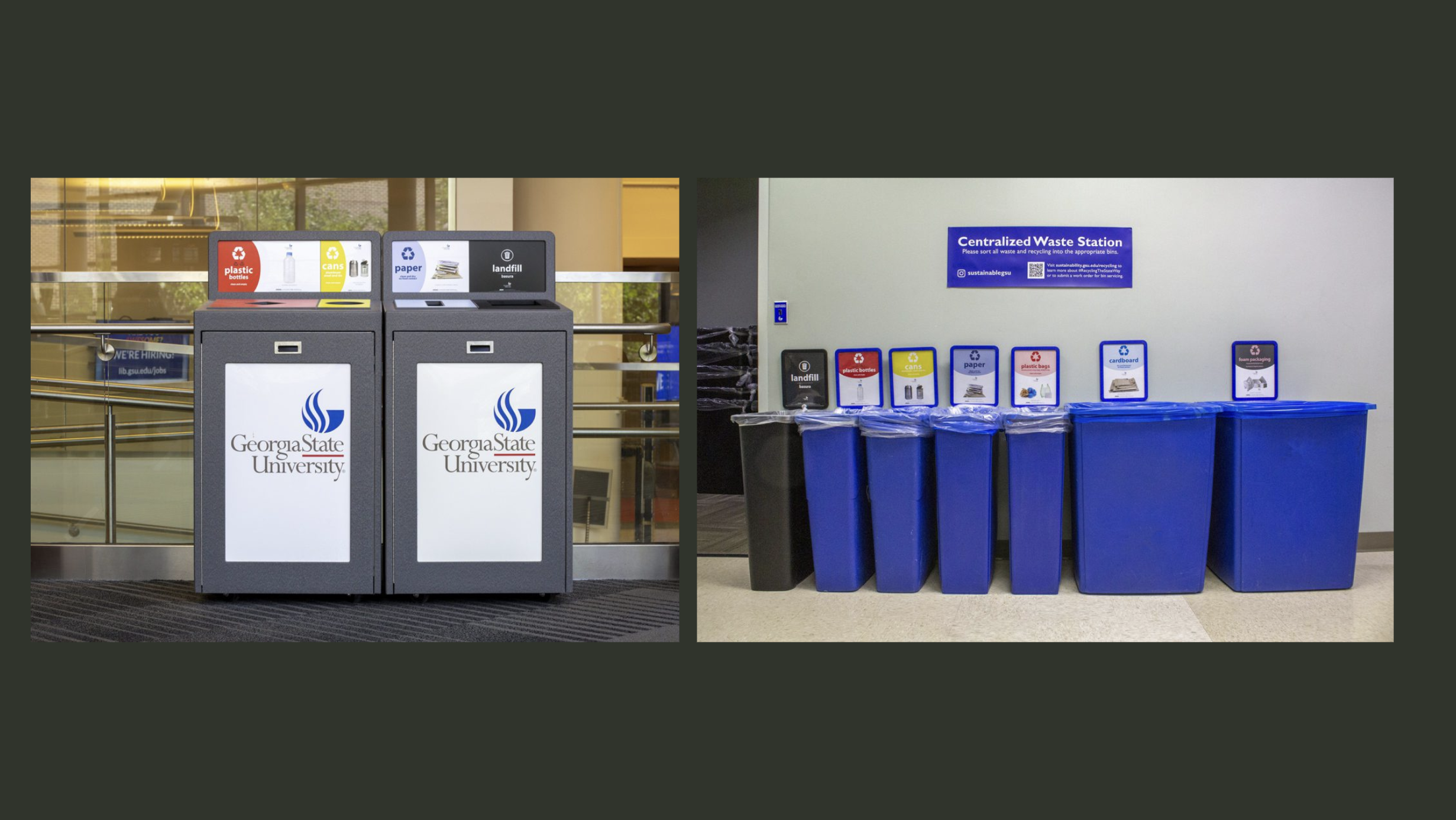
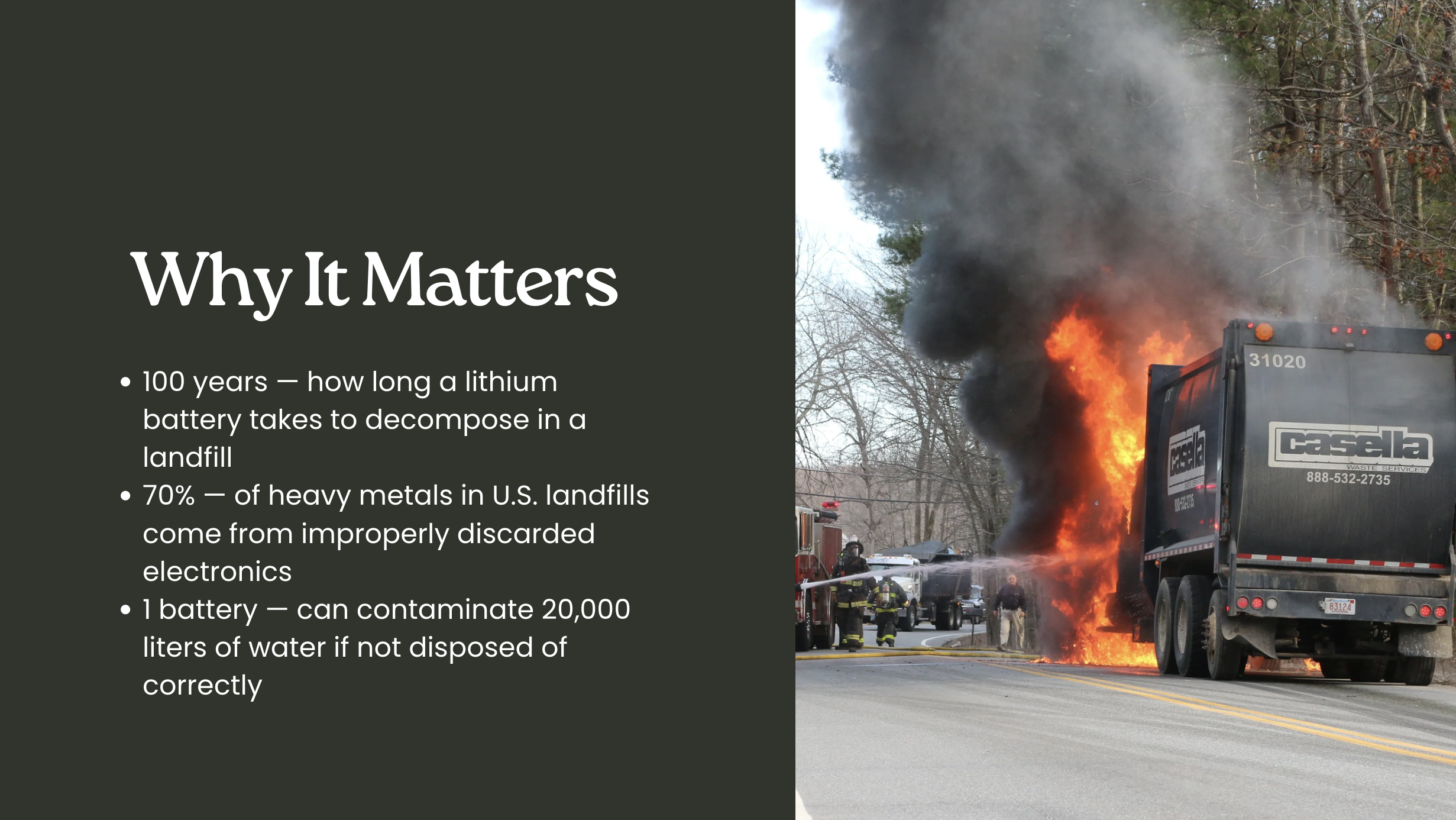
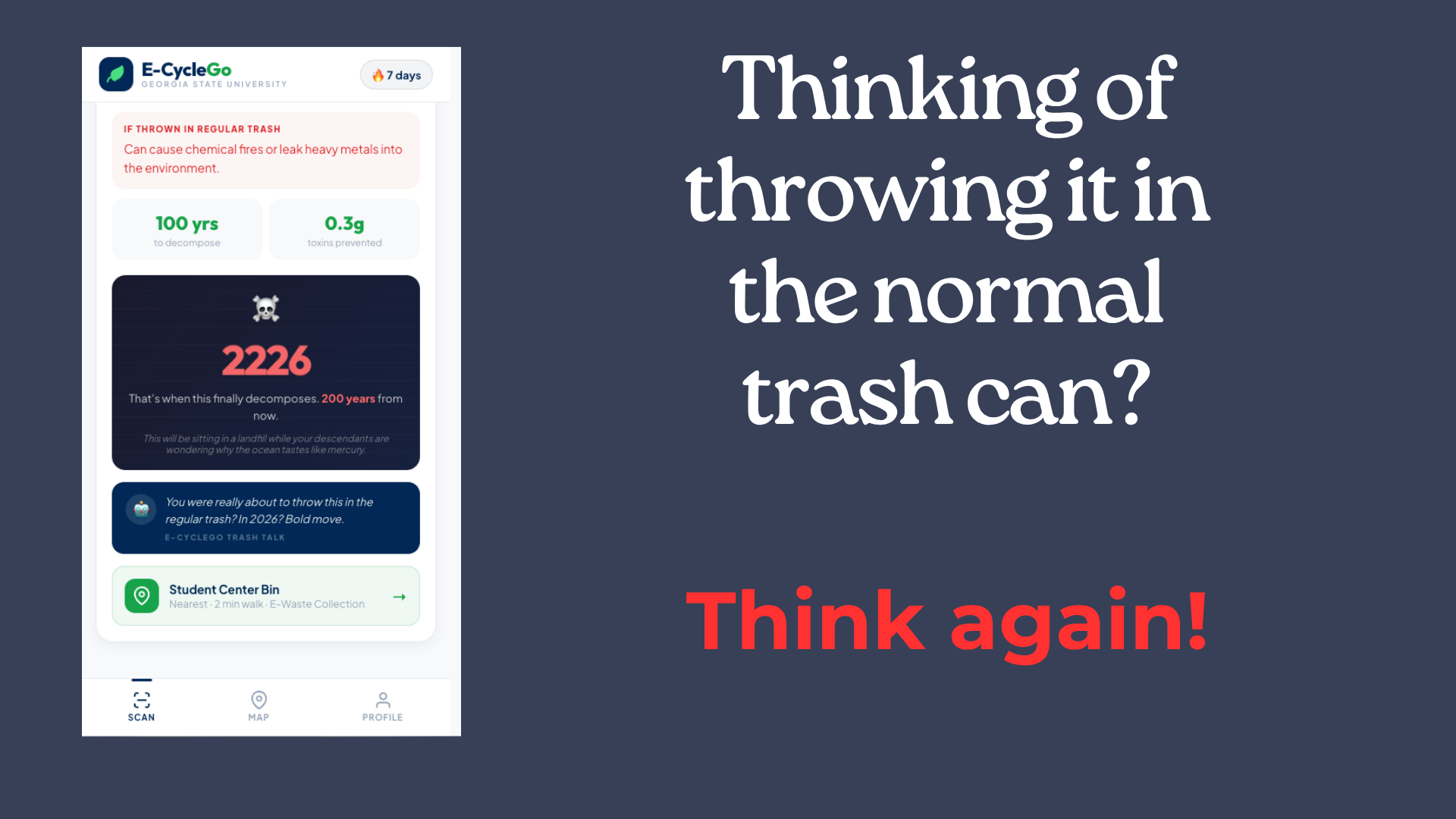
GSU's only e-waste disposal bin is at Center Parc Stadium, a 20-minute bus ride from main campus. No student is making that trip to recycle a battery. They throw it in the trash, where lithium batteries cause landfill fires and mercury leaks into groundwater. We wanted to make proper disposal as easy as taking a photo.
What it does
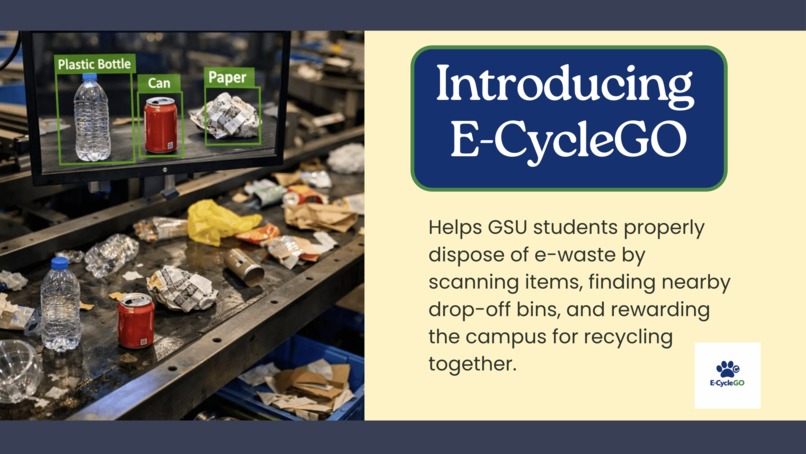
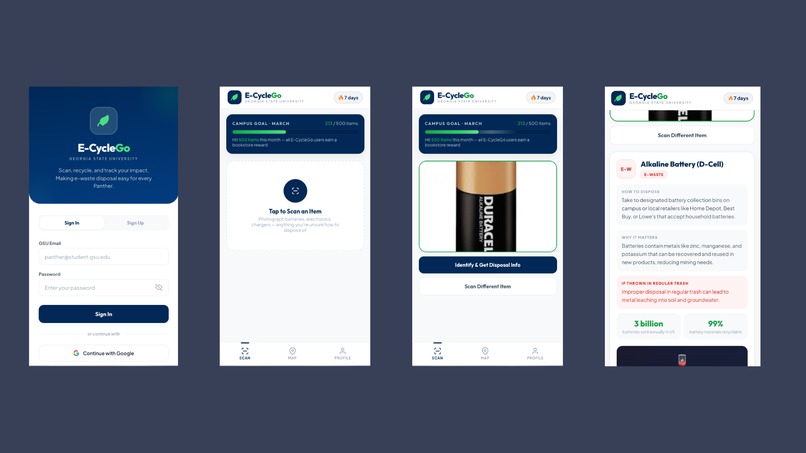
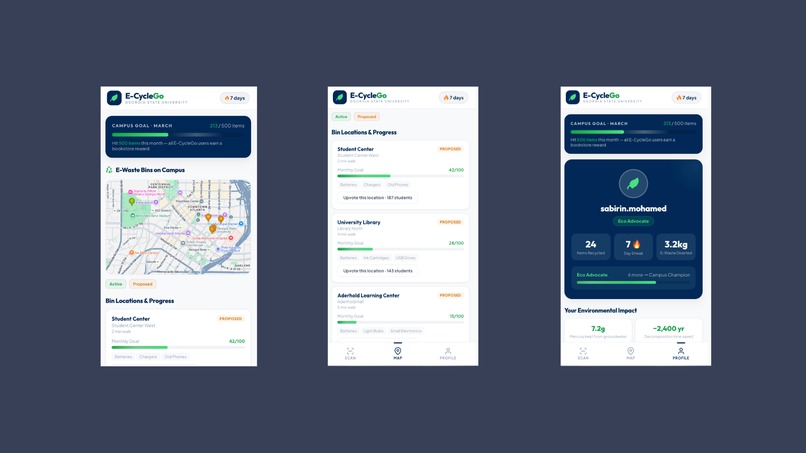
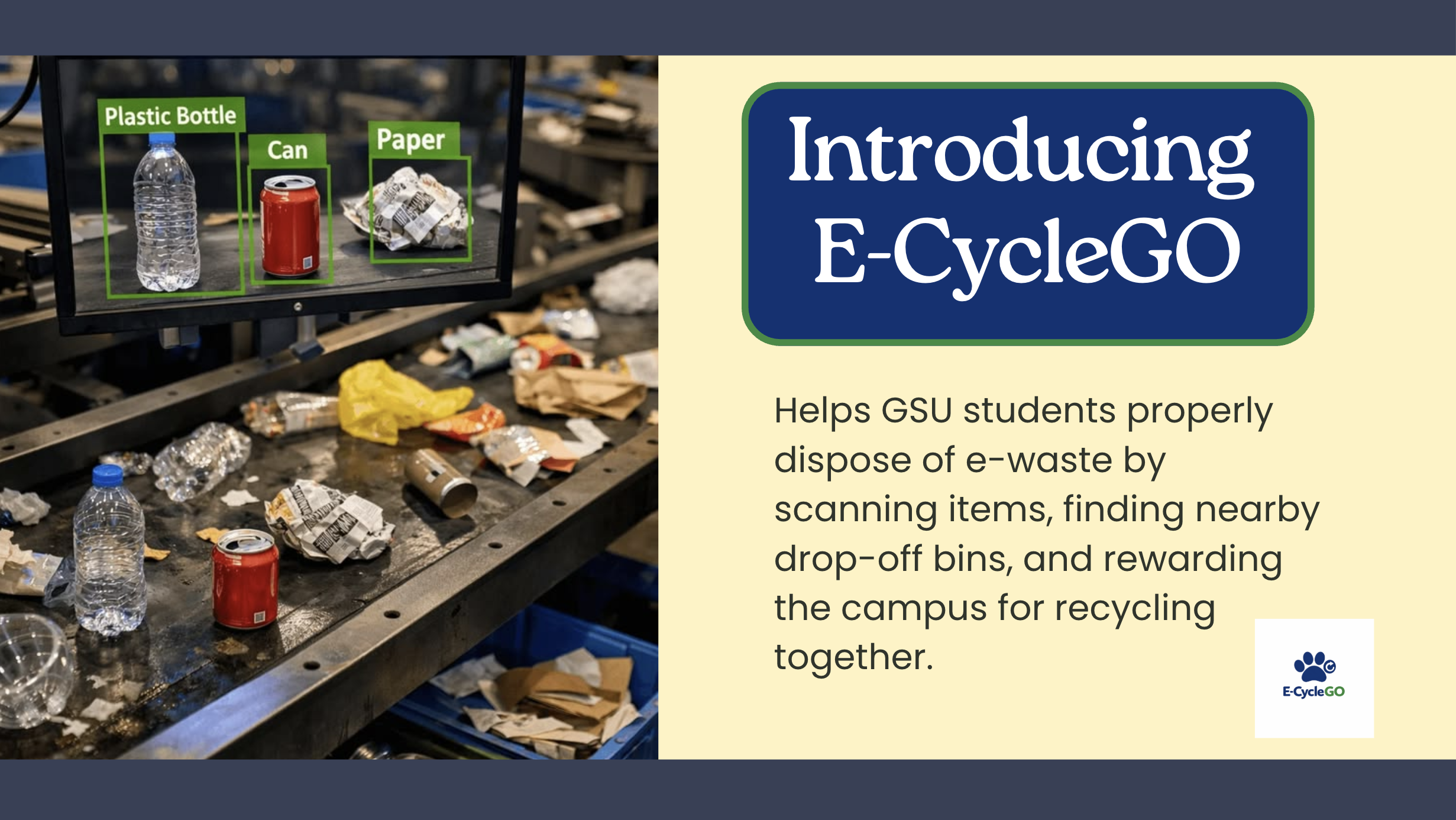
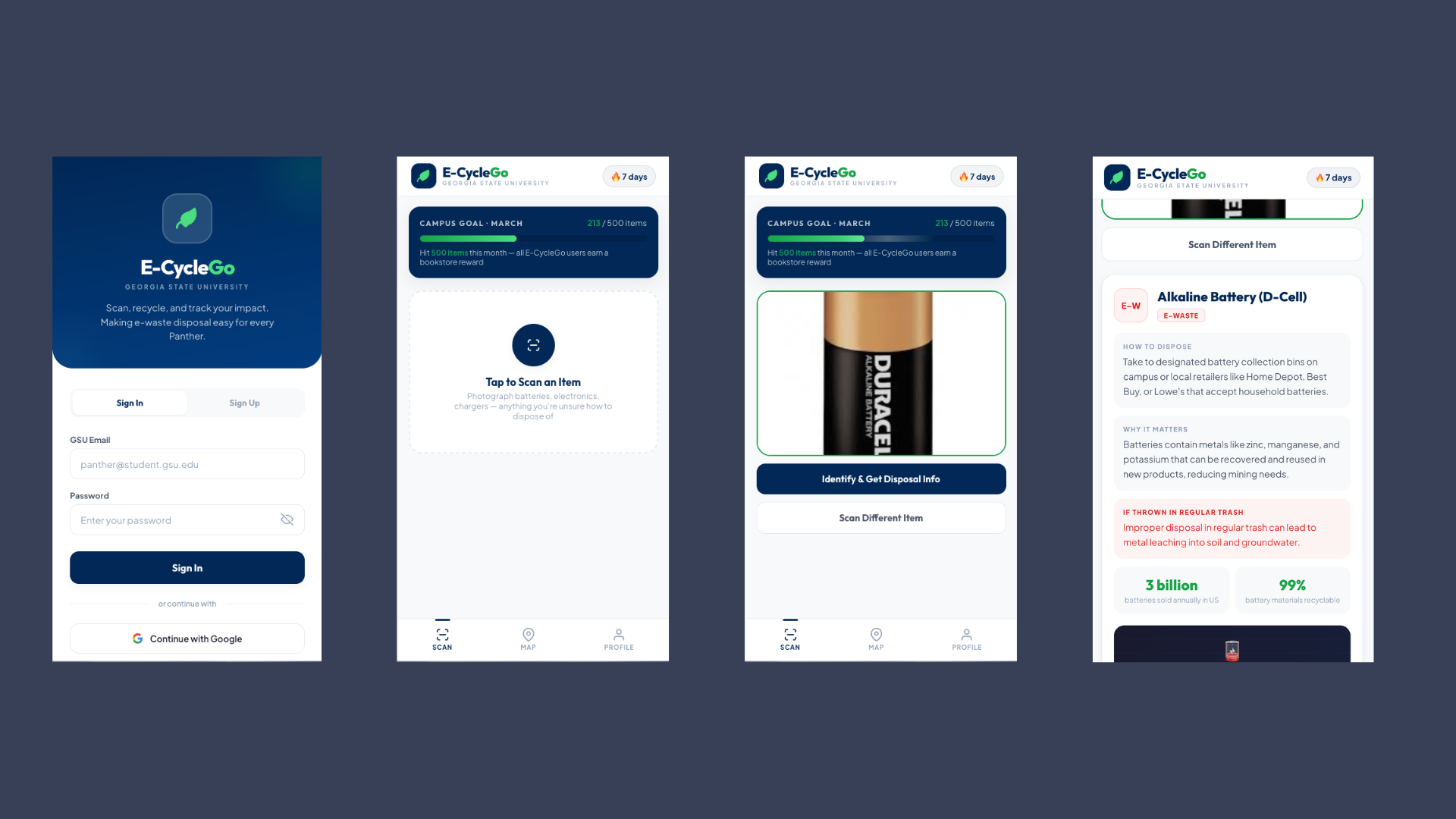
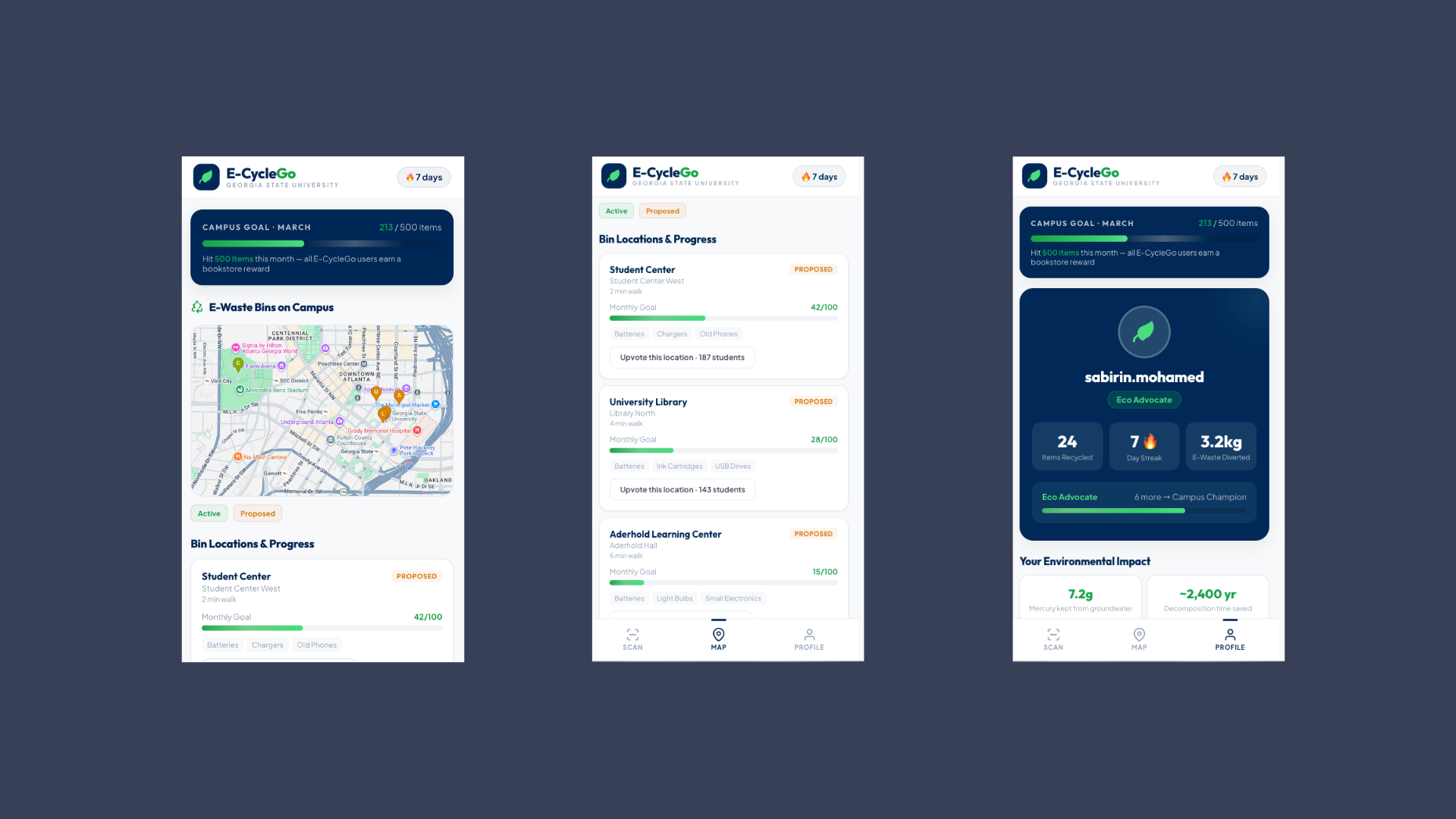
E-CycleGo lets students photograph any item and get instant AI-powered identification, disposal instructions, and directions to the nearest e-waste bin. Students upvote proposed bin locations to advocate for better campus infrastructure. A collective progress tracker turns recycling into a campus-wide challenge with real rewards.
How we built it
React frontend with a mobile-first design, Express backend proxying to Claude's vision API for item identification, and Google Maps for bin locations.
Challenges we ran into
Getting the AI scan to return consistent structured data and building an interactive campus map within the time constraint.
Accomplishments that we're proud of
Built a fully working AI-powered scan that identifies e-waste items in real time using Claude's vision API. Created a campus advocacy tool where students can actually vote on where new bins should go, turning a recycling app into a data-driven proposal for GSU infrastructure change. Shipped a complete mobile-first app with login, scan, interactive map, and profile tracking in under 6 hours as a two-person team.
What we learned
The real problem isn't that students don't care about recycling, it's that the infrastructure makes it nearly impossible. Data from our upvote system could make a real case to GSU facilities management.
What's next for E-CycleGo
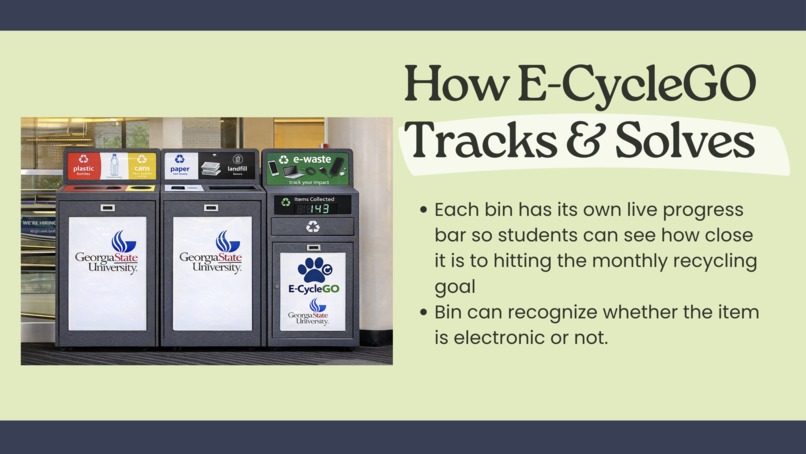
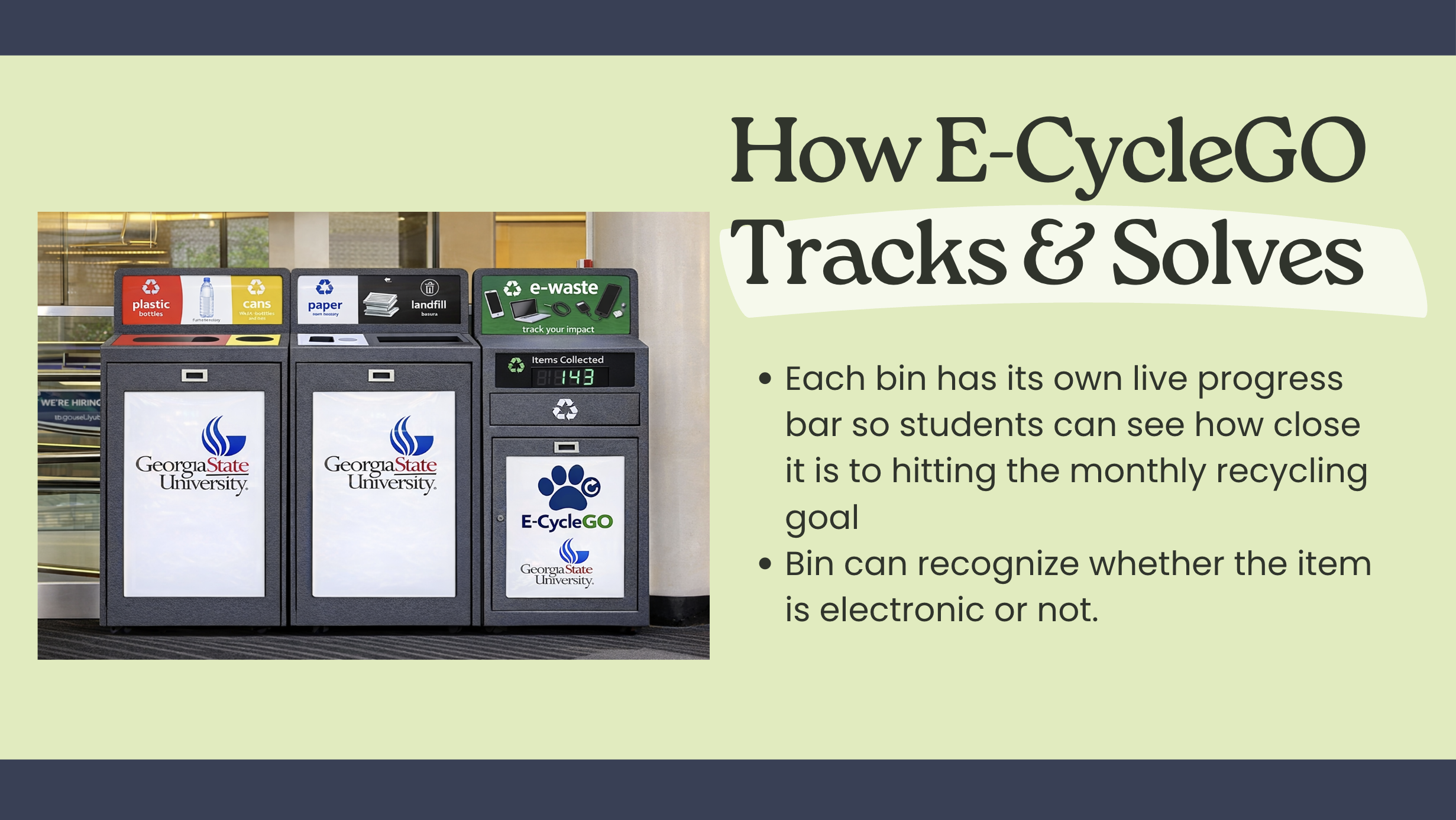
Partner with GSU sustainability office, deploy real bins at the most-upvoted locations, and add QR codes on bins to log recycling without needing to scan each item.
Built With
- anthropic-claude-api
- css
- express.js
- google-maps
- html
- javascript
- node.js
- react
