-
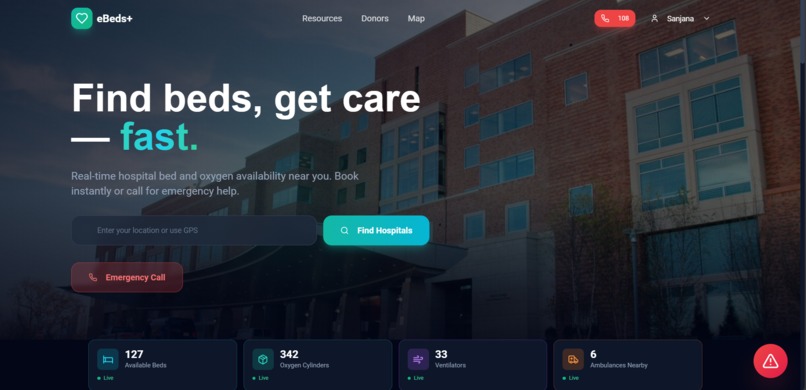
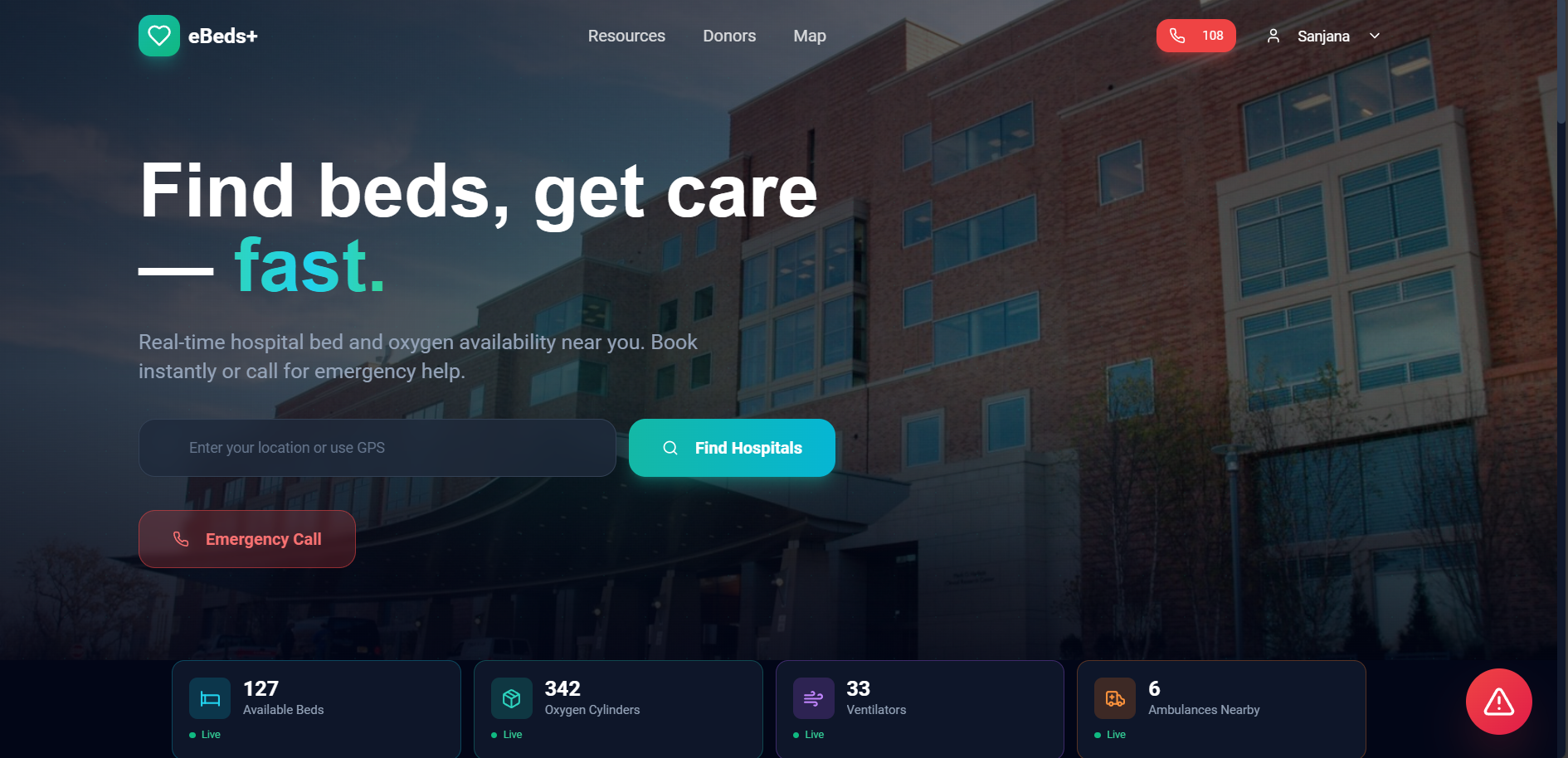
HOME PAGE
-
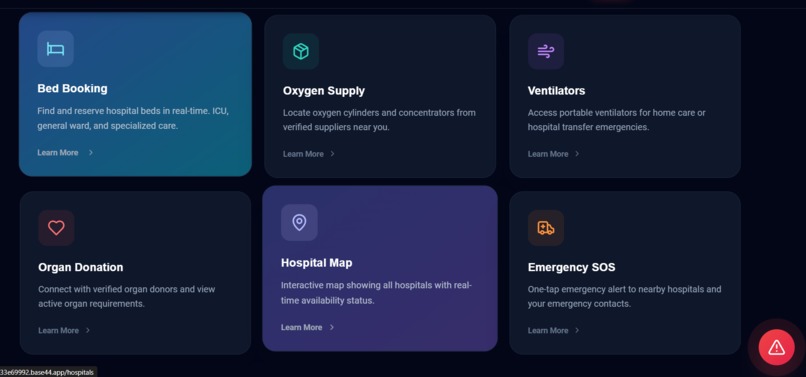
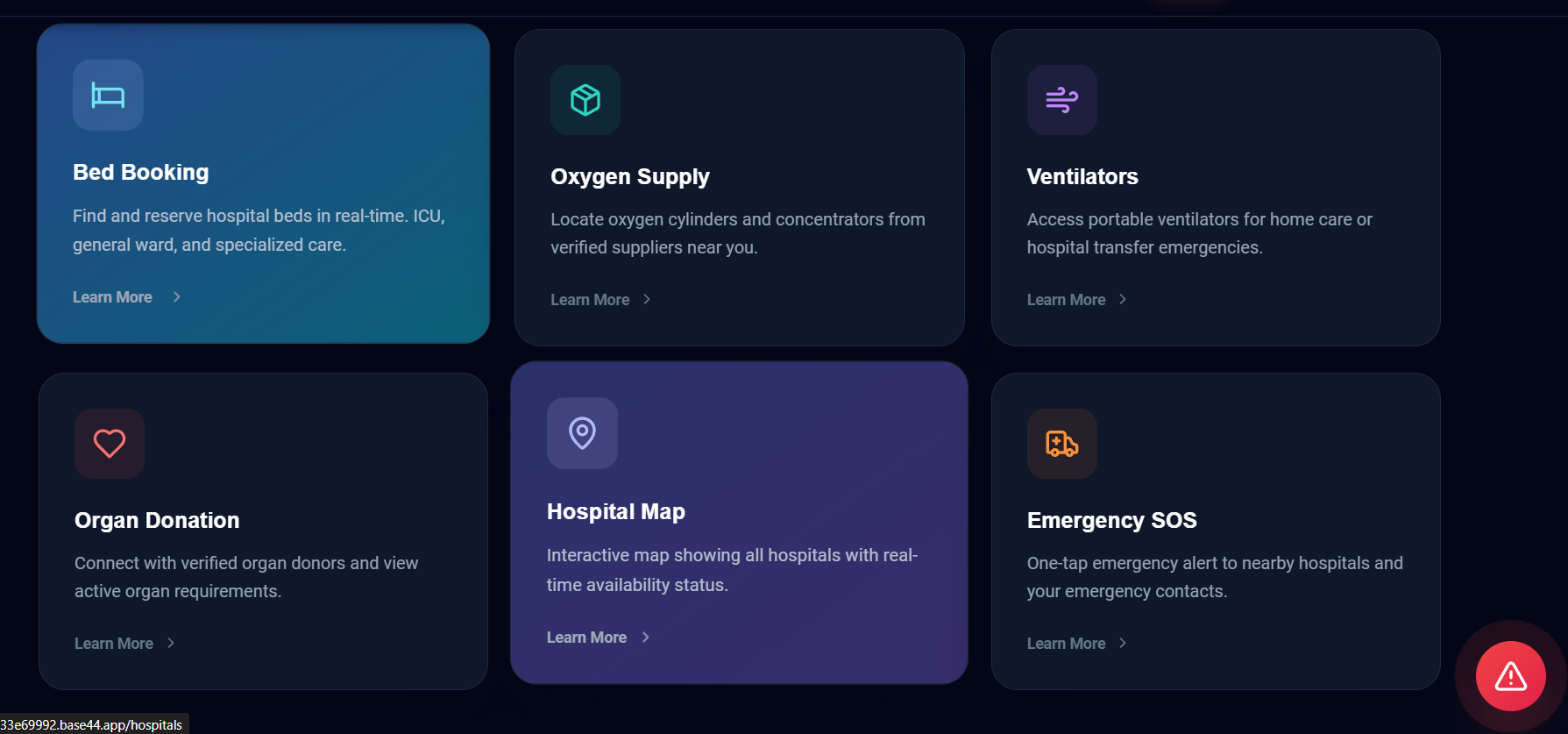
FACILITIES
-
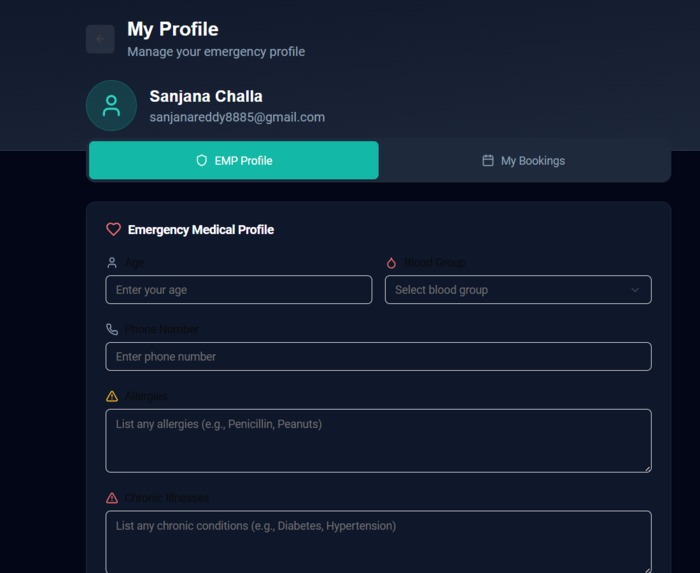
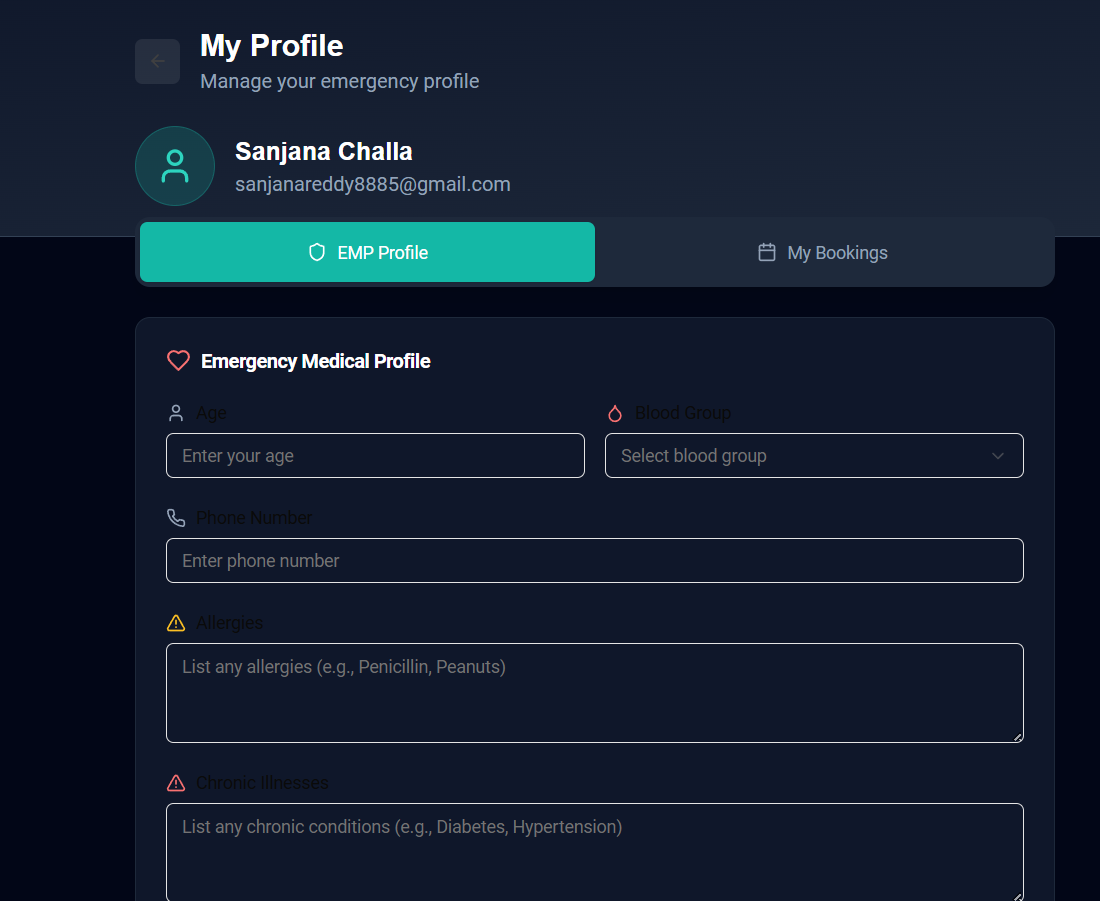
USER PROFILE
-
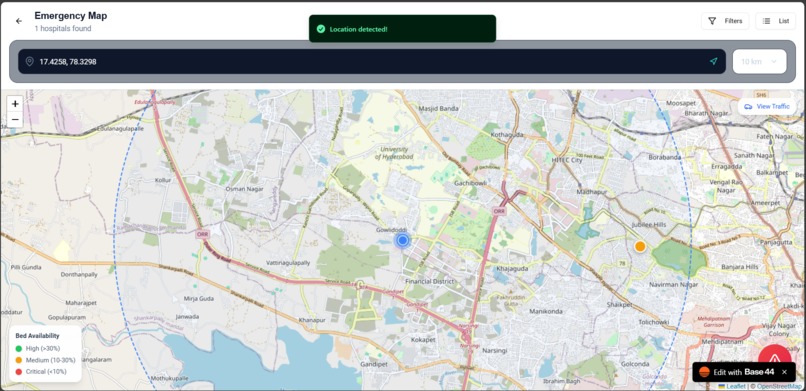
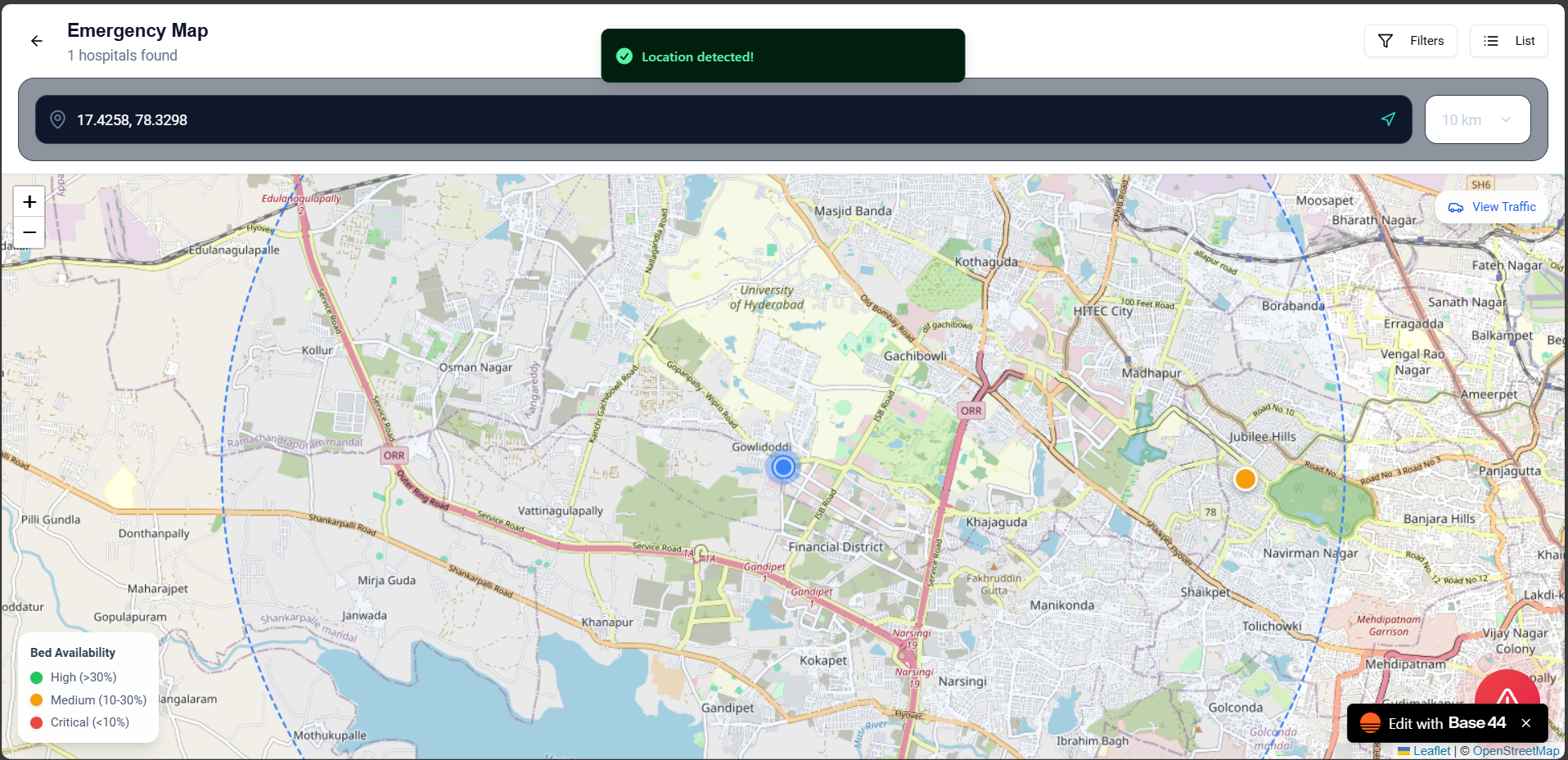
MAPS
Inspiration
During emergencies, the biggest struggle is not treatment — it's time. Families run from hospital to hospital searching for available beds, ventilators, oxygen cylinders, or even donors. We wanted to build something that removes this panic, gives instant clarity, and guides people to the right help within seconds. That’s how eBeds was born: a platform designed to save precious time and lives.
What it does
eBeds+ is an all-in-one emergency medical assistance platform that provides: Real-time hospital bed availability with instant booking Oxygen cylinder and ventilator stock checking Organ donor search to quickly match patients with verified donors Smart Emergency Map showing nearby hospitals, live traffic, and fastest routes One-tap SOS button that sends location, emergency type, and patient details User health ID to store medical info for faster treatment Everything a person needs during an emergency — in one app.
How we built it
We built eBeds+ using Base 44, a powerful no-code/low-code platform that allowed us to rapidly create dynamic pages, workflows, and real-time dashboards. Base 44 helped us structure our data models visually and deploy backend logic without writing heavy code.
Challenges we ran into
Prompt Engineering on Base44: Since Base44 is heavily AI-prompt–driven, we faced difficulties crafting the right prompts to fetch accurate hospital data, filter results, and trigger emergency workflows. Small changes in wording often changed the output.
Workflow Stability: Making Base44 workflows run consistently — especially for real-time updates like bed availability and SOS triggers — required a lot of testing and prompt refinement.
Data Structure Limitations: Structuring hospital data, oxygen stock, and donor info inside Base44’s collections took time because we had to align everything with the AI actions and queries.
Custom Logic Restrictions: Some advanced logic (like verifying fake bookings or prioritizing nearby hospitals) was harder to implement due to the limitations of the no-code environment.
Integrating Maps & External APIs: Base44 made backend automation easy, but connecting external services like map APIs required manual setup, tokens, and a lot of trial-and-error.
UI and Backend Sync: Ensuring React UI stayed synced with Base44’s dynamic data and workflows was challenging when updates happened in real-time.
Accomplishments that we're proud of
Built a fully functional emergency assistant with real-time hospital data Created a clean UX that even non-technical users can navigate in crisis Integrated maps + SOS + medical resource tracking in one platform Designed a system that can genuinely save lives Learned to collaborate efficiently under time constraints
What we learned
How to work with real-time databases and live updates Importance of user-centered design in emergency apps How to integrate complex features without overwhelming users More knowledge about healthcare systems, bed management, and logistics Handling teamwork, debugging, and time management under pressure
What's next for e-beds
Partnering with hospitals to get official real-time data Adding AI-based triage to classify emergency severity Introducing ambulance live tracking Expanding to rural hospitals where access is limited Adding multi-language support Creating a dashboard for doctors and hospital admins
Built With
- base44

Log in or sign up for Devpost to join the conversation.