Inspiration
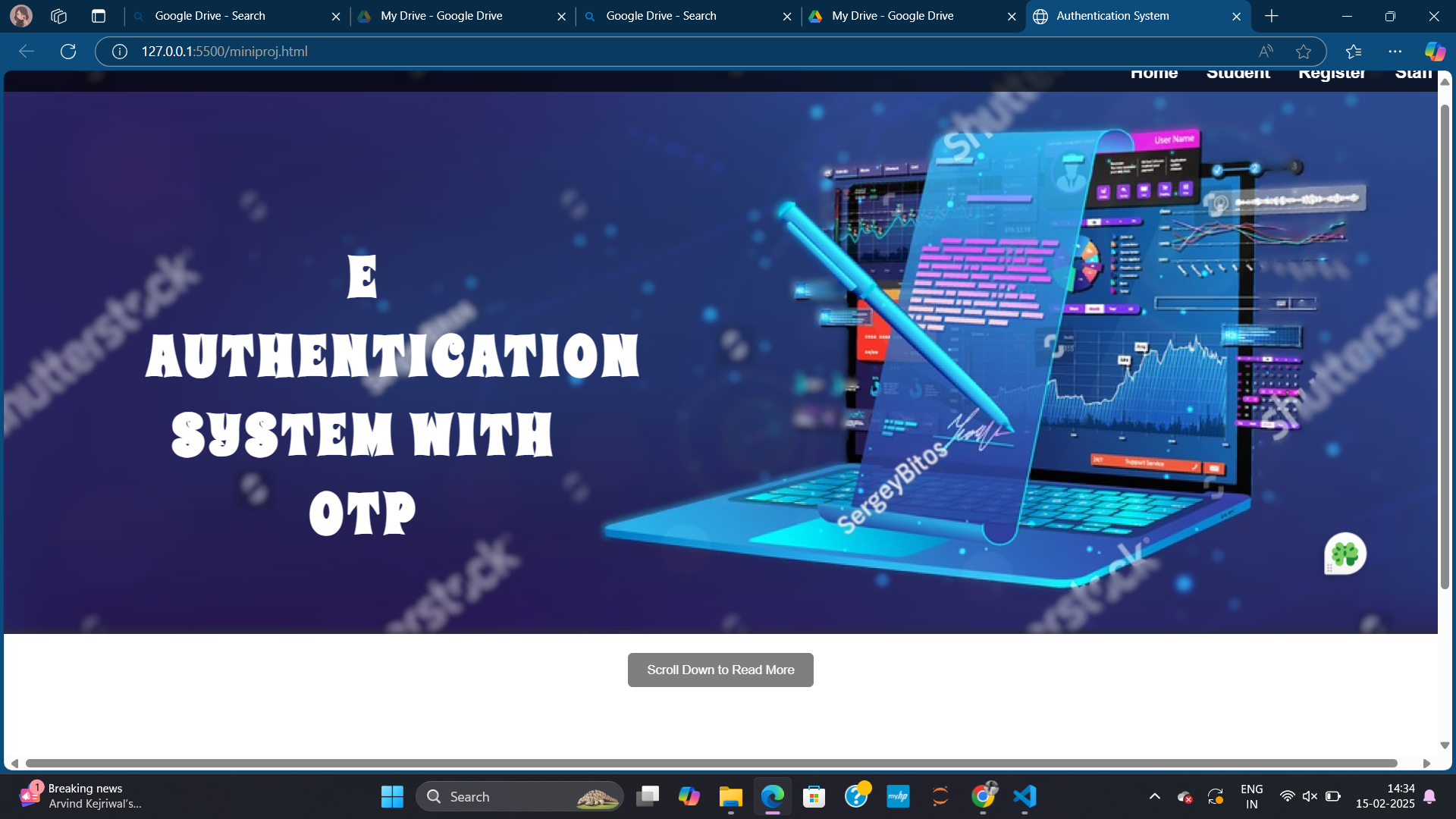
With the increasing number of online transactions and data breaches, traditional authentication methods like passwords are no longer secure enough. We wanted to build an E-Authentication System that enhances security through multi-factor authentication, ensuring safe and seamless access to digital platforms.
What it does
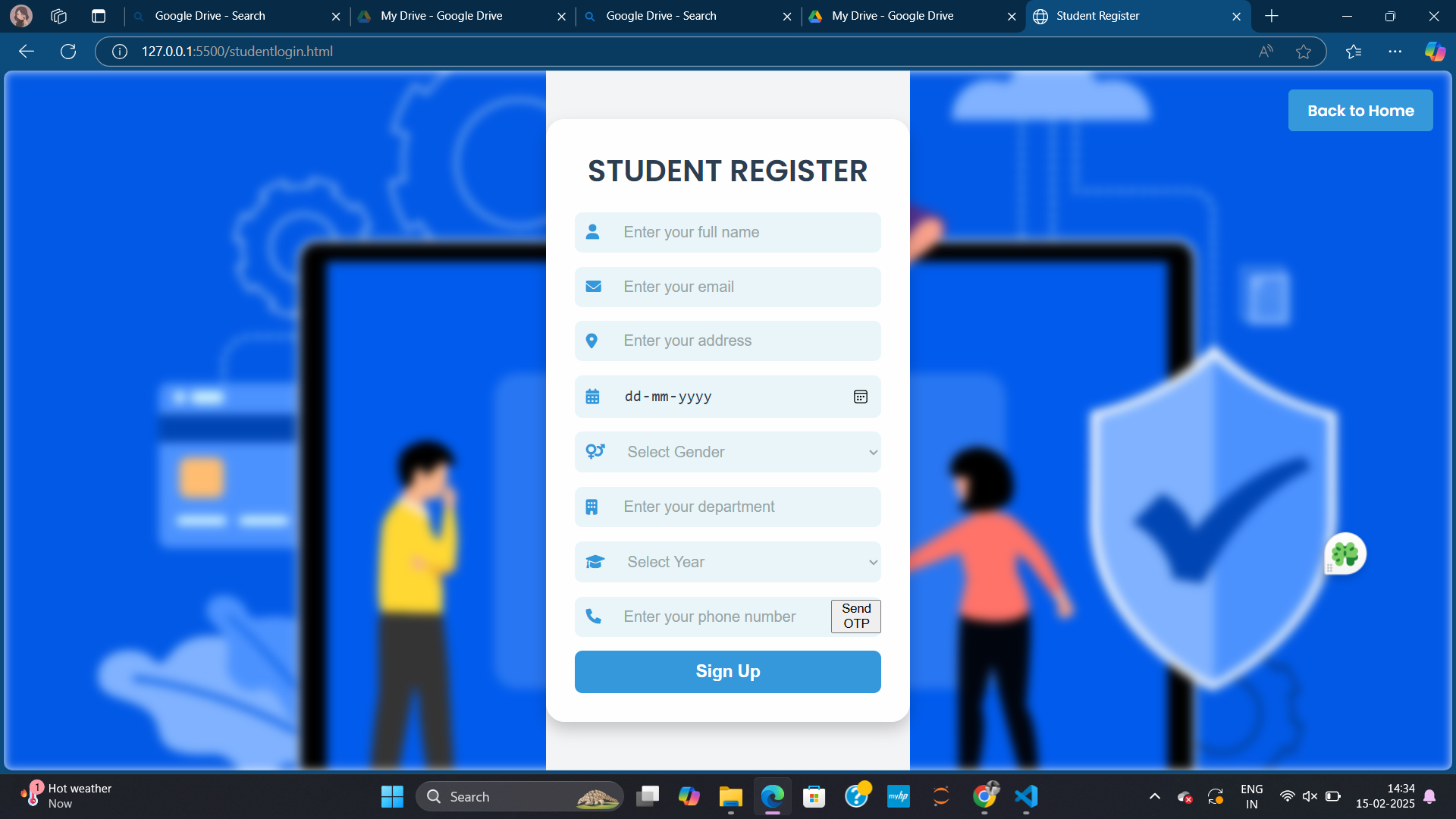
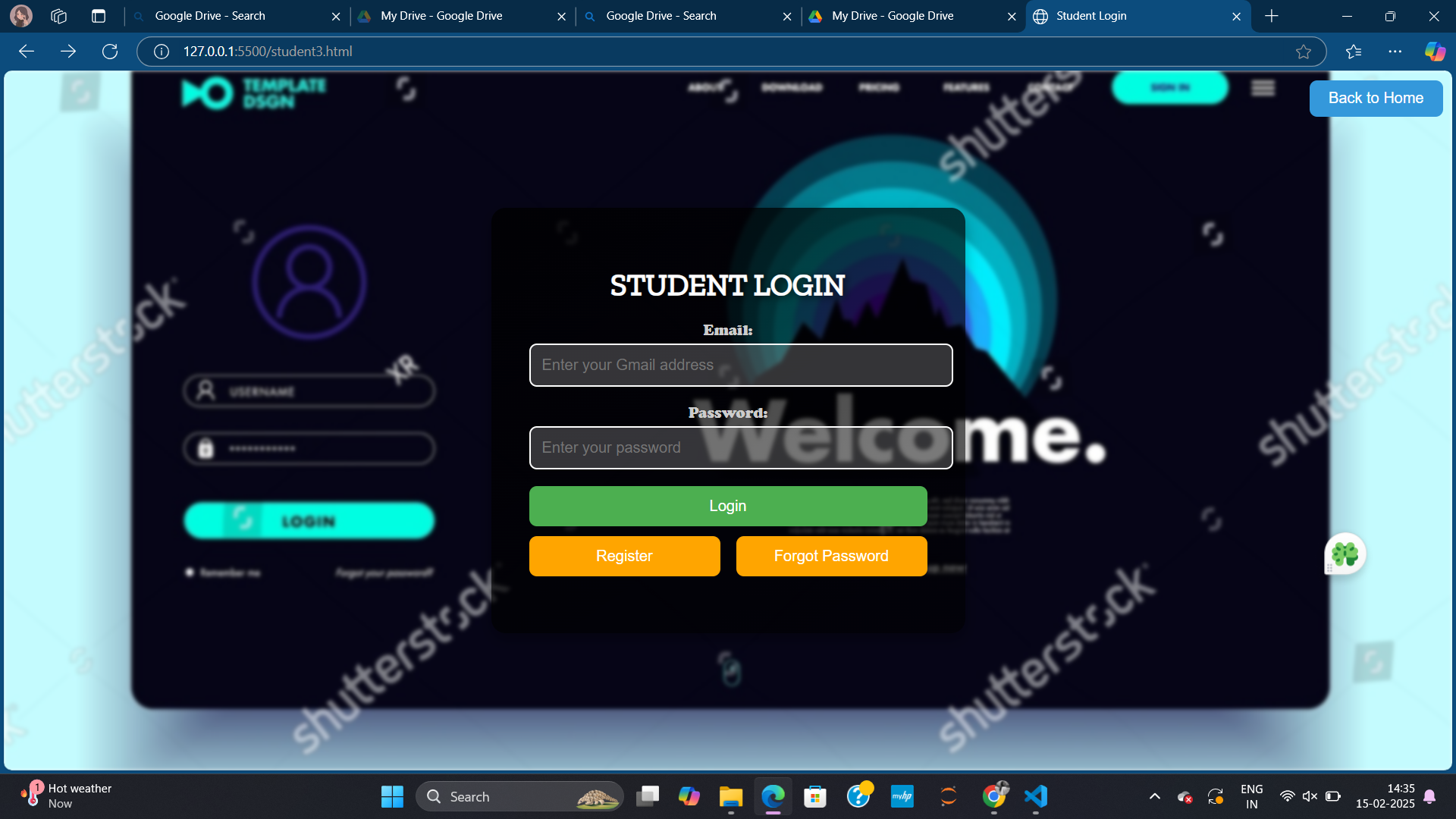
Our E-Authentication System provides a secure and user-friendly way to verify identities. It includes:
Multi-Factor Authentication (MFA): Combines password-based authentication with OTP, biometrics, or facial recognition.
Role-Based Access Control: Restricts user access based on their role.
Encryption & Secure Data Storage: Ensures user credentials are stored safely.
Real-Time Authentication Logs: Tracks login attempts to detect suspicious activity.
How we built it
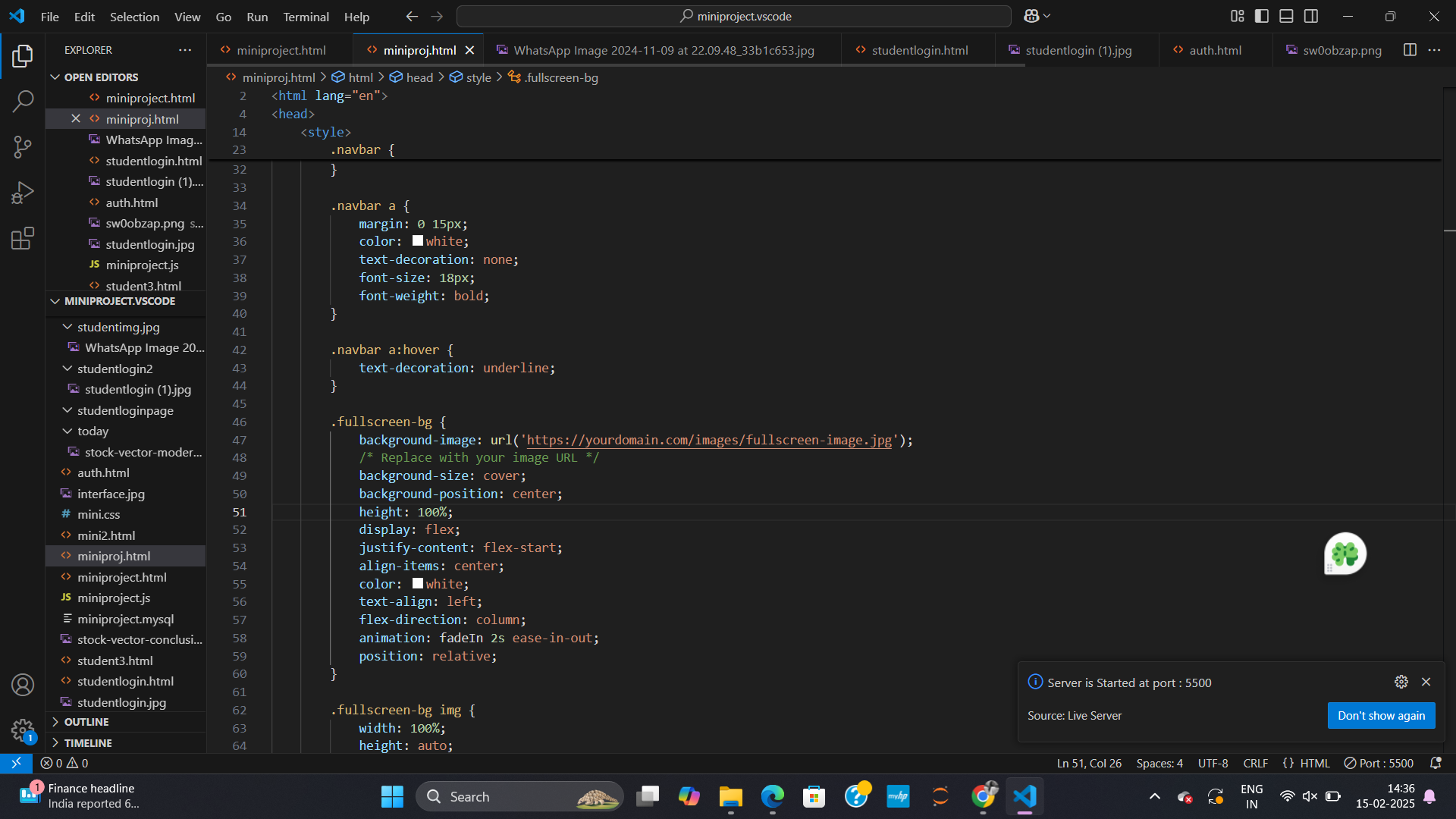
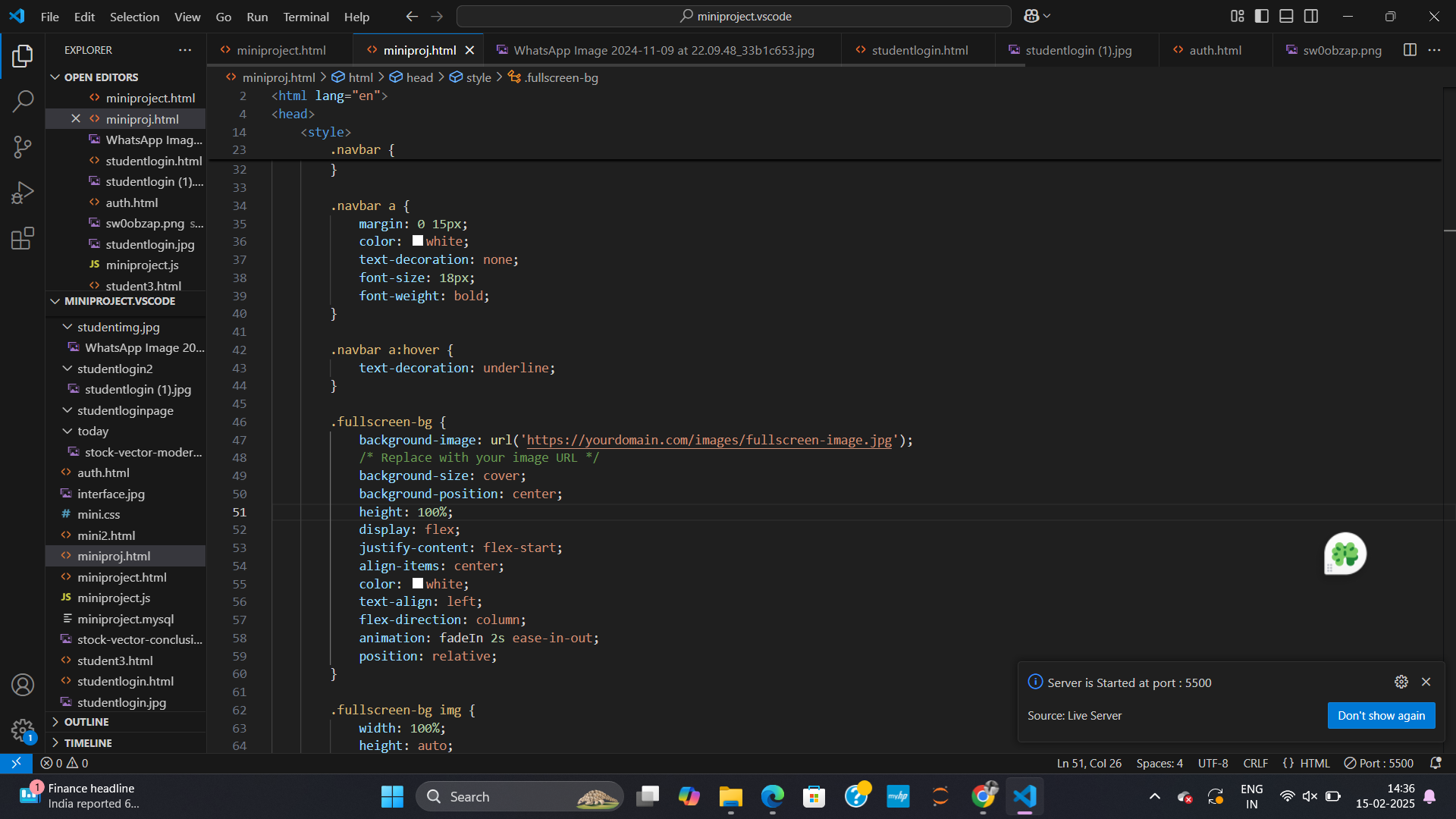
Frontend: Designed using HTML, CSS, and JavaScript for a smooth user interface.
Backend: Developed with Python (Django/Flask) or Node.js to handle authentication logic.
Database: Used MySQL or Firebase to store user data securely.
Security Measures: Implemented hashing (bcrypt/argon2) and SSL encryption for secure communication.
API Integration: Integrated third-party authentication services like Google Authenticator or Twilio for OTP verification.
Challenges we ran into
Implementing secure encryption techniques for data protection.
Ensuring the system is user-friendly while maintaining strong security measures.
Handling scalability to support a large number of users.
Integrating biometric authentication with limited hardware resources.
Accomplishments that we're proud of
Successfully implemented a multi-factor authentication system.
Created a real-time monitoring dashboard for login tracking.
Optimized database security to prevent SQL injection and data leaks.
Improved authentication speed while maintaining high security.
What we learned
Best practices for cybersecurity and data encryption.
The importance of user experience (UX) in security applications.
How to implement OAuth and JWT authentication for secure API access.
The challenges and benefits of biometric authentication in web applications.
What's next for the E-Authentication System
AI-Powered Fraud Detection: Implement machine learning to detect suspicious login patterns.
Blockchain-Based Authentication: Enhance security by decentralizing authentication data.
Cross-Platform Compatibility: Expand support for mobile and IoT devices.
Passwordless Authentication: Implement FIDO2/WebAuthn for secure, password-free logins.

Log in or sign up for Devpost to join the conversation.