🕵️♂️ E-Agent Orchestrator - AI Powered Incident Response
💡 Inspiration
In the modern cybersecurity landscape, Security Operations Center (SOC) analysts are overwhelmed. 📉 The sheer volume of alerts generated by SIEM solutions like Elastic Security often leads to "alert fatigue," where critical threats can be missed amidst the noise. We were inspired by the potential of Generative AI 🤖 to act not just as a chatbot, but as an intelligent agent capable of investigating, contextualizing, and even responding to threats autonomously. We wanted to build a bridge between the robust data capabilities of the Elastic Stack and the reasoning power of Large Language Models (LLMs) to empower analysts, not replace them.
🚀 What it does
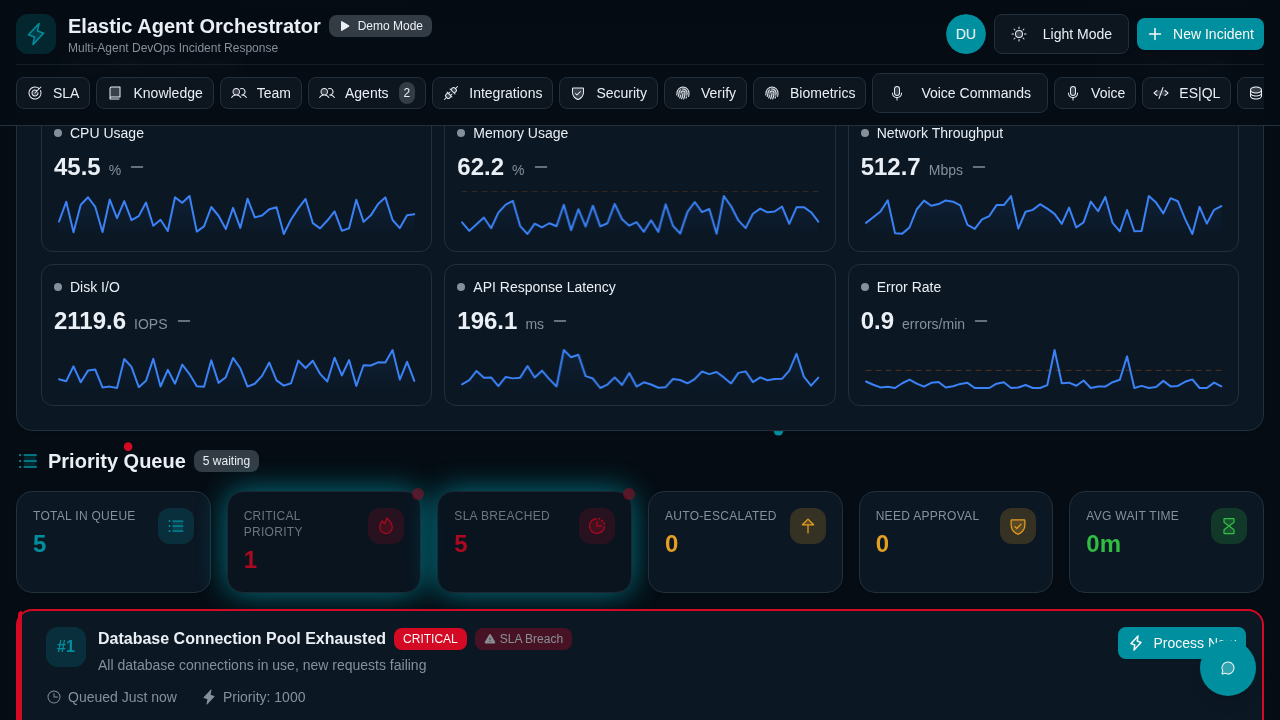
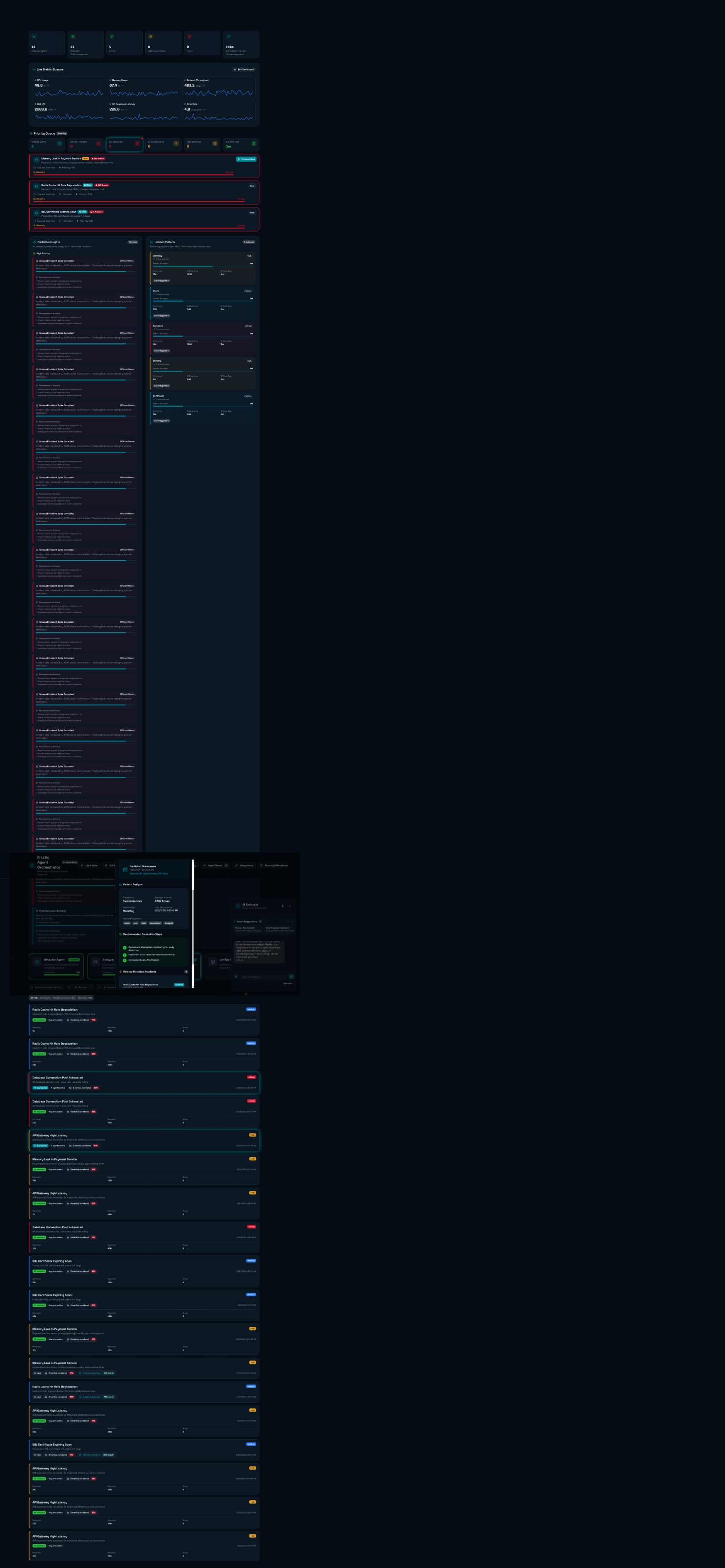
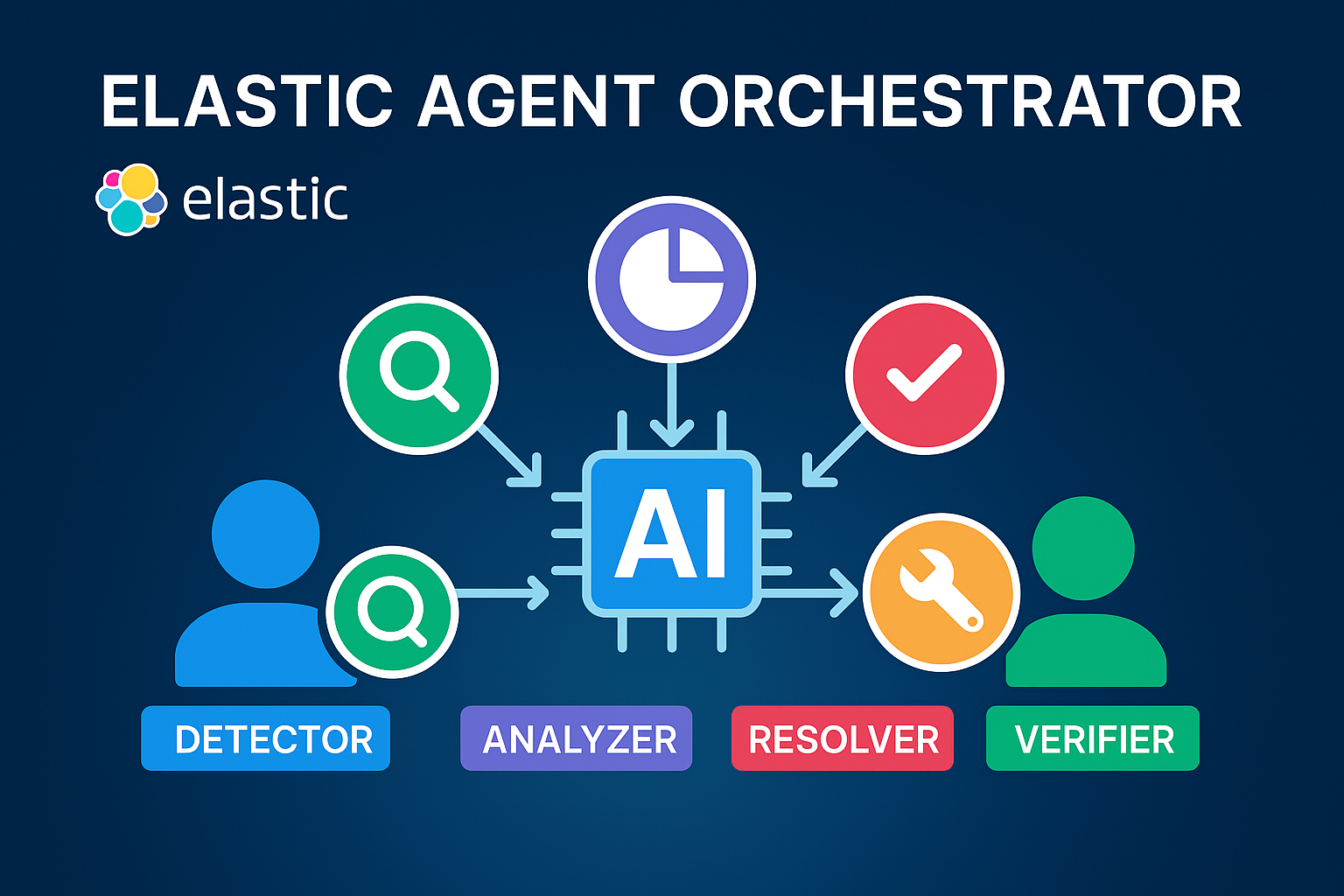
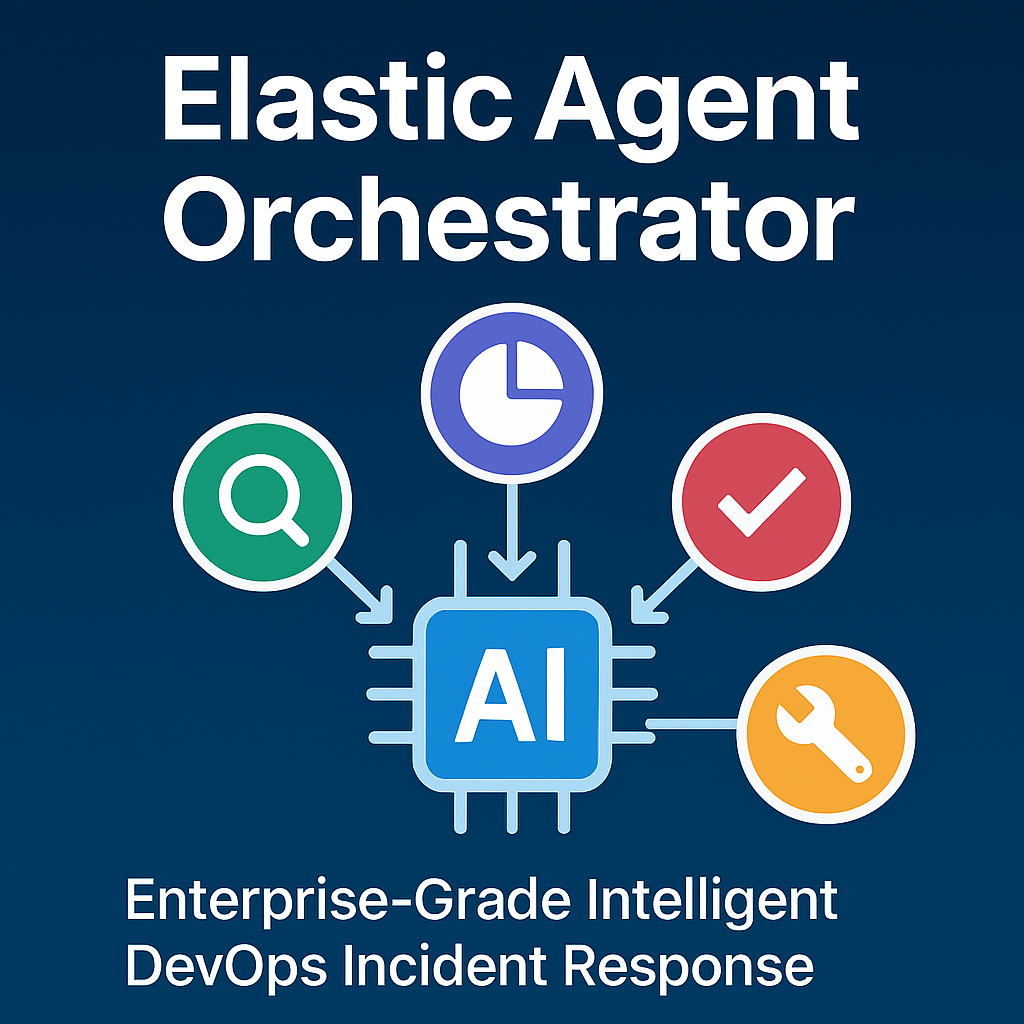
E-Agent Orchestrator is an AI-driven incident response platform that integrates directly with your Elastic environment. It serves as a force multiplier for security teams by:
- Automated Triage 🚦: Automatically ingesting alerts from Elasticsearch, analyzing their severity, and correlating them with historical data.
- AI Investigation 🔍: Using an autonomous agent to query logs, analyze process trees, and inspect network traffic patterns to determine if an alert is a true positive.
- Smart Remediation 🛡️: Suggesting—and upon approval, executing—remediation steps such as isolating a host, blocking an IP, or disabling a compromised user account.
- Interactive BUI (Browser User Interface) 💬: Providing a clean, chat-based interface where analysts can converse with their data, ask questions about ongoing incidents, and visualize attack paths in real-time.
🛠️ How we built it
We built the E-Agent Orchestrator using a modern, scalable tech stack designed for speed and reliability:
- Backend 🐍: We used Python with FastAPI for its high performance and native support for asynchronous operations, which is crucial for handling multiple AI agent streams simultaneously.
- AI & Orchestration 🧠: We leveraged LangChain to construct our decision-making agents and OpenAI's GPT-4o as the reasoning engine. The agents are equipped with custom tools to query Elasticsearch indices using DSL (Domain Specific Language).
- Frontend (BUI) ⚛️: The user interface is built with React and TypeScript, utilizing Elastic UI (EUI) components to ensure a seamless look and feel consistent with the Elastic ecosystem.
- Data Layer 💾: Elasticsearch serves as both our source of truth for security logs and the storage backend for the agent's conversation history and investigation artifacts.
Mathematically, we modeled the threat scoring using a weighted decay function to prioritize recent, high-fidelity signals:
$$ S(t) = \sum_{i=1}^{n} w_i \cdot I_i \cdot e^{-\lambda(t - t_i)} $$
Where $S(t)$ is the current threat score, $w_i$ is the weight of the alert type, and $I_i$ is the alert intensity.
🏔️ Challenges we ran into
- Context Window Limits 🧱: Feeding massive JSON logs into an LLM often exceeded token limits. We had to implement a RAG (Retrieval-Augmented Generation) pipeline to selectively fetch only the most relevant log snippets for the agent to analyze.
- Hallucinations 👻: Ensuring the AI didn't invent non-existent IP addresses or file paths was critical. We implemented strict validation layers where every entity identified by the AI is cross-referenced against the actual data in Elasticsearch before being presented to the user.
- Asynchronous State Management ⏳: Managing the state of long-running investigations on the frontend while the backend agent was performing multi-step reasoning required complex WebSocket implementations.
🏆 Accomplishments that we're proud of
- Full End-to-End Automation ✅: We successfully demonstrated a scenario where the agent detected a brute-force attack, identified the malicious IP, and drafted a firewall rule to block it—all within seconds.
- Seamless EUI Integration 🎨: The dashboard looks and feels like a native part of the Elastic ecosystem, making it intuitive for existing Elastic users.
- Complex Query Generation 🗣️: Our agent can translate natural language questions like "Show me all failed login attempts from Russia in the last hour" into valid, executable Elasticsearch DSL queries.
🎓 What we learned
- Data Quality is King 👑: The AI is only as good as the logs it feeds on. We learned the importance of the Elastic Common Schema (ECS) in normalizing data so the agent can understand logs from disparate sources (firewalls, endpoints, cloud providers).
- Human-in-the-Loop is Essential 🤝: While automation is powerful, we learned that for high-stakes security decisions, the AI should act as a copilot that recommends actions rather than an autopilot that executes them blindly.
🔮 What's next for E-Agent Orchestrator - AI Powered Incident Response
- Multi-Modal Analysis 📷: Expanding the agent's capabilities to analyze screenshots and file uploads (e.g., analyzing a screenshot of a phishing email).
- Playbook Generation 📖: Allowing the AI to observe manual remediation steps taken by analysts and automatically generate reusable automation playbooks.
- Community Plugin System 🧩: Opening the "Tools" architecture so the community can write their own Python functions for the agent to use, such as integrating with Slack, Jira, or other SIEMs.
Built With
- api
- elastic-ui-(eui)
- elasticsearch
- fastapi
- kibana
- langchain
- lucene
- openai-api
- python
- react
- rest
- typescript


Log in or sign up for Devpost to join the conversation.