-
-
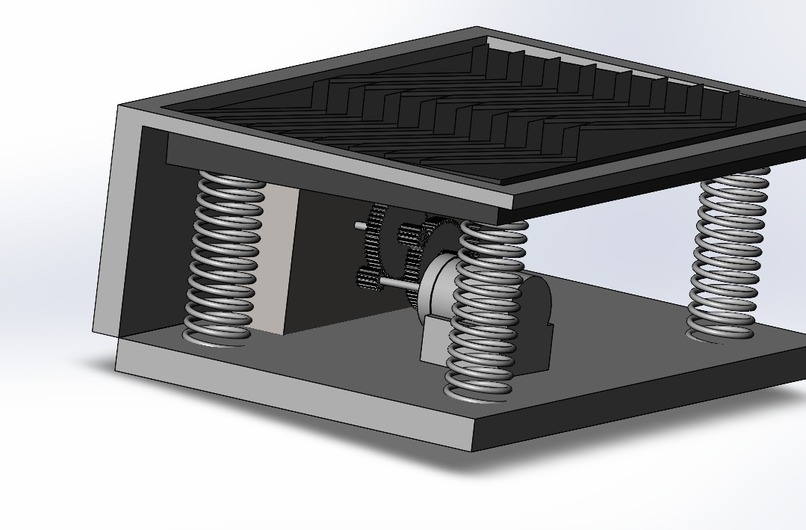
CAD
-
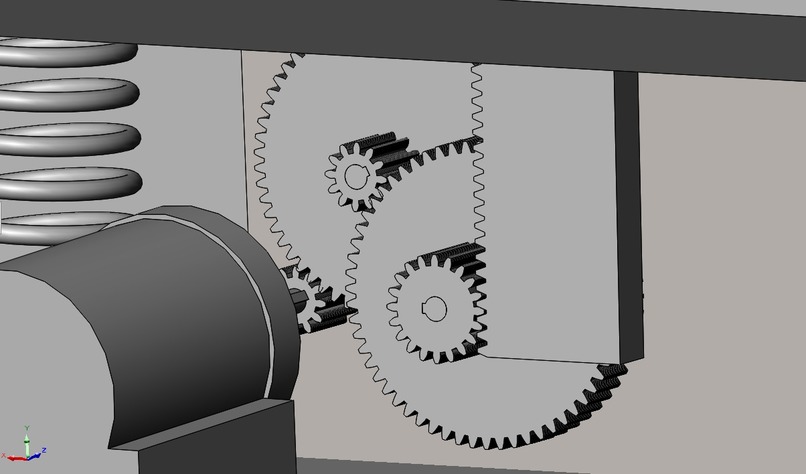
CAD
-
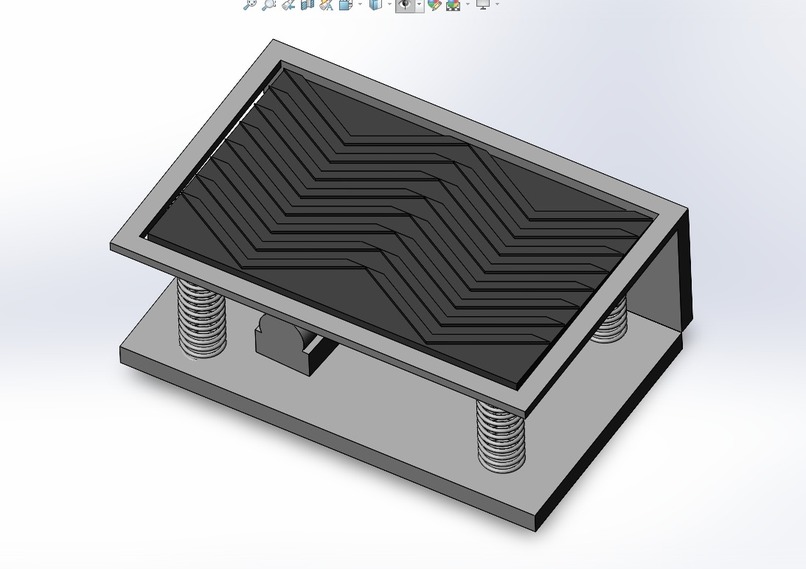
CAD
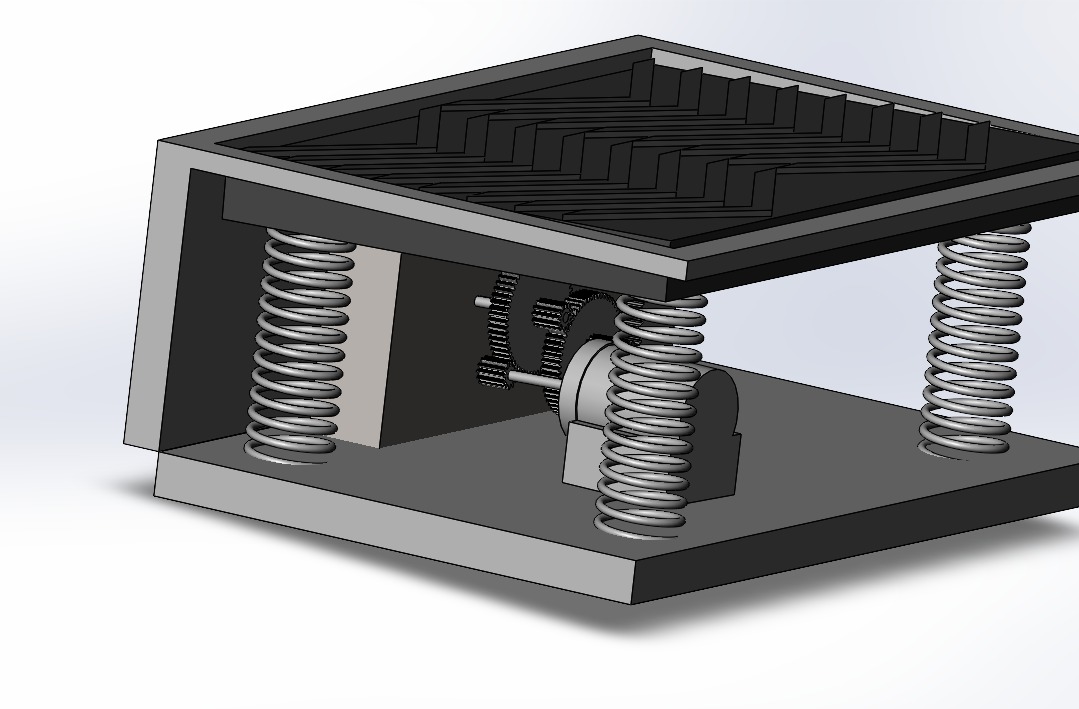
Inspiration The inspiration for PowerBump struck when we observed two conflicting realities in our cities: the massive amount of kinetic energy wasted as heat every time a vehicle brakes for a speed bump, and the inefficiency of "dumb" infrastructure that delays emergency vehicles. We realized that traditional traffic calming measures are outdated—they punish compliant drivers and consume resources rather than creating them. We wanted to flip the script: what if a speed bump could distinguish an ambulance from a speeding car, and turn the impact of the latter into clean energy for the city?
What it does PowerBump is a smart, off-grid traffic calming system.
Selective Enforcement: Using a 24GHz millimeter-wave radar, it detects vehicle speed. It physically acts (depresses) to harvest energy from speeding vehicles, serving as a deterrent, but remains optimized for the smooth passage of emergency vehicles and compliant drivers.
Energy Harvesting: It converts the vehicle's weight (impact) into electricity to power local safety infrastructure, such as LED crosswalks and signage, at zero cost to the grid.
Urban Intelligence: It acts as an IoT node, collecting and transmitting real-time data on traffic volume and speed profiles to city managers.
How we built it We approached the project through three main subsystems:
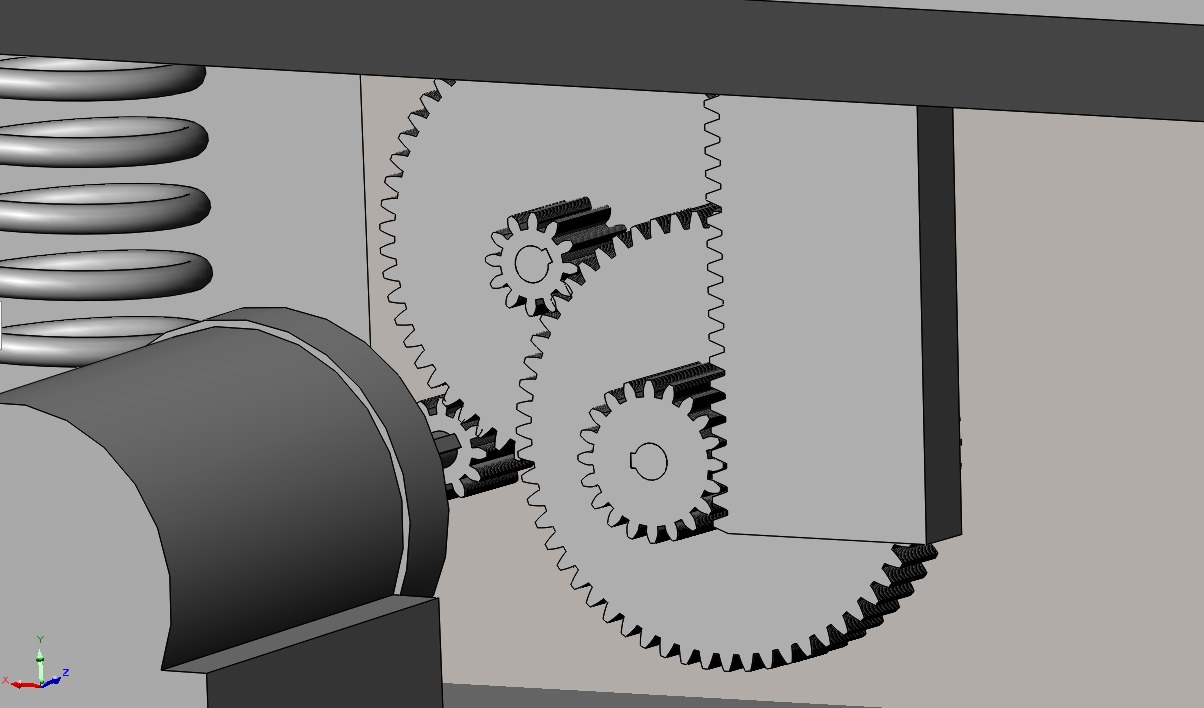
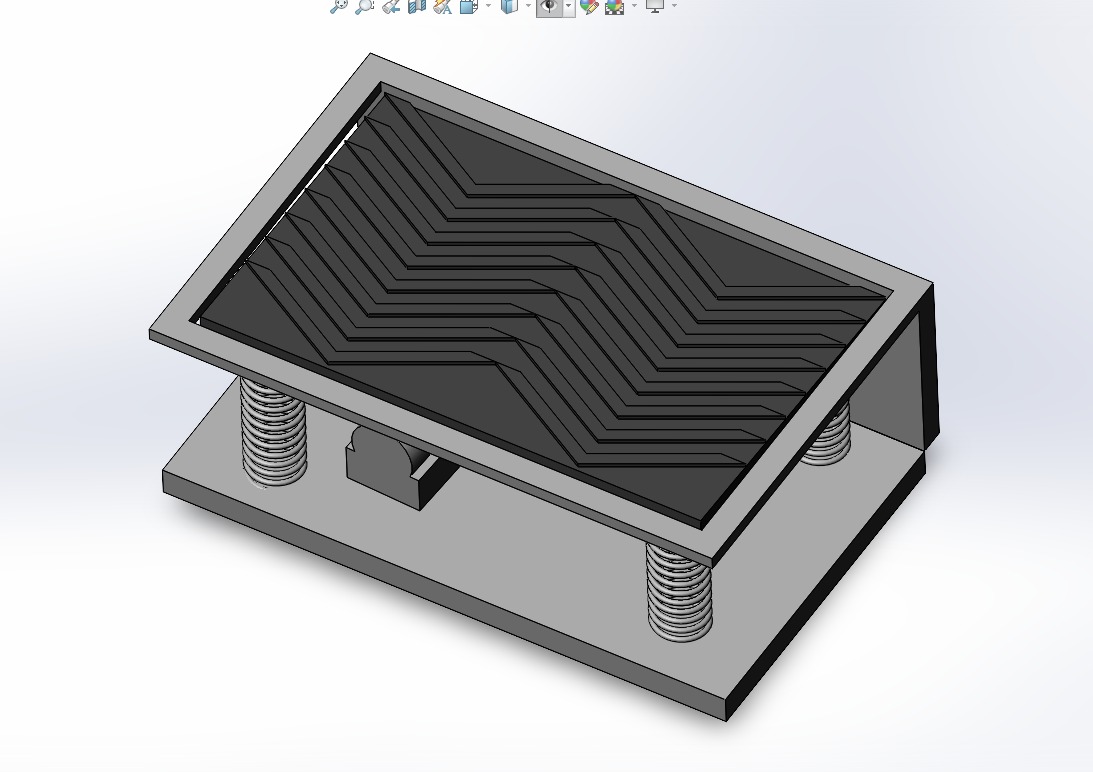
Mechanical Conversion: The core challenge was converting a short linear stroke (~2.5 cm) into usable rotation. We engineered a system using a 24V DC Motor coupled with a 131:1 metal gearbox. This high reduction ratio ensures that even a slow compression generates enough voltage to initiate charging.
Power Management Electronics: To handle the "dirty" energy spikes from impacts, we designed a custom circuit. We used a KBPC5010 bridge rectifier to handle polarity regardless of mechanical oscillation, followed by a 2200µF/50V capacitor bank to smooth out the aggressive voltage transients. A XL6009 Buck-Boost converter then stabilizes this variable input into a clean 14.4V output to charge the 12V 7Ah (AGM/Gel) battery.
Hybrid Integration: To ensure 24/7 autonomy (off-grid), we integrated a 3.3W monocrystalline solar panel and an 88 cm vertical wind turbine, managed by a dual-battery system protected by 1N5408 blocking diodes and IP65 enclosures.
Challenges we ran into The "2.5 cm" Constraint: Generating meaningful power from such a short vertical displacement was difficult. We had to iterate on the gear ratios until we found that 131:1 provided the sweet spot between physical resistance and electrical output.
Voltage Transients: The impact of a car creates sharp, irregular voltage spikes that can damage sensitive electronics. Balancing the capacitor bank sizing to filter these spikes without losing too much efficiency was a complex engineering task.
Hybrid Logic: integrating three different power sources (Kinetic, Solar, Wind) into a single stable charging bus required careful circuit design to prevent back-feeding.
Accomplishments that we're proud of True Off-Grid Capability: We are proud to have designed a system that doesn't just "save" energy, but generates its own, eliminating the need for expensive grid trenching (civil works).
The Hybrid Architecture: Successfully combining kinetic recovery with renewables ensures the system stays alive even when traffic is low, solving a major flaw of competitor products like Pavnext.
Smart Selectivity: integrating the HLK-LD2410 radar to make the system "intelligent" rather than a passive obstacle.
What we learned We learned that mechanical impedance matching is crucial—the resistance the car feels must match the generator's optimal load. We also gained deep insights into power electronics protection, specifically how to shield DC-DC converters from the inductive kickback of high-torque motors. Furthermore, we realized that for a Smart City product, data is as valuable as energy; the telemetry capability turned out to be a key part of the business model.
What's next for PowerBump Our immediate roadmap involves moving from CAD simulation to a functional 3D-printed reduced-scale prototype. This will allow us to physically validate the kinematic chain and the efficiency of the 131:1 reduction. Following this validation, we aim to secure mentorship to refine our B2G (Business-to-Government) strategy, optimize the Bill of Materials for mass production, and launch a pilot deployment in a real-world municipal environment.
Built With
- easyeda
- ltspice
- solidwoks

Log in or sign up for Devpost to join the conversation.