-
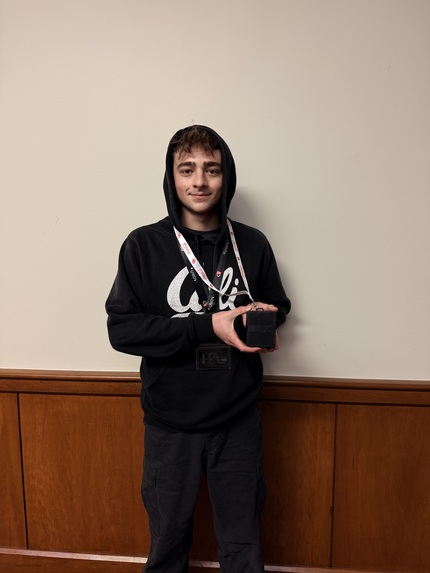
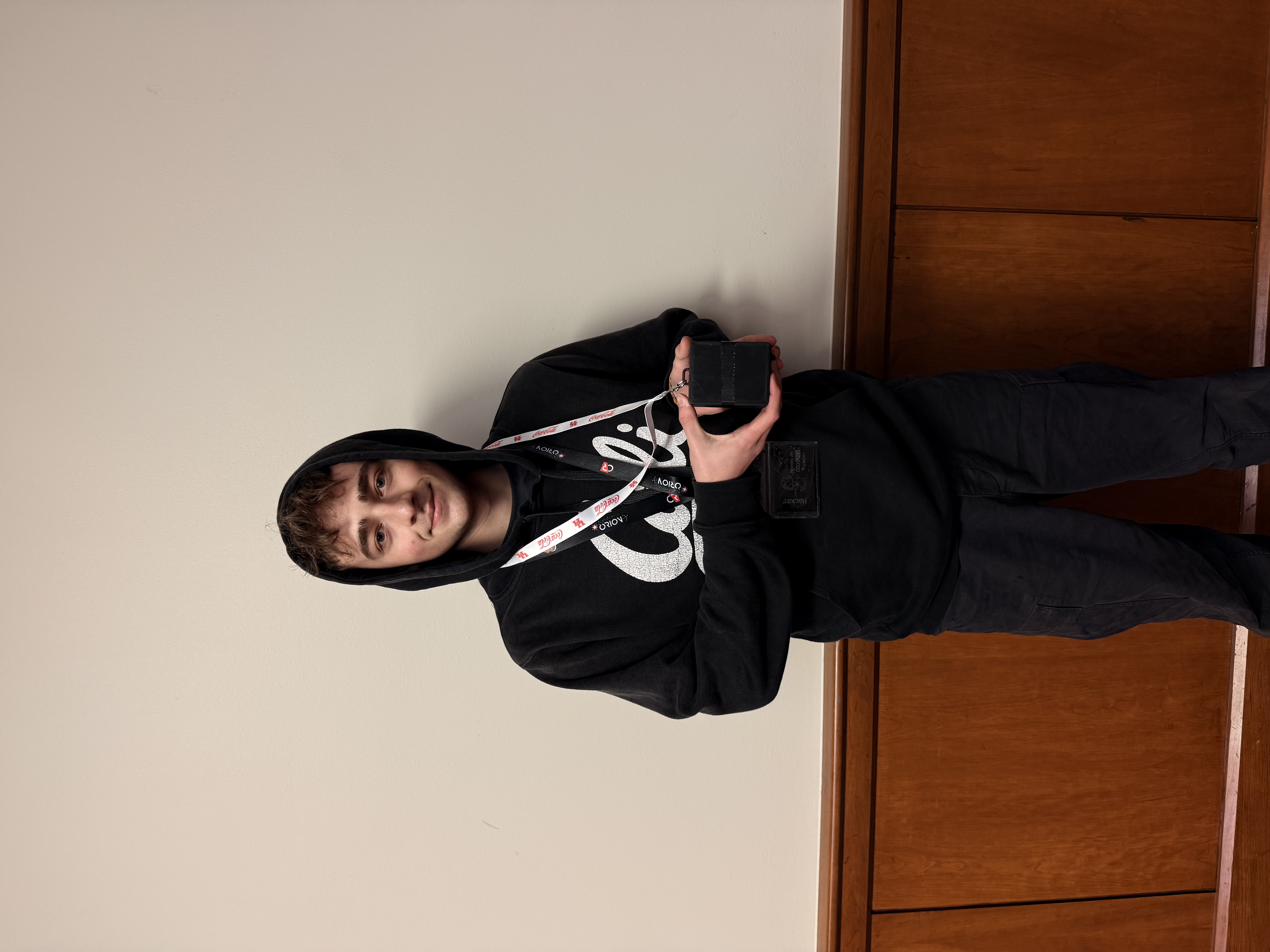
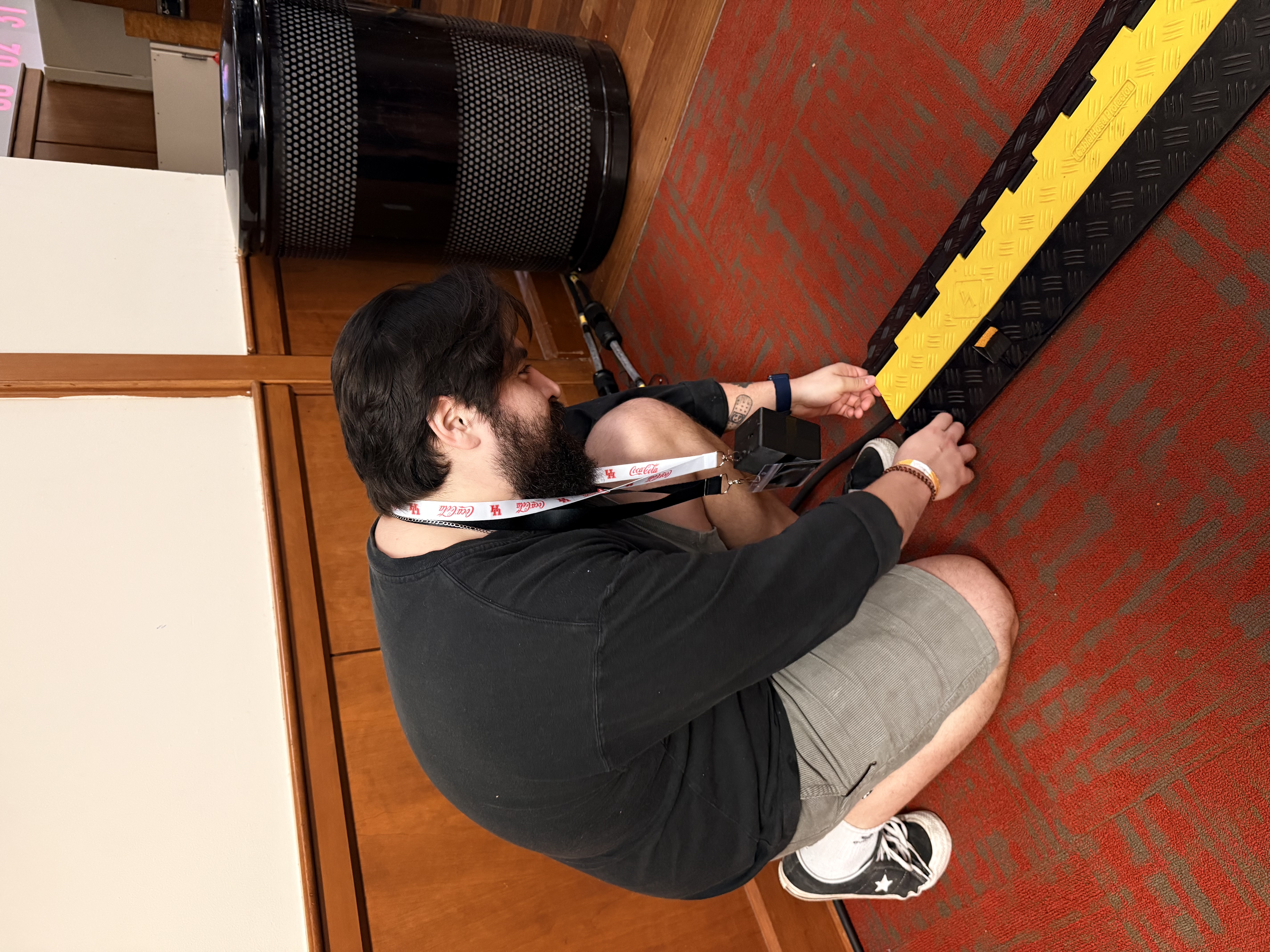
One of our developers wearing the Dutch Oven as intended
-
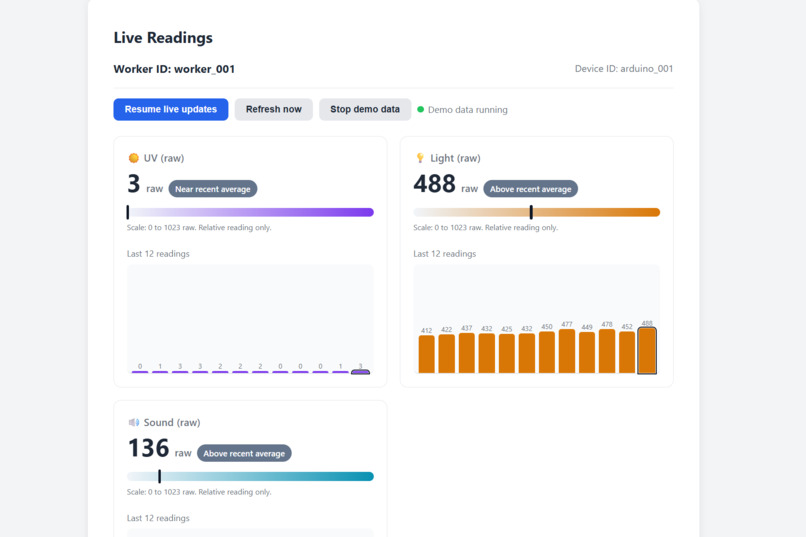
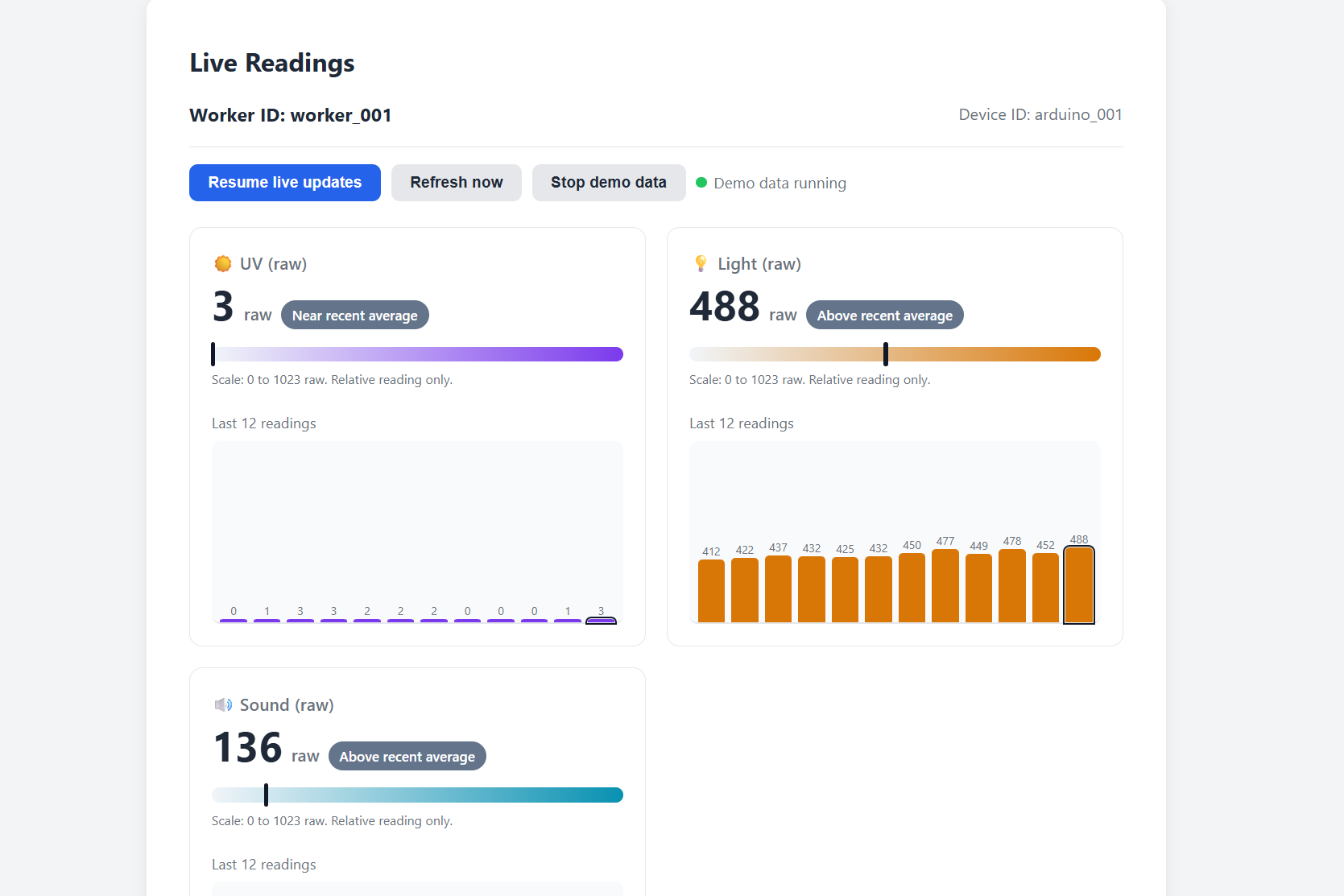
Web application example
-
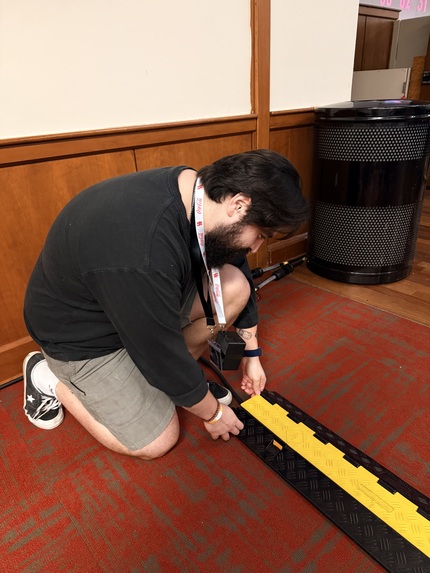
One of our developers using the Dutch Oven "at work"
-
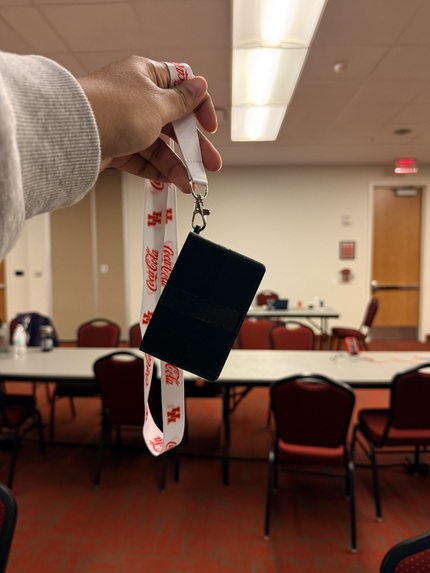
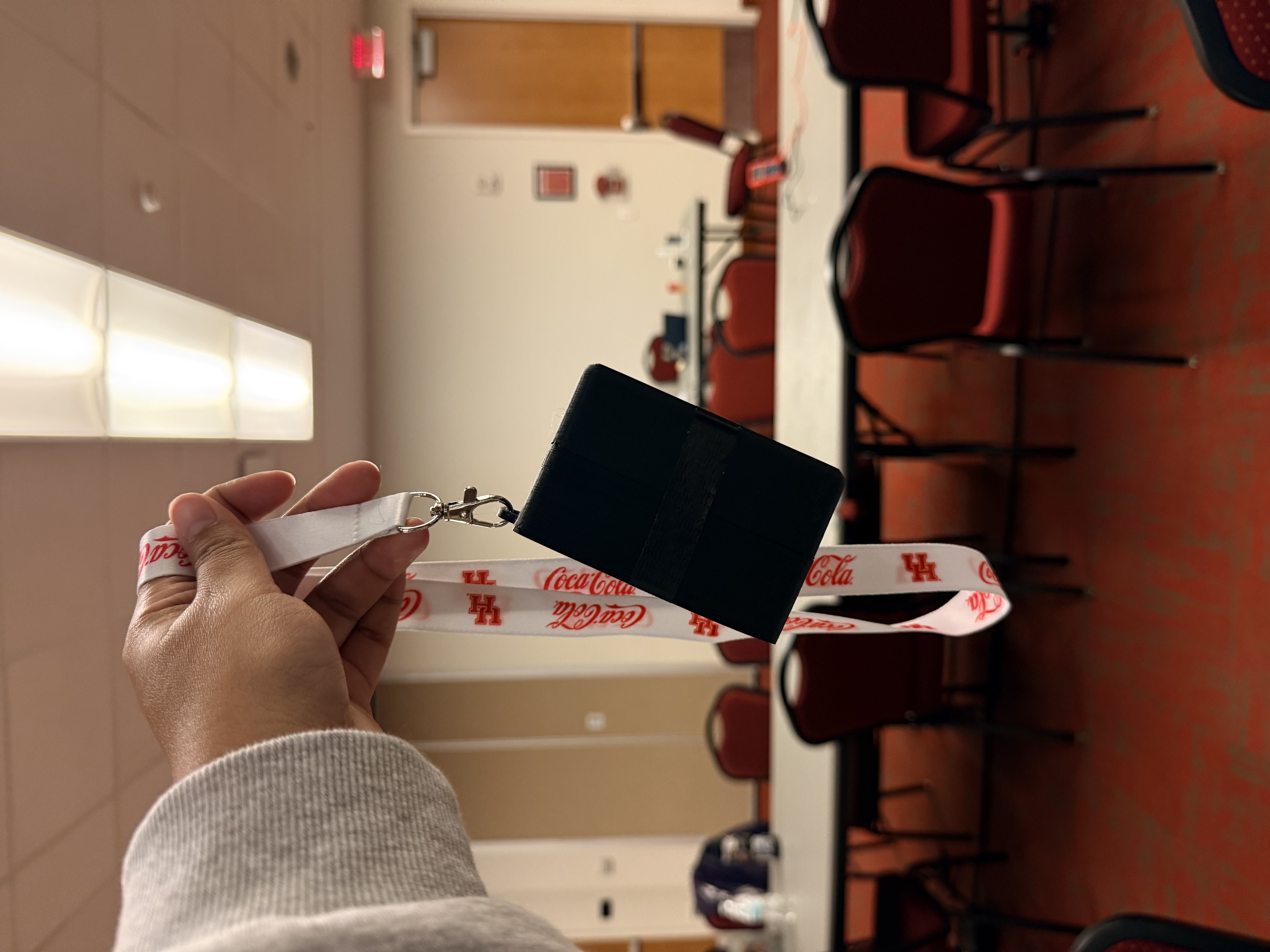
The Dutch Oven on a lanyard
-
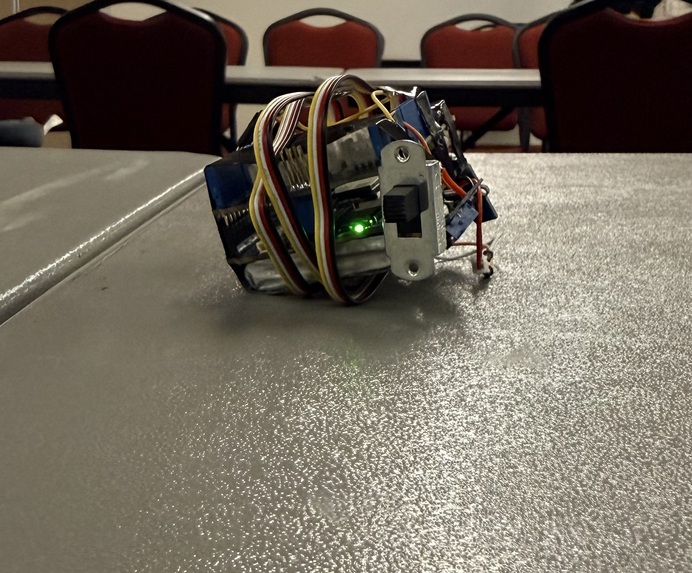
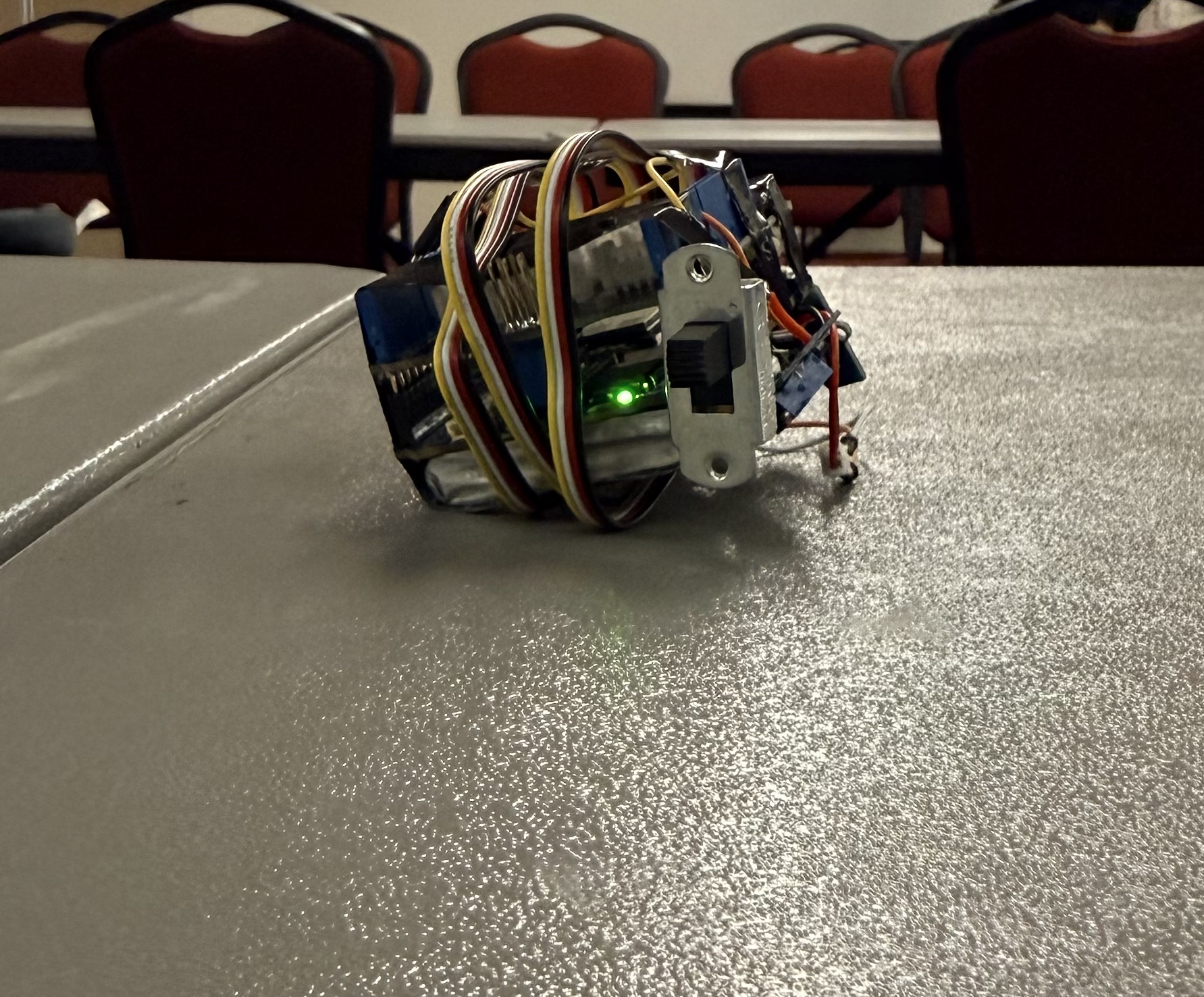
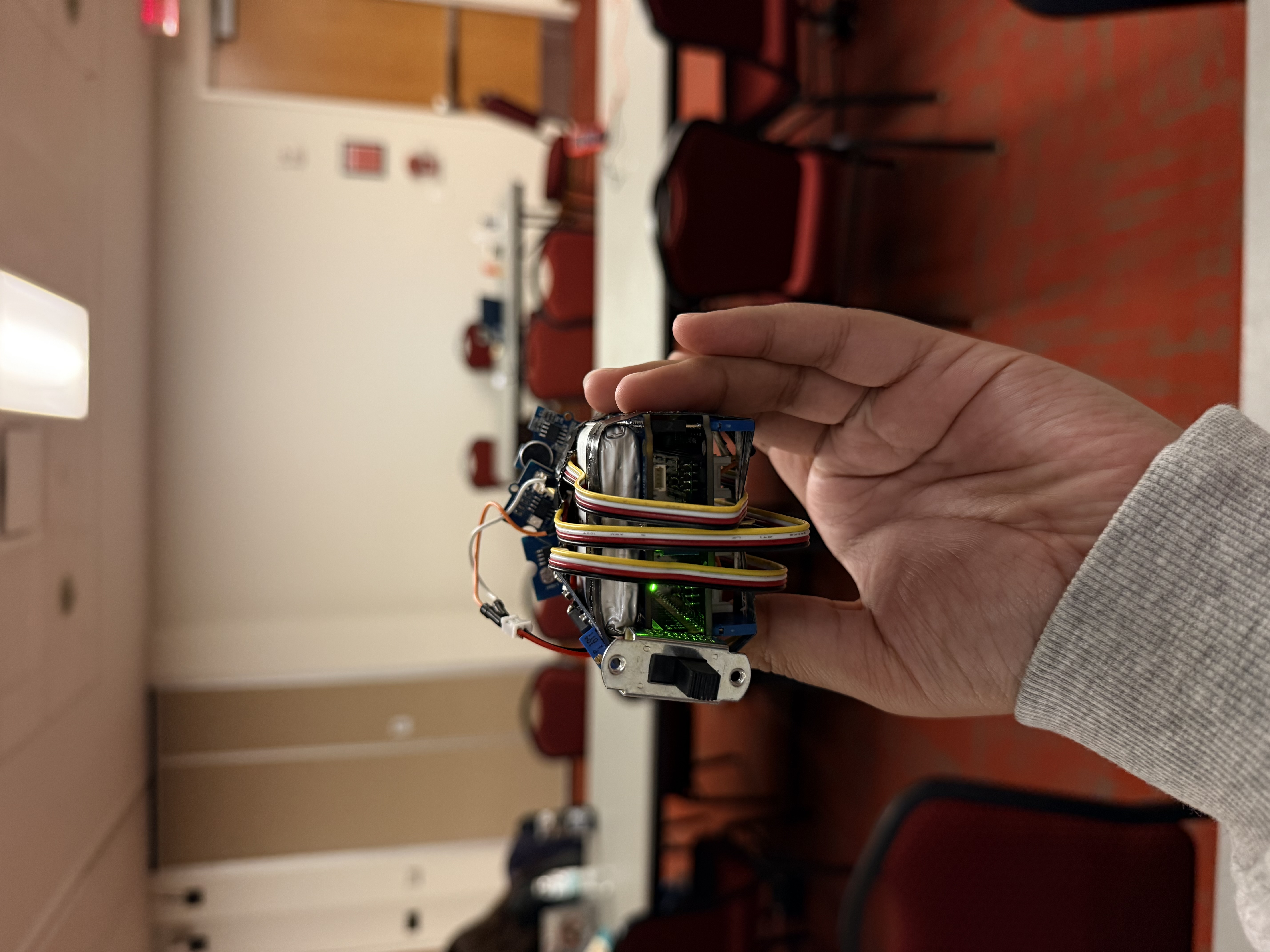
The Arduino gathers data from the light and sound sensors
-
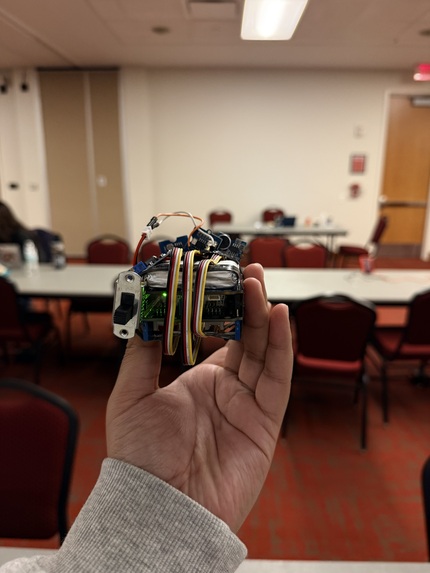
The Arduino is powered by a LiPo battery in series with a DC-DC boost converter and USB-C battery charging circuit
-
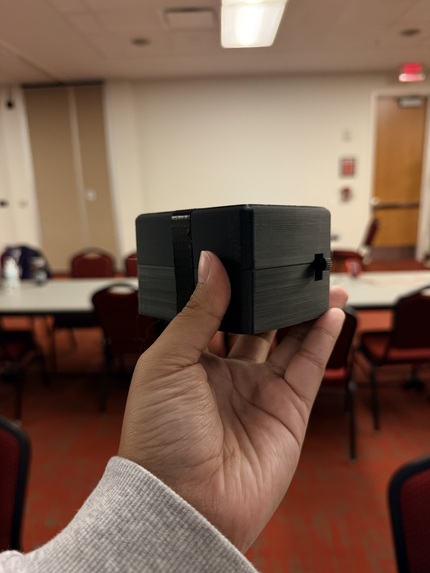
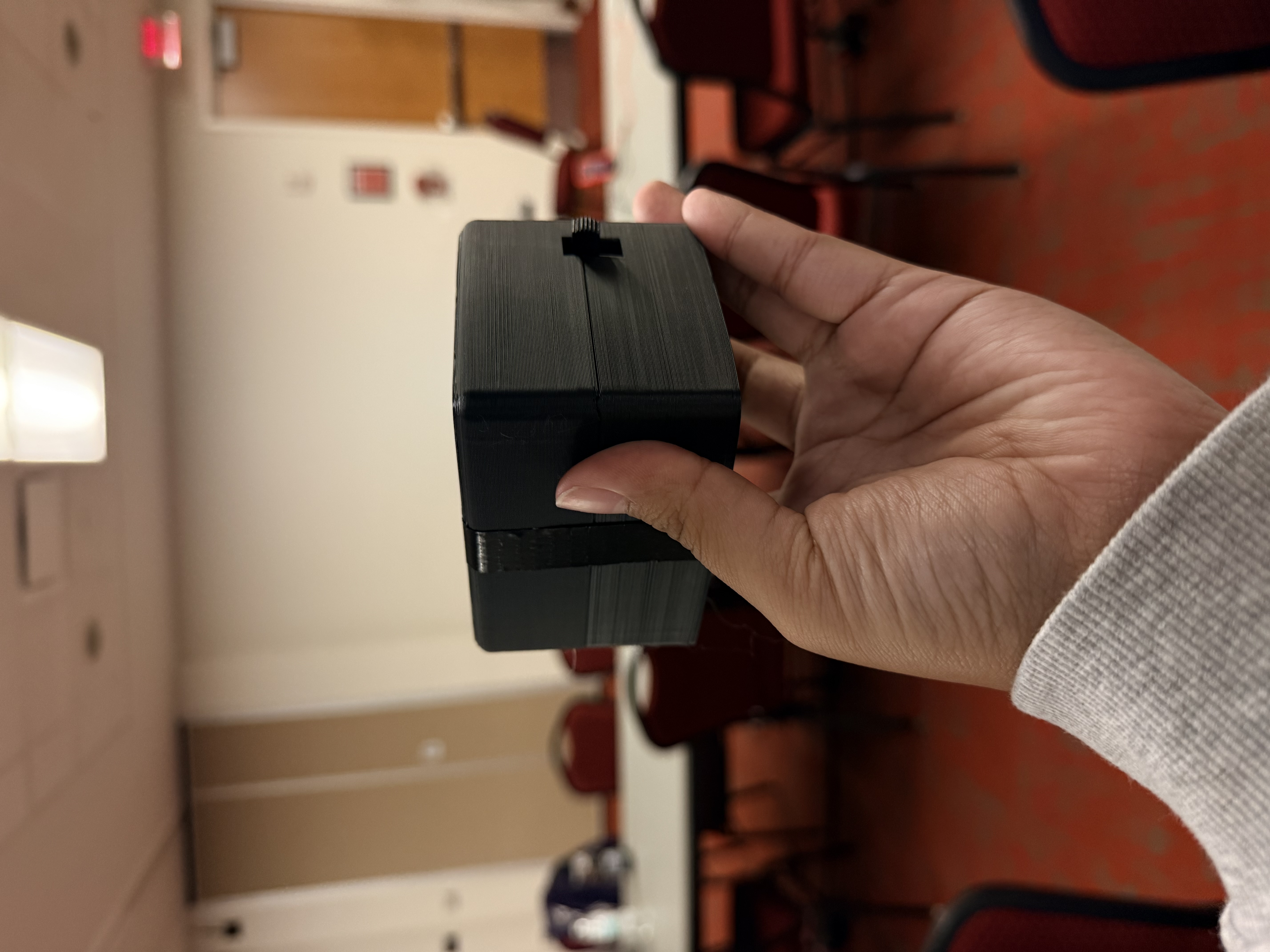
The Dutch Oven in its prototype case
Inspiration
It's unavoidable that employees in the oil & natural gas industry work around and with dangerous chemicals and gases every day. While they do wear alarms that warn them of imminent danger, such as gas leaks, there is currently no system in place to measure their exposure to such hazardous materials over time. The nuclear industry, on the other hand, is a shining example of worker safety, as every nuclear plant's dosimeter systems combine long-term recordkeeping devices with real-time electronic monitoring to track cumulative worker radiation exposure and enforce federal safety limits.
What it does
Dutch Oven is a portable device that tracks an individual worker's exposure to harmful environments over time and measures their cumulative exposure to harmful chemicals over the course of a work day, week, year, and even career.
How we built it
At the heart of the wearable device is an Arduino, powered by an MT3608-based mobile power-delivery system, that reads data from integrated sensors and transmits live readings to a central database via a simple WiFi connection. Our local database is then further accessible via a user-friendly web-interface.
Challenges we ran into
We each specialized in different parts of the project, which allowed us to complete each section quite quickly, but made integration of the different facets very difficult and time-consuming.
Accomplishments that we're proud of
In only 24 hours, we were able to create a prototype that is portable, chargeable, configurable, transmits real, live data to a database, and displays that data in real-time in a webpage! Something that, with only minimal changes, could quickly be deployed by professionals in the field? We're super proud of what we've done!
What we learned
We learned how to build a mobile device, gather and send real world data over wireless networks, and integrate a database with a user friendly web app to graphically communicate important information.
What's next for Dutch Oven?
Our prototype can be outfitted with any type of sensors and continue to operate just the same. Installing sensors that measure detailed air quality changes or provide more detailed readings of the specific chemical compounds important to plant workers is definitely the next step. We also plan to integrate Dutch Oven with Google's Gemini API to provide suggested changes to working environment for each worker, based on their exposure data. Also, streamlining the web interface to better communicate long term exposure levels, as well as turning this into a mobile app for admins to use with tablets already in use at those types of facilities.


Log in or sign up for Devpost to join the conversation.