-
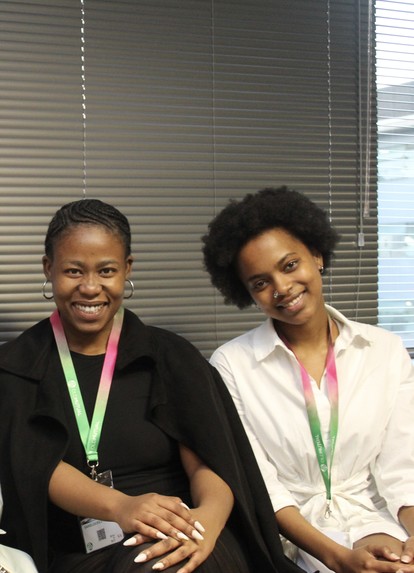
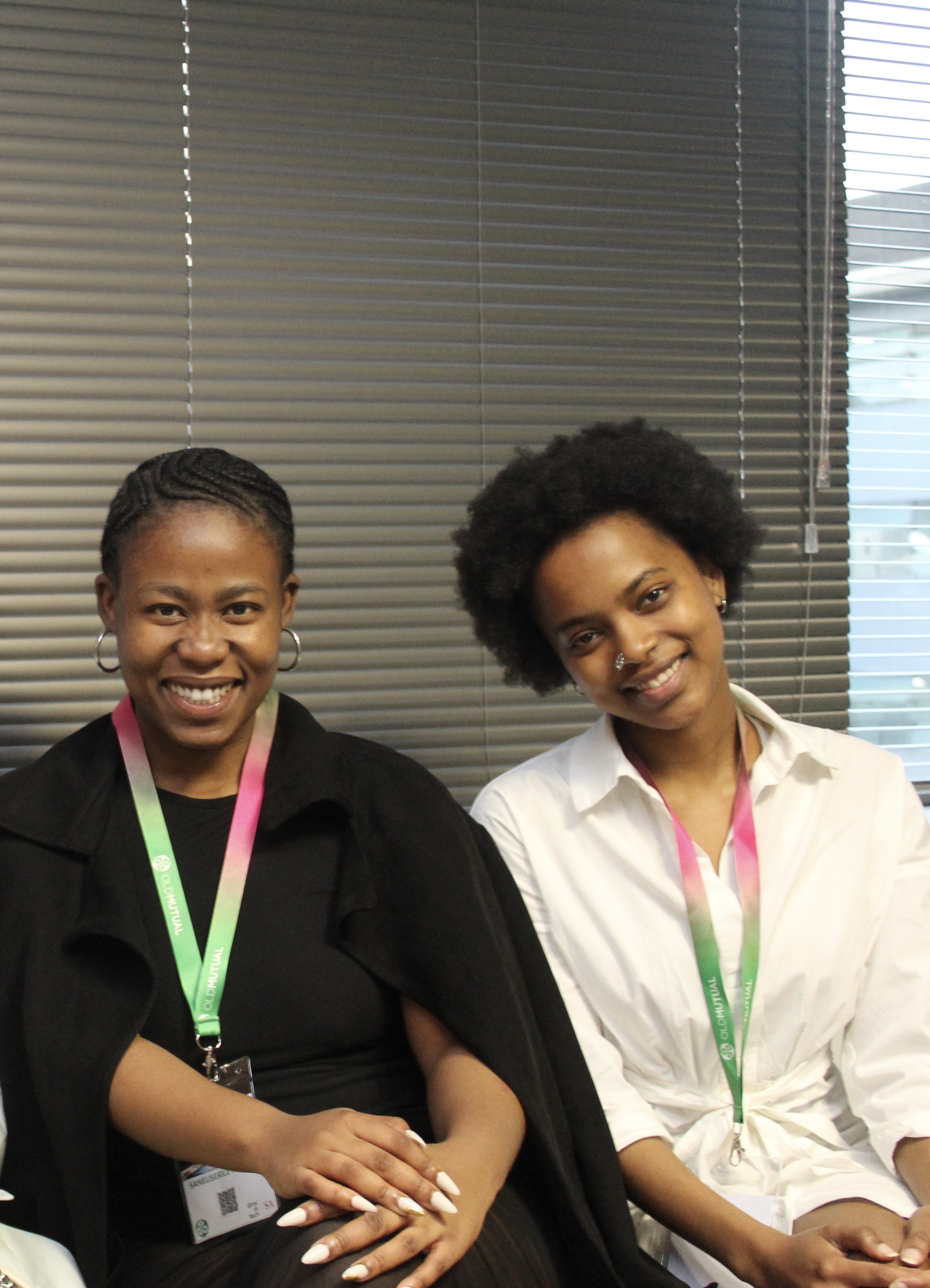
2 Of the DUT 4IR Club team members
Inspiration
Our inspiration came from the pressing water management issues faced by many South African cities. Frequent droughts, water shortages, and infrastructure challenges highlighted the need for an innovative solution. We aimed to create a project that leverages AI to promote sustainability and resilience, ensuring efficient water usage and access to clean water in urban areas.
What it does
AquaSense is an AI-driven dashboard that provides real-time insights into water consumption and quality. It predicts water demand, forecasts potential water quality issues, and offers personalized recommendations for water conservation. The dashboard engages the community by allowing users to input their water usage data and receive tips for sustainable water management.
How we built it
Data Collection: We sourced historical water consumption, quality, and weather data from public sources like the Department of Water and Sanitation, South African Weather Service, and municipal open data portals. Data Preprocessing: Using Python and pandas, we cleaned and merged the datasets, addressing missing values and normalizing formats. Model Development: We developed machine learning models with scikit-learn and TensorFlow to predict water demand and forecast water quality issues. Dashboard Creation: We built a web-based dashboard using React.js for the frontend and Flask for the backend.
Challenges we ran into
Data Availability: Finding comprehensive and high-quality datasets specific to South Africa was challenging. We had to rely on various sources and invest time in cleaning and merging the data. Model Accuracy: Developing accurate predictive models required extensive experimentation and tuning. Balancing model complexity with performance was a key challenge.
Accomplishments that we're proud of
Developing accurate predictive models for water demand and water quality forecasting.
What we learned
Throughout this project, we gained valuable insights into the complexities of water management and the potential of AI to address these challenges. We enhanced our skills in data preprocessing, machine learning model development, and creating intuitive visualizations. Additionally, we improved our teamwork and problem-solving abilities, overcoming various obstacles together.
What's next for DUT 4IR Informatics Club
We plan to further develop AquaSense by incorporating more data sources and refining our models for greater accuracy. We aim to partner with local municipalities and organizations to deploy AquaSense in real-world settings, contributing to sustainable water management practices in South African cities. Additionally, we will continue to explore innovative solutions that leverage AI to address other critical challenges faced by our communities.
Built With
- flask
- pandas
- python
- react
- scikit-learn
- tensorflow

Log in or sign up for Devpost to join the conversation.