-
-
-
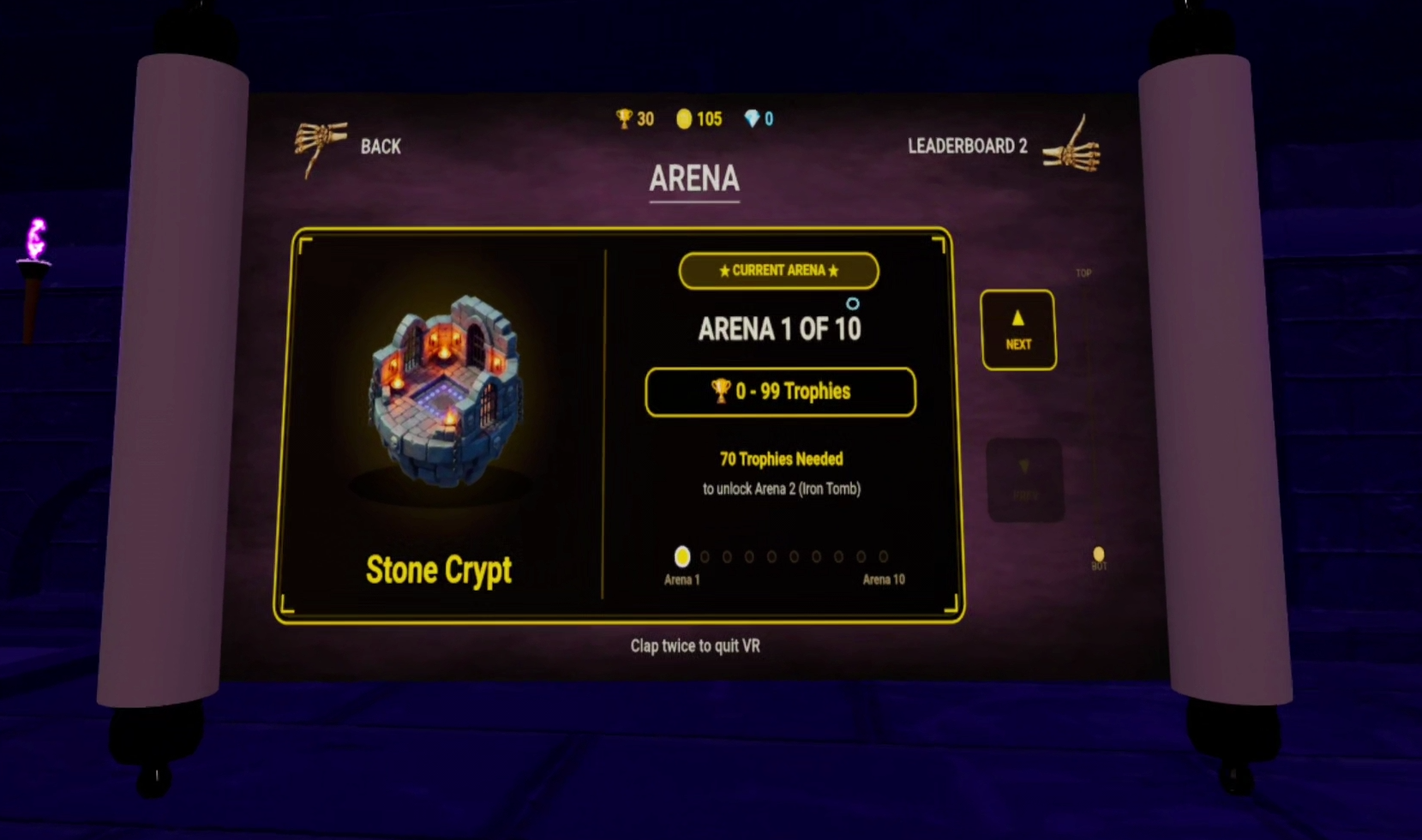
Trophy Arena
-
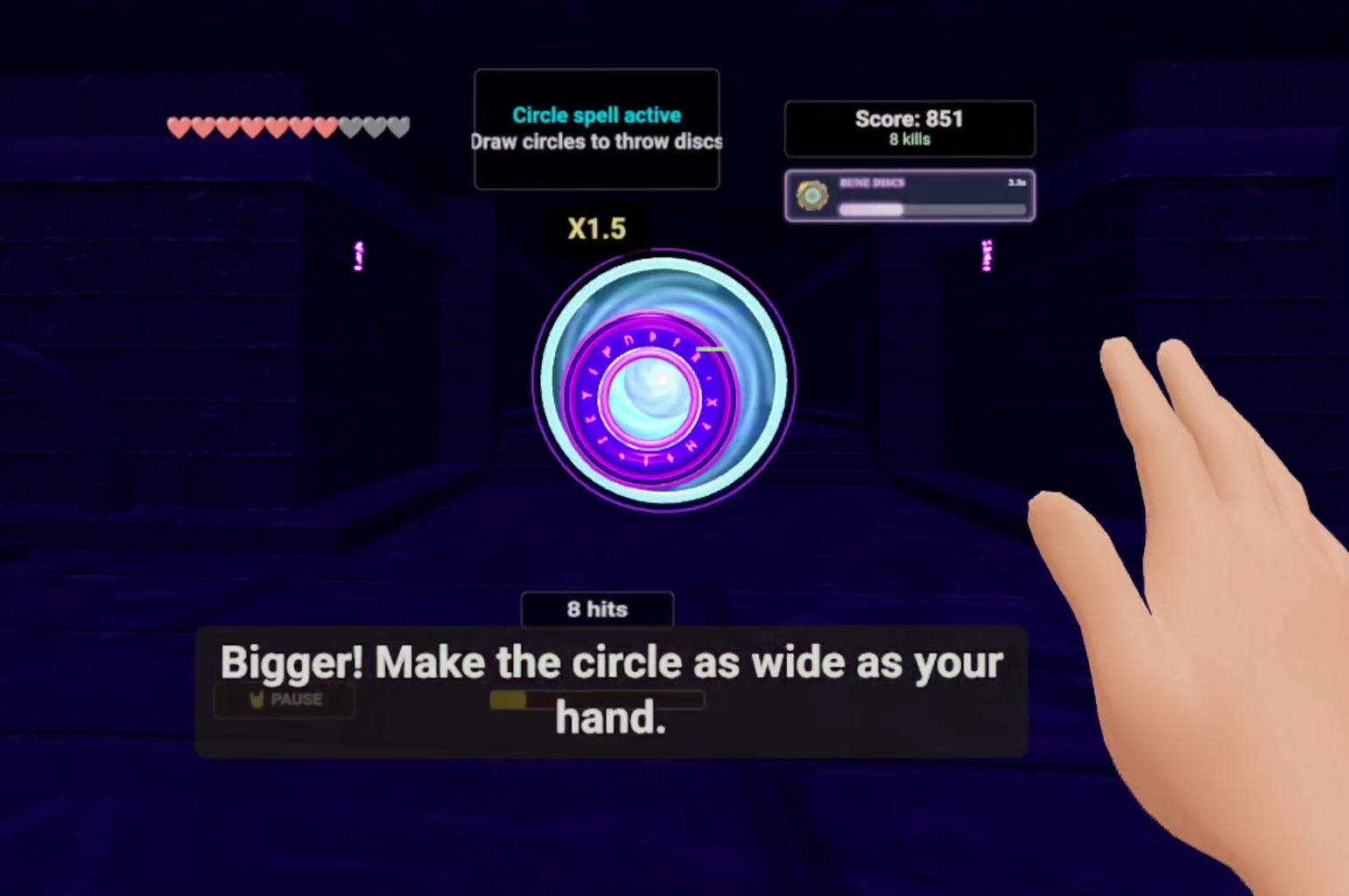
New Spells
-
Harder Enemies
-
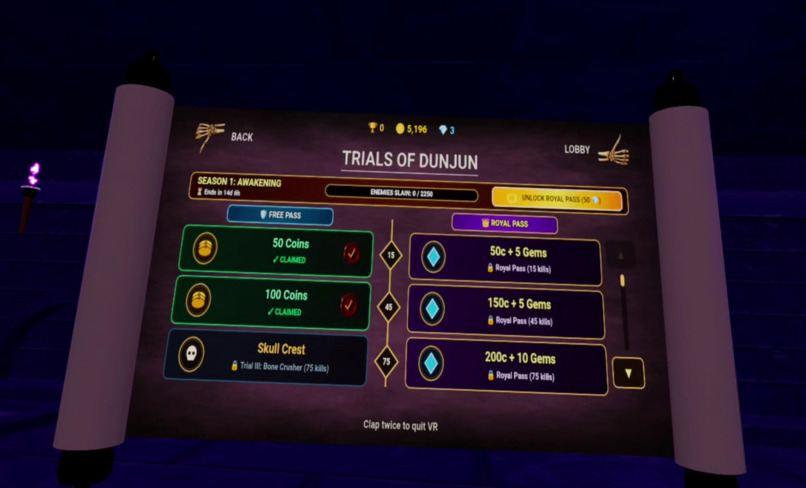
Season Pass
Inspiration
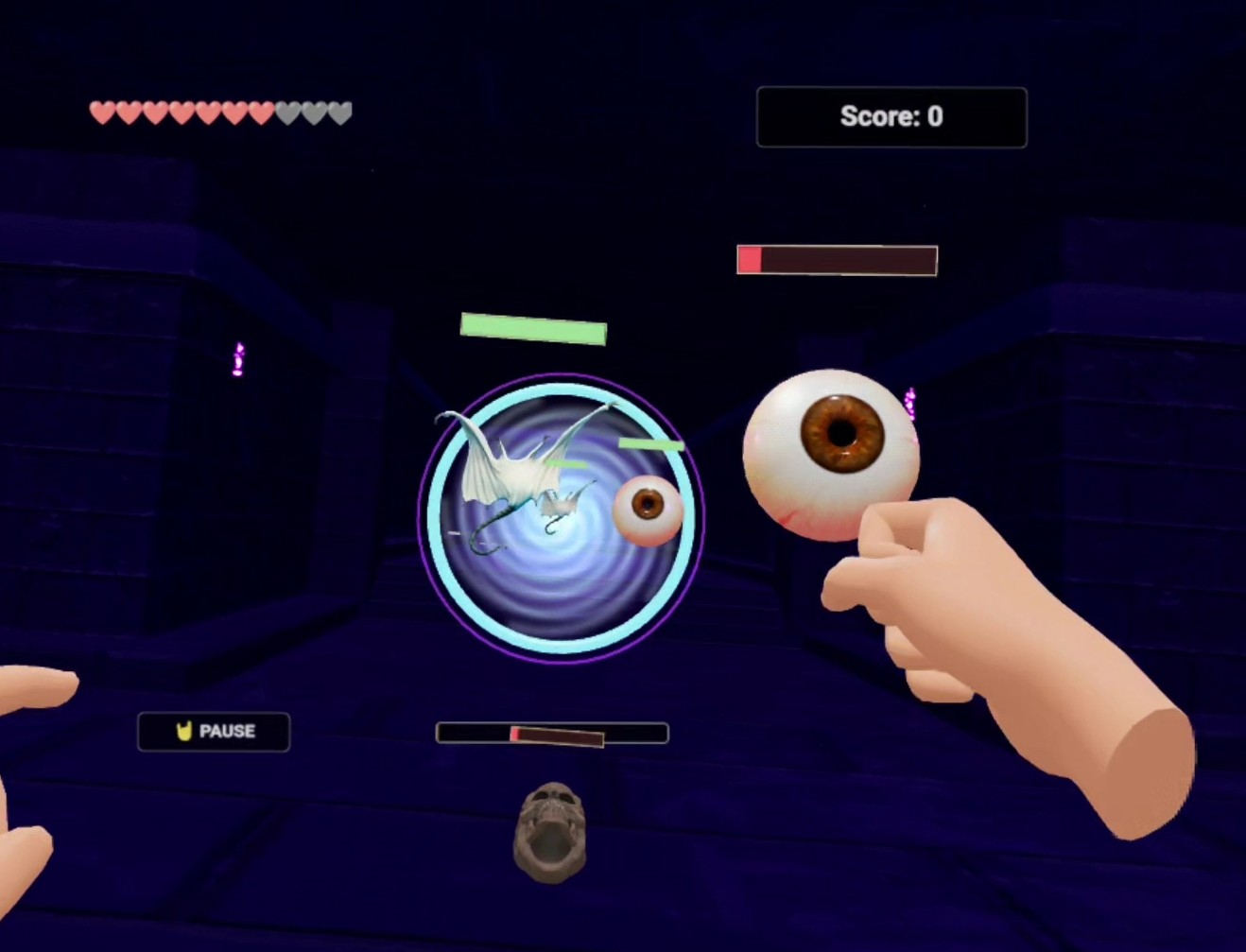
The next computer won't come with a controller. Headsets are getting lighter, glasses are coming, and the input you'll always have with you is your hands. We wanted to answer a simple question: can bare hands carry a game that is fast, precise and competitive? Not a gentle pointing demo, but a game where a punch has weight, a block saves you, and drawing a shape in the air casts a spell.
Dunjun started as a single Endless mode: skeletons climb out of the crypt and you punch them back. Players kept coming back to it, so for this competition we turned it into a full game with a reason to return every day, and a duel mode where you fight another person's real hands.
What it does
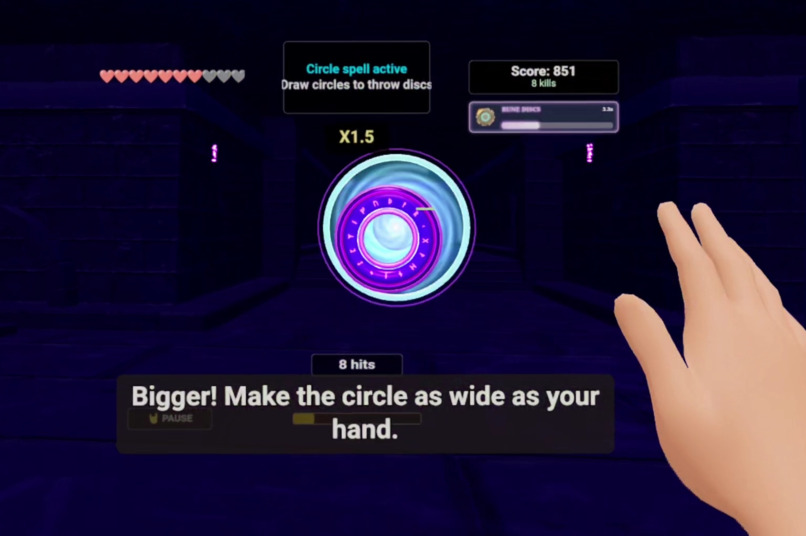
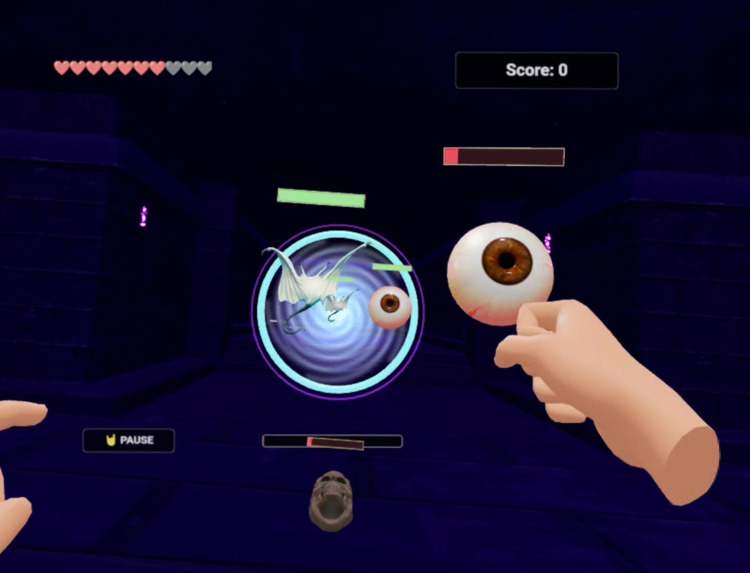
- Fight with your hands. Punch skeletons, block with a shield, fire with a gun-hand, and cast spells by drawing a triangle or a circle in the air.
- Duel real people. Realtime 1v1 where your opponent's actual hands, gauntlets and spells appear across the arena. If no one is online, a bot fills the match, so you never wait.
- Play in your room. Switch to mixed reality with a hand sign and fight with your real room around you.
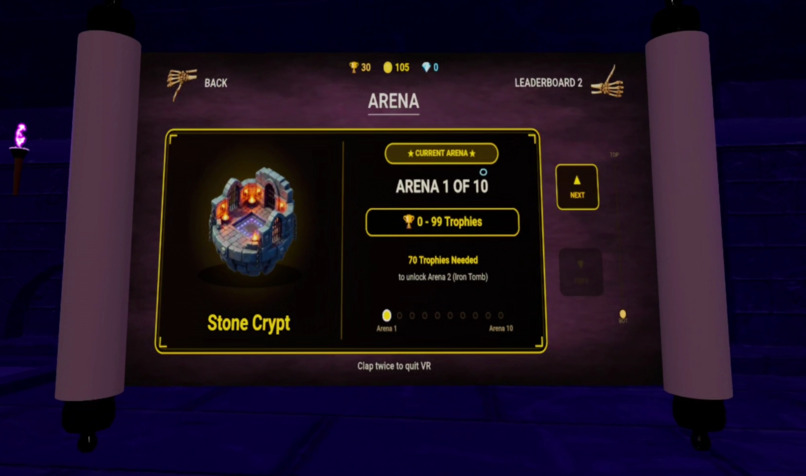
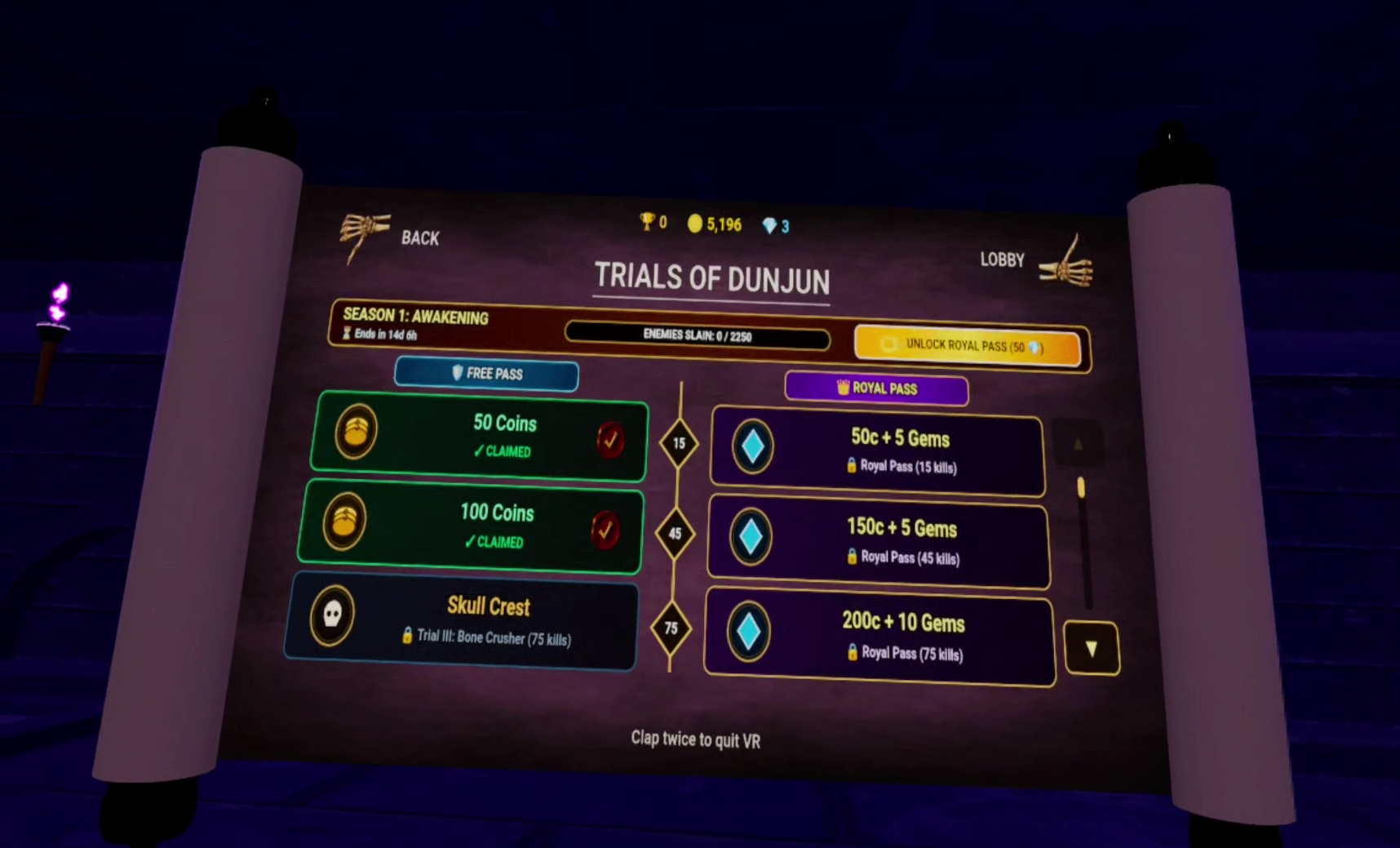
- Come back tomorrow. Daily and weekly quests, a seasonal pass, crypt chests, trophies, leaderboards and upgradeable gauntlets that make you visibly stronger between sessions.
- Seated or standing, hands only. Every interaction works within arm's reach, and no controller is needed at any point.
How we built it
- Engine: Meta's Immersive Web SDK (IWSDK) on WebXR with Three.js, so it runs straight from a link in the Quest browser with no install.
- Hands: We built and open-sourced @treefour/haath (MIT, on npm), a zero-dependency WebXR hand-gesture engine. It reads the 25 tracked joints each frame and recognizes poses (fist, gun, pinch, peace), strikes with real velocity, drawn shapes (triangle, circle) and two-hand gestures (clap, blast). It uses the geometry of your own hand, such as finger-bone alignment and your palm width as a ruler, so it works for any hand size and any wrist angle without recorded templates.
- Multiplayer: A Node.js and Socket.IO server streams compact hand poses between players and owns match state, HP, shields and trophy awards, so results can't be faked on the client.
- Progression: A server-checked economy (Express and MongoDB) drives the 20-level curve, quests, the seasonal pass and chests, so progress follows you across devices. We used a headless simulator to sweep balance values for enemy HP and games-per-upgrade before tuning by hand.
- Performance: Hand math is constant-time per hand, collisions use simple sphere checks instead of mesh raycasts, and hot loops avoid per-frame allocations to hold frame rate on Quest.
Challenges
- False positives. A gun-hand that drifts into a pinch, or a punch read as a grab, ruins the game. We added mutual-exclusion rules and short hold-to-confirm windows for menu gestures.
- Latency in duels. Streaming two hands' worth of joints at 72 to 90 Hz without lag meant sending compact poses and smoothing them on arrival.
- Seated play. Enemies had to aim and arrive within arm's span, and the arena had to calibrate to seated height.
- Designing a return loop that isn't a grind. We simulated the curve so each upgrade takes a steadily rising, predictable number of games.
What we learned
Hands are a more expressive controller than buttons, but only when recognition is reliable enough that the player stops thinking about it. Most of the work wasn't the gestures themselves. It was the rules that stop the wrong gesture from firing.
What's next
- More spells and gestures, and room-aware mixed reality where things in the crypt appear on your real surfaces.
- Ranked seasons and friend duels.
- Launch on the Meta Horizon Store via PWA
Built With
- express.js
- google-cloud
- hand-tracking
- iwsdk
- meta-quest
- mixed-reality
- mongodb
- mongoose
- node.js
- passthrough
- pmndrs-uikit
- socket.io
- three-mesh-bvh
- three.js
- treefour-haath
- typescript
- vite
- web-audio
- webxr


