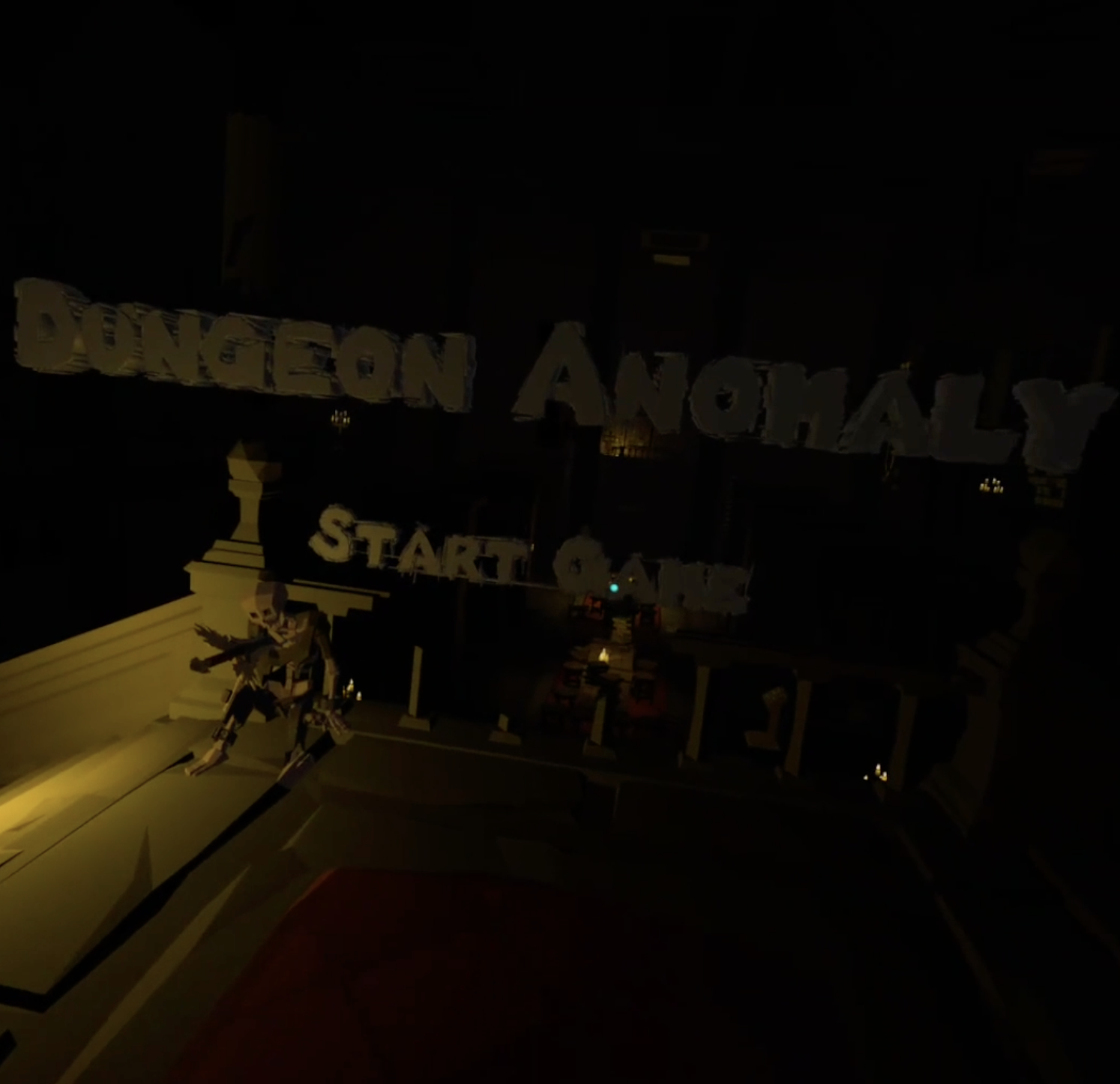

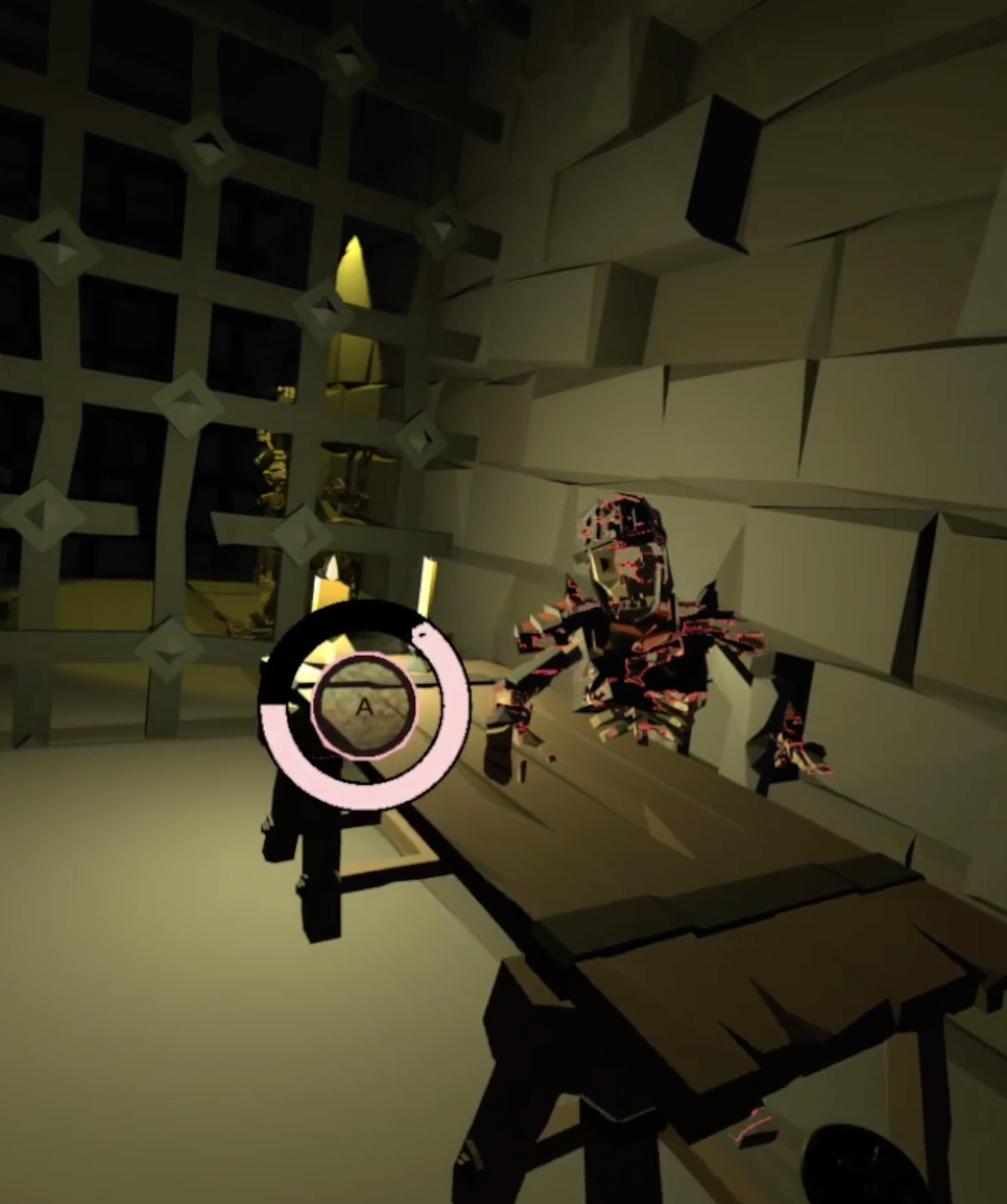
We are two adventurers who entered university with the dream of becoming game developers. The moment we experienced VR, we knew we wanted to build our own universe inside it. Dungeon Anomaly is a psychological puzzle-horror VR experience that tests the player’s attention, perception, and memory. As the player progresses through a dark, confined dungeon, they must constantly observe their surroundings. In each room, unusual events called “anomalies” occur, and the player advances by identifying what has changed. Instead of relying on classic jumpscare-style horror, the game focuses on atmosphere, tension, and subtle distortions of perception. While developing our game, we used Unity, Blender for modeling, Synty Store assets, and various audio design tools. We made fast progress while creating the demo, but we also faced many challenges along the way. Building a game is incredibly fun, but it also means constructing an entirely new world from scratch—often filled with bugs and unpredictable problems. We wrestled with time constraints, VR interaction systems, audio architecture, and a huge list of tasks that needed to be handled by just two people. Balancing level design, programming, UI, animations, and sound as such a small team pushed us every single day, but it also strengthened our problem-solving abilities. We focused on mechanics that maintain immersion and enhance comfort, such as the interactive door system that allows players to physically reach out and push doors open—something we’re truly proud of. Although I had created small VR experiments before, this was my first full VR game project, and for my teammate Helin, it was her first time developing a game at all. Watching her grow so quickly has been one of the most rewarding parts of this journey. This project taught us not only technical skills, but also what it truly means to work as a team. We are now preparing to release the demo version on the store. For the full version, we plan to add more room variety, harder and more unique anomalies, new animations, and expanded VR interactions.
Dungeon Anomaly
Spot the anomalies, trust your instincts, and eliminate each threat in this VR puzzle-horror game.
Updates

Leave feedback in the comments!
Log in or sign up for Devpost to join the conversation.