-
-
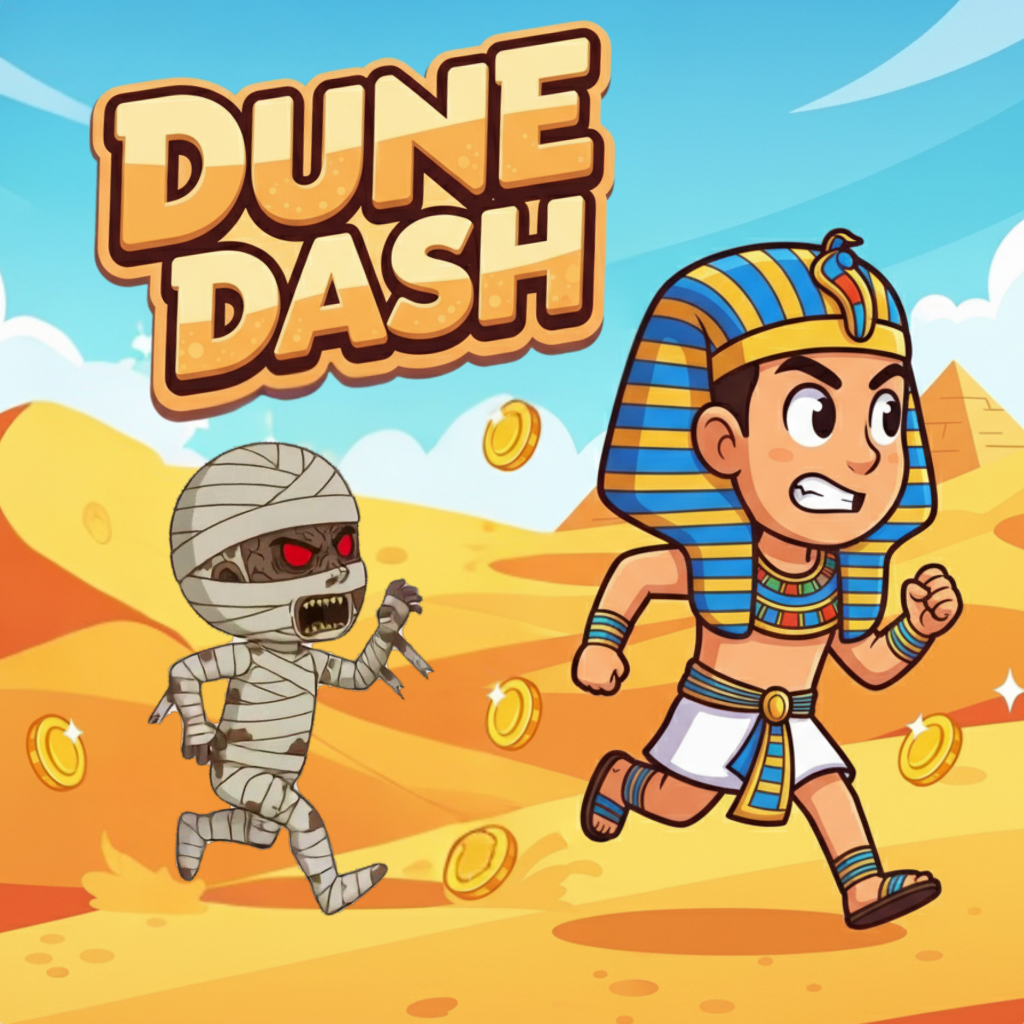
Dune Dash logo
-
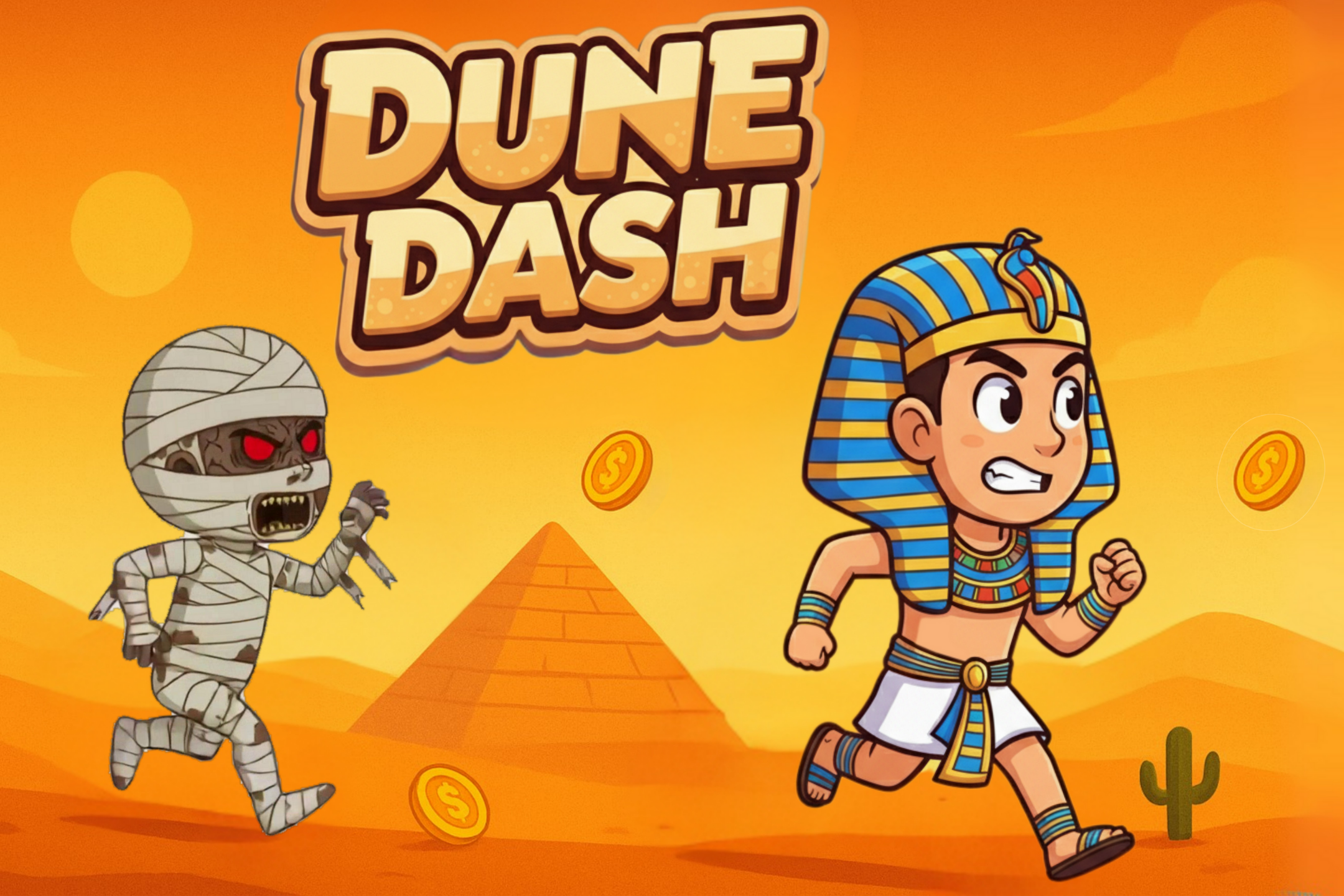
Dune Dash feature image
-
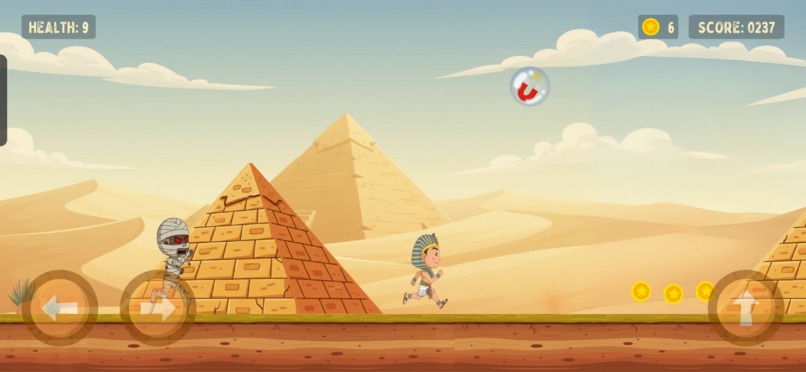
Ramek running across the 'Lost Oasis'
-
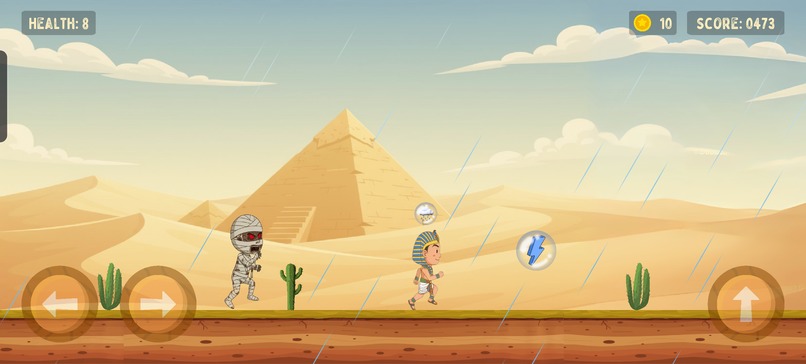
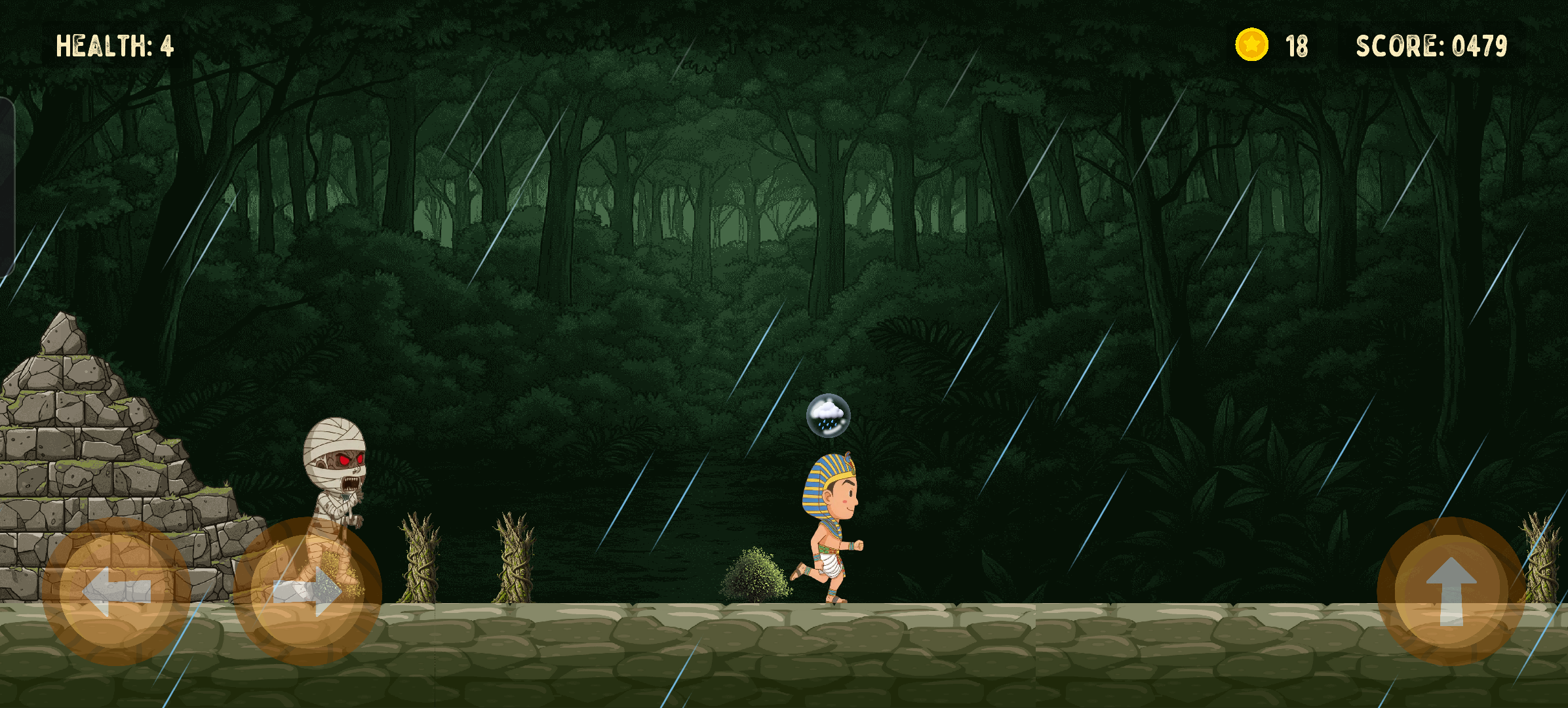
Ramek made it rain to slow down the mummy! Clever, eh?!
-
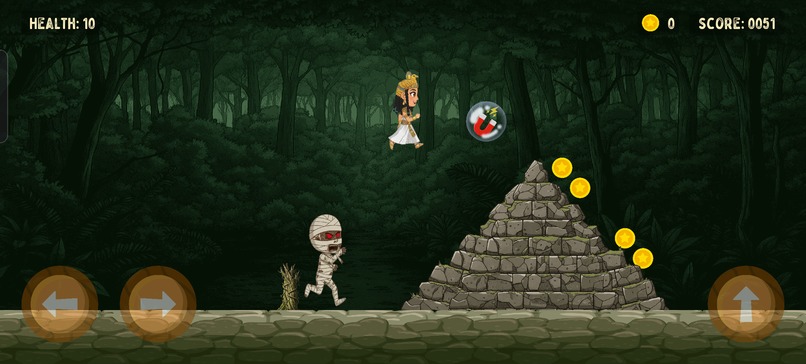
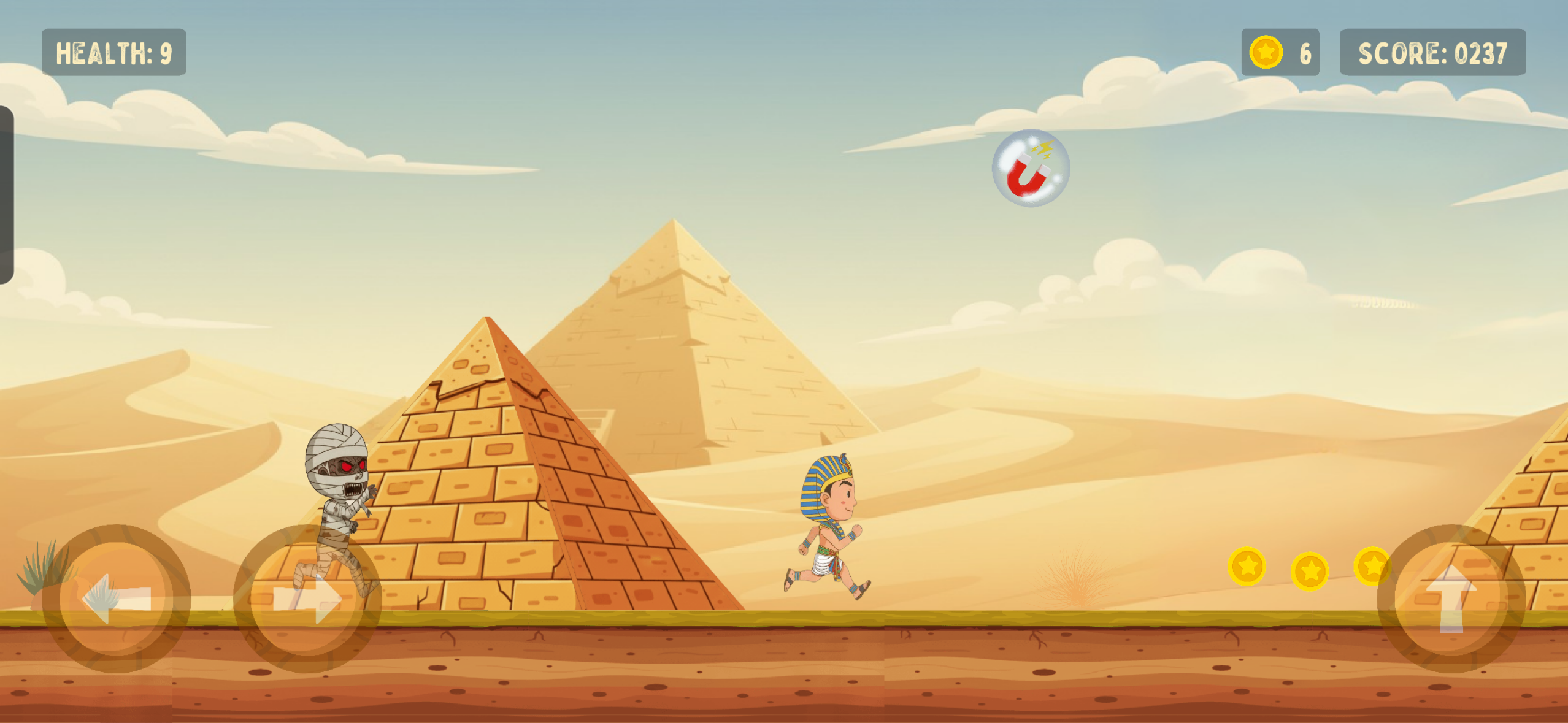
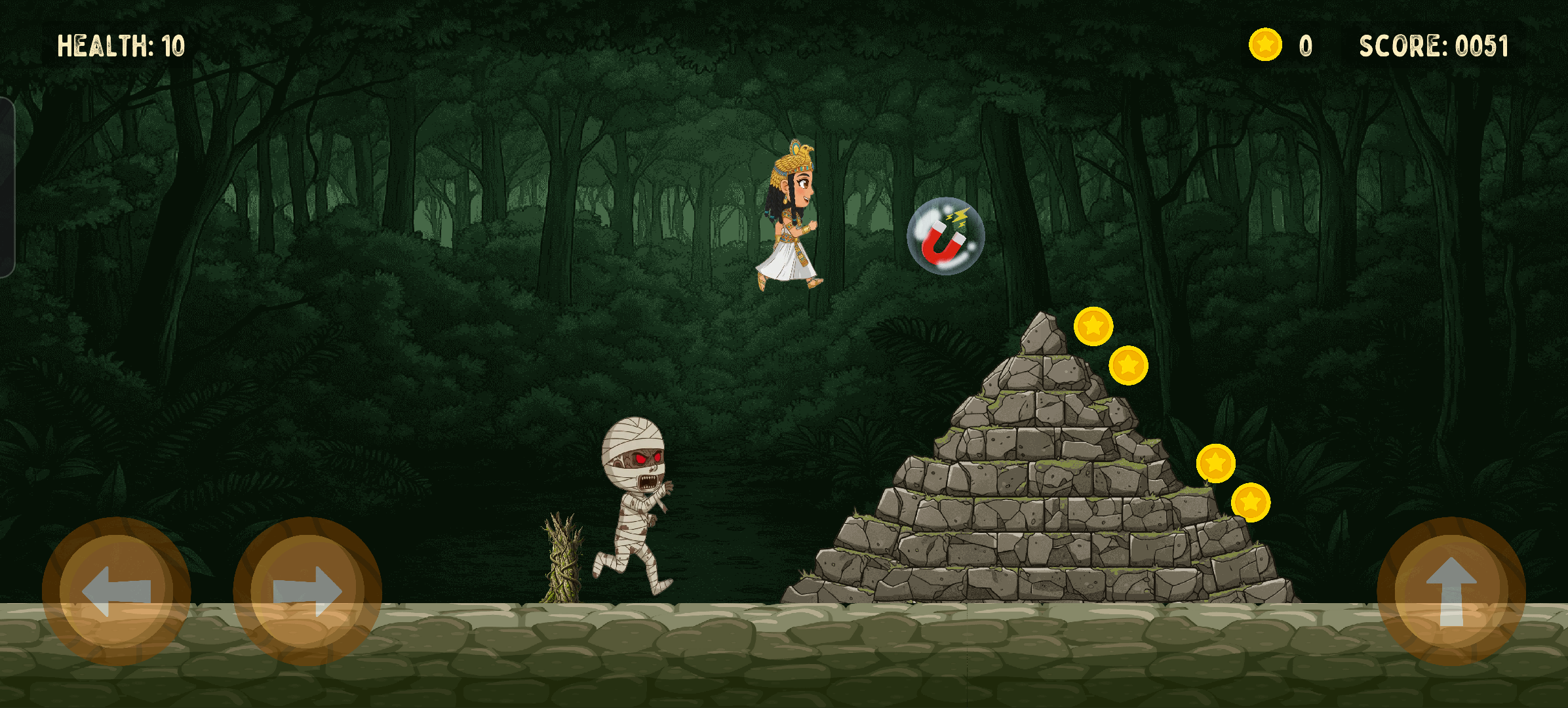
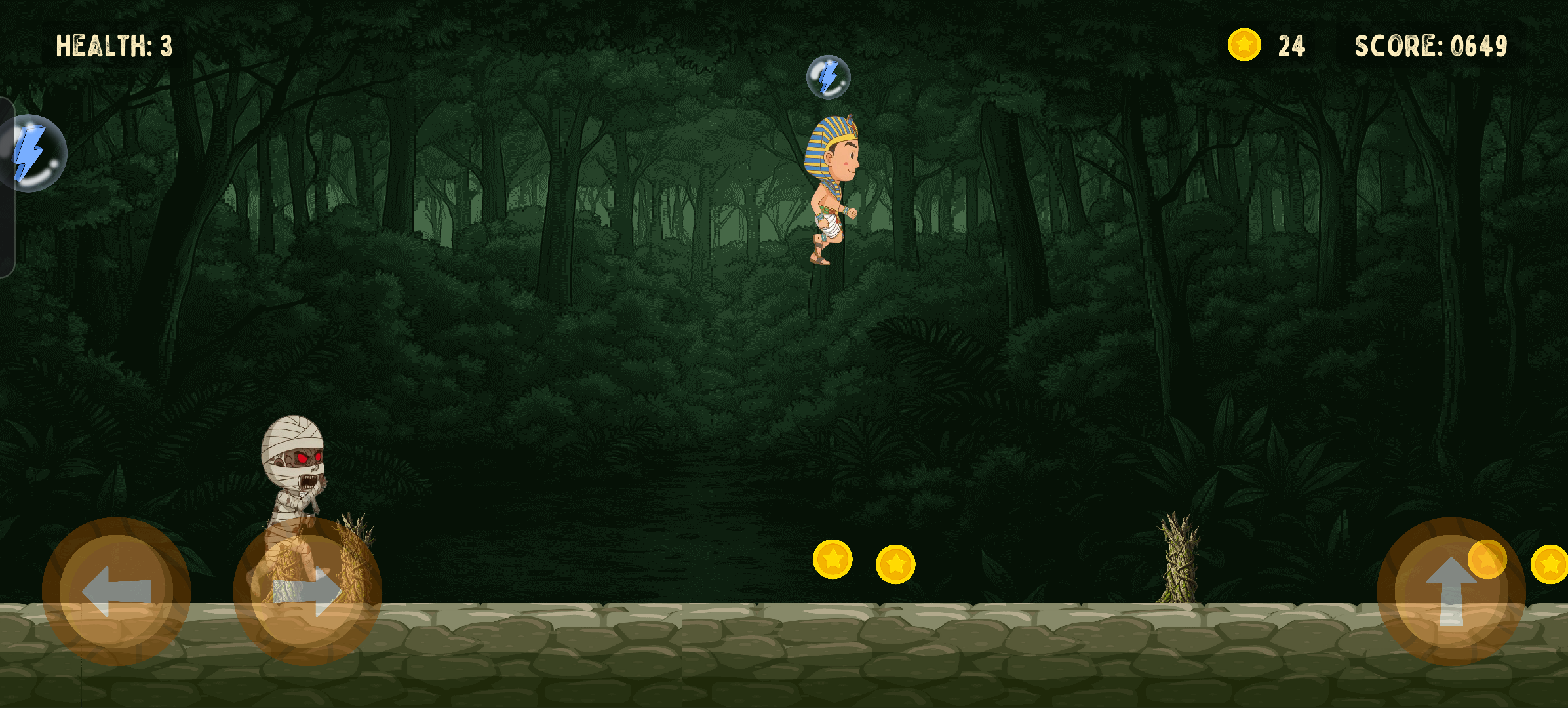
Amira running across 'The Forgotten Grove' hoping to collect the magnet to attract the coins towards her
-
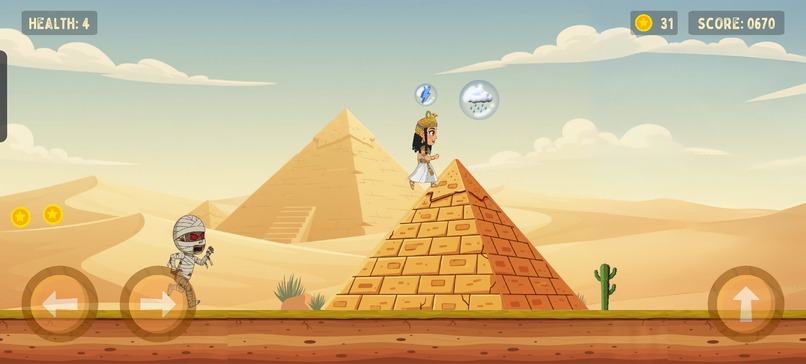
Amira running across the 'Lost Oasis'
-
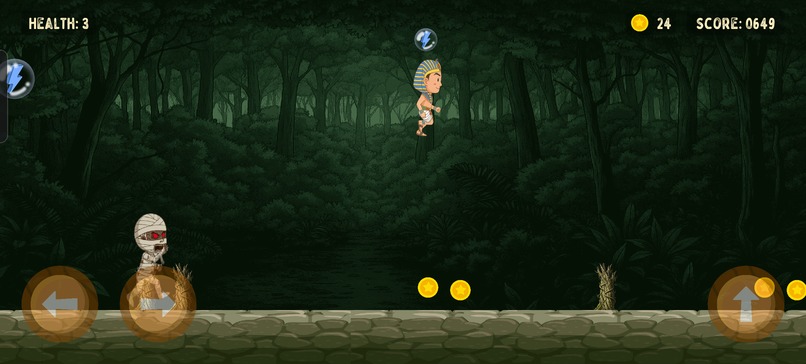
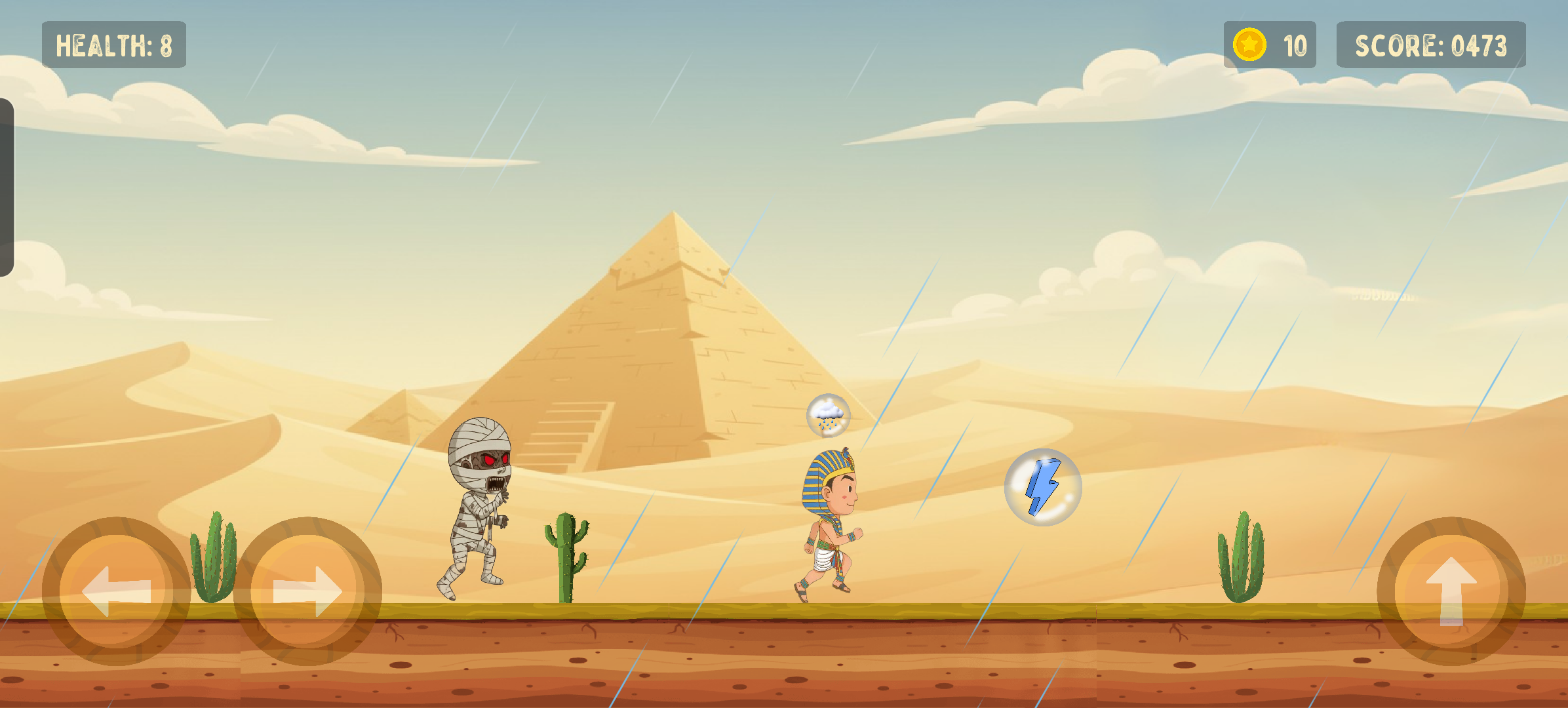
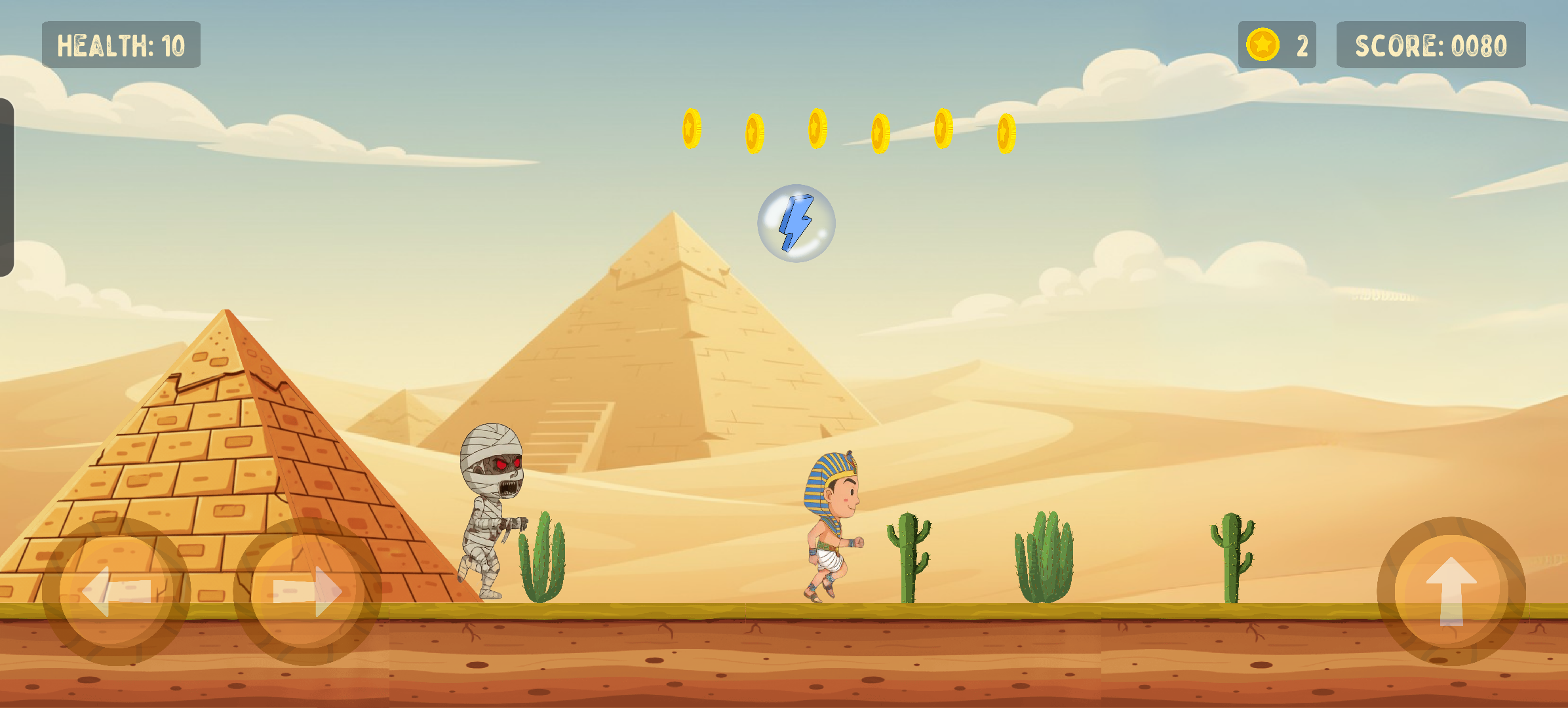
Ramek collected the speed boost to help him beat the mummy
-
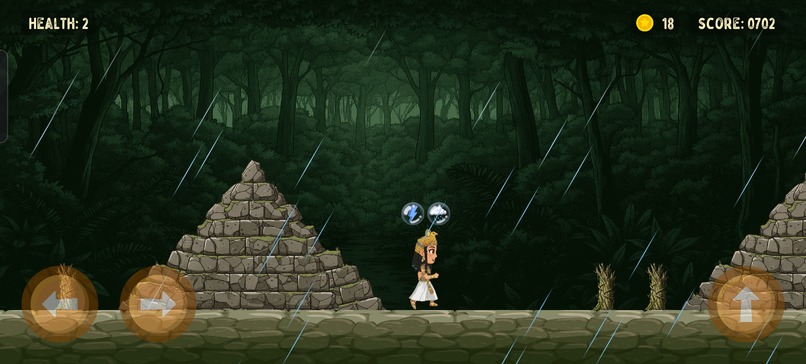
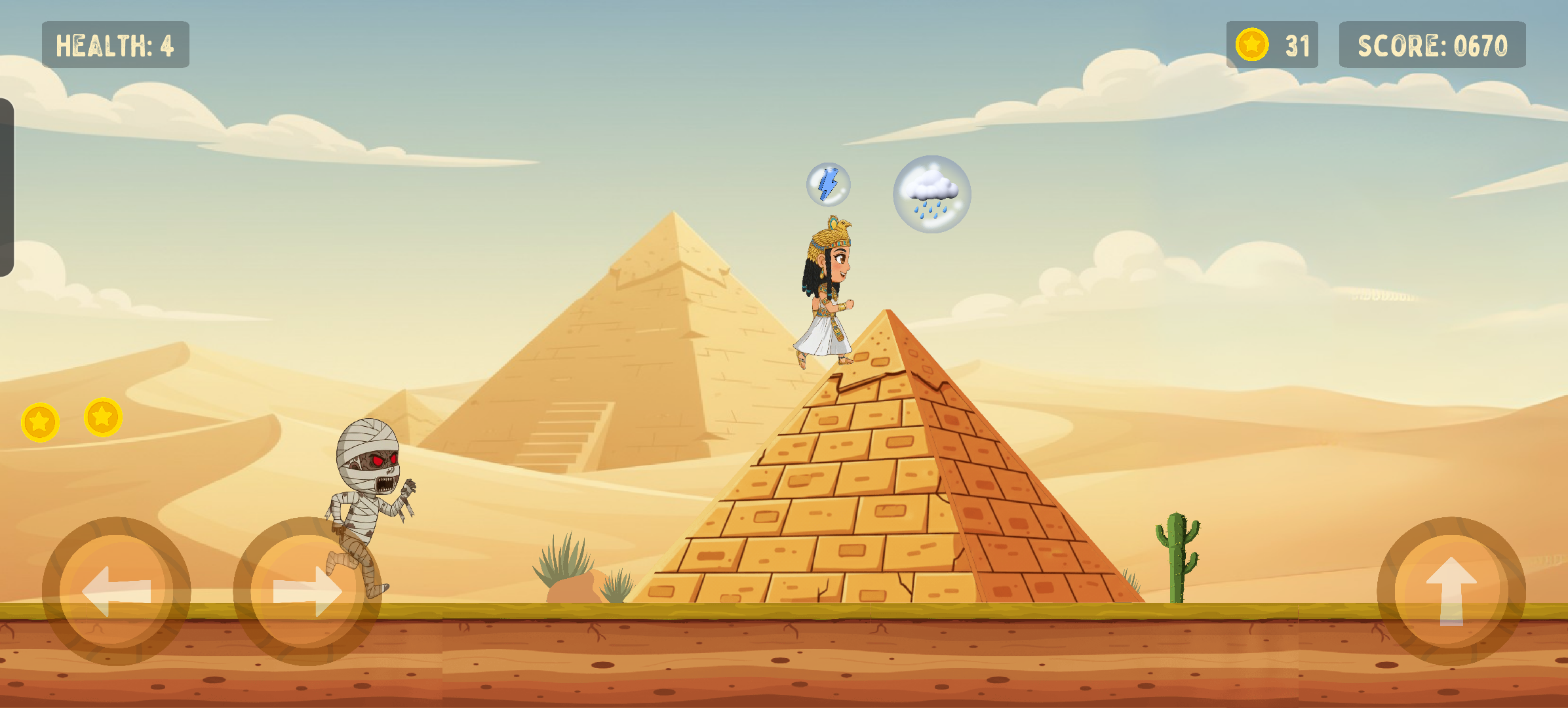
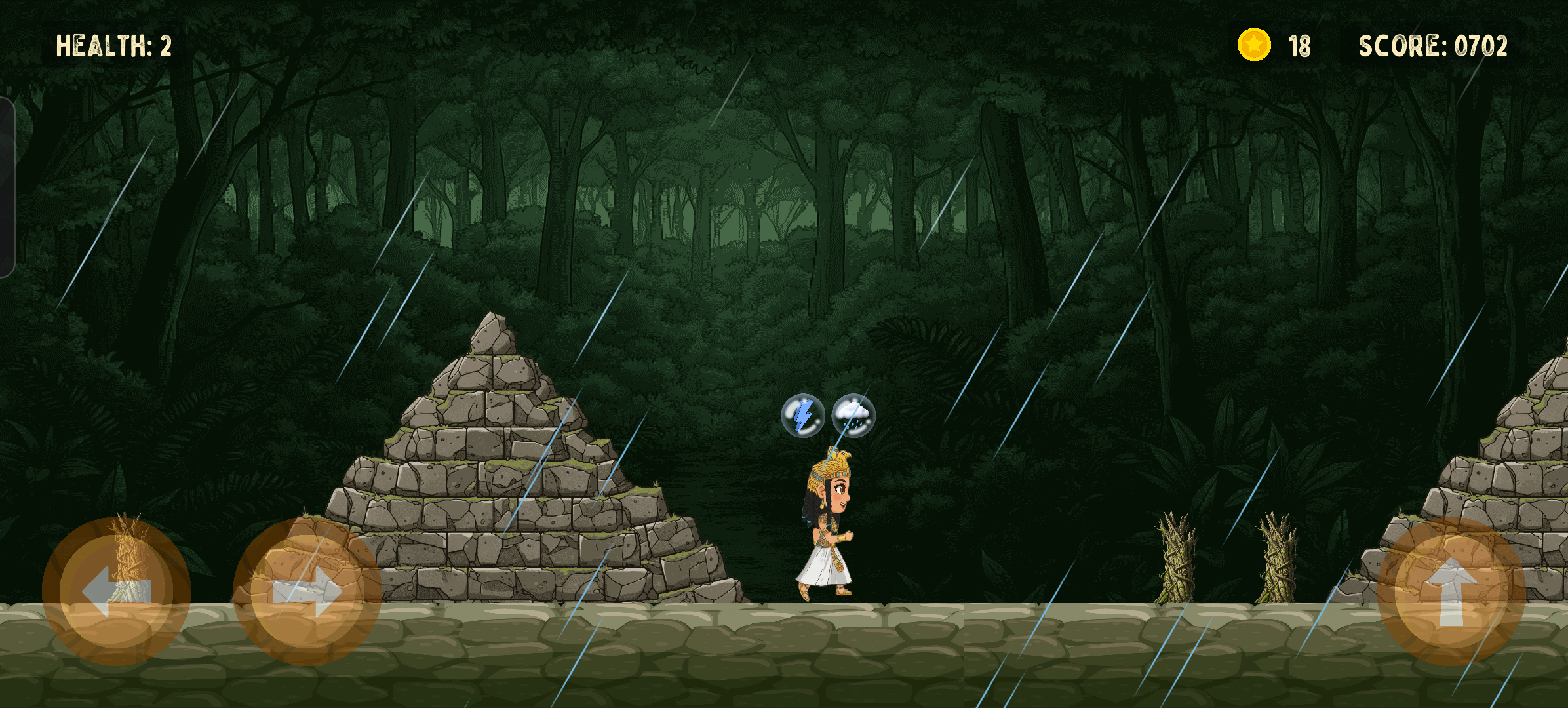
Amira dashing past the mummy while it rains
-
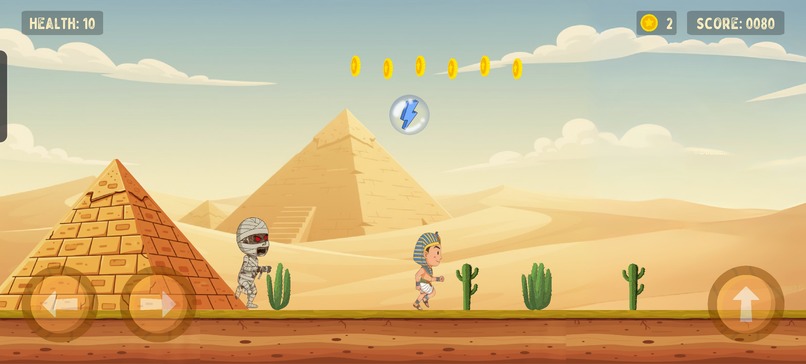
Ramek needs to dodge the cactus in order to not loose health
-
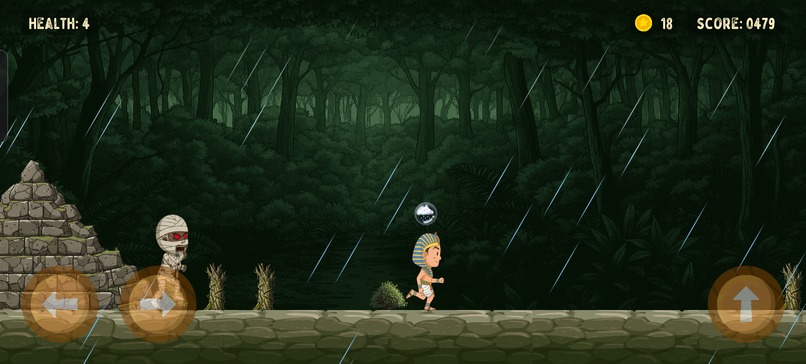
Ramek made it rain yet again!
Inspiration
The inspiration for 'Dune Dash' came from popular endless runners like Subway Surfers, but I wanted to give it a classic & retro feel like Mario, adding nostalgia and deeper engagement. The idea of combining a chase mechanic, dynamic obstacles, multiple maps, and rewards came from observing how players enjoy urgency, exploration, and competition. Adding the mummy chase theme gave the game a unique identity, tying it to an adventurous desert lore
What it does
Dune Dash is an endless 2D runner game where players take on the roles of Ramek or Amira, racing through breathtaking desert and forest maps while being relentlessly chased by a mummy for disturbing his home. The game blends adrenaline-pumping action with engaging mechanics such as coin collection, occasional power-ups like increased running speed, magnets, and rain effects, leaderboards, in-game coin purchases, and a referral reward system to bring in new users.
The game features:
Two characters: Ramek & Amira(unlockable with coins).
Two unique maps: Lost Oasis & The Forgotten Grove (unlockable with coins).
A chase mechanic where the player is pursued by a mummy.
Coin collection & power-ups: magnet (coin attraction), speed boost, rain (slows down mummy).
Shareable score cards: generate an image with embedded score text and a short description, plus a referral link.
Real-time leaderboards to compete globally.
How we built it
Kotlin for the language.
LibGDX for the main game - rendering, physics, and game loop management.
Google Play Games Services for login, leaderboards, and player competition.
RevenueCat for in-app coin purchases.
Firebase for remote game data storage (restore across devices/reinstalls), referral rewards and analytics.
ChottuLink — a free deferred deep-link SDK for generating unique referral links.
Multi-language support in English, Spanish, Portuguese, and French.
Challenges we ran into
Learning LibGDX — my first-time use meant a steep learning curve to build endless maps, camera tracking, dynamic obstacle spawning, collision detection, and sprite management.
Efficient input handling — rewriting input logic to ensure edge touches work seamlessly on physical devices, which didn’t appear in emulator testing.
Performance optimization — dynamically spawning visible sprites and disposing of off-screen objects to avoid lag & save memory.
Animation creation — sourcing AI tools for sprite sheet generation and optimizing frame rates for smooth animations without manually creating each frame.
Multiple device resolution support — adapting sprite and font sizes to fractions of screen dimensions for consistency across Android devices.
Login and referral system — integrating Google Play Games for account syncing and finding ChottuLink as a free deferred deep-linking solution for rewarding referrers.
Limited time — Had to work on the app after office hours only.
Accomplishments that we're proud of
I have initially created a to-do list of must-have features, some good to haves & some dreamy things to try if time permits. I have been able to complete almost 90-95% of the list.
The feedback I received from the users is really encouraging, useful and kept me going.
Considering the app is not a very straight forward task to do and there were many unknowns, its a great success seeing everything coming to pieces without a compromise on anything like performance, etc.
Discovering new AI tools & using them efficiently especially generating game objects, characters and their animations (sprite sheet).
There are many organic users & play store reviews from various countries. There are visible growth in DAU, MAU, active installs, revenue, etc
What we learned
Game design and mechanics — balancing speed, input handling, performance, and engagement with LibGDX.
Creating smooth particle effects and parallax backgrounds for immersive gameplay without performance degradation or battery overheating.
Integrating cloud services like Google Play Games for login, leaderboards, and player data syncing.
Embedding text on images dynamically for shareable referral cards.
Finding cost-effective alternatives for deferred deep-linking.
Supporting multiple device resolutions efficiently.
What's next for Dune Dash
Post-hackathon, I plan to expand Dune Dash with:
Additional maps & sub-maps.
Seasonal challenges and events.
New characters and unique obstacles.
Mission-based gameplay.
Enhanced social features to build a community.
My vision is to transform Dune Dash into a global competitive platform for endless runner enthusiasts — blending speed, strategy, and social engagement.
Built With
- android
- firebase
- google-play
- kotlin
- libgdx
- revenuecat


Log in or sign up for Devpost to join the conversation.