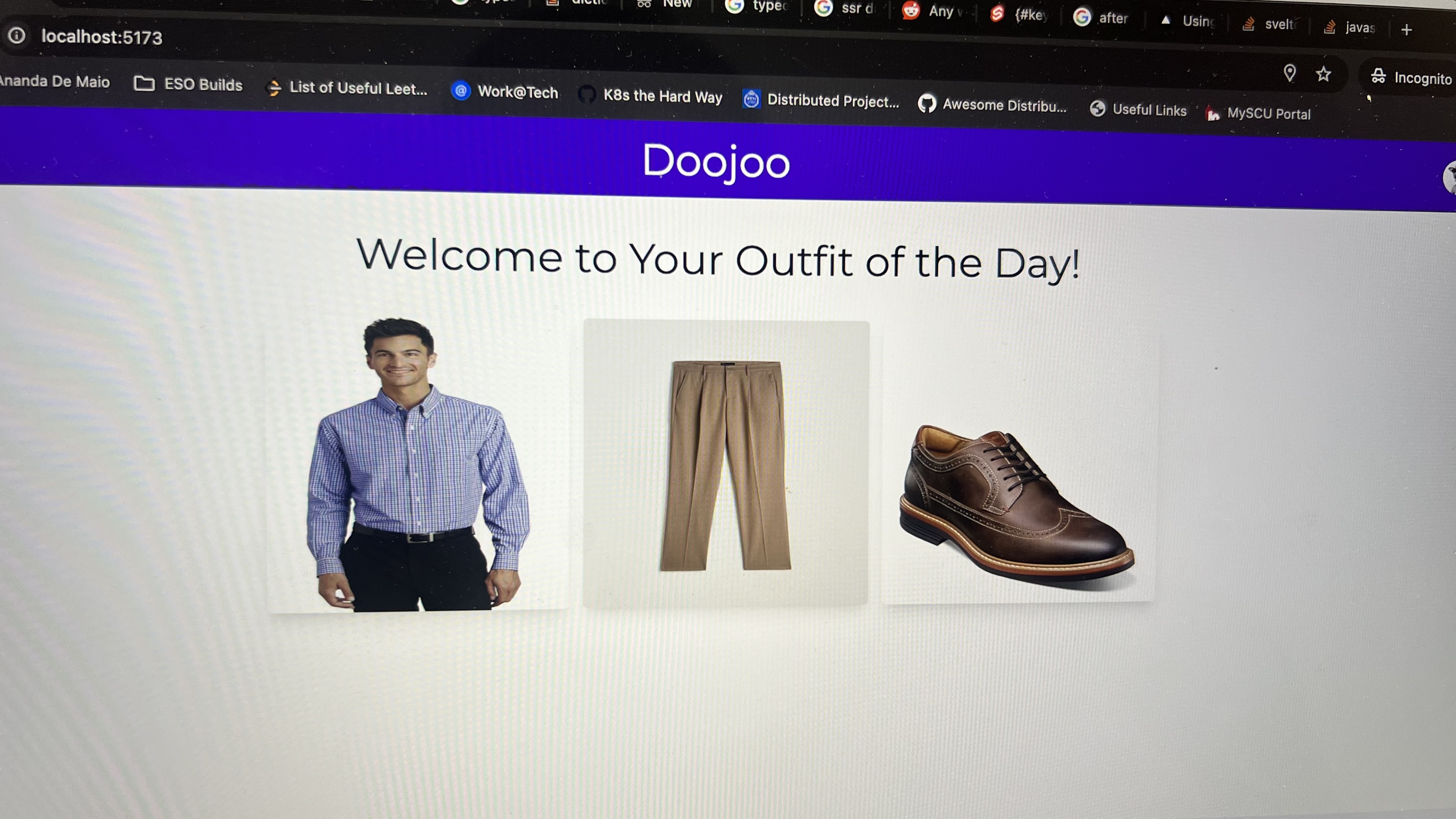
Inspiration
The idea for the AI OOTD Assistant sparked from hearing the iconic story of Steve Jobs and Mark Zuckerberg—visionaries who adopted a minimalist wardrobe to save mental energy for more critical decisions. I thought, "What if we could automate this process for everyone, using AI to recommend personalized outfits based on their unique preferences and contexts?" This project grew out of a desire to simplify decision-making while making fashion more accessible and thoughtful.
What it does
How we built it
We went straight into ideating how we wanted the architecture of the application to be and spent a lot of time designing the ETLS and project workflows. We took a bottom-up modular approach, where we individually started to work on components. For eg: We have one person setting up the front end, another building the flask server, another extracting image meta data, another building our two main recommendation engines. We have essentially built agents using bedrock to recommend articles of clothing - from the user's 'wardrobe' as well as suggest new articles of clothing to purchase, which is our sales POC
Challenges we ran into
The main challenge was that we started from scratch. We didn’t know much about building an AI-powered assistant, and every step felt like an uphill climb. Testing, trying, failing, and re-executing was both painful and arduous. From understanding how to extract meta data from a clothing databases to training AI models that could actually provide meaningful recommendations, it was a continuous learning process.
Accomplishments that we're proud of
That we stuck through the night getting a POC ready
What we learned
Some lessons we learnt were:
- The Power of Iteration: We learned that testing, failing, and refining is an integral part of creating something impactful. Each misstep helped us understand our product better
- Using AWS services taught us how to efficiently manage resources, scale our application, and handle data securely.
- Resilience and Patience: Perhaps the most important lesson was learning to keep moving forward despite challenges. Building this project wasn’t just about coding—it was about perseverance and a willingness to learn.
What's next for doojoo
- Learning User Preferences: We want to train the system to better understand each user’s unique taste, preferred color palettes, and styles. By building a feedback loop where users can indicate whether they like an outfit or not, Doojoo can refine its recommendations and become smarter with every interaction.
- Improving API Performance is another major goal for the application: Optimizing API calls to make the recommendation process faster and more seamless. This involves reducing latency, using caching where possible.
- Some potential features we would like to explore are:
- Allow users to virtually "try on" outfits using augmented reality.
- Integrate sustainable fashion recommendations to promote eco-friendly choices.
Doojoo is on a journey to make outfit selection effortless, fun, and personalized. With these improvements, we’re excited to make it even more powerful and intuitive for users everywhere.
Built With
- anthropic
- bedrock
- ec2
- flask
- json
- lamda
- python
- s3
- svelte
- typescript

Log in or sign up for Devpost to join the conversation.