-
-
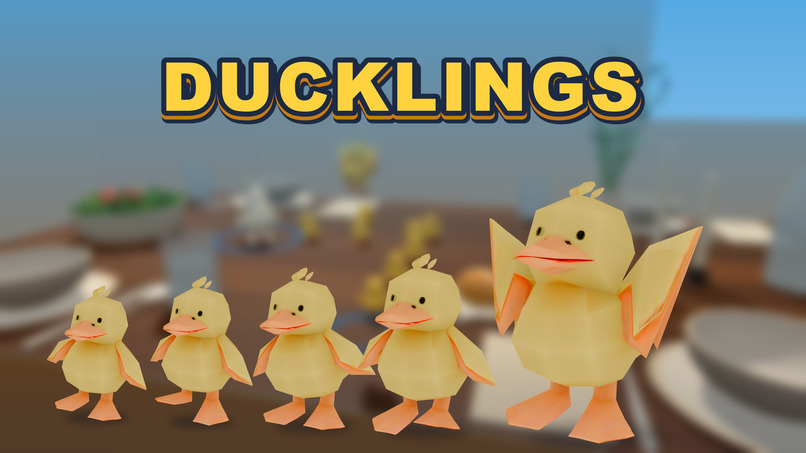
Ducklings
-
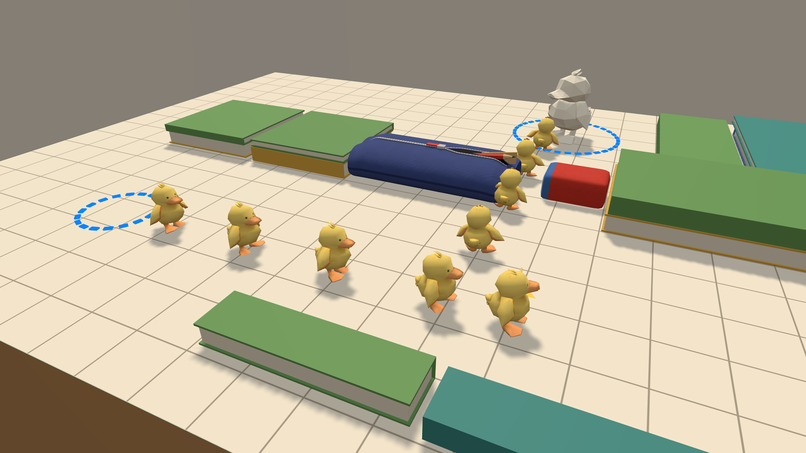
Level 12
-
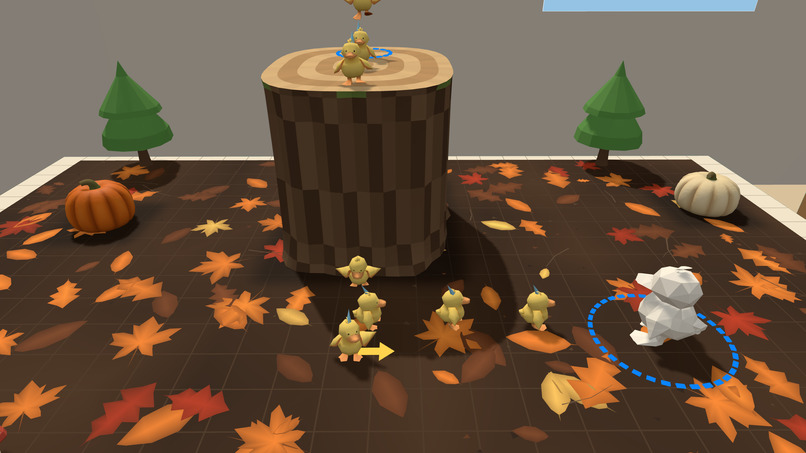
Level 16
-
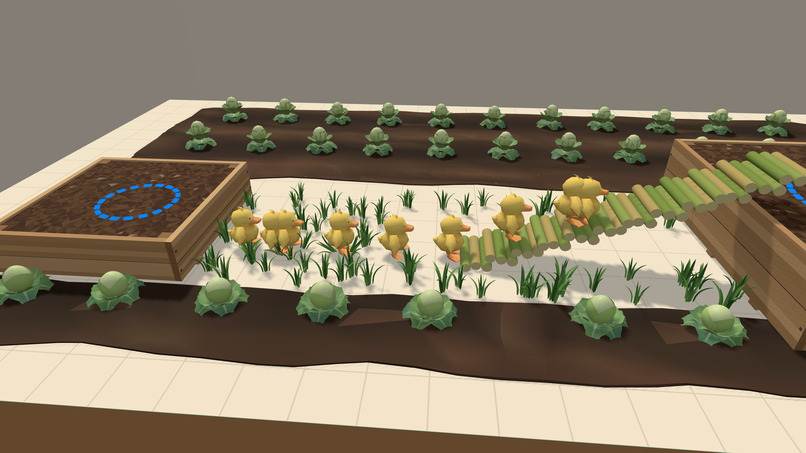
Level 7
-
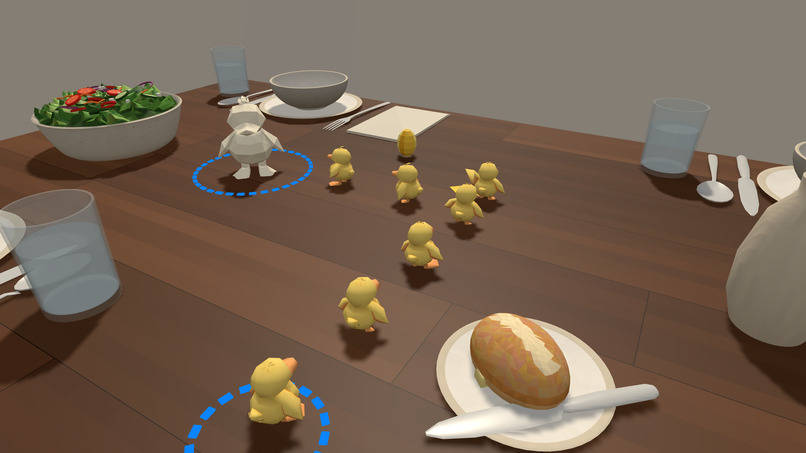
Level 1
Inspiration
Inspired by the 1991 classic Lemmings - what if they were walking on your tabletop?
What it does
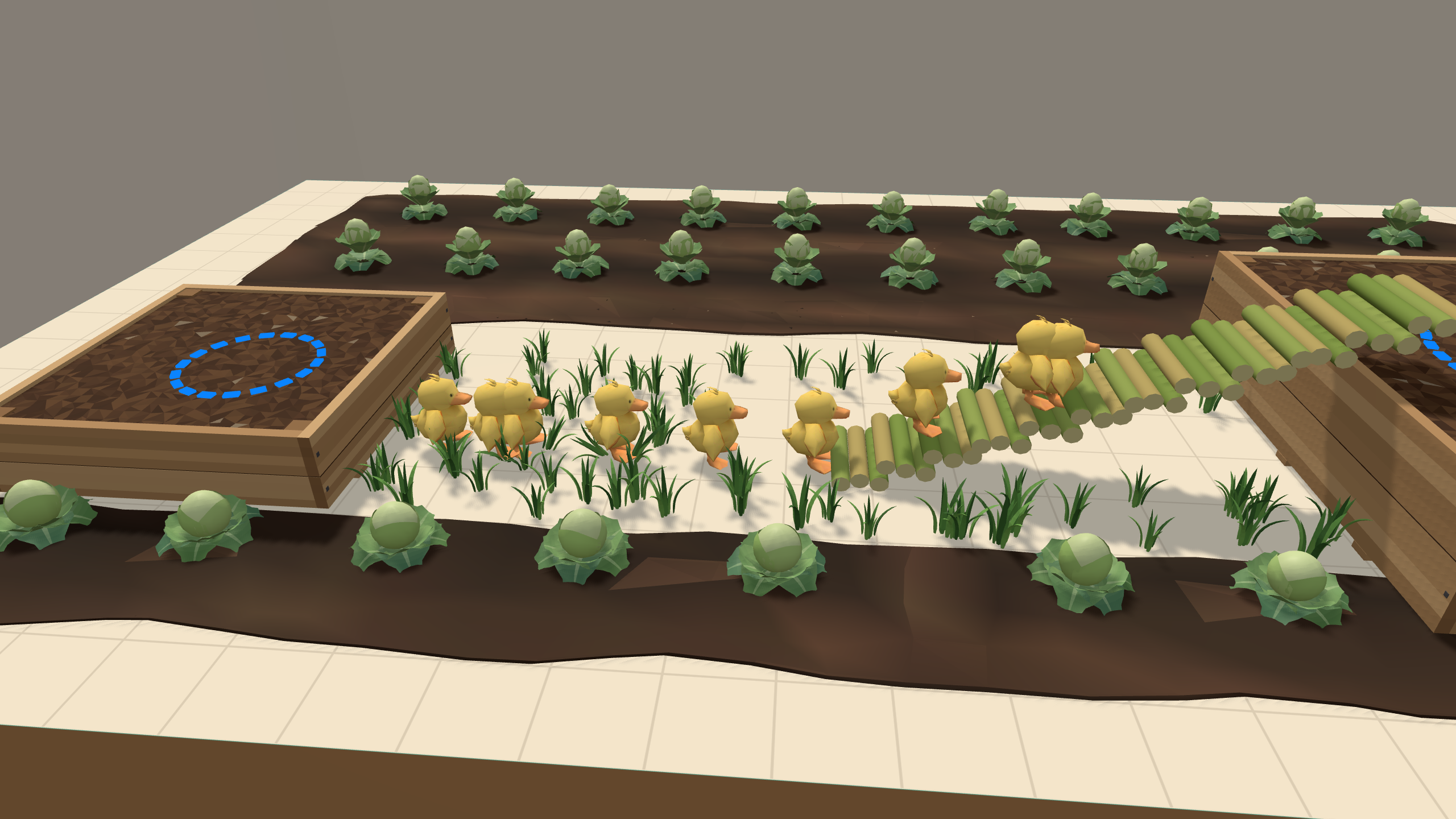
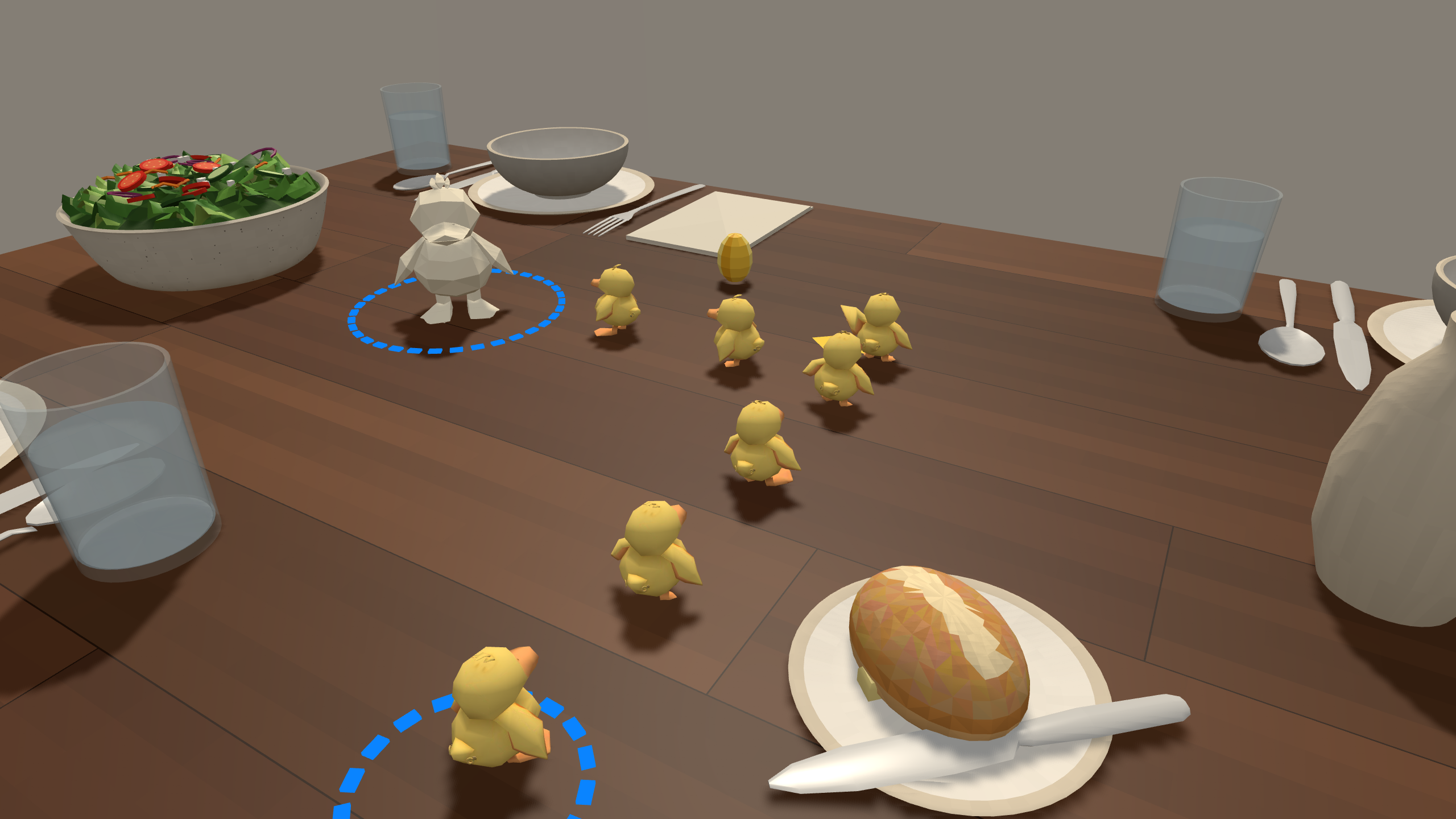
Ducklings drops a flock of paper ducklings onto your real table, and every one of them is heading for the edge. Reach in and poke them into jobs: a Sitter blocks the way, a Weaver builds a reed staircase, a Billdozer bulldozes through a loaf, a Floater drifts down safely. Stragglers wander off the board across your table and room - watch out they'll fly out of your window!
Complete the bronze target to progress or get them all home for silver or pick up the golden egg on the way for gold. Restart and try as many times as you like.
Speaking of eggs - watch out for Easter eggs and throwbacks to classic games of the 90s.
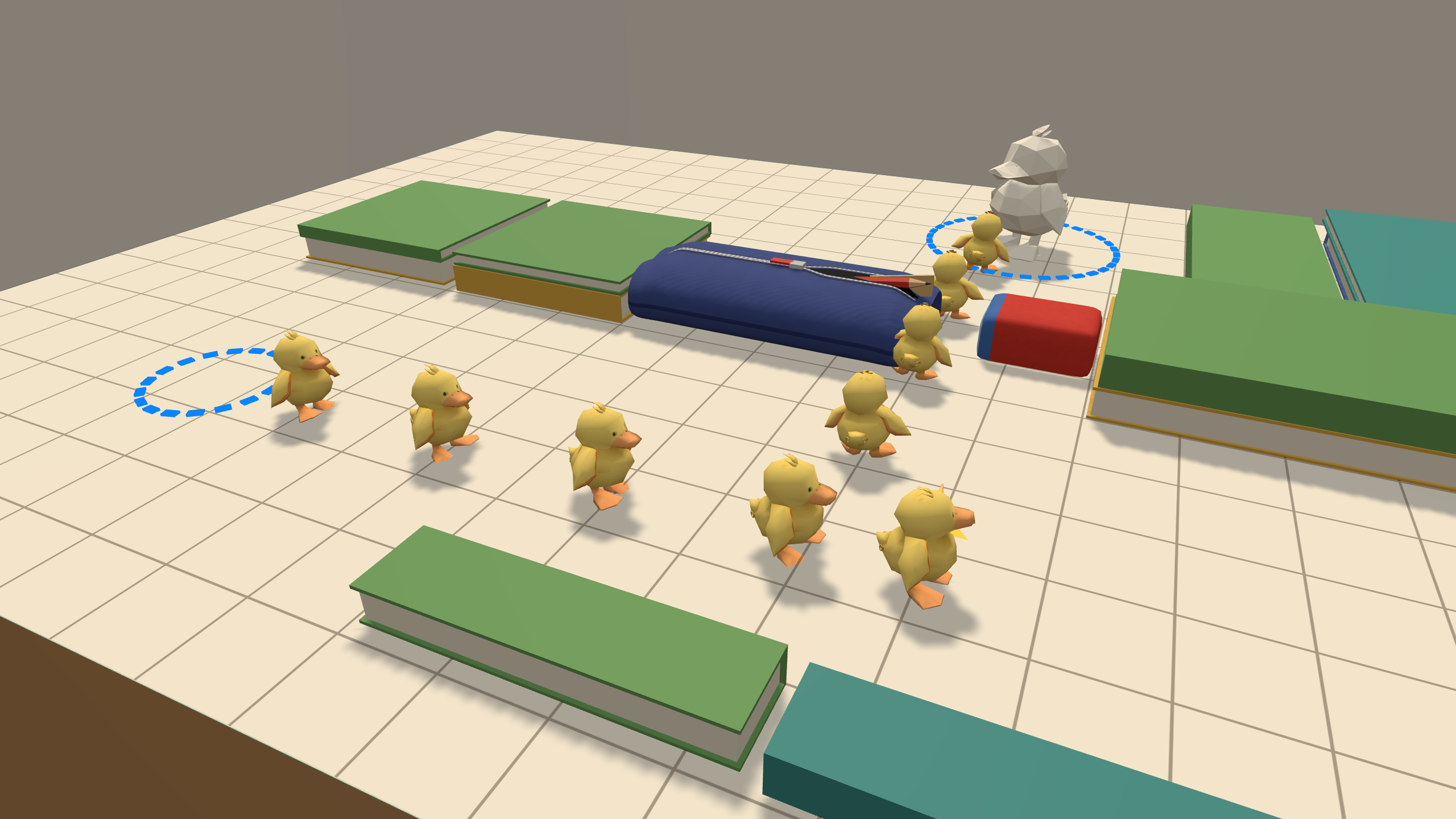
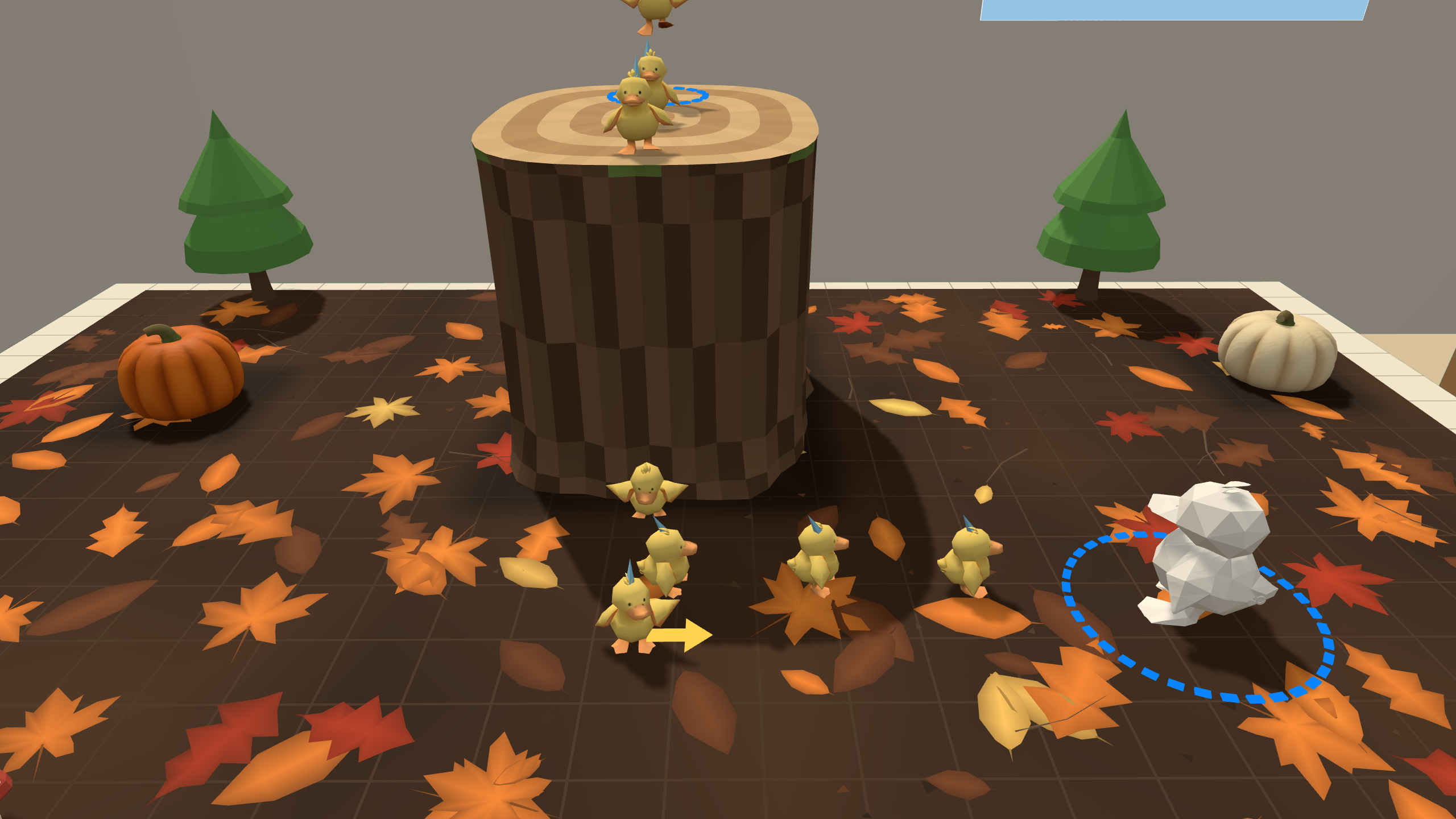
Currently there are 25 levels - each block of 5 has their own theme, indoors and outdoors. New skills are introduced as the game progresses and difficulty increases in cycles as more roles become available.
How we built it
Ducklings is built with the Meta Spatial SDK using the Meta VR CLI connected to Claude Code. A lightweight three.js version is used for prototyping – building and testing levels, generating candidate assets and soak testing play scenarios. Swarms of agents design, build, play and test multiple levels in parallel. The build bakes the prototype's scenery and level definitions straight into the Quest edition, so both versions play the same levels, and tests check they agree. Swarms of agents design, build, play and test multiple levels in parallel.
Ducklings uses a lot of what the Quest can do:
- Hand tracking – fingertip pokes (with a virtual ring showing the selected role), pinch and pointer rays for panels, and palm detection so you can scoop ducklings onto your hand and tip them off.
- Scene understanding – ducklings wander over your real room's surfaces when they leave the board, and "Line up with table" squares the board to your desk.
- Depth occlusion – real objects and your own hands hide the ducklings, so they really feel like they're in the room.
- Spatial Anchors – the board stays where you left it.
- MR/passthrough to play on your real table, plus spatial panels and spatial audio.
Challenges we ran into
Making a 2D game into a 3D game while sticking to the role-based play, particularly how to turn Ducklings on the board. In the end a Winger, that raises one if its wings, turns the Ducklings in the direction it is pointing. This required adding more than just a tap mechanic - a tap and swipe to point the Winger in the right direction (the alternative is multiple roles - left winger, right winger etc.).
Level design - pitching the right level of difficulty - adding stretch goals, like collecting the golden egg helped. Timing had to be manually play tested to make sure switching roles can be done in a fair time.
Bunching is an issue - which duckling did you just poke? Now intelligent selection is part of detecting the poked Duckling to give a more intuitive feel.
Accomplishments that we're proud of
Making the idea real and enjoyable to play – on a real table, with your real hands. Persistently changing the game mechanics because they did not feel right, and iterating over and over to improve the experience. The flat-hand ramp – putting your hand down and watching the ducklings walk onto it – still makes me smile.
What we learned
I have never written a game before, many XR prototypes but never a game. I learned it is not easy! I learned - asking someone else to test your game because problems are not always obvious. This led to the opening tutorial and explainer rather than throwing the player straight into the game.
What's next for Ducklings
- Improve all levels - rethink the themes, ensure consistent challenges, remove frustrating levels
- Many, many more levels
- Revisit the story – lean further into the paper-duckling world
- Add more moving scenery, more throwback references in theme and mechanics
- Better and more sound effects and music

