-
-
Open Source EPD Process
-
Dual Scope 3 Reporting Output
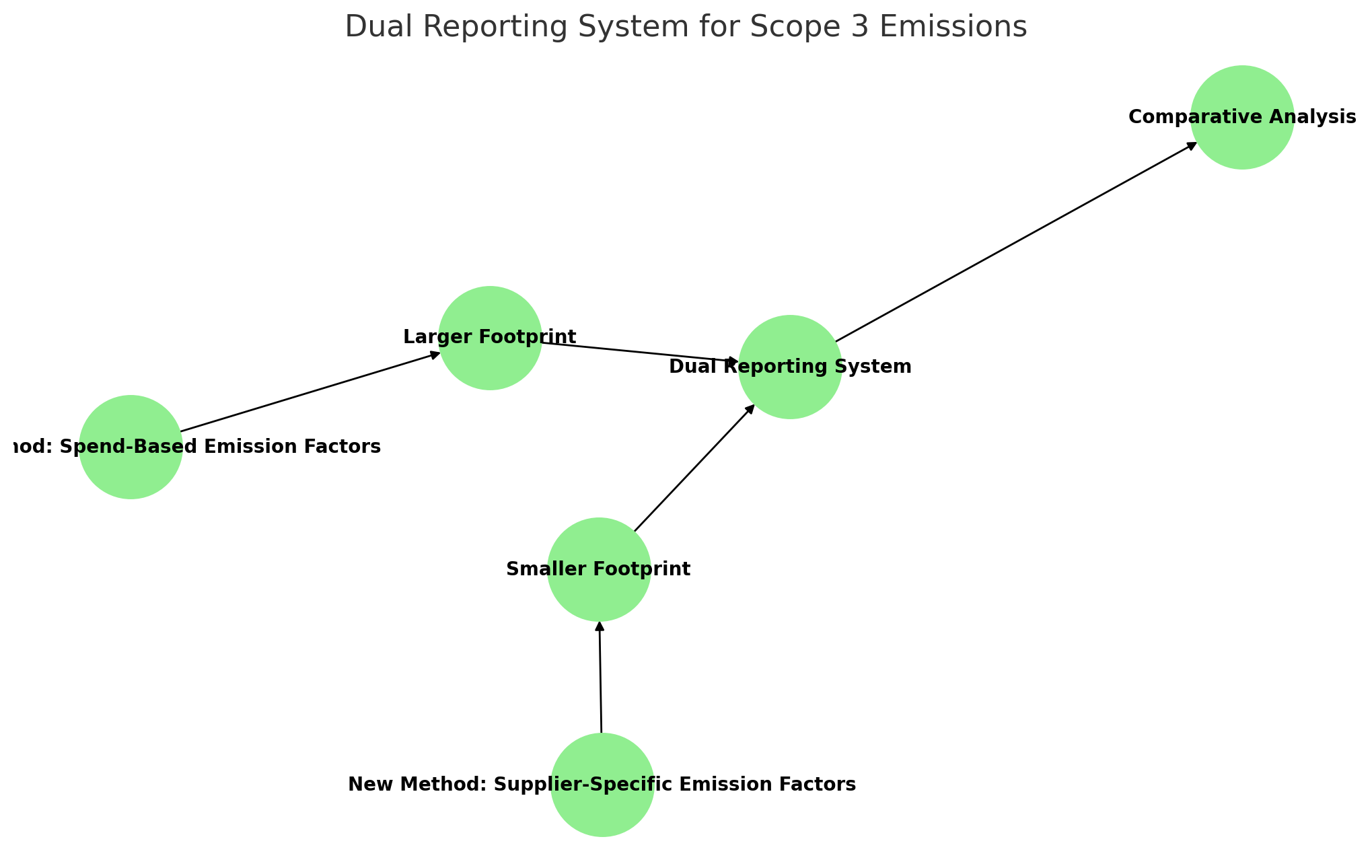
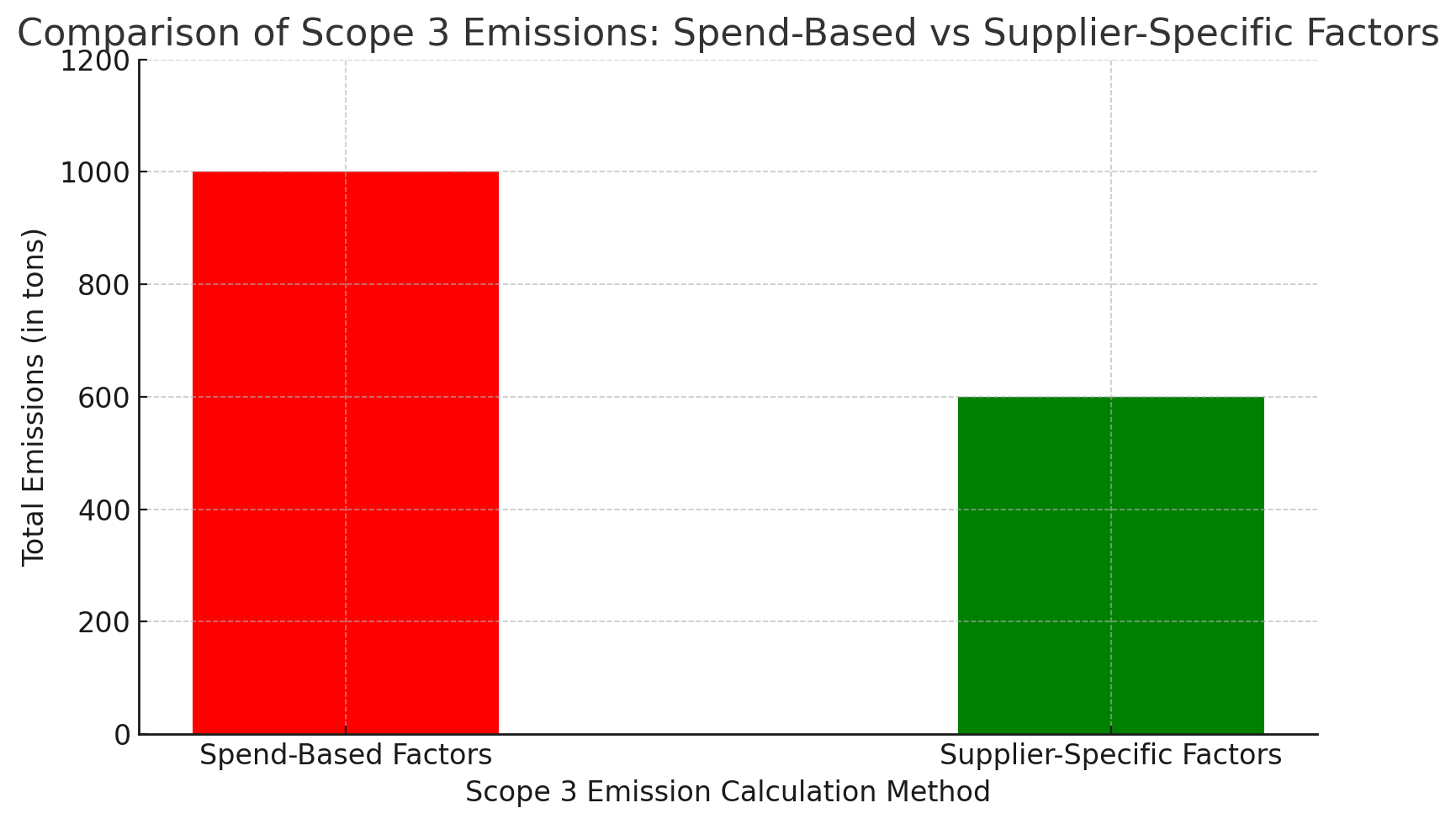
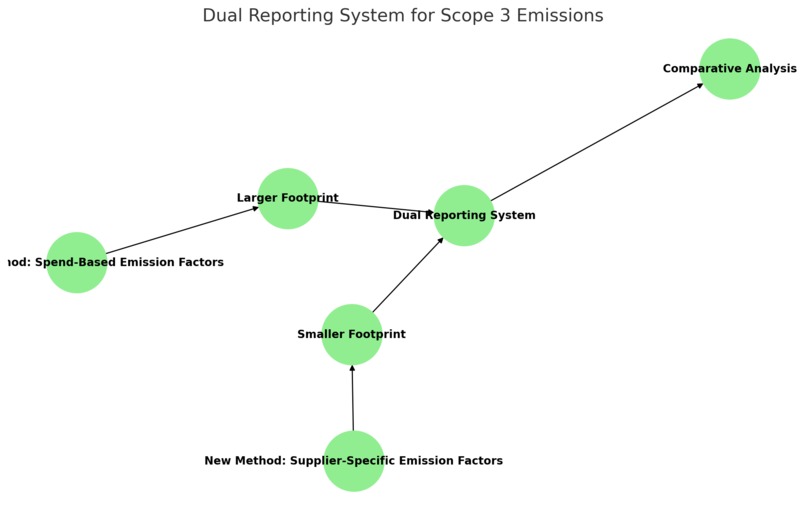
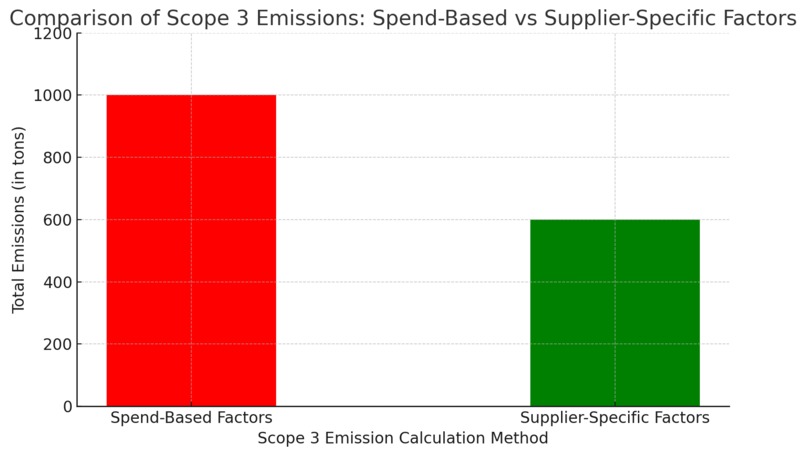
I was inspired to start my company to scale up decarbonisation and the embedment of sustainable practices within corporate companies, because what I see from having worked in the industry for a decade, is a lack of expertise and capability. I provide seconded sustainability experts to build capacity in companies, develop the sustainability and decarbonisation strategy, and embed policies for the company to follow before moving onto the next company that needs these services. In relation to scope 3 reductions, companies are starting to get a handle on scope 3 GHG accounting but in terms of meeting scope 3 targets and emissions reductions, there needs to be a rapid scale up of suppliers using EPDs/PCFs or other certification of low carbon alternatives. And there needs to be a platform made available to corporates which features these EPDs, which is open source, so procurement teams can easily compare products and services to select lower carbon alternatives. The method for demonstrating scope 3 supply chain reductions would also require some form of dual reporting to be developed, which compares the original calculation method (expenses and spend based emissions factors) to newer more granular methods such as supplier specific emission factors or activity data.
I propose we build the open source platform for collating EPDs and PCFs, potentially even a tool for suppliers to log in and estimate what their EPD would be and how much it would cost to become certified. We then advertise this open source library of supplier EPDs to corporates who have set scope 3 reduction targets (which often include category 1 and 2 purchased goods and services reductions). Next we work with Envizi or another environmental reporting tool to build the dual reporting system for corporates and take on a case study corporate who is keen to demonstrate potential reductions from switching to supplier specific emission factors.
We would need access to a company or a hypothetical case of scope 3 GHG accounting to be able to build the dual reporting system. We would also need to contact a range of companies who have EPDs for their data and permission to be shared on our platform. We could contact a consultant for EPDs and ask them to build a rudimentary tool to estimate EPD for clients and a rough estimation of costs involved in certification.
Access to data from corporates can be a challenge because they are concerned about the wider public being aware of their full holistic GHG footprint, which is why a hypothetical company could be used or anonymised financial data. The other challenge is finding companies who have EPDs because often they don't advertise it well but we can work with MECLA for potential companies because they focus on embodied carbon in products. Note that the video included is not our work but what we're working on developing (couldn't submit without a video link and didn't have time to create one).
Supporting companies with the scope 3 GHG accounting expansion to categories that they perhaps had not thought of including before (cat 1 and 2), and demonstrating that reductions are possible if they can engage and influence their supply chain and procurement team. This scales up decarbonisation in the wider economy and provides a more holistic understanding of GHG emissions by including scope 3. We also see the scale up of renewables and EVs because they are two low hanging fruit in the decarbonisation levers bucket.
We would like to provide this open source EPD data base to large companies with significant procurement teams, so they can more thoroughly understand how their procurement decisions impact on a company's scope 3 emissions. This will come in handy with the ASRS reporting coming in July 2025. We would also like to share the dual reporting system with sustainability teams so they can understand that setting scope 3 targets isn't as ambitious as it seems, as long as they're prepared to engage suppliers as well as operations for embedding sustainable practices. The main reason many companies steer clear of scope 3 targets is because they don't see how it's possible to influence reductions and it all seems too hard. With these tools, realising and reporting on scope 3 reductions will be much easier.


Log in or sign up for Devpost to join the conversation.