-
DATAKOMEZA: Secure digital ID for refugees with offline access, consented data sharing, MOSIP-ready
-
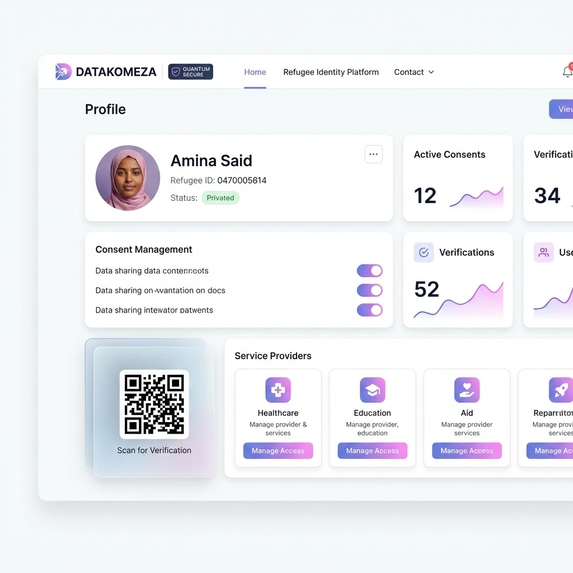
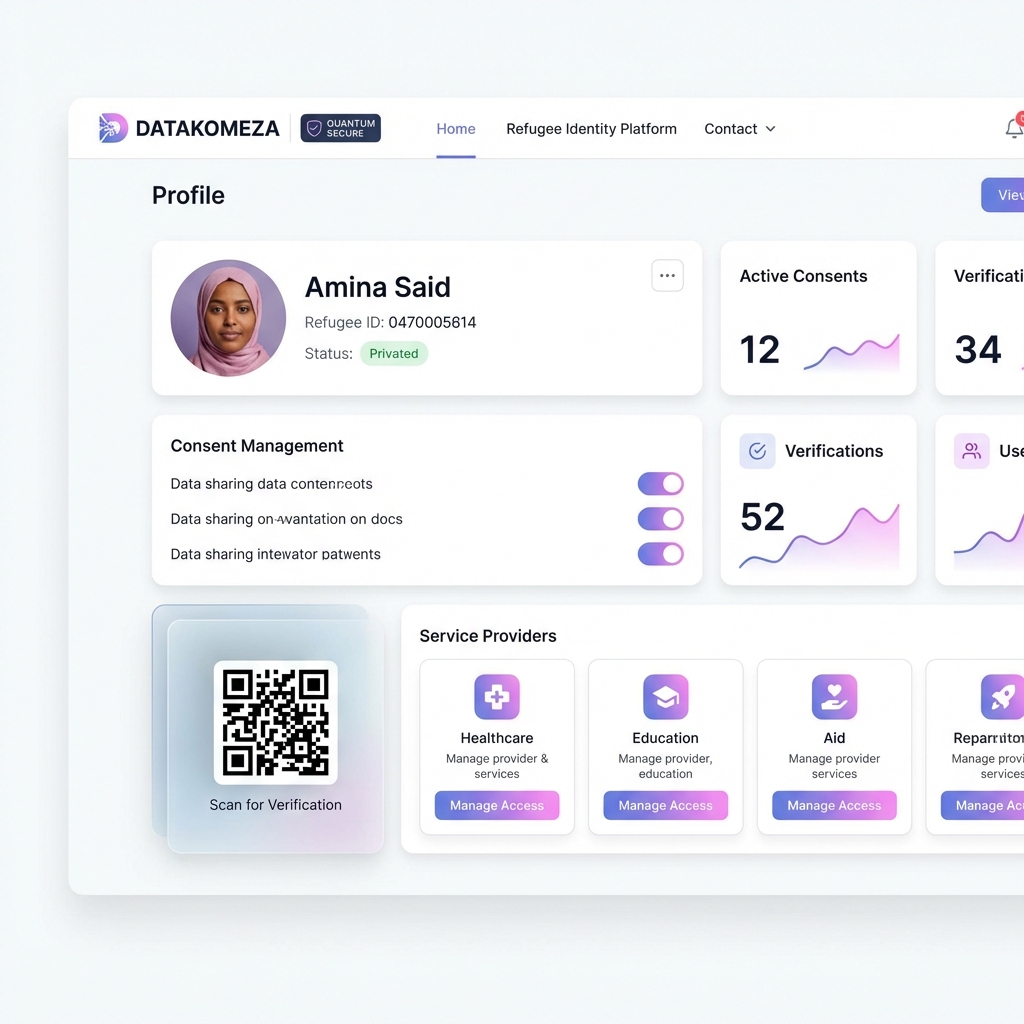
user-dashboard
-
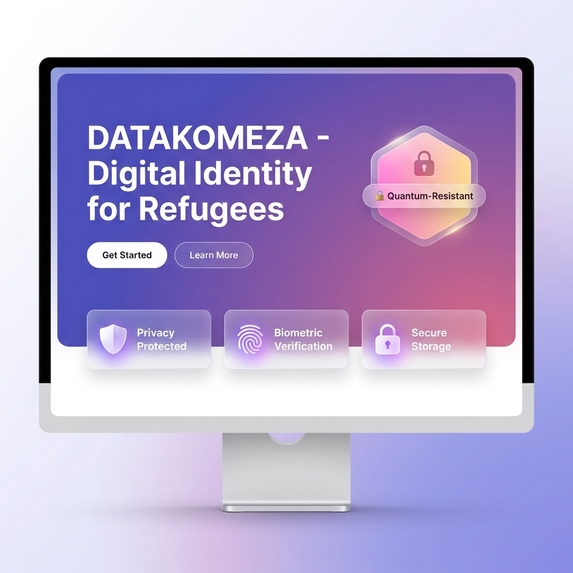
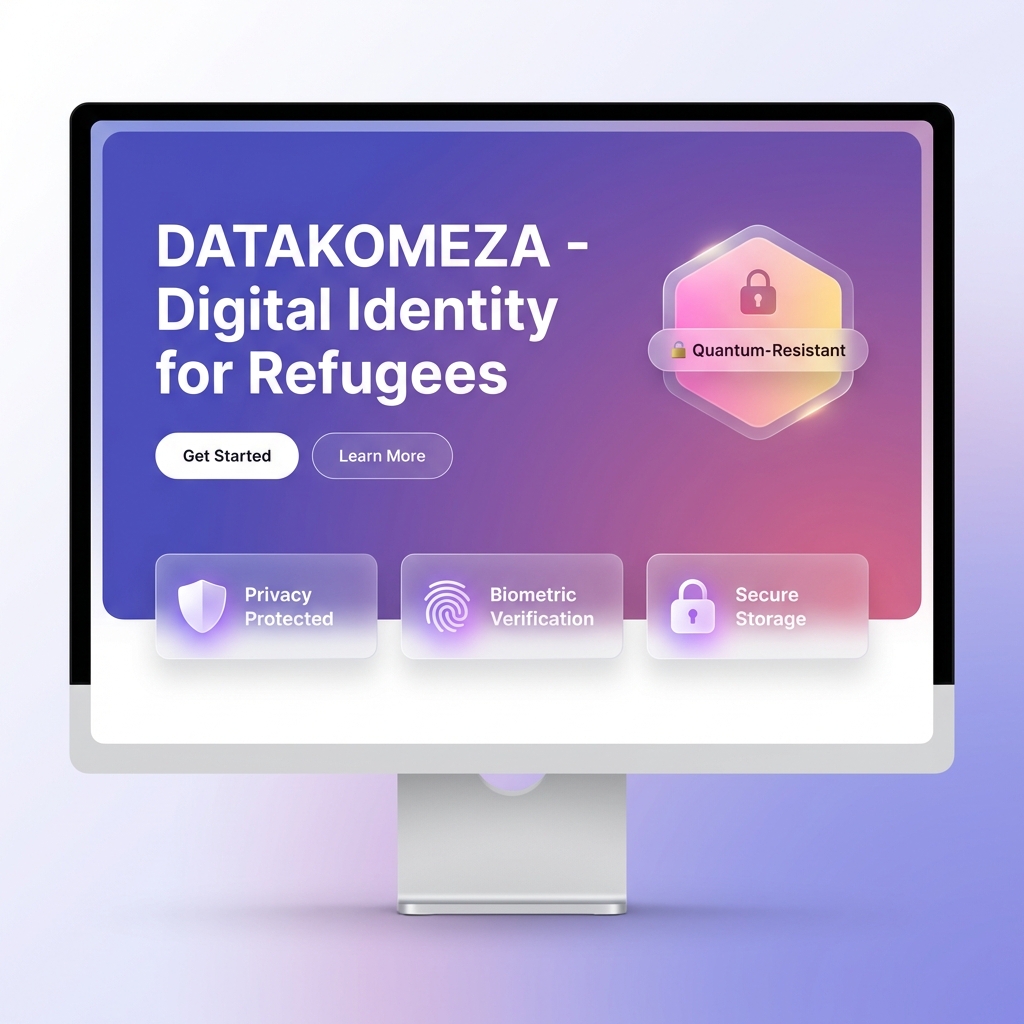
landing-page
-
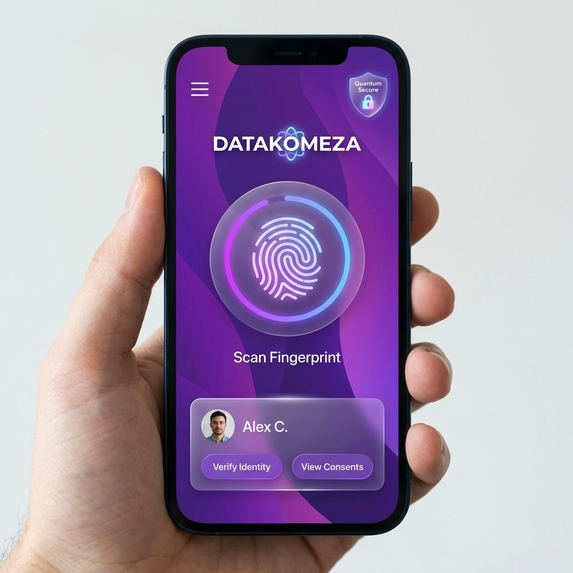
mobile-view
-
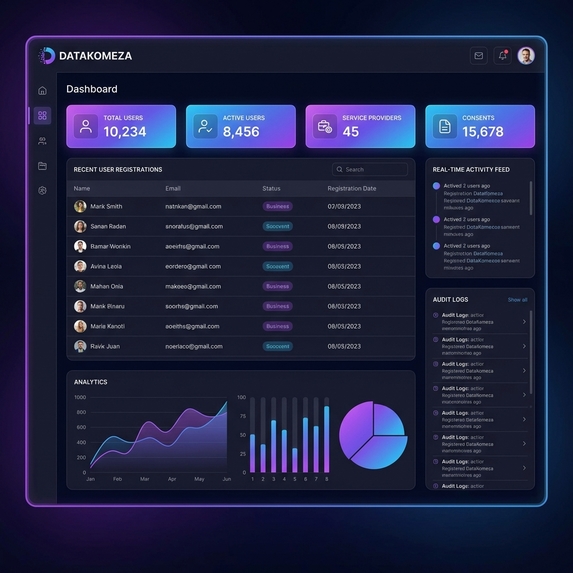
admin-dashboard
-

security-features
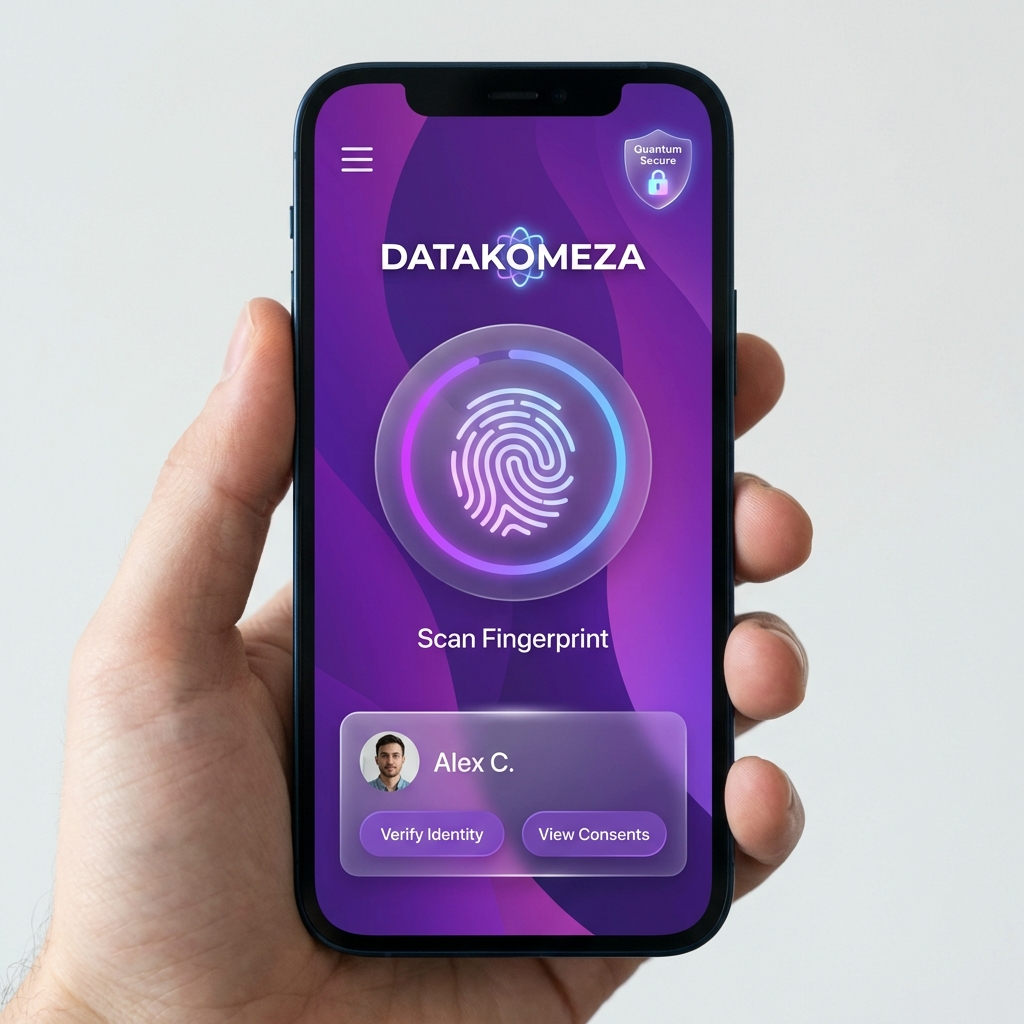
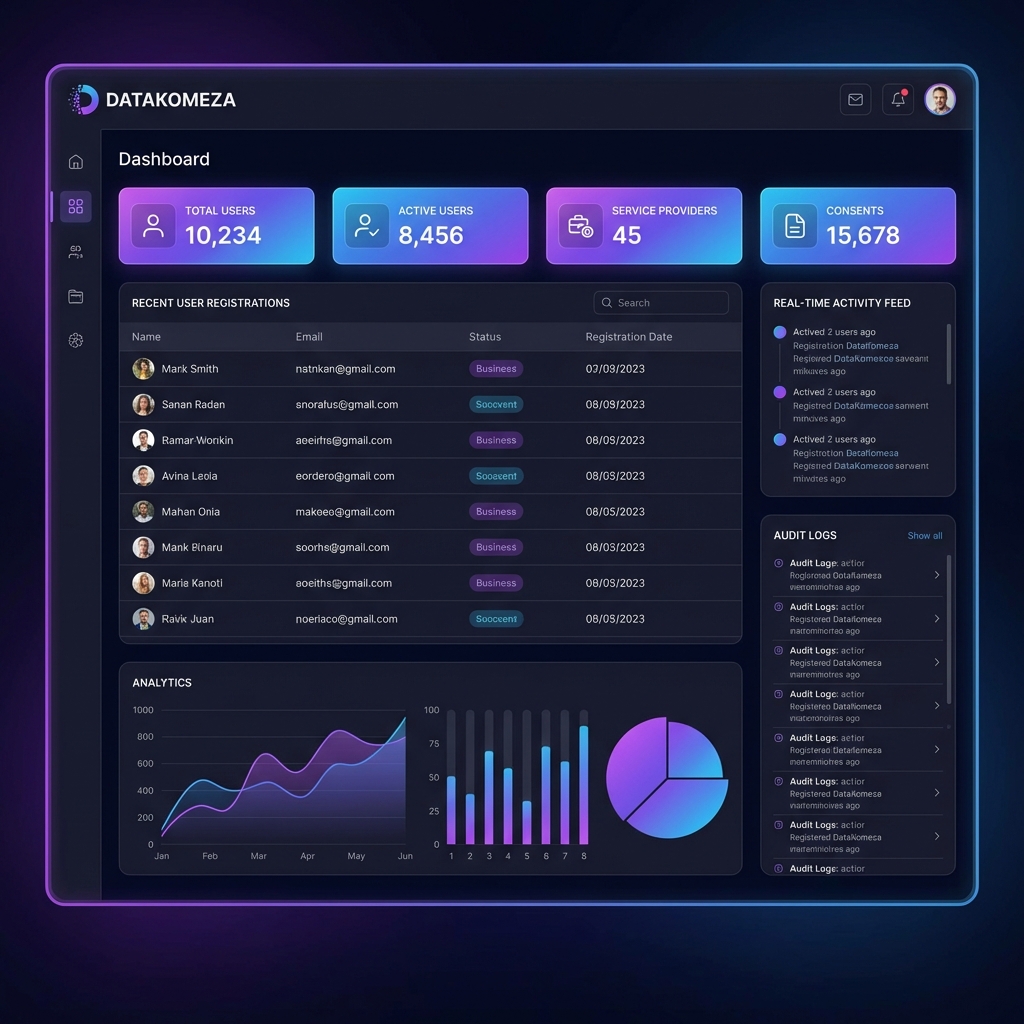

DATAKOMEZA: Privacy-Preserving Digital ID for Refugees Inspiration
Our inspiration came from witnessing the struggles of millions of Congolese refugees displaced by the ongoing conflict in the Democratic Republic of Congo. Families are forced to flee across borders, often carrying nothing but the clothes on their backs, and arrive in host countries with lost, destroyed, or unrecognized identity documents.
Without a trusted form of identification, access to healthcare, education, humanitarian aid, and livelihoods becomes uncertain even for legally registered refugees. Repeatedly proving their identity to multiple organizations delays essential support and exposes them to privacy risks as personal information is scattered across disconnected systems.
These challenges motivated us to create DATAKOMEZA, a privacy-preserving digital identity platform designed to restore dignity and agency to displaced populations.
What DATAKOMEZA Does
DATAKOMEZA provides a portable Digital Refugee Identity, enabling secure access to essential services while allowing users to share only the minimum information necessary. Key features include:
Minimal-data profiles for privacy-by-design
Consent-driven selective disclosure of identity attributes
Offline-friendly authentication via QR codes or PINs
Interoperability with NGOs, government institutions, and humanitarian platforms
Post-quantum cryptography ensuring data remains secure against future quantum threats
How We Built It
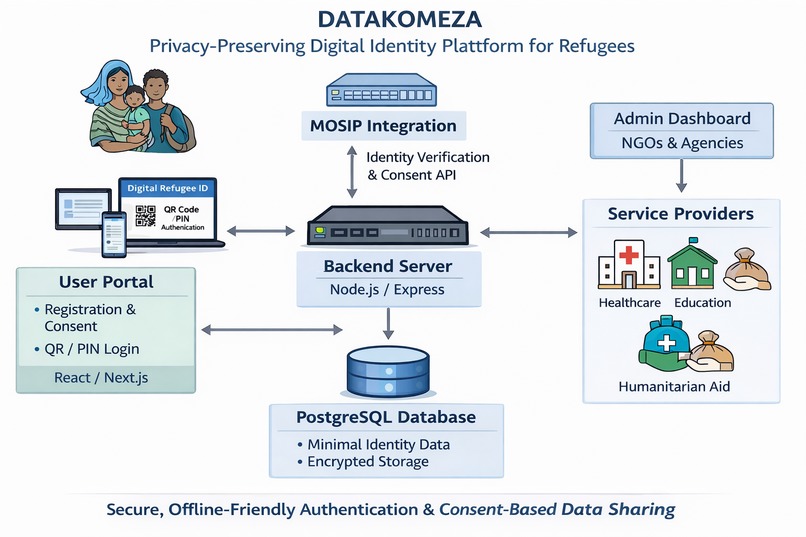
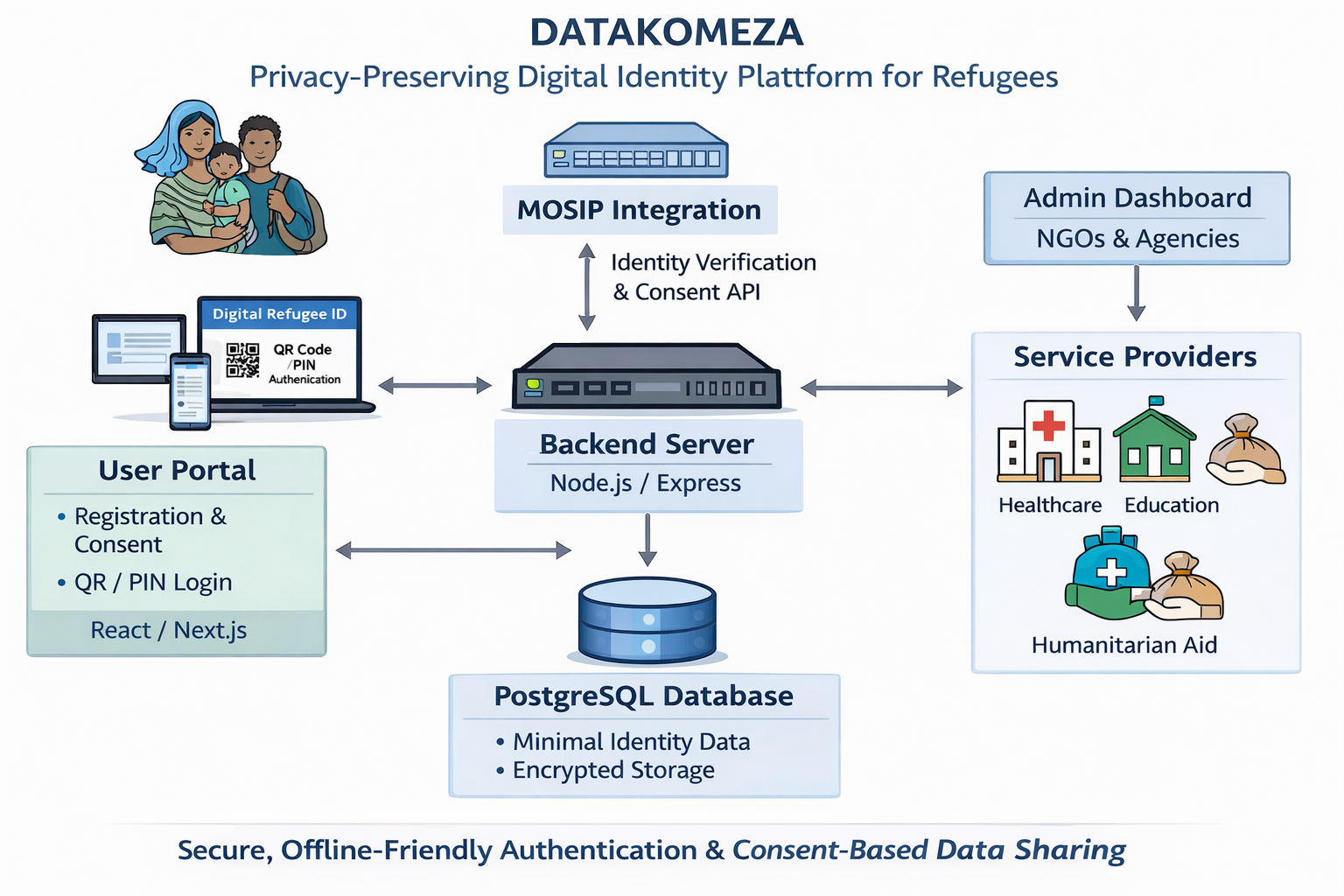
Architecture: MOSIP-compatible backend supporting modular APIs
Frontend: React.js / Next.js portal for refugee users
Backend: Node.js / Express.js server with PostgreSQL database
Security: End-to-end encryption enhanced with post-quantum cryptography, audit trails, and privacy-preserving protocols
Offline support: QR/PIN authentication for low-connectivity environments
The platform was designed to be ethical, inclusive, scalable, and future-proof, balancing secure identity verification with privacy and usability for vulnerable populations.
Challenges We Overcame
Designing for low-infrastructure, conflict-affected environments
Balancing identity verification with privacy, ensuring no risk of surveillance or exclusion
Achieving interoperability across organizations with different data standards
Integrating post-quantum security while keeping authentication simple for refugees
Accomplishments
Developed a refugee-centered digital ID use case grounded in real displacement scenarios
Built a MOSIP-compatible, modular platform with future-proof post-quantum security
Embedded ethical, inclusive, and privacy-preserving design principles from the start
Designed offline authentication and low-connectivity functionality for refugee camps
What We Learned
Identity barriers have a profound impact on refugees’ access to basic rights
Digital rights, consent, and trust are essential in humanitarian systems
Foundational digital ID platforms can enable inclusive public services
Conflict-sensitive, community-aware design is critical for real-world impact
Incorporating post-quantum security strengthens long-term trust and resilience
What’s Next for DATAKOMEZA
We plan to test the platform with sample datasets, gather community feedback, and build a working demo showcasing:
MOSIP integration
Offline and low-connectivity authentication
Selective attribute sharing for service access
Post-quantum secure identity verification
Our ultimate goal is to scale DATAKOMEZA across refugee-hosting regions in Africa, ensuring that digital identity becomes a tool for empowerment rather than a barrier.
Project Architecture Diagram
Diagram Highlights:
Secure connection between frontend, backend, and PostgreSQL database
MOSIP integration for authentication and identity management
Post-quantum encryption for user data
Consent-driven data flow ensuring minimal exposure of sensitive information
Offline support via QR/PIN-based authentication
Built With
- api
- express.js
- javascript
- next.js
- postgresql
- react

Log in or sign up for Devpost to join the conversation.