-
-
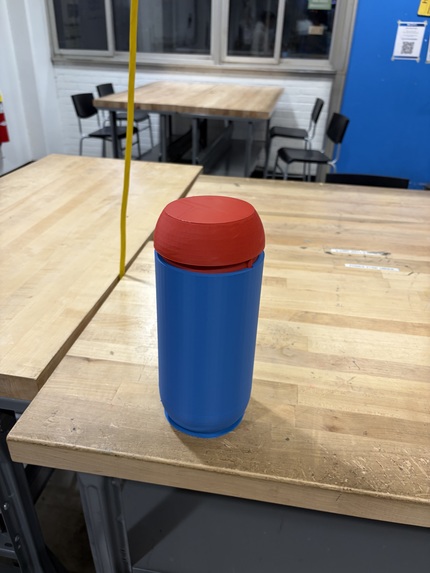
Enclosure
-
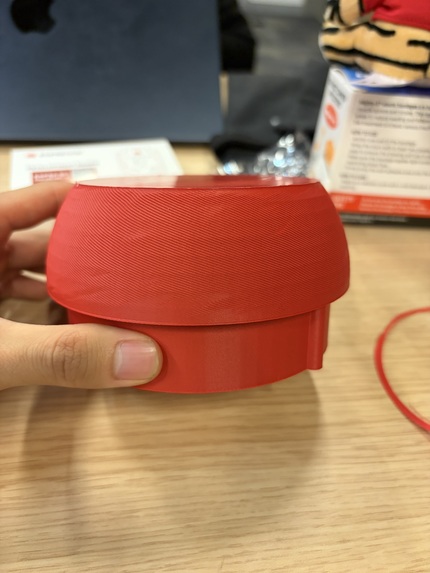
Cap
-
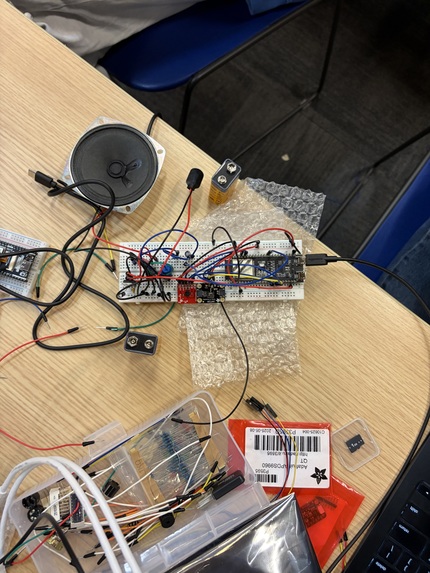
Circuit
-
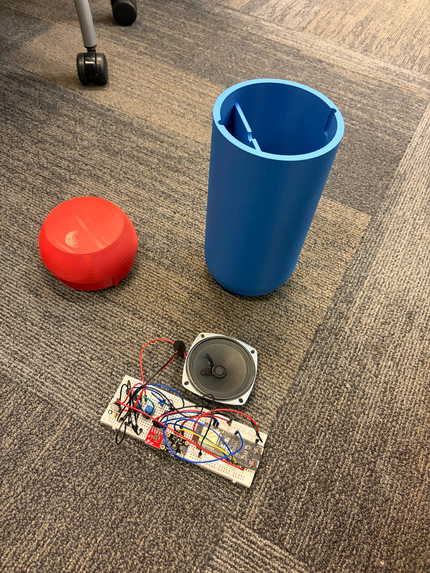
Parts
-
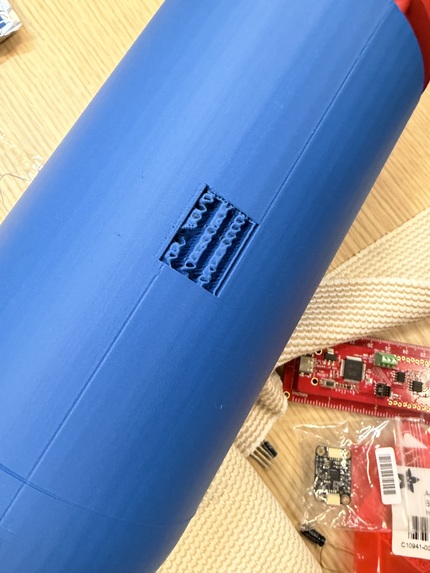
hole for sensor
-
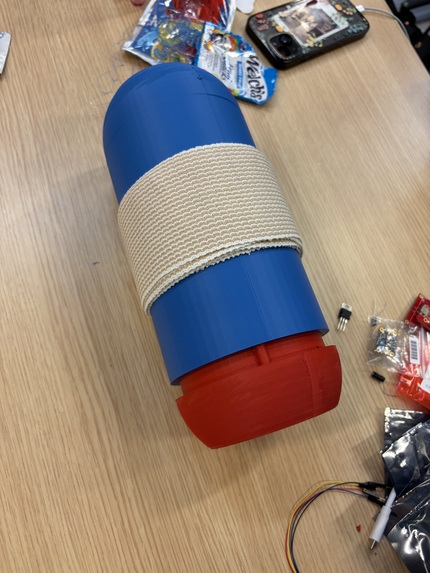
finished
-
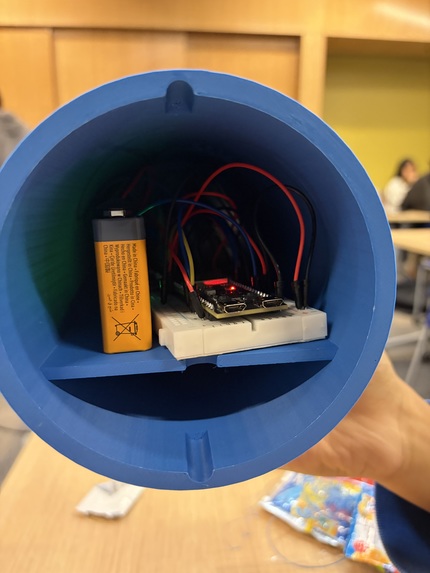
cross section
Inspiration
After discussing common everyday frustrations, our team realized that laundry is an unexpectedly large source of stress—especially for college students. Many things can go wrong during a simple laundry cycle: inaccurate dryer times, clothes still being damp after a cycle ends, or even someone removing or stealing your laundry without permission. These issues often force students to constantly monitor their clothes, wasting time and adding unnecessary stress to already busy schedules.
We have all either experienced or heard stories of students staying up late to finish laundry or losing clothing in shared laundry rooms. From these observations, it became clear that doing laundry in communal spaces is an unnecessarily stressful process for many people. This inspired us to create DryPod, a device designed to make laundry less stressful, more secure, and more convenient.
What it does
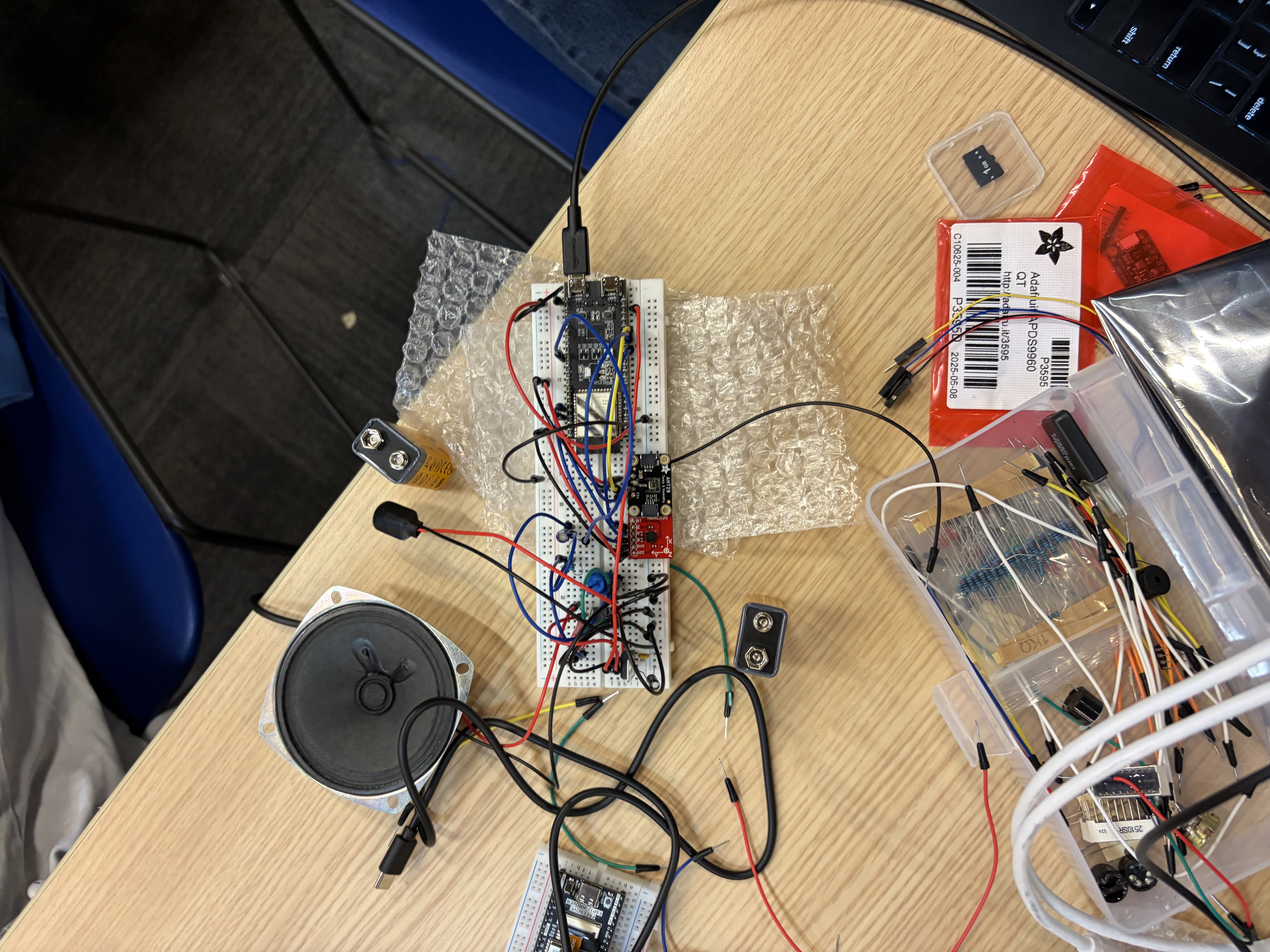
DryPod is a smart laundry monitoring device that uses an ESP32, accelerometer, humidity sensor, temperature sensor, and speaker to improve the laundry experience.
The device monitors the dryer environment and communicates with a mobile app over Wi-Fi to provide users with real-time updates. By analyzing humidity and temperature data, DryPod can determine when clothes are actually dry, rather than relying on inaccurate machine timers. This helps users avoid wasting time repeatedly checking on their laundry or running unnecessary extra drying cycles.
DryPod also provides a security feature: if someone attempts to remove the laundry while the device is armed, the accelerometer detects the movement and triggers an alert. The user receives a notification through the app, and the speaker alarm is intended to sound as a deterrent.
By combining these features, DryPod reduces wasted time, improves convenience, and helps prevent laundry theft.
How we built it
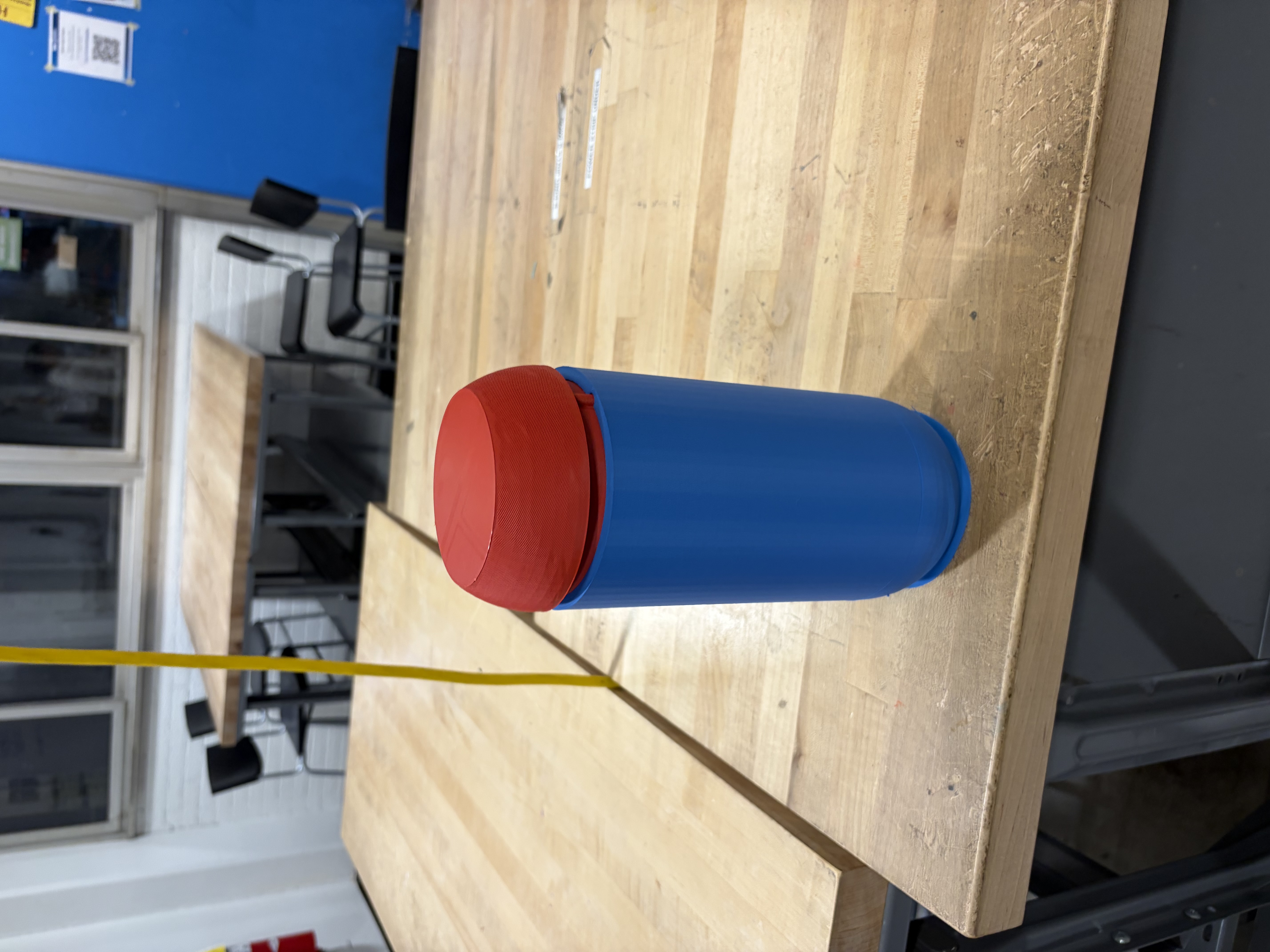
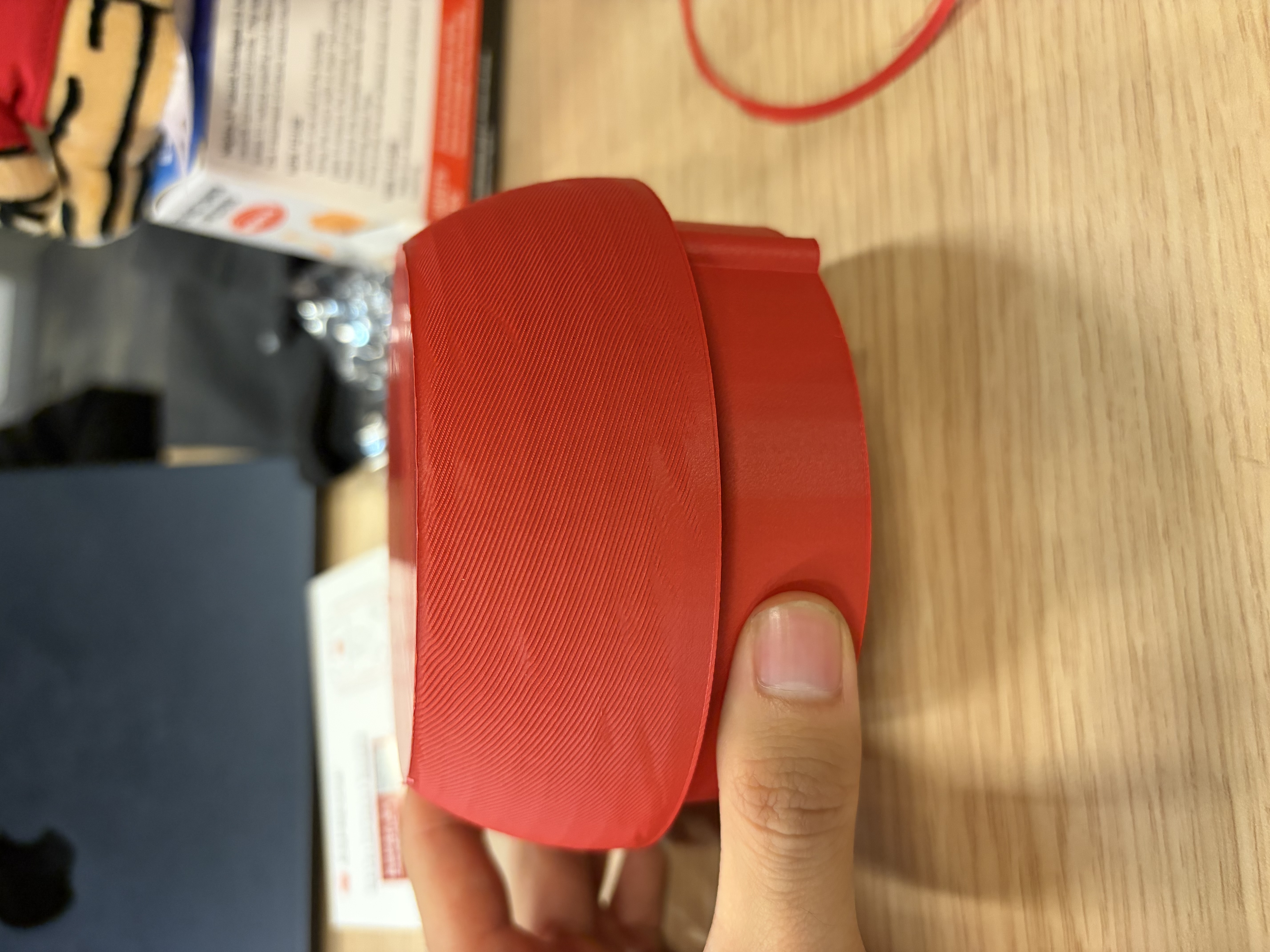
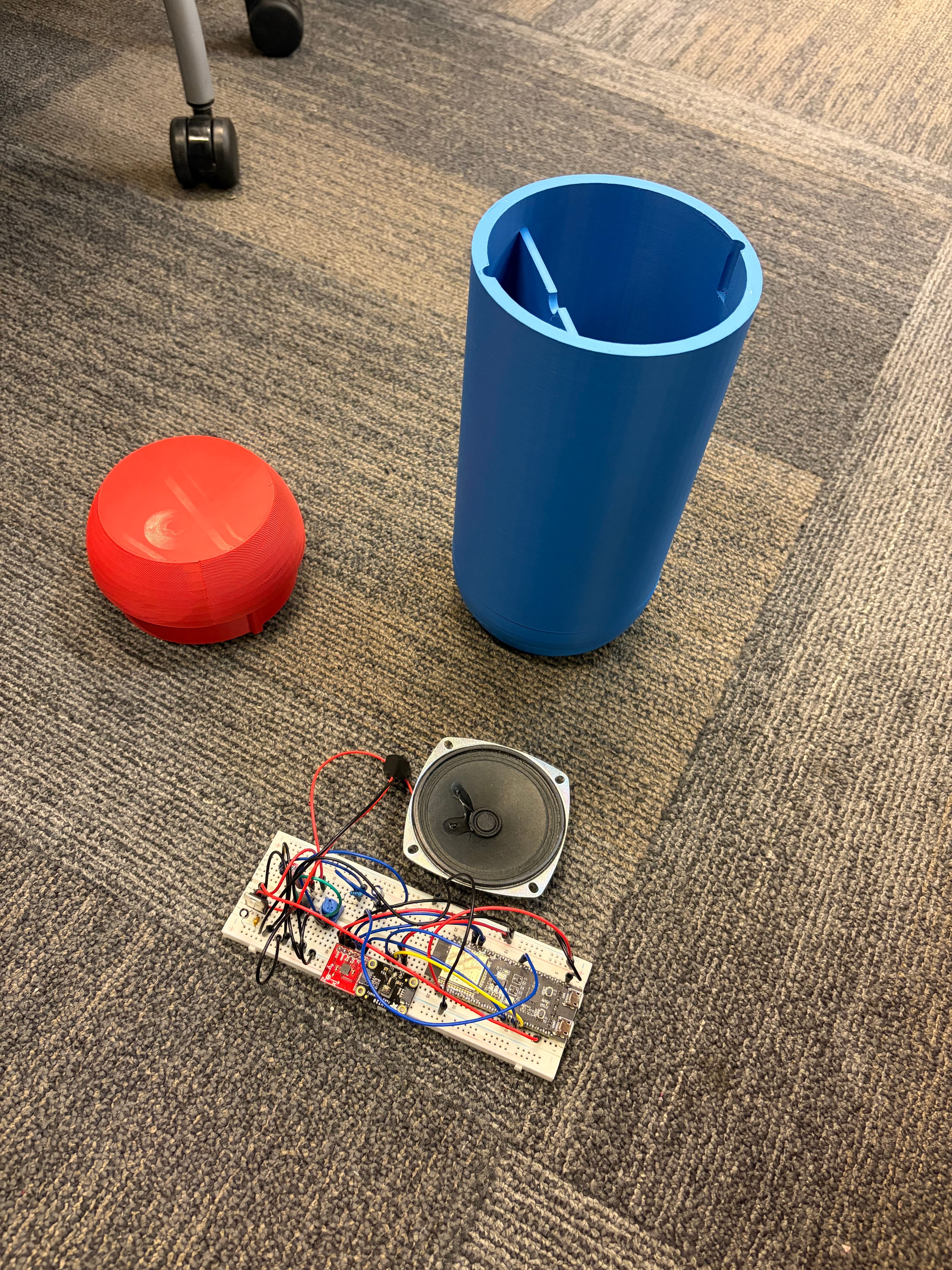
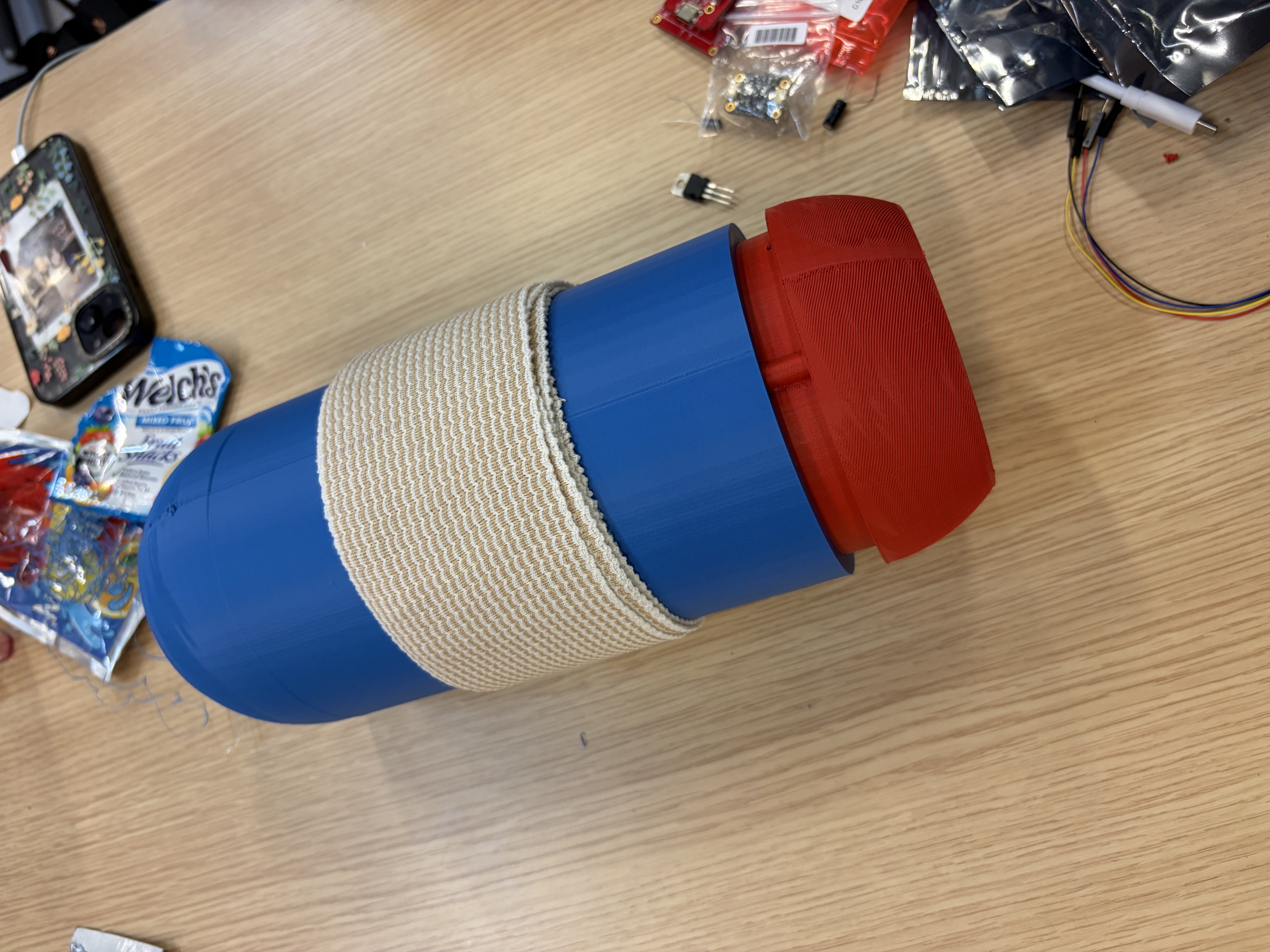
We designed the enclosure for DryPod in Onshape, choosing a spherical form to reduce wear and tear caused by sharp corners or edges. Once the design was finalized, we used the engineering makerspace to 3D print the enclosure, which took about 8 hours.
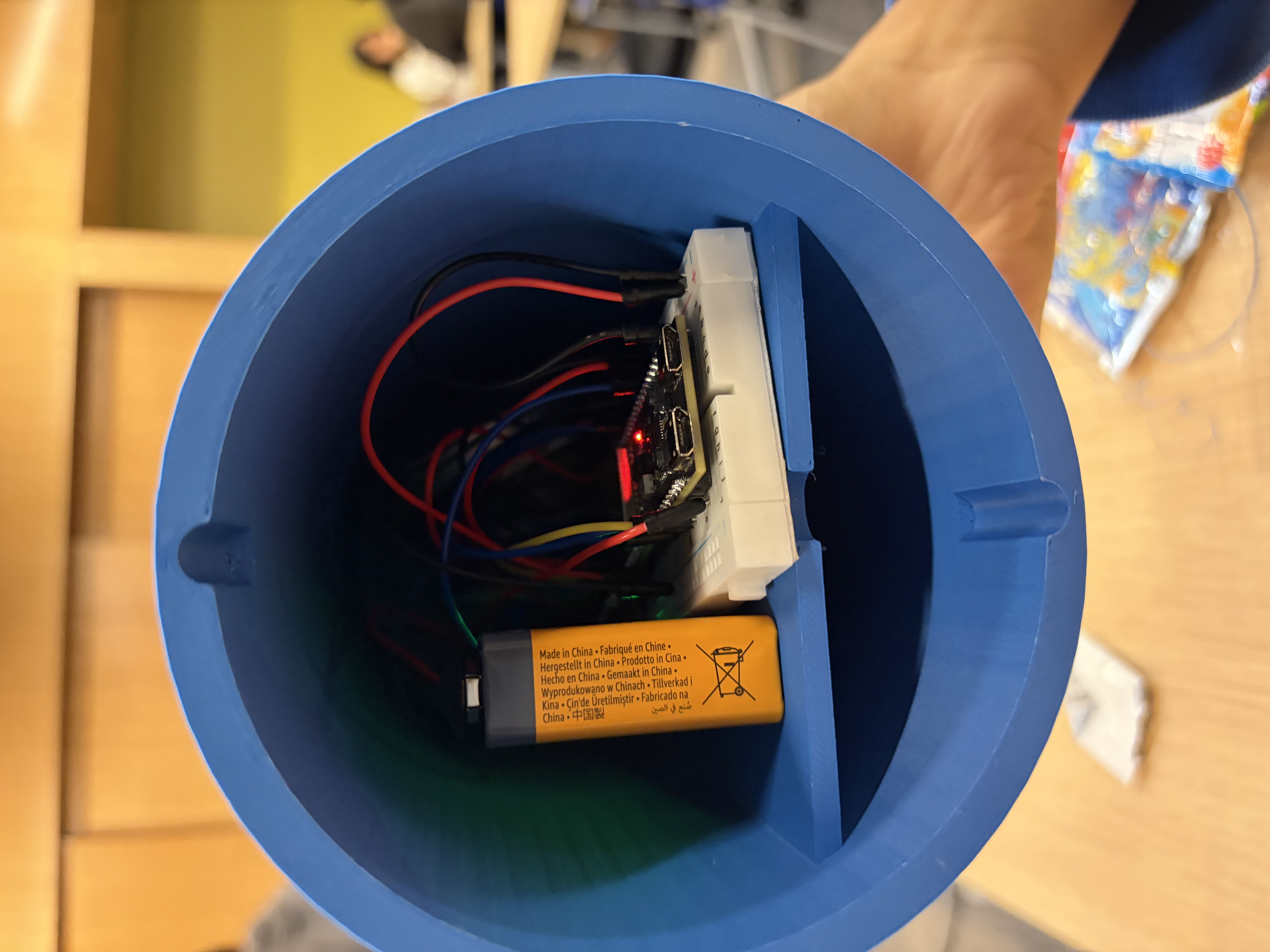
While the enclosure was printing, we assembled the circuit using the ESP32, sensors, and speaker based on component documentation. After extensive troubleshooting related to sensor calibration and power delivery, we were able to get the sensing system functioning reliably.
We then developed a full-stack mobile application that communicates with the ESP32 over Wi-Fi, allowing users to receive notifications and view the device status. Using sensor data, we tested humidity, temperature, and motion thresholds to determine when clothes were dry and when unauthorized movement occurred.
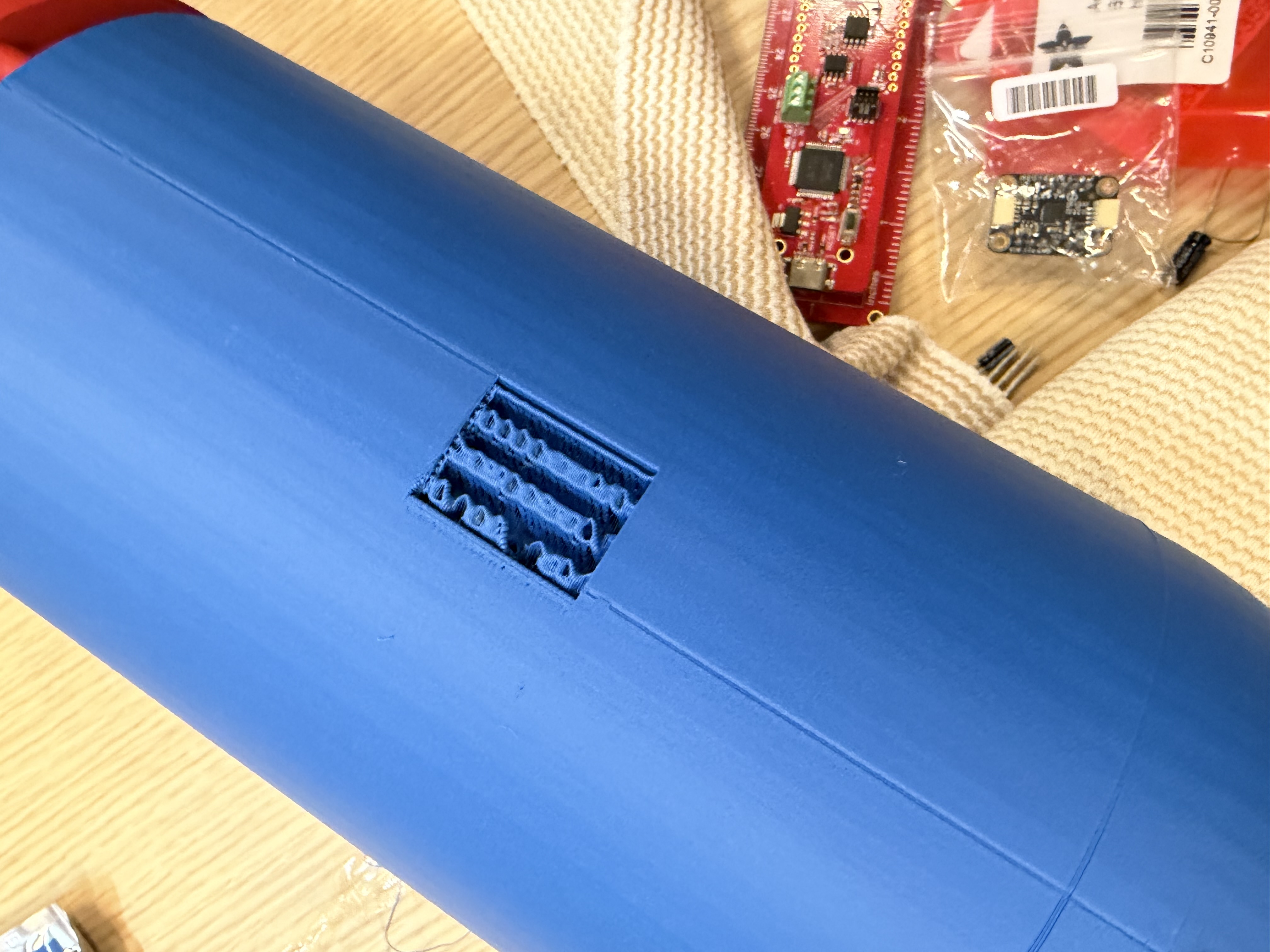
To improve durability, we sealed the ventilation openings in the enclosure with elastic bandaging material to make the device more water-resistant while still allowing airflow to reach the sensors.
Challenges we ran into
One of our first major challenges involved the enclosure design. Our original concept used a screw-on cap for water resistance, but the 3D printers were not precise enough to reliably print functional screw threads, and the design significantly increased print time. To solve this, we redesigned the enclosure with a notch-based locking system, which worked well and simplified manufacturing. Because the circuit was built on a breadboard, the enclosure also had to be larger than we initially intended.
We also faced significant challenges integrating and powering the ESP32 system. After calibrating the sensors, the ESP32 began rejecting uploads and some components—especially the ESP32 and voltage regulators—started overheating. To troubleshoot, we isolated each subsystem on separate breadboards, tested them individually, and gradually reassembled the complete circuit.
One of the biggest obstacles was powering the system with an external 9V battery. The battery, voltage regulators, and power switch introduced several hidden issues that were difficult to diagnose. At one point, we believed the circuit had shorted after smelling smoke, forcing us to disassemble and rebuild the power system multiple times.
Although we eventually got the sensors and notifications working, the speaker system—while functional on its own—stopped producing sound once integrated with the ESP32 and other sensors. Due to time constraints, we made the difficult decision to leave the alarm feature incomplete while ensuring the rest of the system worked reliably.
Accomplishments That We’re Proud Of
We are proud that we successfully implemented nearly all the features we originally planned, which is uncommon in hardware projects of this complexity. Despite major setbacks with overheating, unstable power delivery, and repeated debugging, we were able to build a functional prototype that monitors dryer conditions and sends notifications to users.
We are also proud that we independently designed and fabricated the enclosure, overcoming manufacturing limitations through iterative redesign. In addition, creating a full-stack app that communicated with the ESP32 in such a short timeframe was a significant achievement for our team.
Most importantly, we demonstrated that DryPod can solve a real problem and provide meaningful value to users in shared laundry environments.
What we learned
This project taught us that building a battery-powered embedded system is much more difficult than building one powered directly from a computer. While assembling the components seemed straightforward, ensuring stable power delivery across multiple sensors and modules proved to be one of the hardest parts of the project.
We also learned the importance of modular debugging. Breaking the project into smaller subsystems helped us identify faults more efficiently and made the integration process manageable.
Beyond the technical lessons, we learned how important persistence and teamwork are when developing hardware. Many parts of the project took far longer than expected, but systematic troubleshooting and collaboration allowed us to continue making progress.
What's next for DryPod
What would be next for DryPod would be to scale it down. Preferably, we would have perfboarded if we had time which could have reduced the size by a lot. The goal was to make it so it could fit in a sock. Also, more features could be added to the app and potentially could also be linked with the washconnect app to add more convenient features.
Built With
- c++
- css
- next.js
- react
- tailwind
- typescript

Log in or sign up for Devpost to join the conversation.