DRUG AND FOOD DELIVERY ROBOT FOR COVID19 PATIENTS
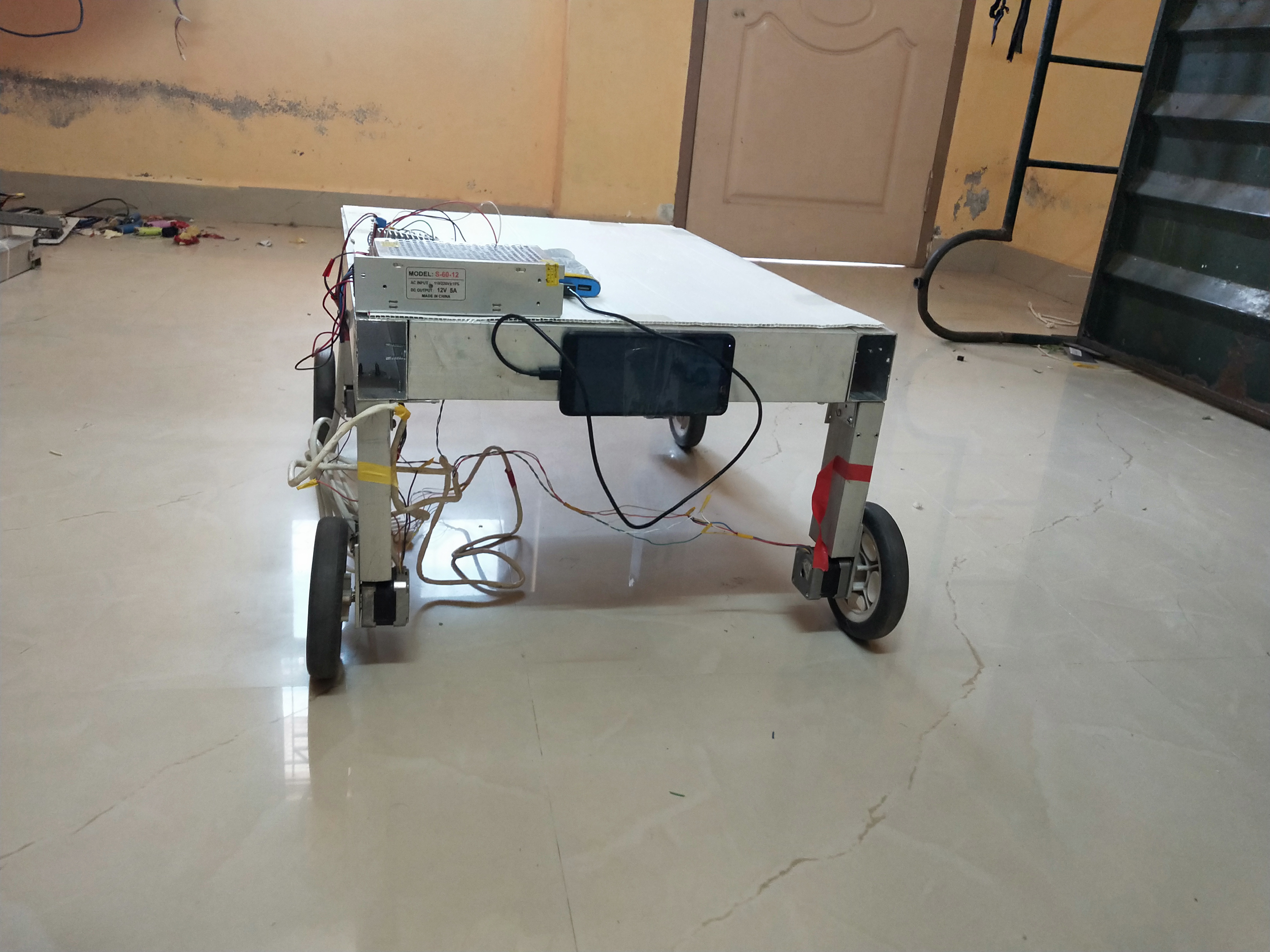
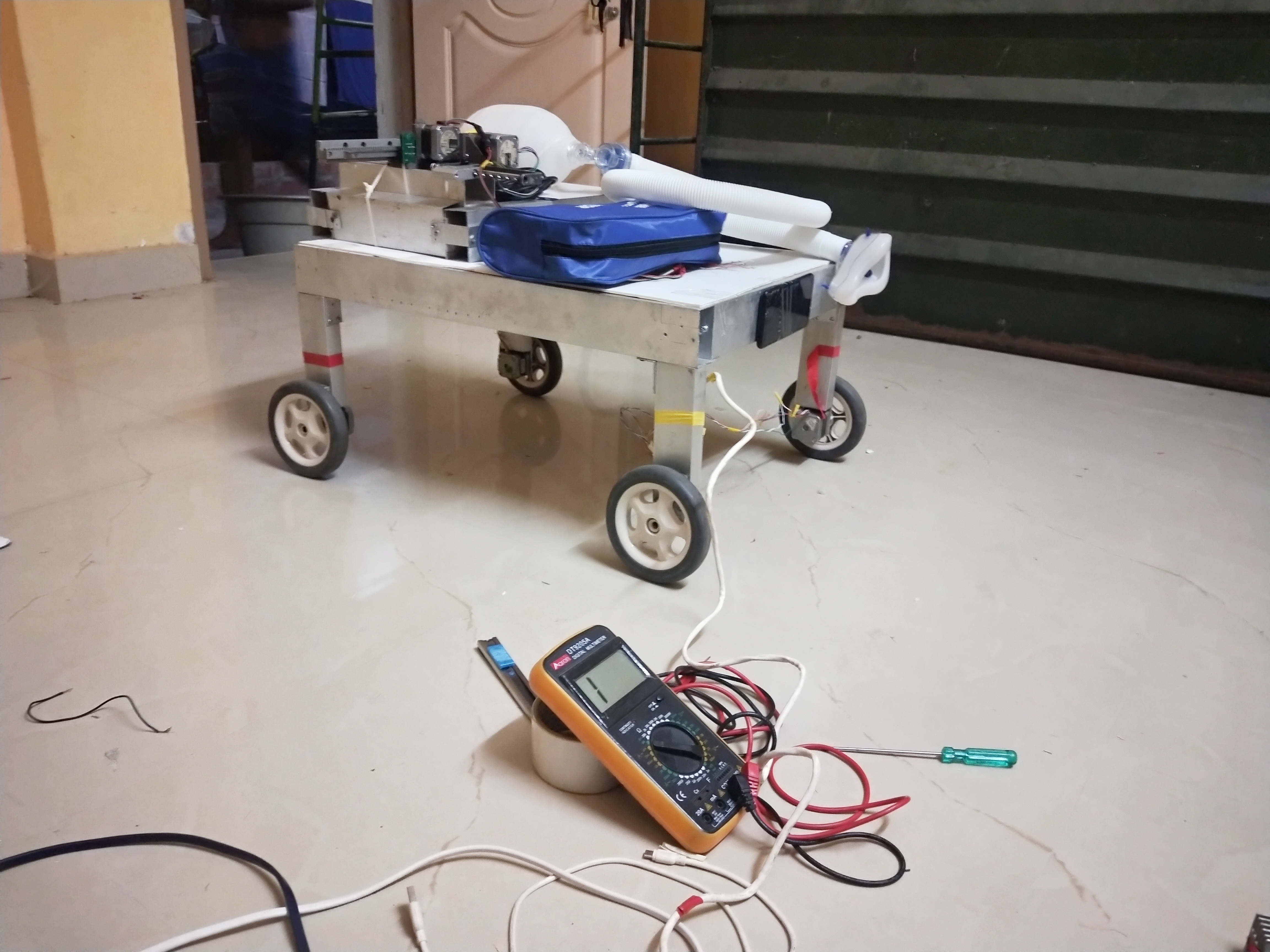
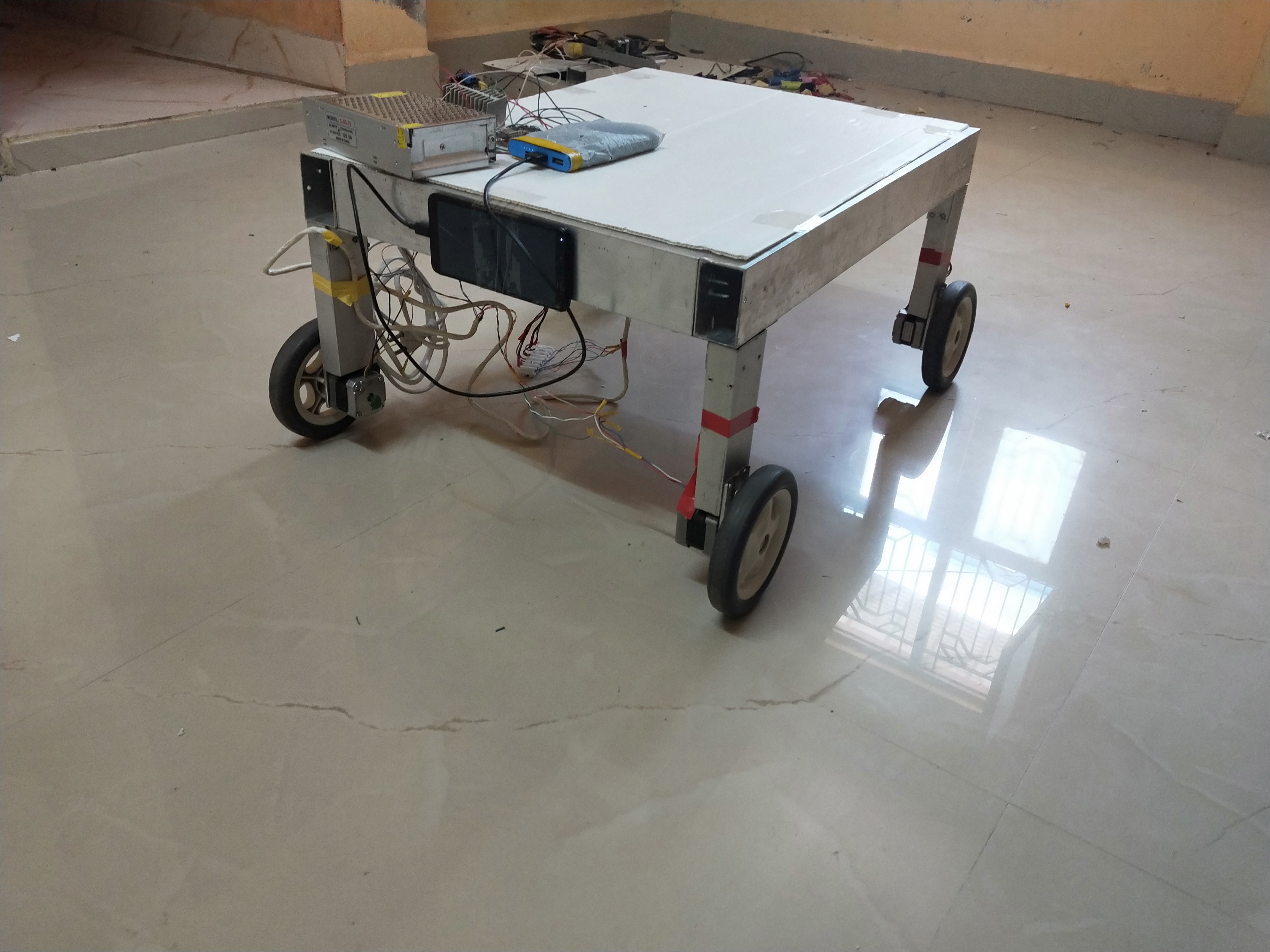
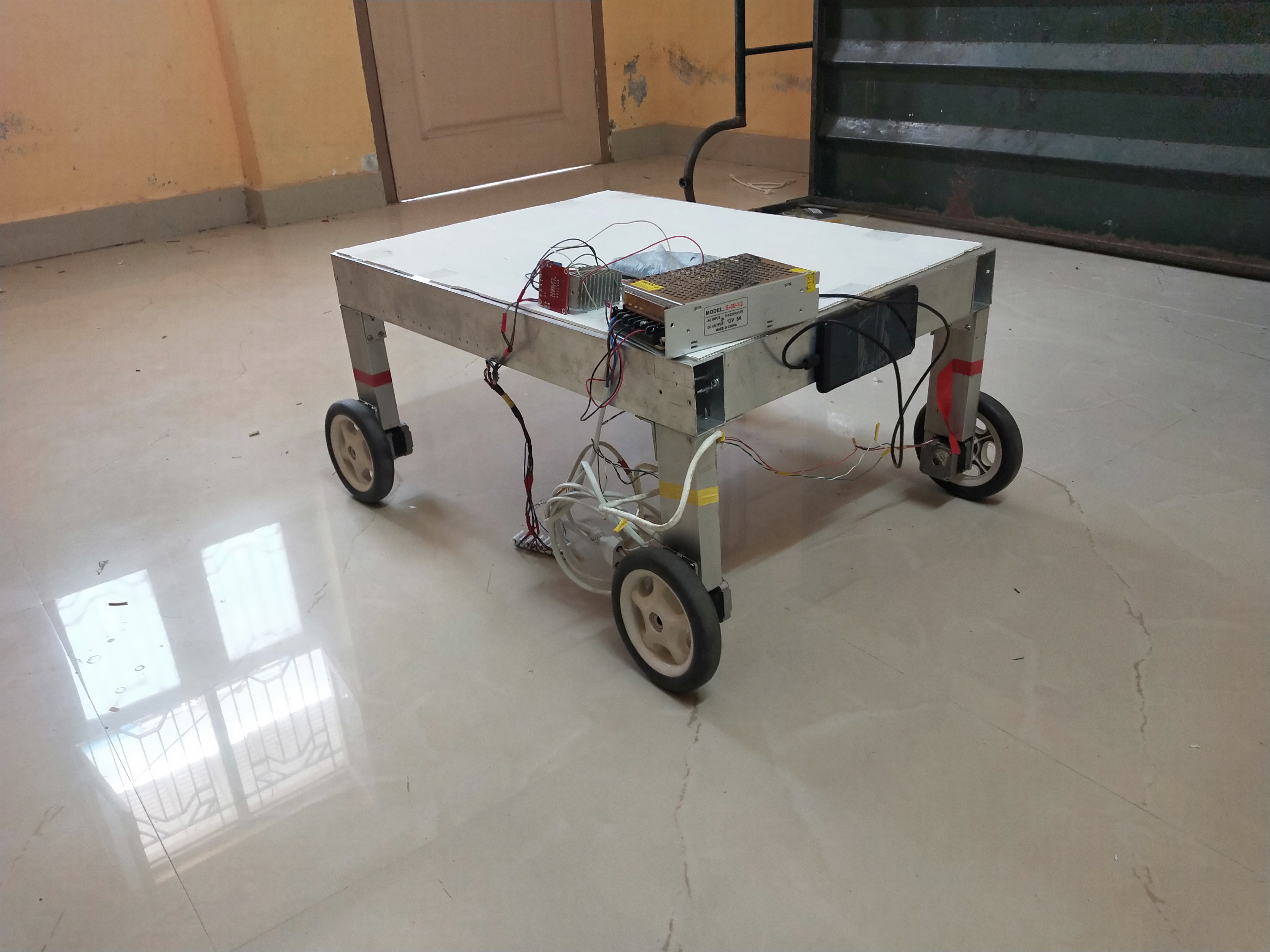
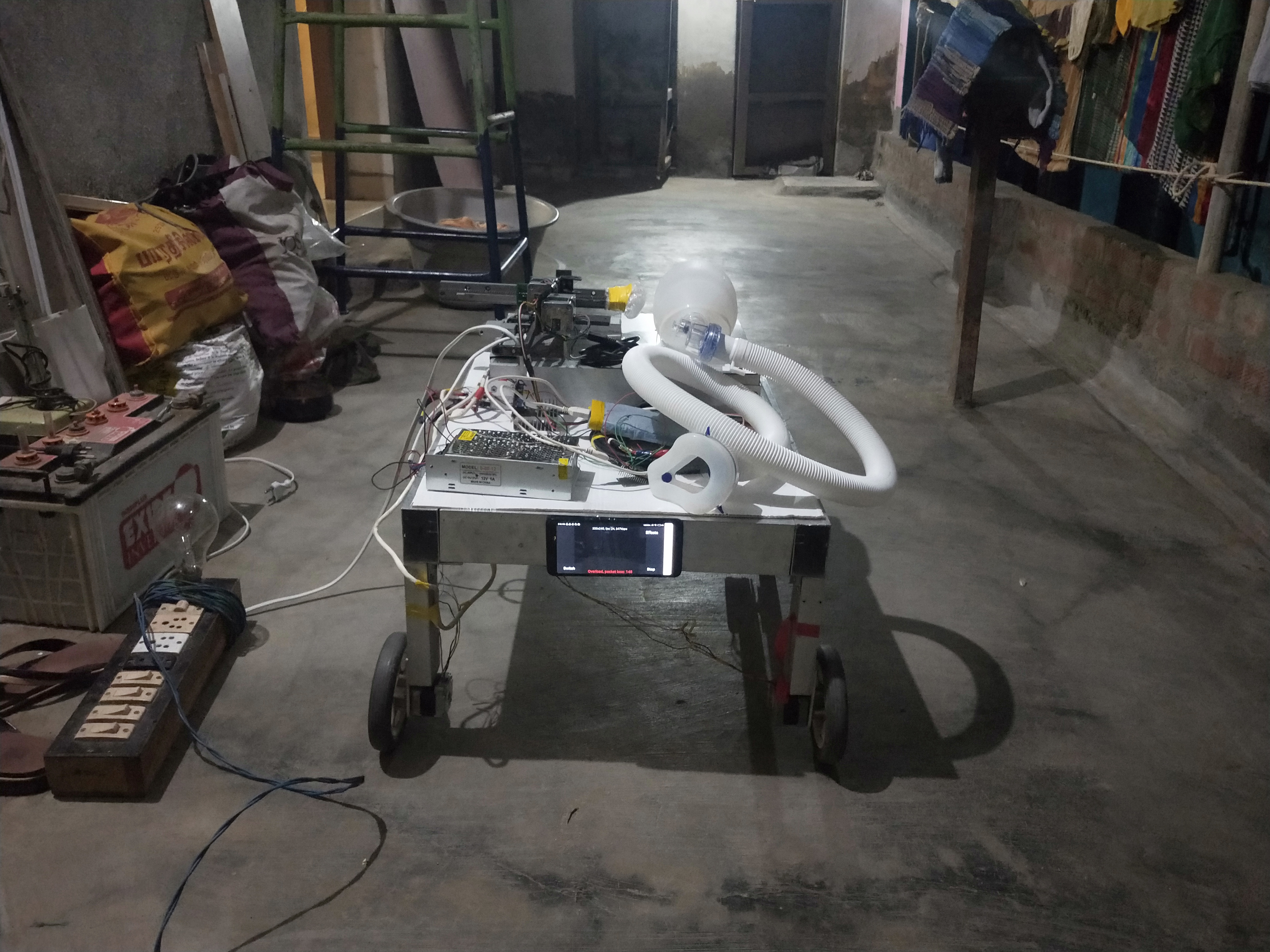
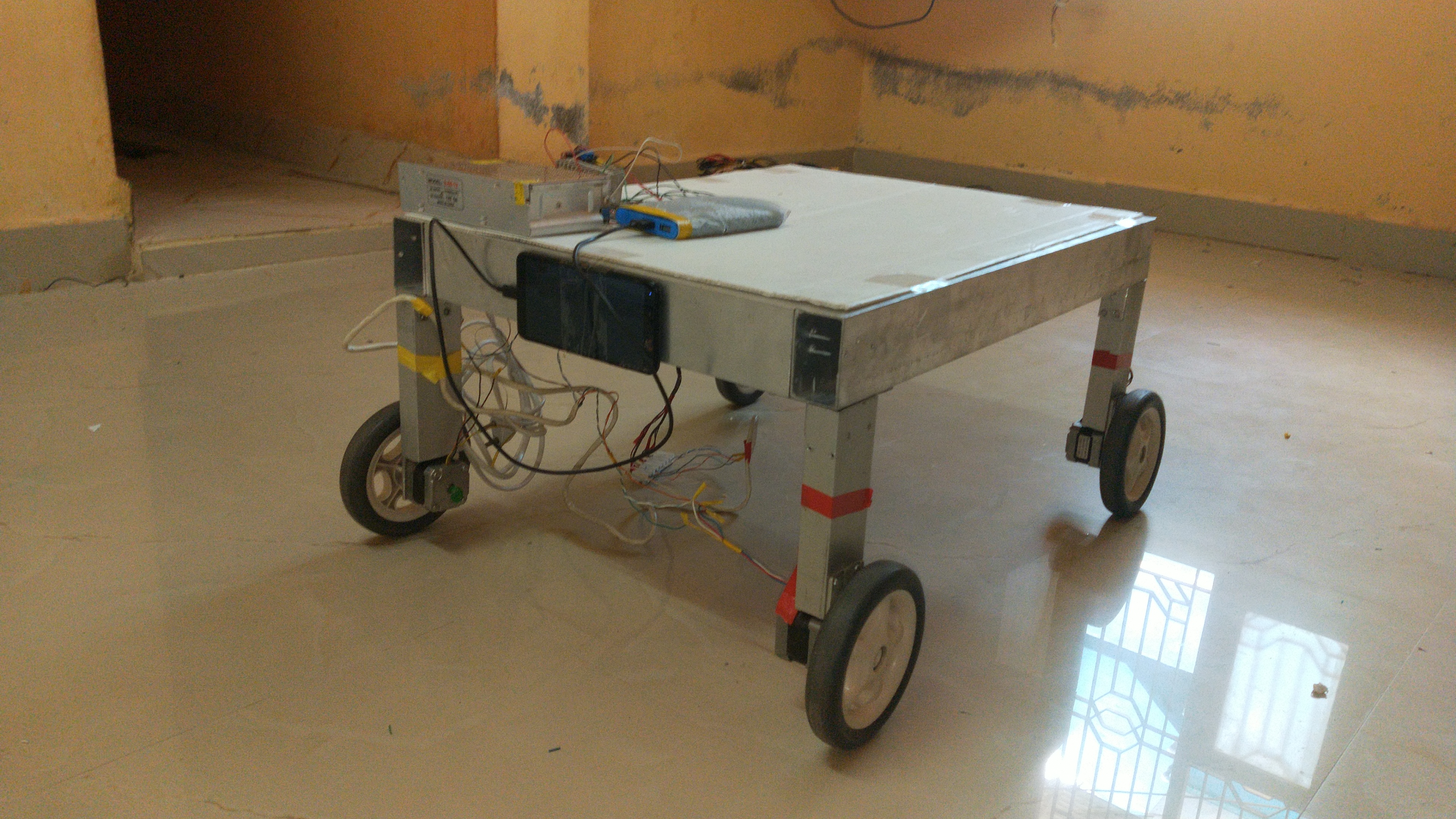
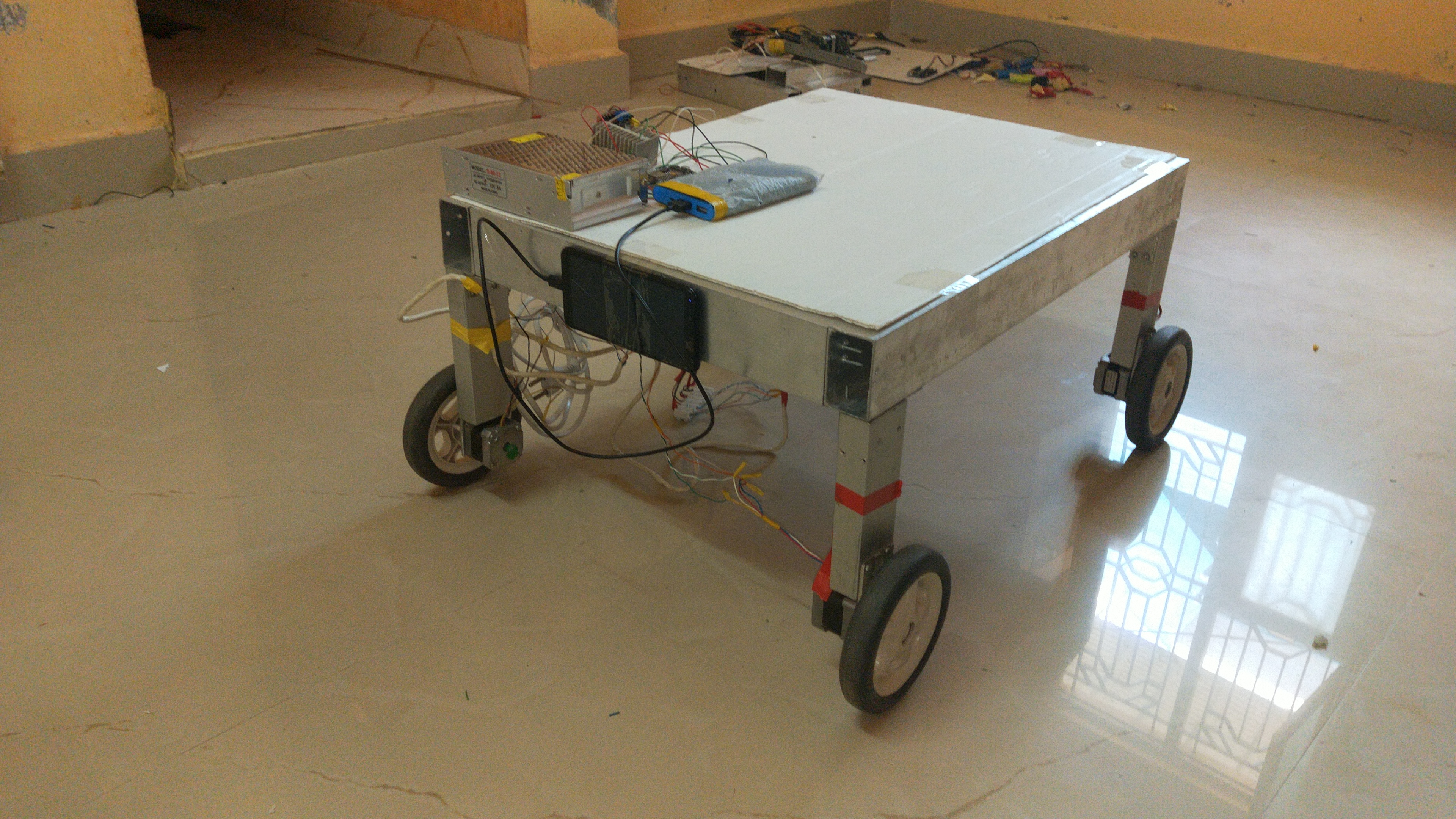
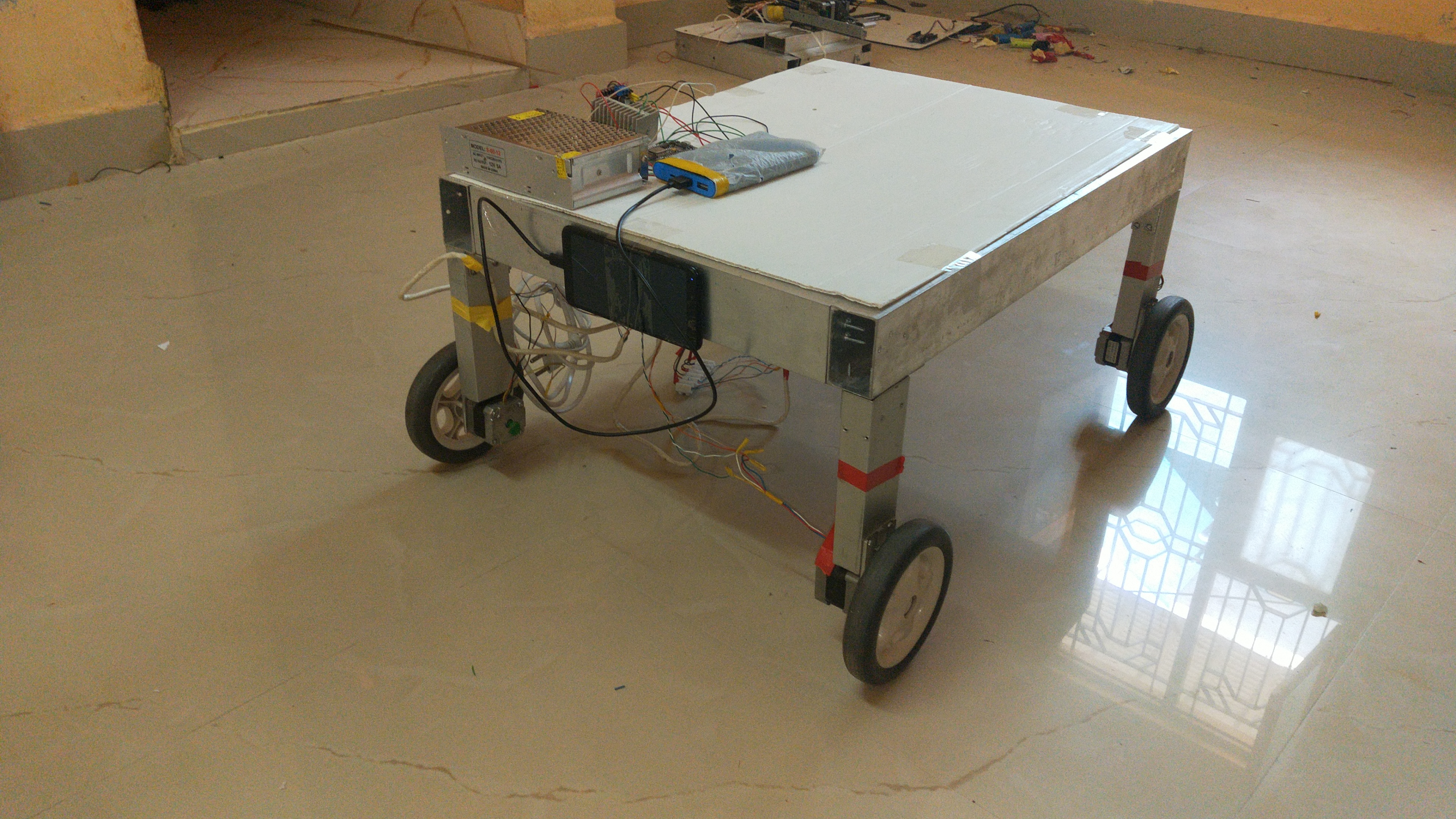
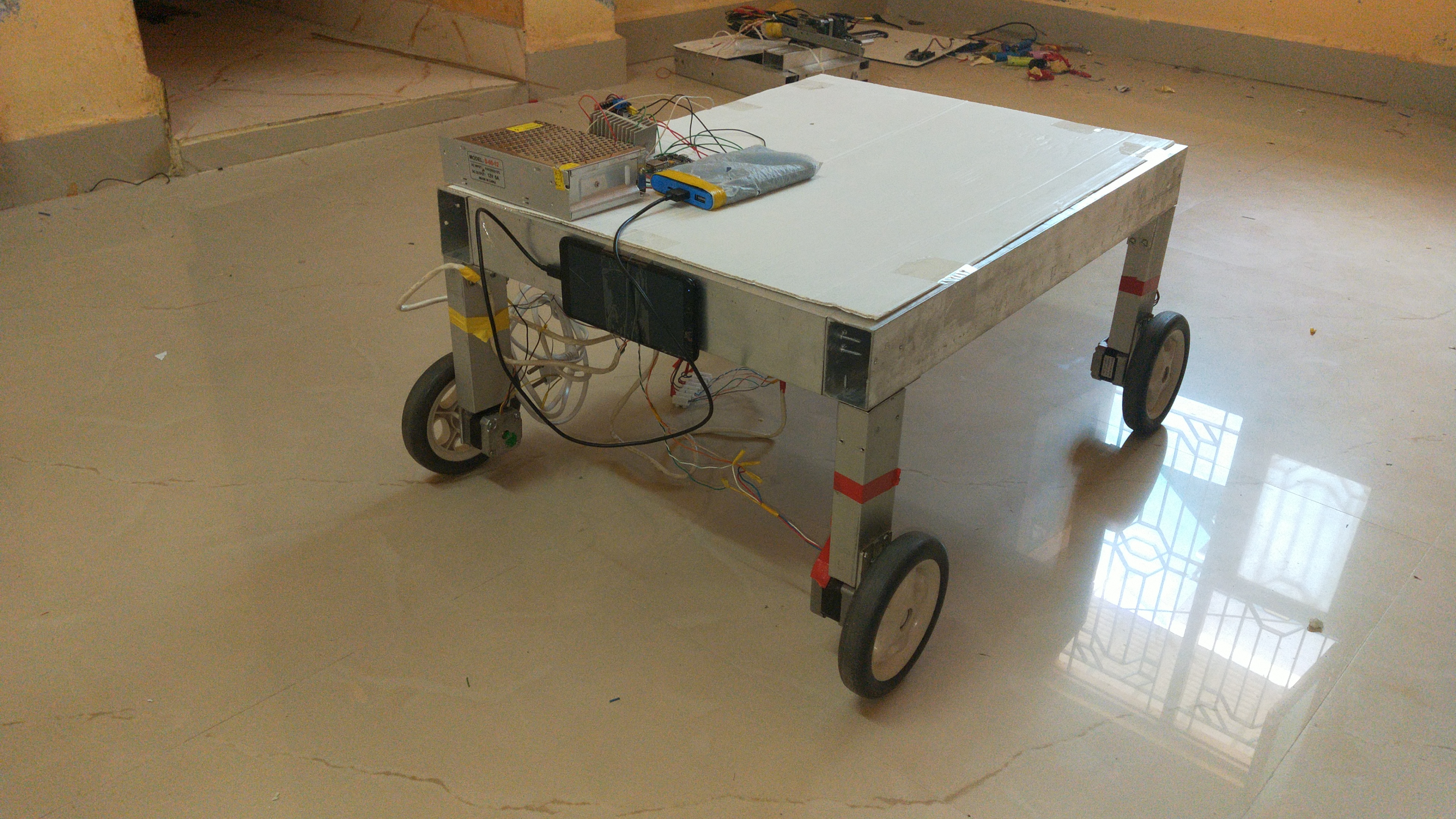
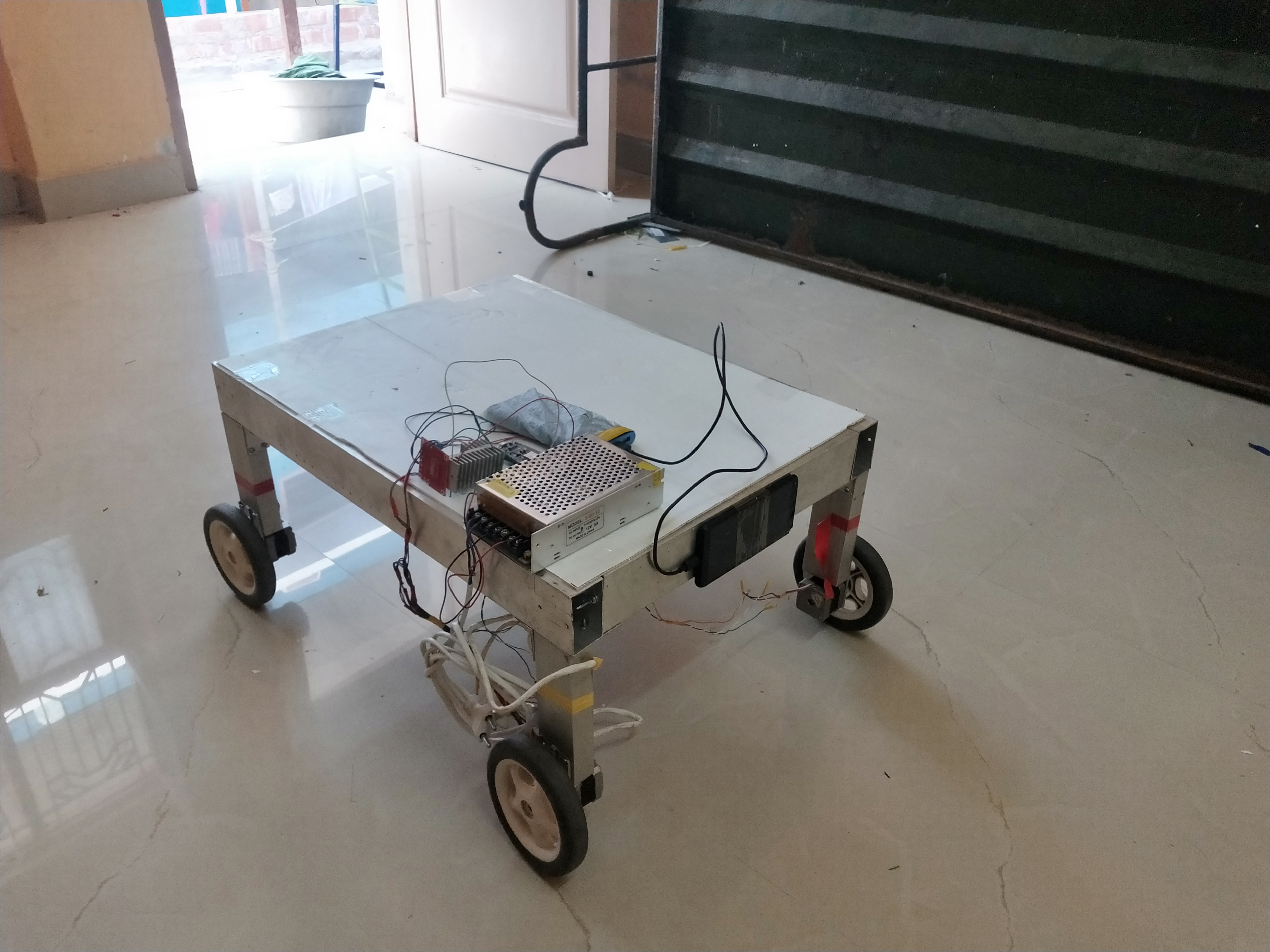
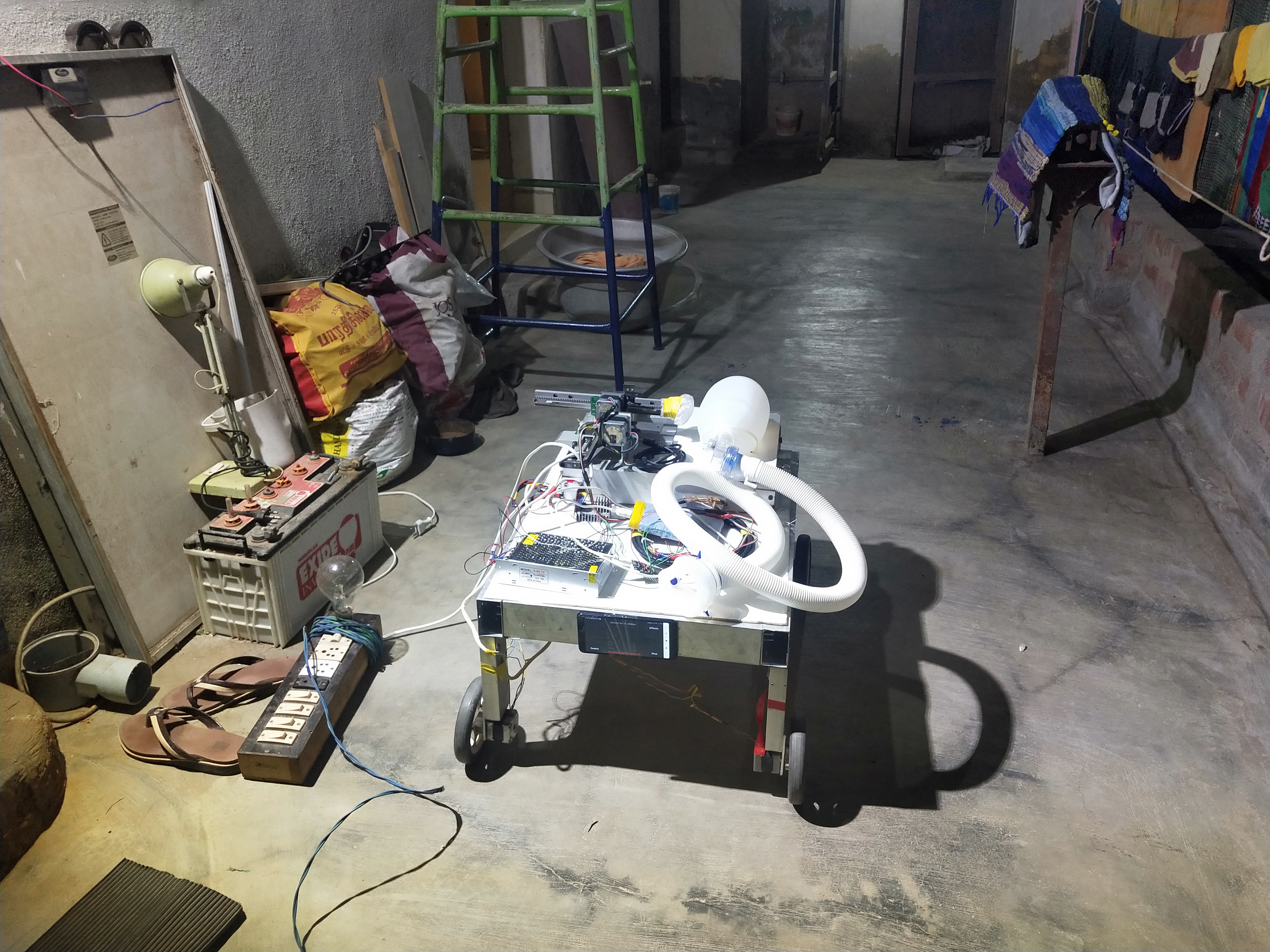
We Break the wall of Infecting from Corona we are Built a smart UGV (Unmanned ground vehicle) for Monitoring patients and provide a Food and Medicine to the corona patients. our product prevent people from direct contact to corona patients. And it has a UVC light to kill the Corona virus and infection and Automatic Santizer Dispenser.
The drive subsystem has two autonomously controlled drive wheels with the common axis centered on the robot. A spring suspension ensures that the drive wheels remain in contact with the floor even if it is rough or bumpy and four corner casters offer stability. The HelpMate is provided with structured and ultrasound light range sensing. This sensing continuously offers a set of range values. These sensors are used for the detection of obstacles and identification of walls helping to determine the orientation and location of the robot. Ultrasound sensors are also provided at the sides of the robot to offer sufficient information about an obstacle and help in avoiding the same. Touch sensitive bumpers are also provided at the front and back of HelpMate that may be undetected by the range sensors. An LCD and a keypad act as the user interface. Turn signals and warning lights appear when the HelpMate robot not on the right path. The HelpMate is provided with a locked backpack for carrying meal trays and lab supplies. An offline CAD system tailored for HelpMate applications generates topographical and geometrical information about the elevator lobbies, hospital hallways, elevators and stations.
Advantages of Automated Delivery Robots
The key benefits of automated delivery robots in hospitals are: • Medicines are delivered with a higher accountability via an integrated chain of custody systems • Automated delivery enables pharmacy technicians to focus on performing high-value tasks such as mixing IVs without committing any mistake. • Delivery of medicines can be more frequent and nurses can concentrate on caring for patients rather than worry about missing medicines and supplies. • Automated delivery brings down costs and improves on-time reliability. • Waste can be collected more frequently, improving control of infection and maintaining a neat appearance in the facility. • Automated waste transport brings down the risk of injuries from the transport of heavy loads. • Lab test items can be delivered immediately, hence speeding the testing process. • Some of these systems have call functionality to deliver to departments behind locked doors. • Accurate tracking of high-priced equipment and supplies ensure that the number of lost items is decreased.
How it Works The robot receives instructions through a human–machine interface. An installed knowledge base helps the robot to maneuver around the hospital. The robot is equipped to climb stairs, detect obstacles, move in lifts and call for opening or shutting doors. The robot is loaded with supplies, given specific instructions through the human–machine interface and then it goes to its destination. It offloads the supplies, takes back anything else and moves on.


Log in or sign up for Devpost to join the conversation.