Inspiration
Since my first day at university, I saw studying as something tiring, boring and huge. I always loved learning and joining a lot of things, and studying kept ruining that for me.
So one day I sat down and started thinking about a way to solve this problem. I searched a lot, and I found that the methods most of us students use are the worst ways to study: re-reading and highlighting. Of course they are easy (just sit, read, repeat and highlight), but they are not effective and they take a very long time. If we had a pyramid that ranks study methods, these ones would live at the very bottom of it.
And there was a second problem: even the best methods feel boring when the examples have nothing to do with you. A student who loves football, anime or history learns faster when the hard idea is explained through the world they already love. That is where Qloo comes in.
What it does
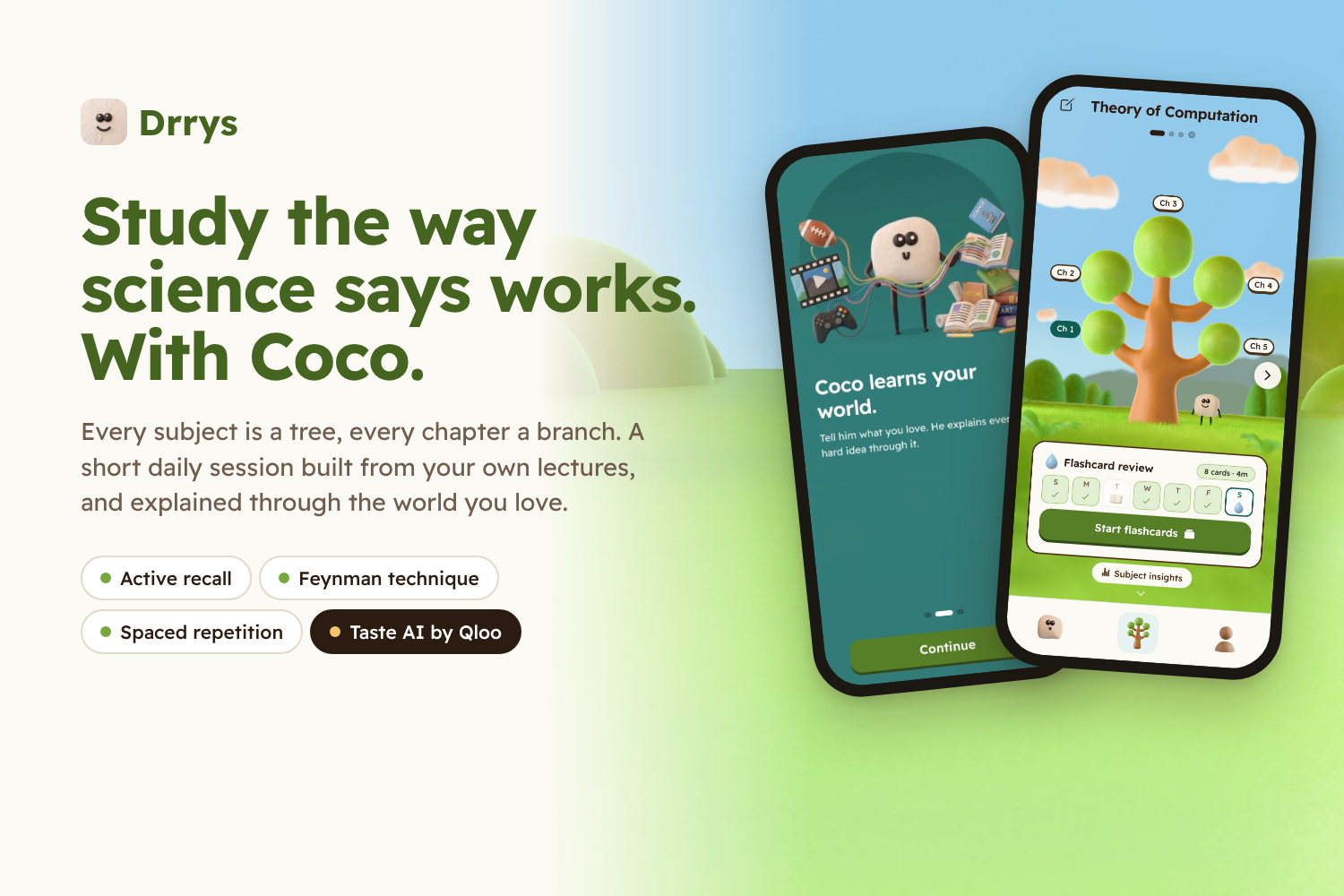
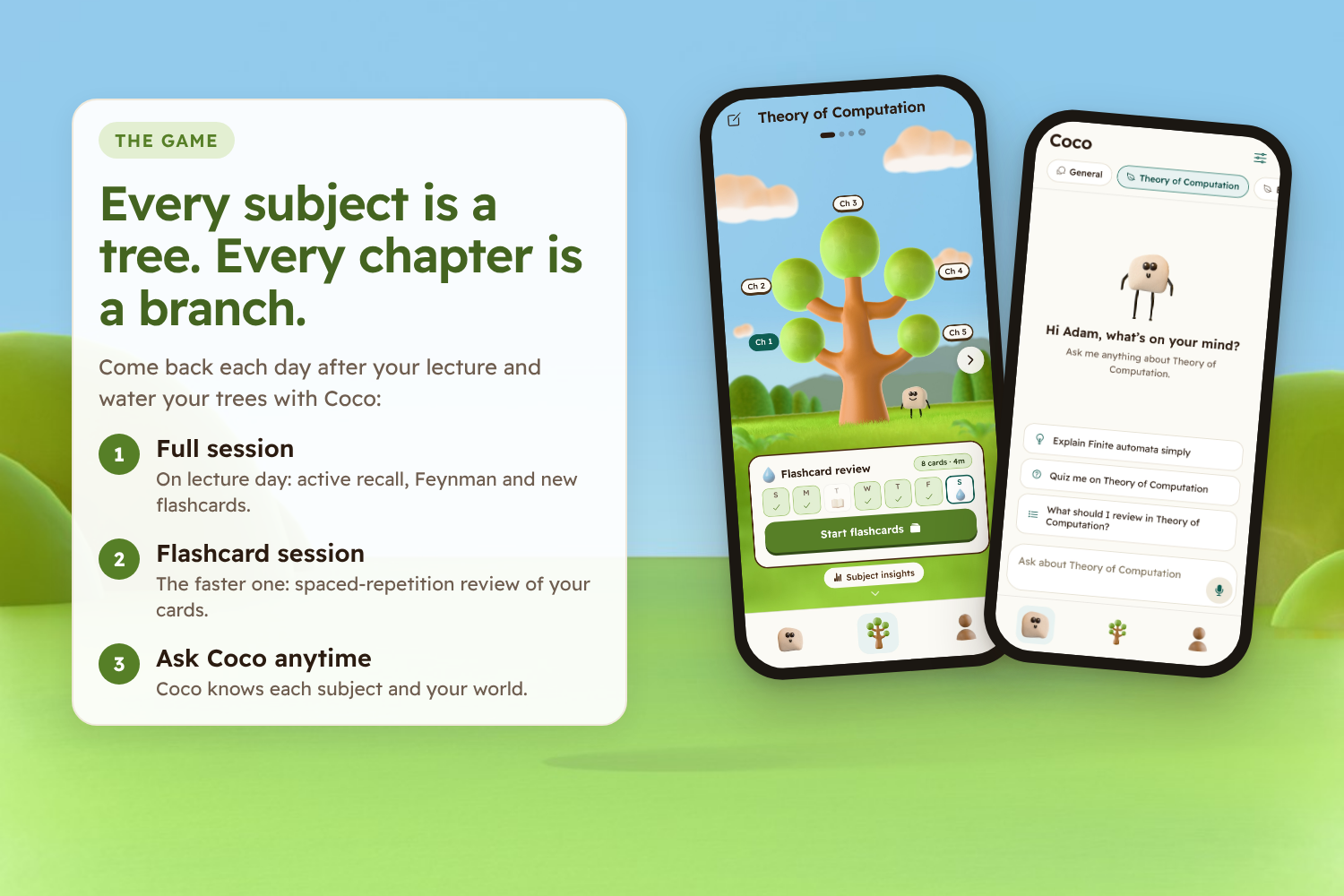
Me and my friend Abdelhafeez started working to take the way students study from the worst methods to a journey that is fun, gamified and proven by science, with the help of AI. In Drrys, every subject is a tree and every chapter is a branch. The student's mission is to take care of their trees by watering them every day, together with our character Coco.
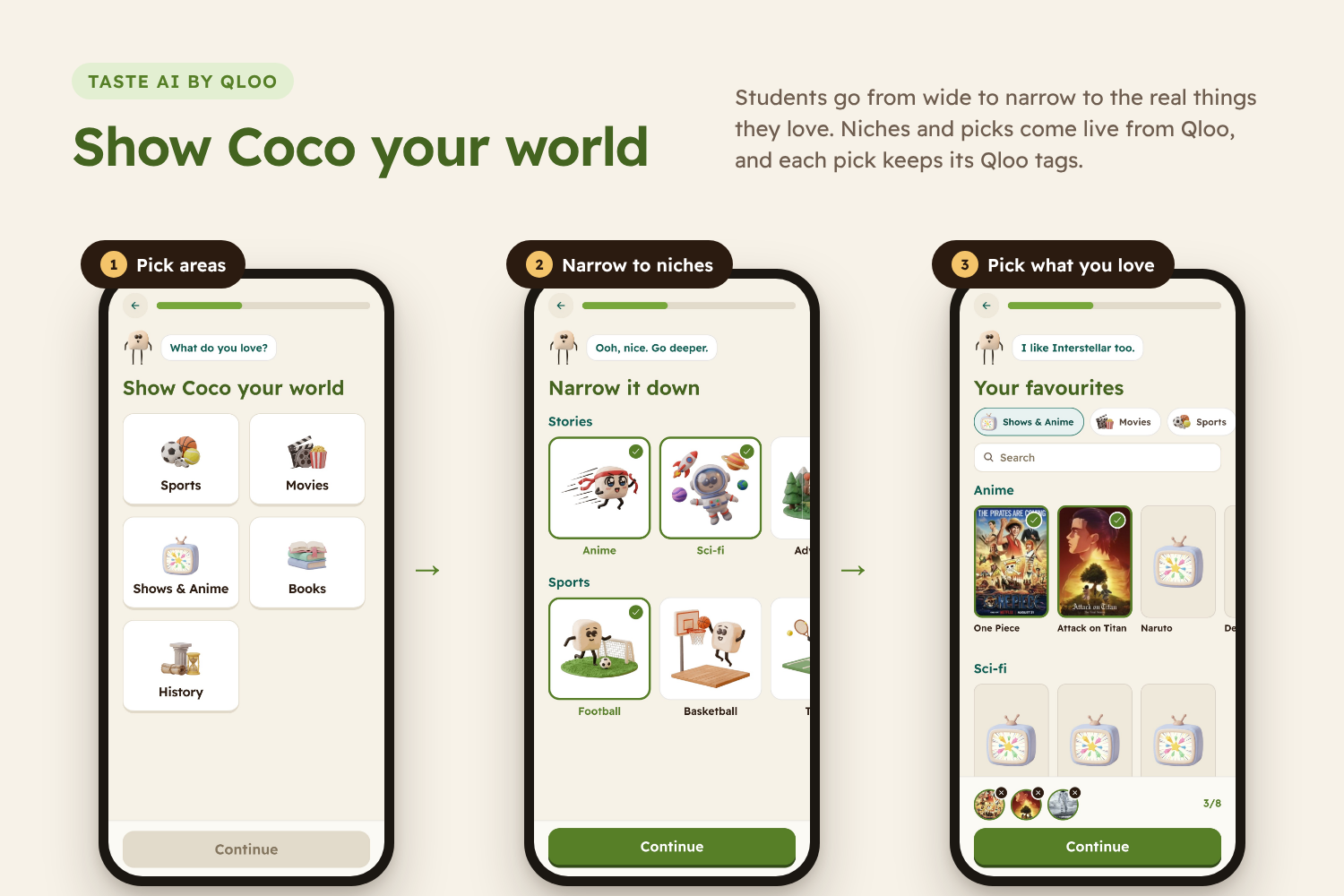
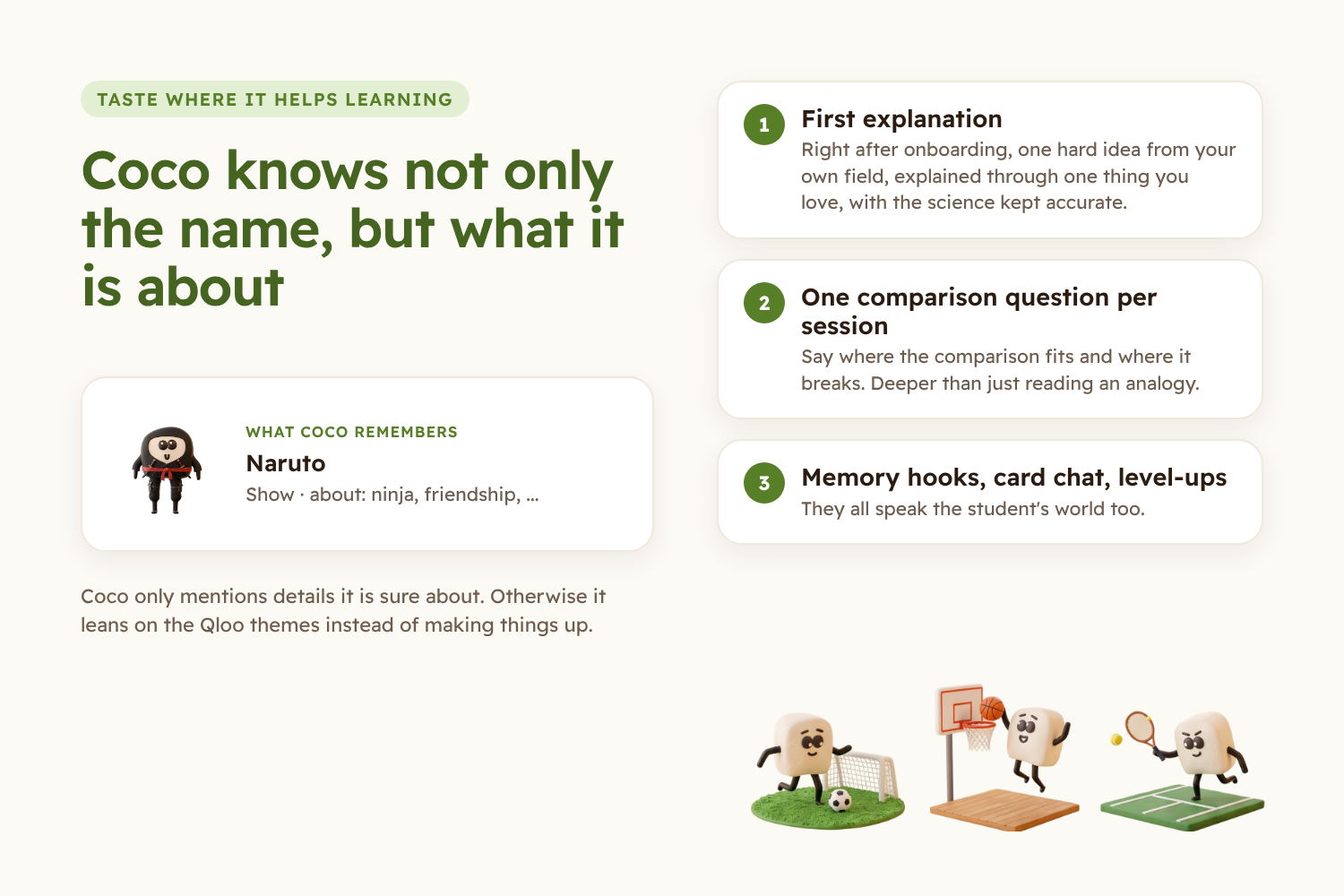
Taste AI by Qloo makes Coco know the student. In onboarding, the student "shows Coco their world": they pick areas (sports, shows, films, books, music, history...), narrow them down to niches, and pick the real things they love. These niches and things come live from Qloo, and the picks get smarter as the student chooses. Each pick keeps its Qloo tags, so Coco knows not only the name but what it is about (for example: "Naruto (Show; about: ninja, friendship, ...)").
Coco then uses that taste where it actually helps learning, not in every sentence:
First explanation: right after onboarding, Coco explains one hard idea from the student's own field through one thing they love, while keeping the science accurate. One comparison question per session: built on one thing the student loves. The student has to say where the comparison fits and where it breaks, which is deeper learning than just reading an analogy. Memory hooks, card chat and level-ups also know the student's world. The AI side. The student uploads their lecture files and past exams. The AI reads them, builds each session, writes the questions and flashcards, grades the student's answers, and finds the gaps they need to fix. Coco is told to stick only to the student's own files and to mention details from the student's world only when it is sure about them; otherwise it uses the Qloo themes instead of making things up.
Every day, after their lecture, the student opens the app and, for each subject, does one of two things:
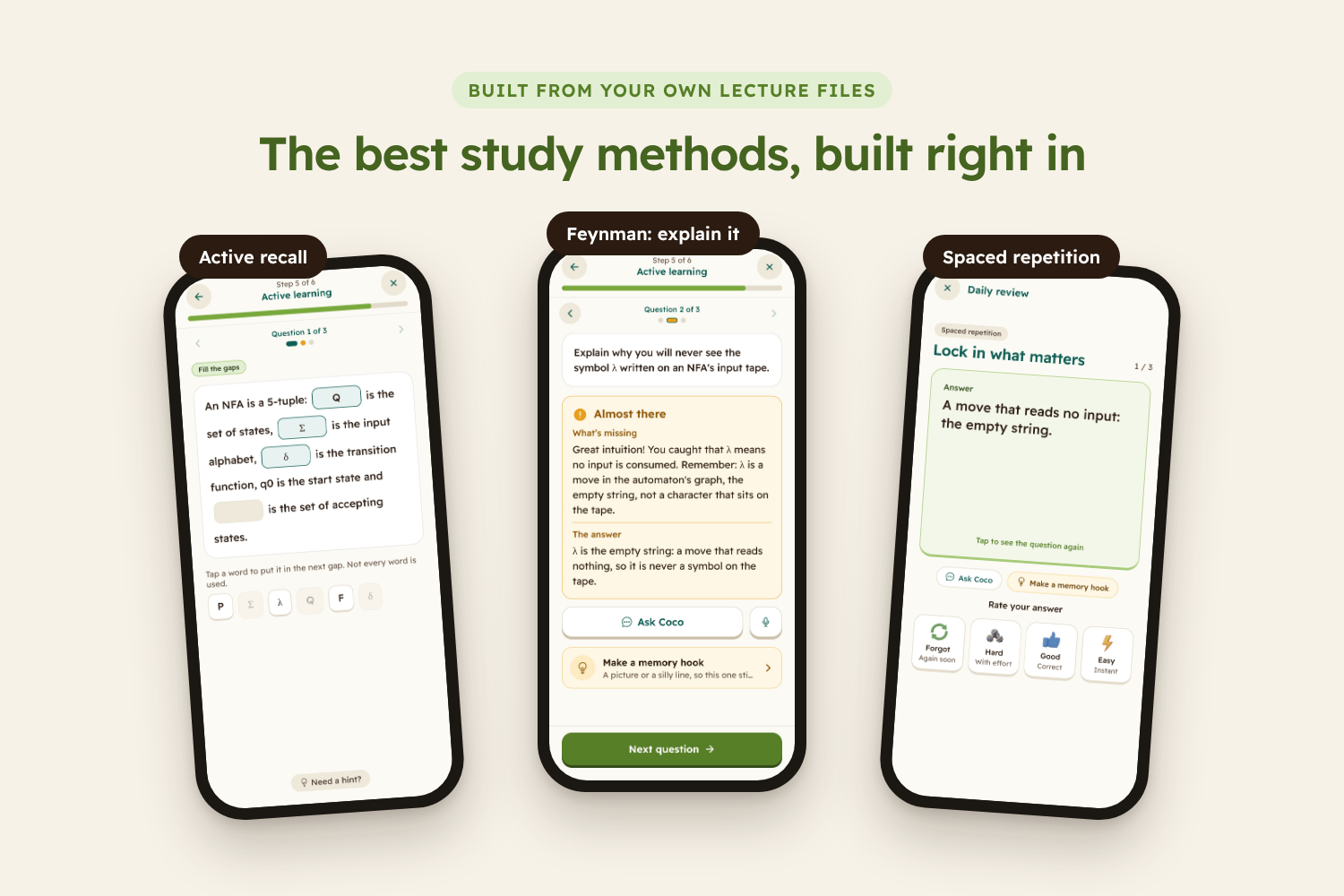
A full session (on lecture day): active recall, the Feynman technique, and flashcards to review what was given in the lecture. A flashcard session (faster): a review of the flashcards made in the full sessions, scheduled with spaced repetition. Live demo: https://drrys-rho.vercel.app
How we built it
Our journey went through a lot of experiences and competitions before this one, and we learned a lot from them. We moved from pictures on Canva and Figma to a web page, and this time we leveled up, thank God. The idea we reached is to turn studying into a game: every day the student comes, does a short session using the best learning methods, and then leaves.
I made the assets in Blender (the trees, the world, the character and some icons), then fed a lot of my work to Flow so it would understand my identity, my colors and my character and save me rendering time. Then I made the screens with the help of Stitch. We focused on the smallest details of the UI/UX, from small interactions with Coco to studying together with your friends in a squad. Then we turned the app from pictures into a real app with the help of Claude Opus 5.5.
For Qloo, we built a small server (a Supabase function) that talks to Qloo, so the Qloo key never lives inside the app. It only allows the types we need (shows, films, artists, brands, books, people, podcasts) and removes anything for adults by checking the name, the tags and the age rating. If Qloo doesn't answer, the app falls back to simple interest icons and nothing breaks.
Challenges we ran into
The first thing we did was throw away our old visual identity and build a new, strong one. I opened Blender and worked on Coco, the trees and the environment until we reached the minimalist clay style you're going to see.
One of the biggest challenges was turning the app from pictures into a real app. Designing a screen in Figma is one thing, but making it work is something else: saving the student's trees and cards, making Coco's animations play smoothly on the phone, and connecting everything together. We found a lot of bugs only on a real phone, like crashes, so we went through many rounds of testing and fixing.
Using taste the right way was a challenge too. Our first idea was to use the student's interests everywhere, but that gets annoying and can hurt learning. So we limited it to the moments where it helps: the first explanation, one comparison question per session, and memory hooks. Keeping Qloo results family-friendly also took several tries, and so did making Coco stick to the student's own lecture files and past exams without making things up.
Accomplishments that we're proud of
A real, working app where Qloo's taste data changes how a lecture is explained, not just what the profile shows. Comparison questions that make the student check where their own analogy breaks. A safe Qloo setup: key on the server, allowed types only, adult content filtered, and a fallback when Qloo is down. Streaks and squads (study with 3 friends using one code) to keep students consistent and help Drrys spread. What we learned We learned sooo many things from all of these problems. The most important one, from our point of view: your app has to be the way the user wants it, not the way you want it. And personalization only works when it serves the learning.
What's next for Drrys
This competition was a very big step for the app, and what's coming next is going to be even bigger, God willing. We want to add mnemonics, AI-made videos, live AI chatting with Coco, audio podcasts, and new outfits Coco unlocks when the student reaches their streak goal.
Built With
- blender
- claude
- figma

Log in or sign up for Devpost to join the conversation.