Inspiration
Since my first day at university, I saw studying as something tiring, boring and huge. Especially because I always loved learning and joining a lot of things, and studying kept ruining that for me.
So one day I sat down and started thinking about a way to solve this problem. I searched a lot, and I found that the methods most of us students use are the worst ways to study (re-reading and highlighting). Of course they are easy to do (just sit, read, repeat and highlight), but they are not effective at all and they take a very long time. If we had a pyramid that ranks study methods, these ones would live at the very bottom of it.
What it does
From here, me and my friend Abdelhafeez started moving to solve this problem, and to take the way students study, and their learning journey, from the worst methods to a journey that is fun, gamified and proven by science to be the best, all with the help of AI.
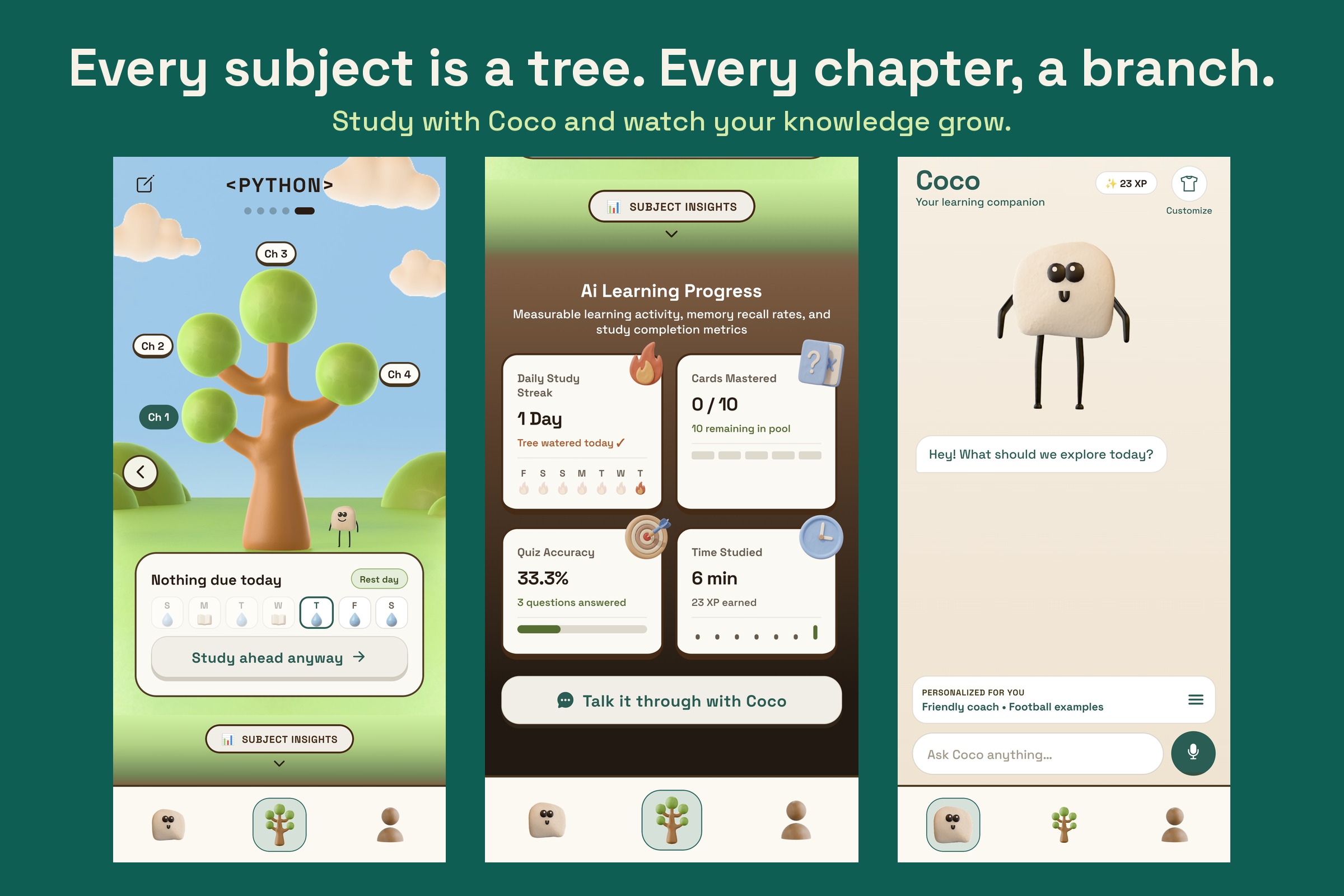
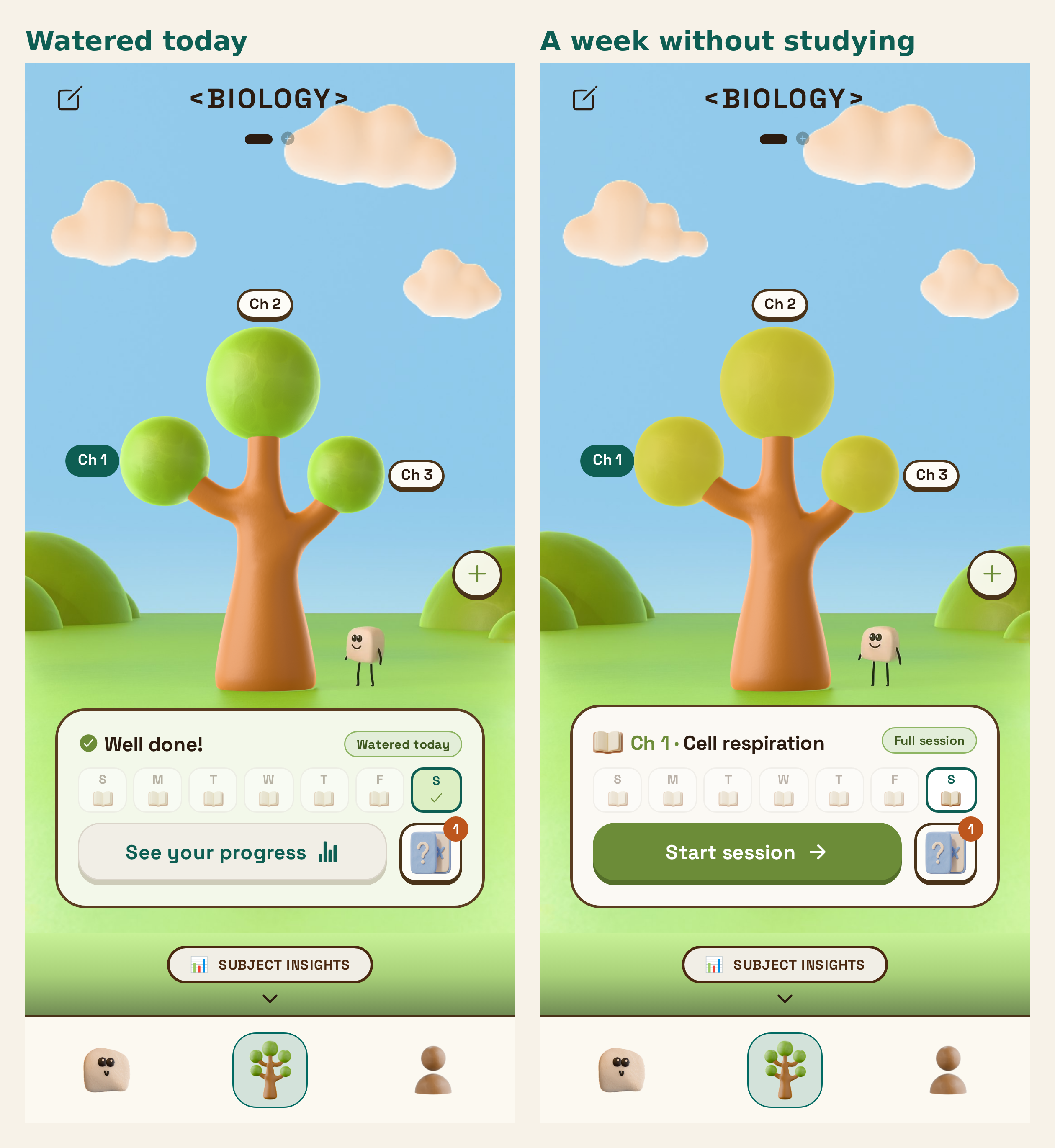
Drrys turns studying into a daily mission: every subject is a tree, every chapter is a branch, and the student’s job is to take care of their trees by watering them every day. Behind the game, an AI tutor named Coco uses the strongest study methods for the student, so the student does not need to know any of them.
Every day, after the lecture at university, the student opens the app. The app can have the subject’s files, the syllabus and the past exams, so the AI understands the context and the patterns of the exams. Then, for each subject, they do one of two things:
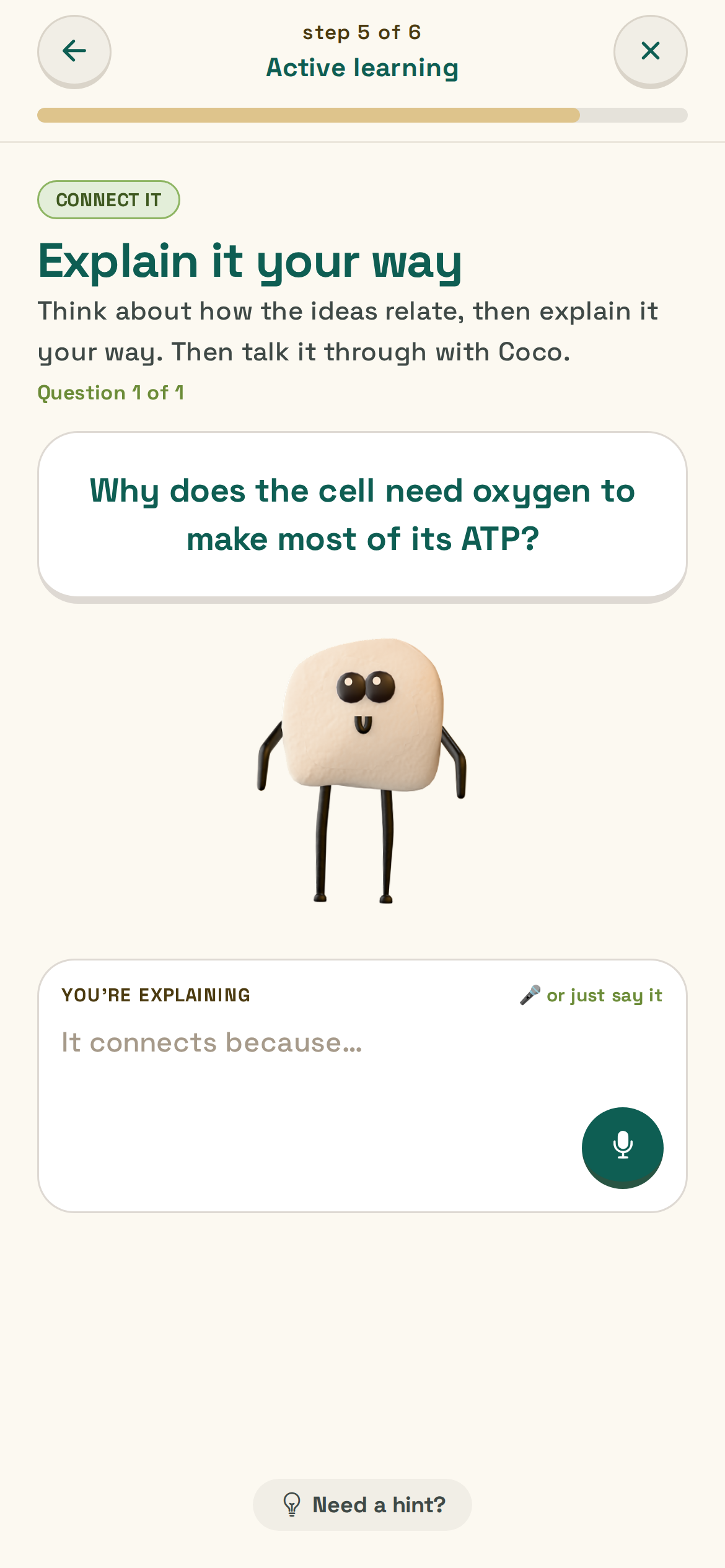
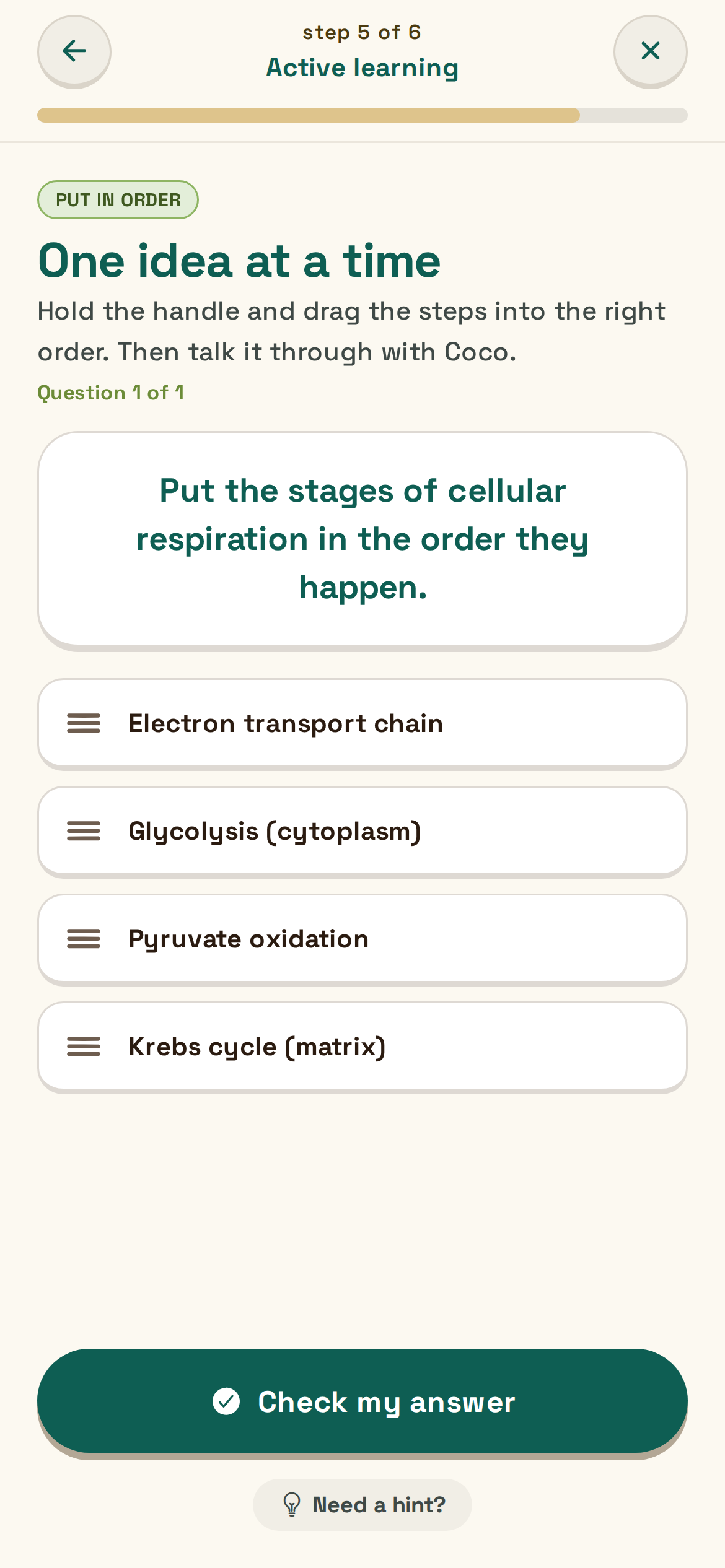
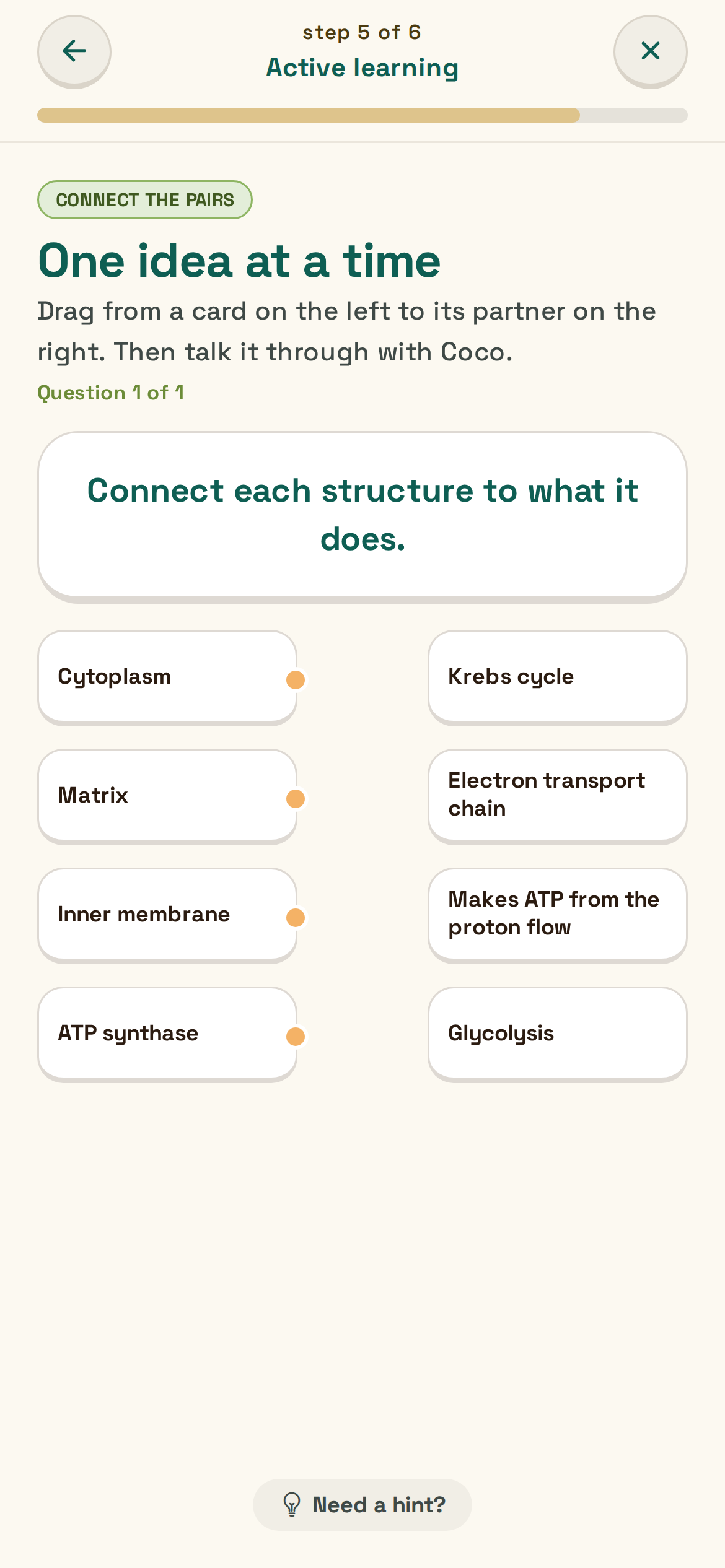
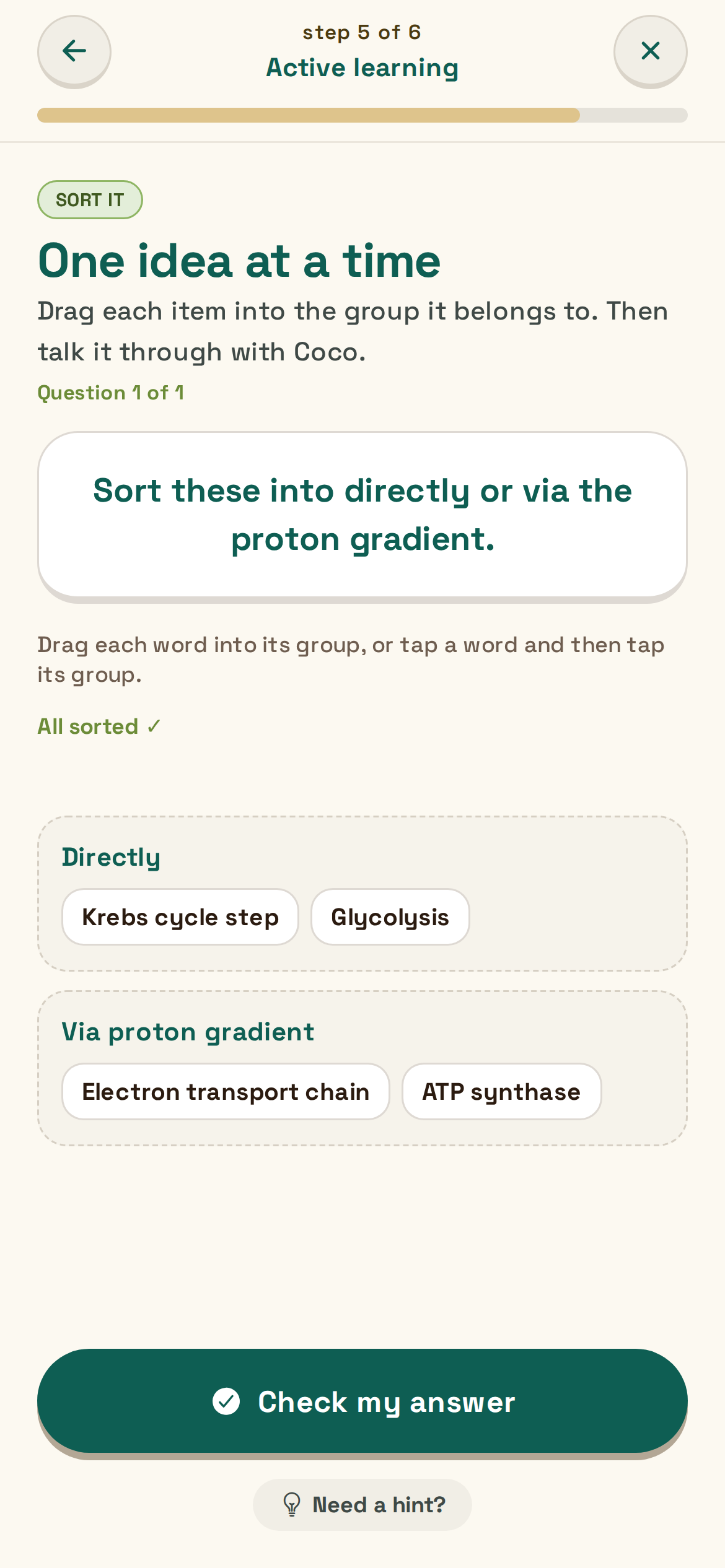
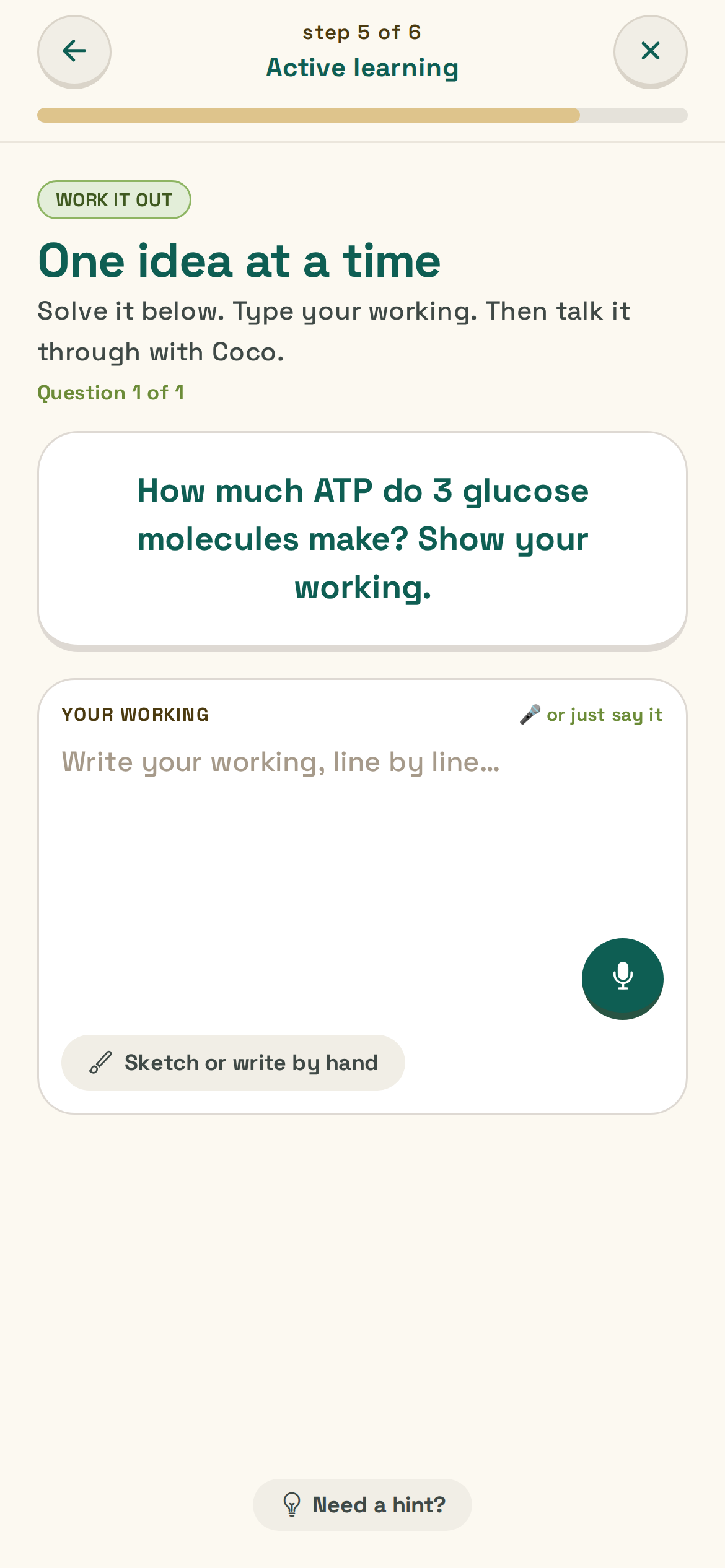
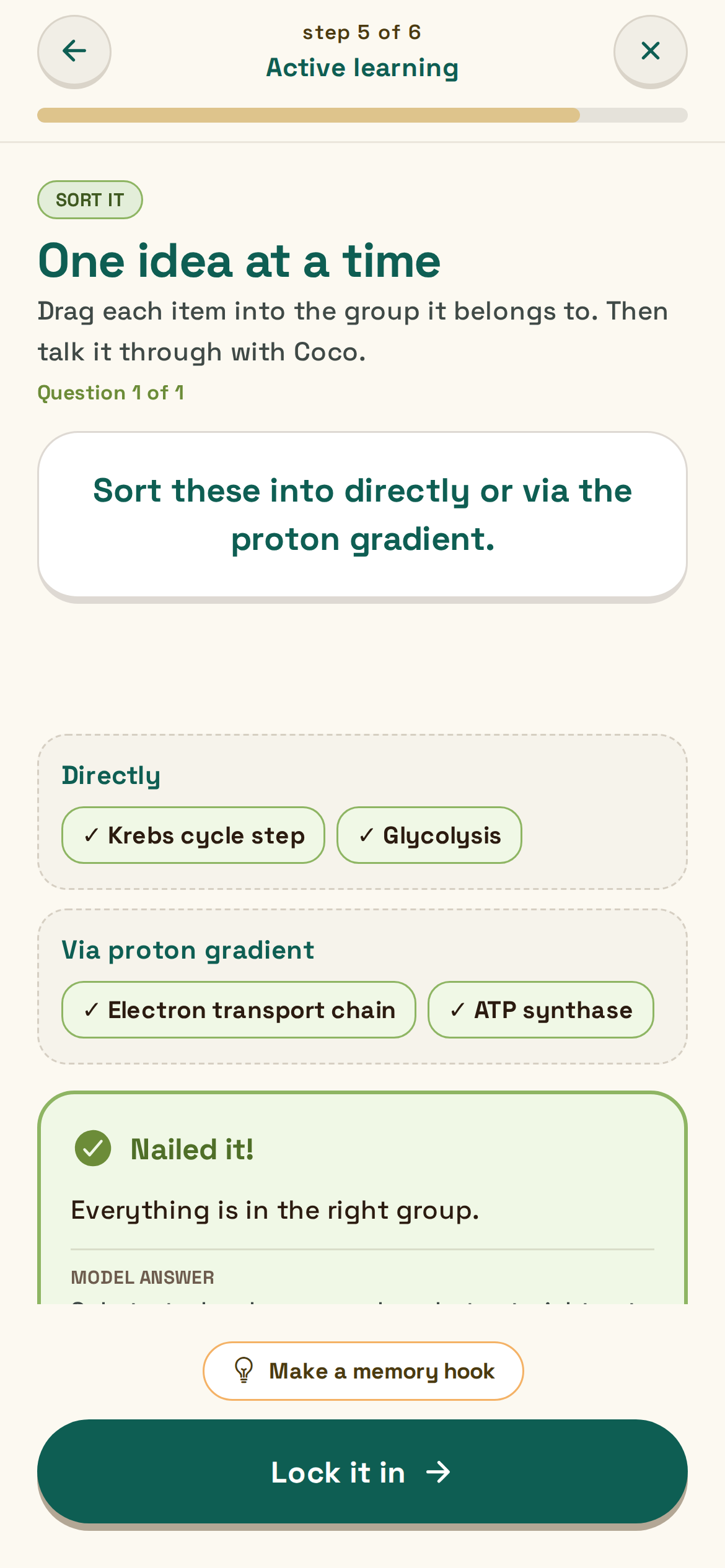
A full session (the day of the lecture): the student chooses the exact lecture pages, then tells Coco what they remember (active recall, by writing or by voice). The AI compares it with the pages and shows what they remembered, what they missed and what they got wrong. Then it asks questions only about the gaps, in different formats: explain in your own words (the Feynman technique), put steps in order, sort things into groups, match pairs, or solve a problem. The app grades most of these formats itself, right away. Every gap becomes a flashcard. A flashcard session (the other days, faster): just a review of the flashcards that are due, which follow a spaced repetition system.
On any flashcard or question, the student can also make a memory hook: their own story or picture that connects to the idea, to remember what they are afraid to forget. The hooks live on the tree, and the tree turns yellow if the student forgets about it for a few days.
How we built it
Our journey went through a lot of experiences and competitions before this one, and we learned a lot from them. We moved from pictures on Canva and Figma to a web page, and then to a real app. The idea we reached was to turn studying into a game: every day the student comes, does a short session using the best learning methods, and then leaves.
I made the assets in Blender (the trees, the world, the character and some icons), and then I fed my work to Flow so it would understand my identity, my colors and my character, to save me time. Then I made the screens with the help of Stitch, and the app was ready in Figma. After that, we turned it into a real app with the help of Claude.
The app is built with Expo and React Native. The AI side works like this: the PDF pages the student chooses are sent to a language model with strict grounding, so every question and flashcard must come from those pages (the model points to the page the answer is on, and anything it cannot point to is left out). The model returns structured data that the app checks before showing it. The order, sort, match and fill questions are graded by plain code, not by the model, so the grading is fair and consistent, and “almost right” is its own orange state. The gaps feed a spaced repetition scheduler (SM-2). The memory hook can be turned into a picture with an image model through the YouCam API.
Challenges we ran into
The hardest part was the memory hooks. We had a few ideas for how they should work and tried more than one way. In the end we stopped at the one you’ll see in the app.
Making the AI stick only to the student’s own pages and not make things up took a lot of tries too.
And while testing, we found a lot of bugs, from small things like a missing UI element to problems in the code and the prompts. We fixed them one round at a time.
Accomplishments that we're proud of
-A study session where everything comes only from the pages the student chose. -Many question formats in one session, most of them graded instantly by the app itself, not by the AI. -Taking proven methods (active recall, the Feynman technique, spaced repetition, memory hooks) and making a student use them without knowing any of them, inside a game. -Turning our long work in Blender and Figma into a real app that runs on a phone. -I’m also really happy that I learned how to integrate the YouCam API into the app, and that is thanks to this hackathon.
What we learned
We learned sooo many things from all of these problems. And the most important one, from our point of view, is that your app has to be the way the user wants it, not the way you want it.
What's next for Drrys
I’m really happy with this competition because it was a big step for the app, especially for its AI side, and what’s coming next is going to be even bigger in every way, God willing. We want to improve the memory hooks, add AI-made videos, audio podcasts, more question types, and a lot of other features we have in mind.
And I want to thank the ForgeHacks team for the opportunities they gave us, and for bringing such strong sponsors, whose tools we used and learned so much from. Thank you.

Log in or sign up for Devpost to join the conversation.