
Inspiration
As a cybersecurity engineer, when I first saw agentic development tools, I thought the same approach could be applied to penetration testing and red team operations. That inspired me to start DrowAI and explore the idea of building an AI-powered penetration-testing agent.
What It Does
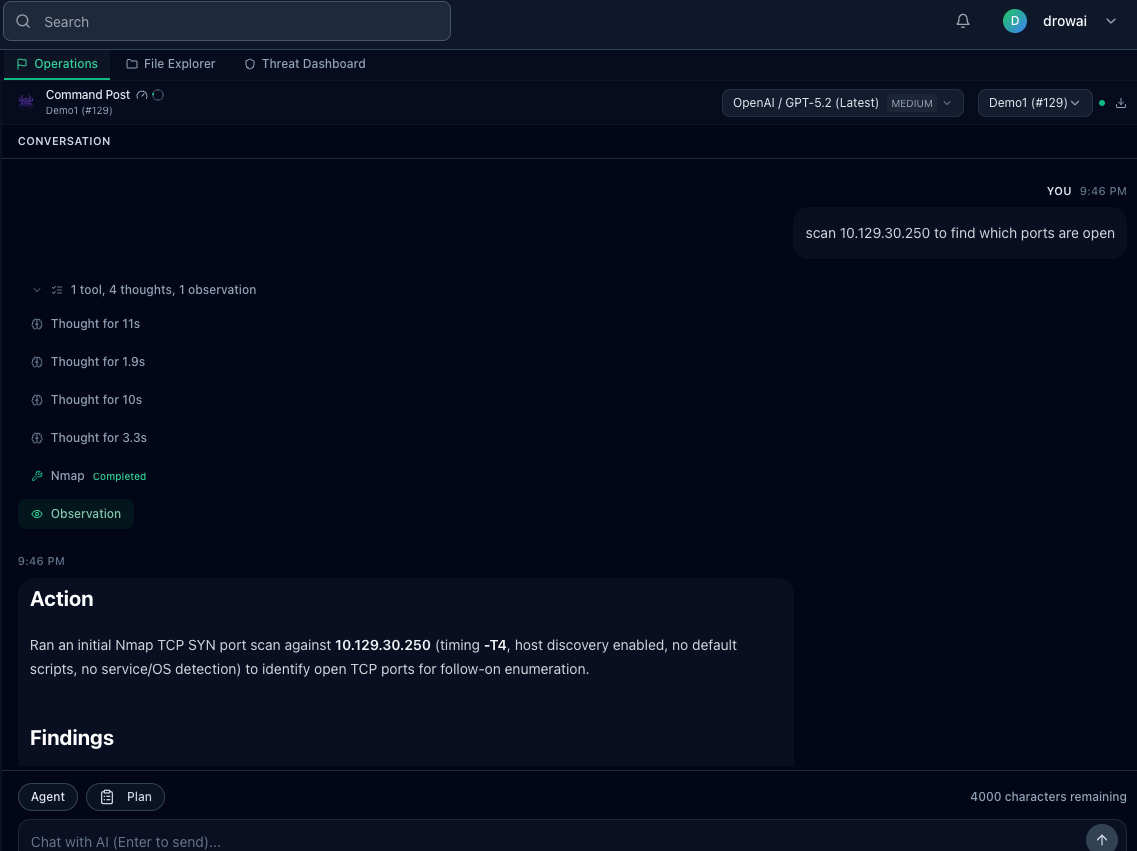
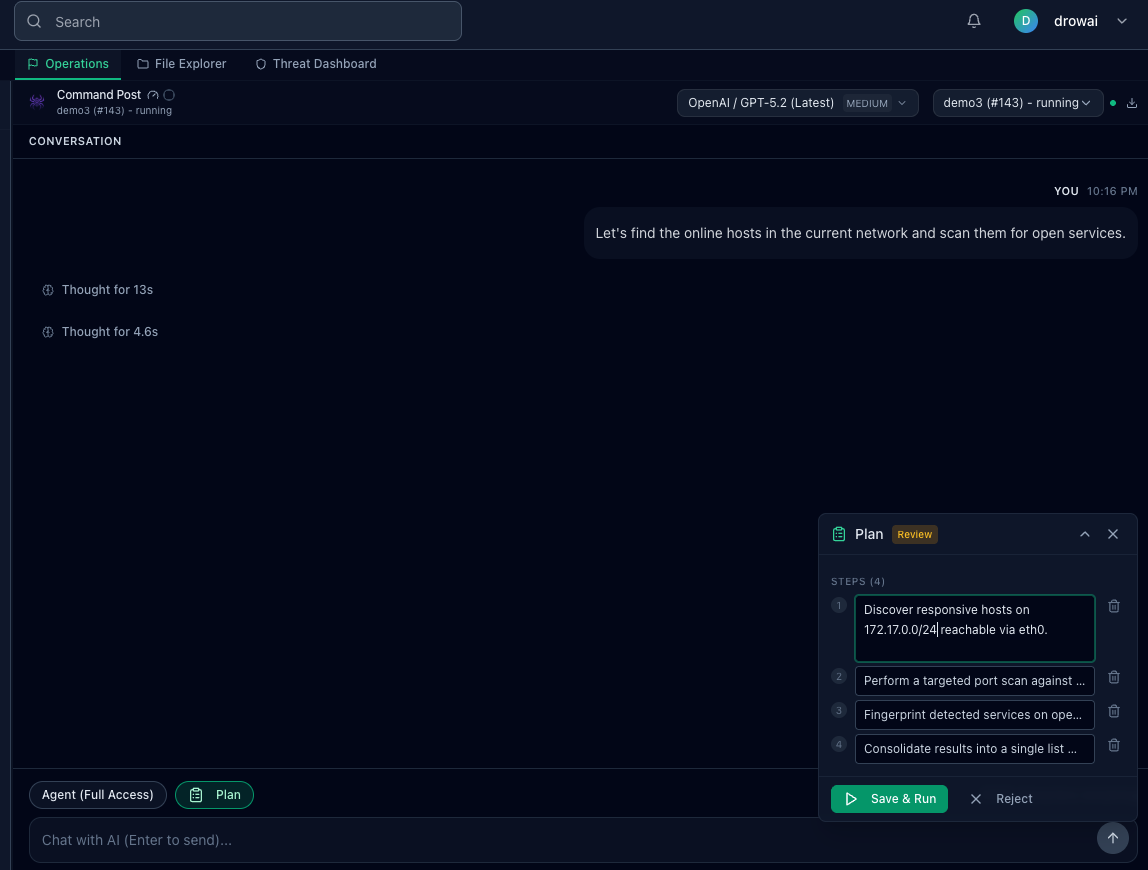
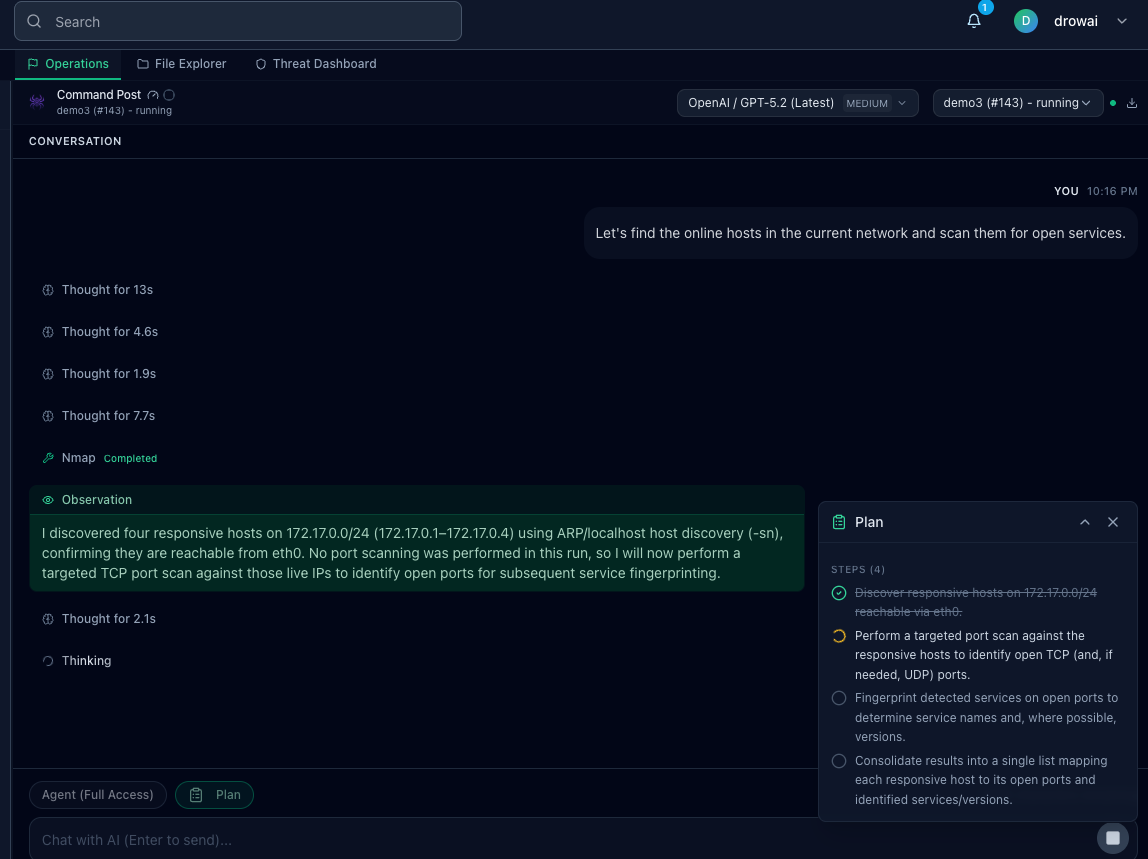
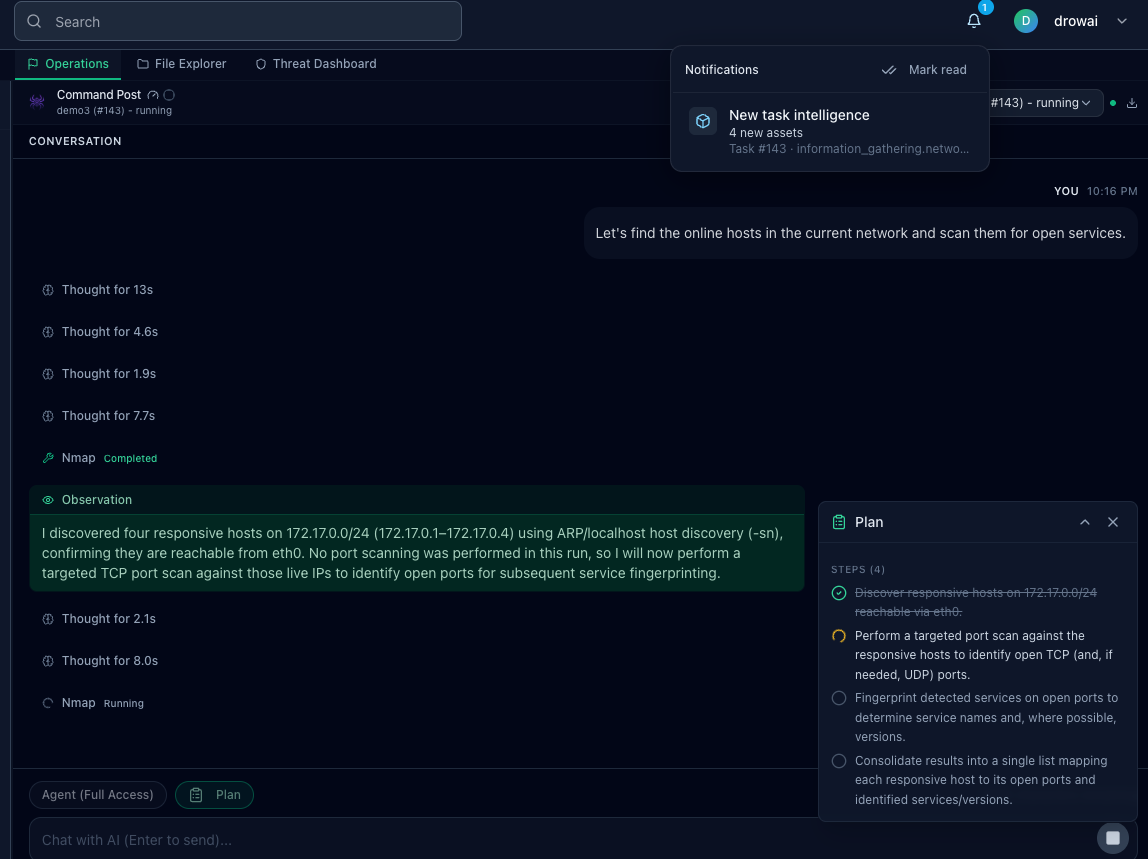
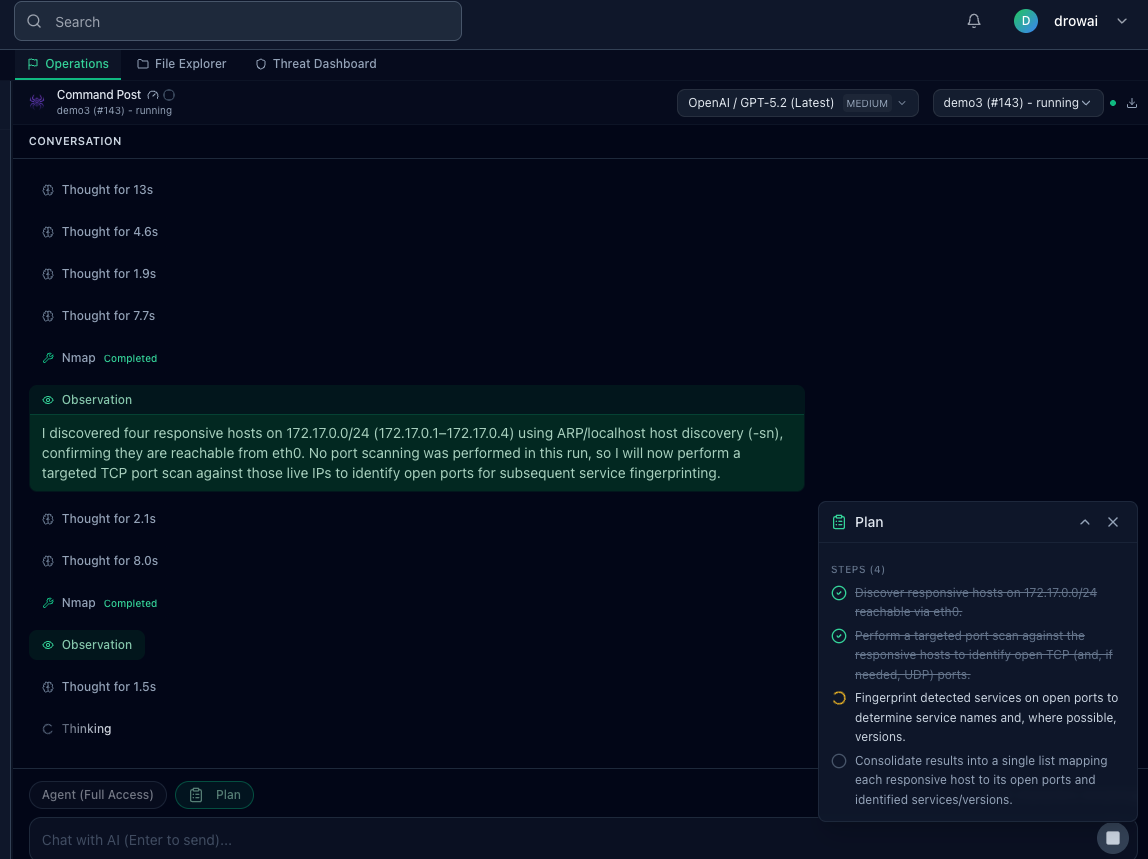
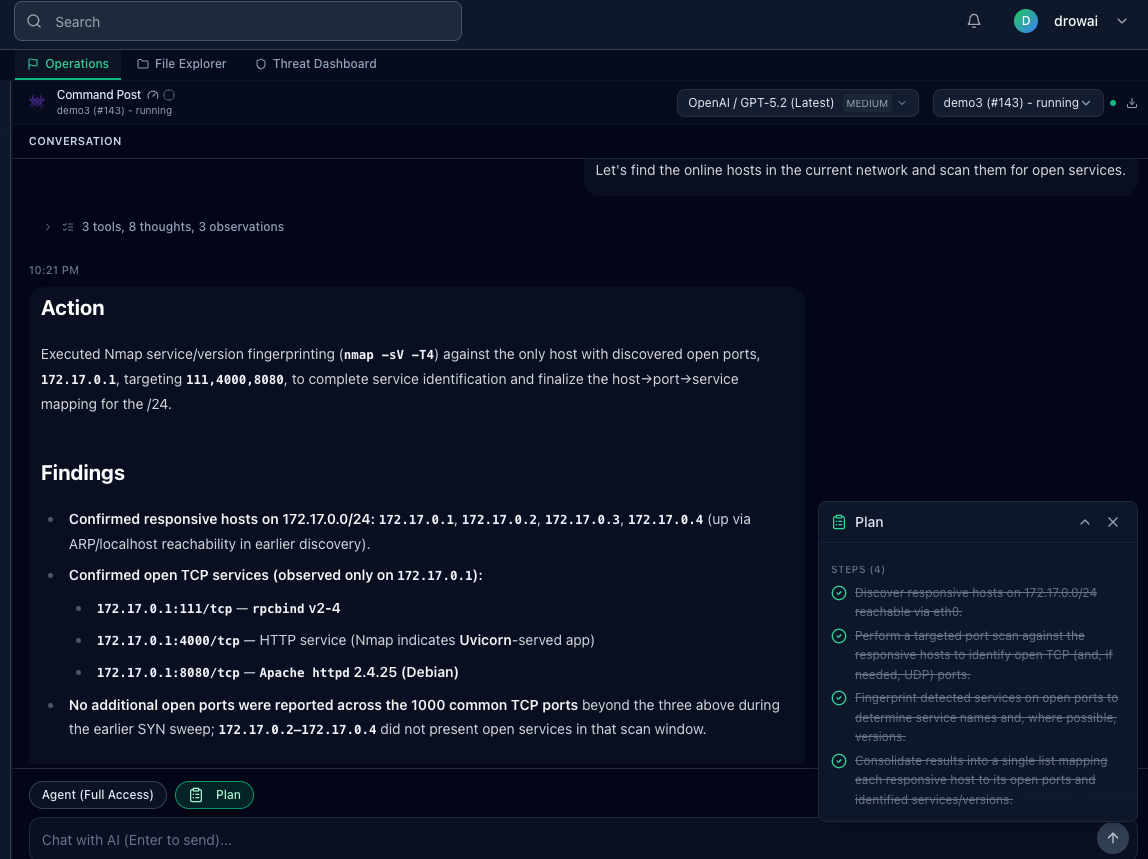
DrowAI allows users to create security tasks, each with its own isolated Kali Linux Docker environment. The AI agent runs its tools inside this environment, where it can assist with authorized activities such as scanning, testing, and exploitation.
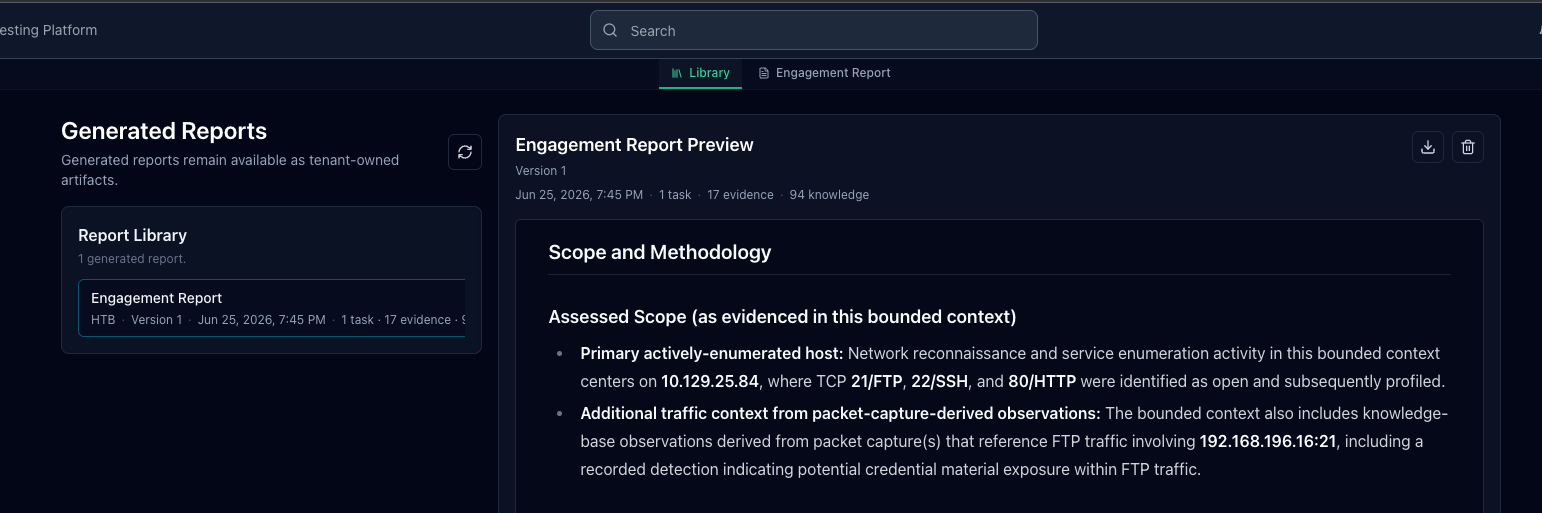
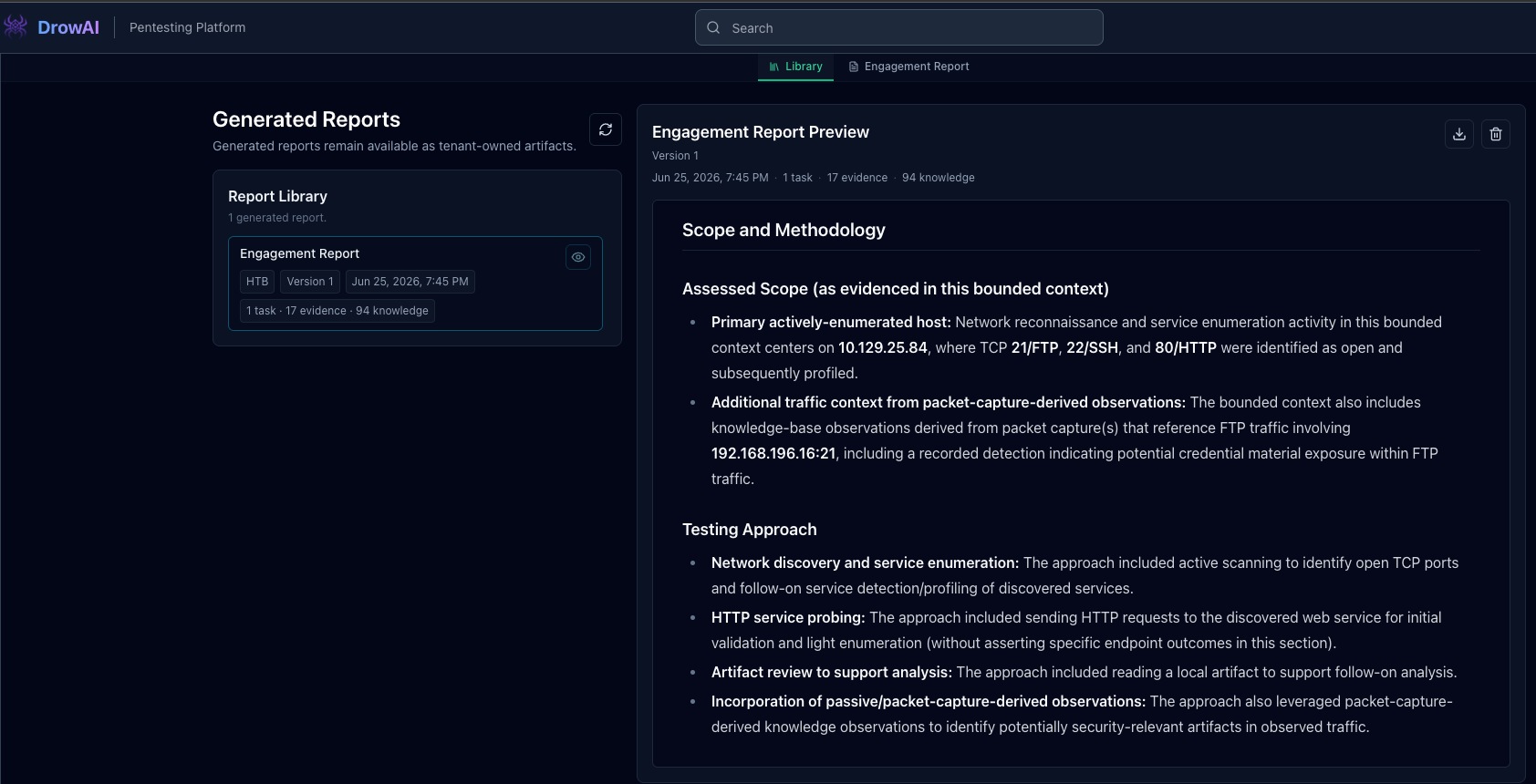
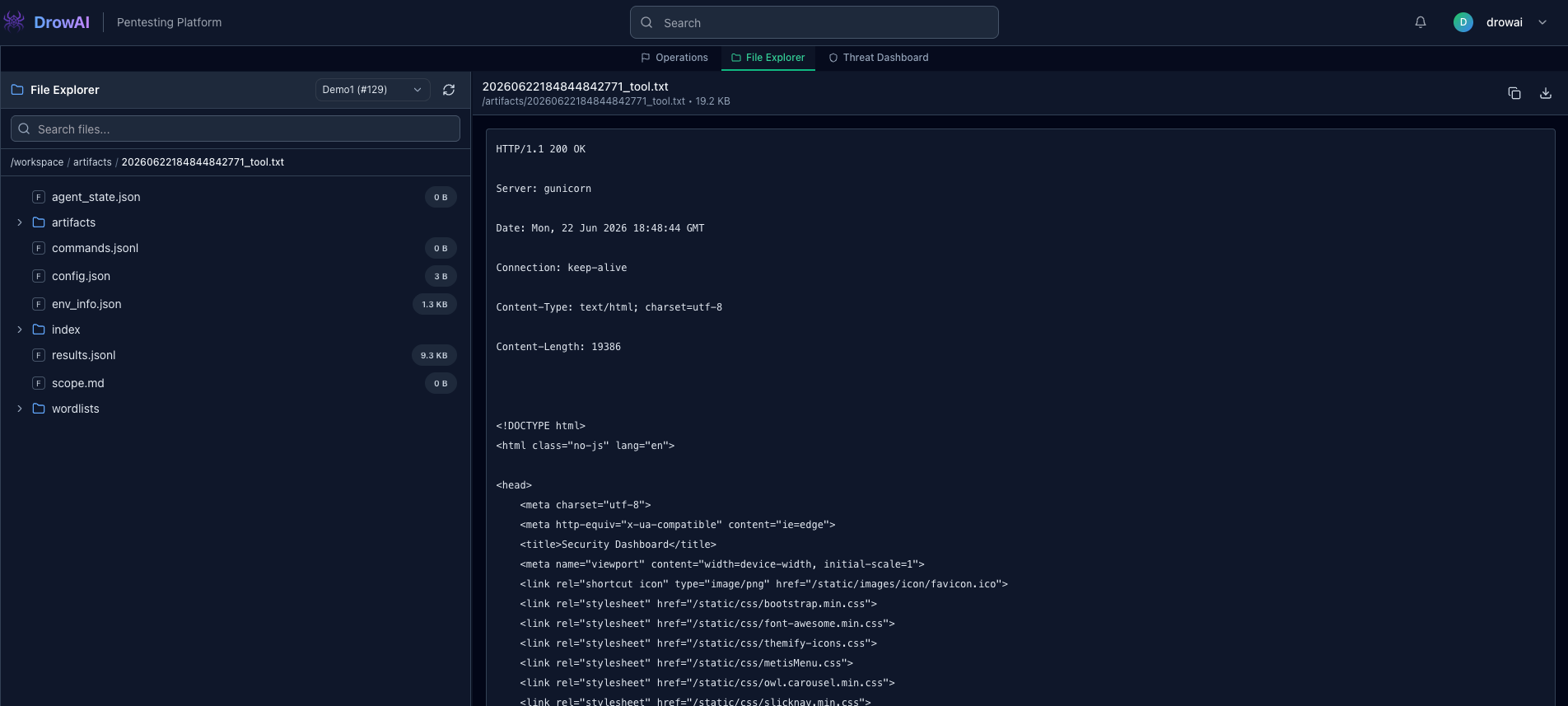
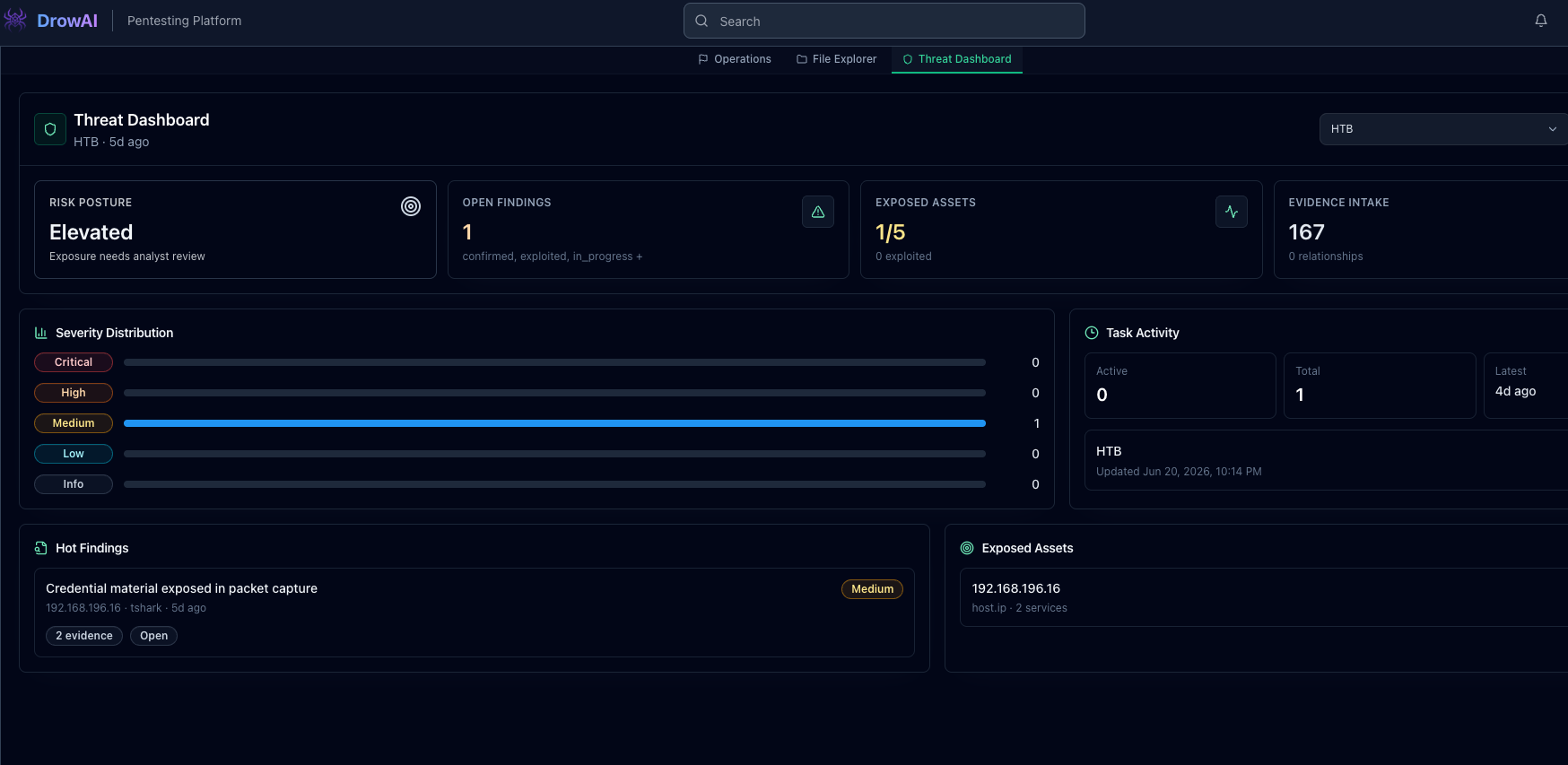
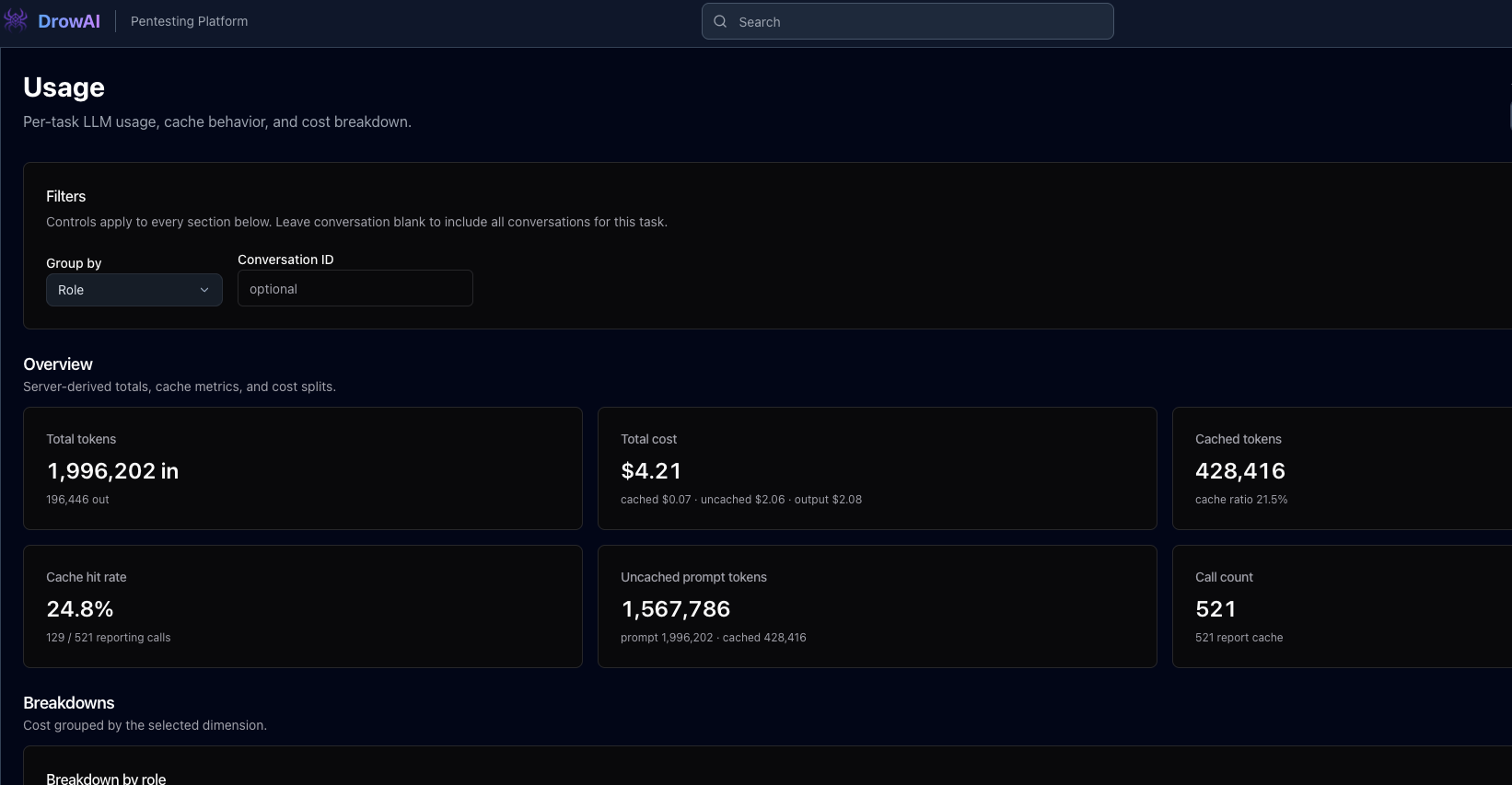
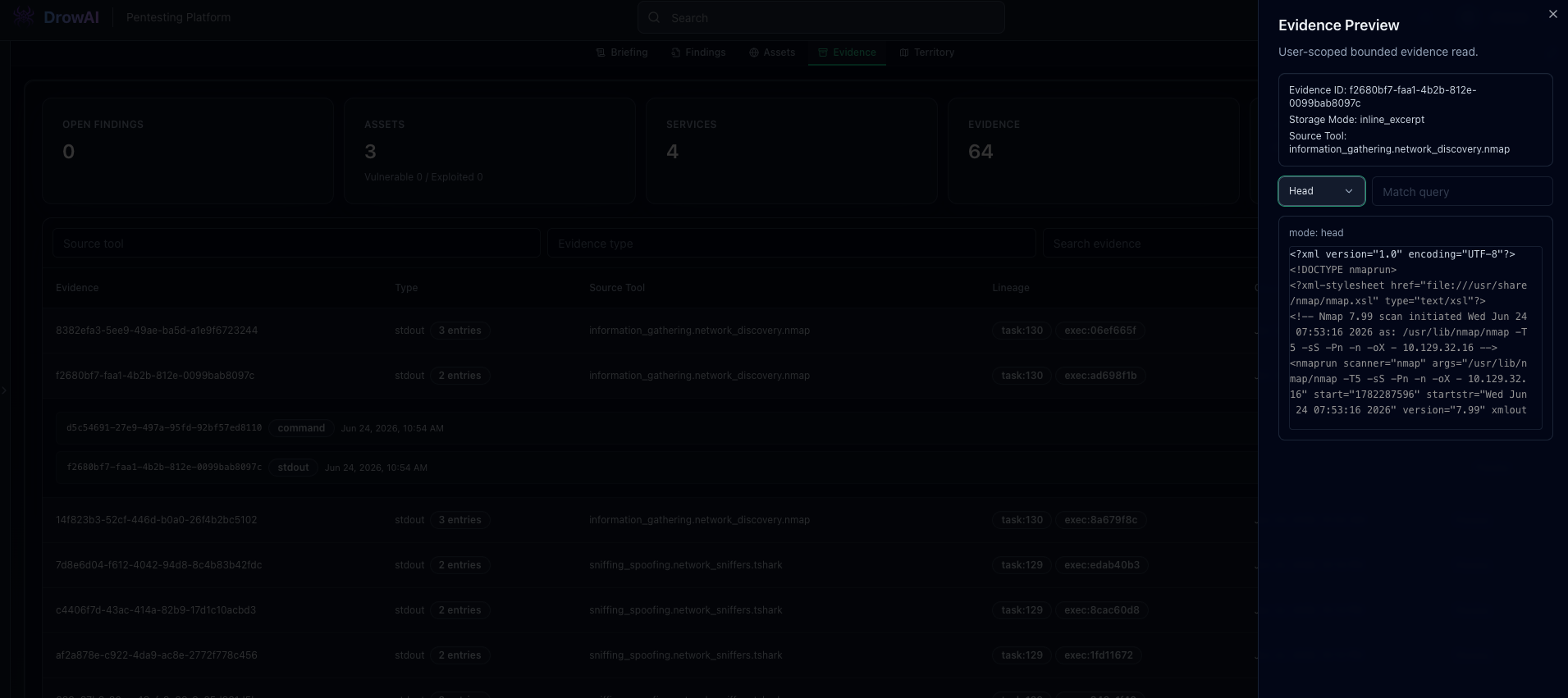
The tools generate artifacts and structured results, which DrowAI turns into durable data that users can review and visualize. When a task is complete, the platform can generate reports covering the entire process.
How We Built It
I built DrowAI independently with extensive AI assistance. I do not have a formal software-development background or previous professional coding experience, so the project was developed entirely through AI-assisted or “vibe-coded” development using almost only GPT models.
DrowAI is approximately one year old, but I recently released it publicly as an open-source project during the hackathon submission window. Since publishing the repository, I have used GPT-5.6 Sol as my primary Codex model to develop, extend, and improve the project. Everything commited in public repo, commited through 5.6 Sol.
Challenges We Ran Into
Because I did not have previous software-development experience, I relied heavily on AI for technical guidance. I directed the product vision, security requirements, and overall system design using my cybersecurity experience, while AI helped me make decisions about implementation, code architecture, project structure, and repository organization. One of the greatest challenges was learning how to evaluate the AI’s recommendations instead of accepting them blindly.
Accomplishments That We’re Proud Of
I am extremely proud of DrowAI. Building a project of this scale would not have been possible for me without AI-assisted development.
For me, DrowAI demonstrates how AI can help domain experts overcome traditional skill barriers. With strong subject-matter expertise, clear direction, and a willingness to learn, people can use AI to turn ideas into working systems even when they do not begin with conventional software-engineering experience.
What We Learned
Through this project, I learned how to start, prototype, develop, test, maintain, and deploy a software project from end to end.
Before DrowAI, I had very limited knowledge of GitHub, agentic AI, tool execution, agent memory, software architecture, or application deployment. Building the project taught me how these systems work together and how to guide an AI-assisted development process responsibly.
What’s Next for DrowAI
My goal is to turn DrowAI into a complete, production-ready platform. The next steps are to stabilize its core functionality, improve the user experience, strengthen its security and deployment model, prepare it for enterprise environments, and continue expanding its capabilities.
Ultimately, I want DrowAI to become a platform where red team engineers can manage their authorized security-testing workflows from one place.

Log in or sign up for Devpost to join the conversation.