-
-
Drop The Bit Logo
-
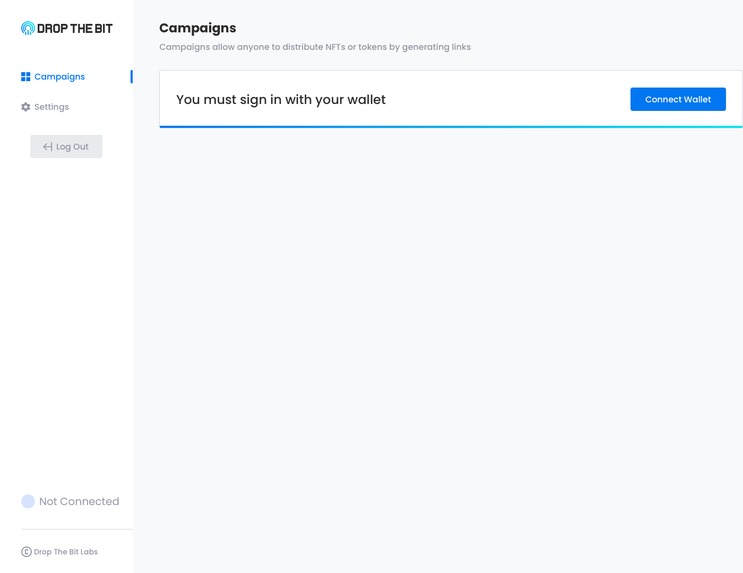
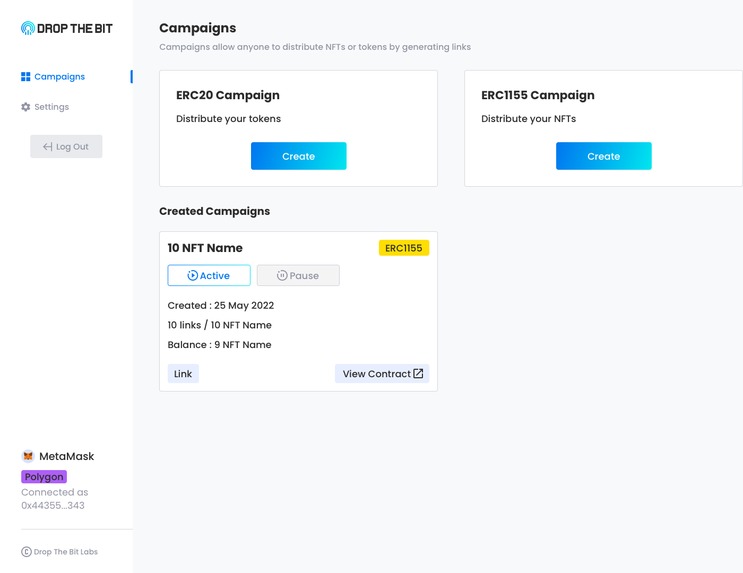
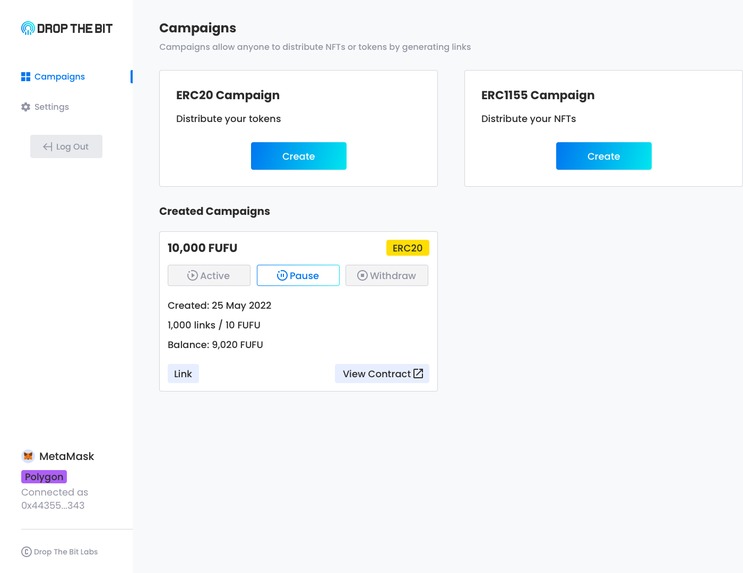
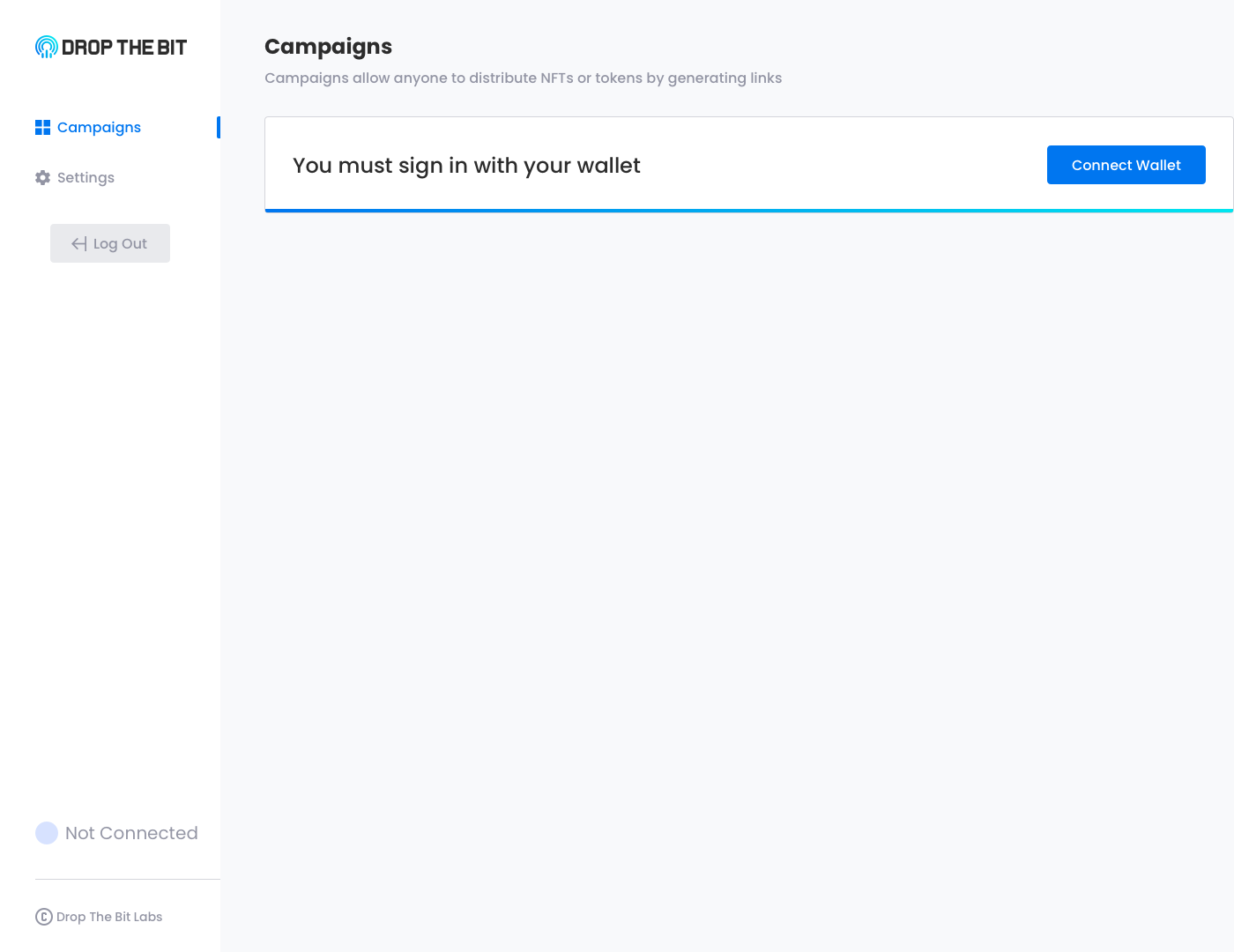
Design - Connect Wallet
-
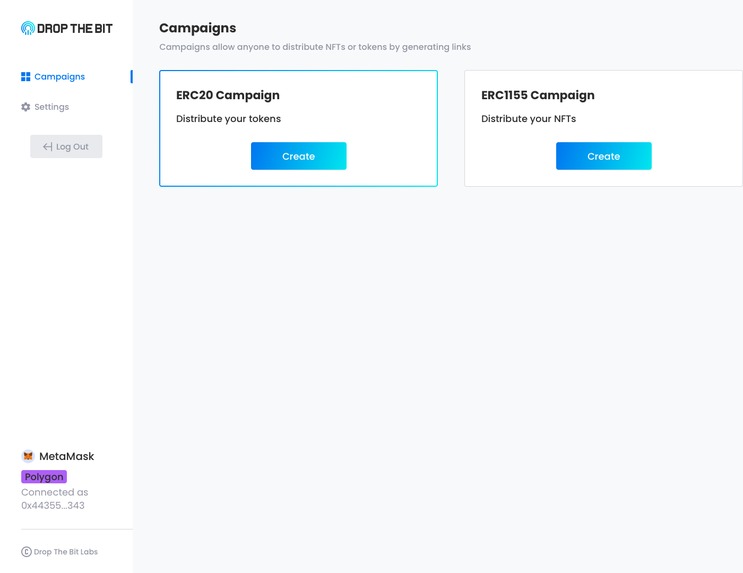
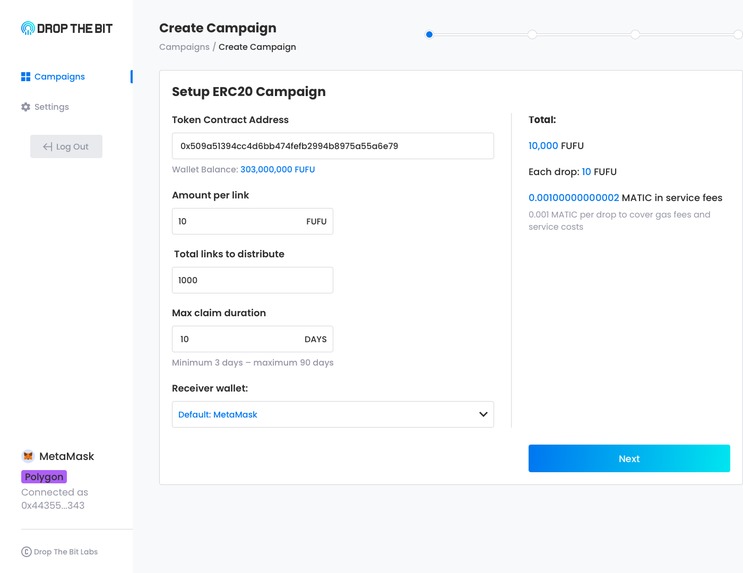
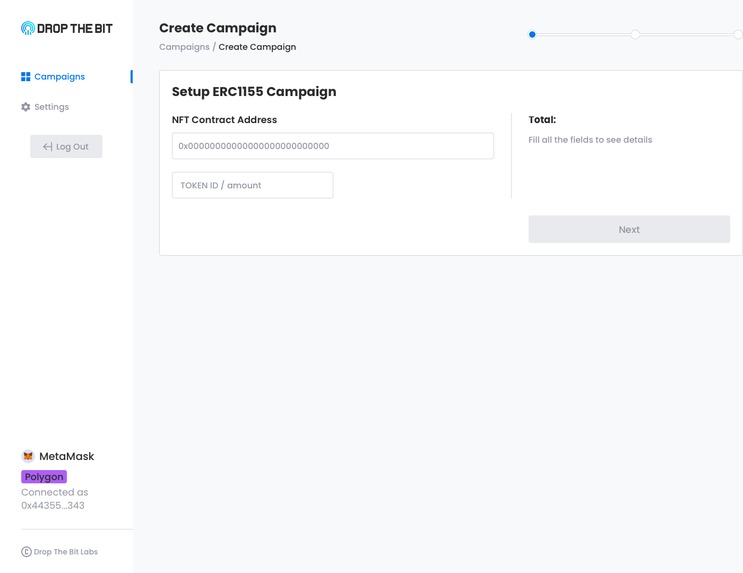
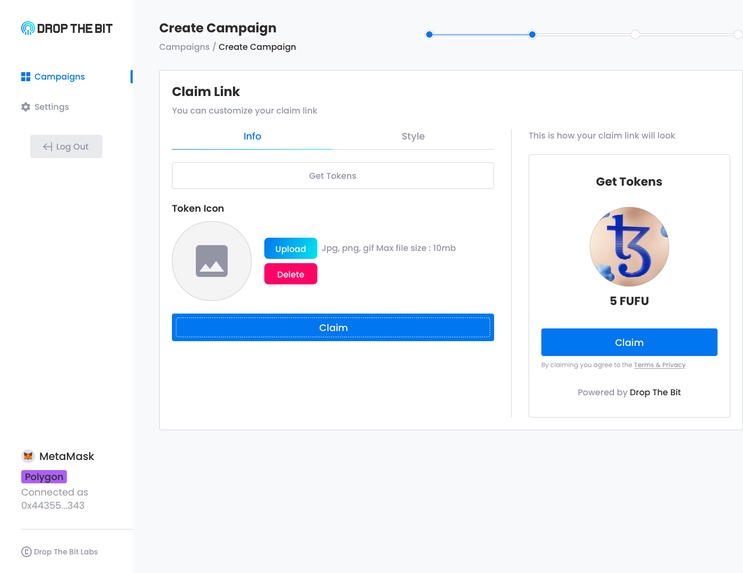
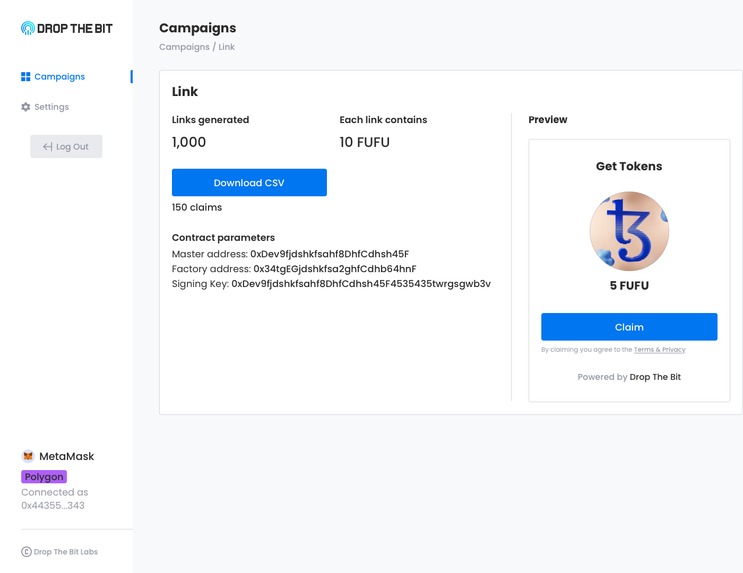
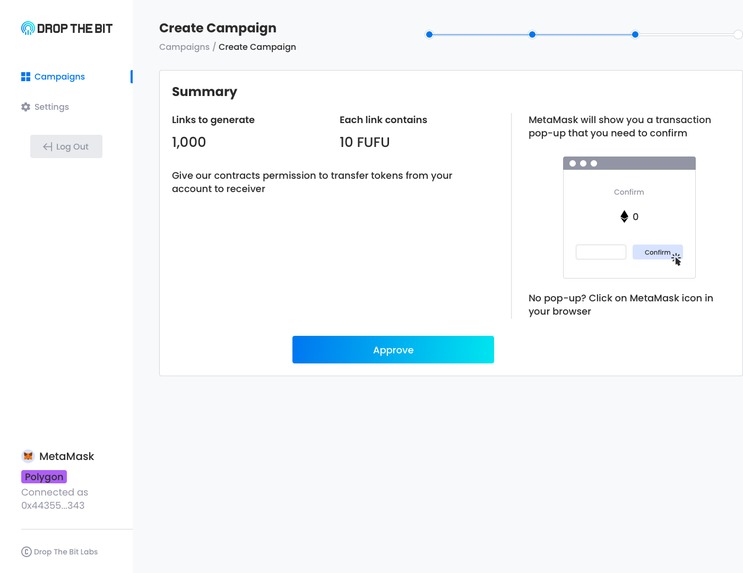
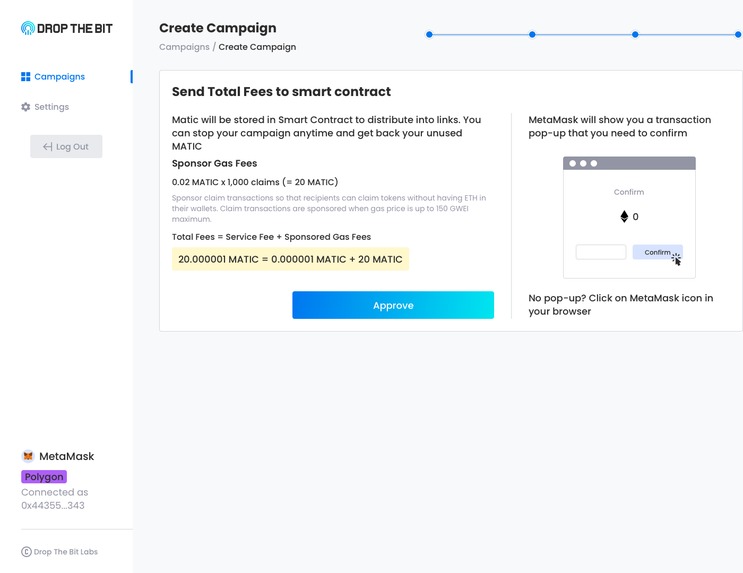
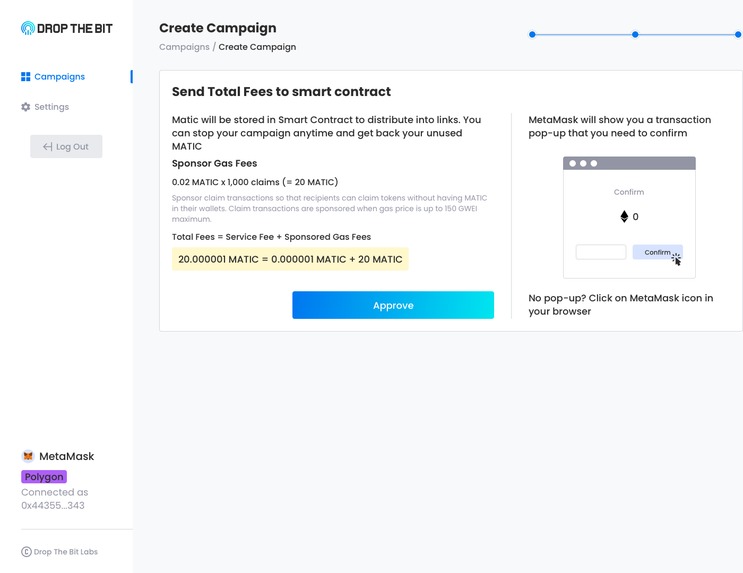
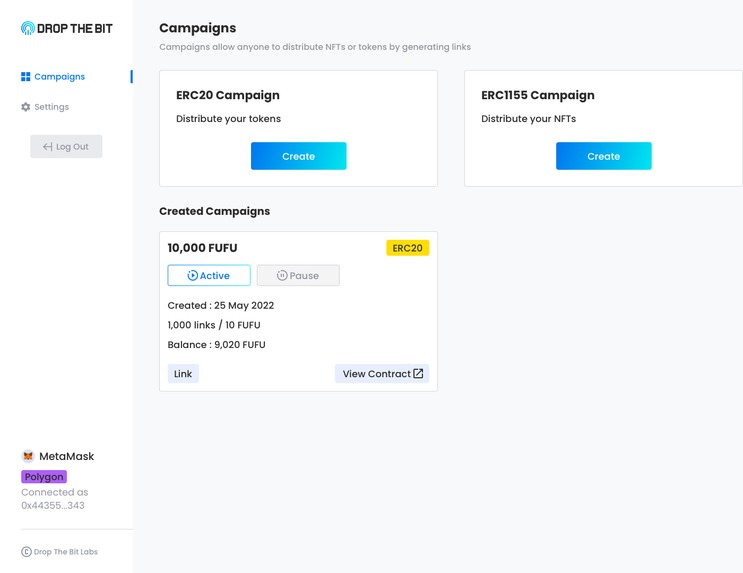
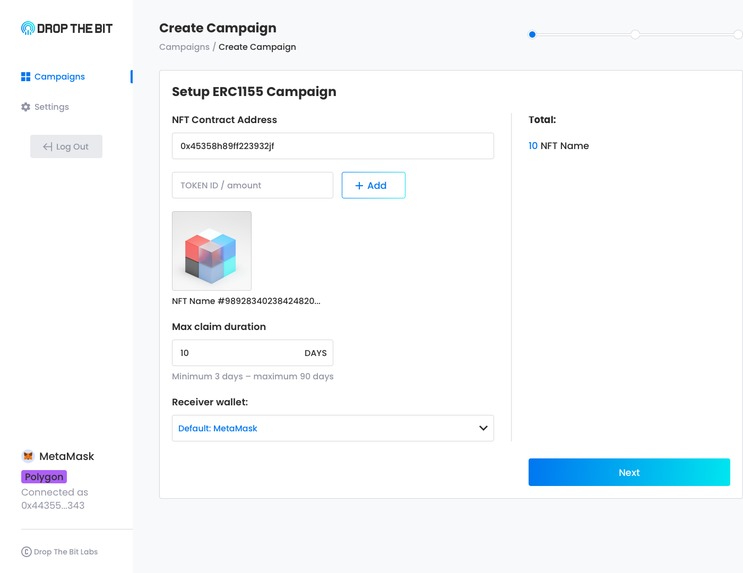
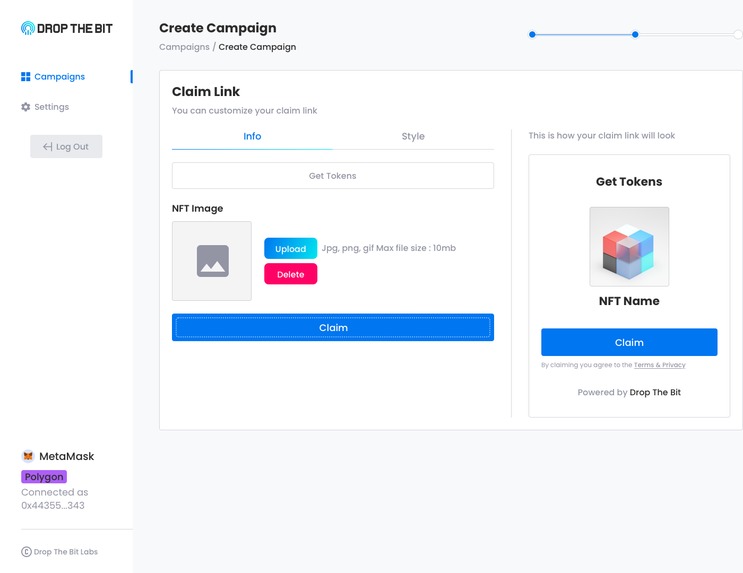
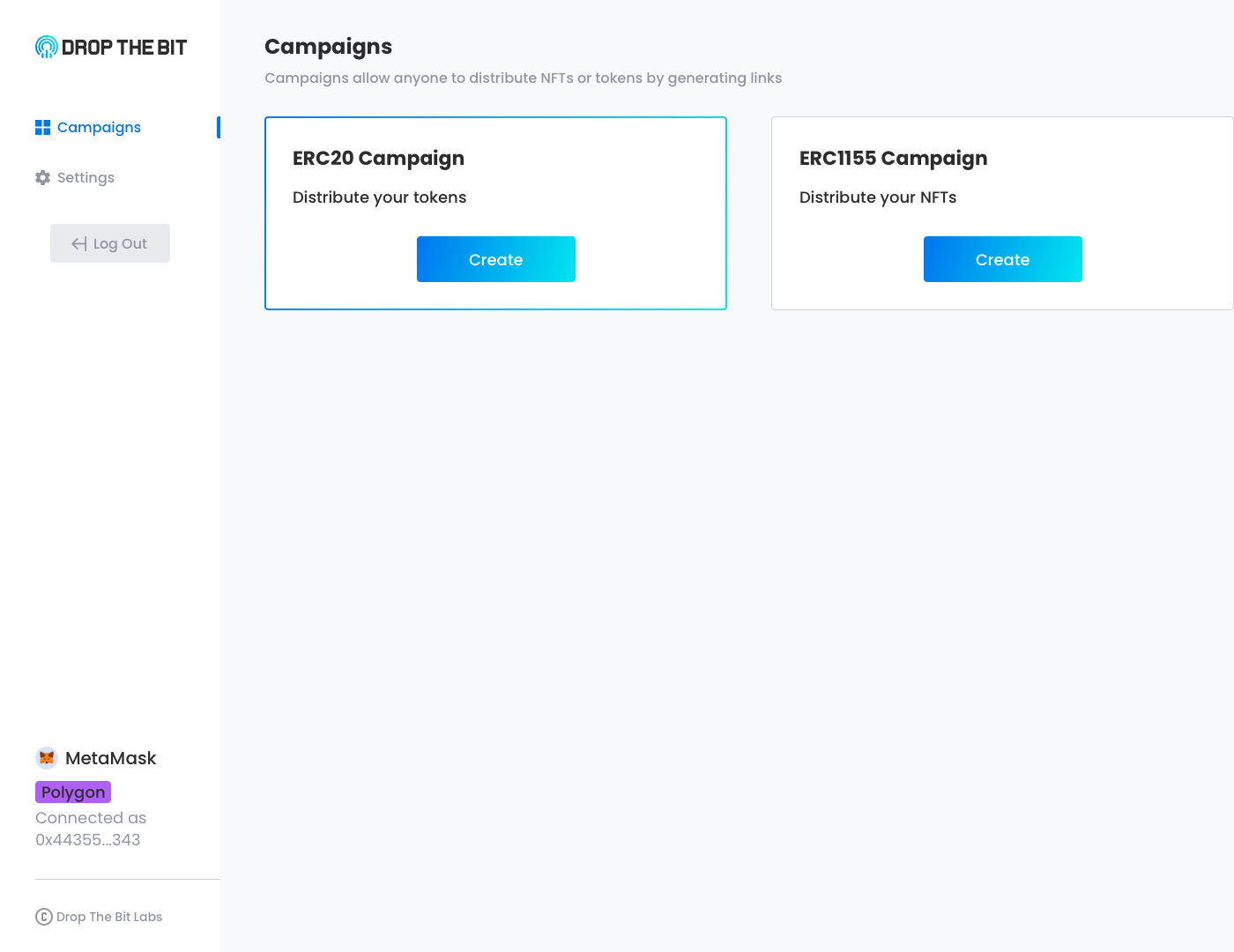
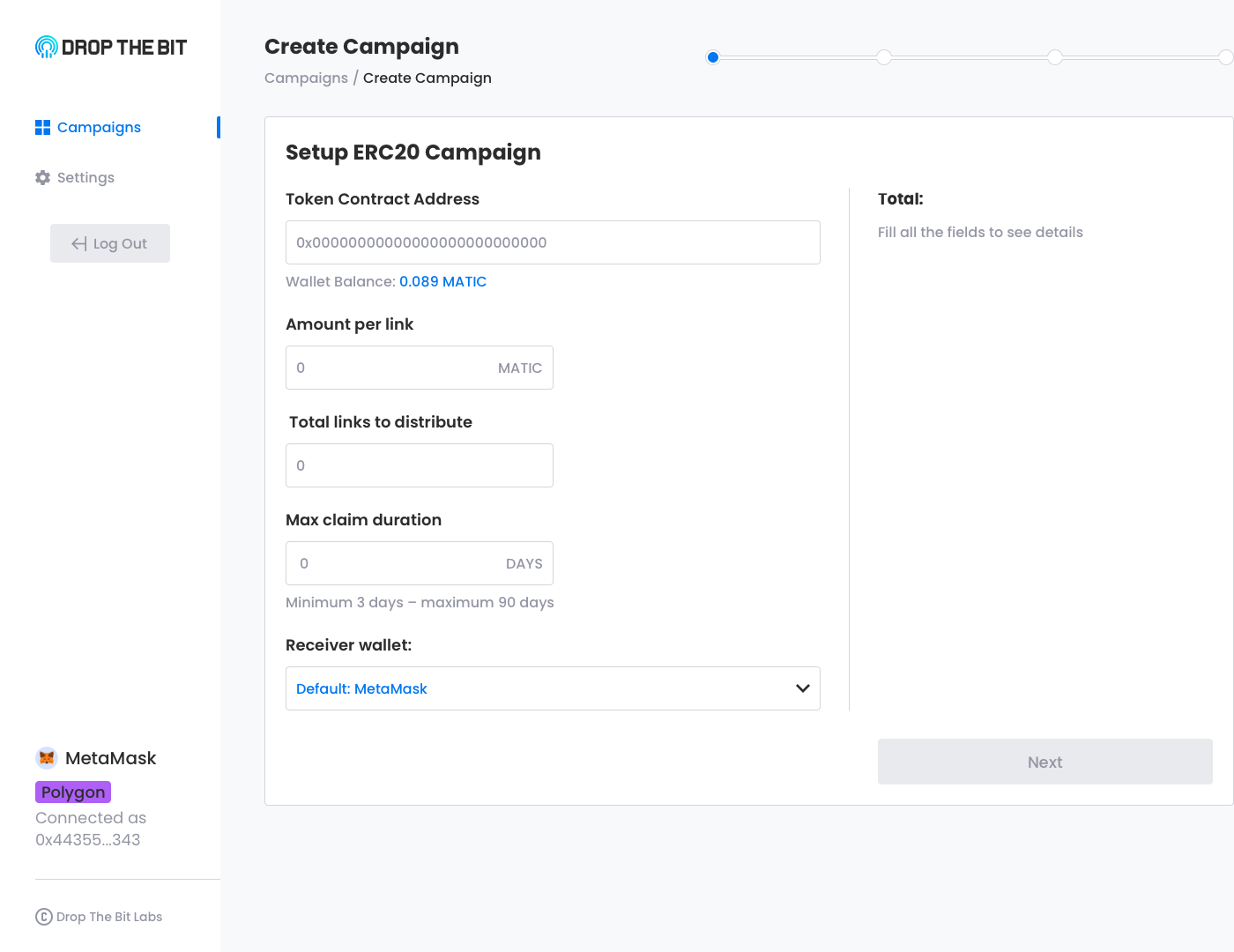
Design - Create Campaign
-
-
-
-
-
-
-
-
-
-
-
-
-
-
-
-
-
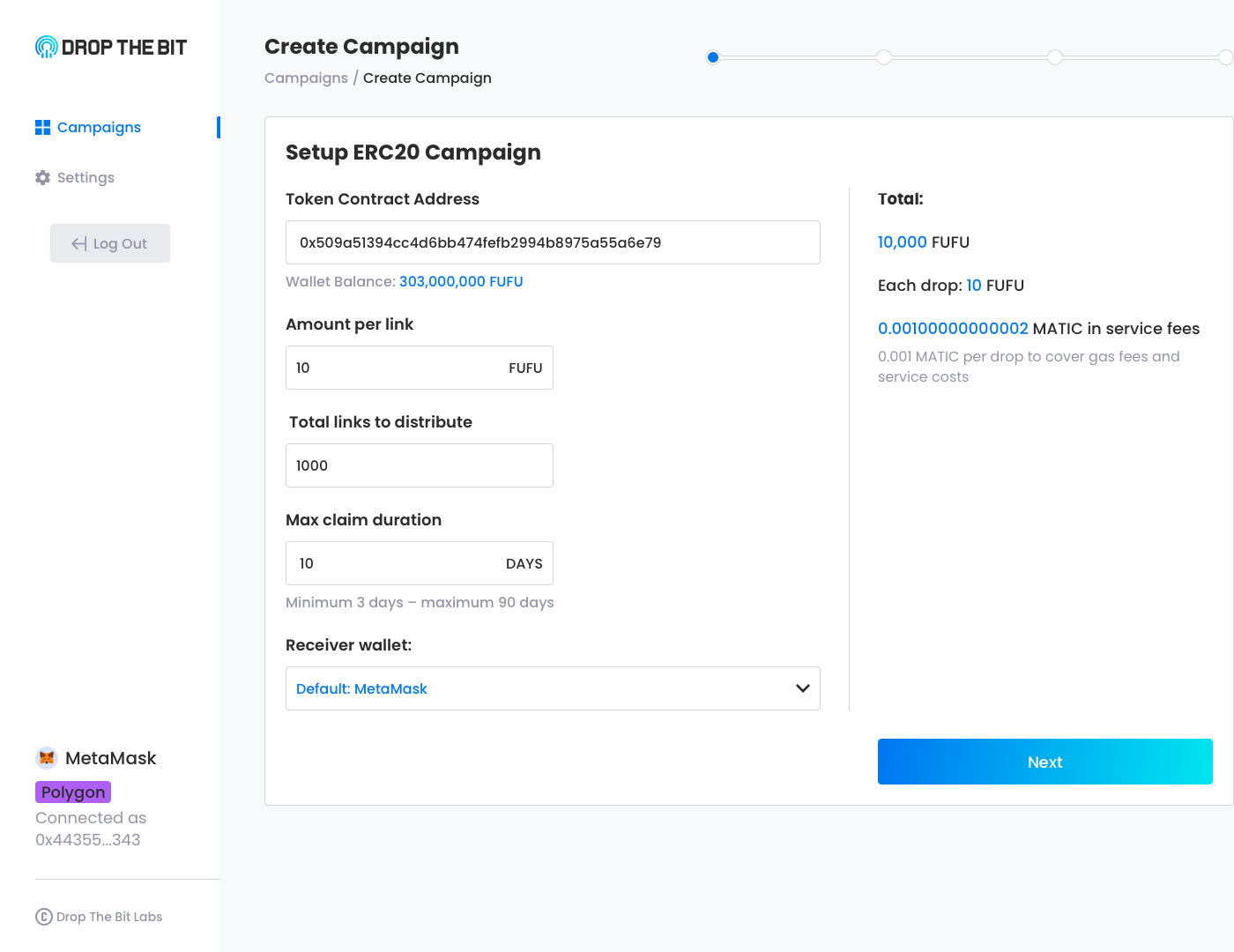
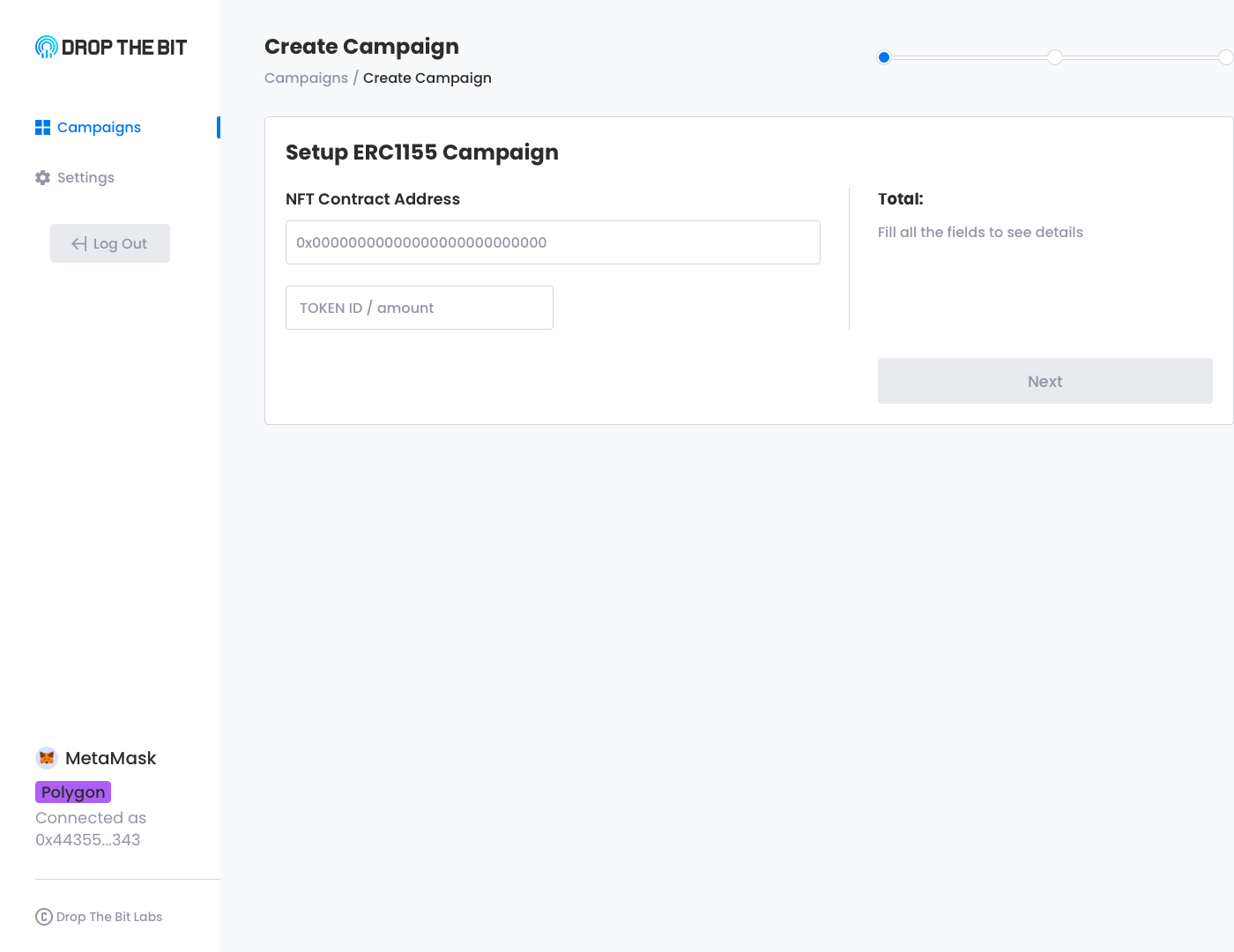
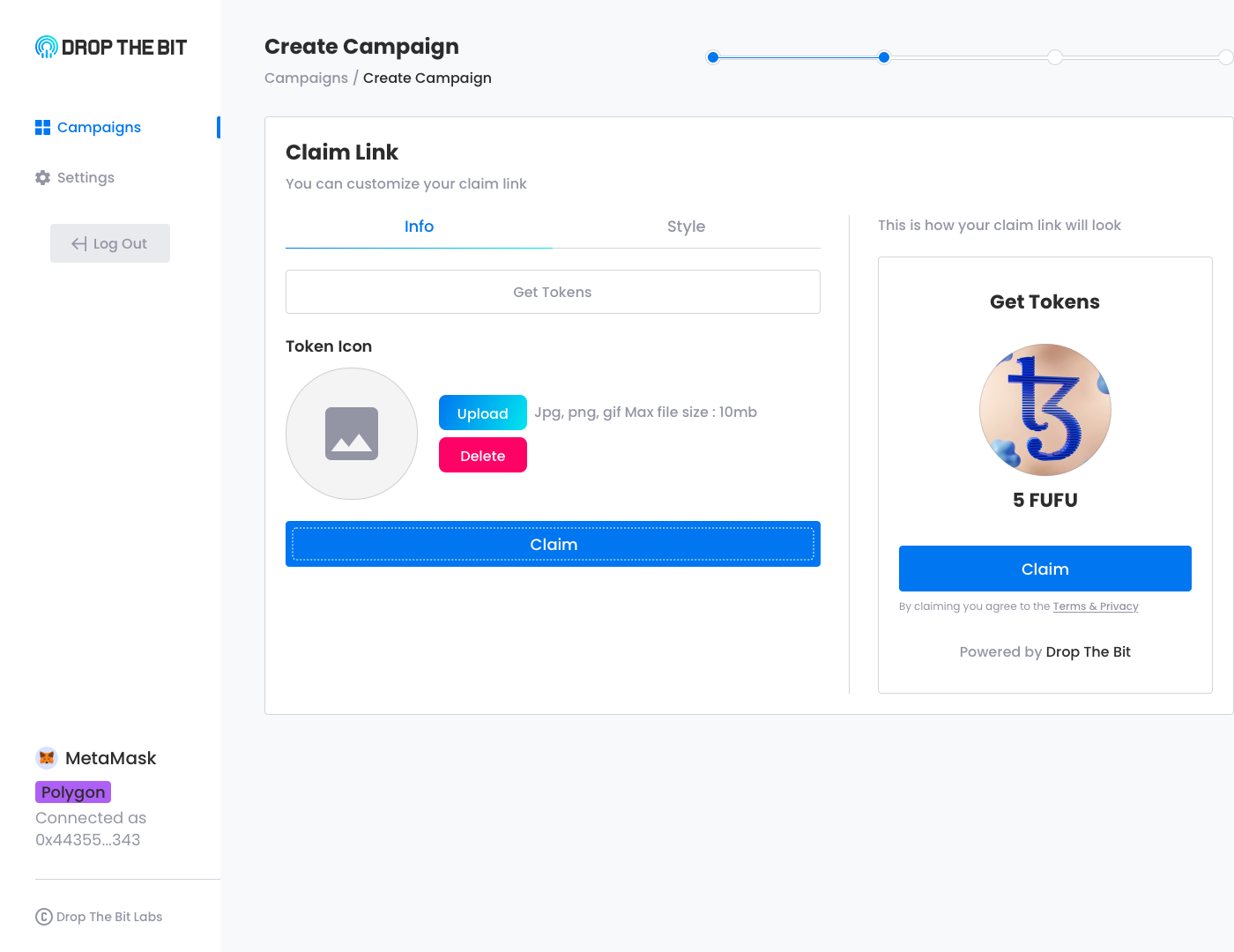
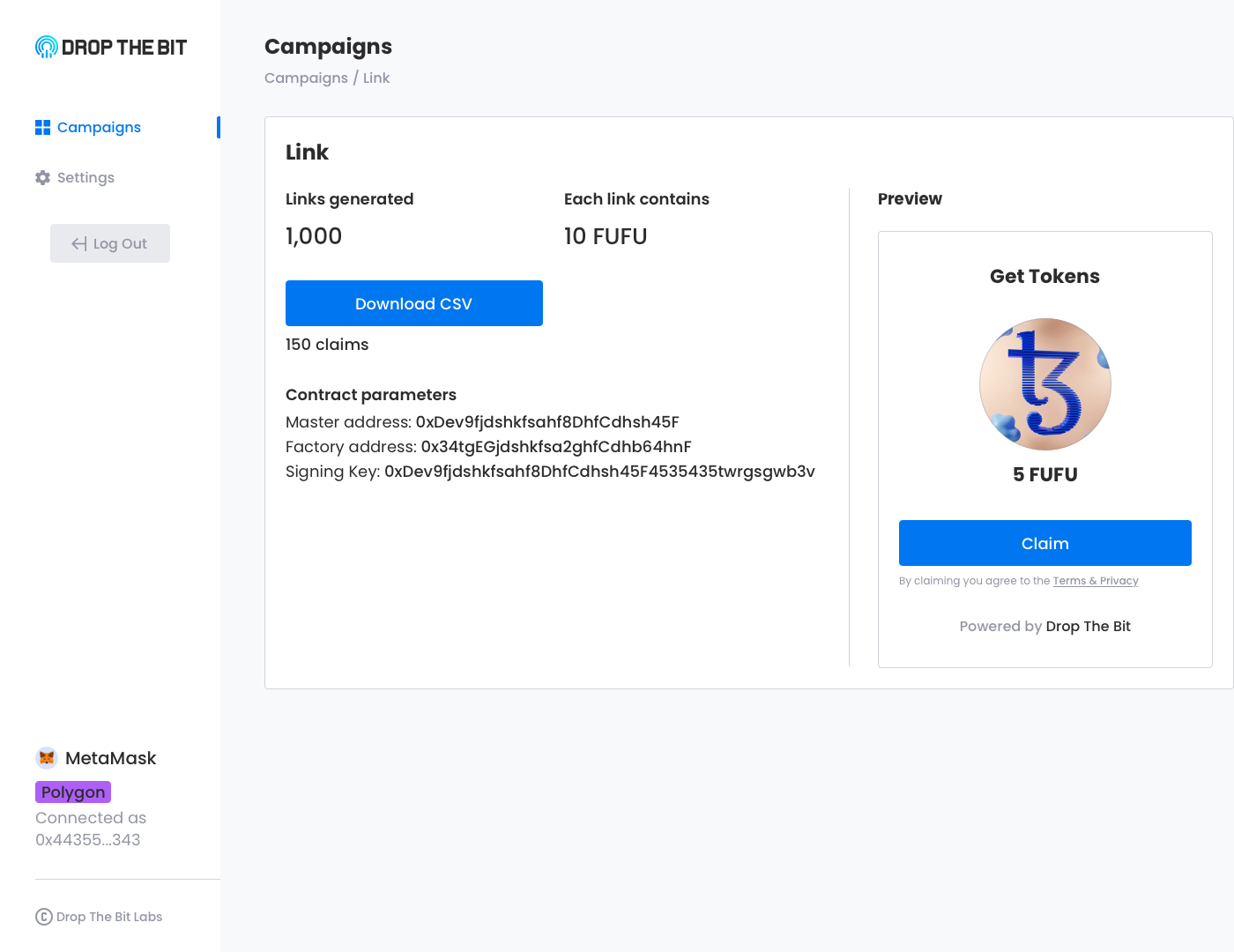
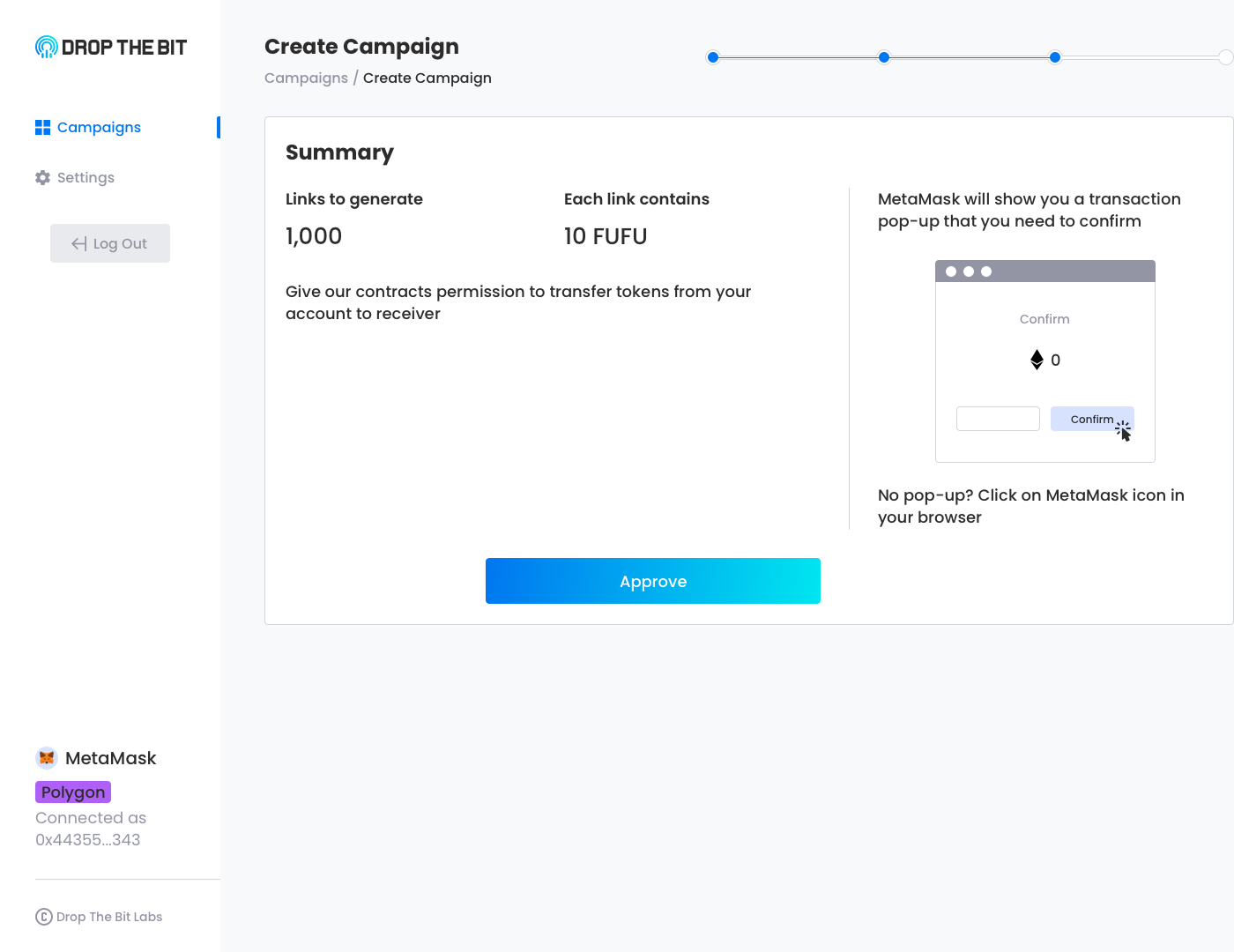
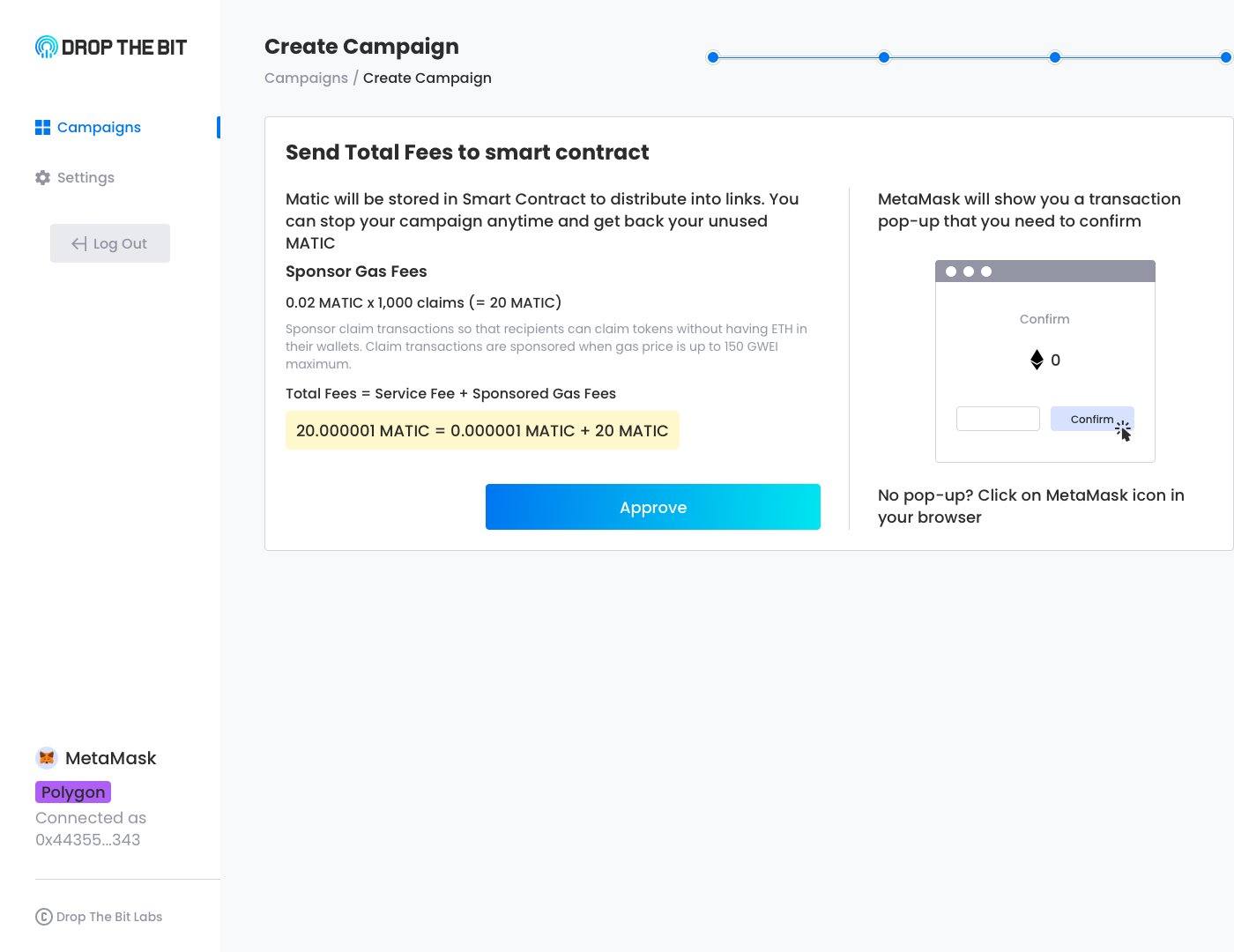
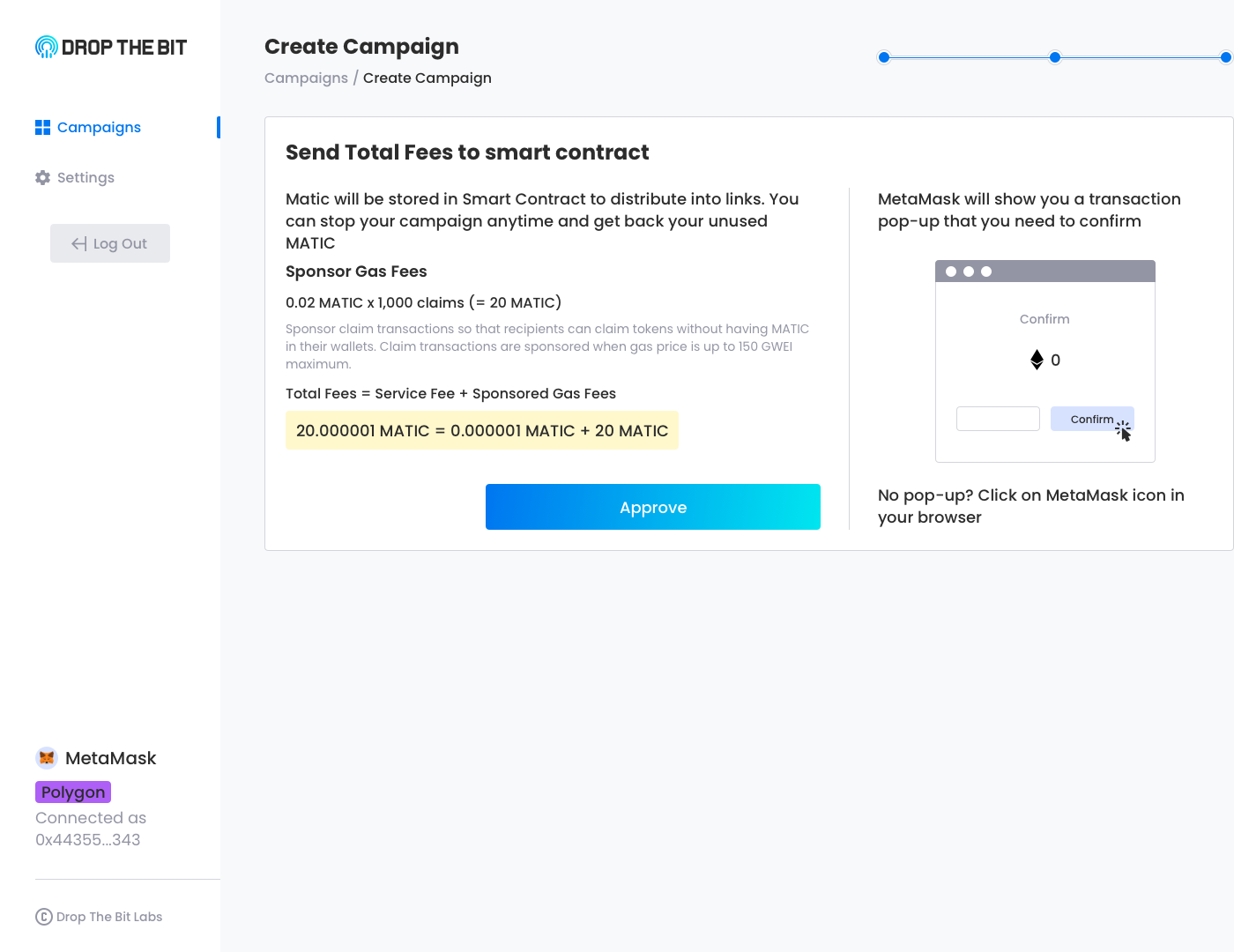
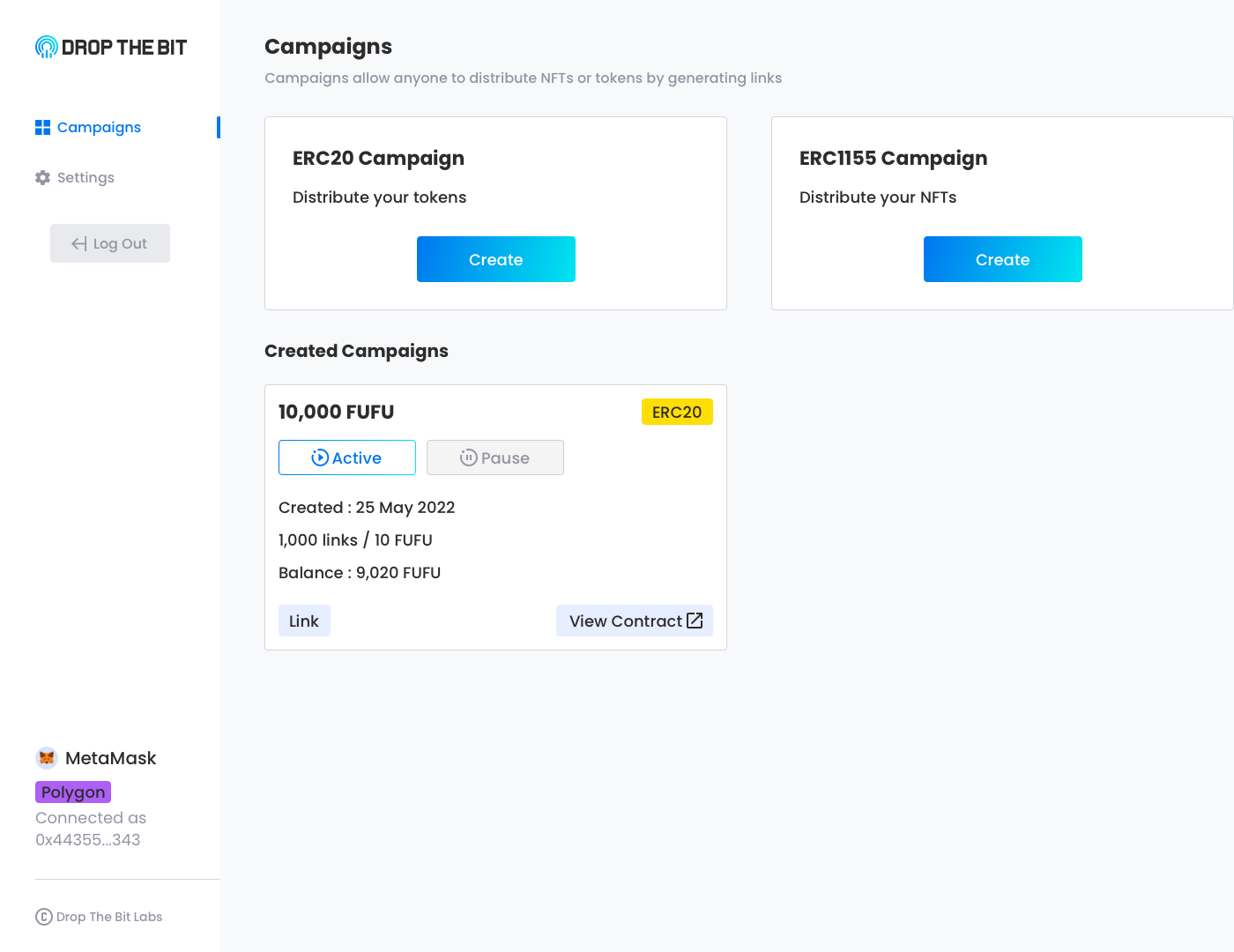
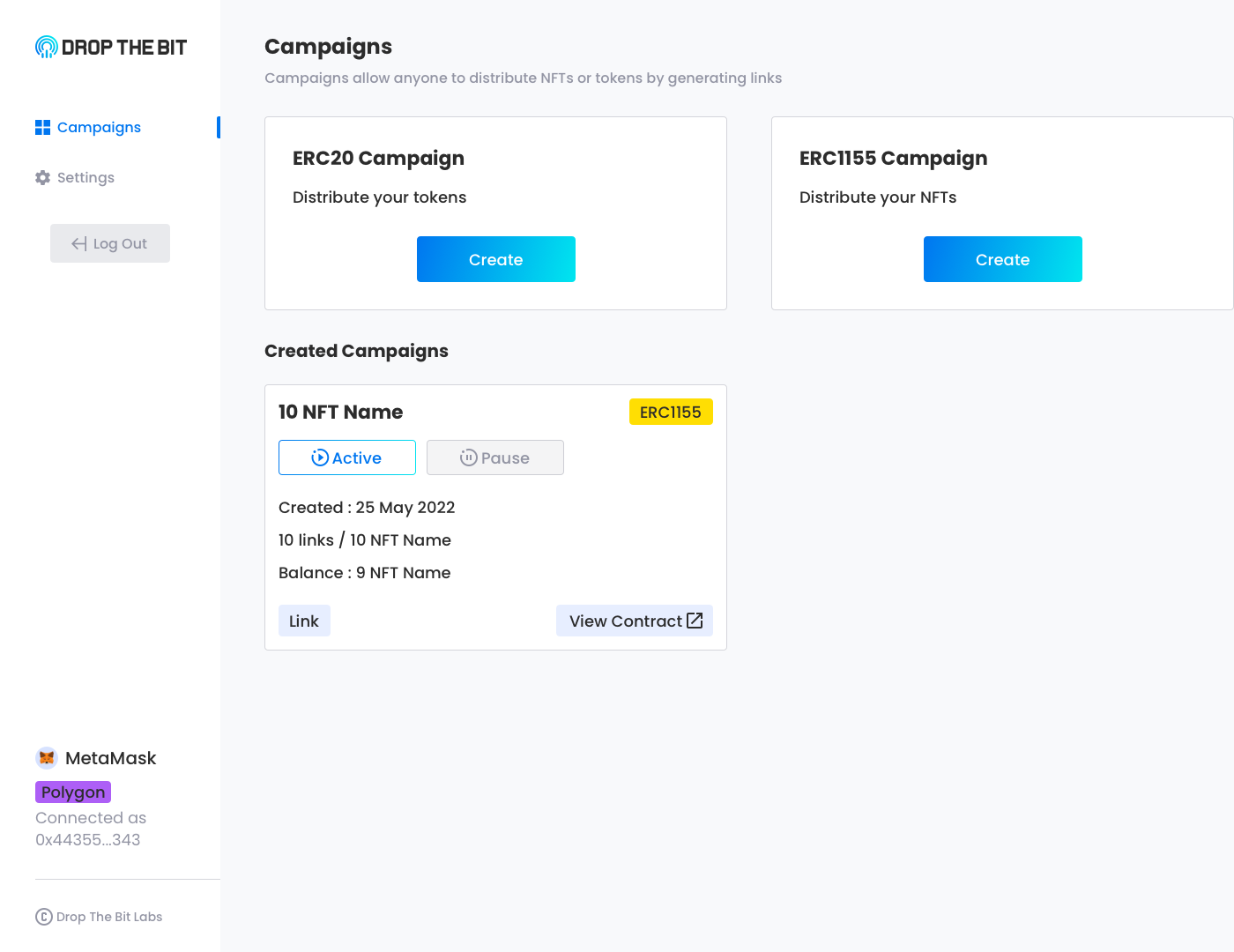
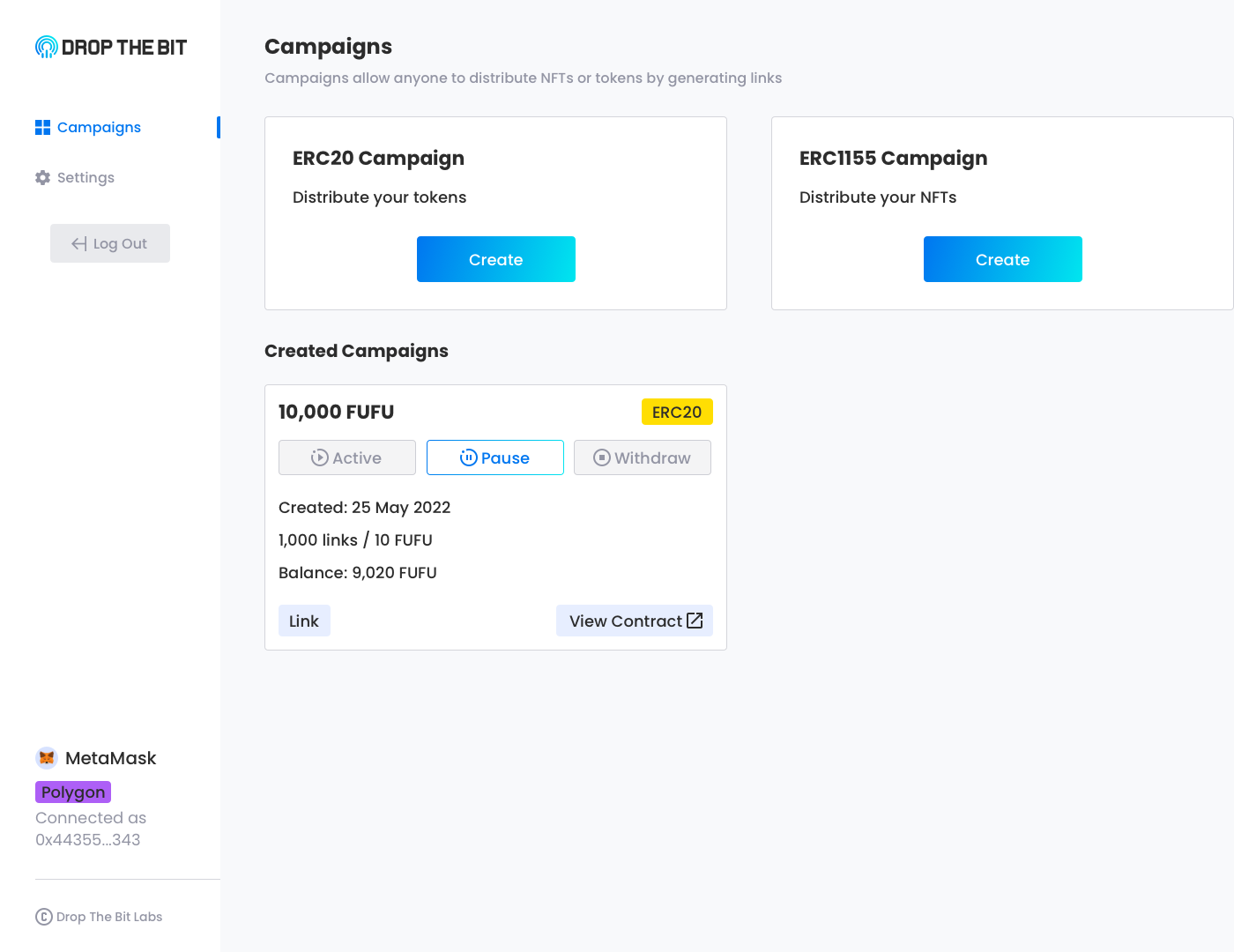
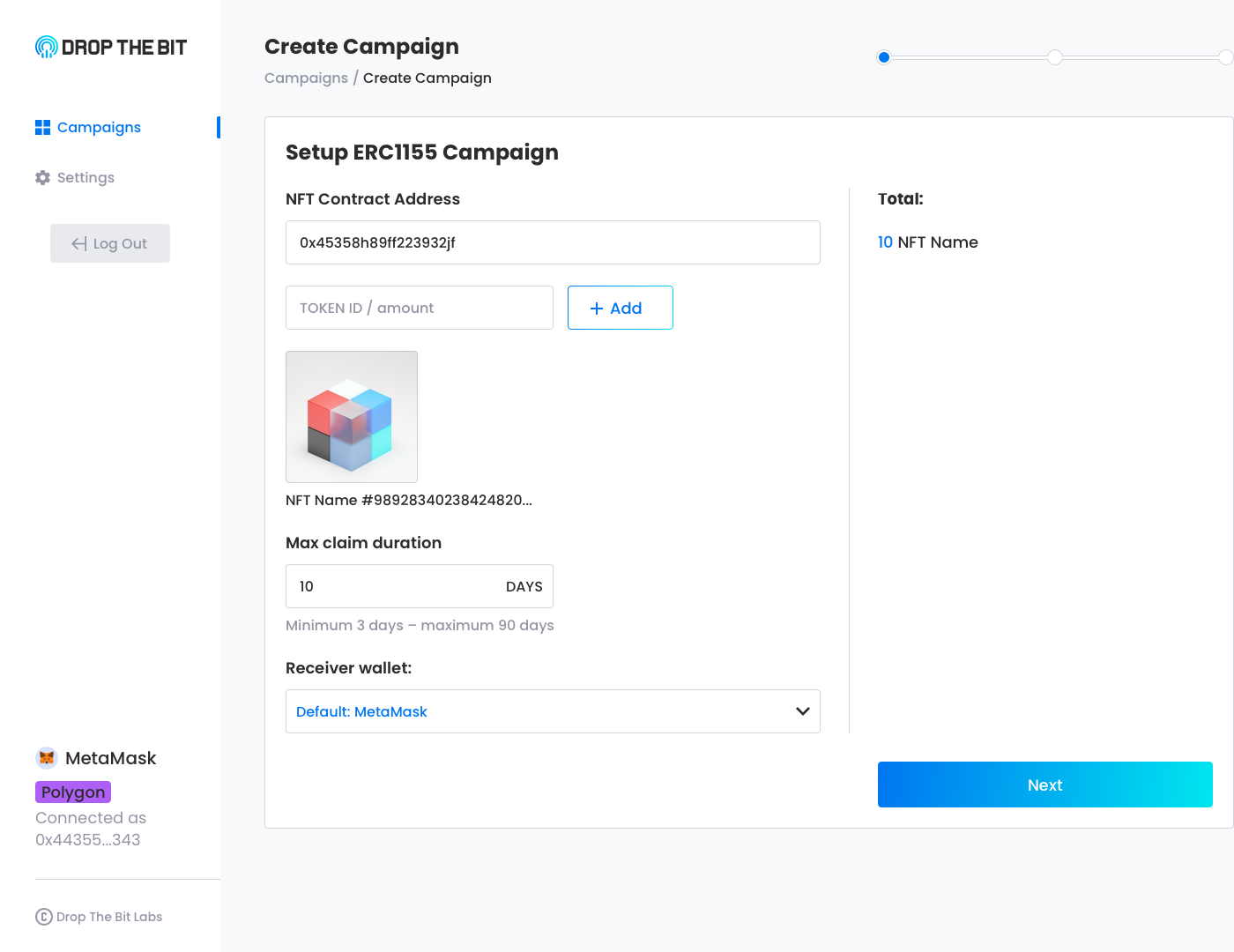
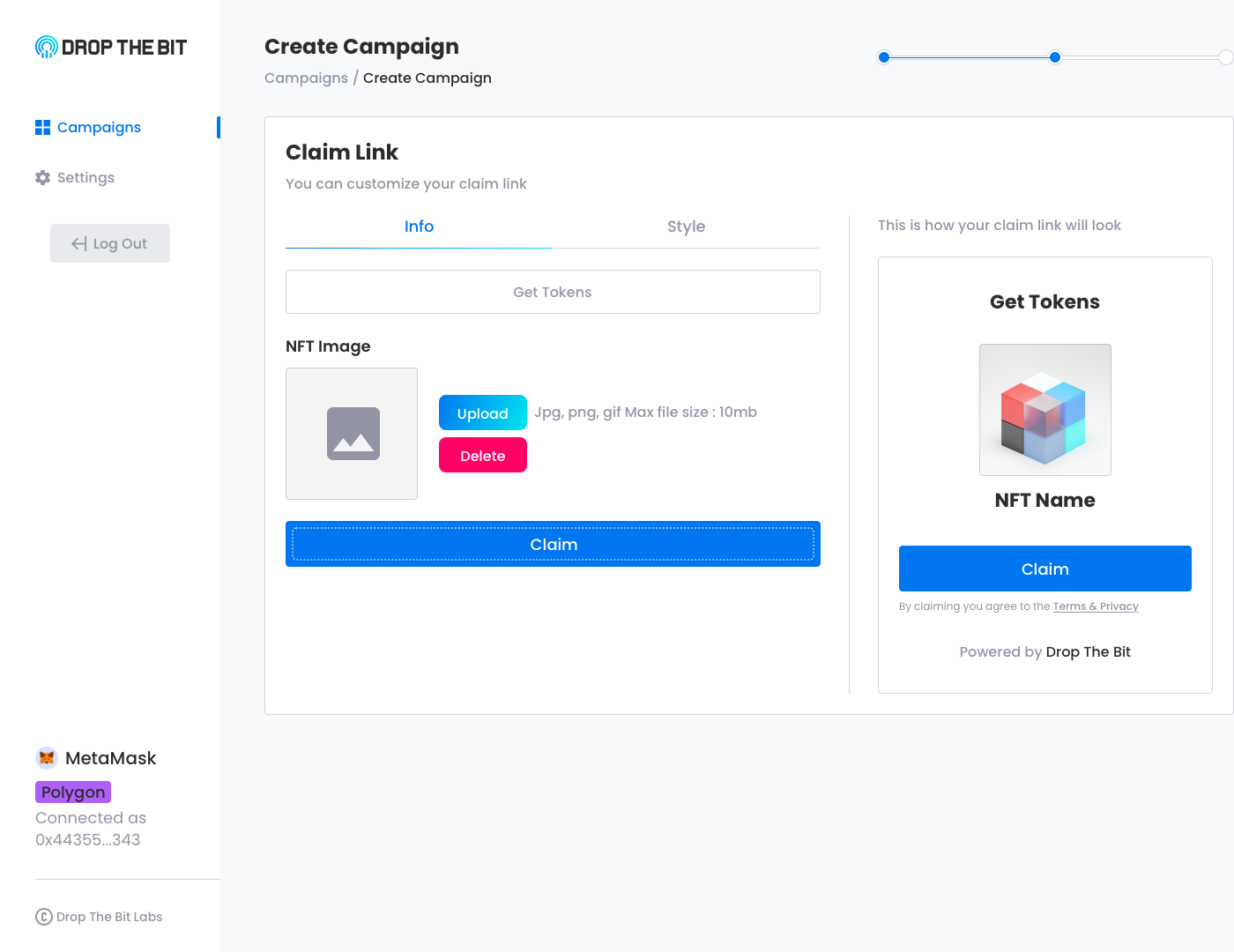
Inspiration
Bridging Web 2.0 to Web 3.0 We had successfully built out Web 2.0 products with organic user growth. One of our products had grown to over 250,000 MAU. To share the value our users are creating with us, we wanted to add a reward system where we could distribute tokens, both FTs and NFTs, to our users. However 99% of our users were non-crypto native, so asking them for their wallet addresses was not viable. We did not want to use a custodial wallet service as we do not want to be centralized. We believe in decentralization. Like many other blockchain projects, we have done airdrops before, but that required users to already have a wallet and that meant they were already into crypto. We want to expand the pie, to onboard everyone in the world to web 3.0. So we developed the technology behind drop the bit, where we can distribute tokens to users with a claimable link. We quickly realized its use case could be applicable for a lot of other projects and not just for our own reward system. So we decided to develop this as its own service. After looking at all the chains we felt polygon was the fastest, efficient and reliable chain to build on. Especially as we seek hyper growth, there are many amazing projects on polygon already and many more up and coming which would also be our main clientele and help us scale together. We believe we have a lot to offer to the polygon community and be the true mainstream chain.
What it does
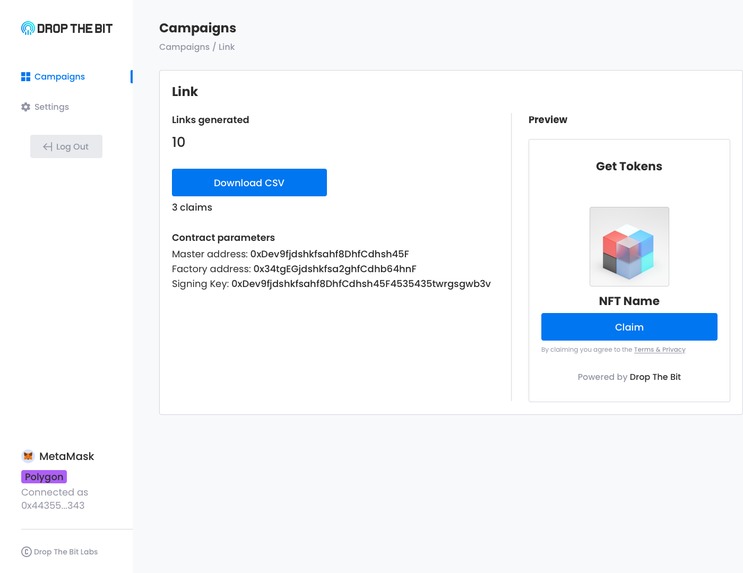
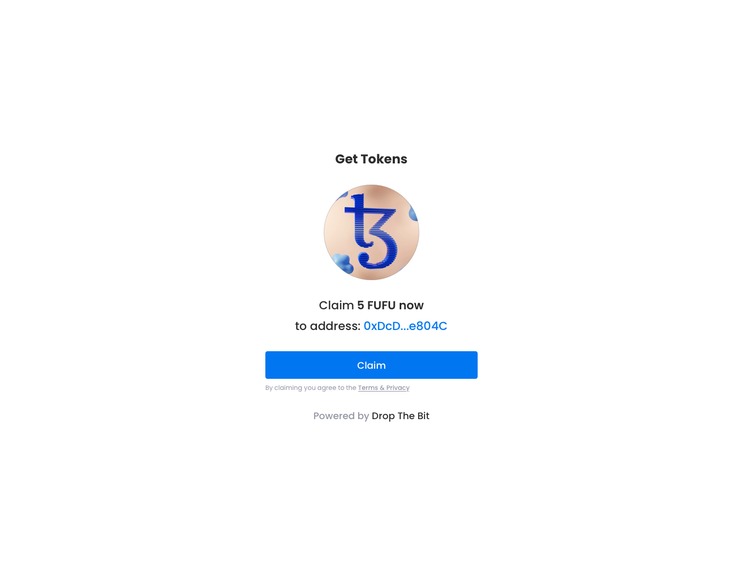
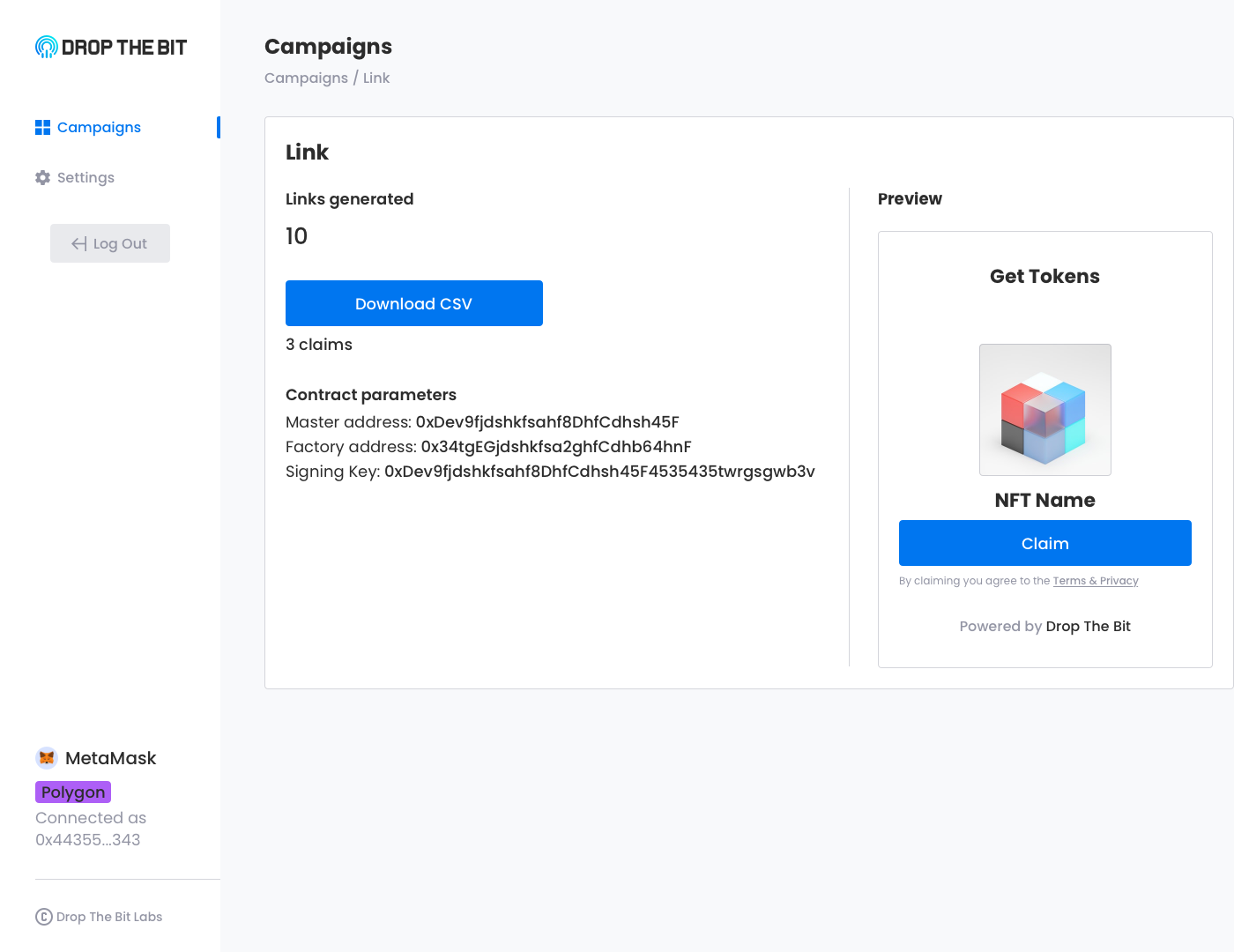
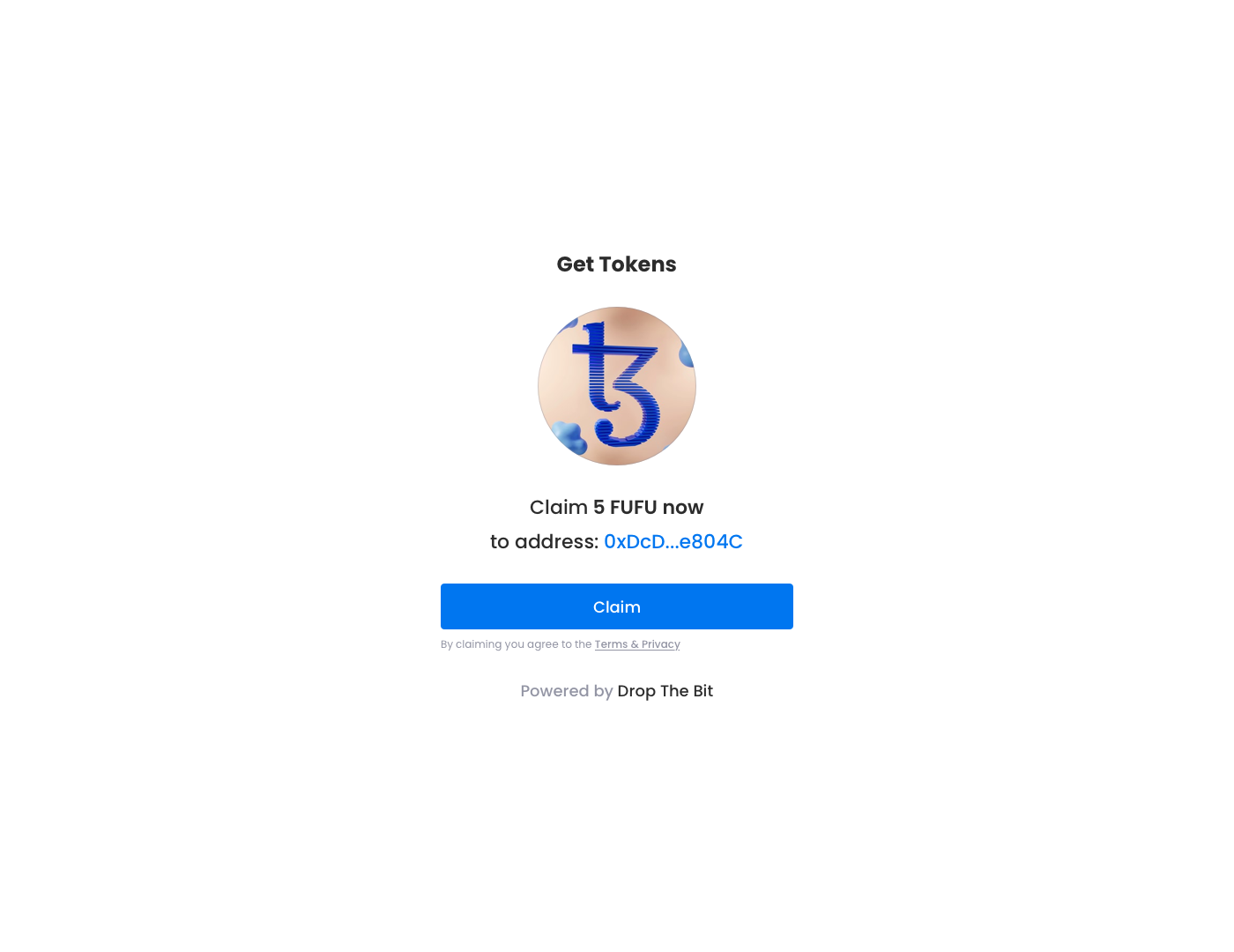
Drop The Bit allows anyone to create campaigns so they can distribute tokens (FT and NFTs) as claimable links on polygon mainnet. You can send the links to the people you want to send tokens to. For users who already have wallets, they can claim the tokens to their wallet by clicking the link. For users who do not have a wallet, it guides them to create a wallet. For now our default wallet is MetaMask but we will be adding many more. Once the user creates their metamask wallet, the token is automatically deposited into their new wallet without any further action required. Just like Opensea has lazy minting, it is sort of like lazy distribution.
How we built it
- Built on polygon mainnet.
- We secured the drop links with asymmetric encryption. We did this by using the private/public keys of the user who was initiating the campaign.
- Containerized execution environment isolation through dockerizing. This is advantageous for scale-up configuration for load balancing.
- We built CI/CD environment through pulumi service (infrastructure as code) and github action.
- Conducted express api service router generation and testing to achieve basic api call
- Container images generated by Docker, we saved on AWS-ECR then orchestration of application on AWS-ECS
- Network load balance and fargate service was used to horizontally scale up
- AWS secrets manager was used to protect sensitive data
- VPC endpoint function used to help strongly protect connection between backend and DB(MongoDB Atlas)
- Used ecs task-definition to auto deploy on github action
Challenges we ran into
There were a few challenges we ran into:
- The time constraint to develop a fully functioning product. There is still a lot more work to be done, but we completed the core functionality.
- Optimizing the smart contract to make it gas efficient.
- Making the required parameters as simple as possible so even people not familiar with crypto can easily use it.
Accomplishments that we’re proud of
We are proud we were able to create the core functioning part in such a short time and through rigorous testing we feel we have optimized it to an acceptable level. We are also proud that we made a very simple product with a propelling value proposition of distributing tokens as link. Especially making it much more easier and less hurdles for non-crypto native users, and we are confident it can be a key stepping stone for mainstream adoption of a lot of blockchain projects. By implementing automatic deployment we were able to focus a lot of our resources on just coding as it eliminated a lot of repetitive basic processes. We did not want to make a centralized service, so in line with web3, we did not store passwords in the DB and used decentralized methods for encryption.
What we learned
The more we developed it, the more real world use cases we could think of. So many types of blockchain projects and services could benefit using it. It excited us thinking of all the use cases and we became more determined to complete the project. The core function and purpose of our product is the distribution of assets, that made us realize how important security, reliability and stability was. We enjoyed finding the best ways to solve this and as we developed it made us further more believe blockchain technology was the best way to solve these problems. In anticipation of further upgrades, we researched, learned and implemented various smart contract architecture methods such as separating data storage and business logic using delegateCall. Utilizing hardhat we compiled, deployed and tested. It was especially useful in developing blockchain functions which have relatively complex testing and deployment requirements. This also helped us take a deeper dive into the gas mechanics as we were always trying to optimize to lower gas fees. We also learned how encryption plays a role in open source blockchain.
What’s next for Dropthebit
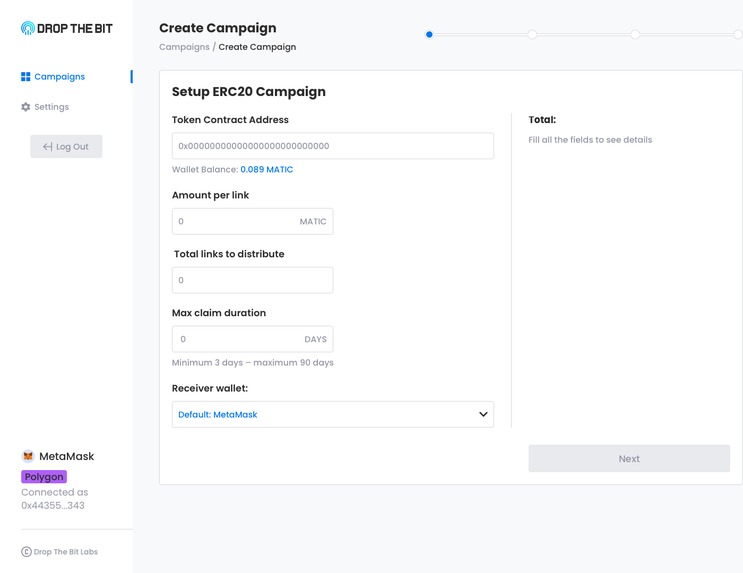
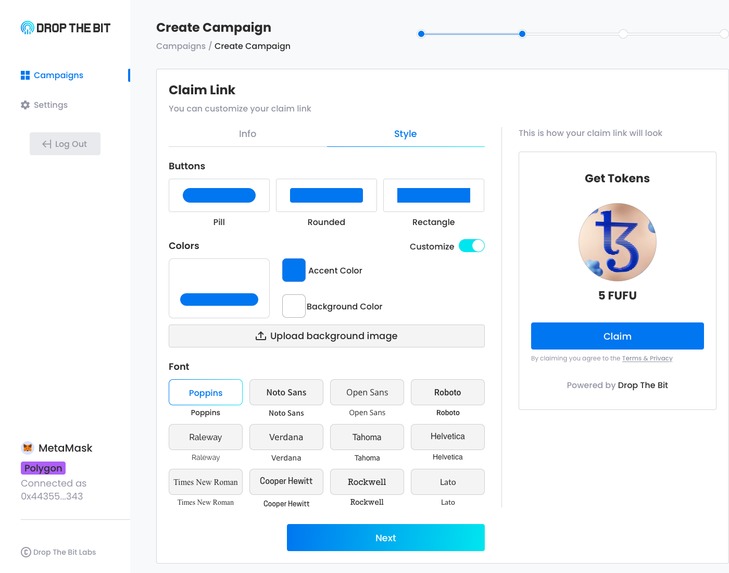
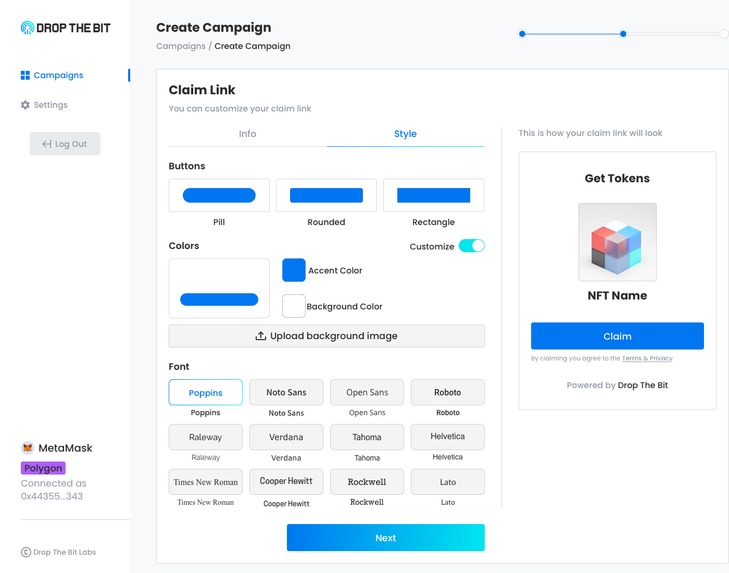
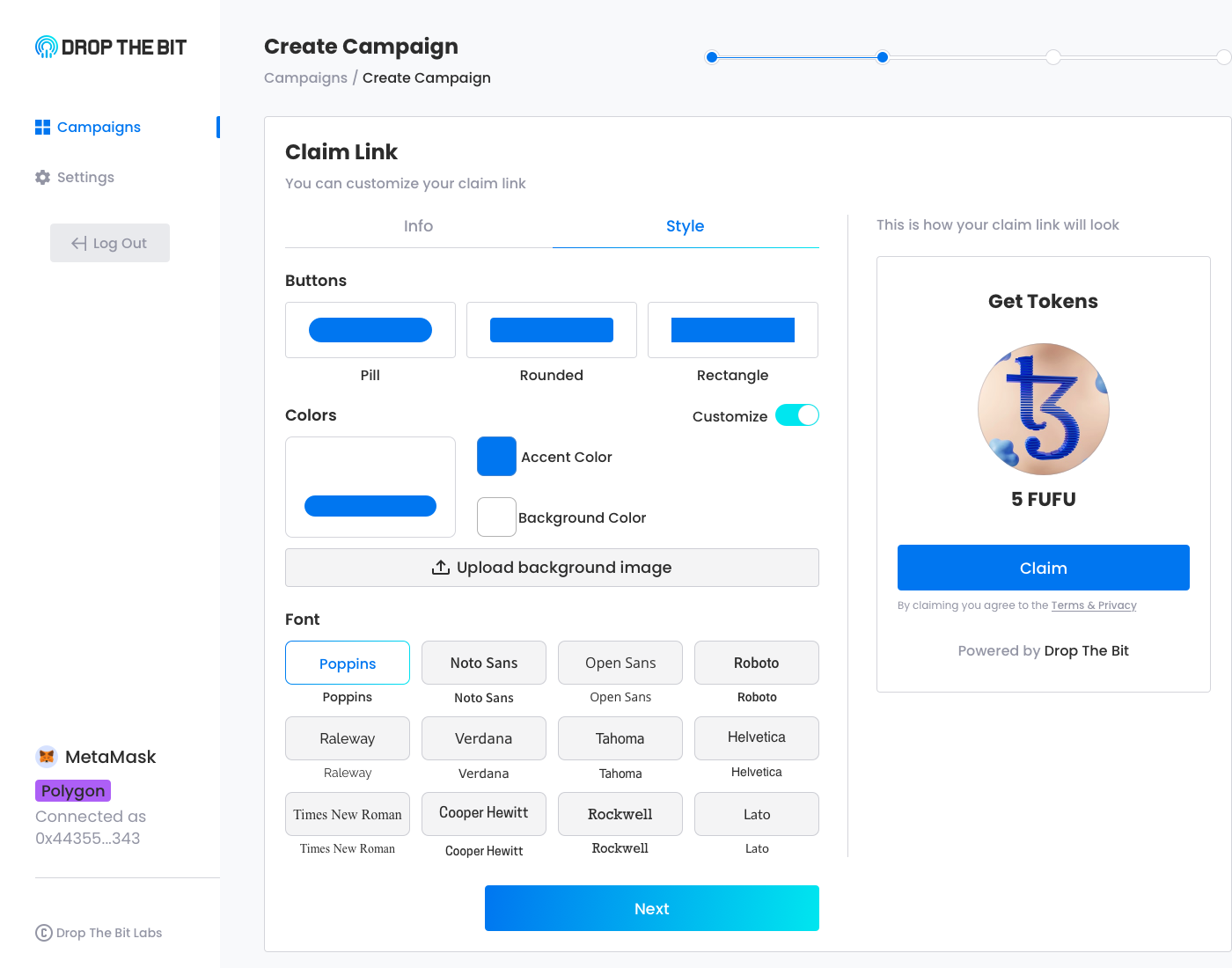
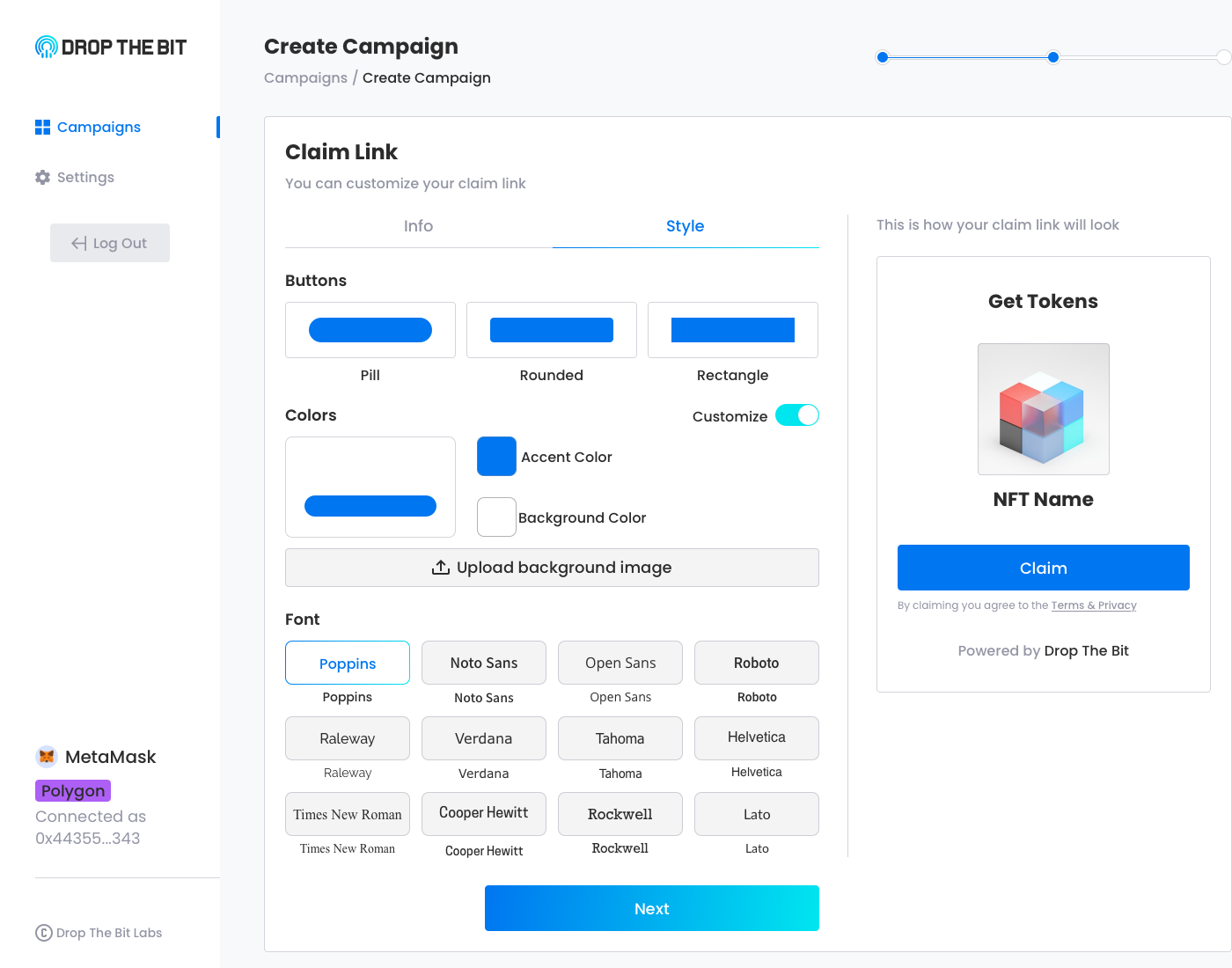
This is just the beginning. As shown in the demo we already have UI/UX designs ready to implement. Our goal is to convert the whole world into web 3.0 and that is done by making the process as user friendly and simple as possible. We want to add more customization and options as there are so many possible use cases, we feel that this would help users achieve optimal results. There are many exceptions and small details we need to add as we continue to iterate. But our goal was to quickly make a product that offers the core function and get it infront of users so we can see how they use it and based on the data and feedback, continue to iterate and optimize. Not only for users who are creating the campaigns, but the users who are claiming the links. We will continue to try and improve all coding and smart contracts where possible to make it more efficient, safe and cheaper gas. Implement parallel execution processing to the smart contract responsible for generating the distribution to the links. And many more upgrades both UI/UX/front, to server side and the smart contract side
We have already secured multiple projects who are eager to use in real world situations, especially blockchain gaming companies who see it as an amazing go to market tool to convert non-crypto users subtly. Token projects also see amazing potential as they are tired of doing airdrops for cherry pickers already in the polygon community. We want to increase the pie and onboard as many mainstream users.
Built With
- amazon-web-services
- docker
- ethers.js
- express.js
- githubactions
- hardhat
- mongodb
- openzeppelin
- pulumi
- solidity
- typescript
- vue.js
- web3


Log in or sign up for Devpost to join the conversation.