Inspiration
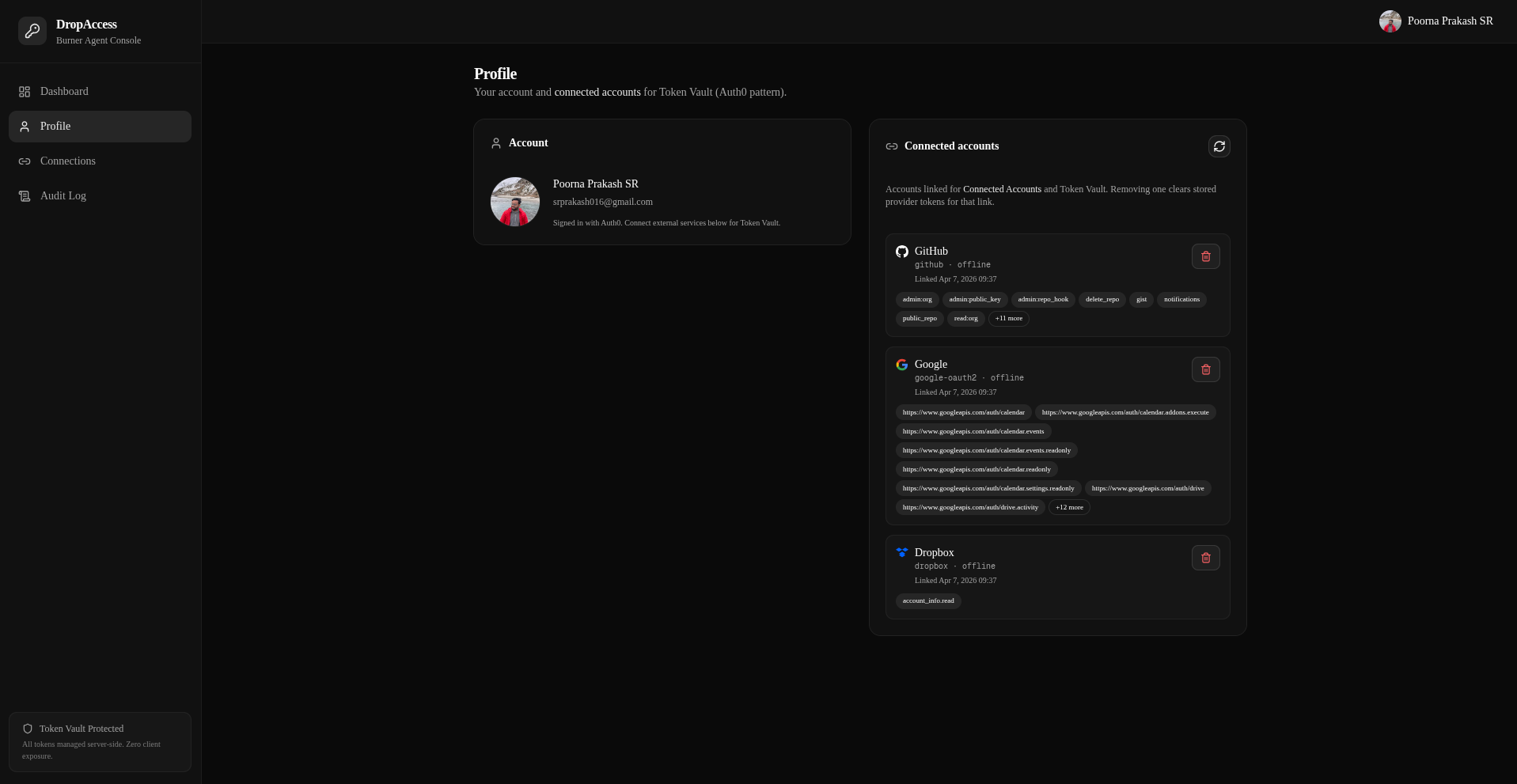
Freelancers and contractors often juggle dozens of client tools, each with its own login, permission set, and risk of lingering access after a task is finished. That creates a hidden security problem: work gets done, but access stays behind.
DropAccess was inspired by that messy reality. We wanted to build an AI agent workflow where access is temporary, scoped, and easy to revoke instead of giving an agent broad, permanent identity. The idea is simple: grant access when the task begins, let the agent do its job, and drop the access as soon as the task is complete.
What it does
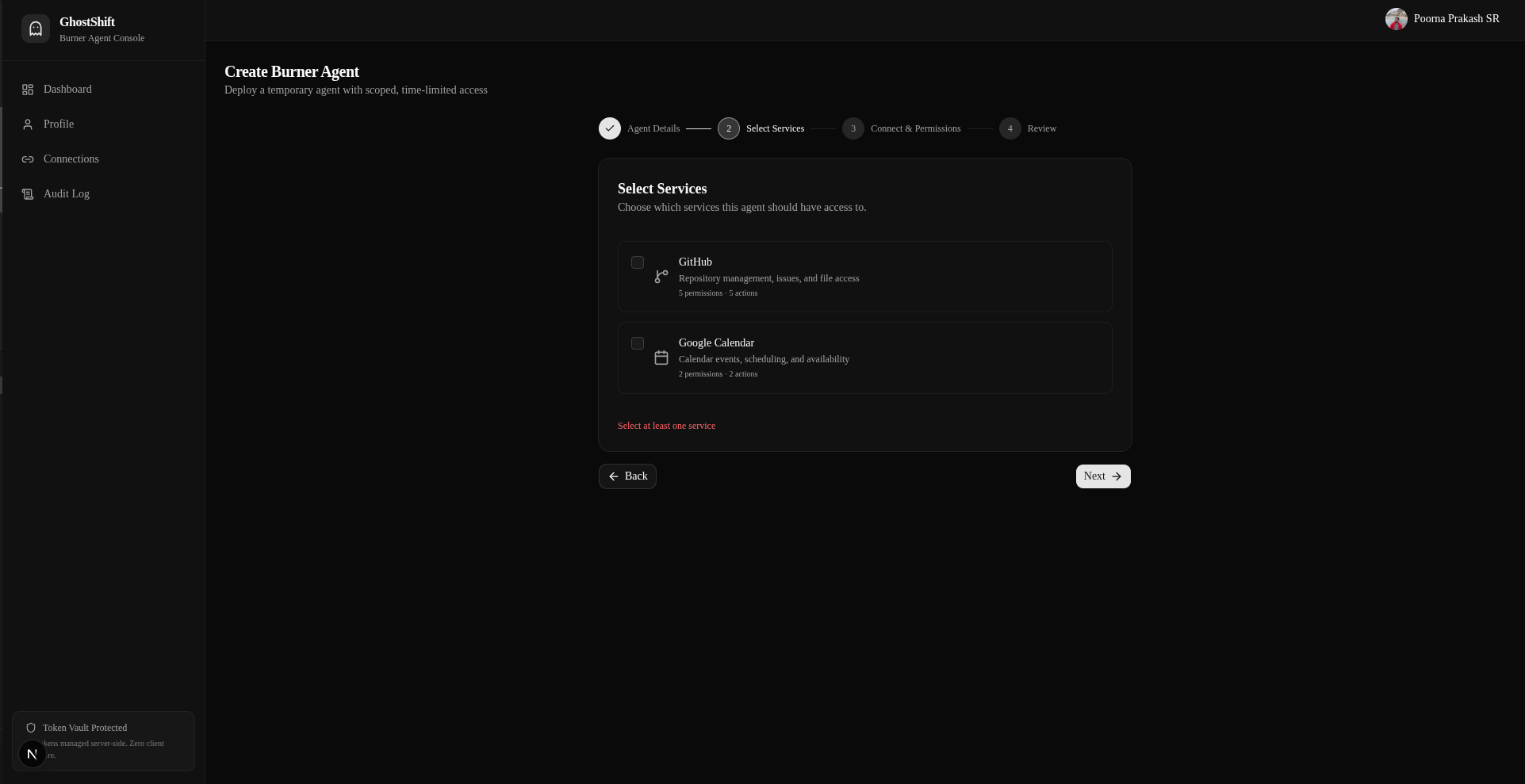
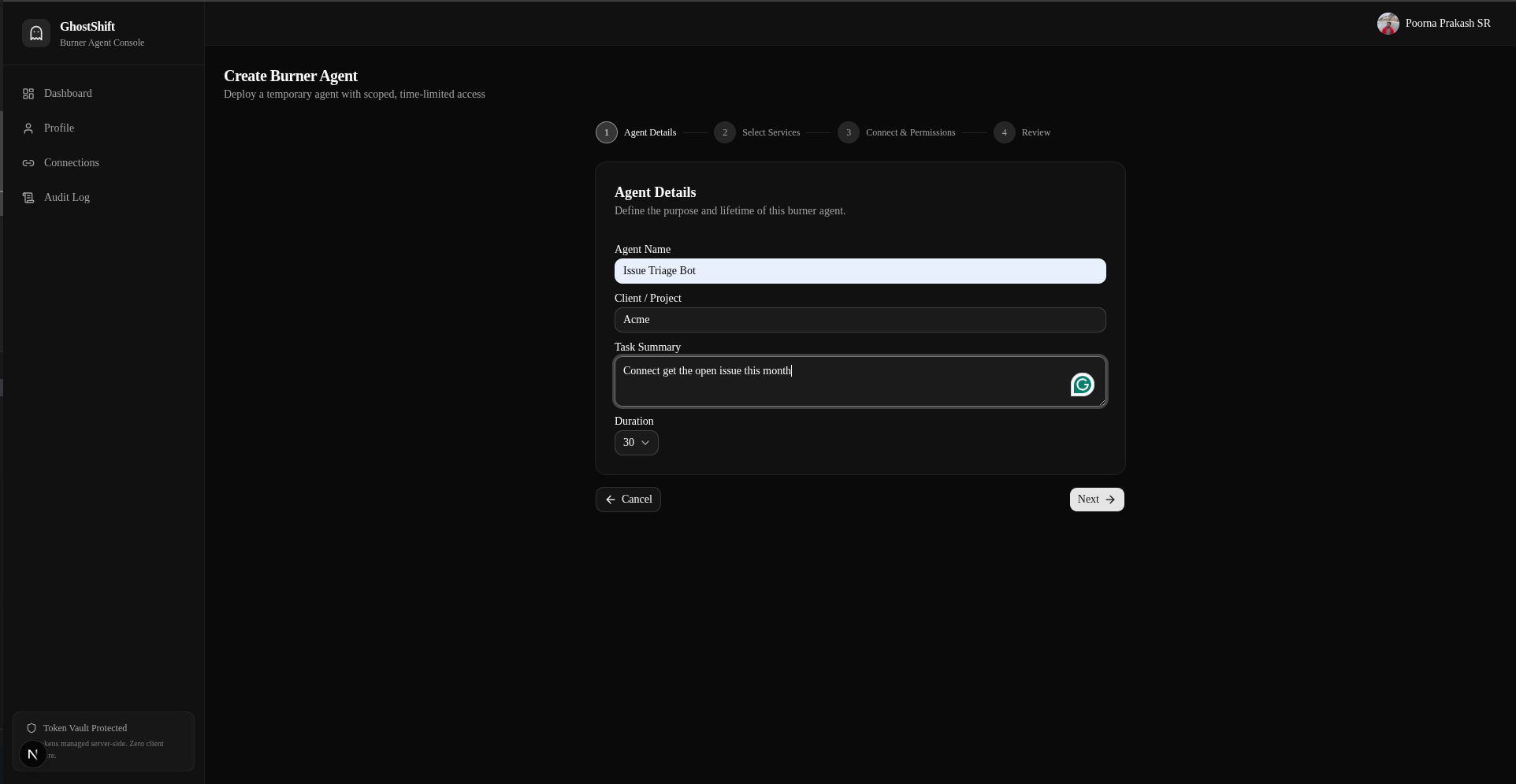
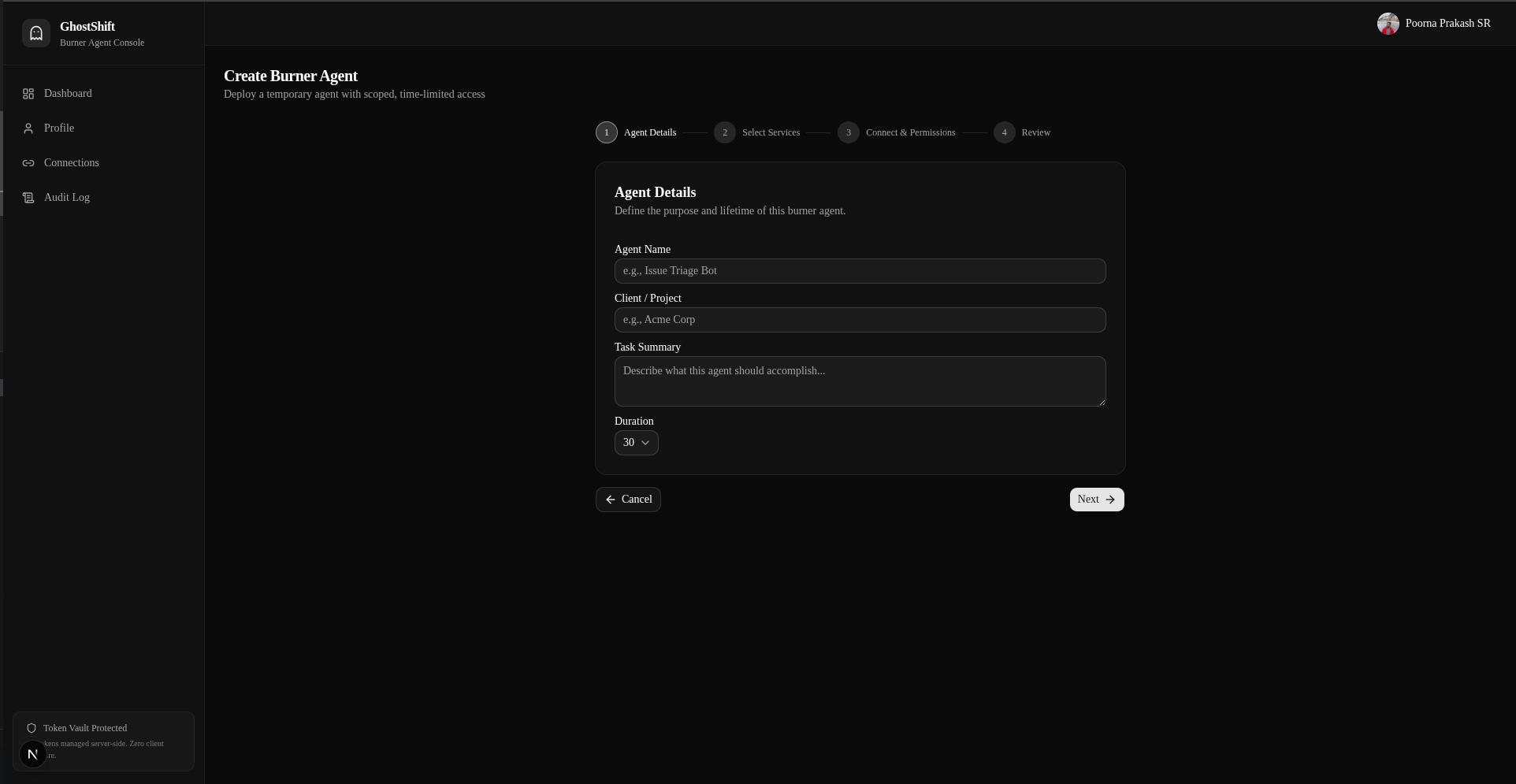
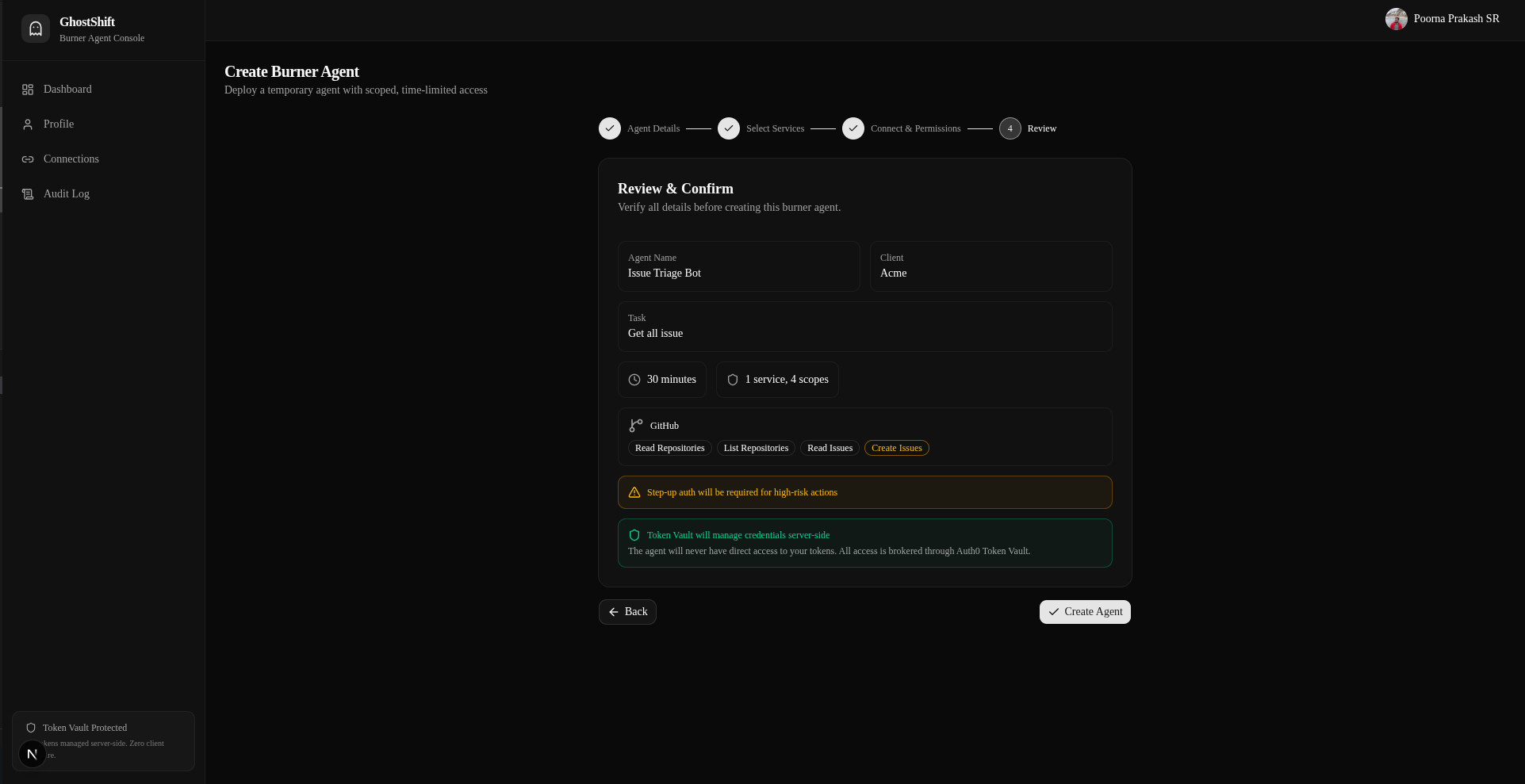
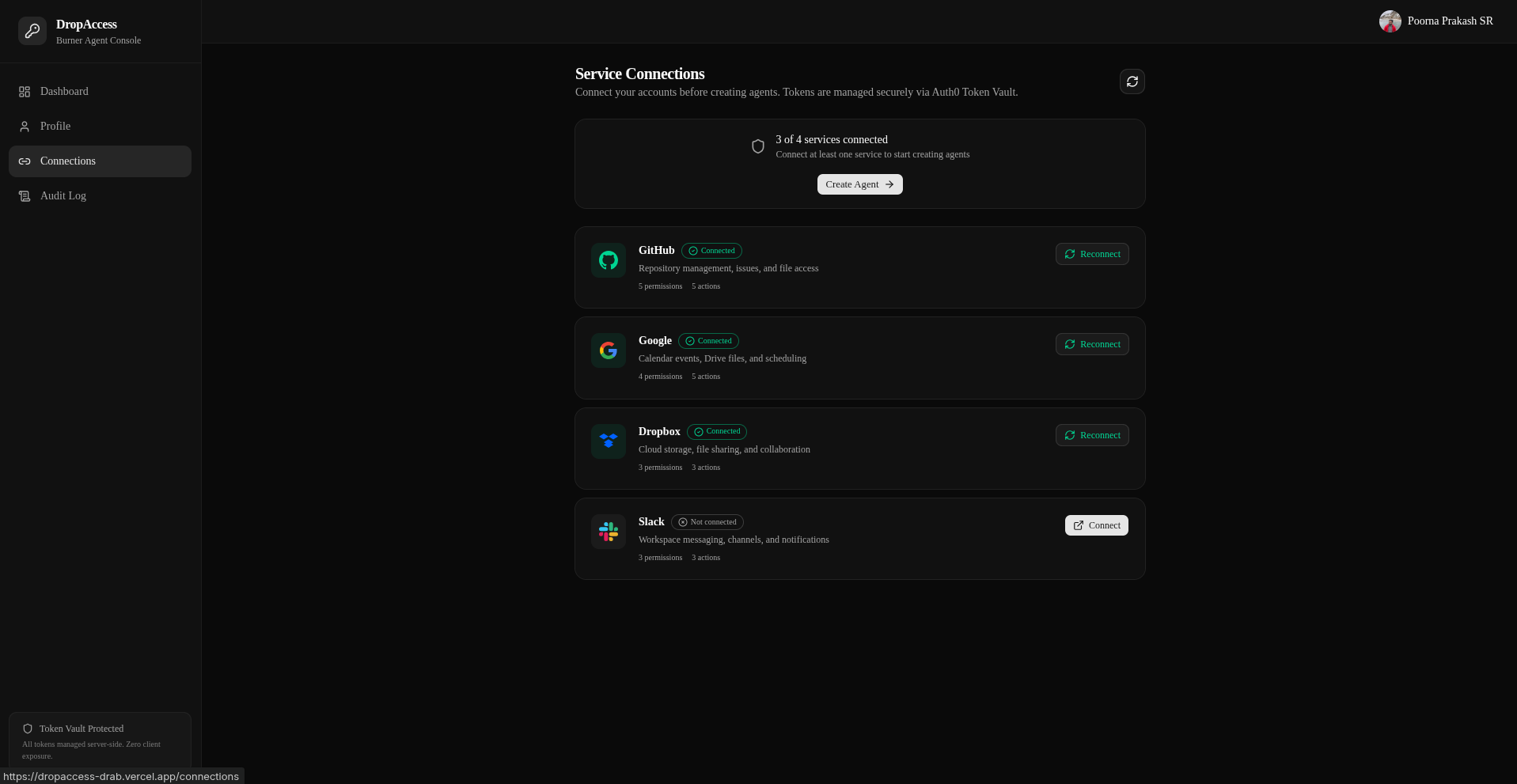
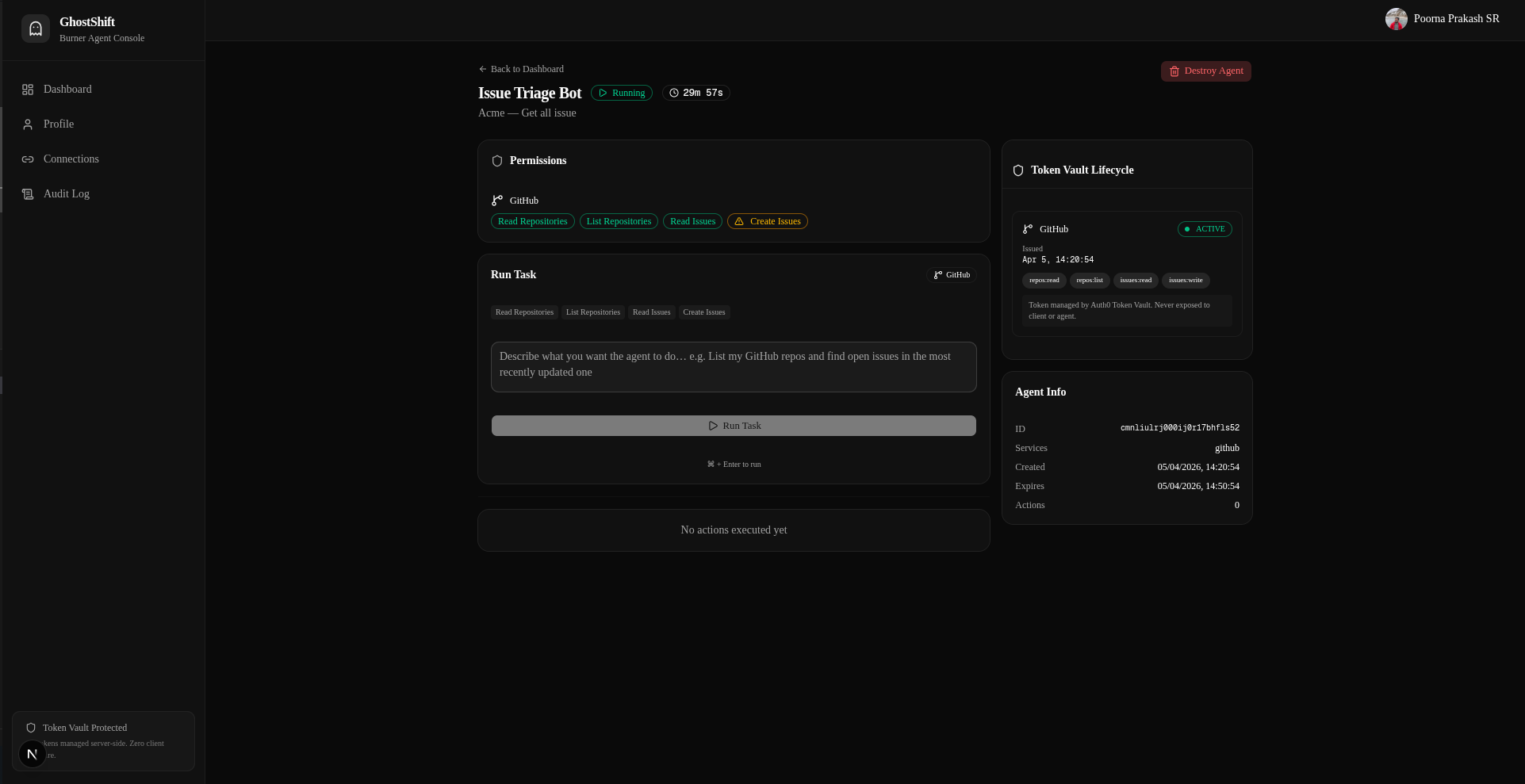
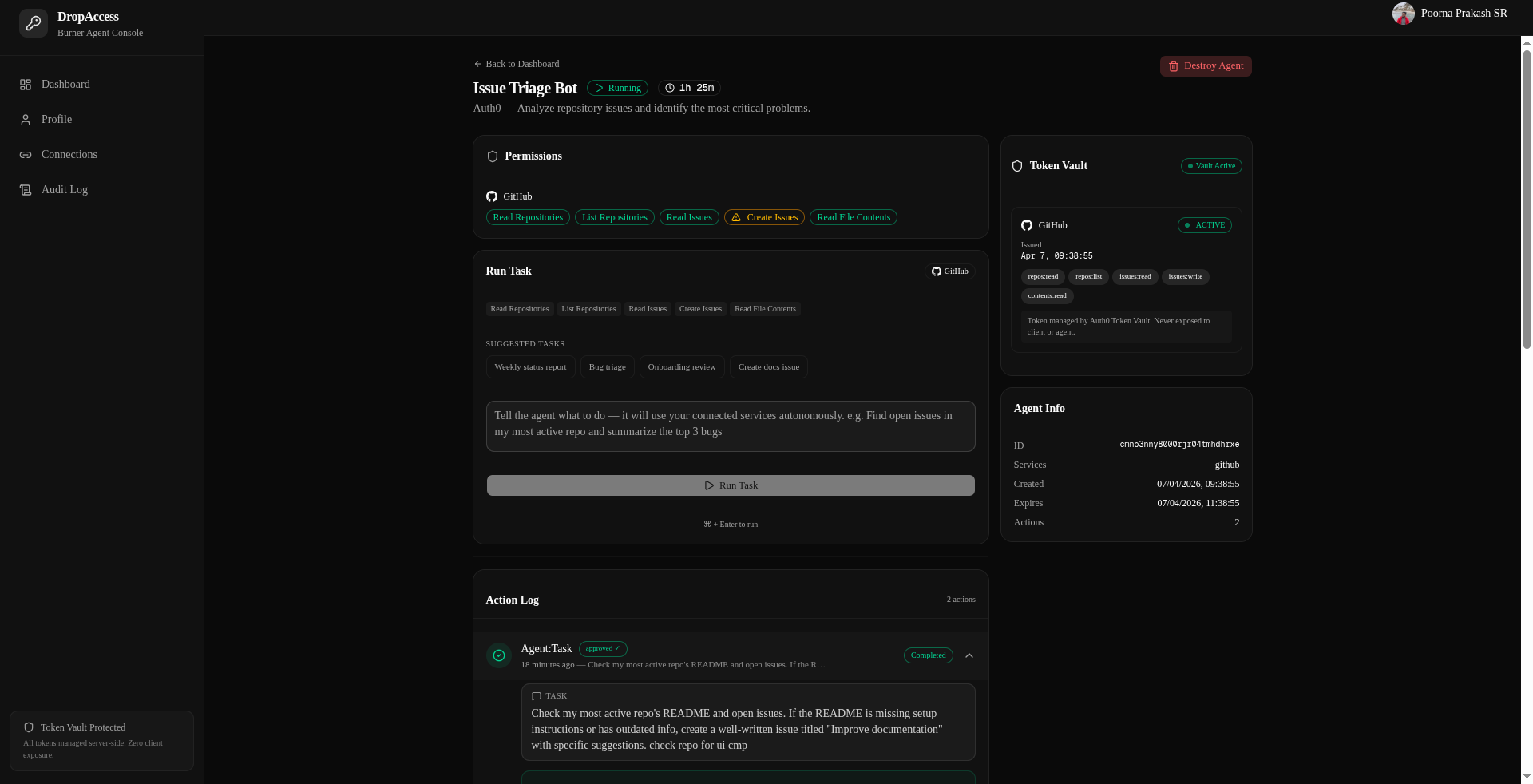
DropAccess lets a user create a temporary AI agent for a specific client task. The user chooses which tools the agent can access, what level of permissions it has, and how long it should remain active.
The system then manages the full lifecycle:
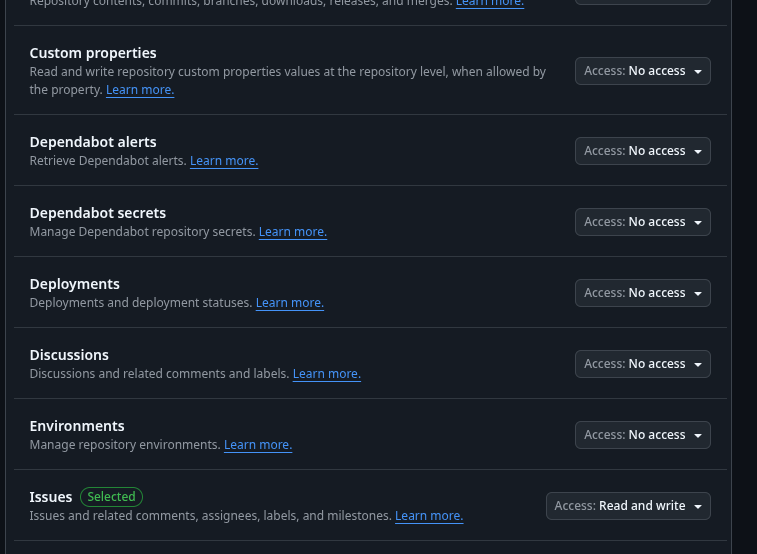
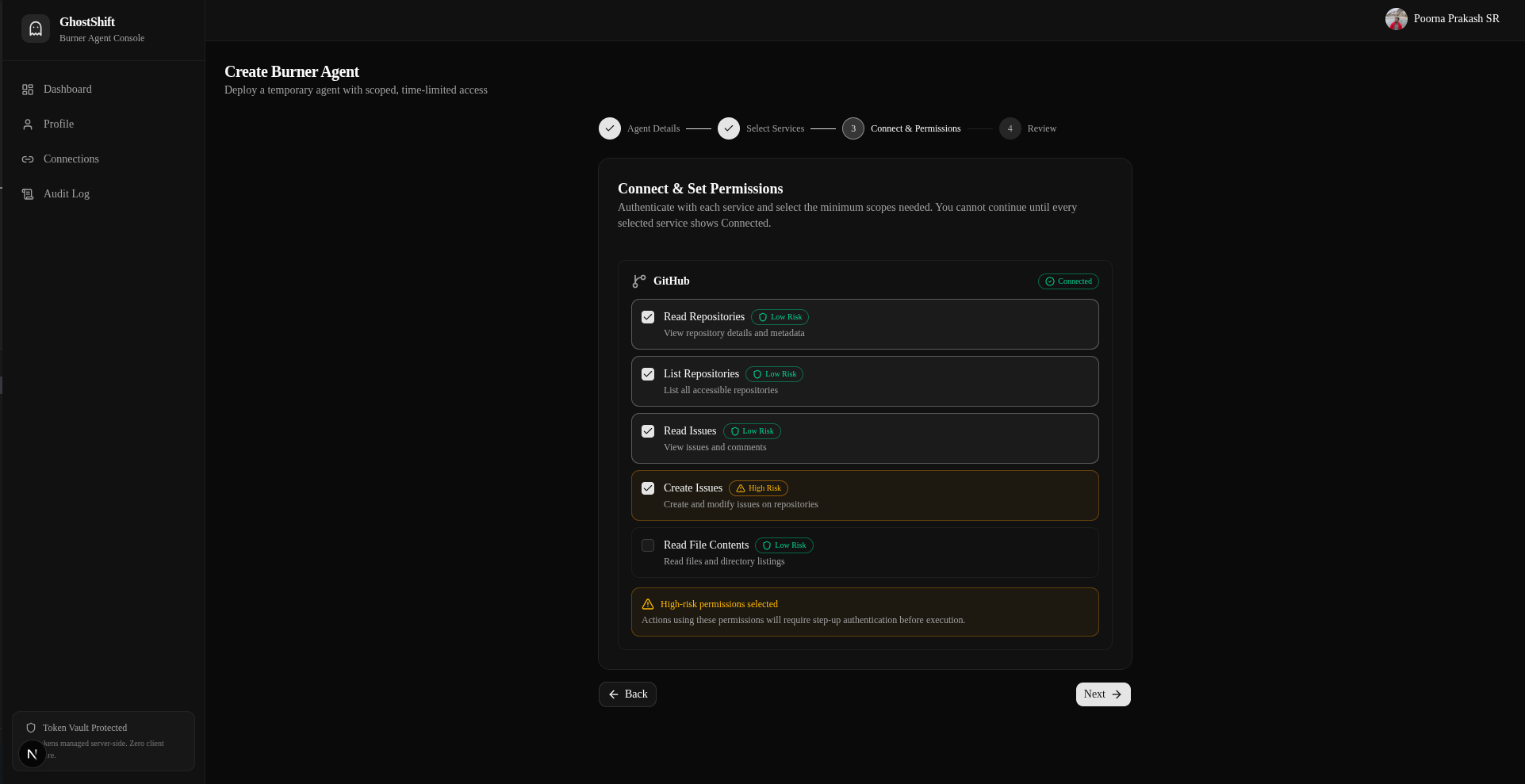
- Scoped permissions for each tool
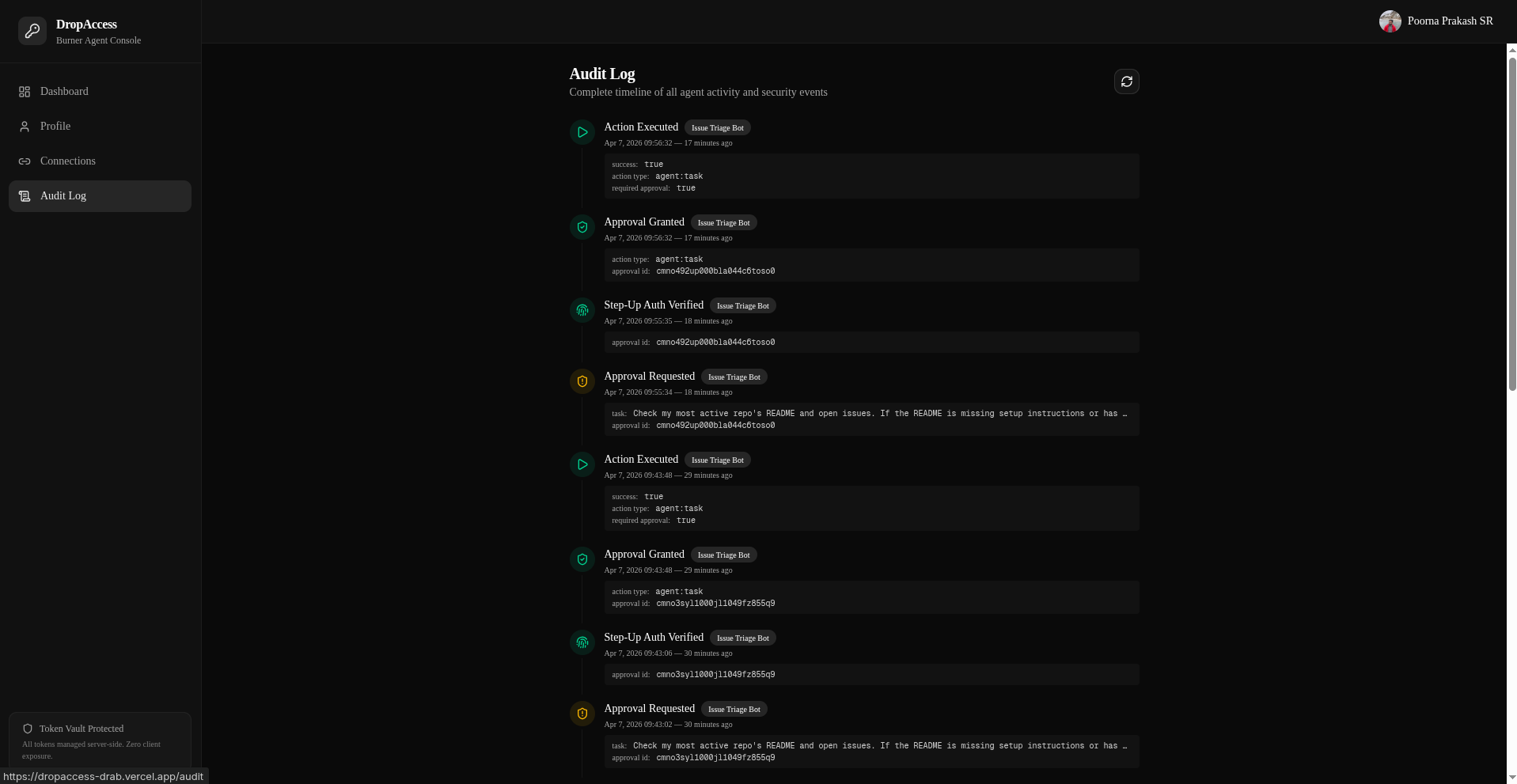
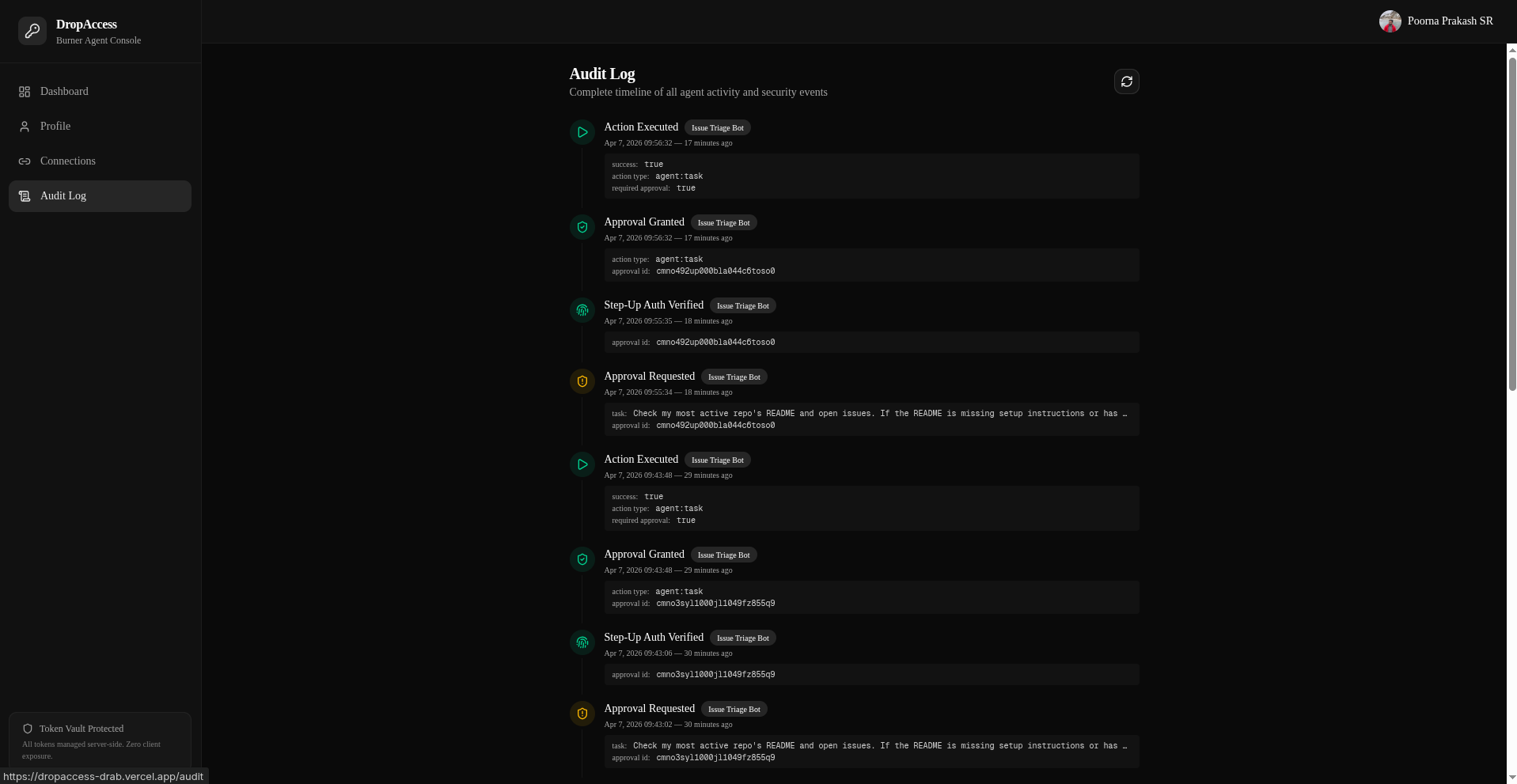
- Step-up authentication for sensitive actions
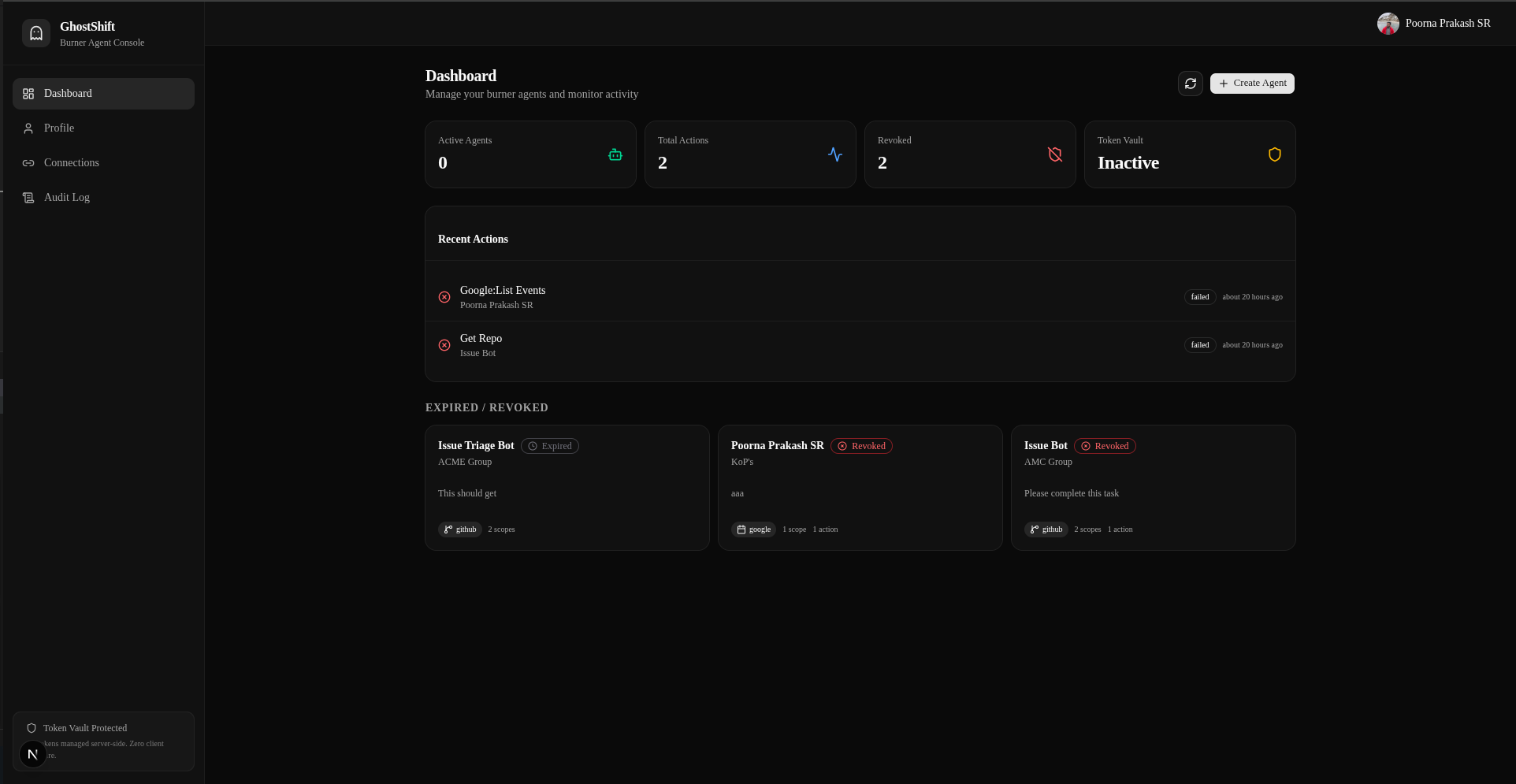
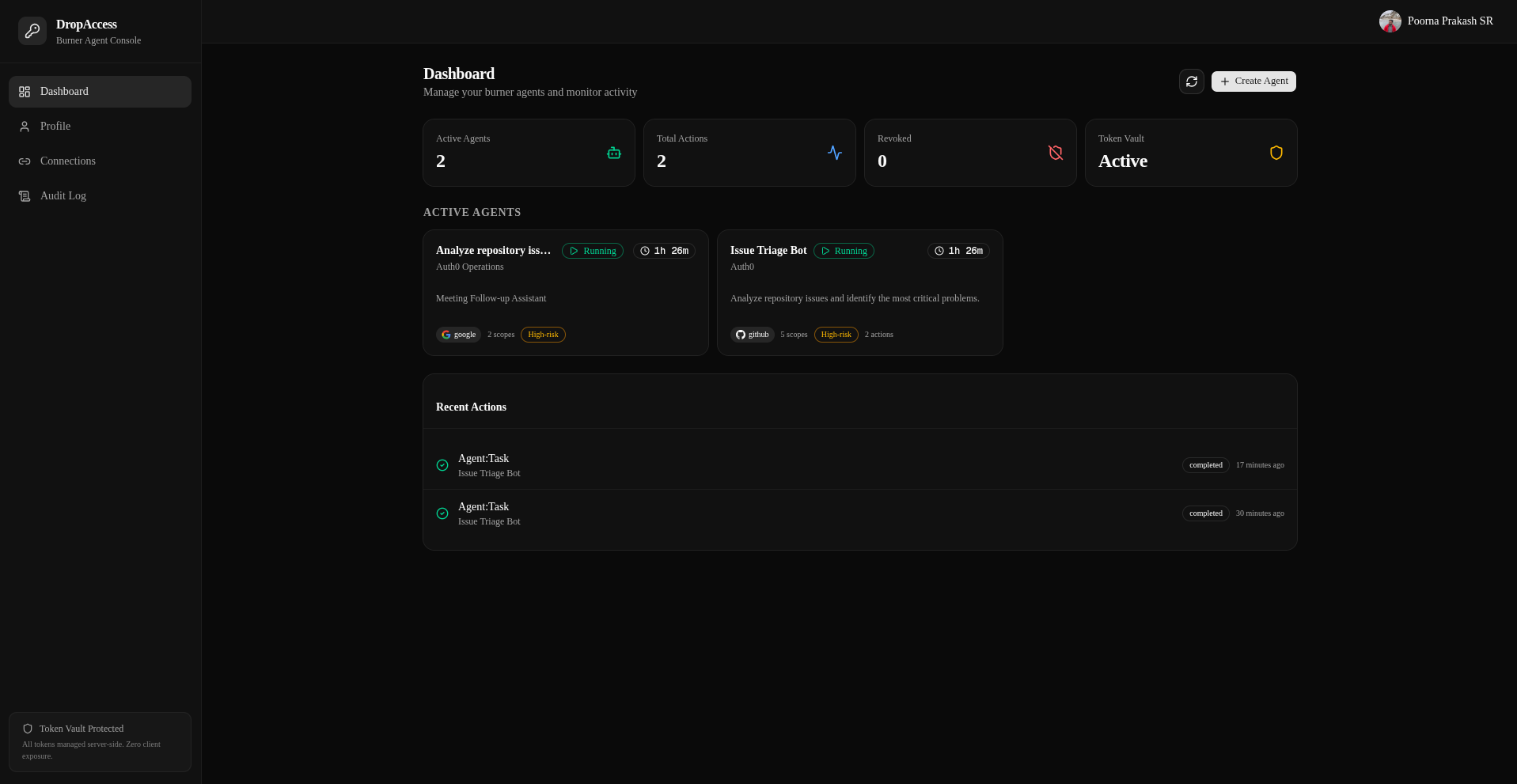
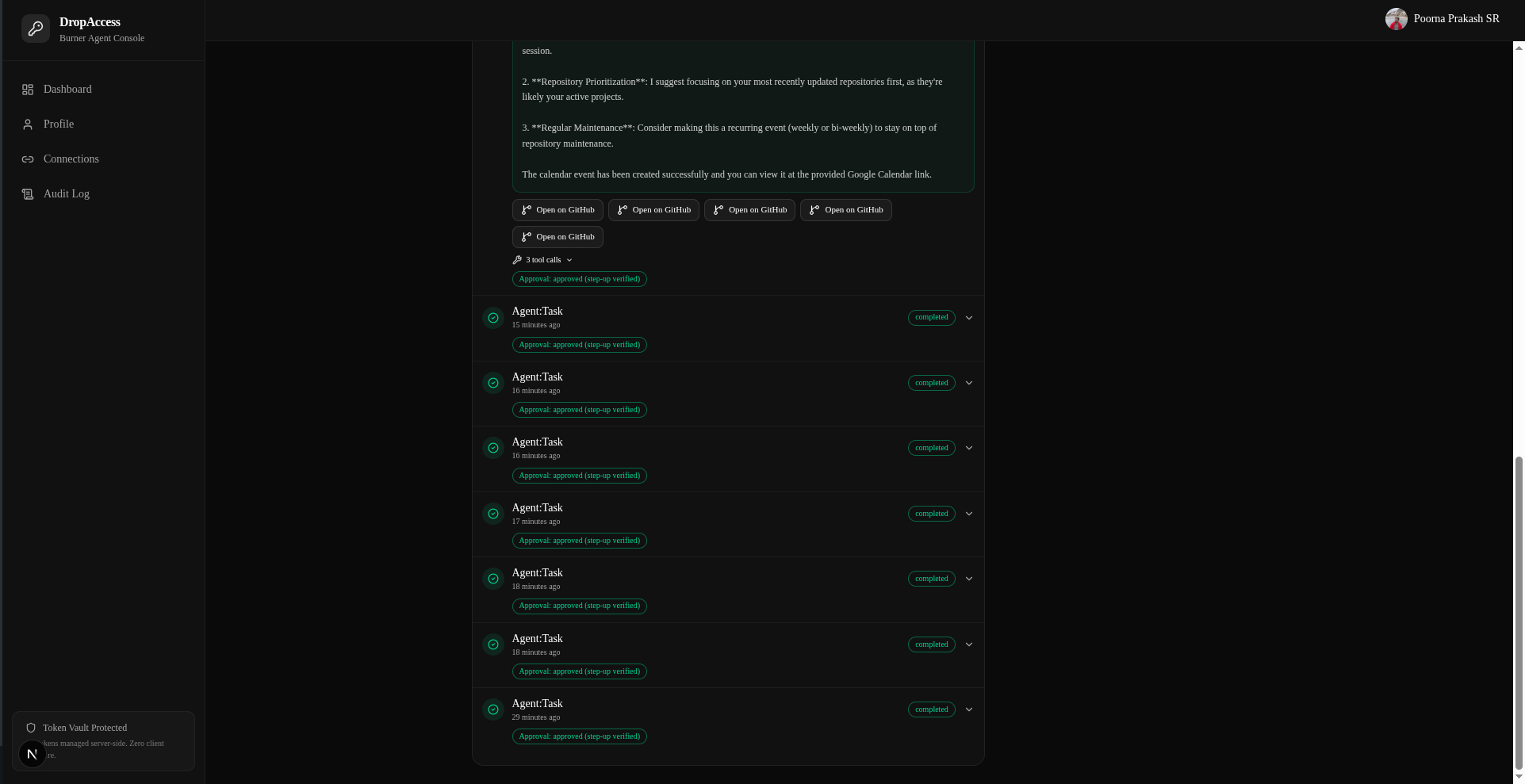
- Real-time action logging
- Automatic or manual revocation of access
This ensures that access exists only for the duration of the task.
What I learned
I learned that building AI systems is not just about intelligence, it is about control, trust, and safety.
The most valuable insight was that AI agents should not inherit full human identity. Instead, they should operate with temporary, purpose-bound permissions.
I also learned how important it is to make security visible in the UI so users can clearly understand what the system is doing on their behalf.
How I built it
DropAccess is built as a full-stack application using Next.js.
The architecture focuses on secure agent execution:
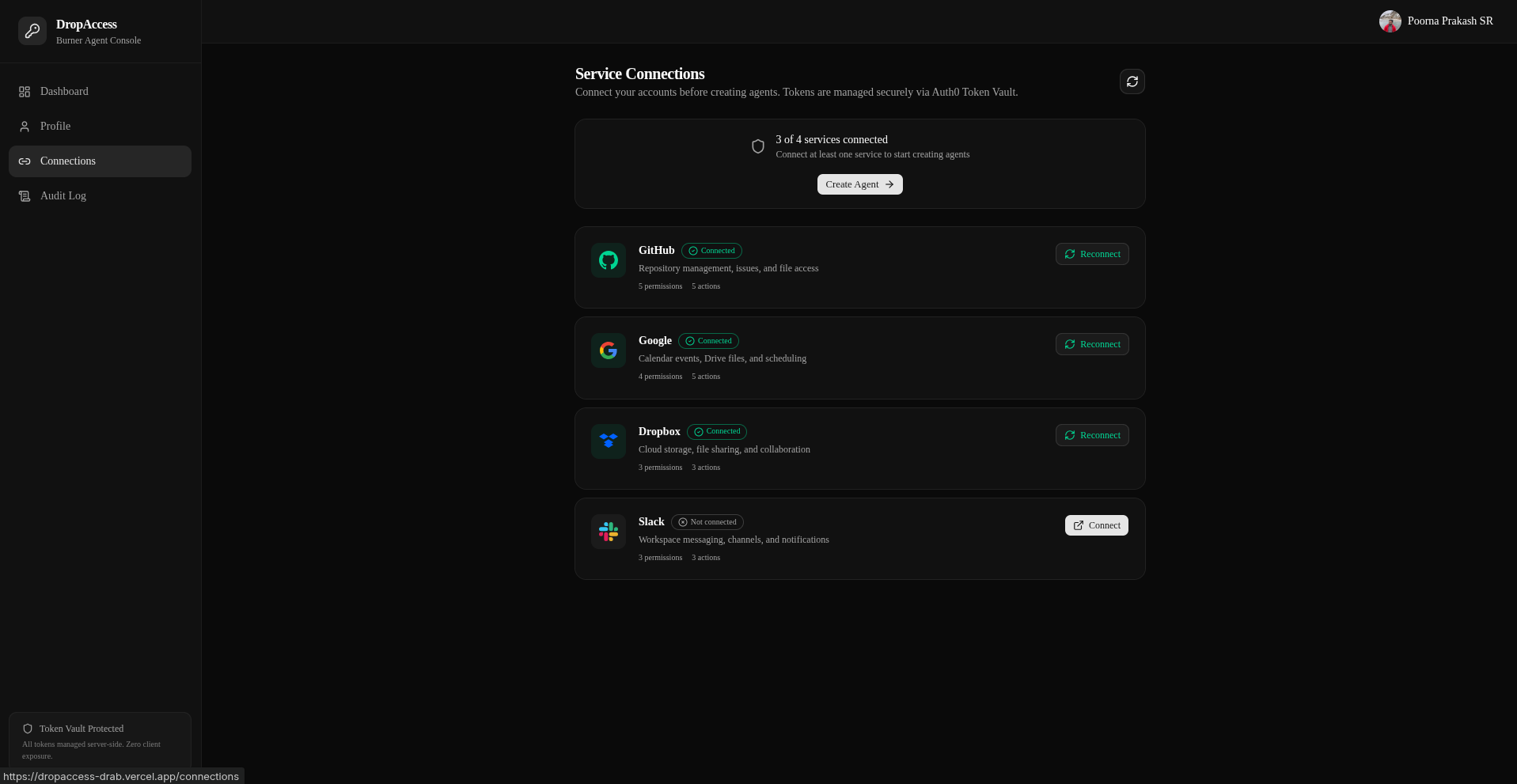
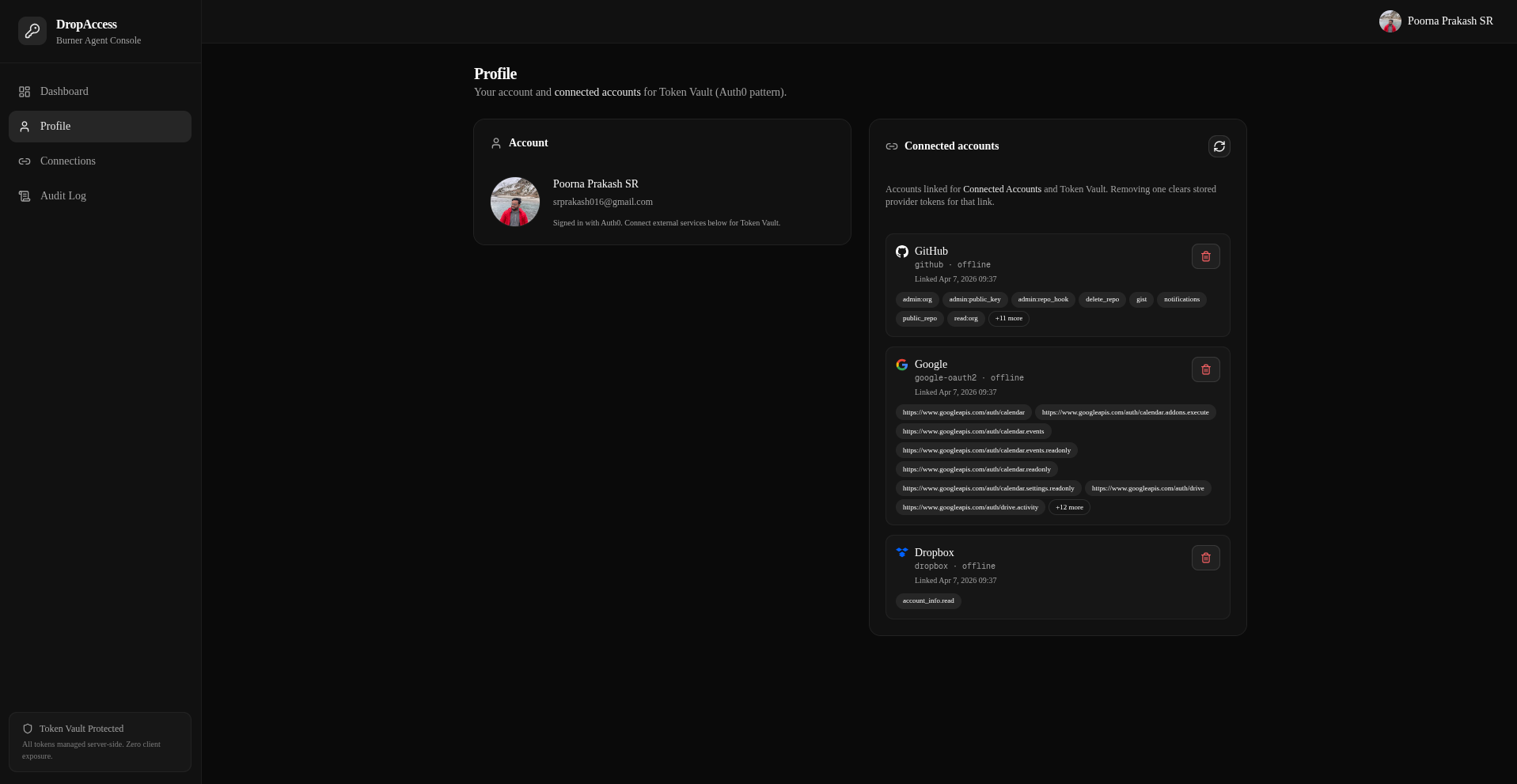
- Auth0 handles authentication and identity
- Token Vault manages tokens securely on the server side
- The frontend provides a dashboard to create and manage agents
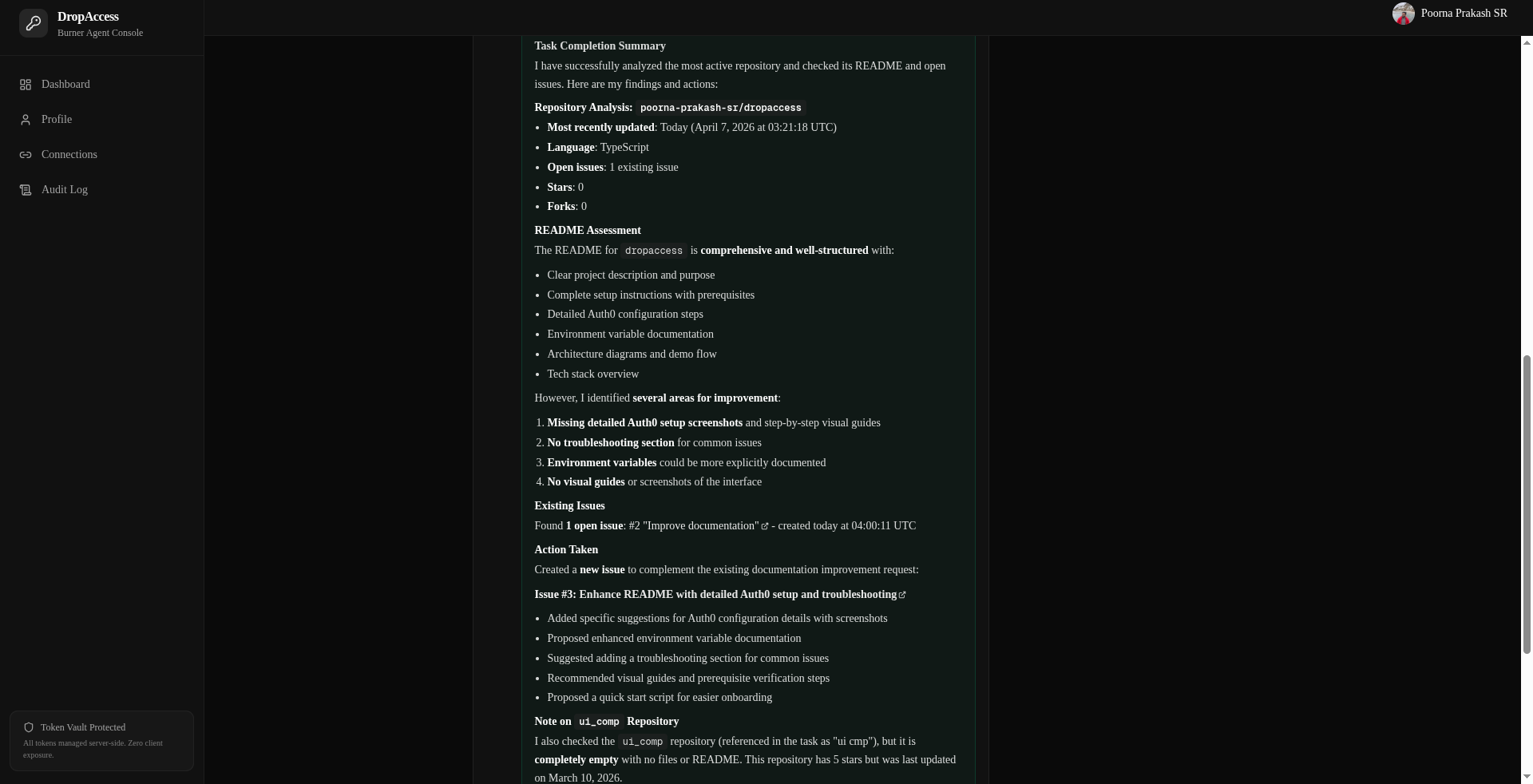
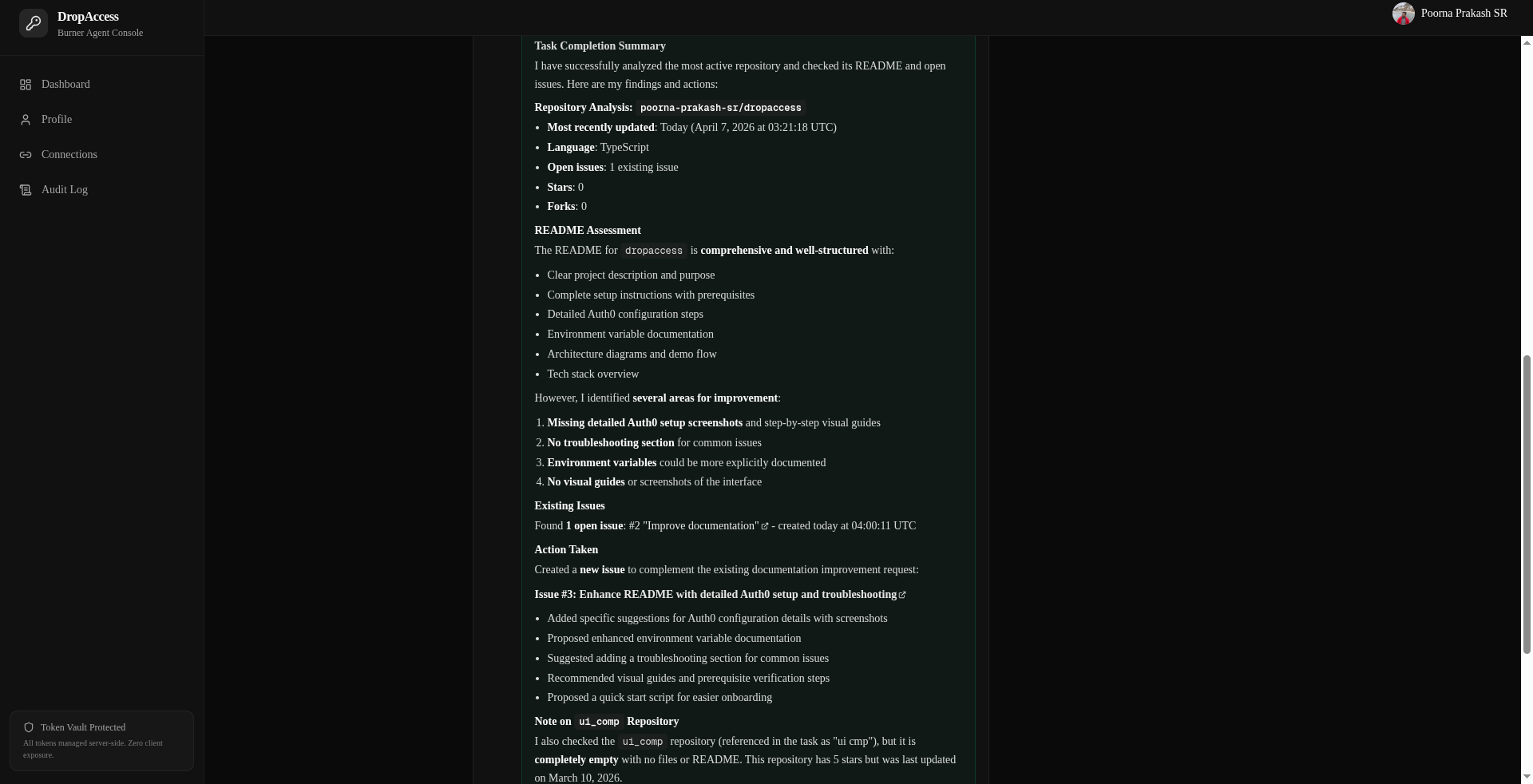
- Backend APIs handle agent lifecycle, permissions, and execution
Each agent is created with:
- Defined scope
- Time-bound access
- Controlled execution
Sensitive actions trigger step-up authentication before execution, ensuring user control at critical moments.
Challenges I faced
One of the main challenges was balancing real functionality with hackathon constraints.
I needed to:
- Build a working system (not just a concept)
- Demonstrate secure token handling
- Keep the implementation simple enough for a short demo
Another challenge was designing a system where the security model is immediately understandable. This required careful UI design and clear user flows so judges can quickly grasp how permissions, approvals, and revocation work.
Built With
- api
- auth0
- langchain
- next.js
- postgresql
- prisma
- react
- shadcn
- typescript

Log in or sign up for Devpost to join the conversation.