-
Proposed Drone Model
-
Use Case in Railway
Inspiration
The inspiration for this project came from the need to modernize and improve the safety and efficiency of railway track inspections. Traditional manual inspections were not only labor-intensive and time-consuming but also posed safety risks to personnel. By harnessing the capabilities of drones and advanced imaging and sensor technologies, we aimed to create a solution that could automate and enhance the inspection process, ultimately improving accuracy, coverage, and frequency while reducing operational costs and minimizing risks to human inspectors.
What it does
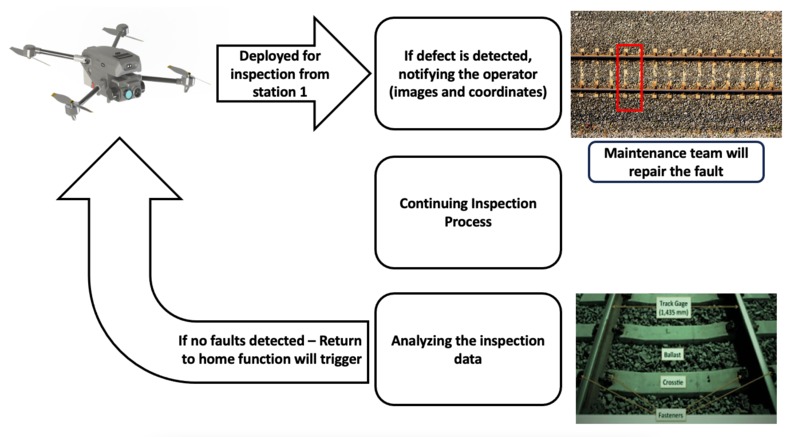
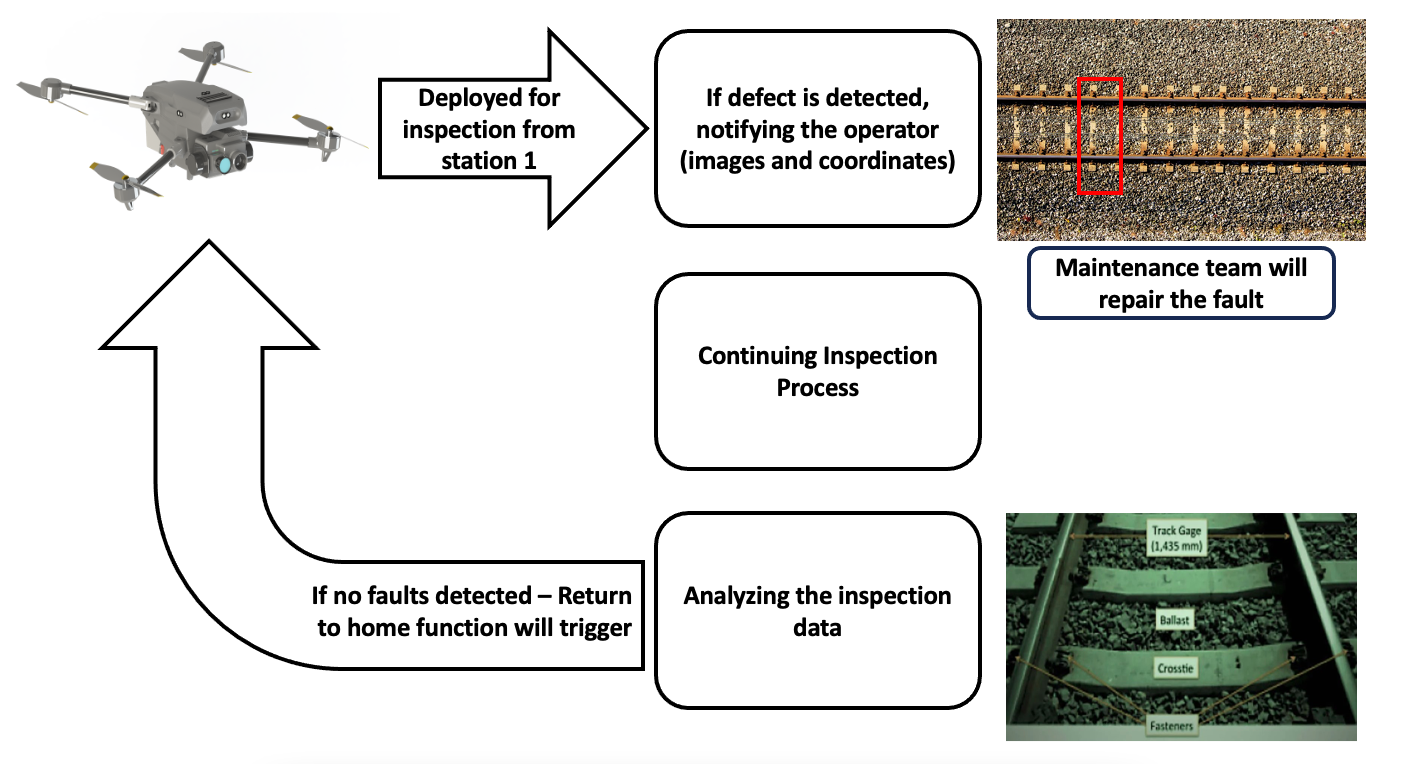
Our solution utilizes drones equipped with advanced imaging and sensor technologies to autonomously inspect railway tracks. The drones are programmed to fly along the track, capturing high-resolution images and data in real-time. This data is then analyzed using AI algorithms to detect anomalies, such as cracks, wear, or structural issues in the tracks. The system can generate comprehensive inspection reports and alert maintenance teams to areas that require attention. By doing so, significantly enhances the accuracy and coverage of inspections, reduces operational costs, and minimizes the risk to human inspectors.
How we built it
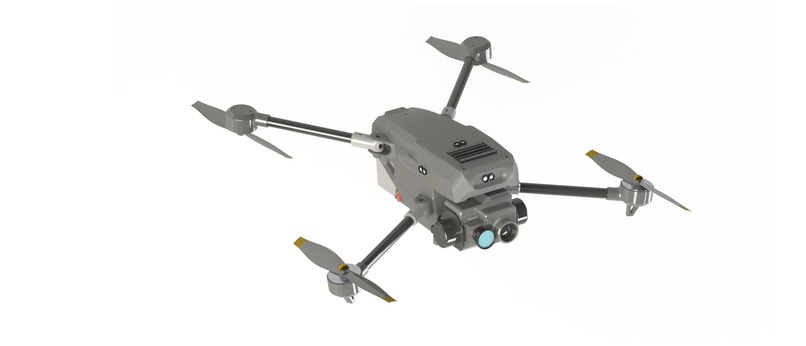
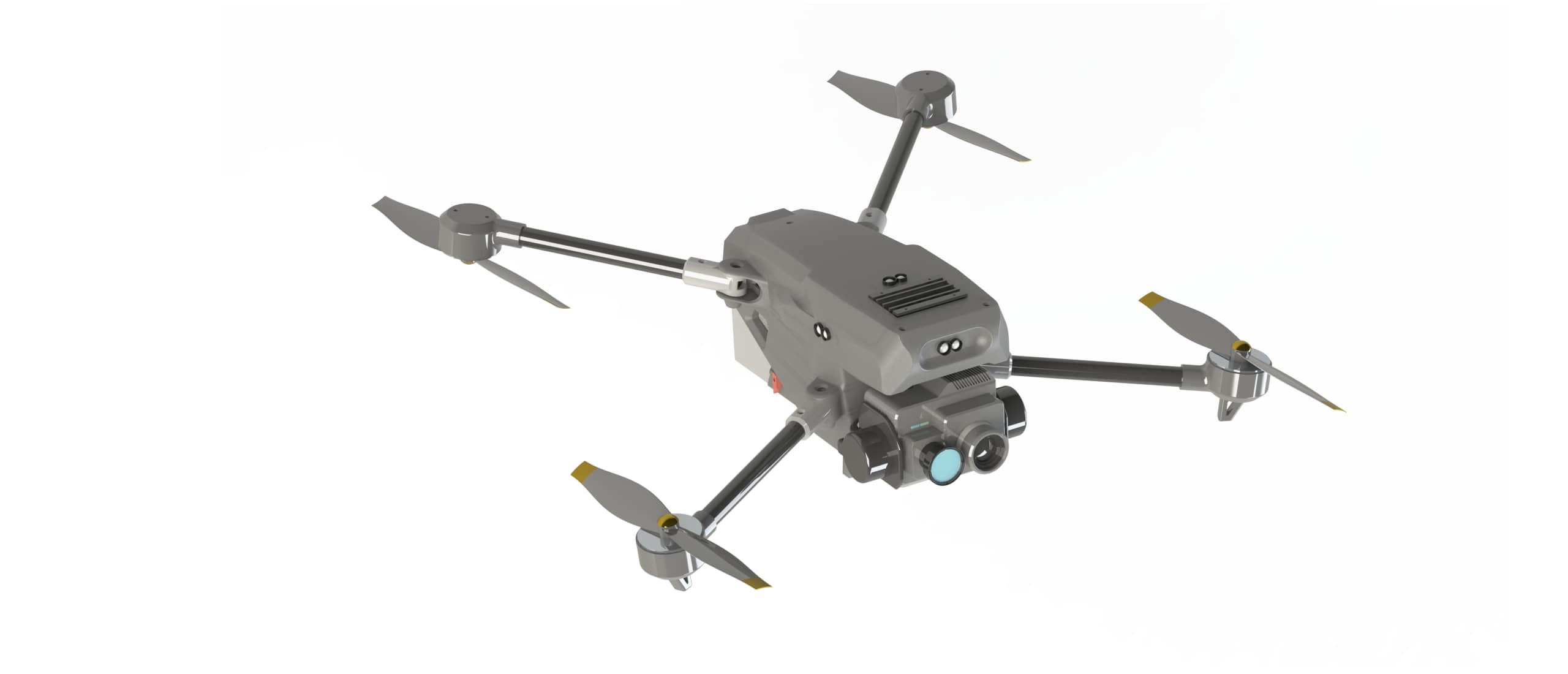
We built this solution by integrating a variety of technologies. First, we custom-build our drone prototypes equipped with high-quality cameras and sensors. We developed custom software to control the drones, plan their flight paths, and capture data. The image and sensor data are then processed using machine learning and computer vision algorithms to identify potential issues in the tracks. We also built a user-friendly interface for railway maintenance teams to access inspection reports and prioritize maintenance tasks.
Challenges we ran into
- Drone flight planning: Designing efficient flight paths for drones along complex railway tracks required overcoming challenges related to route optimization and safety considerations.
- Data processing: Analyzing the vast amount of image and sensor data in real-time and ensuring accurate anomaly detection was a technical challenge.
- Integration with existing systems: Integrating our solution with existing railway maintenance workflows and systems proved to be a complex task.
- Regulatory compliance: Ensuring compliance with aviation and railway safety regulations was a significant challenge that required close collaboration with relevant authorities.
Accomplishments that we're proud of
- Successful autonomous drone flight planning and execution along railway tracks.
- High accuracy in identifying track anomalies through AI algorithms.
- Seamless integration of our solution with existing maintenance processes.
What we learned
Through this project, we gained valuable insights into the integration of drones, AI, and sensor technologies for railway track inspections. We also learned about the complexities of working within a regulated industry and the importance of safety and compliance. Additionally, we improved our skills in data processing, algorithm development, and teamwork.
What's next for DroneVerse.ai
- Scaling the solution to cover more railway networks and routes.
- Continuous refinement of the AI algorithms to improve anomaly detection accuracy.
- Exploring the potential for predictive maintenance by analyzing historical inspection data.
- Collaborating with railway authorities to streamline regulatory approvals and expand deployment.
- Evaluating the use of other emerging technologies, such as lidar and thermal imaging, to enhance inspection capabilities.
Built With
- drone
- metlab
- python

Log in or sign up for Devpost to join the conversation.