-
-
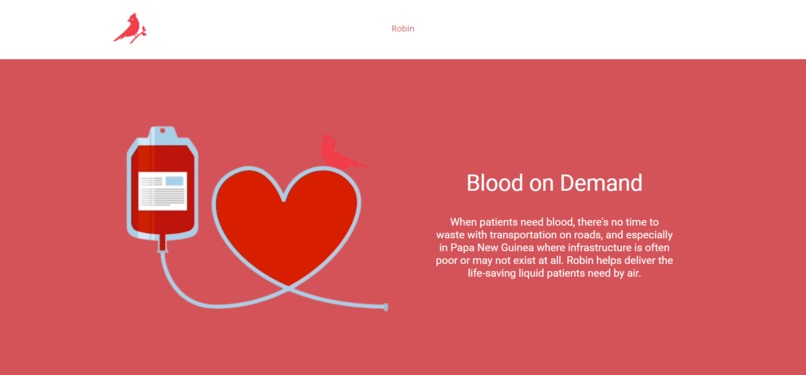
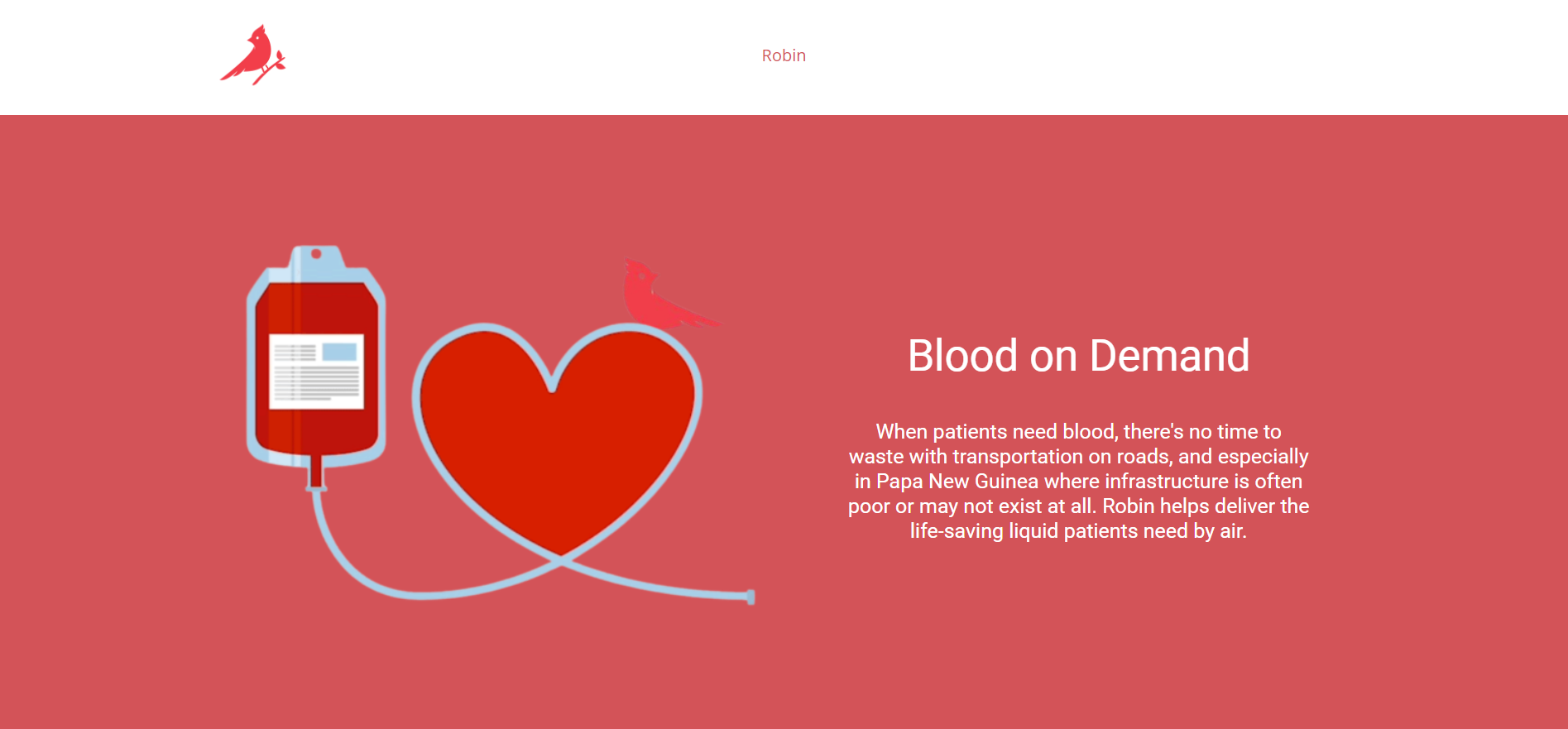
Robin homepage
-
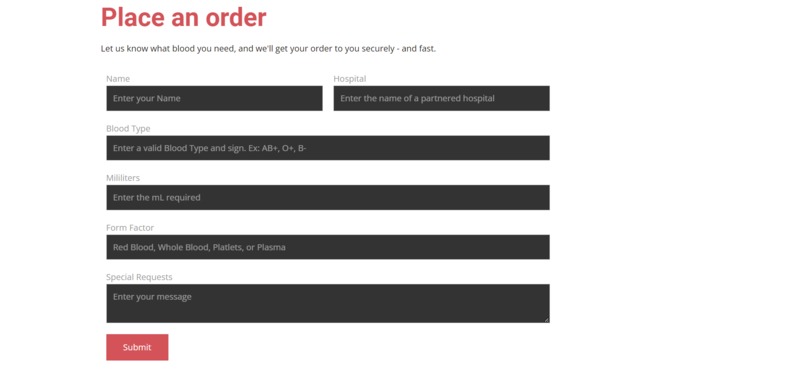
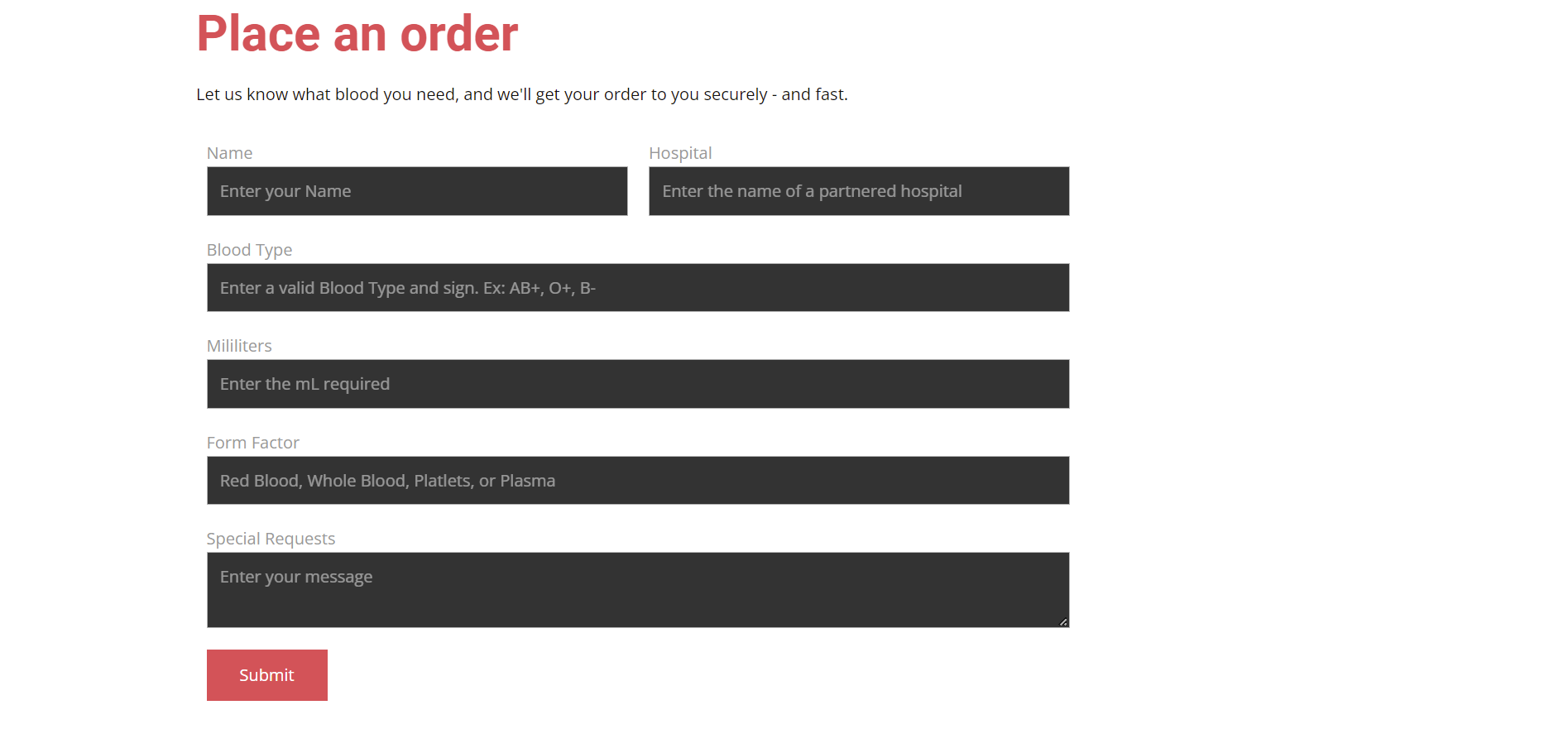
Robin order form
-
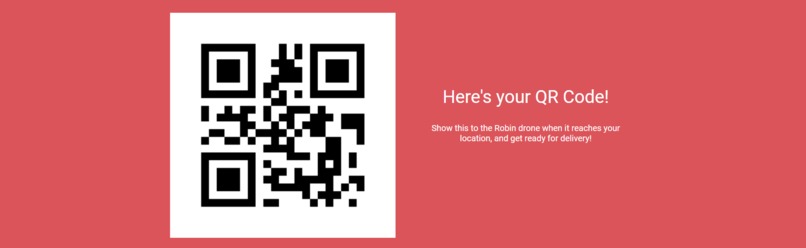
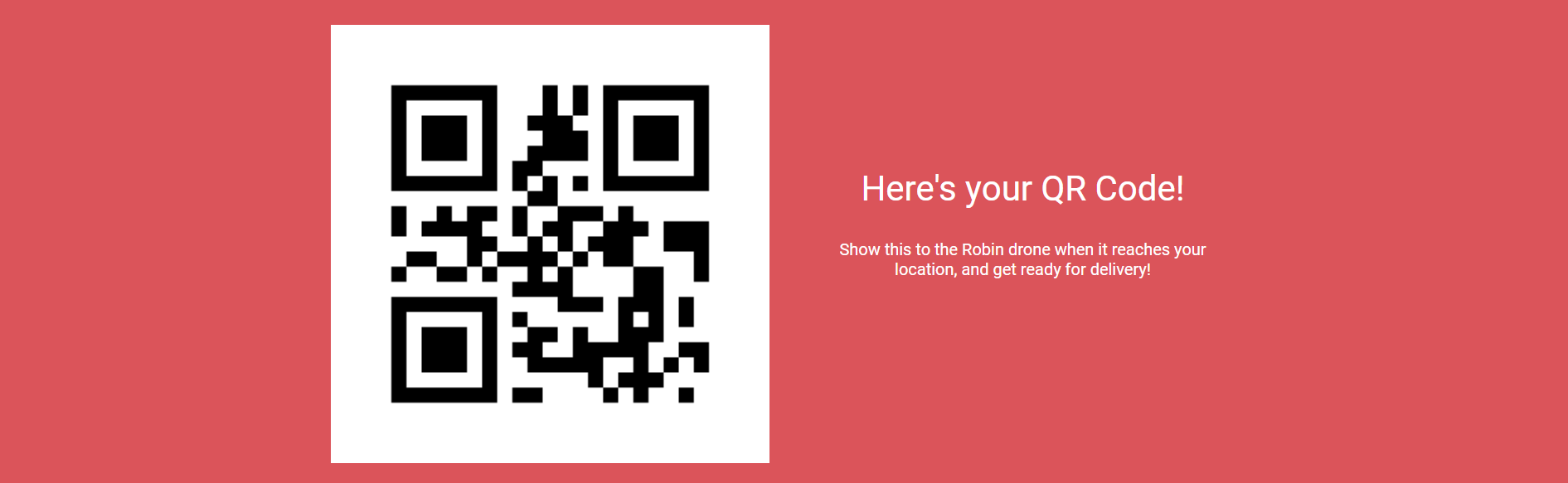
The returned Robin QR Code
-
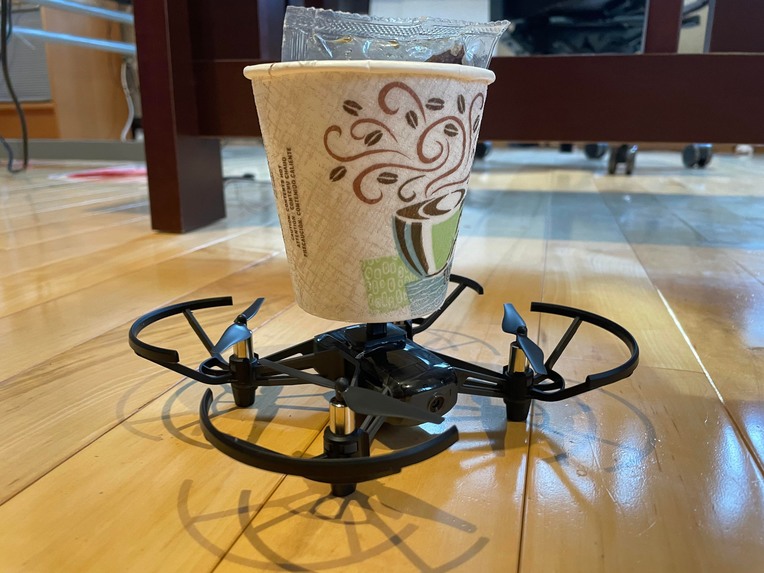
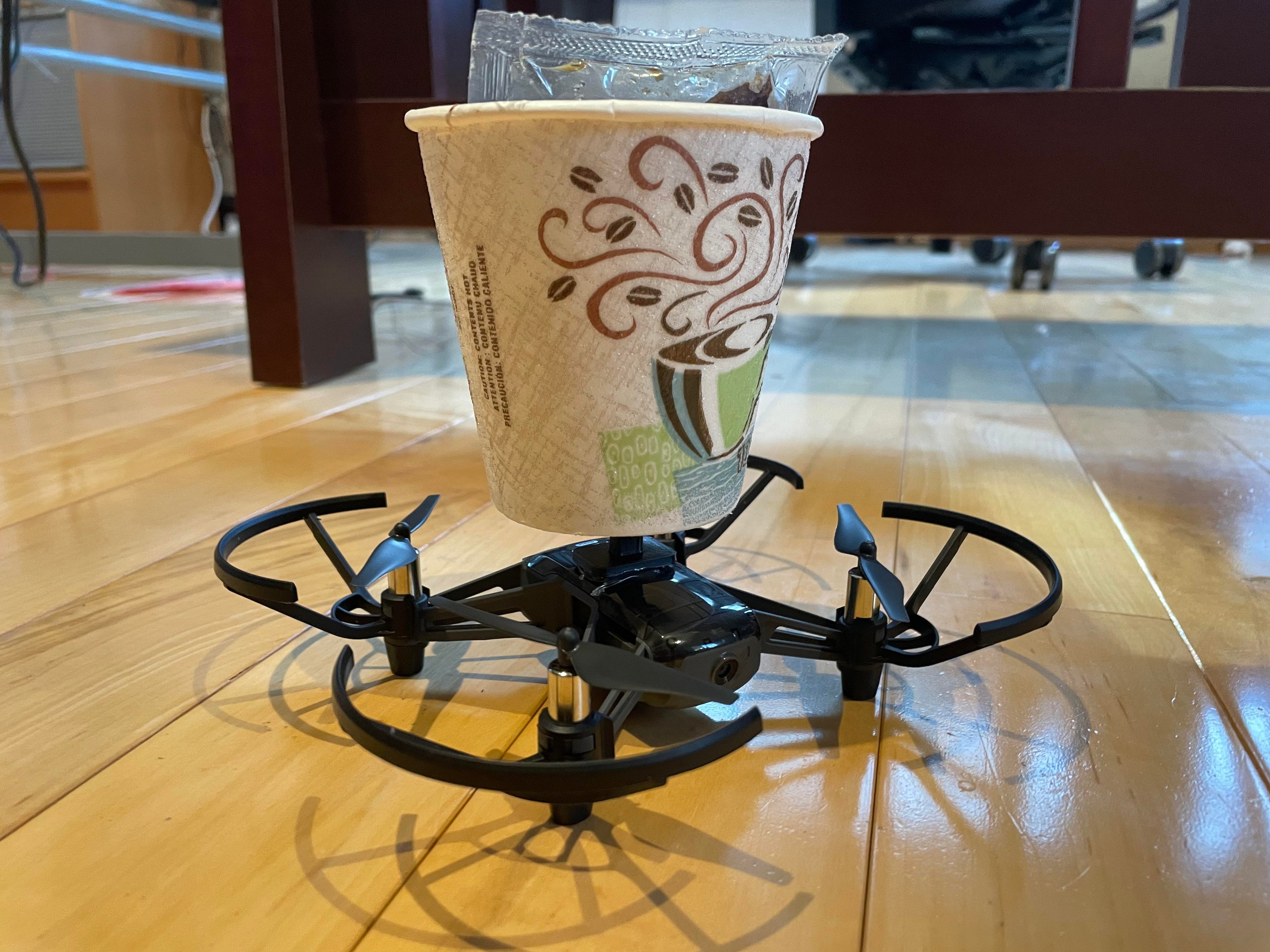
The Robin setup: Tello with a 3D printed cup mount and cup
-
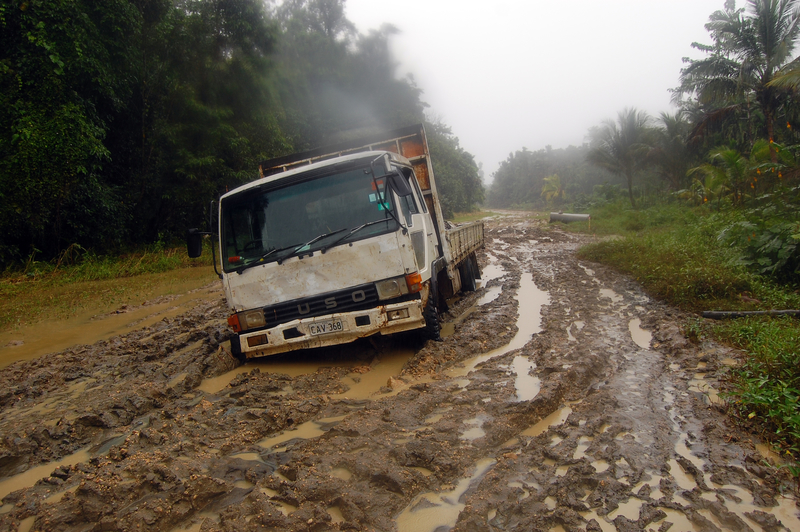
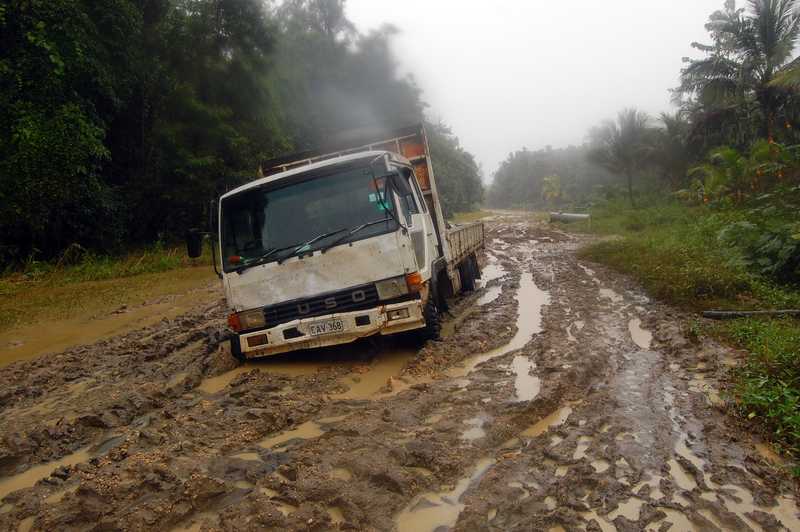
Papua New Guinea Roads during rainy season
-
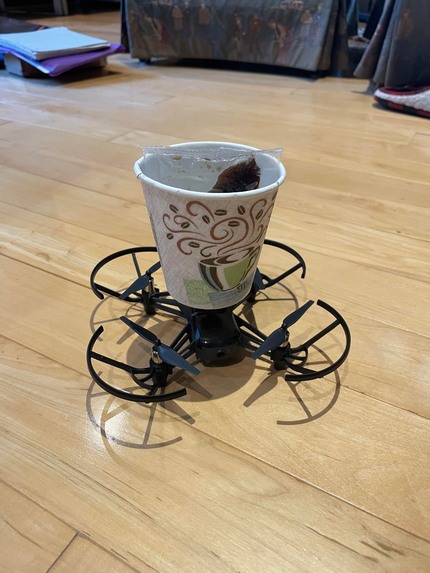
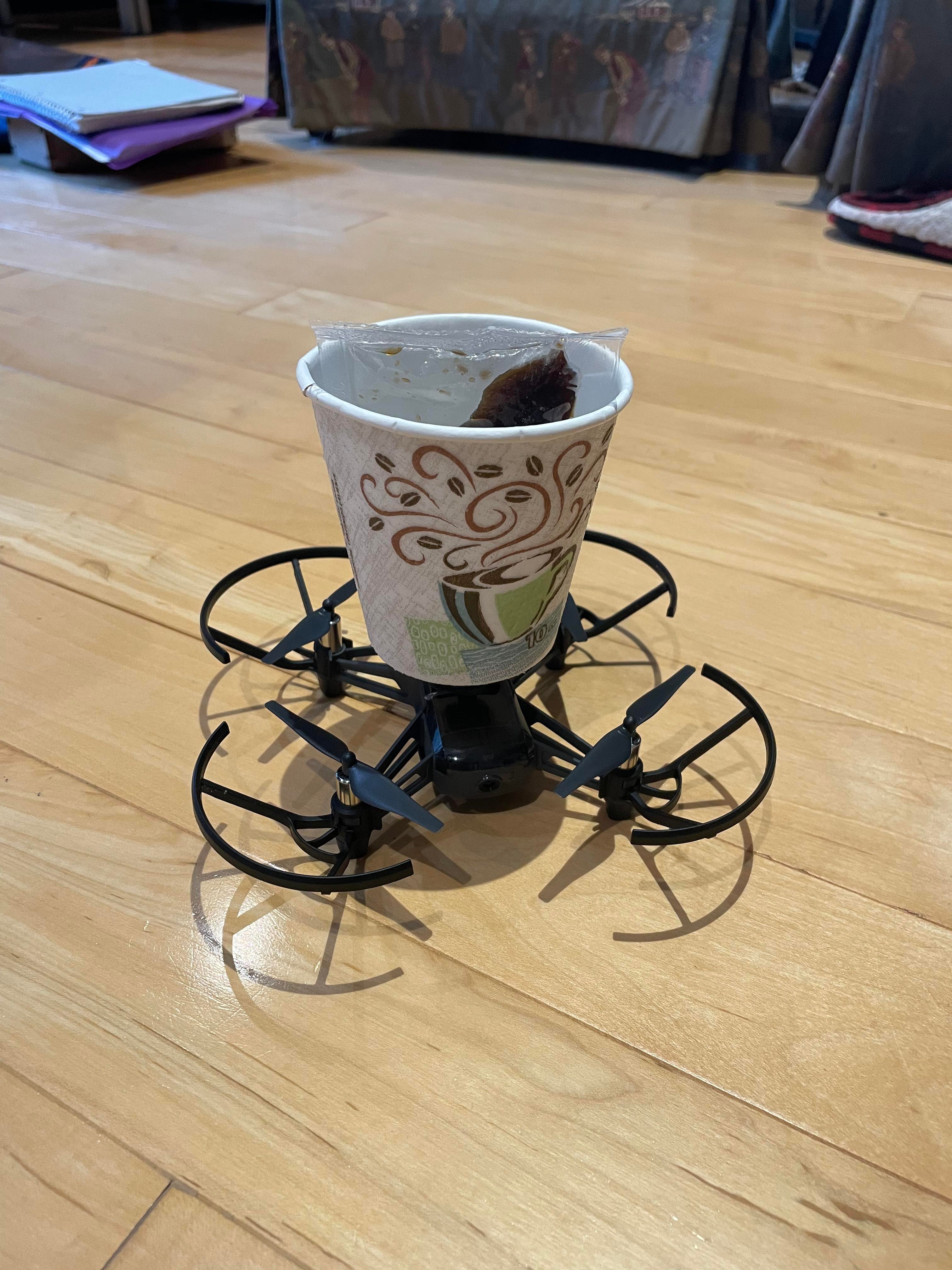
The "Blood" Sachet in the drone
Robin
By Hudson Gould
What is Robin?
Robin is a full stack drone delivery system that autonomously delivers blood to hospitals in underdeveloped countries without proper infrastructure, giving doctors the supplies to do what they do best: save lives.
Why?
Picture this: You've cut yourself and are losing a lot of blood. You're rushed to the hospital, but the doctors tells you that they're out of O+, your blood type, and they need to get some more. BUT - the nearest distribution center with O+ is 40 miles away, and because of snow, it might be 4 hours until you get your life-saving transfusion. That's time that you don't have.
Unfortunately, this is the reality for over 2 billion people without access to essential medical products like blood and vaccines, due to poor or even non-existent infrastructure. Of the 12,179 miles of roads in Papua New Guinea, only 426 miles are paved (3.5%), and in the rainy season, conditions become virtually untraversable, cutting off crucial medical supply chains.
If a mother is bleeding out during childbirth, she cannot afford to wait 3 hours for blood to arrive, leaving people like her living in remote rural villages in danger.
By launching automated drone delivery with Robin, I hope to circumvent poor ground infrastructure and deliver essential medical supplies to hospitals by taking to the skies.
How does it work?
When a hospital/doctor is in need of blood, they visit the Robin website and place and order along with their hospital details. The data is then sent to a Firebase backend to host the data, where it is retrieved by a Python script at a blood distribution center.
The script generates a confirmation QR Code unique to that order and sends it back to Firebase to be fed to the user. This code is used as an extra layer of security to make sure that doctors don't erroneously transfuse the wrong type of blood into a patient, for example at hospital where multiple doctors are receiving blood at a single time.
After receiving an order, a medical technician then loads the correct blood in the drone and the it takes off to a predetermined delivery area (a hospital in practice, a landing pad in my project). When it reaches the hospital, it scans for the QR Code corresponding to the order it's carrying. It will refuse to release the package if the wrong QR Code is shown. Once it scans the correct code on its camera, the drone will distance itself from the doctor and flip to release its payload, returning back to the distribution center to perform another life-saving delivery.
The tech behind Robin
Hardware I used the DJI Tello drone and the DJITelloPy library for movement programming. I also incorporated computer vision in the Tello through OpenCV to read and parse QR Codes from the onboard camera. Webdev I used Google Firebase to hold/manage my order data and QR Codes, and I coded the Robin website in HTML and Javascript.
Accomplishments that we're proud of
I've never done web dev so I came into HackTJ wanting to make a REST api. This project was a great way for me to dip my toes into Web, and I had fun with my drone as well (some other people did too).
What's next for Robin
Robin isn't just restricted to blood - it's really a drone with a compartment after all. As noted above, supplies like vaccines and PPE aren't any easier to get to rural hospitals, so a framework/ordering system to accept other forms of essential medial supplies is next on the chopping block.


Log in or sign up for Devpost to join the conversation.