-
-
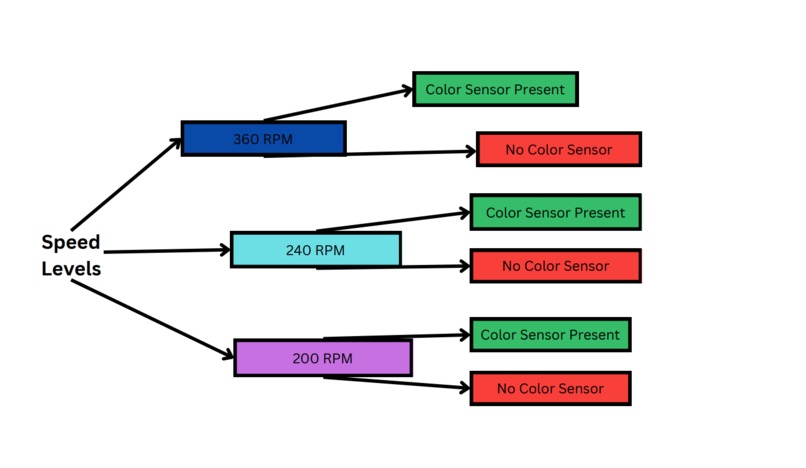
The factorial Method used in our research
-
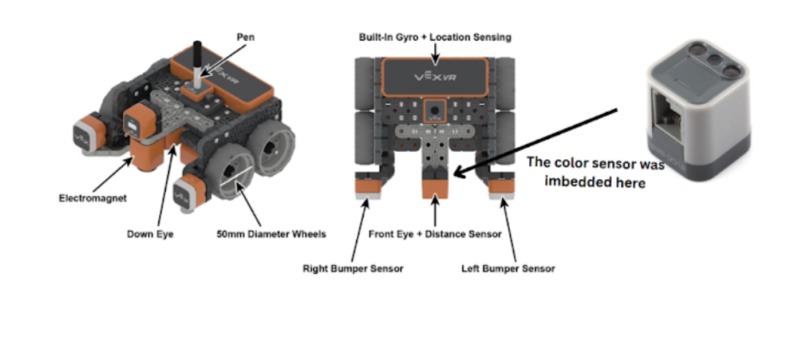
The robot and the proxy AI sensor
Inspiration
The need for AI in crash prevention is underscored by the alarming statistics surrounding road accidents worldwide. This paper aims to evaluate the effectiveness of embedded AI sensor implementations in automobiles to reduce car accidents. Road traffic accidents pose a significant global health concern, resulting in approximately 1.35 million fatalities annually and imposing substantial economic costs exceeding $518 billion worldwide. Human error accounts for the majority of road accidents, with factors such as distracted driving, speeding, and impaired driving contributing significantly to the problem. The integration of AI sensors in vehicles has the potential to greatly enhance road safety by reducing both the frequency and severity of road accidents. These sensors, often powered by advanced artificial intelligence algorithms, enable vehicles to perceive their surroundings, make real-time decisions, and act autonomously to avoid potential hazards. By continuously monitoring the environment, AI sensors can detect obstacles, pedestrians, cyclists, and other vehicles on the road with high accuracy and efficiency.
What it does
My project simulates the functionality of AI sensors in vehicles through a robot equipped with a color sensor. I programmed the robot to react to detected colors, serving as a proxy for how AI sensors would identify and respond to potential hazards on the road. Through testing under various conditions, I evaluated the effectiveness of these AI sensors in preventing road traffic accidents. While I did simplify the AI sensor complexity for the project's scope, I believe it does showcase AI's potential impact on road safety.
How we built it
- Building the Robot: We constructed a robot and integrated a color sensor.
- Programming: The robot was programmed to execute tasks based on the input from the color sensor, simulating AI sensor functionality.
- Research and Evaluation: We conducted research and evaluated the robot's performance in diverse scenarios, such as varying speeds, akin to real-world conditions.
Challenges we ran into
One significant challenge we encountered was generalizing our data to the local population, ensuring that our simulations accurately reflected real-world traffic conditions.
Accomplishments that we're proud of
Successfully programming an AI sensor into our robot and witnessing its ability to avoid a car traffic accident serve as significant achievements for our project.
What we learned
Through this project, I gained insights into the potential of AI sensors to significantly reduce road traffic incidents by minimizing human error.
What's Next for Driving Safer: AI Sensors to Reduce Road Traffic Accidents
Our next steps involve developing a mobile application to control the AI sensors in our proxy vehicles, enabling remote monitoring and management of road safety measures. Additionally, we plan to refine our simulations and conduct real-world testing to validate the effectiveness of AI sensors in reducing road traffic accidents.


Log in or sign up for Devpost to join the conversation.