-
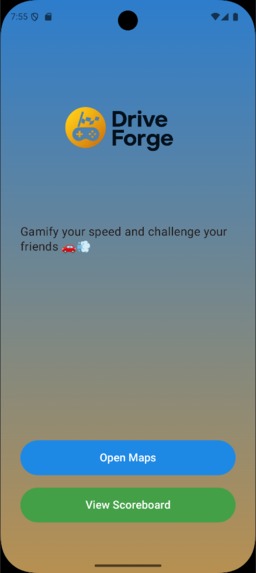
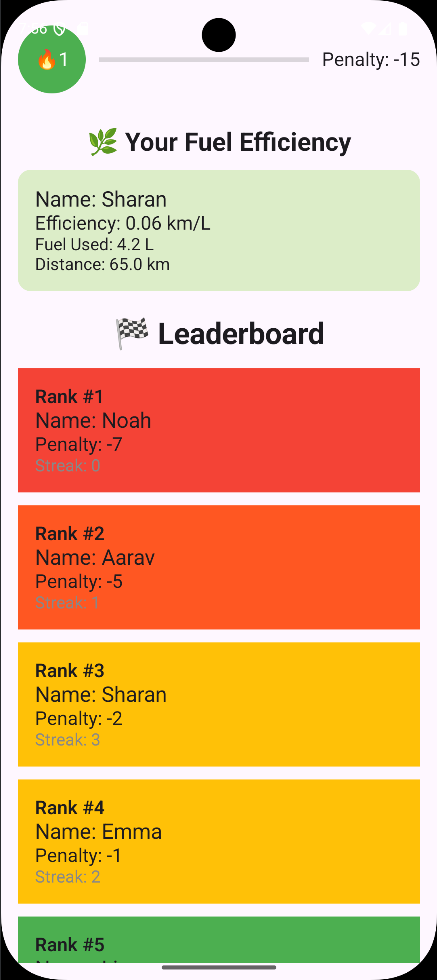
Main Page
-
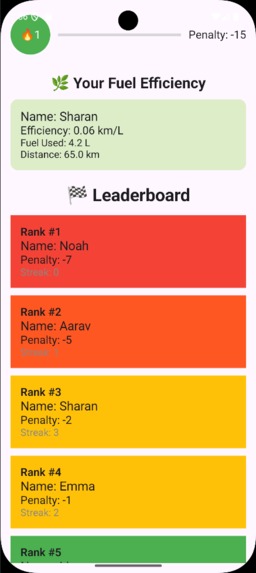
Leaderboard Page
-
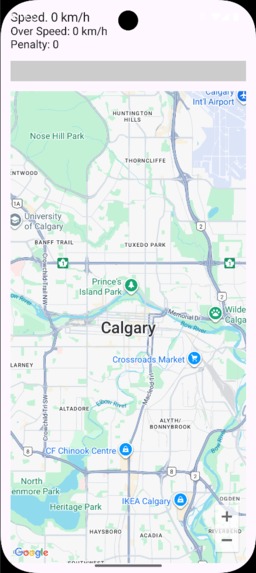
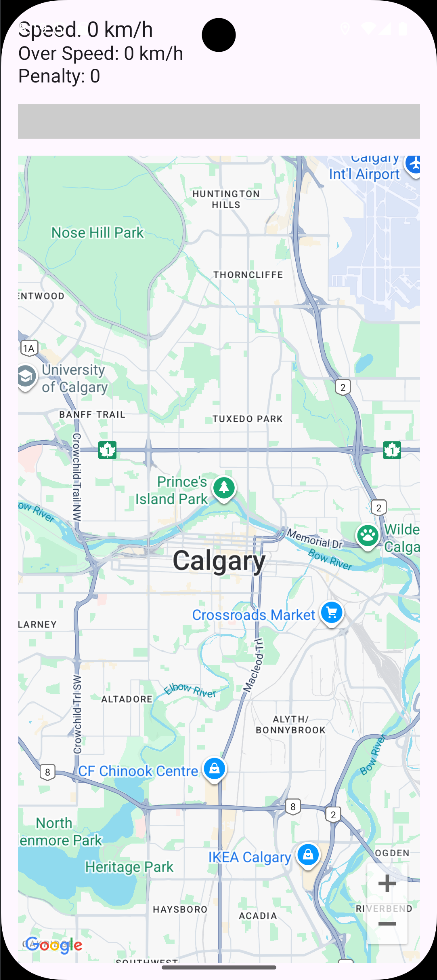
map with speed
Inspiration
Our inspiration came from personal driving experiences, such as noticing the small speed indicator on Google Maps that many drivers tend to ignore. We wanted to highlight how most people spend long hours driving, often bored during their workdays, and how gamifying this experience could make it more engaging and safe.
What it does
DriveForge makes driving more interesting by turning it into a points-based challenge. Drivers compete for high scores while promoting a sense of healthy competition within communities. The app emphasizes safety by encouraging drivers to maintain the correct speed, linking gamification with real-world impact. It positively reinforces safe driving habits, potentially saving lives.
How we built it
We built DriveForge using Kotlin and Jetpack Compose, integrating Google Maps for real-time location tracking and dynamic UI rendering. Our team divided responsibilities based on strengths: Sharan led the development of core features, including UI design, speed monitoring, and penalty logic, while other team members supported UI development and research.
We started with a simple map view and gradually added interactive elements like speed tracking, penalty feedback, and eco-score visualization. One key challenge was syncing GPS speed data with Compose UI updates in real time, which we solved using FusedLocationProviderClient and reactive state management. Our design focuses on gamified safety, turning everyday driving into an engaging and educational experience.
Challenges we ran into
We faced several challenges: Learning Android Studio from scratch. Implementing the Google Maps API for real-time tracking. Handling UI differences between Java and Kotlin, which was a learning curve for our team of Java developers. Limited time to implement advanced features like turn-by-turn directions.
Accomplishments that we're proud of
We successfully created a fully functional app in Kotlin with a clean, user-friendly UI. This was our first Android Studio project, and it allowed us to explore and understand Android UI development, which differs significantly from traditional Java UI development.
What we learned
R: Learned Android UI development for future projects.
S: Gained experience in integrating APIs, Kotlin programming, and building UI from scratch.
What's next for DriveForge
- Add online features like friend connections and country-wide leaderboards.
- Implement account creation and nickname options.
- Fully integrate Google Maps-style navigation, including directional guidance, which is currently removed for simplicity.


Log in or sign up for Devpost to join the conversation.